

Language isolates are linguistic family trees whose visible branches seem to stop with a single language. They may be surrounded by languages belonging to enormous families, share words with their neighbors, and reflect centuries of cultural contact, yet linguists have not demonstrated a genealogical relationship connecting them to another language. That distinction matters: an isolate is not a language that developed without outside influence, nor does the label prove that it never had relatives. Related languages may simply have disappeared before they could be adequately documented. From the Pyrenees to Japan, the Himalayas, Africa, and the Americas, these languages reveal just how much of humanity’s linguistic past can vanish while one remarkable branch survives.
1. Basque | Spain & France

Walk through parts of the western Pyrenees and the linguistic landscape changes in a fascinating way. Basque survives in a region otherwise surrounded by Indo-European languages, yet linguists have not demonstrated that Basque itself belongs to that enormous family. Its neighbors may be geographically close, but when researchers trace ancestry rather than proximity or borrowed vocabulary. Basque´s family tree still stands apart.
2. Ainu | Japan
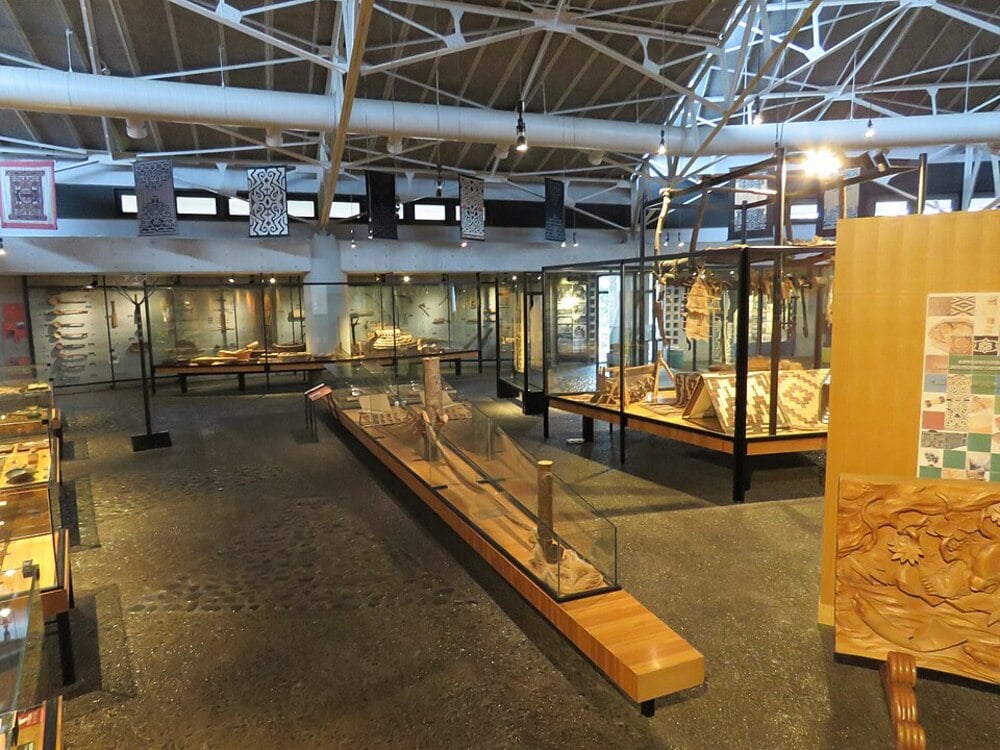
Ainu has attracted plenty of attempts to find it a linguistic family. Traditionally associated especially with Hokkaido, the language has been compared with other languages and proposed as a relative of several different groups. The intriguing part is what happened next: none of those proposed external relationships achieved general acceptance. Sometimes linguistic classification is defined as much by what researchers cannot demonstrate as by what they can.
3. Burushaski | Pakistan & India
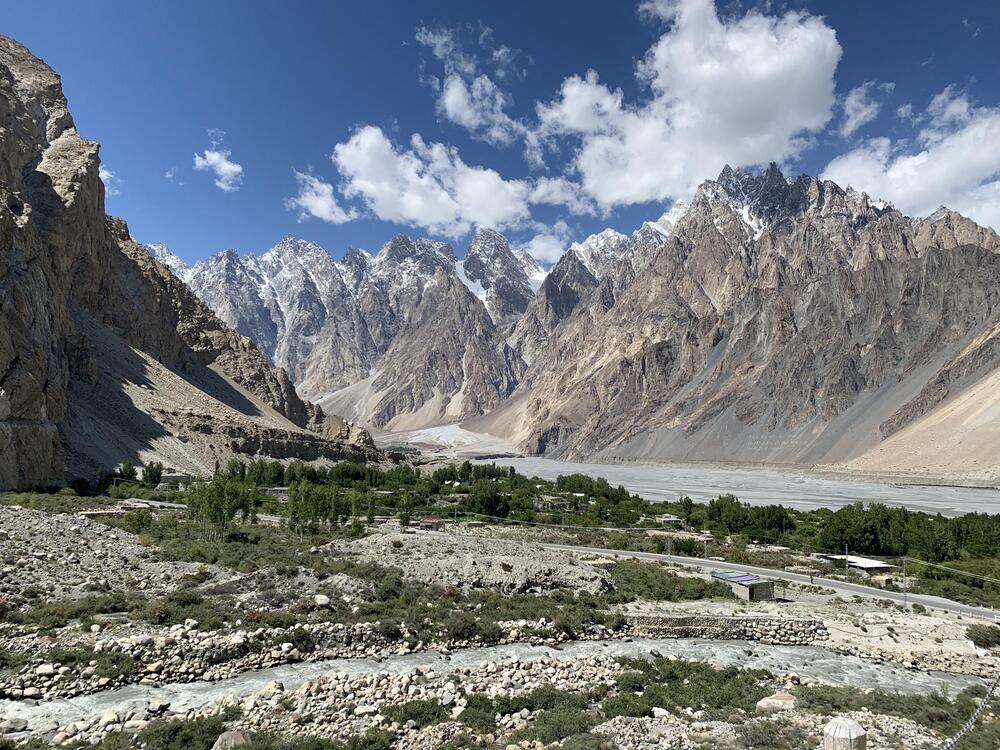
How does a language remain genealogically unconnected while sitting among major language families? Burushaski provides a striking example. Spoken principally in northern Gilgit-Baltistan and adjacent areas, it exists in a linguistically busy part of the world without a demonstrated genealogical relative. Its location shows why geography alone cannot build a language family: neighboring communities can interact extensively without their languages sharing the same ancestral branch.
4. Kusunda | Nepal
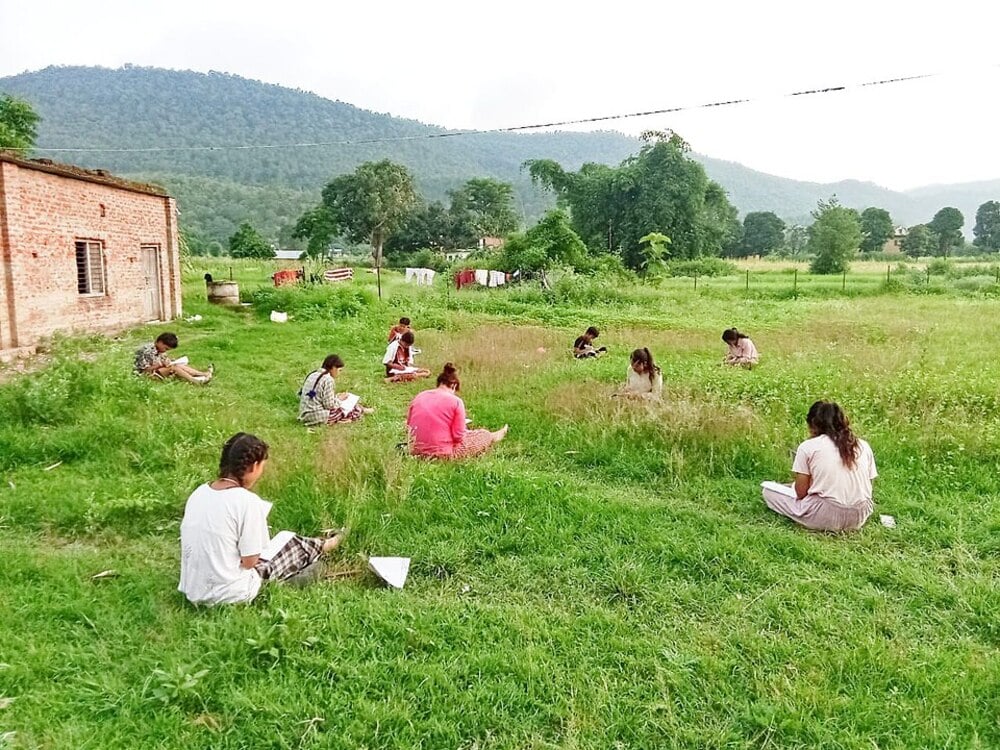
For Kusunda, classification is only part of the story. The language is spoken by a very small community in Nepal and has resisted convincing placement within the language families surrounding it. That makes documentation and revitalization particularly urgent. If a language isolate disappears without sufficient records, linguists do not simply lose another language. They can also lose evidence from an entire linguistic lineage that cannot currently be connected to another surviving branch.
5. Nihali | India
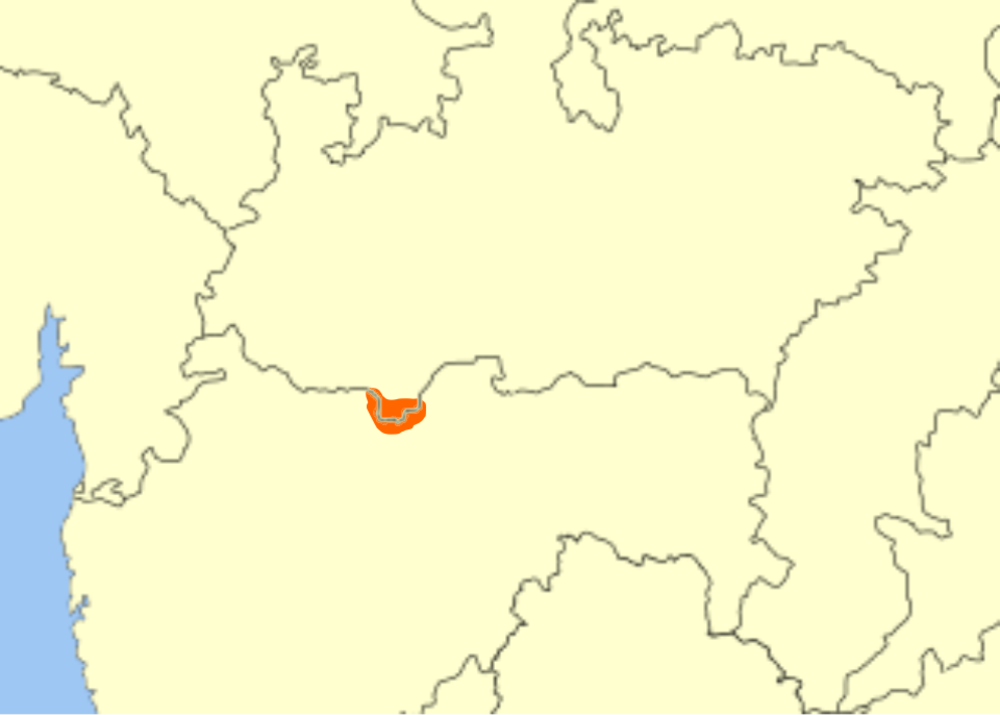
Nihali is a useful warning against imagining language isolates as sealed linguistic time capsules. It contains extensive influence from neighboring languages, even though its deeper genealogy has resisted convincing classification. Its status as an isolate therefore requires qualification. Languages borrow, interact, and change through contact, and those shared features can make their histories more complicated without necessarily demonstrating that they descend from the same ancestral language.
Trending on The Scroller


6. Nivkh | Russia
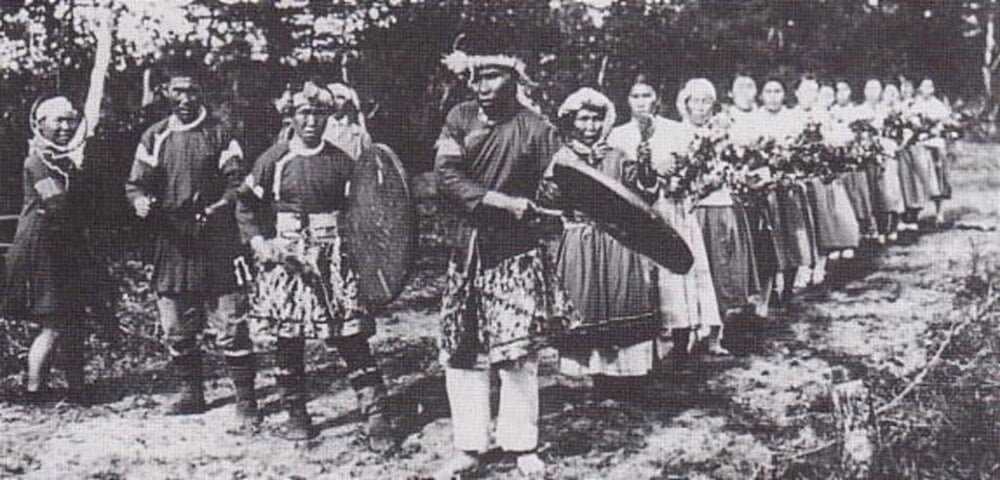
Along the lower Amur River and on Sakhalin, Nivkh occupies another difficult corner of the linguistic family tree. Scholars have proposed broader relationships for the language, but those connections remain unproven. Depending on the analysis, Nivkh may be described as an isolate-like lineage or as part of a small family, a reminder that linguistic classification does not always fit neatly into permanent boxes.
7. Hadza | Tanzania
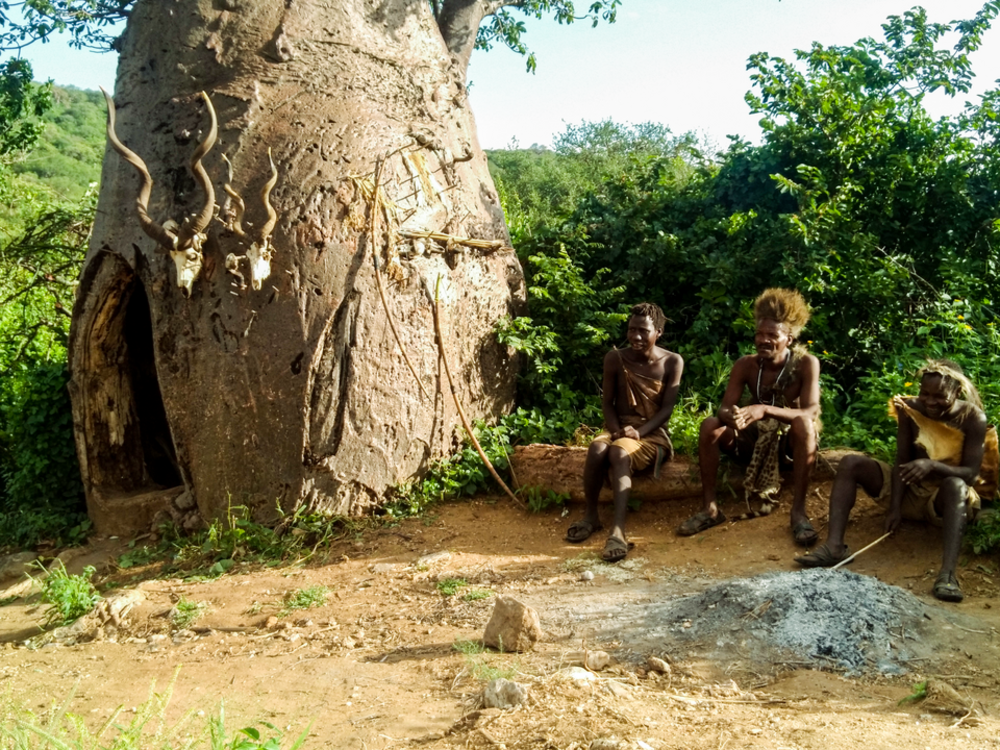
Clicks make Hadza immediately interesting to many listeners, but they can also create a misleading shortcut. The language, spoken near Lake Eyasi in Tanzania, uses click consonants, yet that feature does not demonstrate that Hadza shares common ancestry with other African languages that also use clicks. Similar sounds can exist across different linguistic histories, so researchers need much more than a striking pronunciation feature to establish a family connection.
8. Sandawe | Tanzania
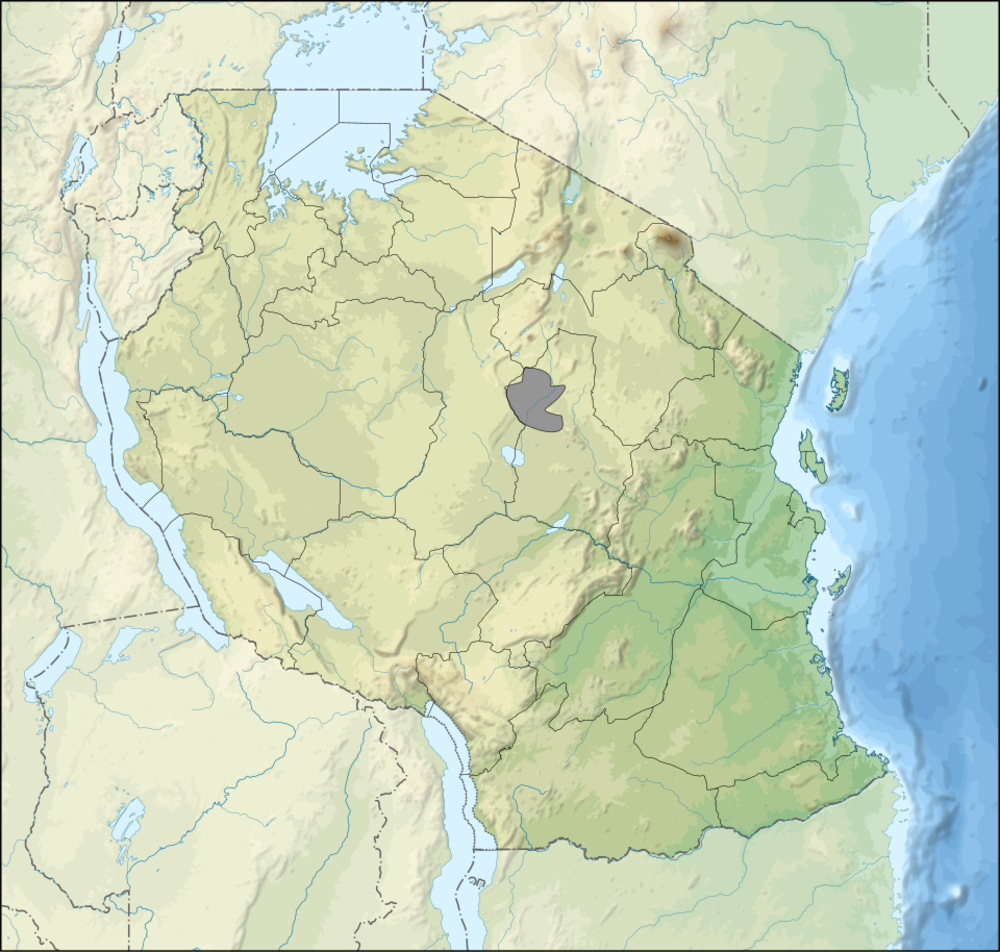
If two languages share unusual sounds, does that make them relatives? Sandawe shows why the answer cannot automatically be yes. It also uses clicks and has been compared with Khoe languages, but proposed genealogical relationships remain debated. As a result, Sandawe is frequently treated as an isolate. This is where language isolates become especially fascinating: similarities can provide clues, but clues are not the same thing as a demonstrated common ancestor.
Sign up for our newsletter
9. Haida | Canada & United States

Haida’s classification illustrates how linguistic family trees can change as evidence is reconsidered. Some scholars historically grouped Haida with the Na-Dene languages, creating what might appear to be a convenient place for it on the map. That wider genealogical relationship, however, is not generally accepted today. A proposed connection can remain influential for years without eventually becoming the linguistic consensus.
10. Zuni | United States
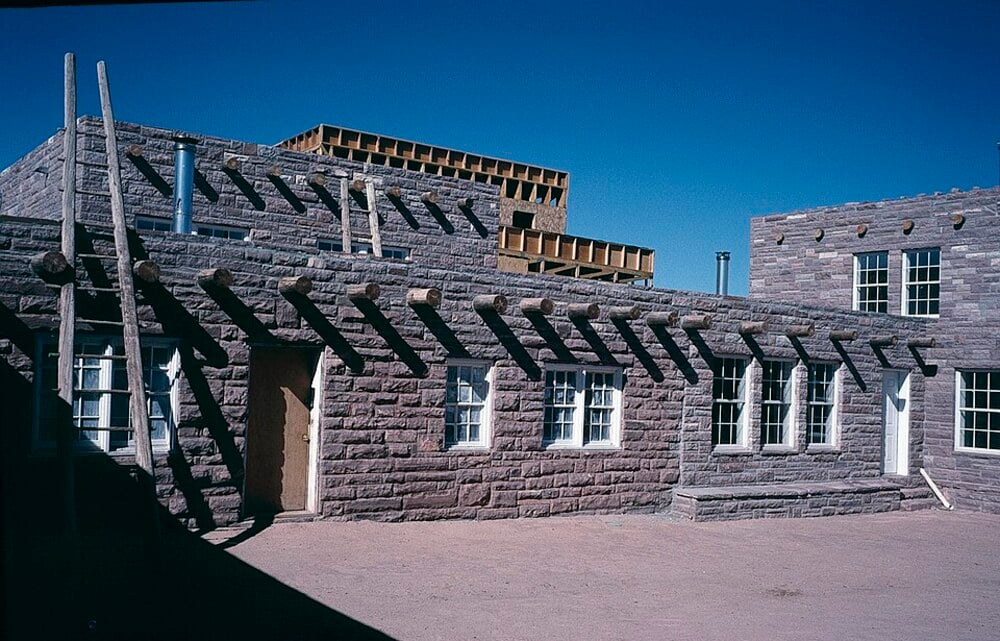
Spoken by the Zuni people of New Mexico, Zuni has hardly escaped attempts to find it some linguistic relatives. Numerous relationships have been proposed, yet none has become generally accepted. That distinction is essential when discussing language isolates: researchers can investigate similarities and propose connections without those proposals becoming established genealogy. For now, Zuni remains one of the languages whose deeper family connection has yet to be convincingly demonstrated.
11. Ktunaxa / Kutenai | Canada & United States
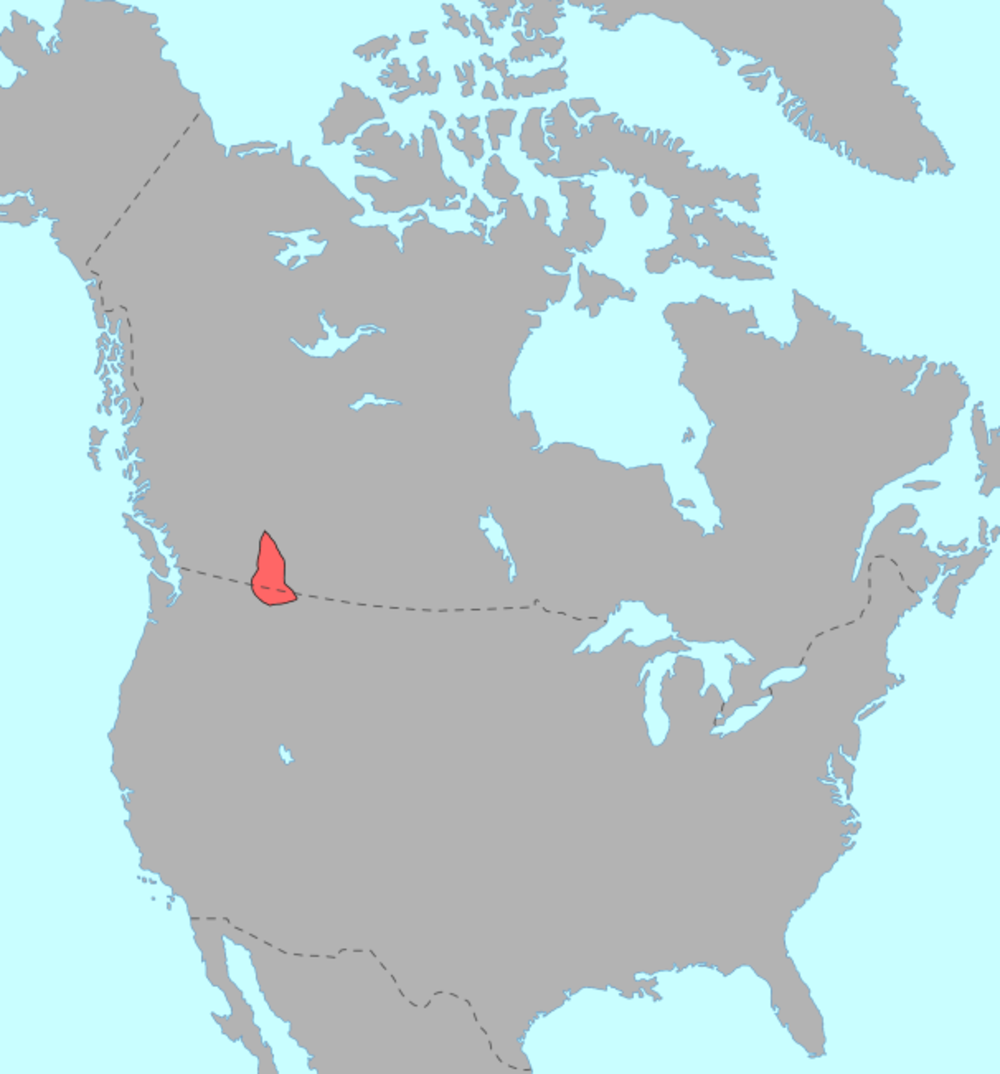
Across parts of British Columbia and the northwestern United States, Ktunaxa stands apart from the established language families around it. Linguists have not demonstrated a genetic relationship connecting it to those surrounding families. Its situation captures the central puzzle of language isolates perfectly: a language can exist amid centuries of neighboring communities and linguistic contact while its deeper ancestry still refuses to connect convincingly with another known branch.
12. Yuchi | United States
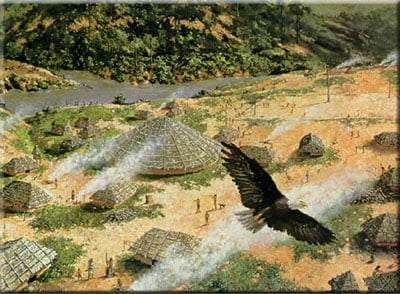
Long contact can leave fingerprints all over a language without revealing who its genealogical relatives are. Yuchi has existed alongside speakers of other Indigenous languages and is generally treated as an isolate. That history makes an important distinction especially clear: borrowing words or features through contact does not demonstrate common ancestry. Languages can influence one another profoundly while still descending from entirely different linguistic lineages.
13. Washo | United States
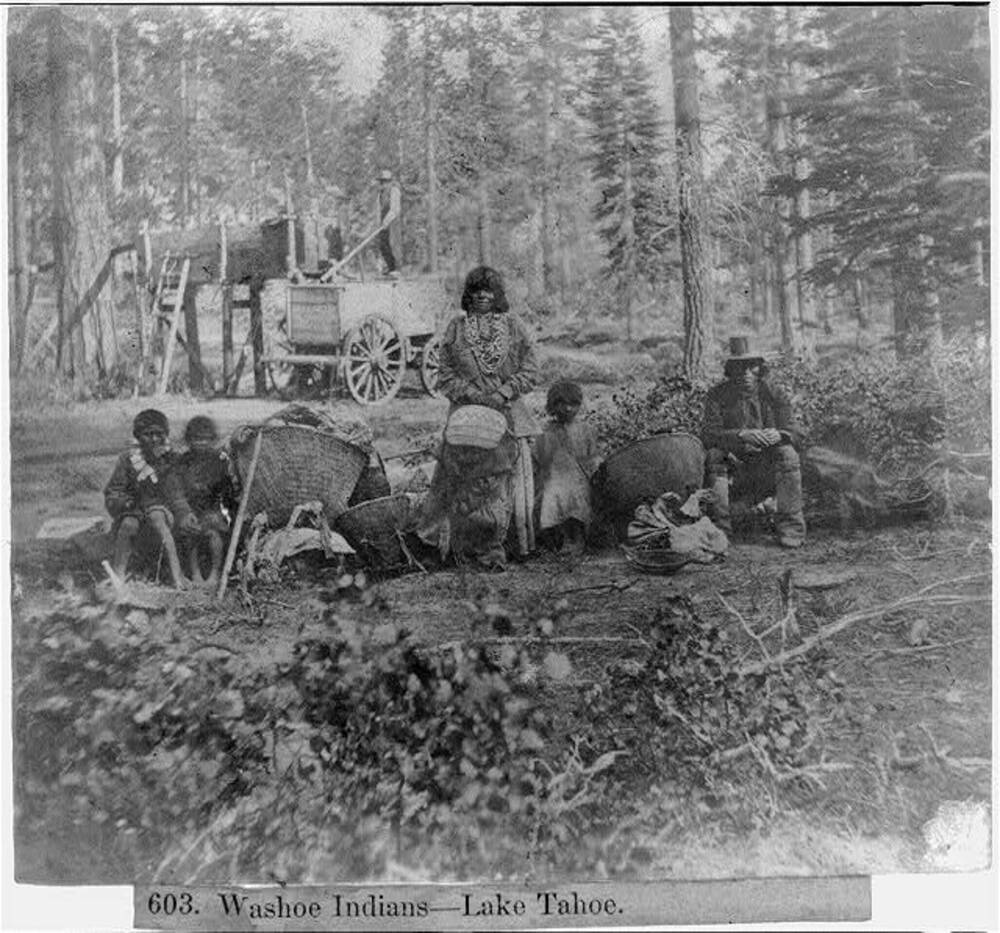
The Lake Tahoe region is particularly associated with Washo, another language whose broader genealogical connections remain unresolved. Researchers have proposed relationships beyond Washo itself, but cautious classifications commonly continue to treat it as an isolate. Could future evidence eventually connect it to another branch? Possibly, and that uncertainty is part of the point. An isolate describes what linguists can currently demonstrate, not an eternal verdict on a language’s entire history.
14. Seri / Cmiique Iitom | Mexico
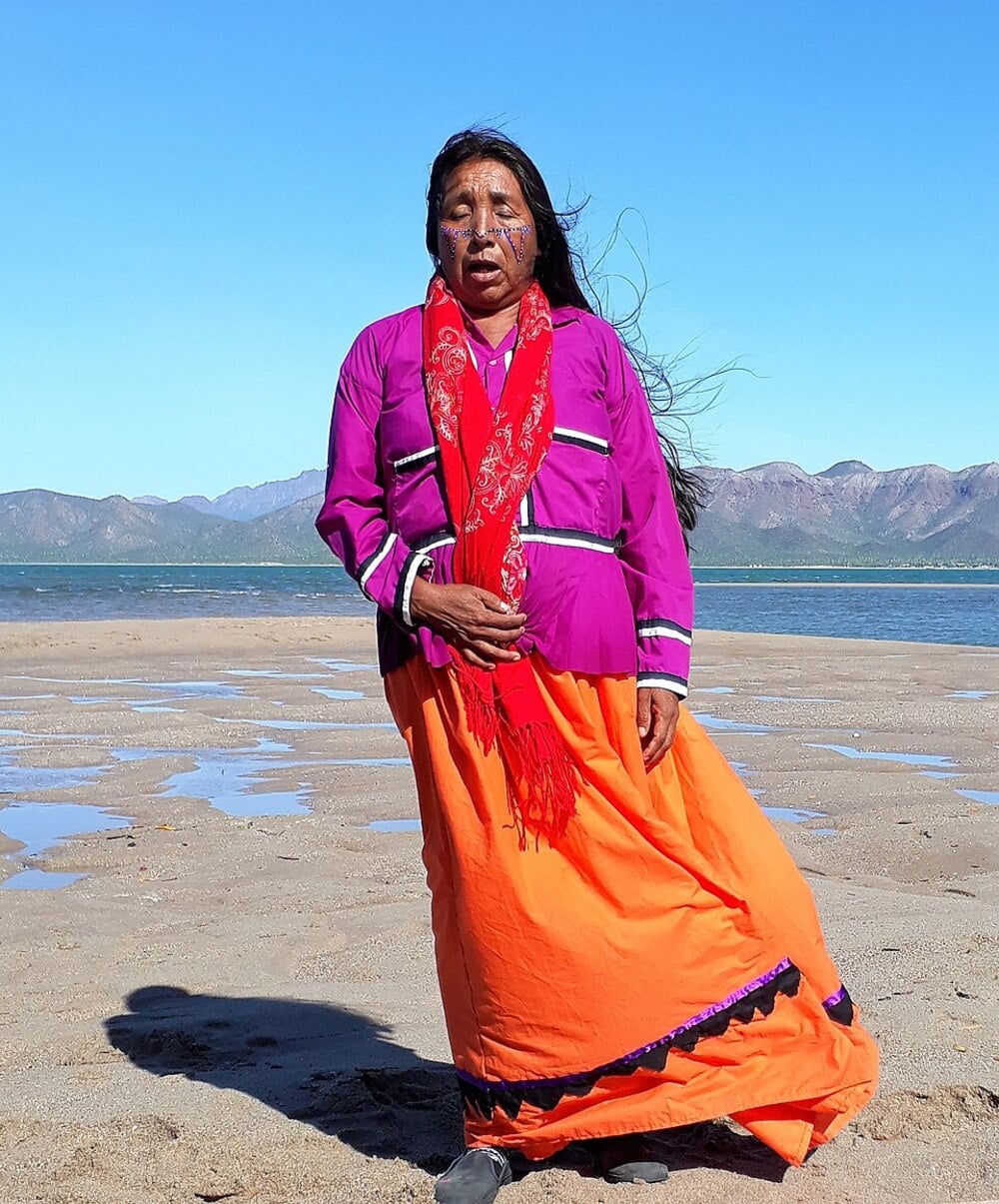
In Sonora, Cmiique Iitom is spoken by the Comcaac people and brings our tour of language isolates into Mexico. Attempts have been made to connect the language with wider families, but they have not produced a generally accepted genealogical relationship. Its existence is another reminder that the linguistic map of the Americas cannot be reduced to a handful of enormous families. Some branches remain stubbornly independent in our current reconstruction of the past.
15. Purepecha | Mexico
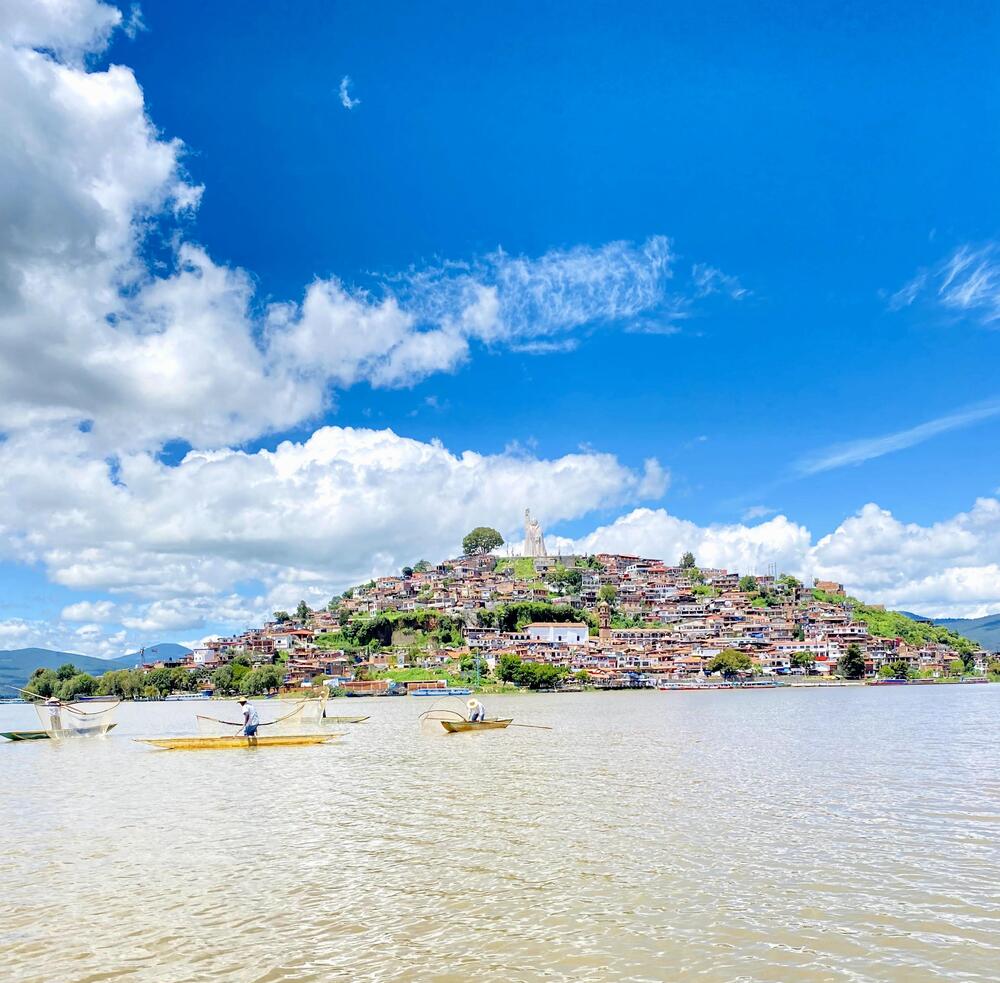
Purepecha is spoken primarily in Michoacan, and proposed relationships with languages outside it remain unproven. But there is an important trap hidden in the word “isolate.” A language isolate does not imply an isolated society. Purepecha communities could participate in cultural exchange and interact with neighboring peoples regardless of whether linguists can trace their language back to the same ancestral source. Linguistic ancestry and cultural contact are two very different questions.
16. Warao | Venezuela and Neighboring Region
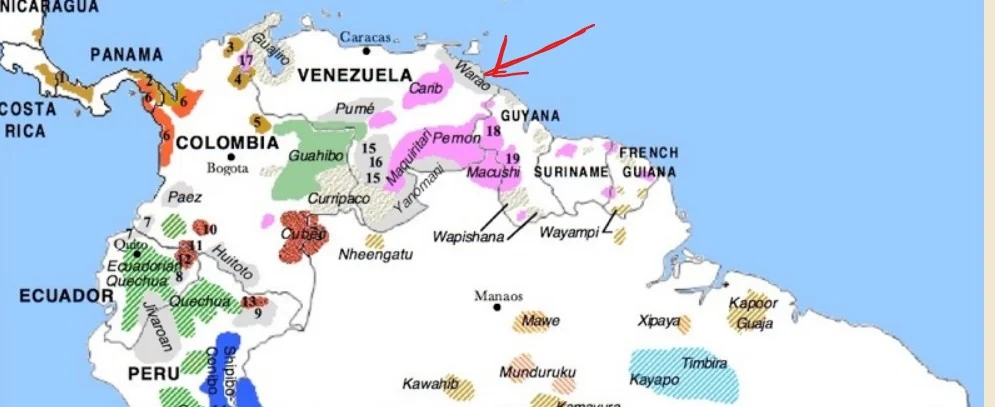
Around the Orinoco Delta, Warao brings this linguistic journey to its final stop. The language is spoken primarily in this region and is commonly classified as an isolate because no genealogical relationship with surrounding language families has been established. Its story also captures what makes language isolates so intriguing: every language has a history, but sometimes the family tree disappears before linguists can connect its surviving branch to another.
Language isolates are not languages without histories, influences, or contact with the outside world. They are languages whose deeper genealogical connections remain beyond what linguists can currently demonstrate. From Basque in the Pyrenees to Warao around the Orinoco Delta, each one preserves a branch of human language whose larger family tree may have disappeared long ago.
Keep Exploring The Scroller
Sixteen family trees, sixteen missing connections. Keep exploring The Scroller for more linguistic mysteries, disappearing languages, and unexpected stories hidden in the way humans communicate:
16 Movie Quotes That Became Part of Everyday Language
15 Insanely Long Words In The English Language and Their Definitions
