
A great quote can travel farther than the person who said it. The problem is that somewhere along the journey, words start changing. A sentence gets shortened, cleaned up, translated, adapted for a movie, or simply repeated so many times that nobody remembers where it actually started.
That is how some of the most famous quotes in history became something slightly different from their original versions. Not always completely fake, but often polished into a version that sounds better, feels more powerful, or fits the moment people want to remember. The internet did not create misquotes. Humans have been remixing famous words for centuries. These are some of the famous quotes people misremember, and the surprising stories behind how they changed over time.
1. Mark Twain Never Actually Said “The Reports of My Death Have Been Greatly Exaggerated”
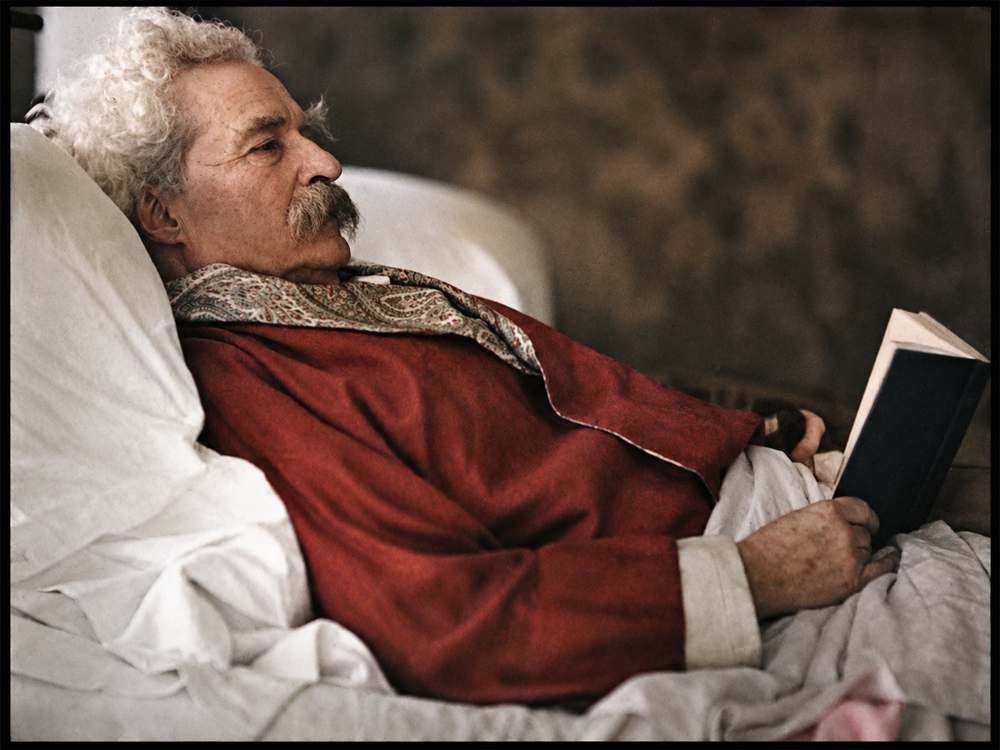
Imagine waking up and discovering newspapers have announced your death. That is exactly the kind of situation that made this quote famous, but the version most people know today is not quite the original. Mark Twain did respond to reports about his health and rumors surrounding his death, but the wording “The reports of my death have been greatly exaggerated” became a polished version that spread over time. The real story is almost funnier than the quote itself: Twain was not making a dramatic farewell. He was basically correcting the internet before the internet existed.
2. Gandhi Probably Never Said “Be the Change You Wish to See in the World”
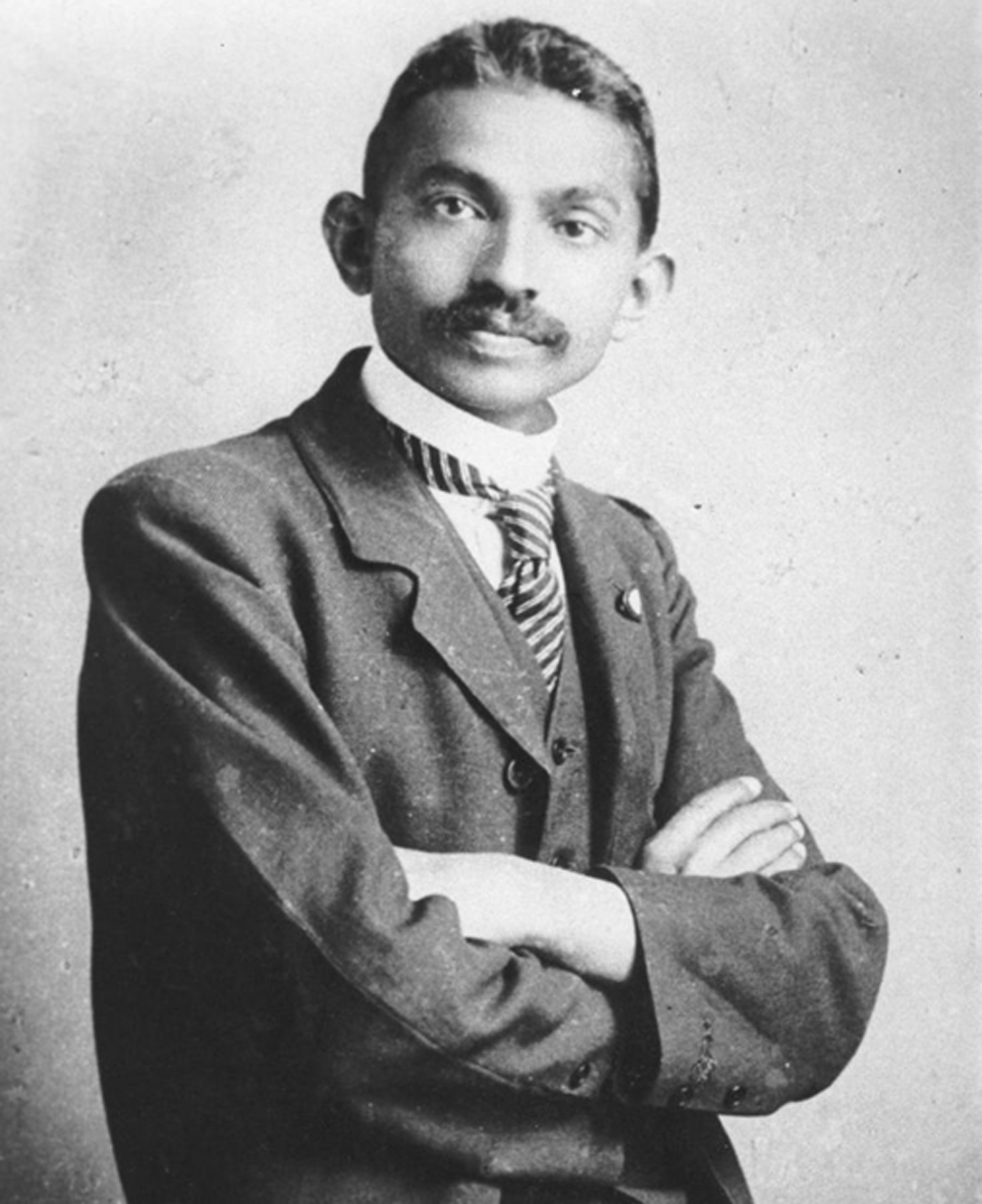
Few inspirational quotes are more recognizable. You have probably seen it printed on posters, shared online, or used as a motivational reminder. The problem? There is no clear evidence that Gandhi said those exact words. The phrase appears to be a modern summary of ideas found throughout his writings and speeches rather than a direct quote. Isn’t it interesting how a message can become so connected to someone that people stop asking whether they actually said it?
3. Marie Antoinette Probably Never Said “Let Them Eat Cake”
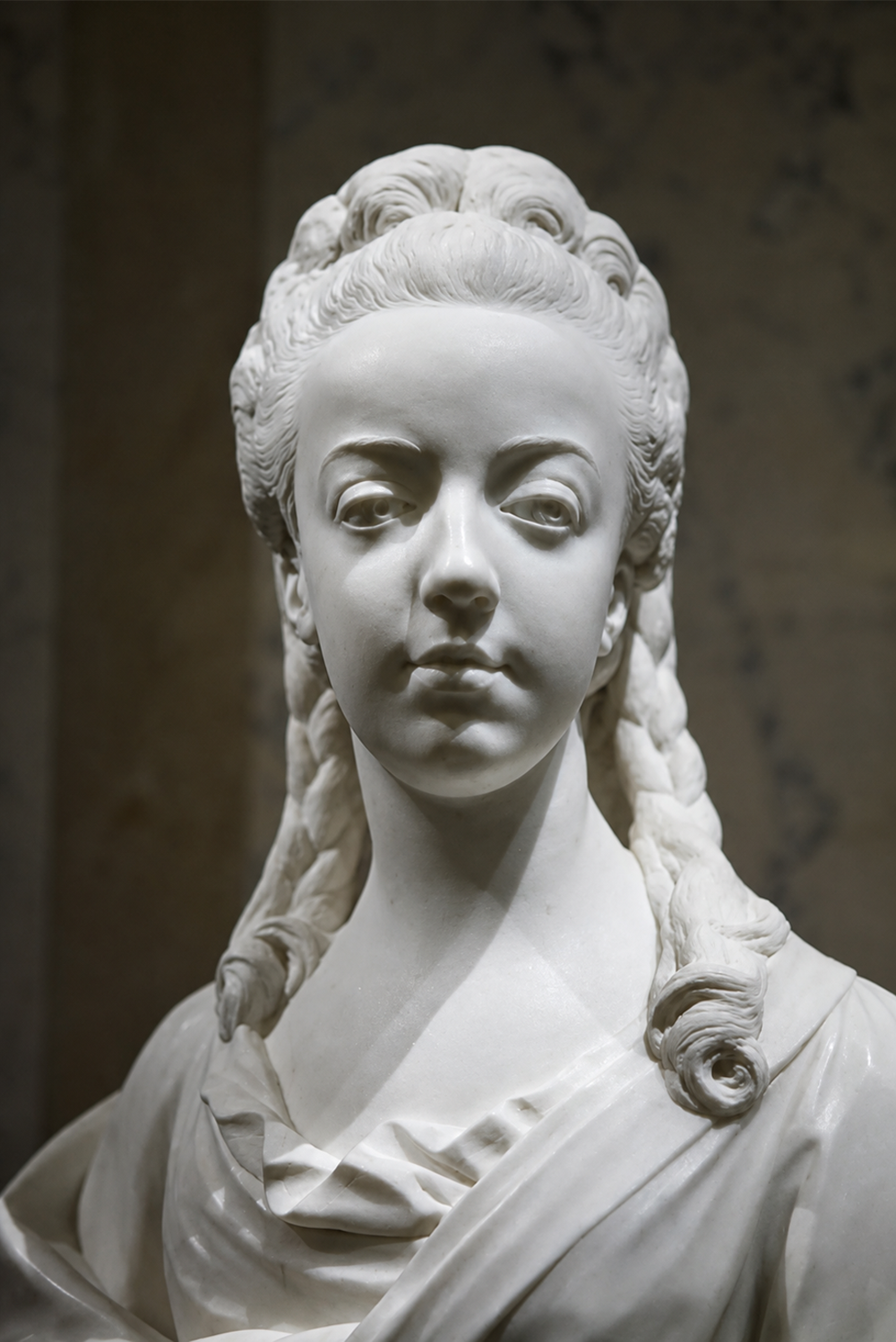
It is the perfect villain quote: short, arrogant, and devastating. The problem is that history is much messier. The phrase “Let them eat cake” existed before it became attached to Marie Antoinette, and there is no solid evidence she ever said it. Over time, the quote became a symbol of royal indifference because it fit the story people wanted to tell. Sometimes a sentence survives not because it is true, but because it makes the story feel complete.
4. Voltaire Did Not Write “I Disapprove of What You Say, But I Will Defend to the Death Your Right to Say It”
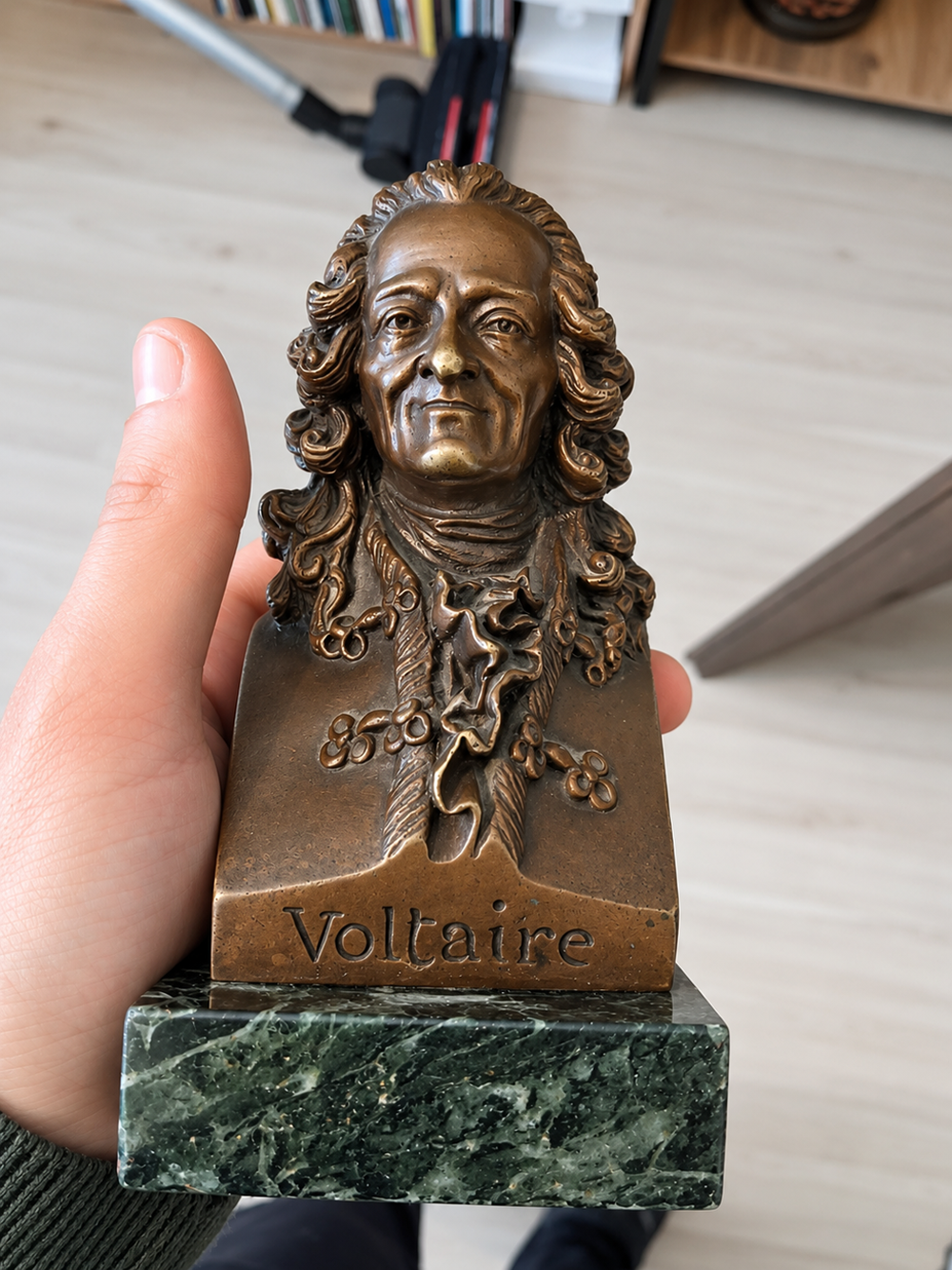
It sounds exactly like something Voltaire would say. Sharp, clever, and perfectly designed for a debate about free speech. Except he did not write those words. The famous sentence was created by Evelyn Beatrice Hall, who was summarizing Voltaire’s attitude and later became associated with him. Funny how one person’s explanation of an idea can eventually become the quote everyone remembers as the original.
5. Sherlock Holmes Never Said “Elementary, My Dear Watson”
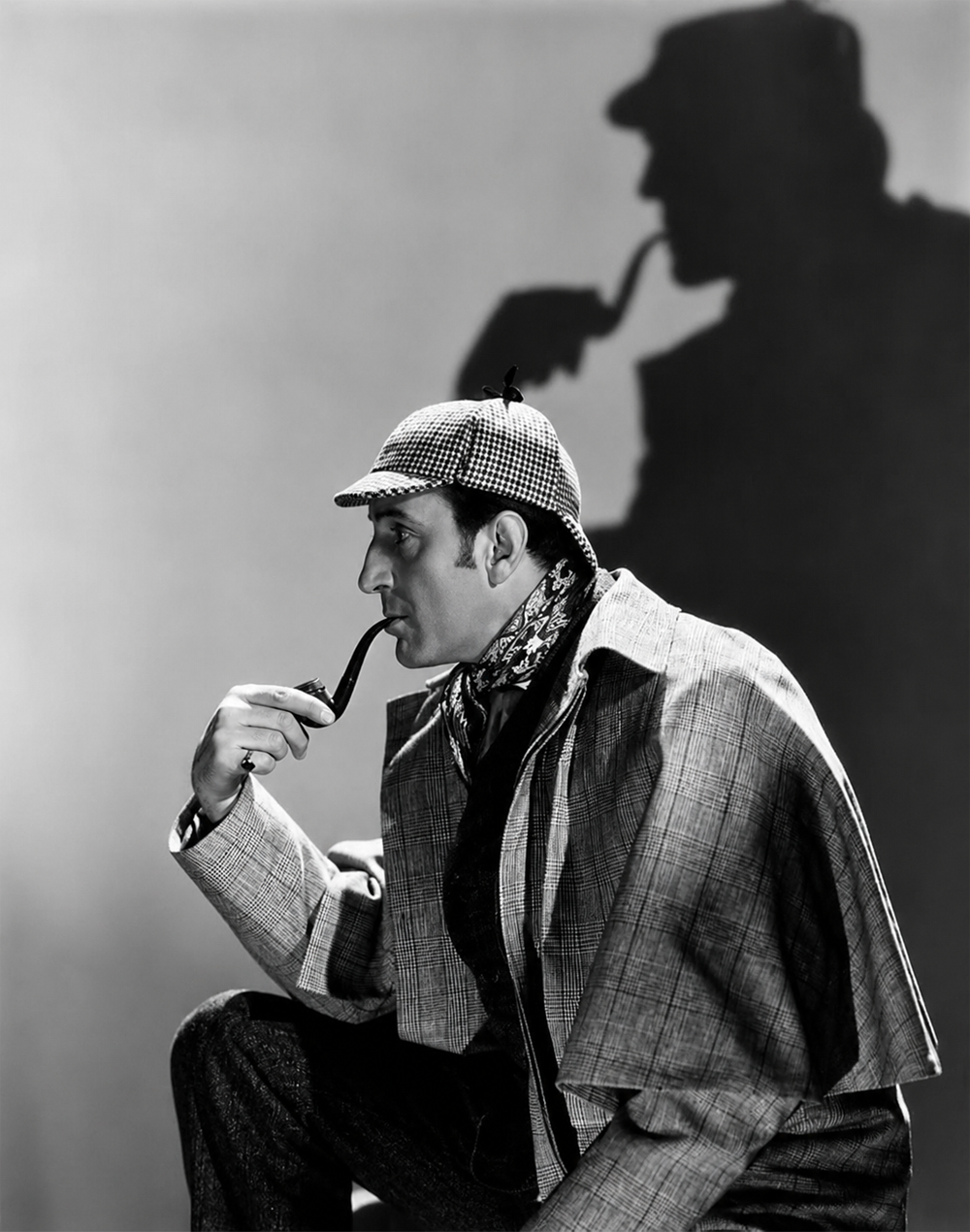
The detective solved impossible mysteries, noticed tiny details, and delivered brilliant observations. But this famous catchphrase? Not in the original Sherlock Holmes stories by Arthur Conan Doyle. The phrase became popular through stage performances and later adaptations, eventually becoming so connected to Holmes that many people assume it came directly from the books. How many fictional characters have had words put in their mouths simply because those words sounded right?
Trending on The Scroller
6. Darth Vader Never Said “Luke, I Am Your Father”
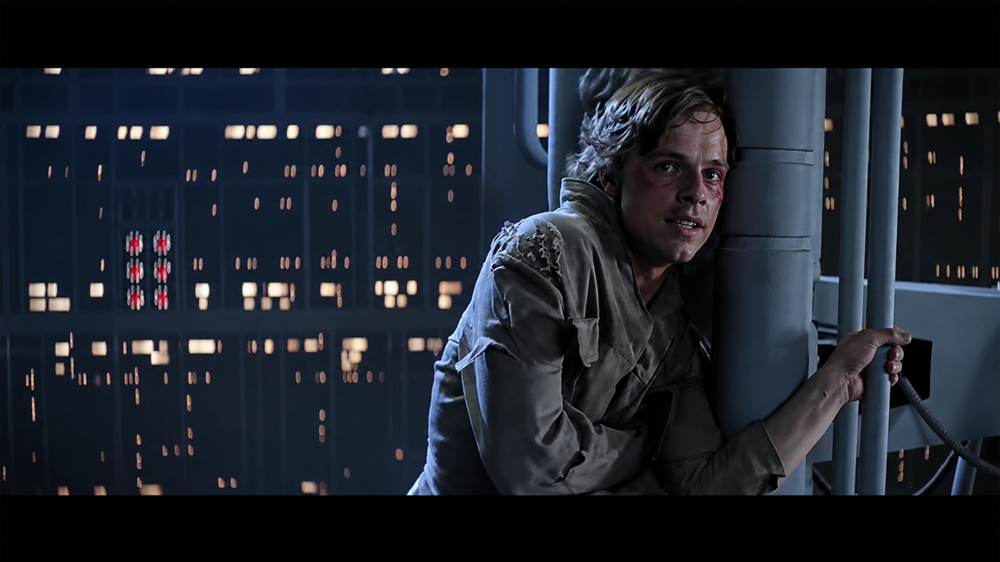
Few movie moments have been repeated more confidently than this one. The scene feels so familiar that many people would swear they heard Darth Vader say those exact words. But in The Empire Strikes Back, the actual line is “No, I am your father.” The added “Luke” became part of popular culture because it makes the moment clearer when repeated outside the movie. A tiny change turned a dramatic reveal into one of the most famous misquoted lines in cinema history. Funny how adding one name completely changes how a scene lives in people’s memories.
7. Captain Kirk Never Said “Beam Me Up, Scotty”
It sounds like the most obvious Star Trek sentence imaginable. Captain Kirk. A dangerous situation. Scotty waiting at the controls. A quick escape through the transporter. The only problem is that the exact phrase never appeared in the original series. Different variations came close, and later movies and references helped transform the idea into the catchphrase everyone recognizes today. Sometimes a quote becomes famous because it perfectly captures a character, even if the character never actually said it.
8. Rick Blaine Never Said “Play It Again, Sam”
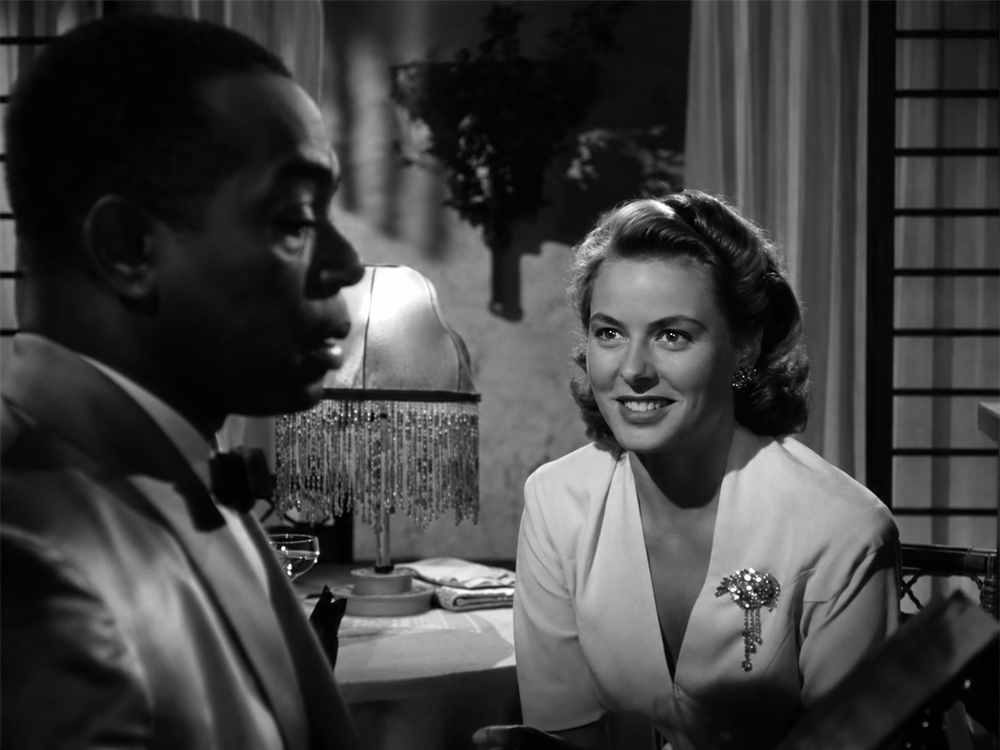
Few movie quotes are as strongly connected to a single scene. The image is unforgettable: a lonely piano, a request for an old song, and a moment filled with nostalgia. But in Casablanca, the exact phrase “Play it again, Sam” never happens. The movie contains similar requests, but the shorter version became the one audiences carried with them. Maybe it won because it sounds exactly like the kind of line a movie character should say.
Sign up for our newsletter
9. The Apollo 13 Crew Did Not Say “Houston, We Have a Problem”
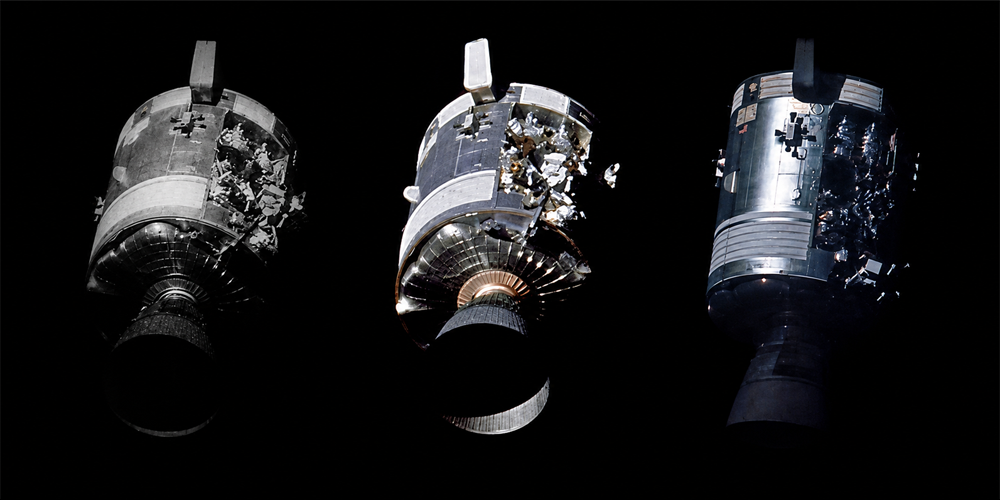
This one is a little different because the famous version is incredibly close. During the Apollo 13 mission, astronaut Jack Swigert actually said: “Houston, we’ve had a problem.” The movie adaptation changed it to “Houston, we have a problem,” creating a cleaner, more immediate line that became part of pop culture. The difference is tiny, but it shows how Hollywood can polish real moments until they become even more memorable than the original.
10. “If You Build It, They Will Come” Was Not the Original Line
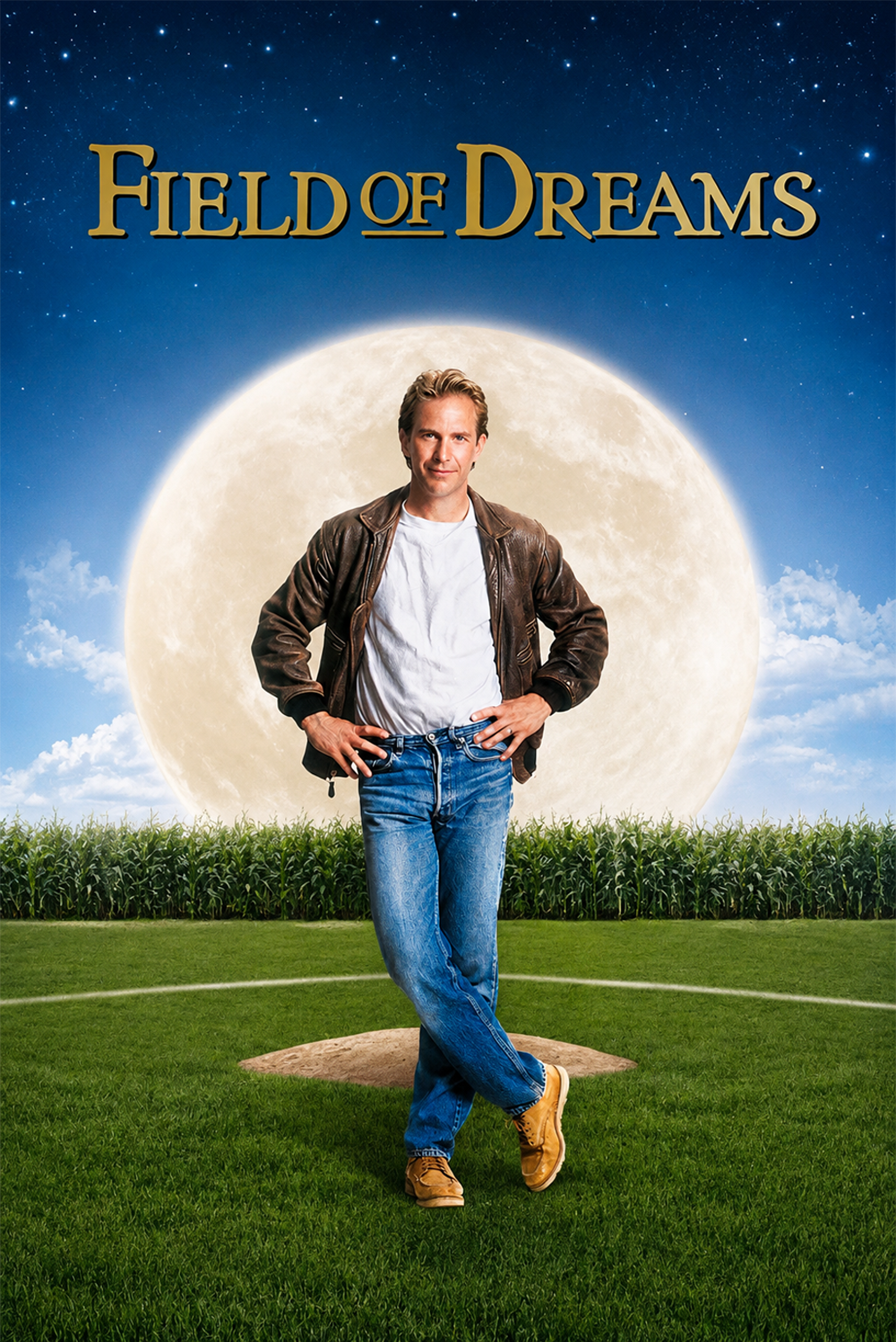
Sometimes a movie quote becomes more famous after being simplified. In Field of Dreams, the actual phrase is “If you build it, he will come.” The change from “he” to “they” made the quote feel broader and more inspirational, transforming it into a phrase people use far beyond baseball. It became advice for entrepreneurs, creators, and dreamers everywhere. Who knew one tiny pronoun could turn a movie line into a life philosophy?
11. Dirty Harry Never Said, “Do You Feel Lucky, Punk?”
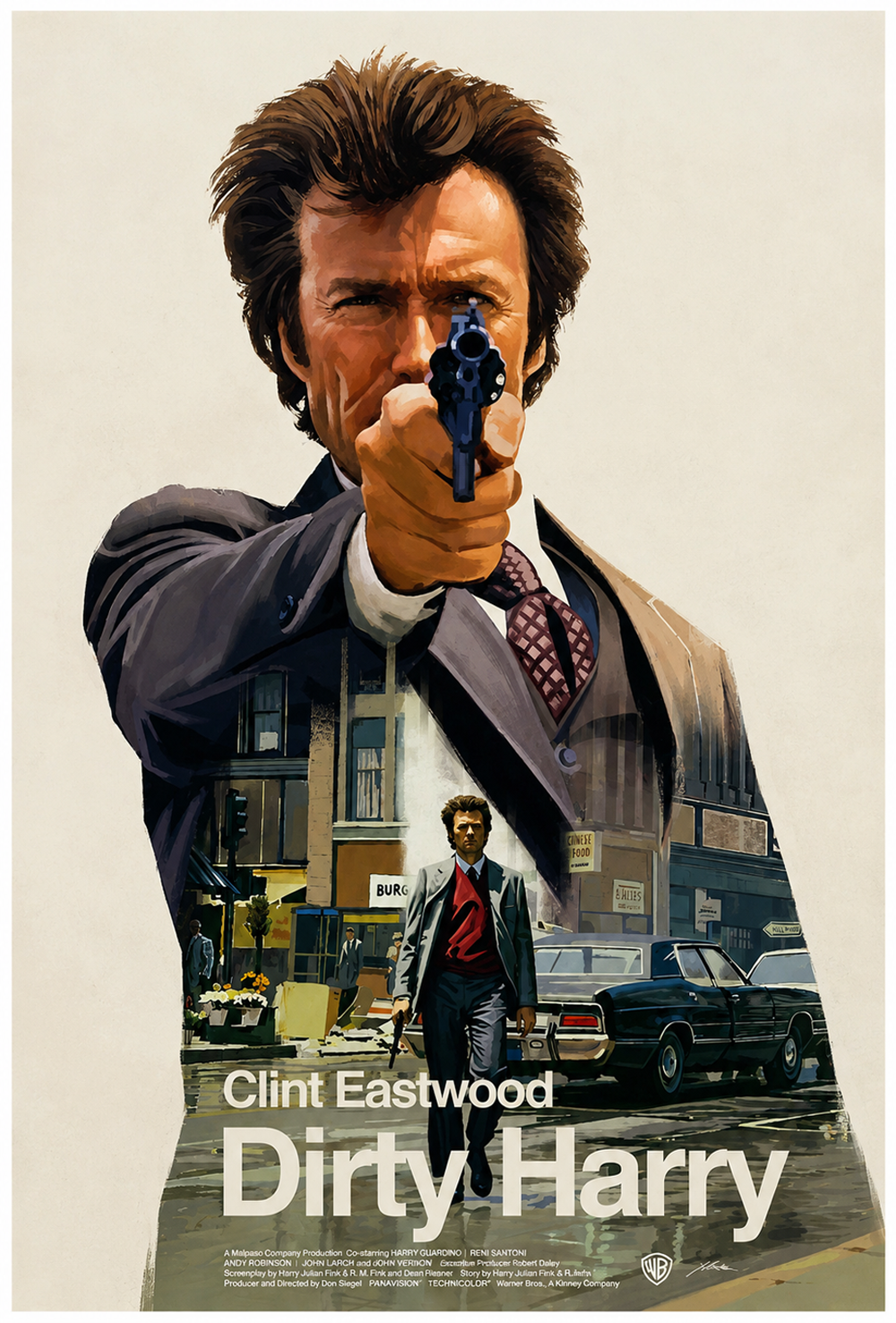
Some movie lines become famous because everyone remembers the attitude more than the actual words. That is exactly what happened with Dirty Harry’s legendary confrontation. The quote is often shortened to “Do you feel lucky, punk?” but the original scene is longer and phrased as a question about whether the other person feels lucky. The shorter version survived because it captured the entire personality of the character in just a few words. Sometimes a quote does not become iconic because it is accurate. It becomes iconic because it is impossible to forget.
12. The Shark Line From Jaws Was Slightly Different
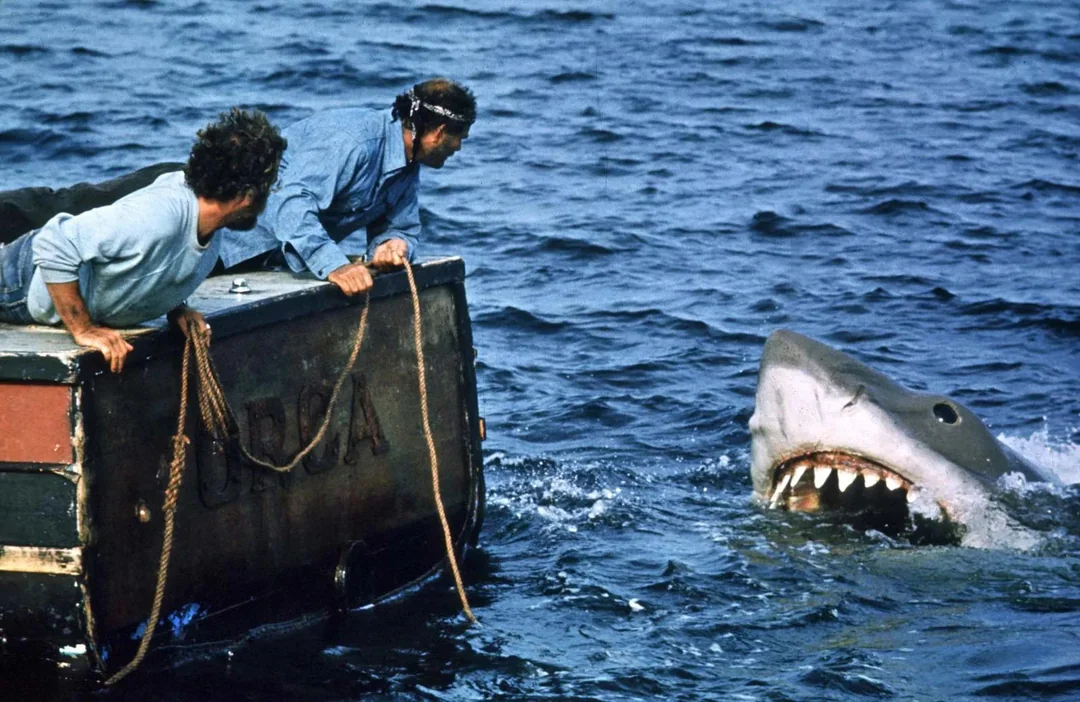
Few movie moments created more tension than seeing a giant shark approaching. The quote everyone remembers is “We’re gonna need a bigger boat.” But in Jaws, the actual line is “You’re gonna need a bigger boat.” The difference is small, almost invisible, but the version people repeat changes the meaning from a direct warning to a shared disaster. It sounds less like one person pointing out a problem and more like everyone realizing they are completely unprepared.
13. Gordon Gekko Never Simply Said “Greed Is Good”
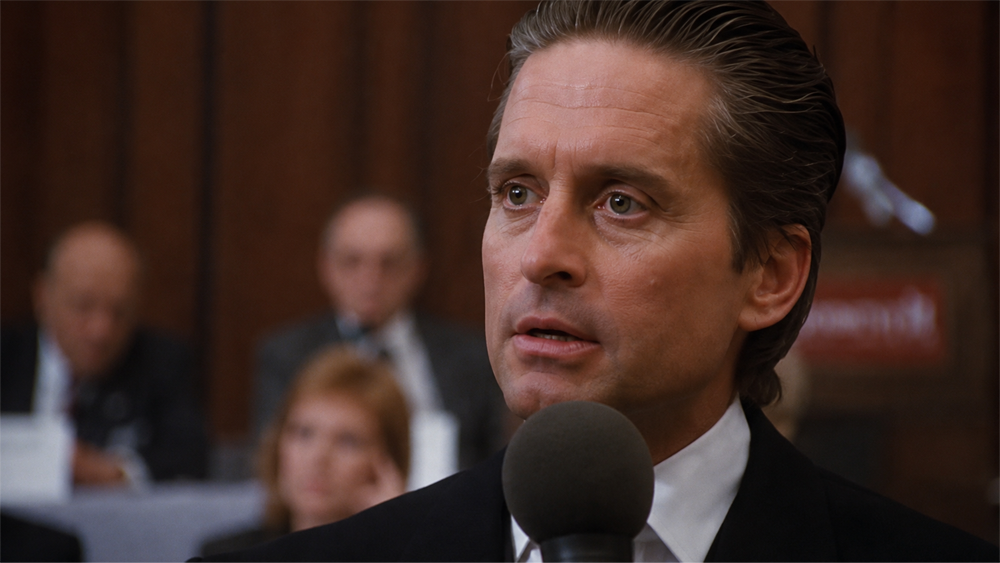
It became the slogan of an entire era. The phrase “Greed is good” is associated with Gordon Gekko from Wall Street, but the original speech is more complicated: “Greed, for lack of a better word, is good.” Removing those extra words made the quote sharper and easier to repeat, turning a character’s controversial argument into a cultural catchphrase. Funny how removing a few words can make a complicated idea sound like a completely different message.
14. Churchill’s Famous “Blood, Sweat and Tears” Quote Lost a Word
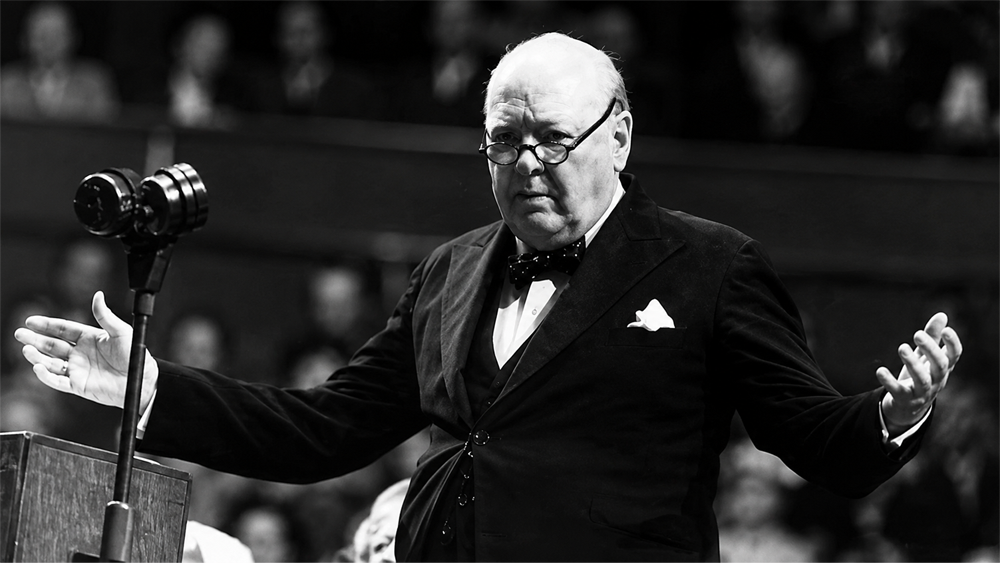
Some phrases become so famous that people stop checking what they originally said. Winston Churchill’s 1940 speech is often remembered as “blood, sweat and tears,” but the original wording was “blood, toil, tears and sweat.” The shortened version is easier to say and has a stronger rhythm, which is probably why it survived. After all, “blood, sweat and tears” fits perfectly on a poster. “Blood, toil, tears and sweat” sounds more like the beginning of a very serious history exam.
15. FDR’s “The Only Thing We Have to Fear” Quote Got Cut Short
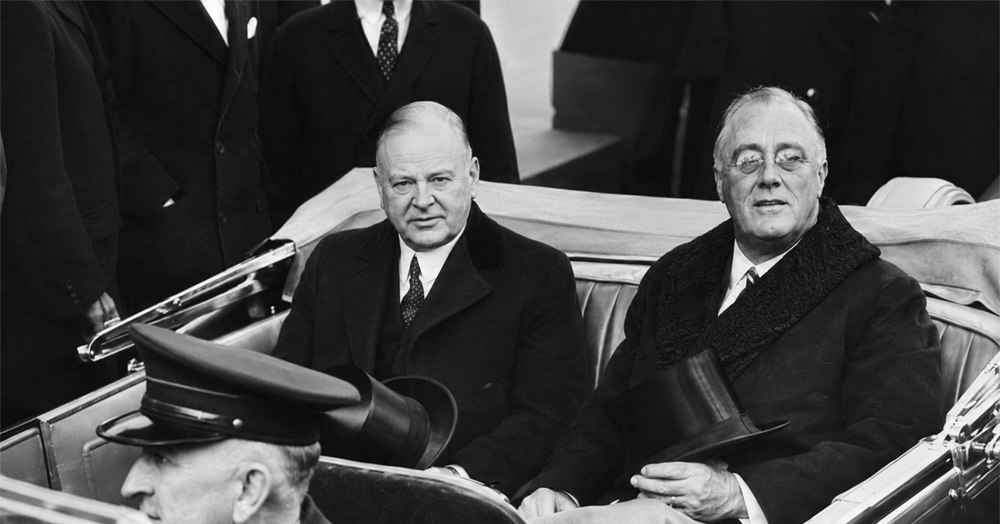
A powerful sentence became even more powerful after losing part of itself. Franklin D. Roosevelt’s famous line from his first inaugural address is usually remembered as “The only thing we have to fear is fear itself.” But the full phrase continues with a description of fear as “nameless, unreasoning, unjustified terror.” The shorter version works because it is memorable, but the original carried a much more specific message about panic and uncertainty. Sometimes the missing words are where the real meaning lives.
16. The Bible Does Not Say “Money Is the Root of All Evil”
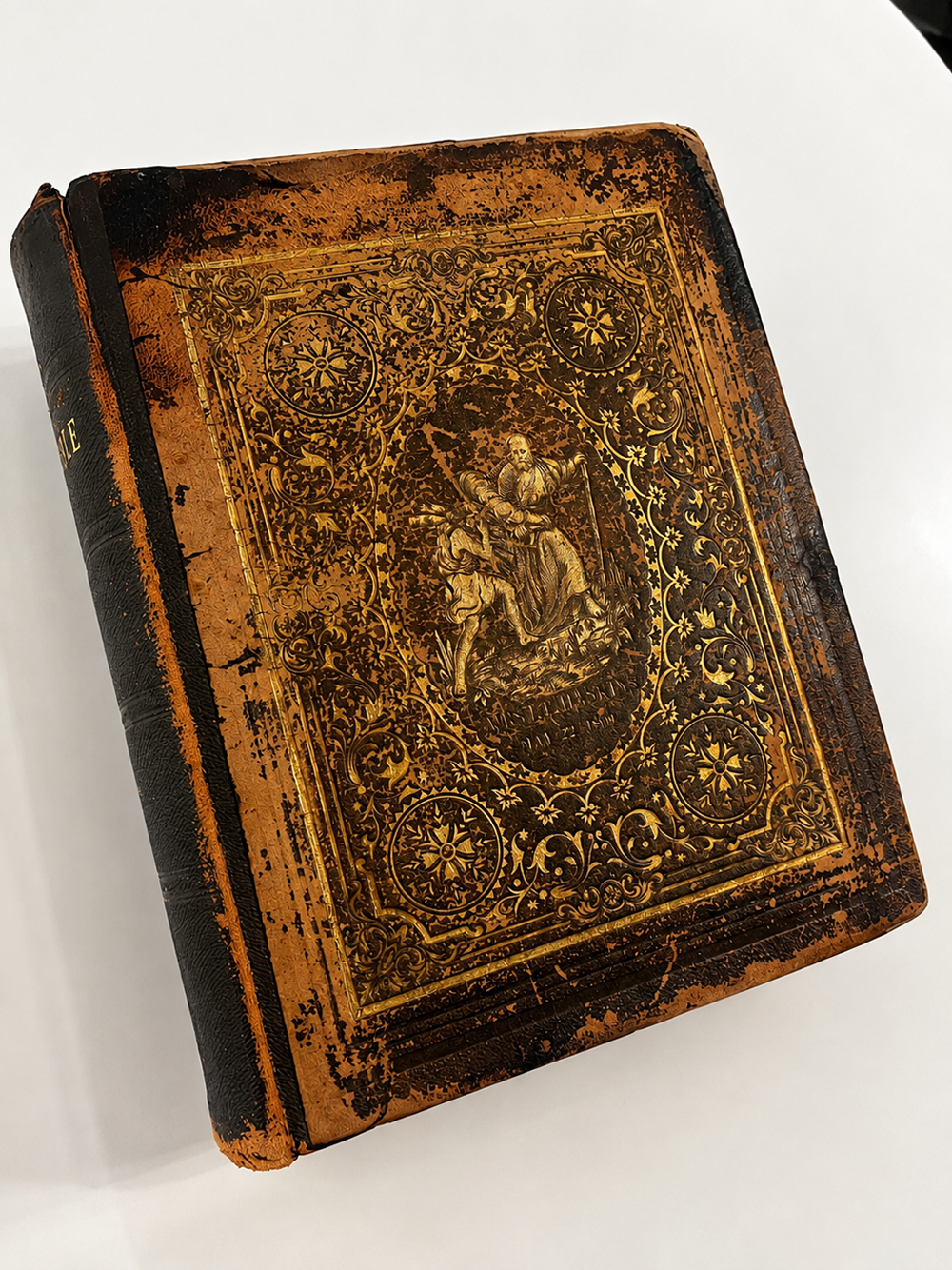
This is one of those quotes that feels too familiar to question. For generations, people have repeated the phrase “Money is the root of all evil” as if it were a direct biblical statement. But the actual wording is different: the warning is about the love of money, not money itself. That small change completely shifts the meaning. The original idea was about obsession and greed, not about the existence of money being dangerous. Funny how removing just a couple of words can turn a warning about behavior into a judgment about an object.
17. Darwin Never Said “Survival of the Fittest” Was His Entire Theory
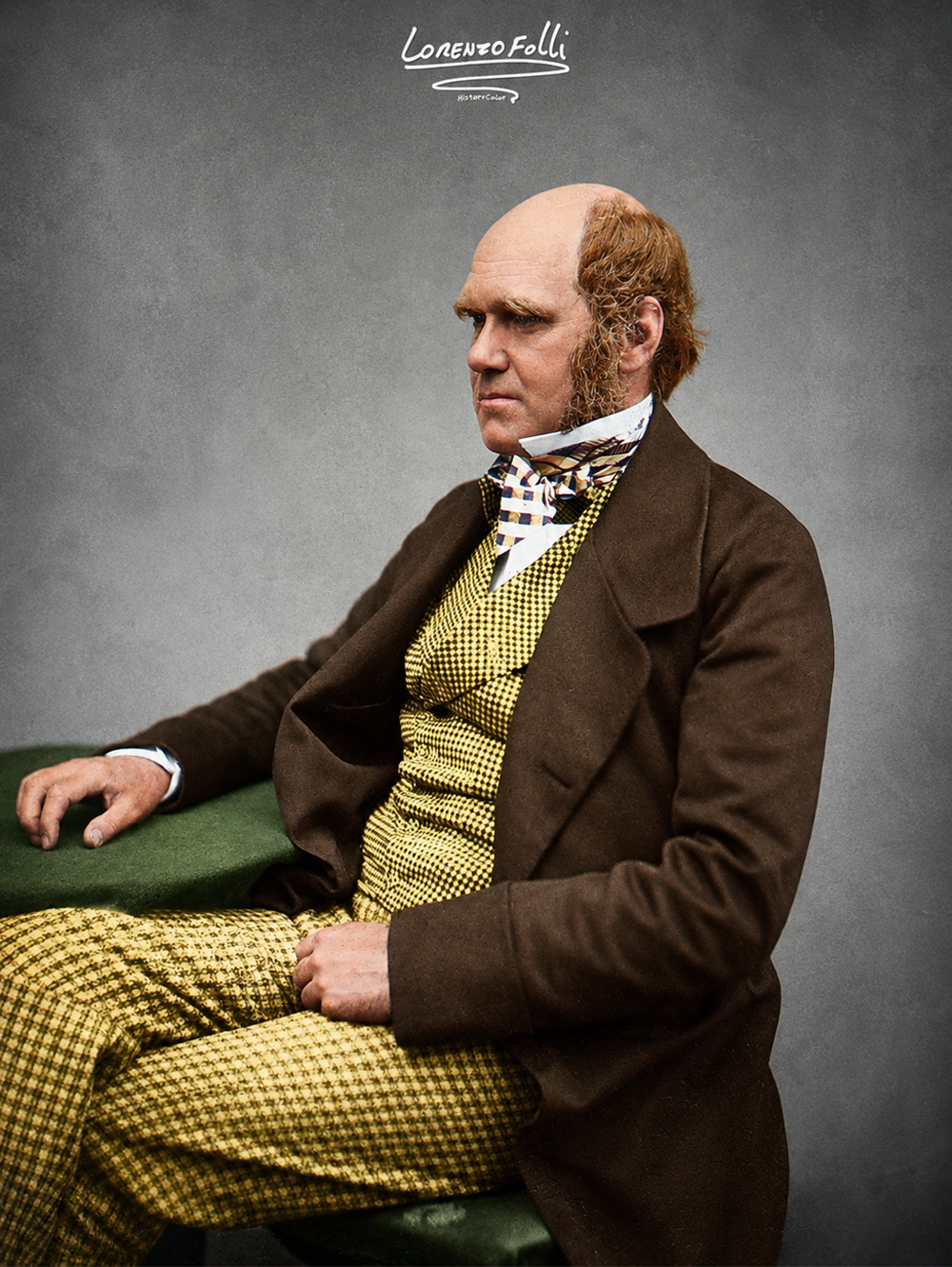
The phrase sounds like it belongs on the first page of any explanation of evolution. But the story behind it is more complicated. “Survival of the fittest” was actually coined by Herbert Spencer and later appeared in Darwin’s work. Over time, the phrase became a simplified way to describe evolution, but it often gets used as if it completely summarizes Darwin’s ideas. The problem is that nature is much more complicated than a single slogan. After all, evolution is not exactly a competition where the strongest person gets a trophy at the end.
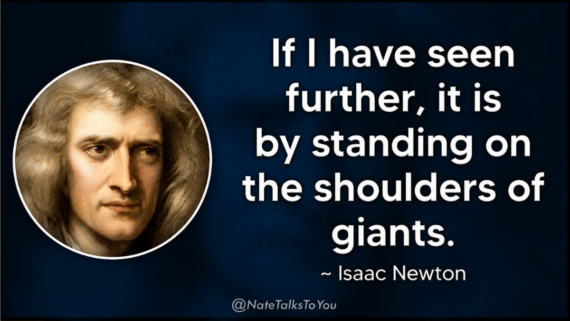
18. Newton Did Not Invent “Standing on the Shoulders of Giants”
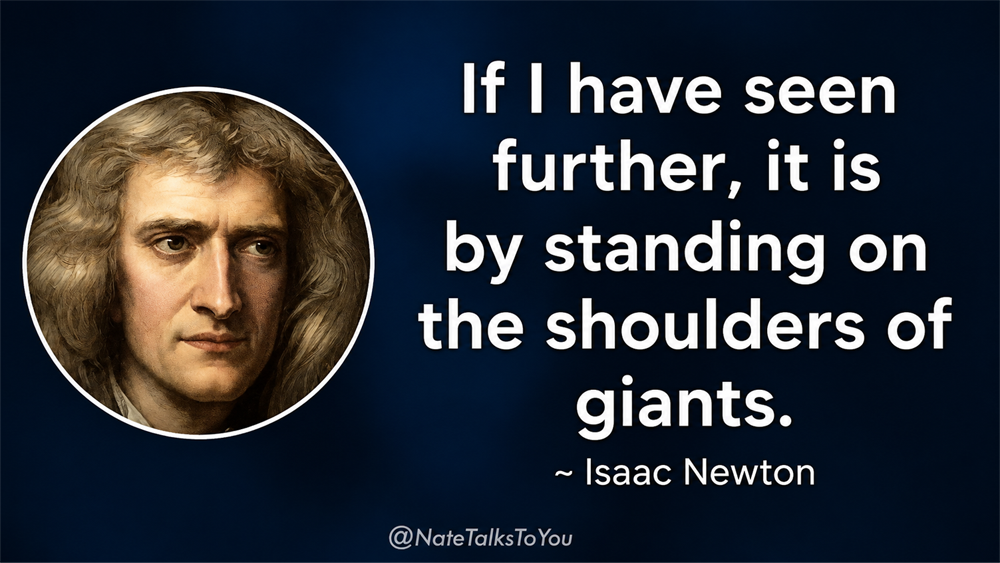
It is one of the most beautiful images in science: seeing farther because you are supported by those who came before you. The phrase “standing on the shoulders of giants” is strongly associated with Isaac Newton, who used it in a letter. But the metaphor itself existed long before Newton. Over time, people connected the quote so strongly with him that the earlier history of the phrase almost disappeared. Sometimes a famous person does not create an idea. They simply give it a place in history where everyone remembers it.
19. “Jack of All Trades, Master of None” Did Not Originally Have the Positive Ending People Share Online
You may have seen the longer version claiming the full quote was actually a compliment: “Jack of all trades, master of none, though oftentimes better than master of one.” It sounds like a forgotten ancient saying that was unfairly shortened. The problem is that the expanded version is a much later addition, not the original phrase. The shorter version survived because it was catchy, but the internet created a more flattering ending to change its meaning. Isn’t it interesting how even quotes about language get rewritten through language itself?
20. Emerson Did Not Say “A Consistency Is the Hobgoblin of Little Minds”
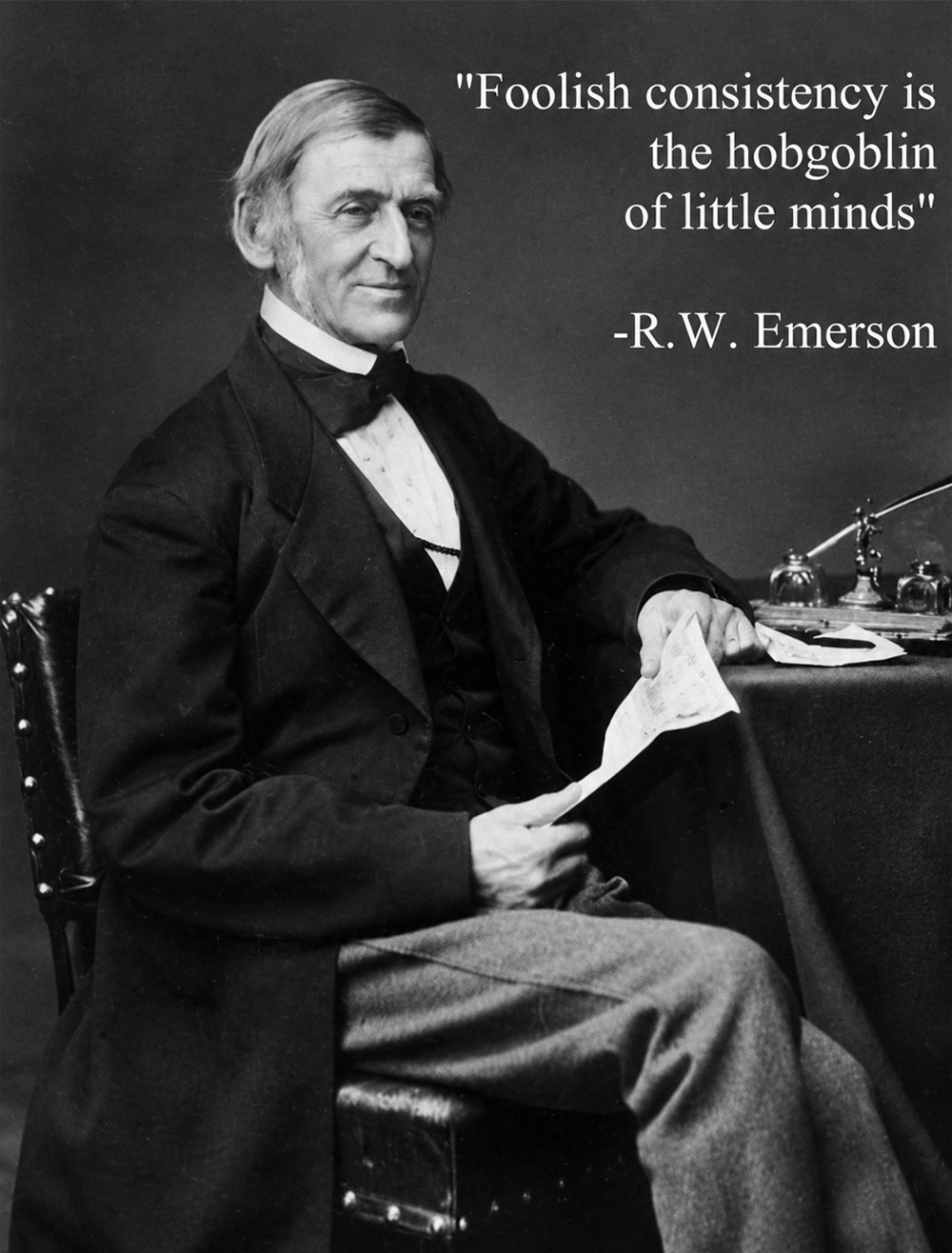
The missing word changes everything. Ralph Waldo Emerson’s actual phrase was “A foolish consistency is the hobgoblin of little minds.” Removing “foolish” transforms the quote into something almost opposite from what Emerson intended. Instead of criticizing stubborn repetition without thought, the shortened version sounds like it attacks consistency itself. It is a perfect example of how famous quotes can lose their meaning through a tiny edit. One missing word, and suddenly a thoughtful argument becomes a completely different idea.
Sometimes it gets shorter because the original version feels too long. Sometimes a movie makes a line more dramatic. Sometimes people attach a powerful sentence to the person who best represents the idea, even if they never actually said it. That is why misquotes are so fascinating. They are not always simple mistakes. They are little pieces of cultural evolution, shaped by repetition, storytelling, and the way humans naturally remember things. A phrase changes because someone wants it to be clearer, funnier, stronger, or easier to share.
The surprising part is that the “wrong” versions often become more famous than the originals. After all, how many people would recognize “No, I am your father” without the version that added Luke? Maybe the real story behind a quote is not just who said it. It is how it traveled, transformed, and became something millions of people believed they remembered perfectly.
Keep Exploring The Scroller
Love discovering the stories behind famous moments, forgotten facts, and the things everyone thinks they know? Keep Exploring The Scroller for more surprising history, nostalgia, and the strange ways ideas change as they travel through time:
14 Quotes From Historical Figures That Are Often Misattributed
15 Bruce Willis Quotes That Reveal The Man Behind The Action
18 Buddy Holly Quotes That Are As True Now As They Were Then
