Popular history is filled with memorable quotes, witty comebacks, and inspiring philosophies that seem to perfectly encapsulate the personalities of iconic world leaders. Over time, books, speeches, and digital platforms repeatedly pair these memorable quotes with famous thinkers, politicians, and writers to give the words extra weight. However, many of the most celebrated lines in human history were never actually uttered or written by the historical figures who get credit for them.
Misattribution often happens when biographers paraphrase an idea, political opponents print sensationalized propaganda, or a catchy phrase simply fits a historical figure’s public persona too well. These famous quotes end up deeply woven into our collective cultural memory, appearing on posters, coffee mugs, and graduation speeches without a second thought. Uncovering the true origins of these famous phrases reveals how public memory shifts over time and proves that historical truth is often far more complex than a catchy slogan. Here are fourteen legendary remarks that historical figures never actually said.
1. “Let them eat cake” – Attributed to Marie Antoinette
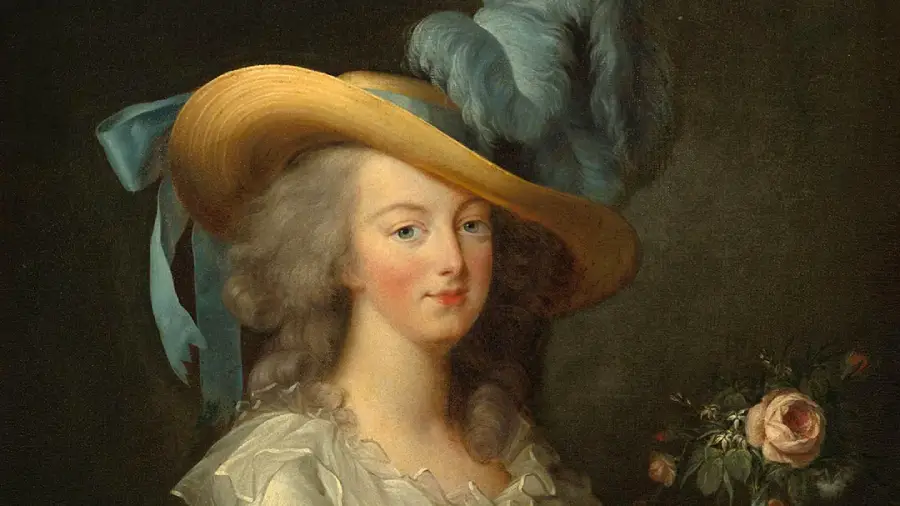
This dismissive response to starving peasants is widely cited as proof of Queen Marie Antoinette’s reckless indifference to the poor. However, Jean-Jacques Rousseau wrote about a “great princess” making this exact statement in his autobiographical Confessions when Marie Antoinette was only nine years old and living in Austria. The rumor was likely spread by French revolutionaries as effective anti-monarchy propaganda to turn public opinion against the royal family.
2. “I disapprove of what you say, but I will defend to the death your right to say it” – Attributed to Voltaire
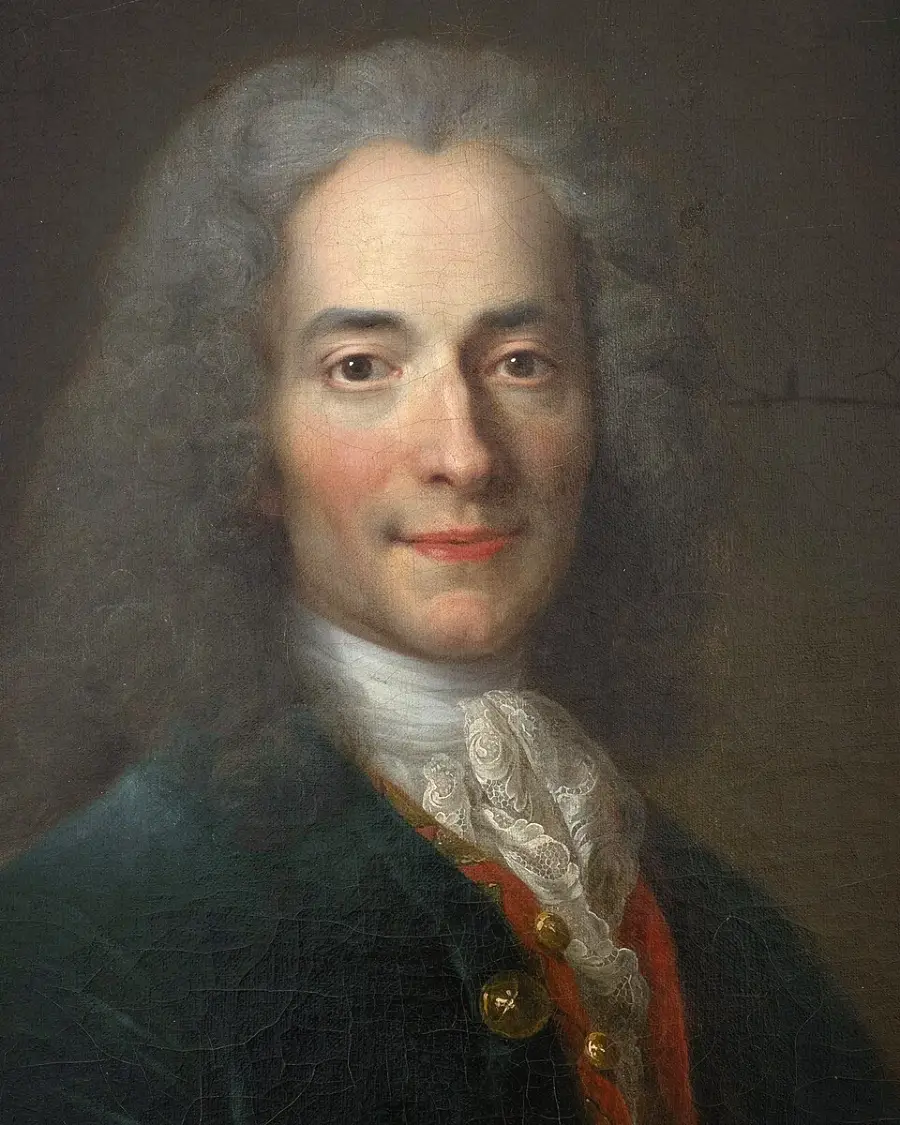
While this famous declaration stands as a pillar of modern free speech philosophy, the French Enlightenment writer never penned these exact words. The line was actually written in 1906 by biographer Evelyn Beatrice Hall in her book The Friends of Voltaire to summarize his underlying attitude toward free thought. Readers took the summary as a direct quotation, permanently attaching Hall’s words to the philosopher.
3. “Insanity is doing the same thing over and over again expecting different results” – Attributed to Einstein
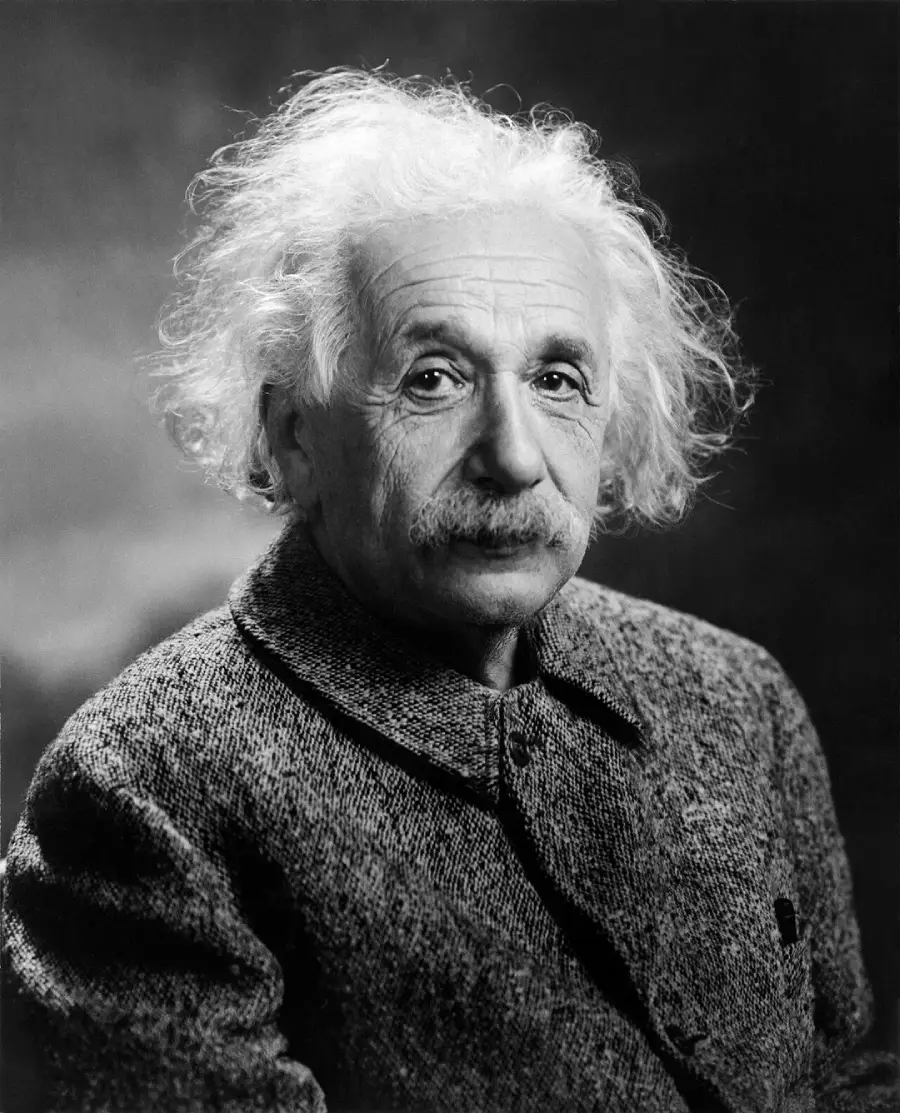
Although millions of people attribute this popular definition of insanity to the world’s most famous theoretical physicist, there is no evidence of it in his written works or recorded lectures. The phrase actually made its earliest verified print appearance in Al-Anon mental health literature during the early 1980s and was later popularized in a 1983 novel by Rita Mae Brown.
4. “Be the change you wish to see in the world” – Attributed to Mahatma Gandhi
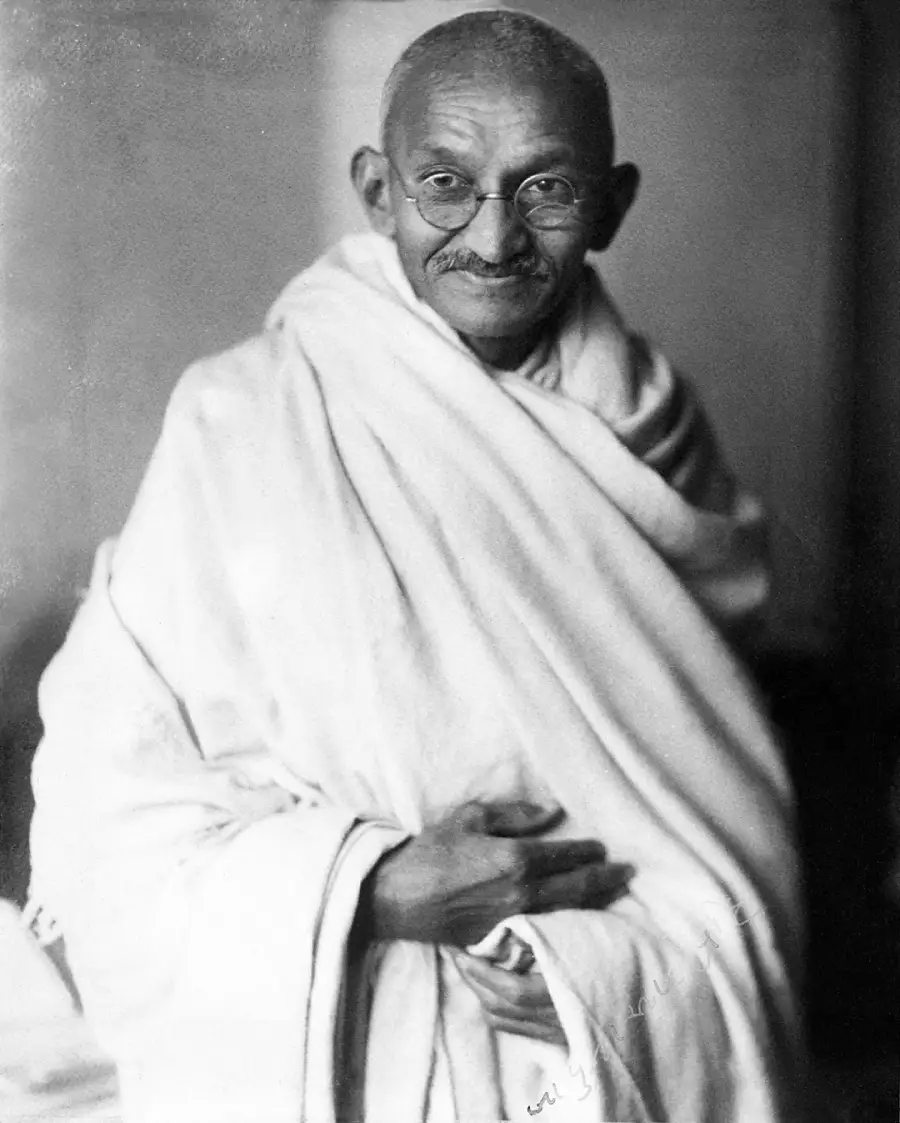
This inspiring slogan adorns countless motivational prints, but Gandhi’s actual written words were far more complex and analytical. What he actually wrote was that if we could change ourselves, the tendencies in the world would also change, emphasizing internal personal transformation. The modern, snappy one-liner is a heavily condensed paraphrase created by later writers seeking a simple summary of his philosophy.
5. “Well-behaved women seldom make history” – Attributed to Marilyn Monroe
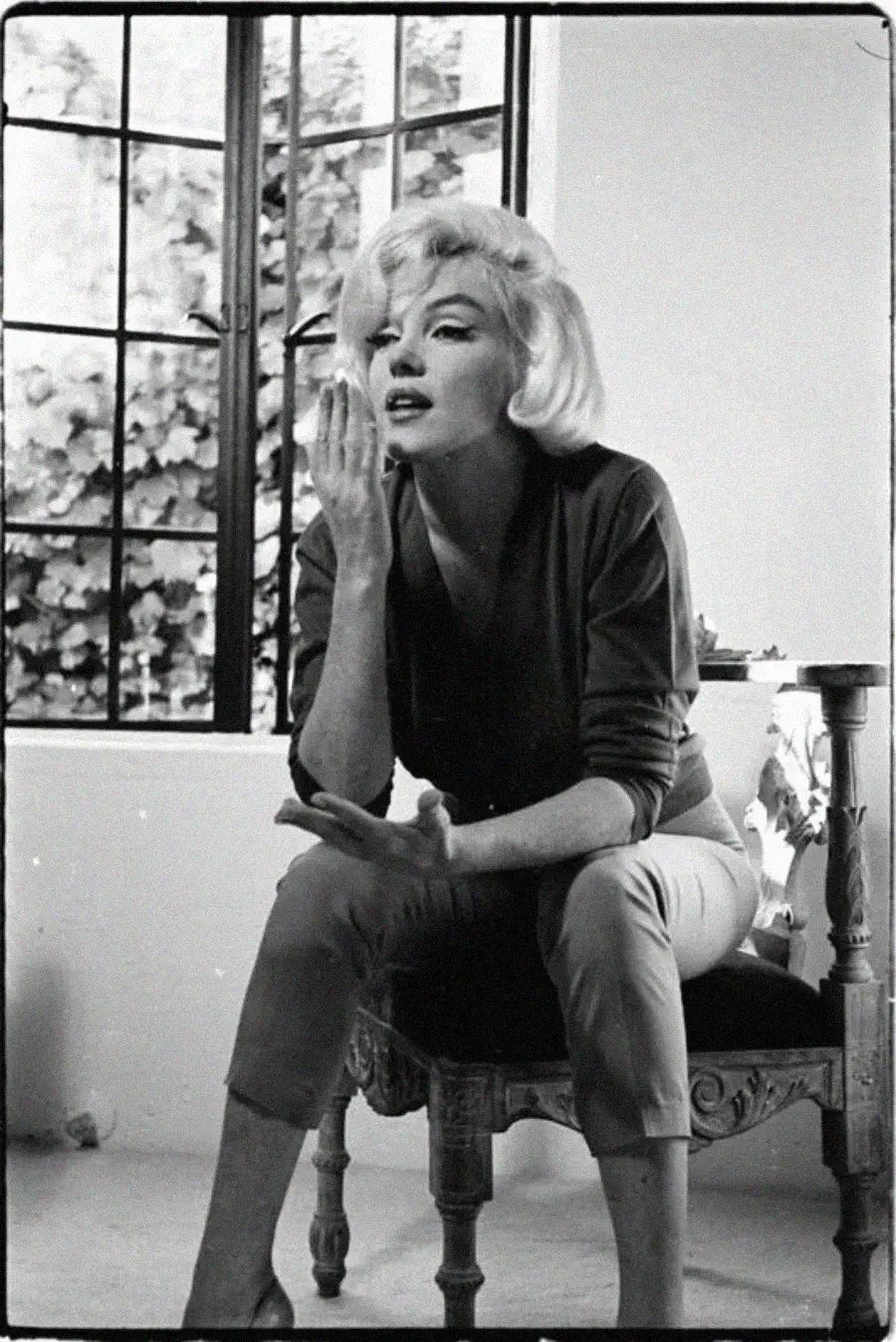
This celebrated feminist rallying cry frequently appears printed on t-shirts alongside images of Hollywood starlets or historic activists. In reality, the sentence was written in 1976 by Laurel Thatcher Ulrich, a Harvard professor and historian, in an academic paper about early American funeral sermons. The scholarly observation went viral decades later in popular culture, completely detached from its academic roots.
Trending on The Scroller

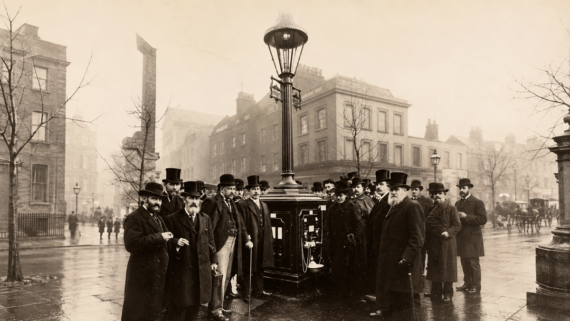
6. “The ends justify the means” – Attributed to Niccolo Machiavelli
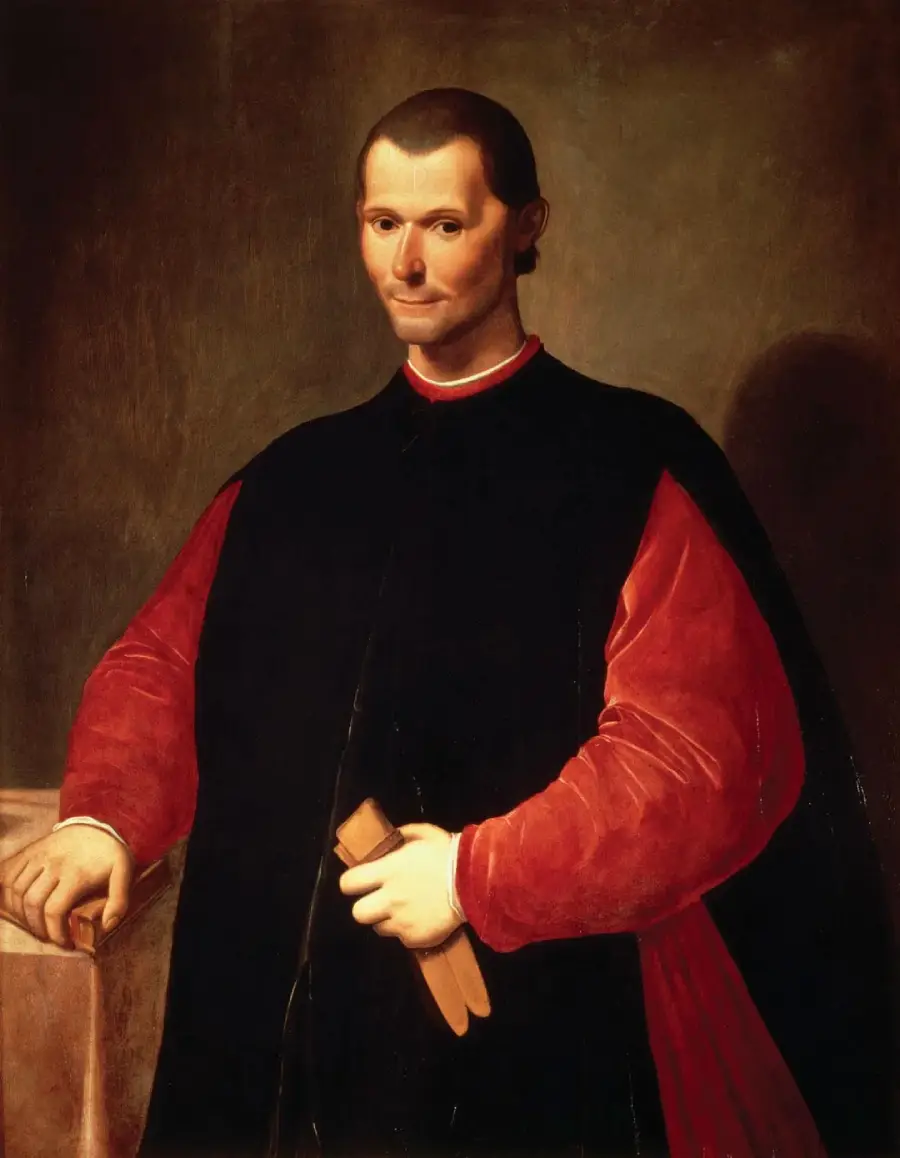
While this ruthless political philosophy aligns with the pragmatic tone of The Prince, Machiavelli never wrote this exact line. The closest phrase in his work translates to “one must consider the final result,” which carries a much milder political meaning. The punchy version actually traces back to the ancient Roman poet Ovid, who wrote “exitus acta probat” in his classic literary work Heroides.
7. “There’s a sucker born every minute” – Attributed to P.T. Barnum
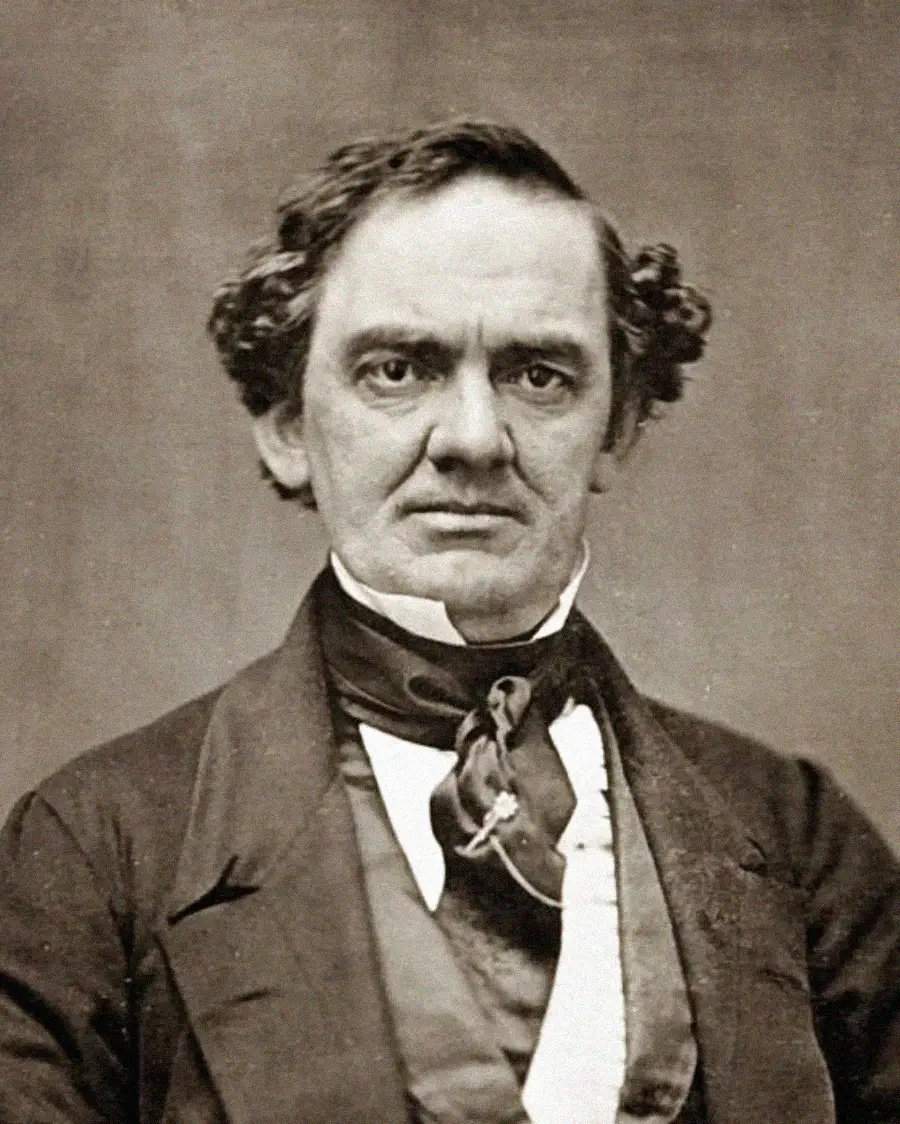
As America’s premier showman, Barnum built a massive career on theatrical hoaxes, making him the logical target for this cynical statement on human gullibility. However, researchers have found no record of Barnum ever using the phrase in his personal letters, memoirs, or business records. The line was actually coined by a rival circus owner, Adam Forepaugh, while criticizing the crowds buying tickets to Barnum’s exhibits.
8. “An eye for an eye makes the whole world blind – Attributed to Mahatma Gandhi
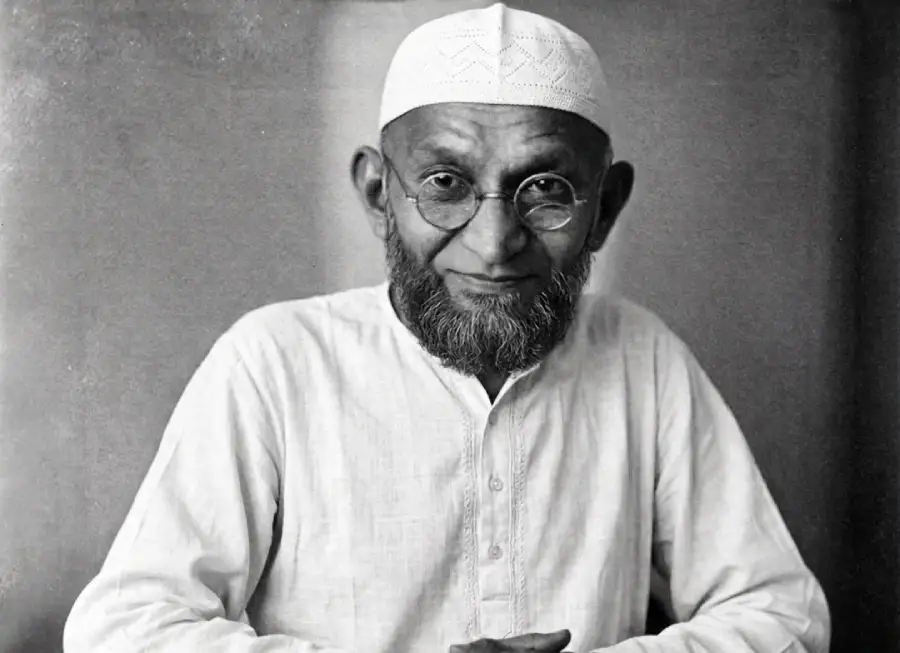
While this famous warning against cyclical violence fits seamlessly into nonviolent civil resistance literature, no primary source material confirms Gandhi ever spoke it aloud. The quote was first explicitly tied to him in a 1947 book about nonviolence by writer Louis Fischer, but similar phrasing was used decades earlier by American suffragist George Cannan and Canadian lawmakers.
Sign up for our newsletter
9. “Be yourself; everyone else is already taken” – Attributed to Oscar Wilde
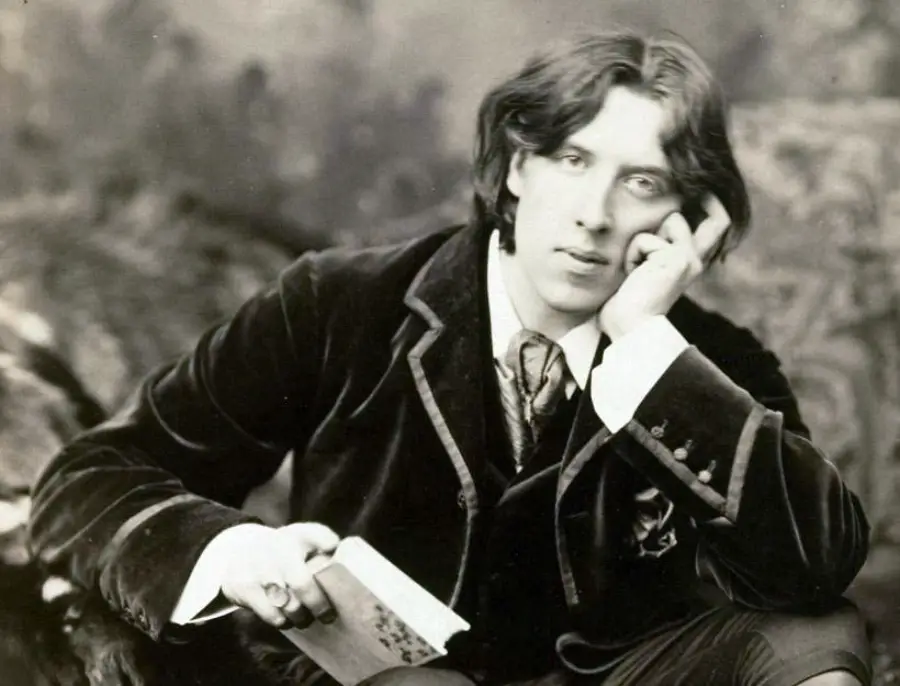
Known for his razor-sharp wit and theatrical individualism, Wilde seems like the perfect candidate to have coined this popular piece of advice. However, the exact phrasing does not appear anywhere across his plays, essays, or personal letters. Wilde did write that most people are other people whose lives are a mimicry, but this specific snappy modern version emerged decades after his death.
10. “Elementary, my dear Watson” – Attributed to Sherlock Holmes
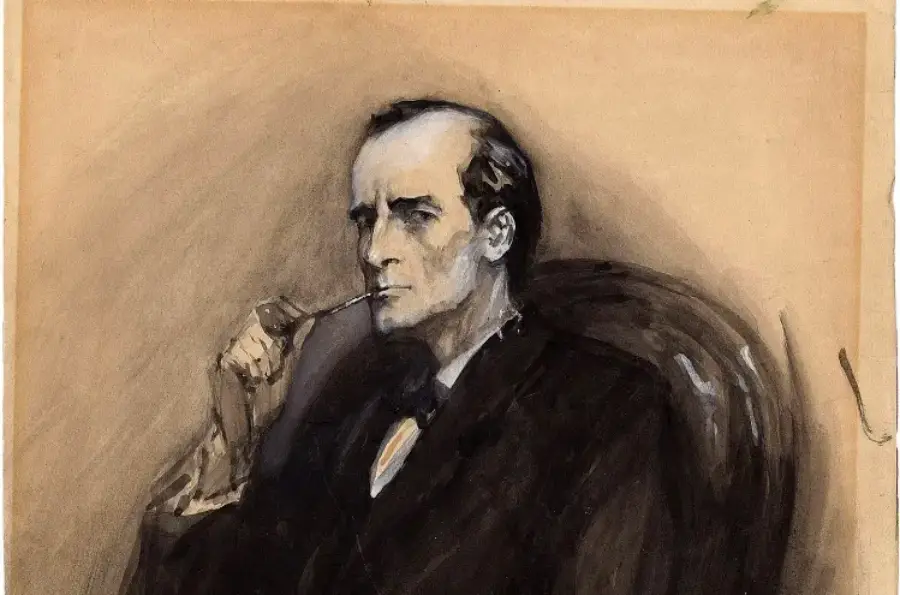
Pop culture adaptations have made this smooth catchphrase inseparable from Arthur Conan Doyle’s fictional detective. While Holmes frequently calls Watson “my dear Watson” and often refers to cases as “elementary,” the exact combination “Elementary, my dear Watson” never appears in any of Doyle’s original stories. The famous line was actually popularized by later theater adaptations and early sound cinema.
11. “A lie can travel halfway around the world while the truth is putting on its shoes” – Attributed to Mark Twain
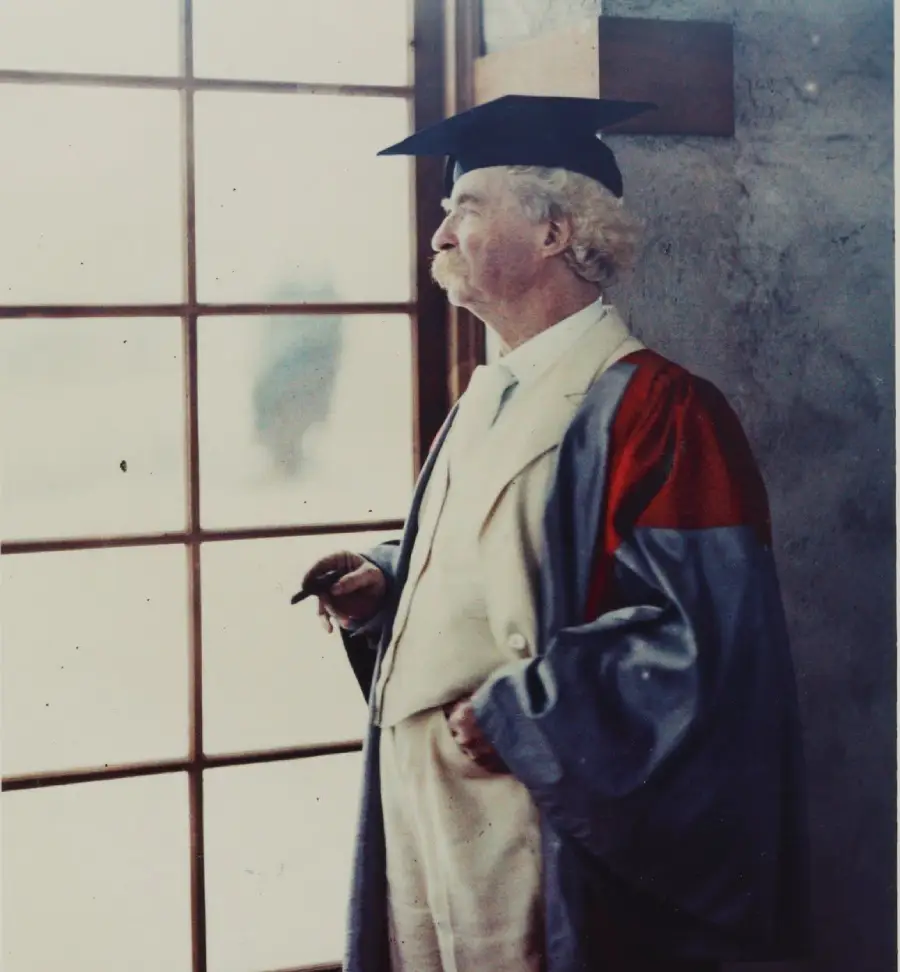
This clever observation about misinformation is regularly credited to Mark Twain or Winston Churchill, but neither man originated it. The sentiment traces back to Jonathan Swift in 1710, who wrote that falsehood flies and truth comes limping after it. Over the next two centuries, various essayists refined Swift’s metaphor until the modern footwear version was mistakenly stamped with Twain’s famous name.
12. “A woman needs a man like a fish needs a bicycle” – Attributed to Gloria Steinem

Steinem popularized this famous slogan during the second-wave feminist movement of the 1970s, but she has repeatedly corrected the record regarding its creation. The quote was actually coined in 1970 by Australian politician and activist Irina Dunn, who scrawled the witticism on the bathroom doors of a university campus. Steinem heard the phrase, loved it, and helped spread it globally through her media appearances.
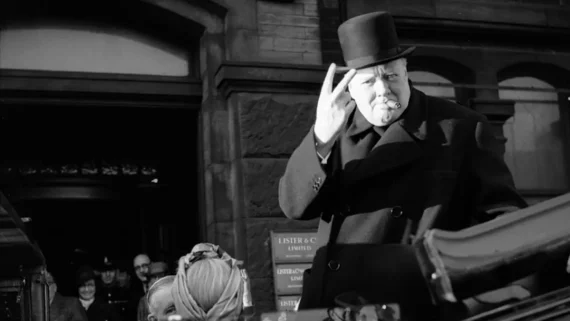
13. “If you’re going through hell, keep going” – Attributed to Winston Churchill
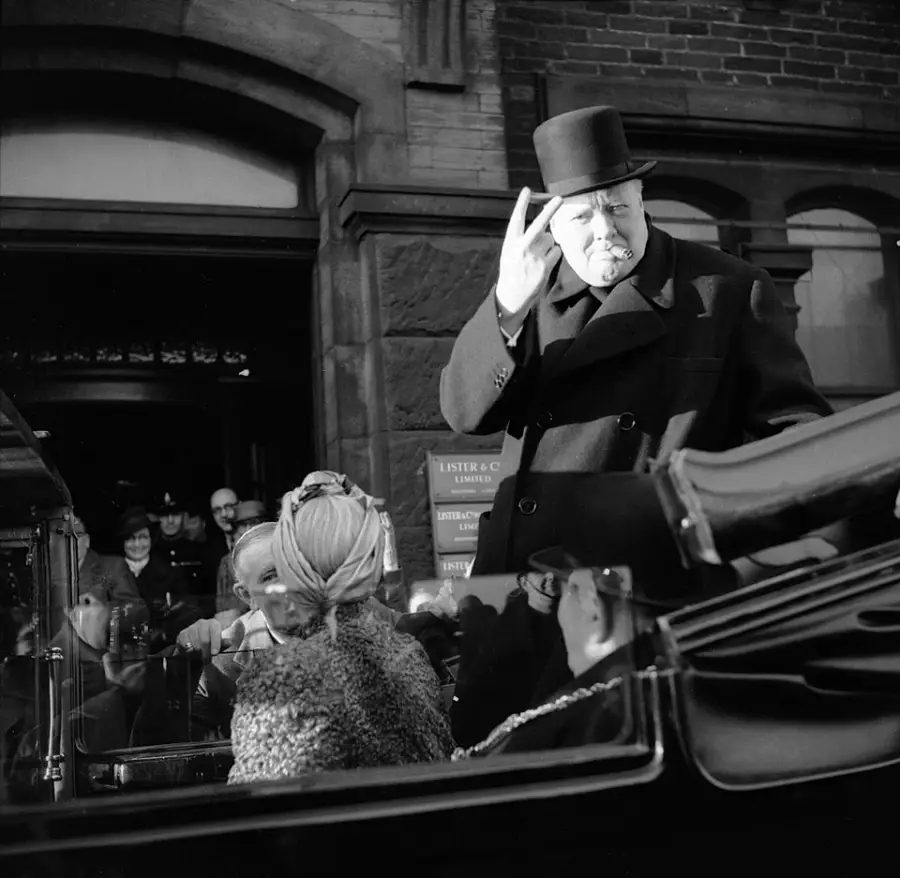
Known for his resolute wartime speeches during World War II, Churchill is routinely cited as the source of this encouraging advice on perseverance. Yet, the International Churchill Society has found zero record of him speaking or writing these words in any official archive. The quote first appeared in print in an American marketing journal in the mid-1970s before being retroactively attached to the Prime Minister.
14. “I cannot tell a lie; it was I who chopped down the cherry tree” – Attributed to George Washington
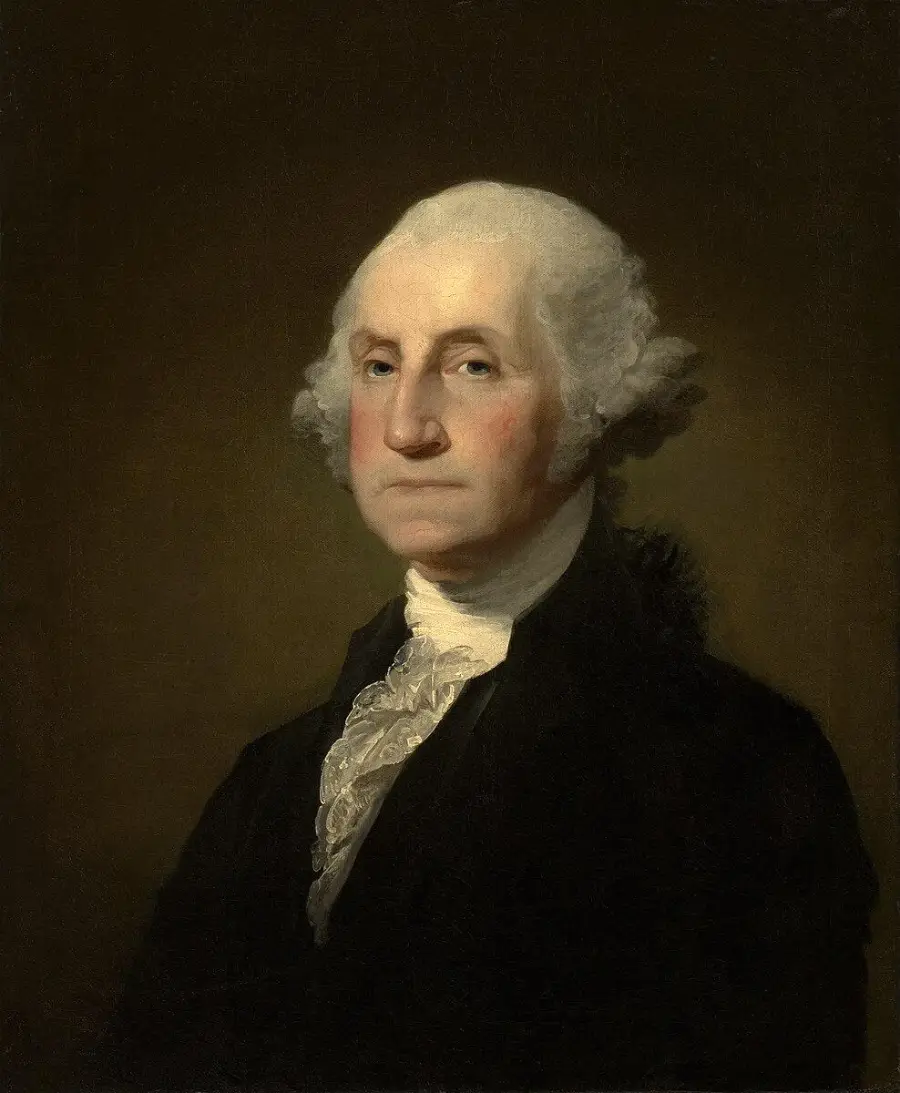
This foundational American tale about George Washington’s childhood honesty is taught to generations of school children as historical fact. The entire cherry tree story was completely fabricated in 1806 by Washington’s first biographer, Mason Locke Weems. Weems invented the moral parable for his book The Life of Washington to paint the first president as an infallible, virtuous hero for young readers.
Want more interesting quotes?
Uncovering the real origins behind these famous expressions offers a fascinating look at how easily human history mixes fact with folklore. While these witty remarks and inspiring philosophies remain culturally significant, knowing that they belong to lesser-known biographers, rival showmen, and satirical plays gives us a much richer understanding of historical record-keeping. If you love digging into forgotten history and cultural myths, don’t forget to explore these 16 Quotes From History That Predict Our Digital Dilemmas, or 16 Steve Jobs Quotes the Modern Industry Still Cannot Match. You may also enjoy these Life Lessons From Morgan Freeman That Still Inspire Millions.