
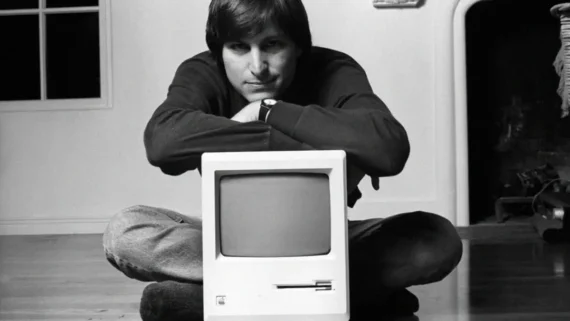
When we look back at the monumental evolution of contemporary consumer electronics and software design, we naturally credit a tiny handful of Silicon Valley pioneers with accelerating our digital capabilities. We view the historic legacy of Steve Jobs as a series of beautifully engineered, highly lucrative hardware releases that seamlessly reshaped how humanity communicates, works, and creates. Over the generations, slick corporate marketing campaigns and polished product keynotes have heavily conditioned the public to focus almost exclusively on the immediate commercial triumphs of his career. This traditional view frames our understanding of corporate leadership, leaving audiences to assume that the radical vision of Apple’s co-founder was entirely fulfilled the exact second the first iPhone or Macintosh shipped to global retail markets.
However, a closer analysis of his extensive historical interviews, private design manifestos, and public boardroom presentations reveals a completely different, deeply prophetic creative blueprint. The fascinating reality of corporate history proves that several philosophical declarations articulated by Steve Jobs decades ago contain profound insights that the modern tech industry still struggles to fully implement. Instead of merely discussing microchip speeds or software features, his core philosophies targeted the deep intersection of human psychology, artistic simplicity, and corporate governance rules. Let’s pull back the curtain on the hidden architecture of Silicon Valley history as we explore sixteen legendary statements that contemporary technology conglomerates still haven’t fully caught up to.
1. “The only problem with Microsoft is that they just have no taste. They have absolutely no taste. I don’t mean that in a small way. I mean that in a big way, in the sense that they don’t think of original ideas and they don’t bring much culture into their product.”

This famously sharp critique of corporate creativity was delivered by Jobs during The Lost Interview broadcast in 1995. When analyzing the modern landscape, it becomes highly evident that this specific institutional issue has completely transcended any single technology brand. Today, digital spaces are thoroughly saturated with algorithmic, automated content systems that consistently choose immediate data volume over human spirit, genuine originality, and cultural depth. This phenomenon has effectively turned automated iteration into the baseline default mode for corporate software deployment globally. Fostering a genuine sense of cultural literacy within engineering departments remains a distant, largely ignored priority for mainstream software platforms.
2. “Ultimately, it comes down to taste. It comes down to trying to expose yourself to the best things that humans have done and then try to bring those things into what you’re doing.”
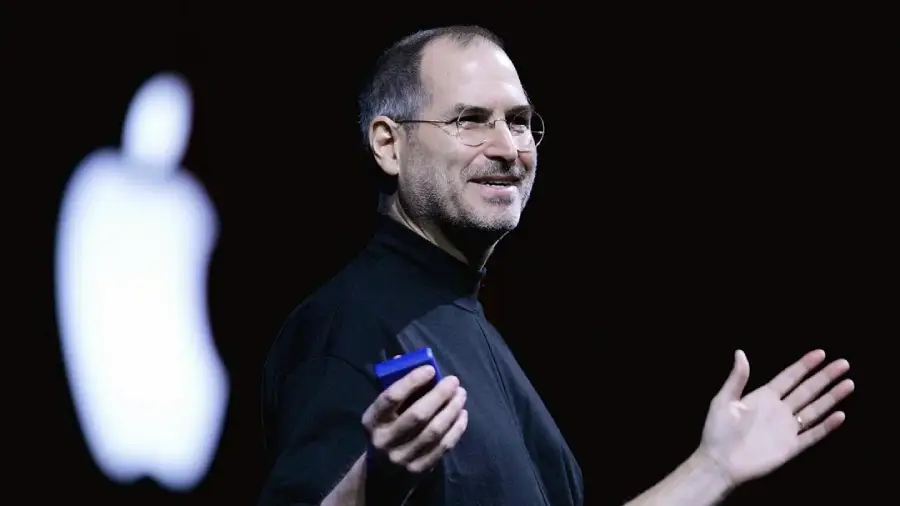
During his legendary appearance on the PBS documentary Triumph of the Nerds in 1996, Jobs articulated this profound requirement for exceptional product design. Cultivating genuine artistic taste demands an immense level of personal curiosity, continuous historical exploration, and an active willingness to study classical disciplines outside of computer science. Despite billions of dollars in modern research budgets, the vast majority of consumer tech products are still engineered purely for technical metrics first and only humanized as a secondary afterthought. This profound deficit of cultural insight leaves our daily software tools feeling cold, uniform, and entirely utilitarian. The precise discipline of taste remains one of the single rarest and most undervalued skillsets across the contemporary Silicon Valley landscape.
3. “What a computer is to me is the most remarkable tool that we have ever come up with. It’s the equivalent of a bicycle for our minds.”

This beautifully poetic, deeply inspiring cognitive framework was shared by Jobs during a filmed 1990 educational interview titled Memory and Imagination. It envisions personal computing technology not as an isolating, addictive consumer loop, but rather as a profound locomotive amplifier designed to expand human intellect. Early physiological data tracking the energetic efficiency of moving species discovered that a human riding a mechanical bicycle completely shatters the efficiency metrics of the entire animal kingdom. Modern software design has largely abandoned this beautiful, empowering vision, choosing instead to build closed digital ecosystems that actively restrict user agency to maximize advertising attention spans. Reclaiming the computer as a pure, non-intrusive locomotive tool for human imagination remains a critical challenge for future developers.
4. “I’m as proud of many of the things we haven’t done as the things we have done. Innovation is saying no to a thousand things.”

Delivered during the triumphant return phase of his corporate career at the 1997 Apple Worldwide Developers Conference, this quote establishes the absolute necessity of radical administrative restraint. Traditional technology corporations naturally confuse progress with continuous expansion, routinely cluttering their software interfaces with redundant tools and releasing copycat hardware lines to chase short-term market trends. True innovation requires an immense level of executive courage to ruthlessly prune away secondary concepts to protect your core engineering focus. When a design team voluntarily limits its options, the resulting product naturally achieves a clean, uncompromised level of quality that focus groups can never replicate. Modern product development cycles consistently struggle with this discipline, preferring to launch bloated beta iterations over refined, single-purpose masterpieces.
5. “It doesn’t make sense to hire smart people and tell them what to do; we hire smart people so they can tell us what to do.”

Traditional corporate management frameworks are fundamentally built around a highly rigid, top-down hierarchy where executives hire specialized knowledge workers simply to micro-manage their daily technical tasks. This refreshing organizational blueprint was famously shared by Jobs to highlight the unique workspace dynamics he cultivated across his corporate properties. The strategy mandates treating elite talent as active creative partners, explicitly stripping away administrative red tape so engineers can guide executive leadership toward optimal solutions. This philosophy was beautifully integrated into the early infrastructure of Pixar Animation Studios, where creative control was placed entirely into the hands of a working brain-trust of artists. This cultural framework proved that fostering absolute autonomy is the absolute key to generating consistent commercial and critical breakthroughs.
Trending on The Scroller


6. “I think all of us need to be on guard against arrogance which knocks at the door whenever you’re successful.”

This sobering warning regarding the internal psychological decay of triumphant enterprises was detailed by Jobs during his extensive 1995 Smithsonian Institution Oral History Interview. He observed that structural victory naturally breeds immense corporate complacency, leading historically innovative brands to assume their market dominance is permanent and legally untouchable. The massive technology conglomerates of our current era serve as the clearest possible real-world manifestations of exactly what Jobs warned against. Trapped in non-stop regulatory battles, severe internal corporate scandals, and massive public trust crises, these entities routinely prioritize defensive legal positioning over bold creative risks. When arrogance answers the door of a successful enterprise, the original innovative spark is systematically replaced by institutional stagnation.
7. “Dr. Land at Polaroid said, ‘I want Polaroid to stand at the intersection of art and science,’ and I’ve never forgotten that.”
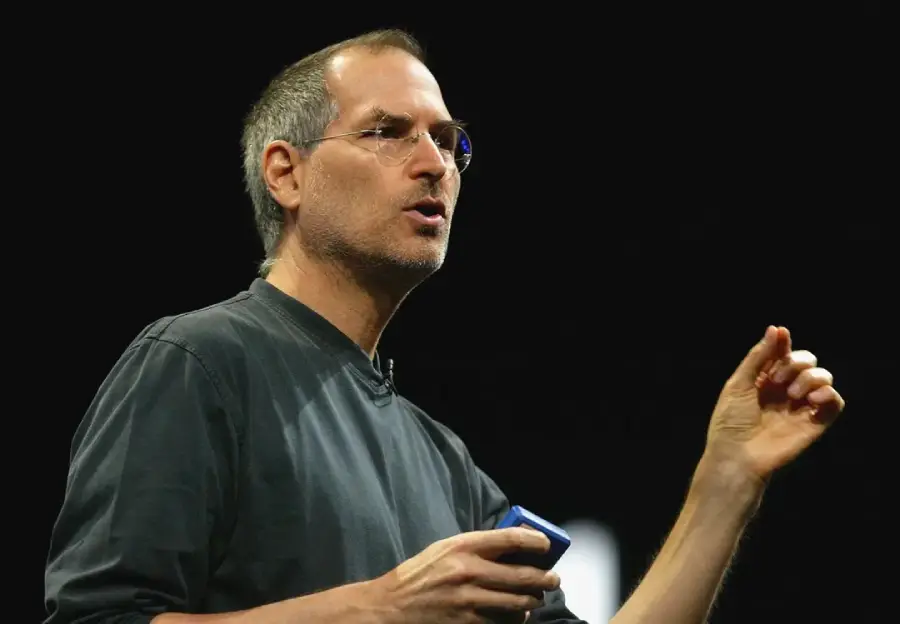
Jobs returned to this profound structural ideology constantly throughout his long career, using it as the absolute North Star for his product development teams. This philosophy dictates that technical engineering capabilities are fundamentally hollow unless they are systematically wedded to the deep insights of the humanities, classical design, and human psychology. In the contemporary technology landscape, this territory remains occupied by an incredibly small handful of independent companies. The vast majority of mainstream technology brands still treat design as a superficial decorative layer and the liberal arts as entirely irrelevant to serious hardware manufacturing. This deep philosophical divide is why so many modern gadgets feel completely interchangeable, lacking any distinct soul or long-term emotional connection with the consumer.
8. “Good PR educates people; that’s all it is. You can’t con people in this business. The products speak for themselves.”
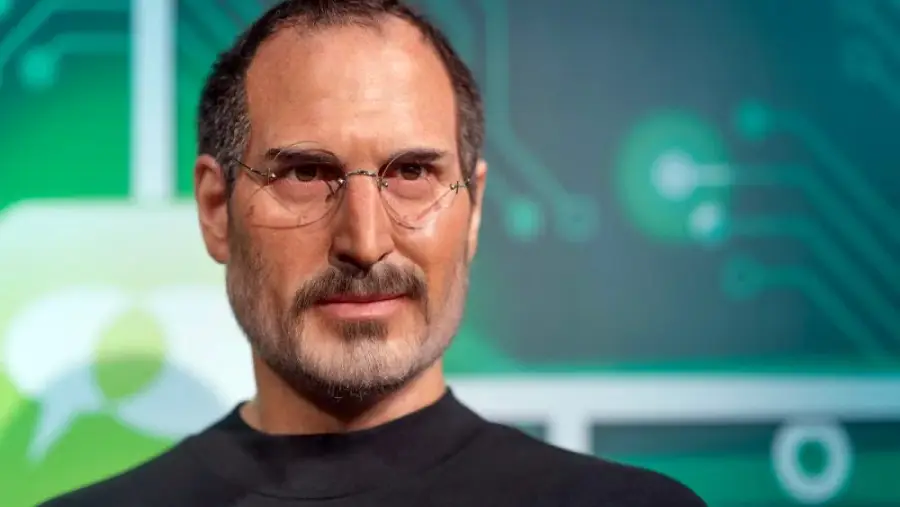
This principled perspective on corporate communications was documented across multiple primary sources tracking his management strategies during the formative years of personal computing. Jobs maintained a firm belief that deceptive marketing campaigns and flashy publicity stunts were entirely unviable over the long term because consumers would invariably uncover a product’s true mechanical quality. Modern technology marketing has largely inverted this golden rule, spending billions of dollars to sell aspirational identity, social status, and lifestyle narratives while the hardware itself receives minor, uninspired iterative updates. In our hyper-accelerated attention economy, the concept that quality will be entirely self-evident feels almost naive. However, authentic long-term brand equity is still built exclusively when the physical user experience successfully lives up to the corporate narrative.
Sign up for our newsletter
9. “Design is not just what it looks like and feels like. Design is how it works.”
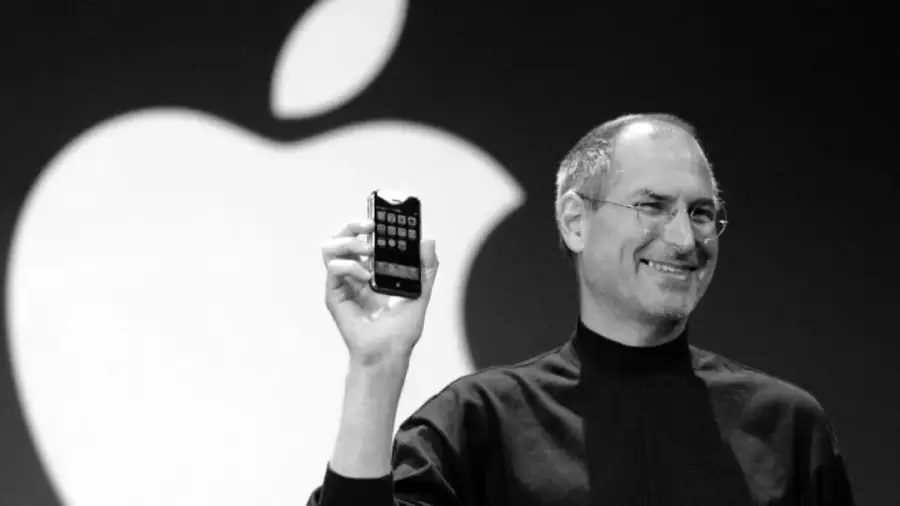
This classic declaration from his landmark 2003 interview with The New York Times Magazine remains the absolute definitive definition of high-end industrial craftsmanship. It completely dismantles the lazy industry habit of separating a product’s physical aesthetics from its deep mechanical architecture. True design requires a comprehensive, holistic mastery over everything from internal circuit layout configurations to software latency metrics, ensuring the final tool feels entirely intuitive to human touch. This rigorous cognitive process demands thousands of hours of physical prototyping, intense technical debate, and an absolute refusal to accept convenient structural compromises. As contemporary mobile operating systems become increasingly weighed down by intrusive subscription banners, pop-up alerts, and clunky user flows, this unyielding dedication to functional elegance remains an unfulfilled ideal.
10. “You’ve got to start with the customer experience and work backward to the technology. You can’t start with the technology and try to figure out where you’re going to try to sell it.”
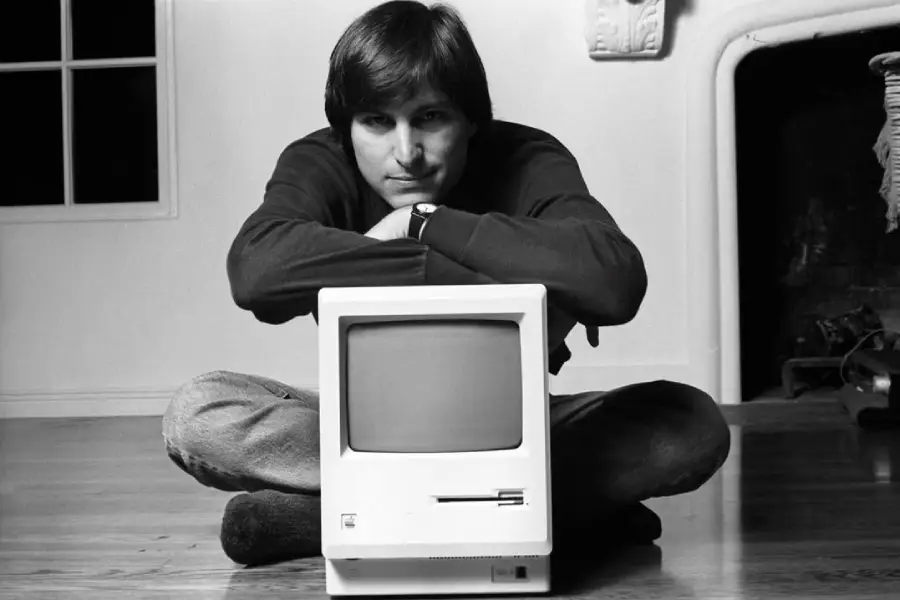
This essential piece of strategic corporate logic was forcefully articulated by Jobs during a high-stakes question-and-answer session at the 1997 Apple Worldwide Developers Conference. He argued that starting with a complex piece of engineering infrastructure and then desperately searching for a consumer market is a guaranteed path to financial ruin. This exact operational error is on full display across the modern digital landscape, where companies rush to deploy complex, resource-heavy computing tools without discovering a practical everyday utility for the consumer. True product development requires starting with a real human frustration, mapping out a flawless emotional solution, and then engineering the necessary backend code to realize that specific vision. Bypassing this workflow leads to highly alienating software updates that consumers actively resist rather than welcome.
11. “Simple can be harder than complex: You have to work hard to get your thinking clean to make it simple. But it’s worth it in the end because once you get there, you can move mountains.”
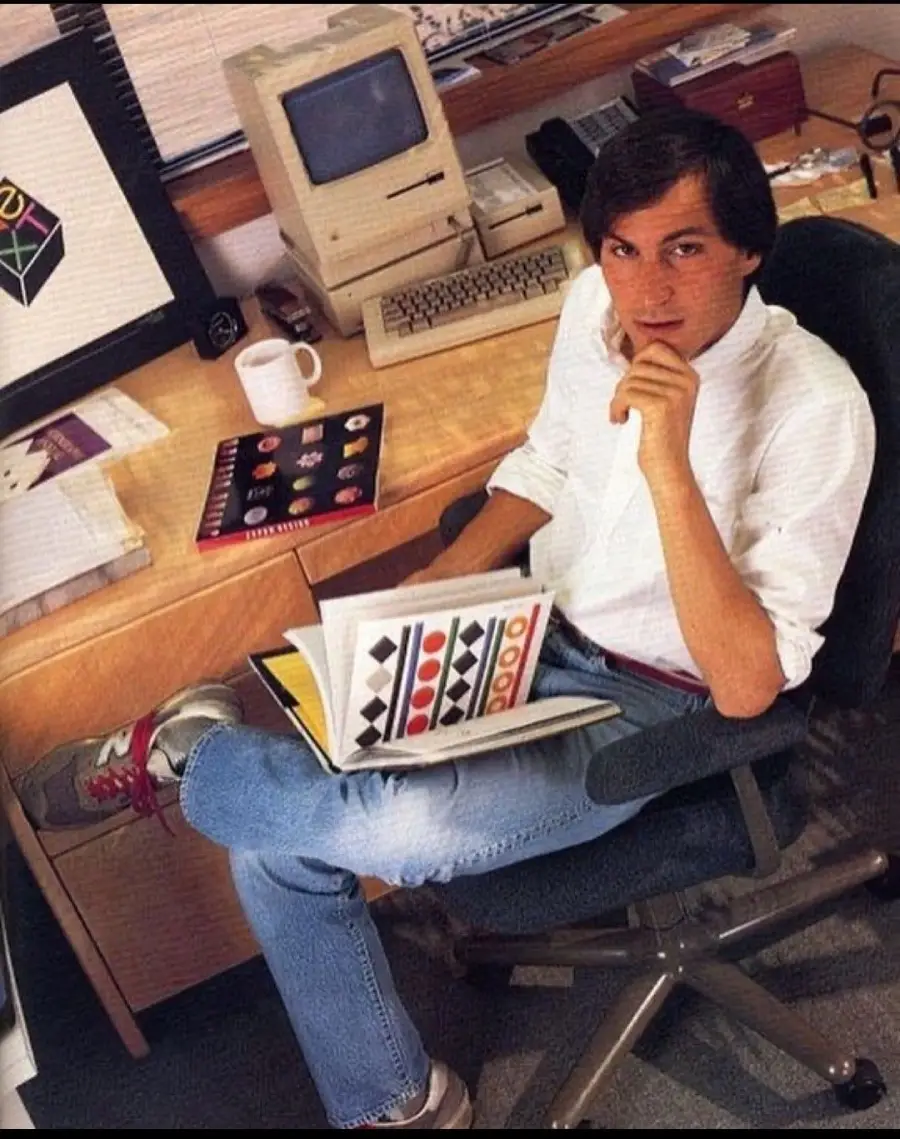
Shared during a prominent 1998 corporate retrospective interview with BusinessWeek, this quote serves as a powerful testament to the intense intellectual labor required to achieve minimalist clarity. Developing a complex, feature-heavy product is remarkably easy because it requires zero editorial discipline, allowing a design committee to simply pile on tools until the layout becomes completely unreadable. Stripping a digital interface down to its absolute, pure emotional essentials forces developers to penetrate the absolute core physics of a software problem. This unyielding commitment to cognitive clarity requires an immense level of creative stamina and a willingness to scrap months of work to discover a cleaner path forward. Modern applications, heavily burdened by corporate monetization tracking and notification spam, prove that keeping your thinking clean remains a monumental challenge.
12. “A lot of times, people don’t know what they want until you show it to them.”
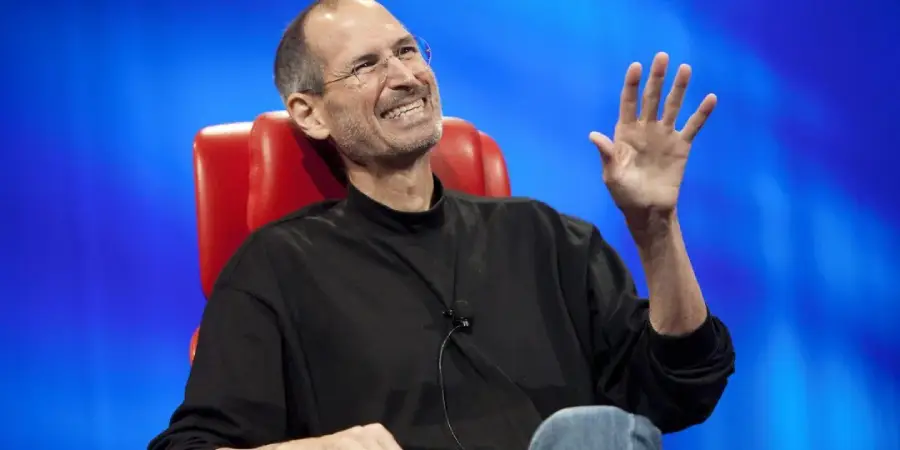
This legendary insight, detailed extensively in his 1998 media profiles, stands as a direct, aggressive challenge to the traditional corporate safety nets of focus group market research. Jobs asserted that relying on consumer surveys to map out the future of an industry is fundamentally flawed because the public can only evaluate options within their existing reality. True industrial visionaries operate with an immense level of creative intuition, actively predicting cultural shifts and human desires long before they manifest on a statistical spreadsheet. If early personal computer developers had strictly followed the market feedback of the early 1980s, the world would have simply received faster electronic typewriters rather than graphic user interfaces. Exceptional product design requires an absolute willingness to ignore contemporary market consensus to build a future the public cannot yet visualize.
13. “If you keep your eye on the profit, you’re going to skimp on the product. But if you focus on making really great products, then the profits will follow.”
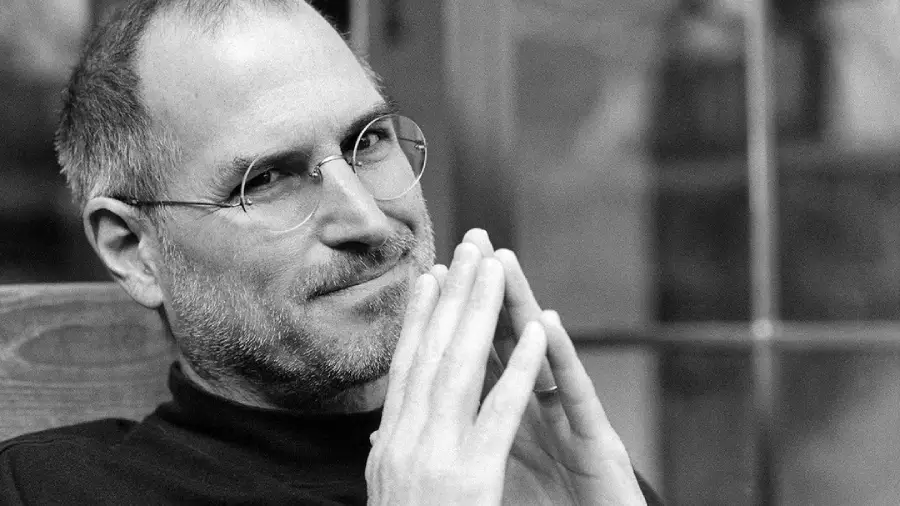
This unyielding business philosophy, preserved across his historical biographical notes, outlines a permanent macro-economic truth that modern Wall Street structures routinely ignore. When a technology enterprise allows short-term stock market optimization and immediate quarterly financial metrics to dictate its engineering roadmap, the core product quality is systematically degraded to cut corners. This cynical approach deeply alienates loyal consumers, permanently destroying long-term brand equity to secure temporary financial boosts. Jobs forcefully demonstrated the alternative path, investing massive corporate capital into premium materials, custom typography, and high-end packaging designs despite intense pushback from the accounting department. This uncompromising stance converted a basic data processing utility into an absolute cultural desire, proving that engineering excellence is the ultimate engine of sustainable corporate wealth.
14. “Remembering that you are going to die is the best way I know to avoid the trap of thinking you have something to lose. You are already naked. There is no reason not to follow your heart.”

Revisiting this deeply personal, highly philosophical doctrine from his historic 2005 Stanford University Commencement Address reveals the ultimate psychological anchor for high-stakes professional decision-making. Jobs utilized the stark reality of personal mortality as a powerful cognitive filter designed to instantly dissolve the paralyzing weights of corporate pride, social compliance, and the fear of professional failure. This extreme existential clarity strips away all superficial societal anxieties, leaving exclusively what is genuinely vital, authentic, and impactful exposed to a creator’s focus. Operating with this level of fearlessness allowed him to repeatedly execute massive, high-risk corporate maneuvers that baffled traditional market commentators. This profound awareness of our temporal limitations remains the ultimate antidote to the cautious, defensive stagnation that routinely plagues contemporary corporate boards.
15. “Innovation has nothing to do with how many R&D dollars you have… It’s not about money. It’s about the people you have, how they’re led, and how much you get it.”

This sharp critique of traditional corporate spending metrics was delivered by Jobs during an extensive 1998 feature profile with Fortune magazine as he initiated his historic corporate turnaround. He pointed out that massive financial capital frequently breeds profound creative laziness, leading sprawling development task forces to waste years building over-engineered solutions that completely miss the consumer’s emotional needs. True technical innovation requires high-level leadership capable of aligning small, hyper-focused collectives of brilliant creators toward a singular, uncompromising objective. This Lean operational philosophy remains highly relevant in our contemporary landscape, where tech conglomerates routinely fund multi-billion-dollar experimental divisions that fail to produce a single culturally defining product. True creative breakthrough is an act of concentrated human intellect, not a mathematical byproduct of corporate budgets.
16. “We’re just enthusiastic about what we do.”
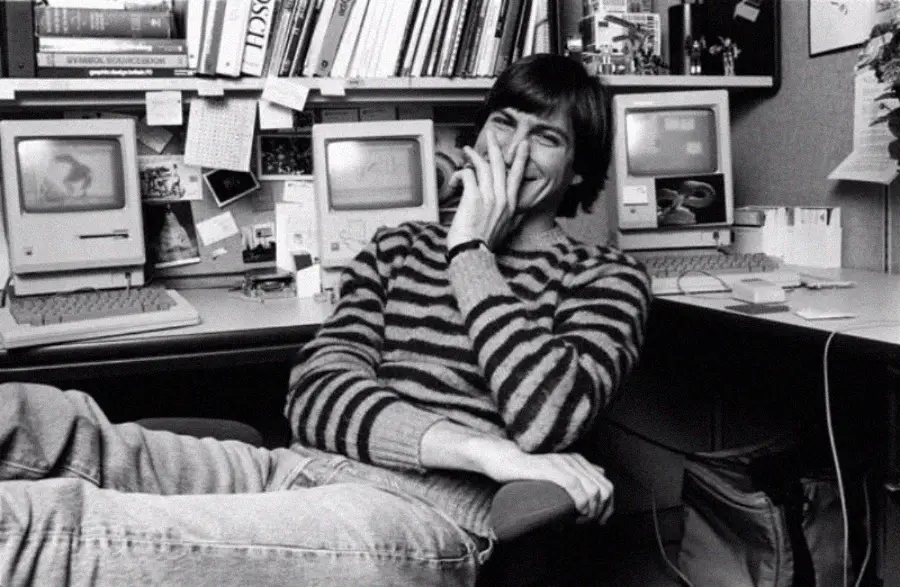
Concluding our philosophical countdown is this deceptively simple, beautifully human declaration shared by Jobs during his legendary joint appearance with Bill Gates at the 2007 All Things Digital conference. Amidst hours of complex journalistic questioning regarding market shares, platform ecosystem wars, and quarterly revenue margins, this brief phrase perfectly encapsulated the true emotional engine driving his entire career. He asserted that absolute, unadulterated passion for the raw craftsmanship of building tools is the single non-negotiable metric that separates historic, generation-defining enterprises from ordinary corporate businesses. This emotional enthusiasm acts as a powerful psychological shield, permitting creators to weather decades of public skepticism, technical failures, and intense corporate betrayals without losing their innovative spark. As the contemporary technology sector becomes increasingly defined by clinical venture capital metrics, corporate automation, and stock price optimization, this raw celebration of human enthusiasm remains the ultimate unfulfilled goal for the industry.
Discover more quotes from the most interesting celebrities:
Delving into the prophetic, deeply sophisticated philosophies of this premier technology visionary serves as a powerful reminder that the true landmarks of digital innovation are fundamentally built on a profound understanding of human nature, artistic discipline, and uncompromising structural integrity rather than immediate corporate metrics. Watching these timeless concepts continue to challenge the hyper-automated, ad-supported priorities of our contemporary Silicon Valley landscape proves that the blueprints he authored remain an unfulfilled roadmap for the future of consumer tech. When we choose to look past the high-gloss marketing of our modern gadgets to study these core organizational principles, we gain a profound appreciation for the immense strategic intellect required to humanize technical infrastructure. If you enjoyed this eye-opening, deeply analytical journey looking back at the hidden blueprints of digital history, make sure to explore these Life Lessons From Morgan Freeman That Still Inspire Millions, or 20 Robin Williams Quotes That Show His True Self. You may also like these 18 Liam Neeson Quotes That Reveal Who He Is.