Disaster-resistant buildings are designed around an uncomfortable question: what happens when the environment stops behaving normally? Earthquakes shake foundations, floods rise above doorways, winds push against entire structures, and extreme cold can turn an ordinary construction problem into something far more complicated.
The answers vary dramatically. Some buildings move with earthquakes instead of fighting them. Others rise with floodwater, disappear underground, or can literally be relocated when snow becomes a problem. None are disaster-proof, but each shows how architecture and engineering can prepare for a very specific kind of extreme.
1. Svalbard Global Seed Vault: Built Into an Arctic Mountain
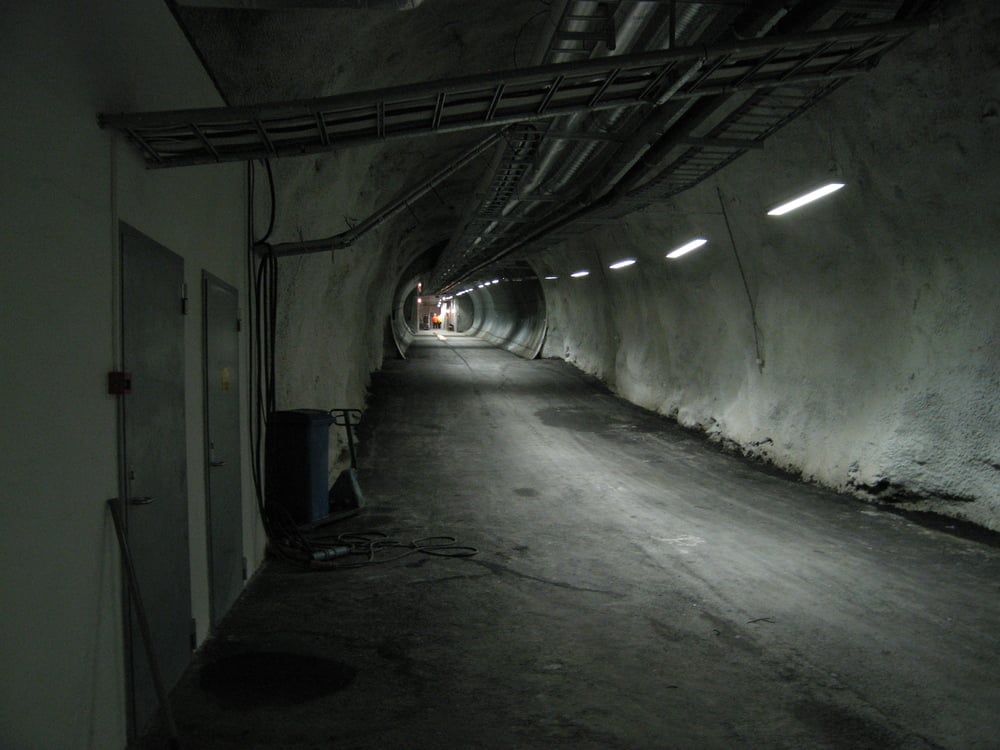
Deep inside a sandstone mountain on the Norwegian island of Spitsbergen, the Svalbard Global Seed Vault was created to provide long-term backup storage for crop seeds from around the world. Its remote Arctic location, surrounding rock, and naturally cold environment add layers of protection around the collection. The design sounds almost apocalyptic, but its purpose is practical: preserving agricultural diversity if other seed collections are damaged or lost. Even this formidable facility is not immune to environmental change, however, and warming conditions have required continued attention to its infrastructure.
2. Torre Mayor: Designed With Mexico City’s Earthquakes in Mind
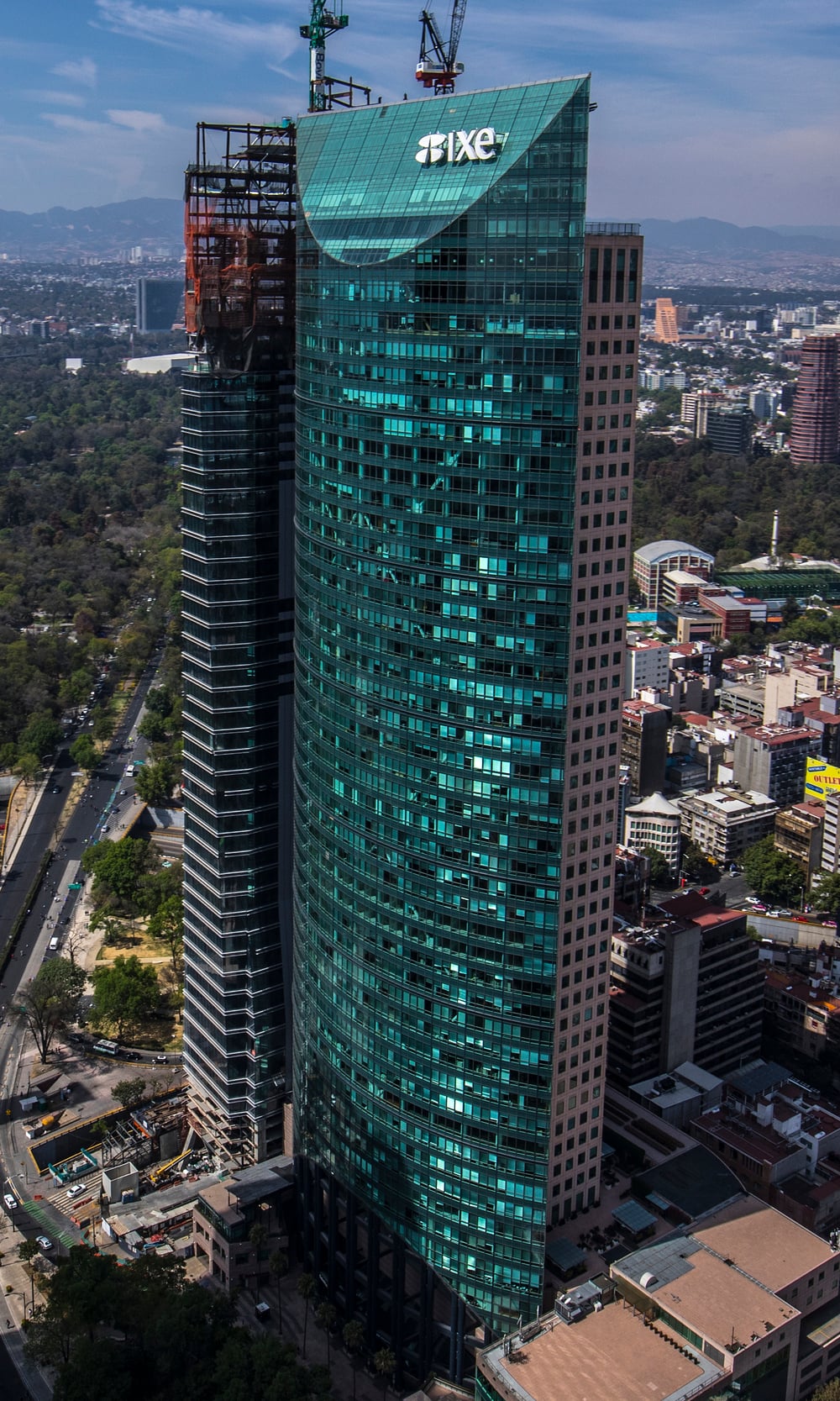
Mexico City is hardly an easy place to build a skyscraper, which makes Torre Mayor particularly interesting. Its structural design incorporates seismic energy-dissipation systems intended to help the tower respond to earthquake movement rather than simply resist it as a rigid object. That distinction matters. Earthquake engineering is often less about making a building completely motionless and more about controlling how forces travel through it. When the ground itself becomes unpredictable, flexibility and energy absorption can become architectural survival tools.
3. Taipei 101: A Giant Pendulum Helps Control the Sway
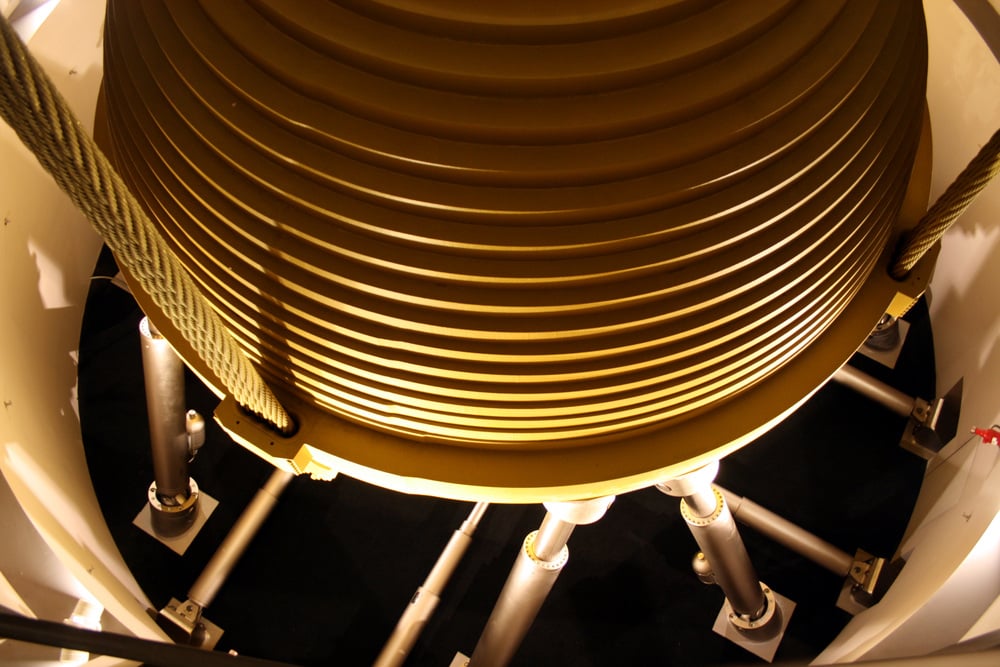
Near the top of Taipei 101 hangs something that looks more at home in an enormous clock: a massive tuned mass damper. The suspended weight is designed to move in response to the skyscraper’s motion, helping reduce swaying caused by strong winds and seismic activity. Taiwan faces both typhoons and earthquakes, so controlling movement was an essential part of engineering one of the world’s most recognizable towers. Would standing beside a gigantic moving weight make a skyscraper feel safer or considerably more alarming? Either way, the mechanism makes normally invisible engineering spectacularly visible.
4. The Maeslant Barrier Control Building: Watching Over a Giant Flood Defense
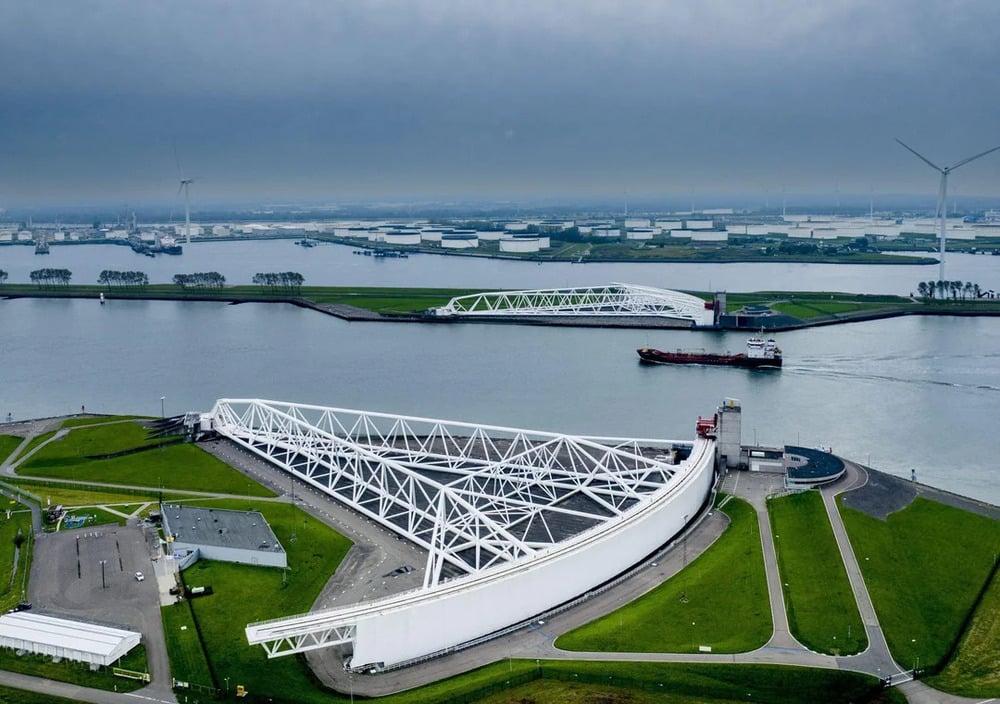
The building itself is only one small component of something much larger. The Maeslantkering in the Netherlands is a massive movable storm-surge barrier designed to help protect the Rotterdam region when dangerous water levels threaten the coast. Its control infrastructure supports a system capable of closing enormous gates across the waterway. Strictly speaking, this entry stretches the definition of a building because the engineering star is the barrier. Still, few structures illustrate the Dutch approach to flood risk more dramatically: sometimes surviving water means redesigning the boundary between land and sea.
5. Rotterdam’s Floating Pavilion: Architecture That Accepts the Water
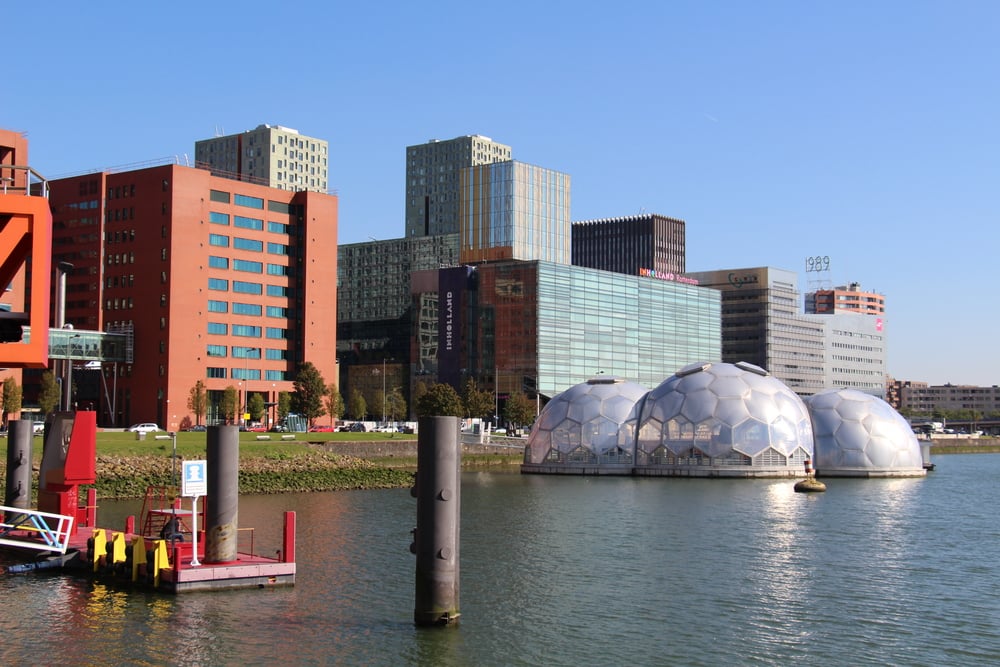
Instead of asking how to keep water completely away from architecture, Rotterdam’s Floating Pavilion explored another possibility: what if the structure simply floated on it? The experimental pavilion used buoyant construction as a demonstration of climate-adaptive architecture in a city deeply connected to water. It should not be mistaken for a proven emergency shelter or universal solution to flooding. Its importance lies in the idea it tested. In places where water levels may become increasingly difficult to control, adapting to water could sometimes make more sense than endlessly trying to exclude it.
Trending on The Scroller

6. Makoko Floating School: An Experiment With a Complicated Ending
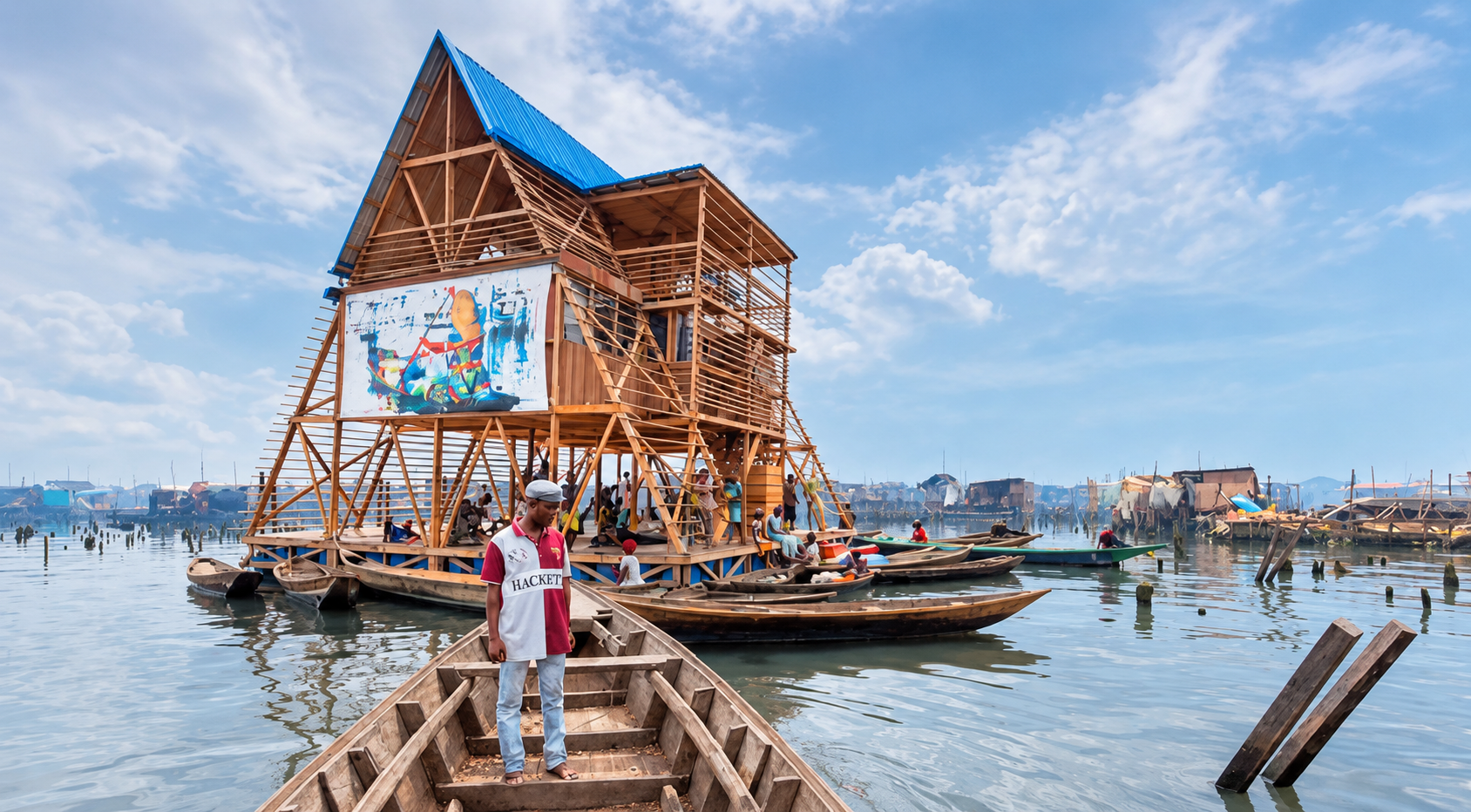
The Makoko Floating School prototype in Lagos became an internationally recognized experiment in architecture for a waterfront community. Its floating form explored how buildings might respond to an environment where water is part of everyday life rather than an occasional intrusion. But its story is also an important warning against confusing an intriguing prototype with proven resilience. The original structure collapsed in 2016. That makes Makoko especially valuable in this list: resilient design is an evolving process, and bold ideas still have to survive the unforgiving test of real conditions.
7. San Francisco City Hall: An Old Landmark Given a Moving Foundation
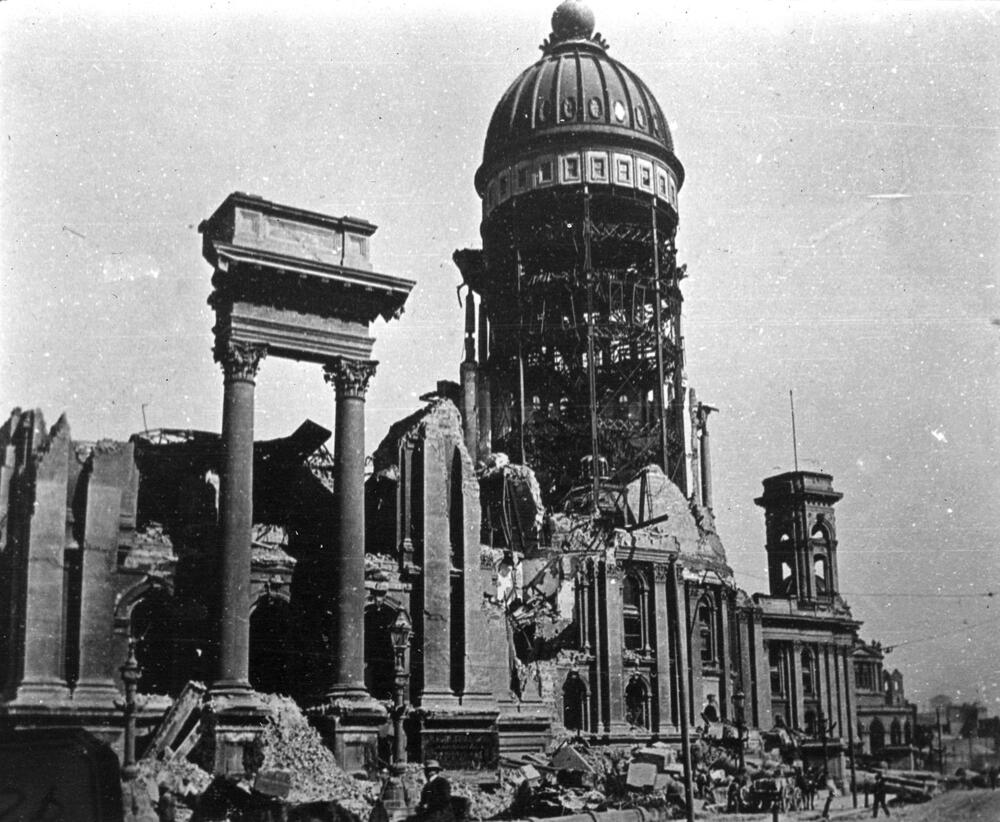
After surviving one era of earthquake history, San Francisco City Hall received a major seismic retrofit designed to improve how it would behave during future shaking. Base isolation separates a structure from some of the movement transmitted directly through the ground, allowing controlled motion between the building and its foundation. For a monumental historic structure, that creates an unusual engineering challenge: strengthen its response without erasing the architecture people are trying to preserve. The result is resilience largely hidden from anyone admiring the building above.
8. Utah State Capitol: A Landmark That Can Move During an Earthquake
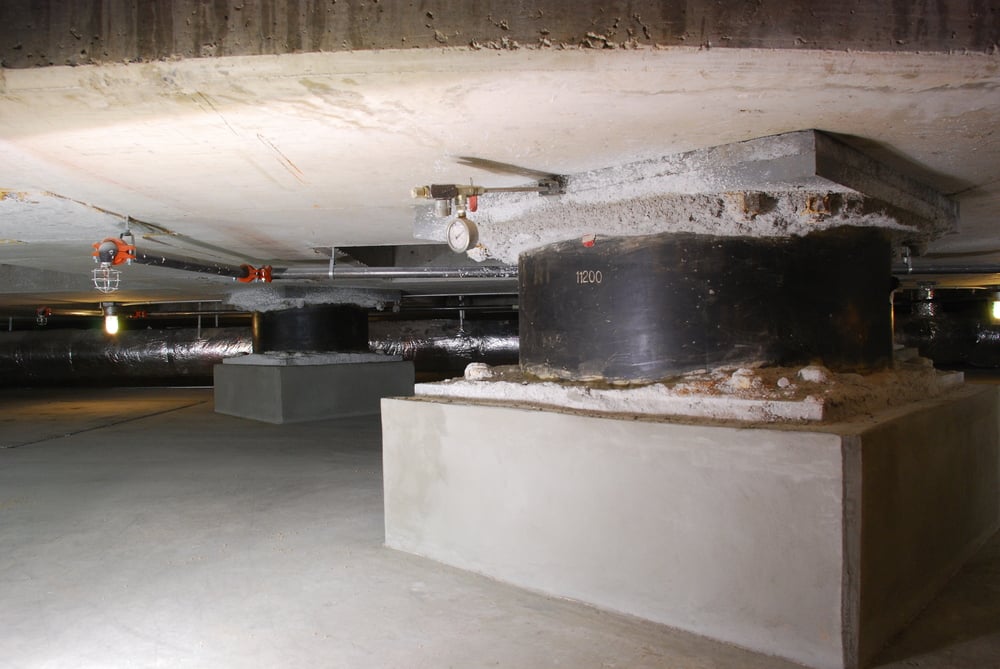
Disaster-resistant buildings sometimes survive by doing something that sounds counterintuitive: moving. During the Utah State Capitol´s seismic renovation, base-isolation technology was incorporated to reduce the earthquake forces transferred into the historic structure. Rather than locking the building rigidly to shaking ground, the system allows controlled relative movement at its base. The Capitol still faces seismic risk, because no engineering system eliminates it entirely. What the retrofit does is give an important historic building a much more sophisticated way to respond when the ground beneath Salt Lake City starts moving.
Sign up for our newsletter
9. Christchurch Cardboard Cathedral: Rebuilding With Unusual Materials
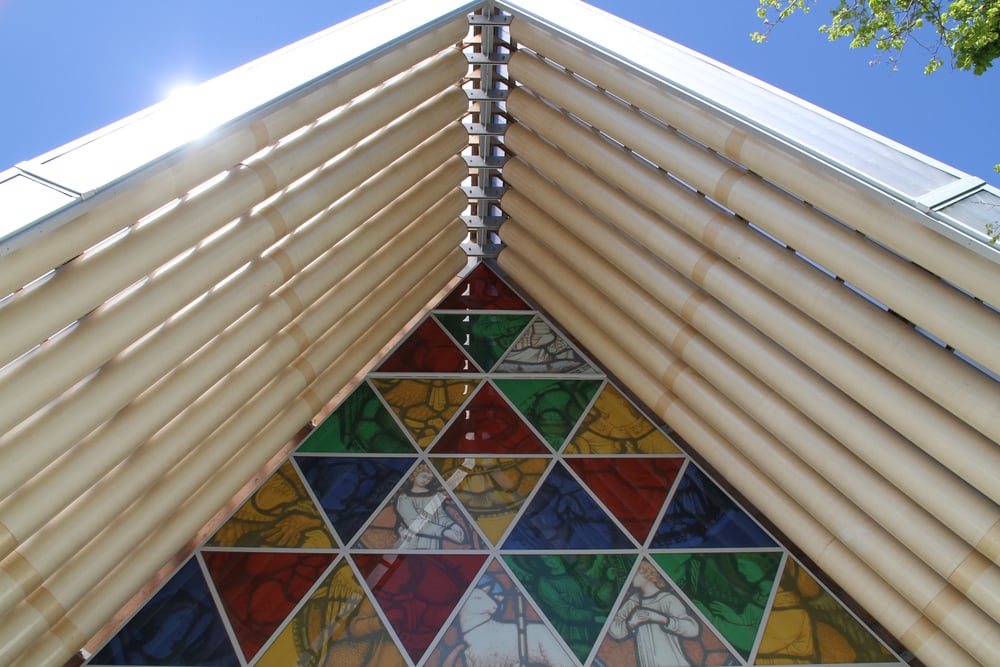
After earthquakes devastated Christchurch and severely damaged its historic cathedral, the city gained one of the strangest-looking symbols of recovery: the Cardboard Cathedral. Designed as a transitional structure, it became famous for incorporating large cardboard tubes alongside other materials. Its significance is not that cardboard somehow makes a building invulnerable to earthquakes. Instead, the project demonstrates how lighter materials, rapid construction, and adaptable architecture can play a role after disaster. Sometimes resilience is not only about surviving the event. It is also about how quickly a community can create useful spaces afterward.
10. The Pentagon: A Renovation Tested by an Actual Attack
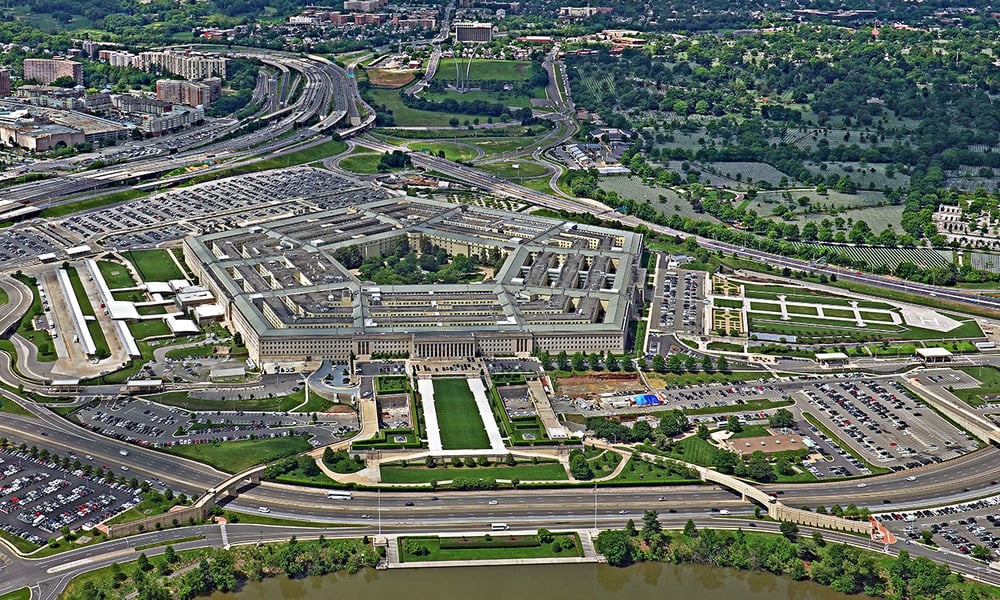
Before September 11, 2001, portions of the Pentagon were already undergoing a major renovation that included upgraded windows and structural improvements. When American Airlines Flight 77 struck the building, the attack provided a devastating real-world test of some of those changes. The lesson here requires careful wording: the Pentagon was not originally constructed specifically to survive that attack, nor should the entire complex be described as blast-proof. Instead, its renovation became an important case study in how protective design measures can influence a building’s response to catastrophic impact and blast forces.
11. Cheyenne Mountain Complex: Protection Beneath a Mountain
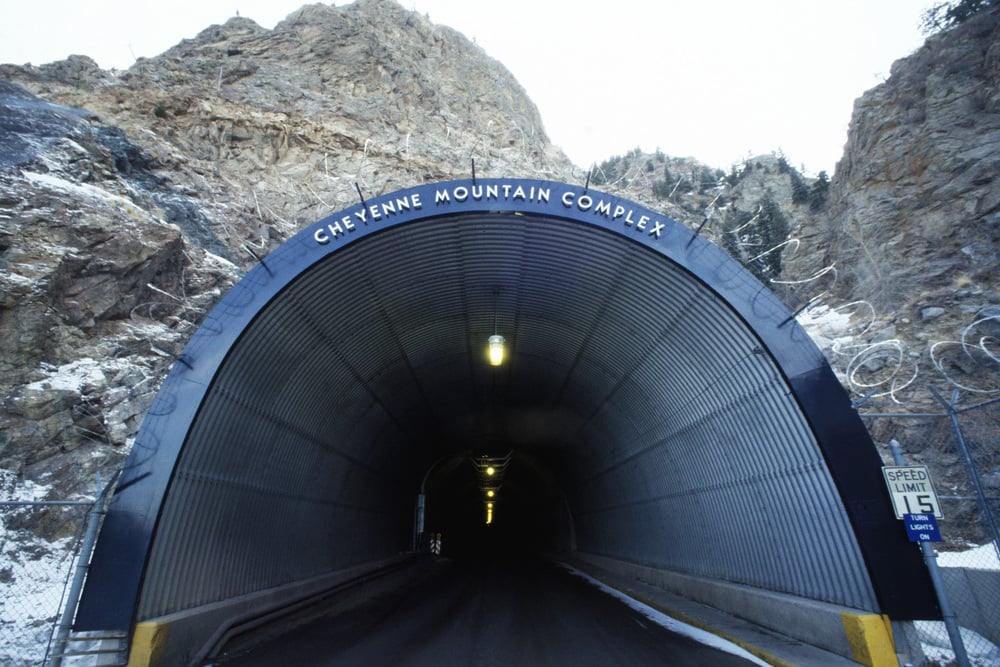
Some buildings face extreme weather. Cheyenne Mountain Complex was engineered around a very different threat environment. The hardened military installation in Colorado was constructed inside a mountain, using the surrounding rock as part of a layered protective strategy for critical operations. Its underground chambers and specialized structural systems reflect Cold War concerns about continuity under extraordinary circumstances. How far can protective architecture go before the landscape itself becomes part of the building? At Cheyenne Mountain, the distinction is almost impossible to separate.
12. The Greenbrier Bunker: A Secret Shelter Beneath a Resort
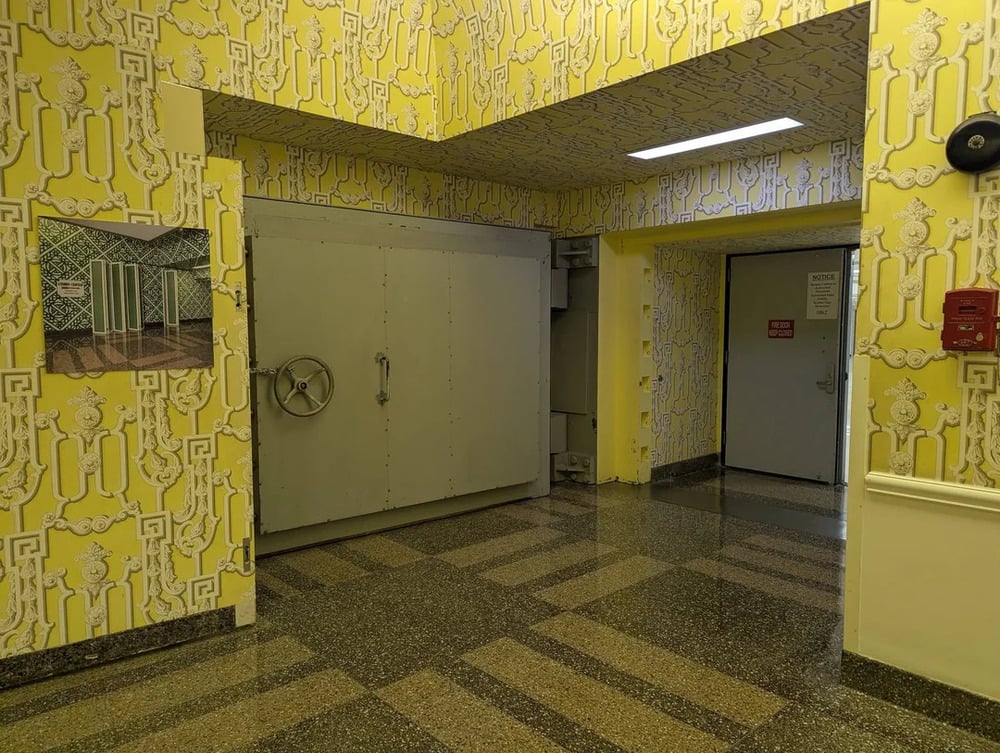
For decades, guests at West Virginia’s Greenbrier resort were largely unaware that a huge Cold War continuity shelter existed beneath the property. The bunker was intended to house members of Congress during a national emergency, with spaces and systems designed to support government operations underground. Its story feels almost fictional precisely because ordinary resort life continued above it. Today, the former bunker is known publicly and associated with historic tours, transforming a once-secret protective facility into a remarkably tangible artifact of nuclear-era planning.
13. FEMA School Safe Rooms: Shelter Built Into Everyday Life
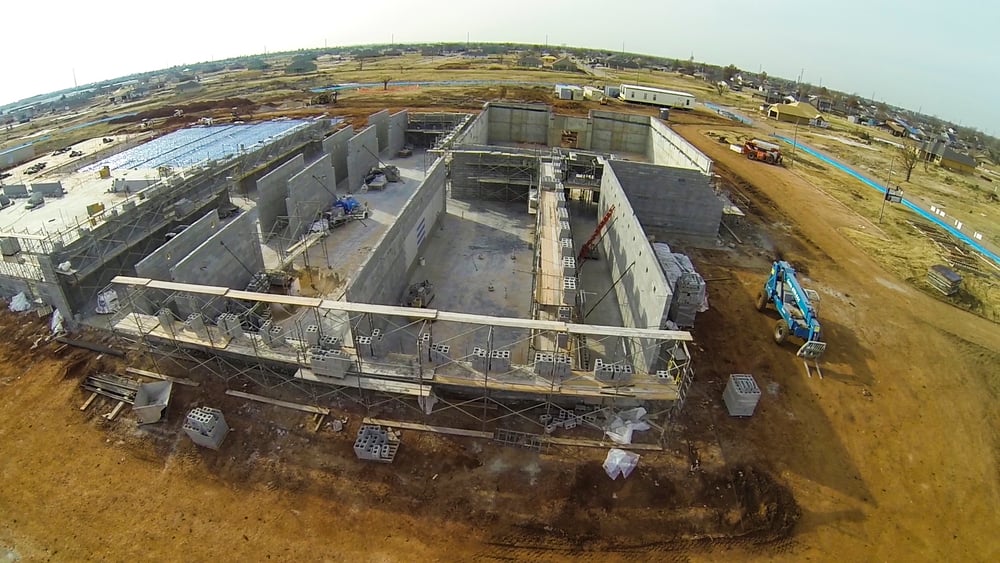
A school can serve one purpose every ordinary morning and a radically different one when dangerous winds approach. FEMA’s safe-room guidance supports purpose-built spaces engineered for extreme wind events, including tornadoes and hurricanes, and schools are among the facilities where such shelters can be incorporated. The supplied research does not name a verified school for this entry, so attaching the claim to a specific campus would require further sourcing. The concept itself is striking: the safest room in a community may spend most days looking completely ordinary.
14. Halley VI: An Antarctic Station Designed to Move
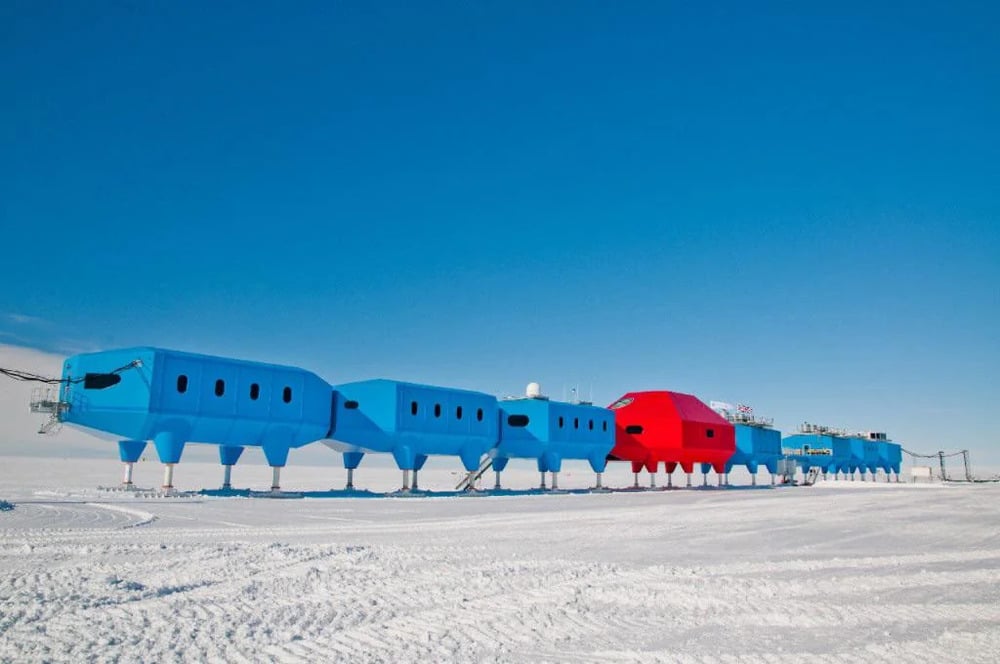
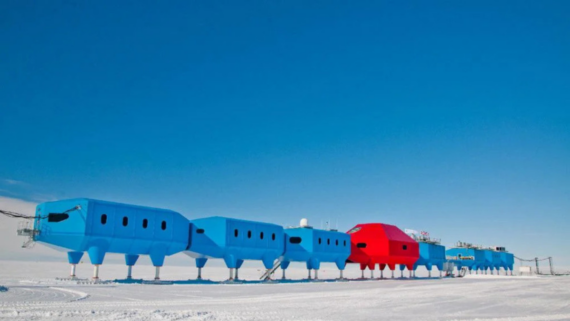
Few buildings have to worry about the ground beneath them slowly carrying them toward the ocean. Halley VI Research Station operates in Antarctica, where extreme cold, powerful winds, accumulating snow, and the movement of the ice itself create an extraordinary design problem. Its modular sections stand on adjustable supports equipped with skis, allowing the station to be raised and relocated when necessary. That mobility turns the usual idea of architectural permanence upside down. In one of Earth’s most extreme environments, the smartest way for a building to endure may be refusing to stay permanently in one place.
15. A Recycled-Plastic House Built for Hurricane-Force Winds
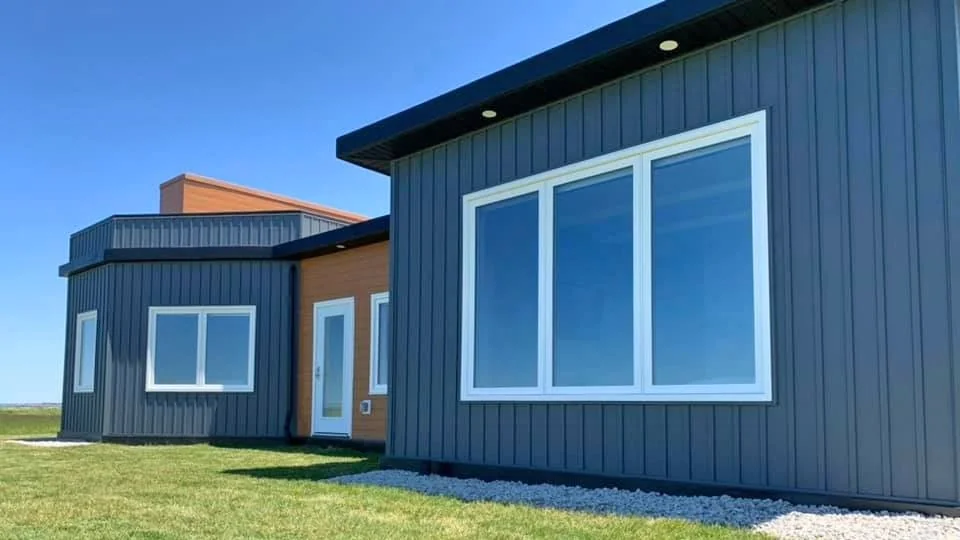
What looks like a sleek modern home comes with an unusual ingredient list: roughly 612,000 recycled plastic bottles were reportedly used to create its structural panels. The house was designed to withstand winds of up to 326 mph, turning discarded plastic into part of a system intended for exceptionally severe storms. Rather than calling it hurricane-proof, the more interesting story is how an everyday waste material can be engineered into resilient construction. Could tomorrow’s toughest homes begin with yesterday’s recycling bin?
16. A Residential Bunker Designed for Tropical Cyclones
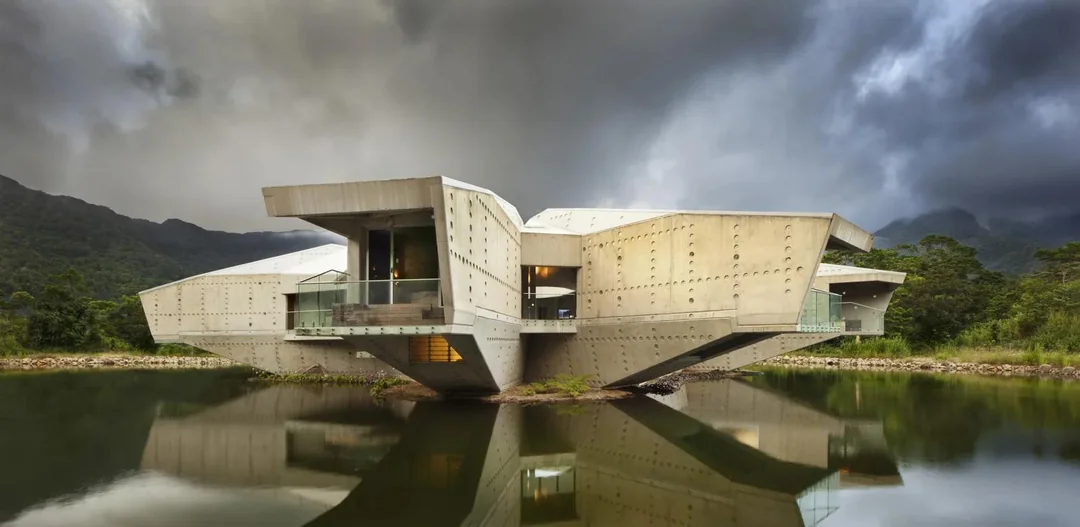
In tropical Queensland, this unusual residence takes storm preparation far beyond shutters and reinforced windows. Its bunker-like form was designed to confront the region’s powerful cyclones, using a low, solid profile and heavily protected exterior rather than the open architecture often associated with tropical homes. Yet it still functions as a residence, with large windows and living spaces tucked within its defensive shell. The result sits somewhere between luxury home and fortress, showing how architecture can respond when extreme weather is part of the design brief from day one.
Architecture cannot negotiate with an earthquake, stop a hurricane, or promise that a wildfire will turn away. What engineers can do is study how those forces behave and design structures that respond more intelligently when conditions become extreme. From moving foundations to floating homes and relocatable Antarctic stations, these projects show that resilience rarely comes from one universal solution. It comes from designing for the particular threat outside the door.
Keep Exploring The Scroller
Extreme engineering doesn’t stop here. Keep exploring The Scroller for more remarkable structures and the ideas hiding inside them:
20 Architecture Fails That Make You Wonder How the Building is Still Standing
25 Eerie and Unsettling Buildings That Actually Look Evil
18 Times Humans Tried to Control Nature and Made the Disaster Worse