Human environmental disasters sometimes begin with ideas that sound completely reasonable. Stop a pest. Prevent a flood. Protect a forest. Stabilize a riverbank. Make farmland more productive. Then nature introduces a few variables that were not in the original plan.
Some of the strangest examples are not stories of obviously reckless decisions, but of solutions that worked imperfectly, worked temporarily, or solved one problem while quietly creating another. From imported toads to enormous dams, these attempts to make natural systems more manageable reveal just how difficult ecosystems are to simplify.
1. Australia Released Cane Toads to Fight Beetles
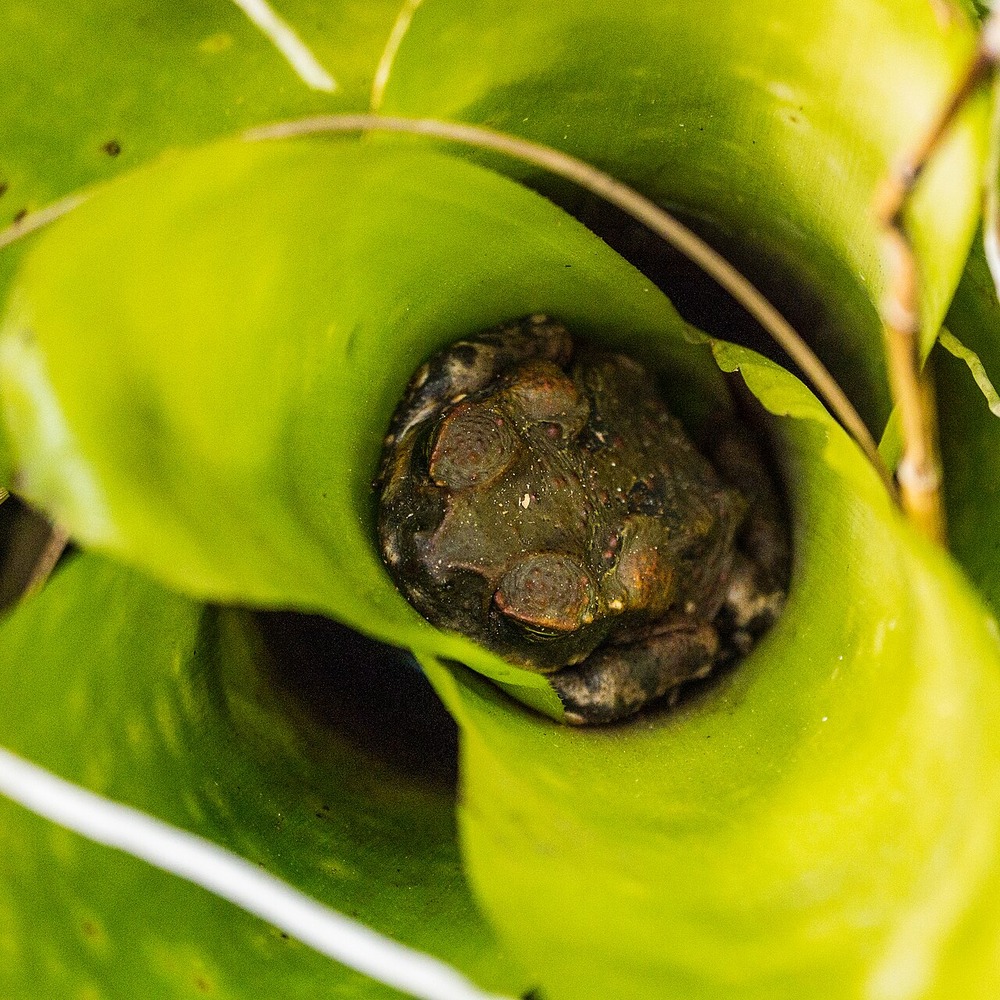
In 1935, Australia released cane toads in Queensland sugar-cane fields with a straightforward assignment: eat the beetles damaging the crop. There was one rather important problem. The toads were not particularly effective at controlling the target pests. They were, however, remarkably good at spreading. Their toxic defenses also proved deadly to some native predators, turning a pest-control experiment into one of Australia’s most notorious invasive-species problems.
2. Soviet Irrigation Helped Drain the Aral Sea

Few before-and-after images capture environmental change as dramatically as the shrinking Aral Sea. The Soviet Union diverted water from the Amu Darya and Syr Darya rivers to expand irrigated agriculture, particularly cotton production. The plan helped feed an enormous agricultural system, but far less water reached the sea. As it retreated, salinity increased, fisheries collapsed, and the exposed lakebed became a source of salt-laden dust.
3. Fire Suppression Let Fuels Build Up
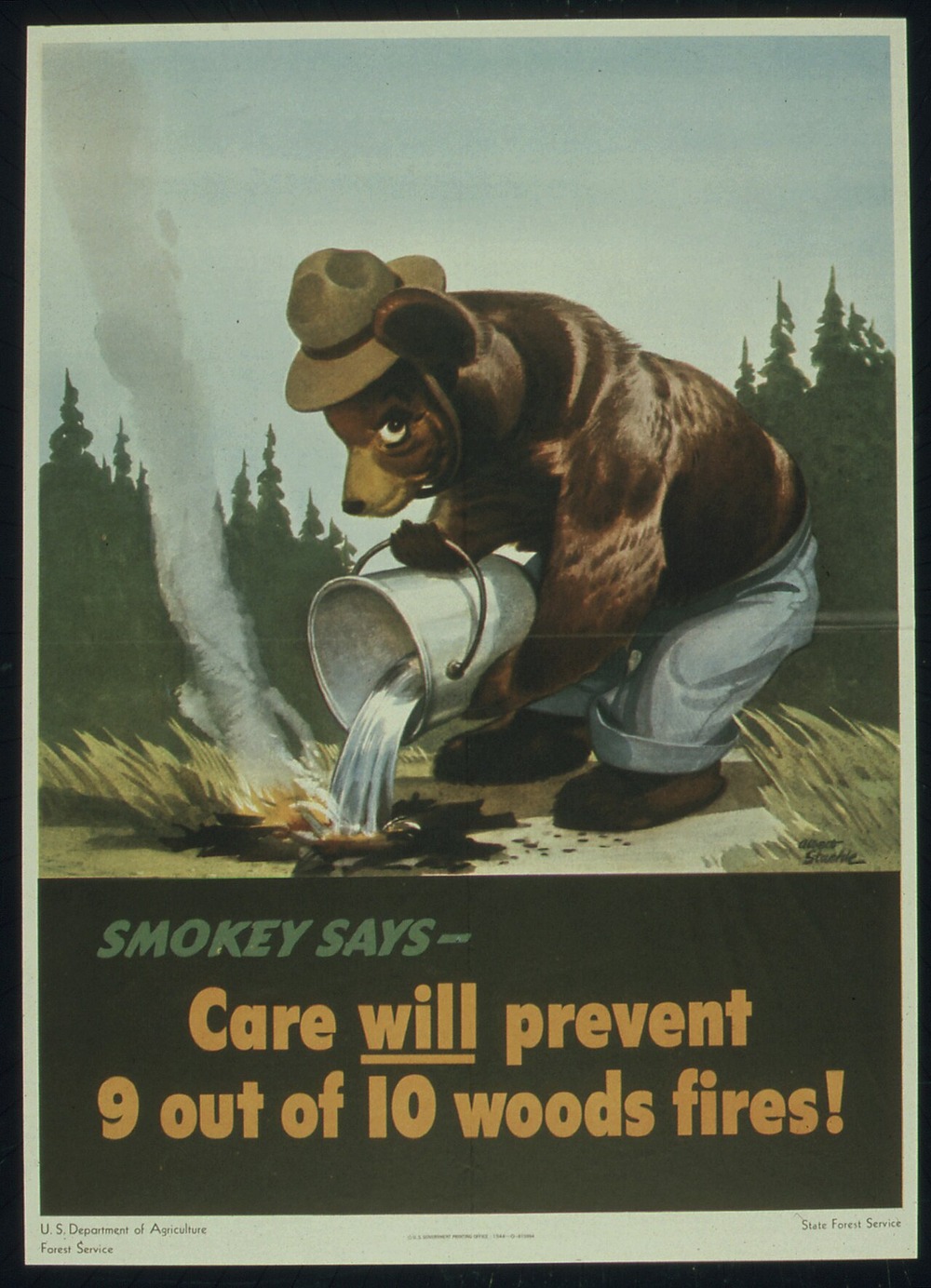
For decades, putting out forest fires seemed like the obvious definition of protecting a forest. Campaigns such as Smokey Bear helped make fire prevention part of American culture. But many western ecosystems evolved with frequent fire, and excluding it altered forest structure while allowing combustible vegetation to accumulate in some places. Today, accumulated fuels are recognized as one contributor to extreme wildfire risk alongside climate change, land use, and other factors. Sometimes preventing every small fire can help set the stage for much bigger ones.
4. Hawaii Imported Mongooses to Control Rats
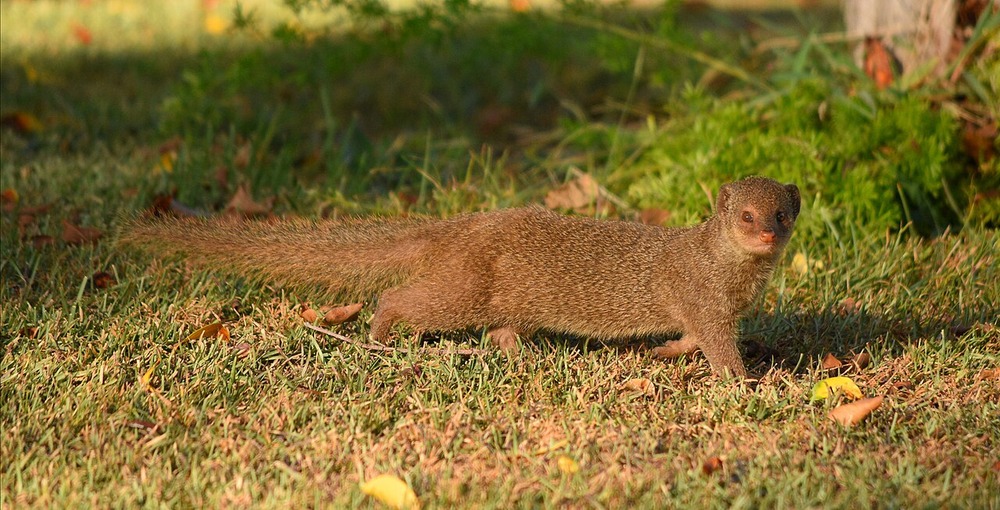
Here is the sort of plan that sounds tidy until animal behavior enters the equation. Sugar interests brought small Indian mongooses to the Hawaiian Islands in the 1880s in an effort to control rats around sugar-cane plantations. But mongooses did little to eliminate the rat problem and instead found plenty of other things to eat. Native birds, eggs, reptiles, and other wildlife suddenly had a new predator to contend with.
5. Florida Straightened the Kissimmee River
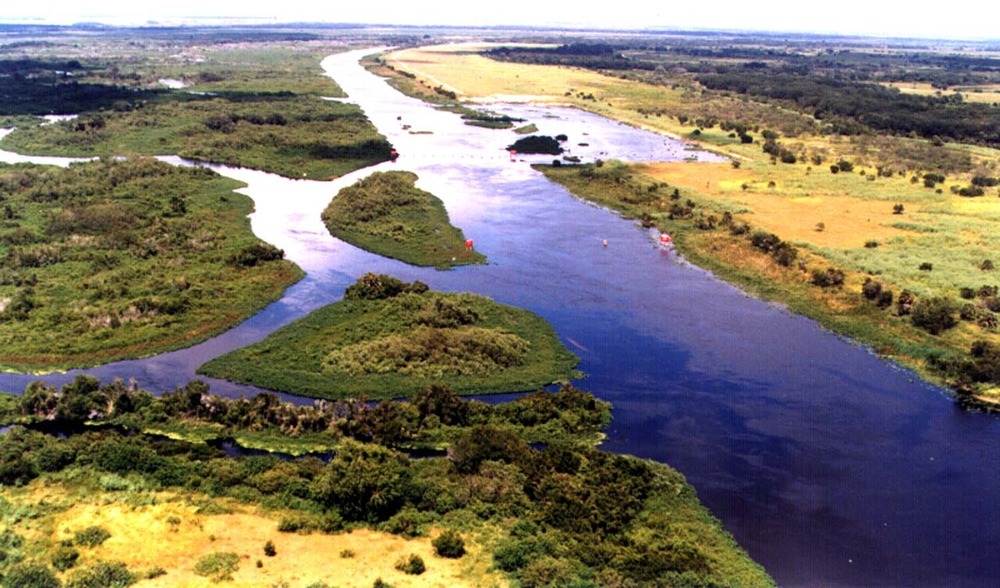
Why let a river wander when it can be turned into a neat canal? Florida channelized the winding Kissimmee River during the 1960s and early 1970s as part of a major flood-control effort. The engineering reduced flood risk, but the river’s seasonal floodplain and wetlands were profoundly altered, taking wildlife habitat with them. The ecological losses eventually prompted an extraordinary response: engineers began restoring bends and wetlands to make parts of the river behave more like a river again.
Trending on The Scroller
6. Farmers Plowed the Great Plains Into the Dust Bowl
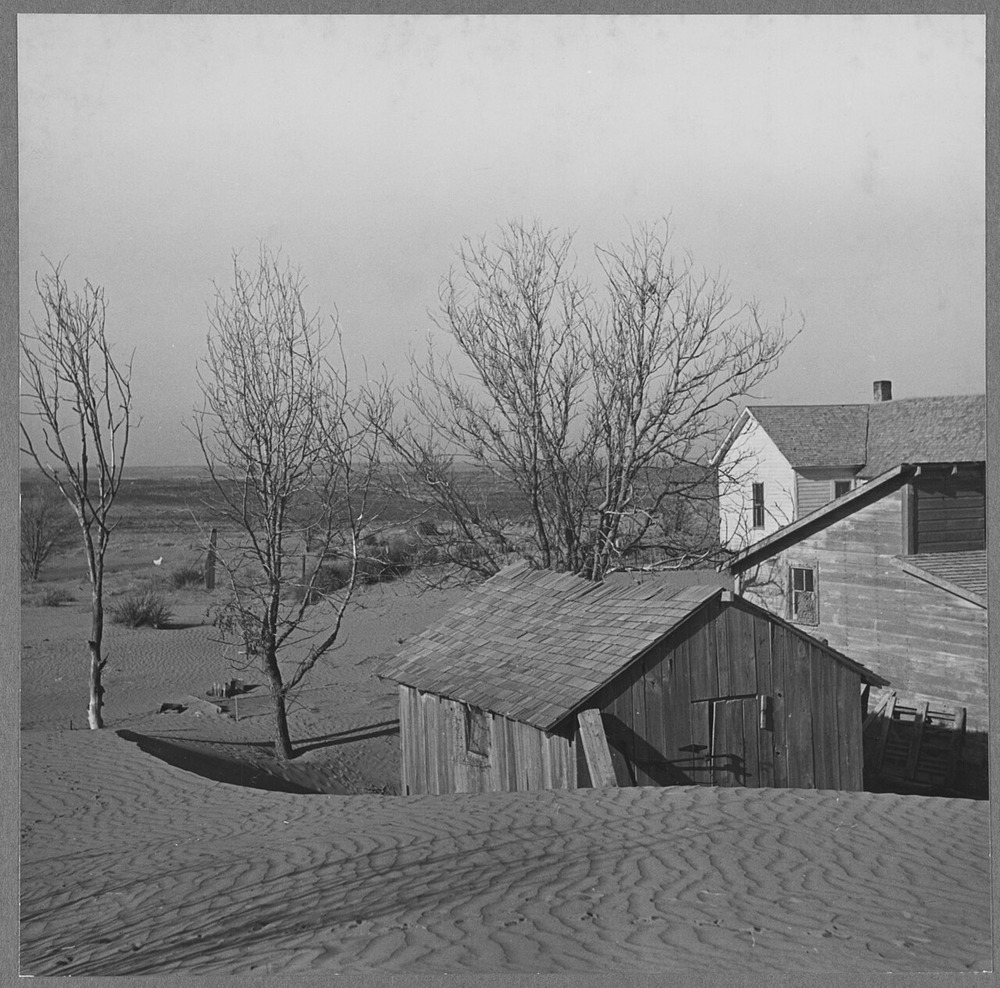
Native grasses had spent generations doing an invisible job on the Great Plains: holding soil in place. As agriculture expanded, deep plowing removed enormous areas of that drought-resistant vegetation and replaced it with cultivated fields. Then severe drought arrived. With dry soil exposed to powerful winds, erosion became catastrophic during the 1930s. Farming did not create the drought, but land-management practices helped turn a brutal climatic event into the landscape-swallowing Dust Bowl remembered today.
7. Mosquitofish Were Stocked to Eat Mosquito Larvae
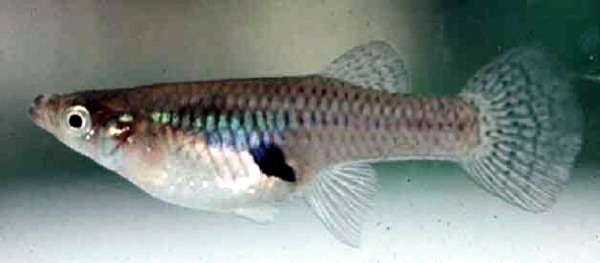
A tiny fish that eats mosquito larvae sounds almost tailor-made for biological pest control. That reputation helped mosquitofish, or Gambusia, get distributed far beyond their native range. The trouble is that their mosquito-control effectiveness varies by setting, while introduced populations can be aggressive toward native aquatic life. Fish and amphibians may face predation or competition from an animal that arrived because humans wanted fewer mosquitoes.
8. Draining and Diking the Everglades Broke Its Water Flow
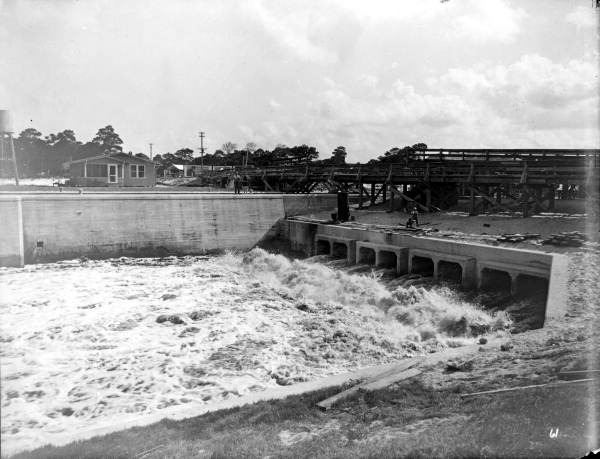
South Florida’s enormous wetland once moved water slowly across the landscape in a broad natural flow. Canals and levees changed that system to control flooding, create usable land, and support expanding agriculture and cities. Those projects delivered major human benefits, but water no longer moved through the Everglades in quite the same way. Some areas became too dry, others experienced altered flooding, habitats deteriorated, and water-quality problems followed. Controlling where the water went turned out to affect nearly everything living in it.
Sign up for our newsletter
9. Macquarie Island Removed Cats and Rabbits Surged
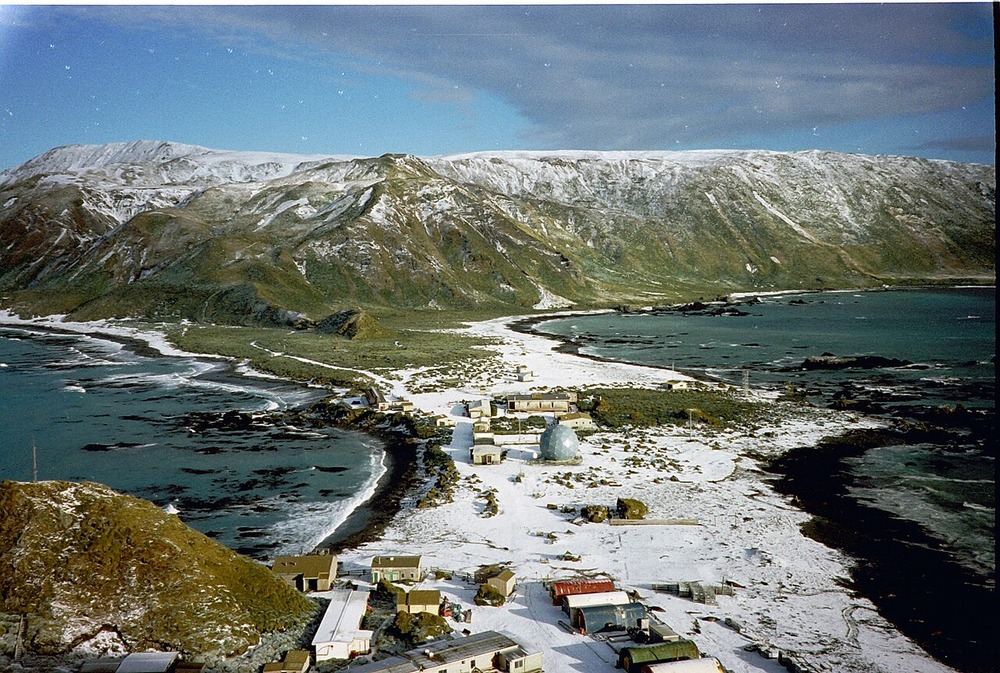
Removing an invasive predator should help an ecosystem recover, right? On Macquarie Island, eradicating feral cats protected vulnerable seabirds, but the period that followed also saw rabbit numbers rise dramatically, and vegetation suffer severe damage. The story is more complicated than simply “remove cats, get rabbits”: changes in rabbit disease control and climate also played roles. That complexity is exactly what makes the case fascinating. Pull one thread from a food web and several others can move with it.
10. Kudzu Was Promoted for Erosion Control
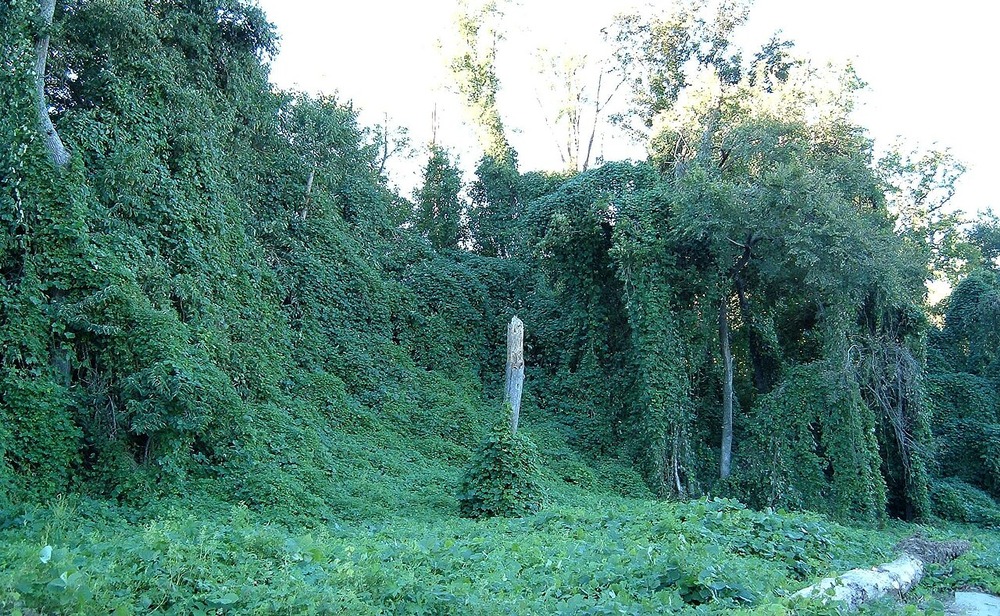
Human environmental disasters do not always begin with something that looks threatening. Kudzu was once promoted in the southeastern United States as forage and a tool for erosion control. The fast-growing vine eventually became famous for something else: swallowing trees, structures, and entire stretches of landscape beneath dense green growth. Even the erosion-control promise proved less straightforward than advertised, since Kudzu can conceal eroded ground rather than necessarily preventing the underlying problem.
11. Lake Victoria Got Nile Perch to Boost Fisheries
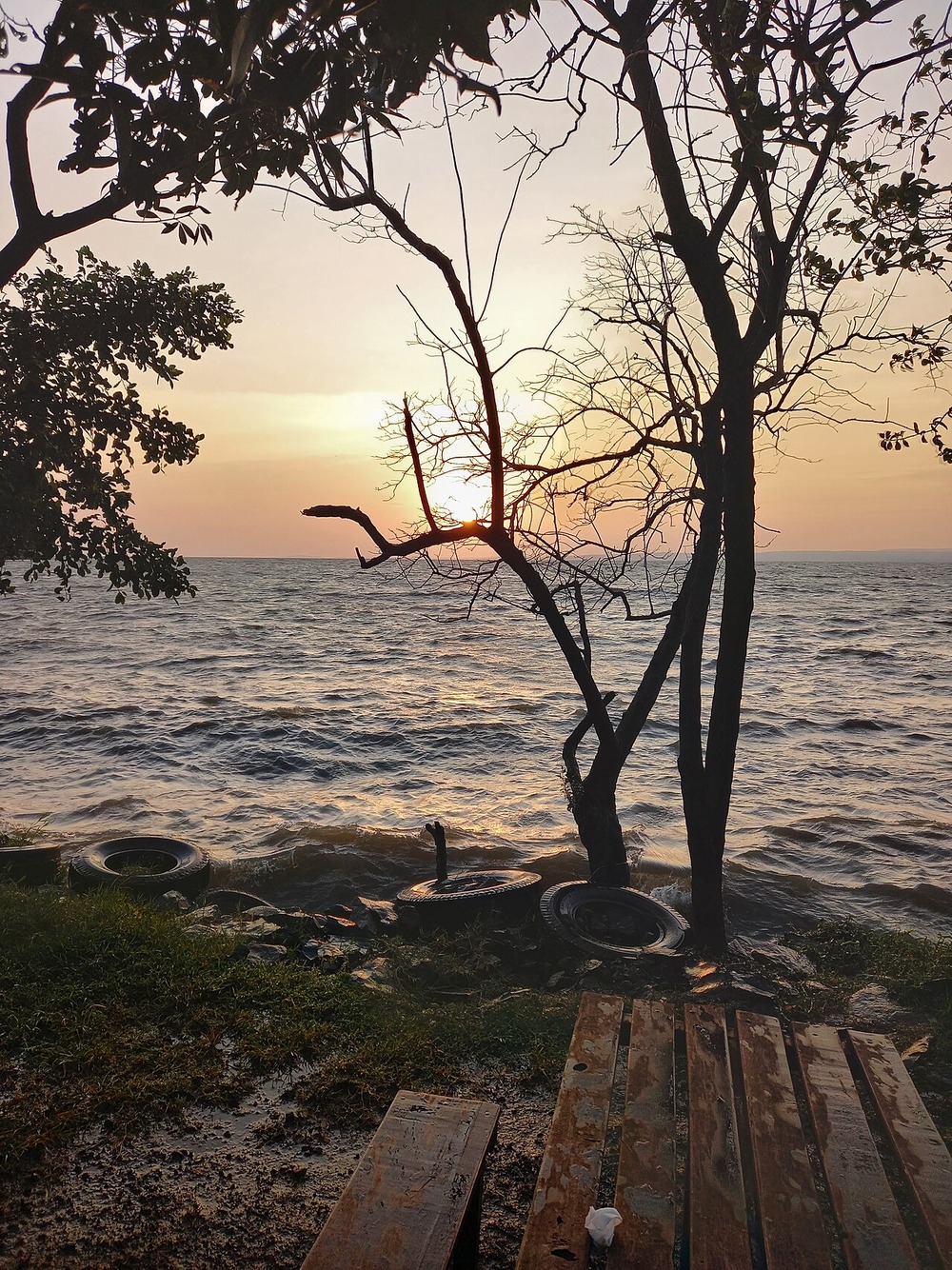
Introducing a large predatory fish into one of the world’s great lakes was intended to improve fishing opportunities. Nile perch eventually supported a valuable commercial fishery in Lake Victoria, so the story cannot simply be filed under “failed experiment.” Ecologically, however, the transformation was enormous. Predation by the introduced fish contributed to major losses and changes among the lake’s extraordinarily diverse native fish communities. An economic success could simultaneously become a biodiversity upheaval.
12. Prairie Dogs Were Poisoned as Ranching Pests
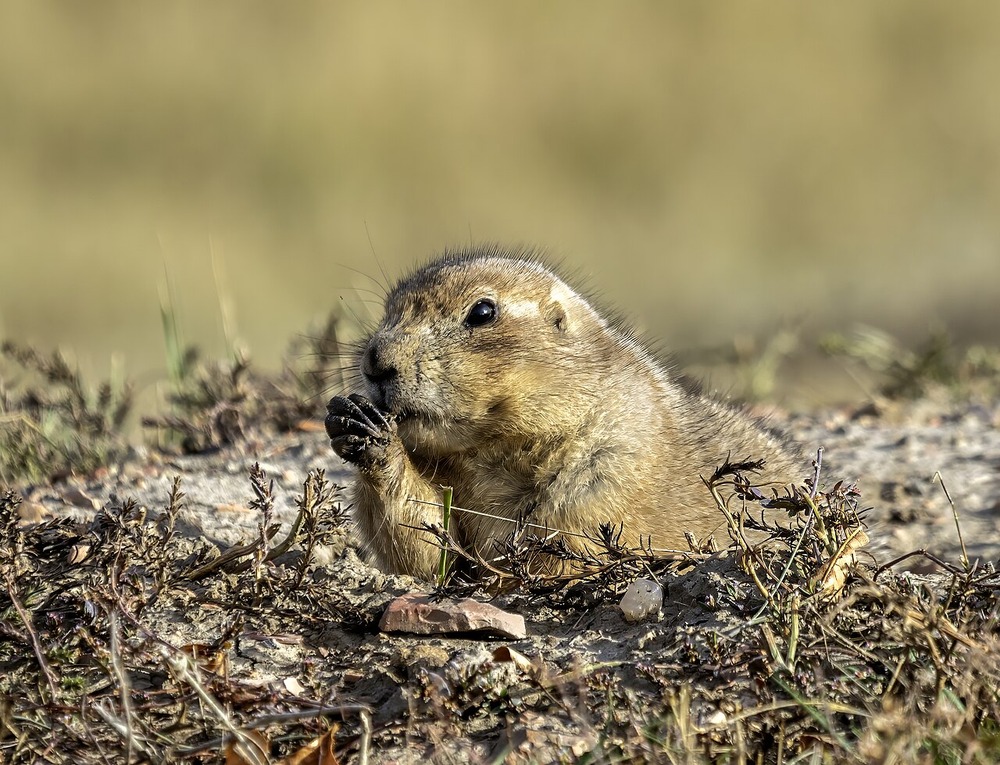
Prairie dogs were once treated largely as competitors taking grass away from livestock, which helped justify widespread poisoning campaigns across western grasslands. But prairie dogs are not merely animals occupying pasture. Their burrowing, grazing, and presence influence habitat used by numerous other species. As populations declined, scientists increasingly recognized how deeply they were woven into grassland ecosystems. The supposed ranching pest turned out to be performing ecological work that was easy to overlook while it was still there.
13. The Three Gorges Dam Trapped the Sediment a River Needed
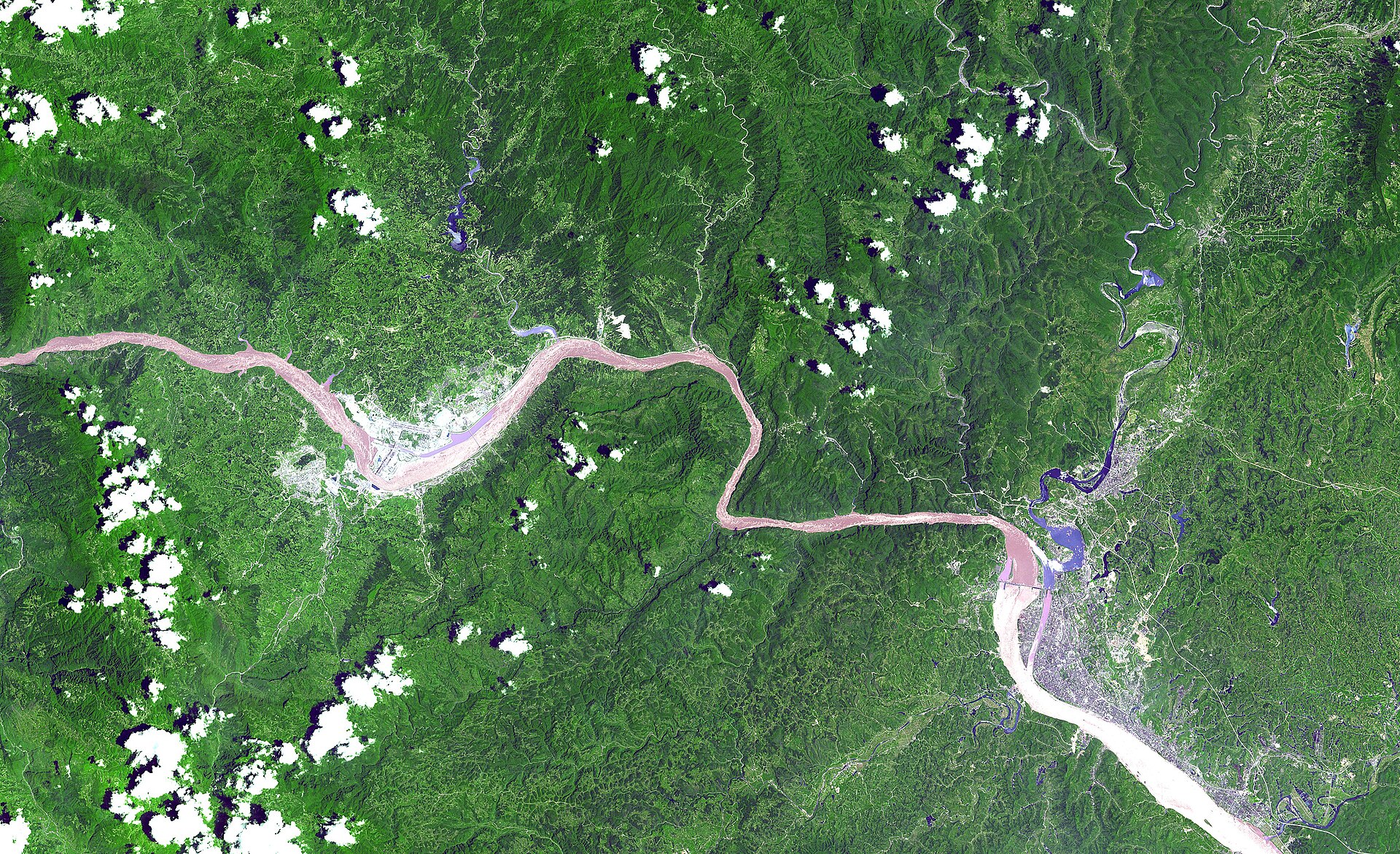
The Three Gorges Dam is an engineering giant with very real benefits, including hydroelectric power and flood control. But rivers carry more than water. They also transport sediment downstream, and a massive reservoir inevitably changes that journey. Sediment trapped behind the dam has altered processes farther along the Yangtze, affecting the riverbed and delta. What happens when a structure controls the flow of one of the world’s great rivers? The effects continue far beyond the concrete wall itself.
14. Australia Built Thousands of Miles of Rabbit-Proof Fence
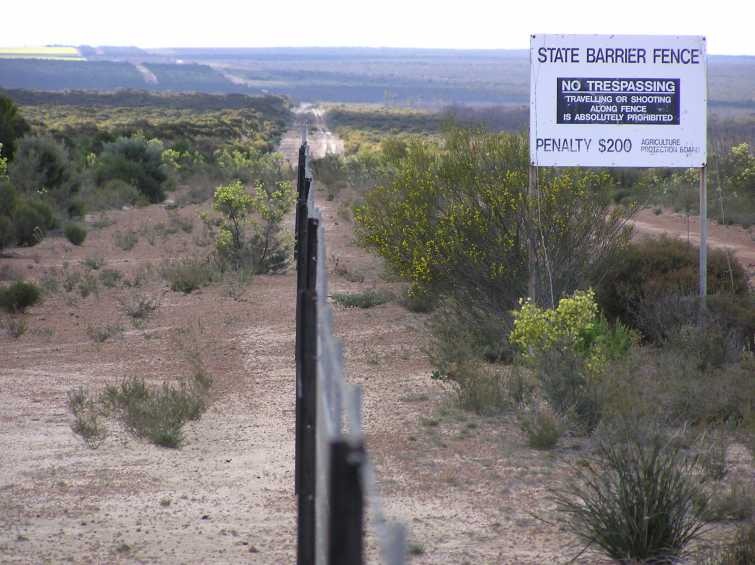
Australia’s invasive rabbits were spreading so aggressively that officials tried answering the problem with an astonishingly literal solution: build a fence. Western Australia’s rabbit-proof barriers stretched across immense distances, an engineering achievement in their own right. Unfortunately, rabbits did not politely wait for construction to finish. In some areas, they had already moved beyond sections of the barrier before it could stop them. Few things illustrate the difficulty of containing biology better than thousands of miles of fence arriving just a little too late.
15. Glen Canyon Dam Rewrote the Colorado River Ecosystem
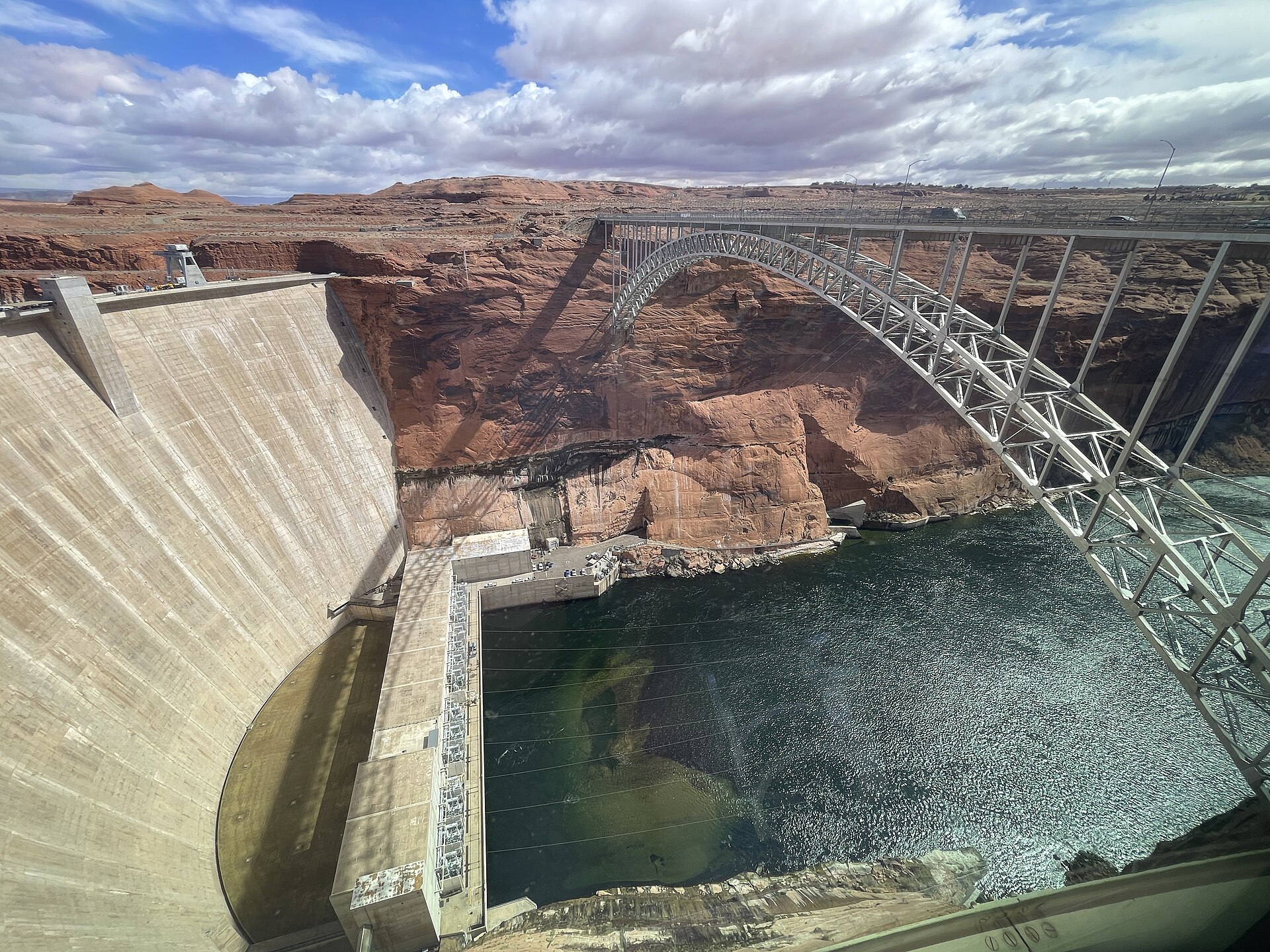
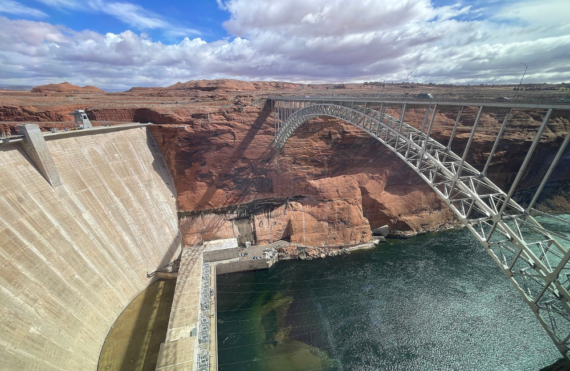
Glen Canyon Dam brought water storage and hydroelectric power to the Colorado River system, but below the dam, the river became a different environment. Its natural patterns of flooding, sediment movement, and temperature changed, reshaping habitats used by native fish and other species. Add nonnative fish to those altered conditions and the ecological puzzle becomes even more complicated. The dam did not simply hold back water; it changed what kind of river existed downstream.
16. Saltcedar Was Planted to Stabilize Western Riverbanks
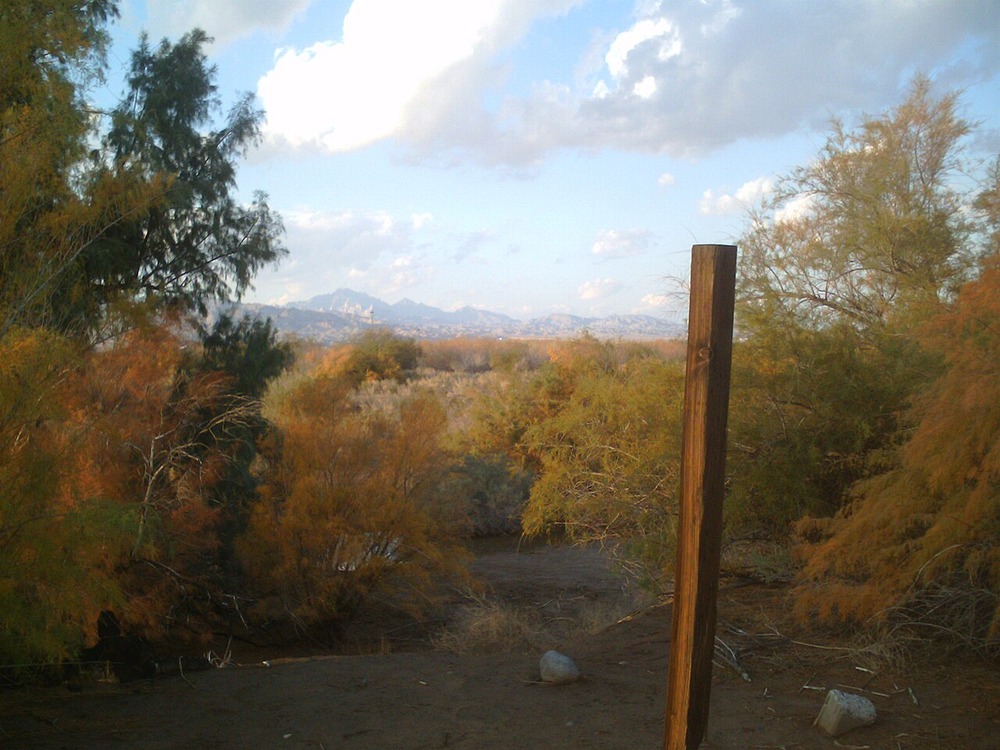
Saltcedar, also known as tamarisk, did not arrive in the American West as an obvious invader. It was introduced for purposes that included ornamental planting, windbreaks, and stabilizing riverbanks. Over time, however, it spread extensively through riparian landscapes, helped along by altered river systems and land use. The irony is hard to miss: a plant valued partly for holding certain landscapes together became one of the plants managers later spent enormous effort trying to control.
17. The Four Pests Campaign Targeted Sparrows
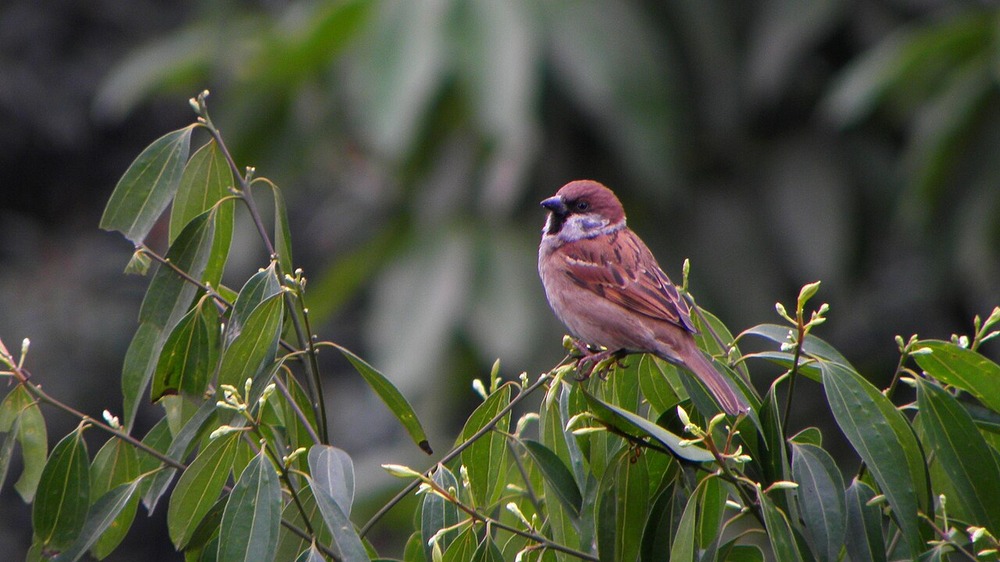
During China’s Great Leap Forward, sparrows were targeted as grain-eating pests in the Four Pests Campaign. Mass efforts to kill them reduced a bird population that also consumed insects. With fewer sparrows, insect pressure increased, demonstrating how quickly a creature labeled a pest can turn out to occupy another useful place in the food web. The campaign occurred amid the much broader catastrophe of the Great Chinese Famine, whose causes extended far beyond any single ecological intervention.
18. The Nile’s Aswan High Dam Changed What Reached the Delta
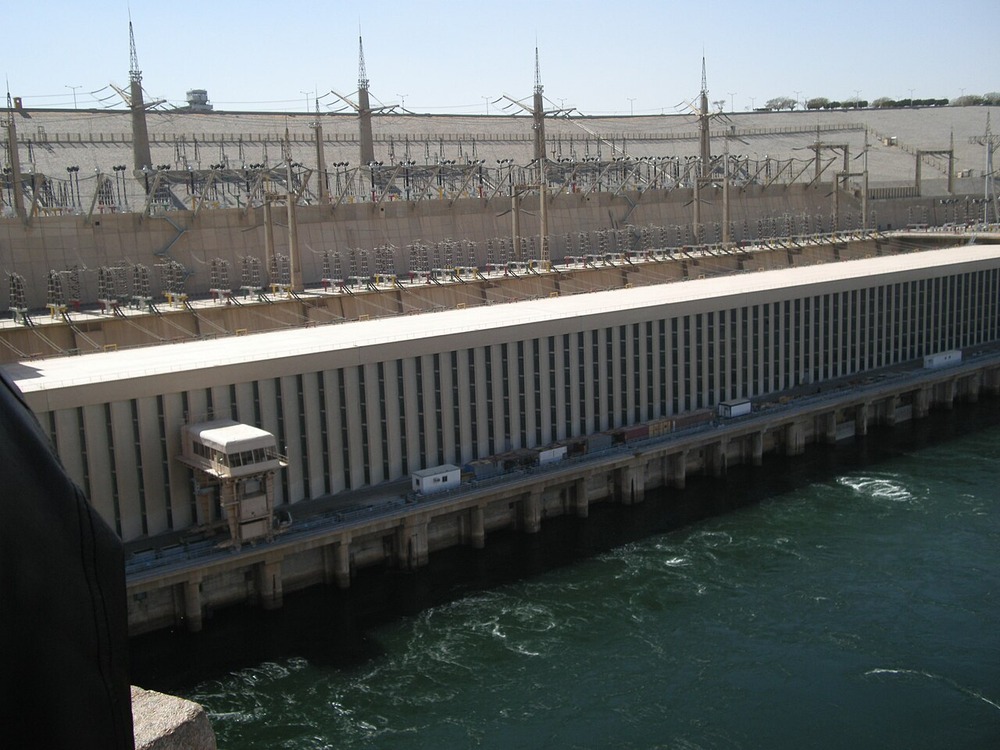
The Aswan High Dam delivered exactly the kinds of benefits that made giant dams so appealing in the 20th century: dependable irrigation, hydroelectric power, and far greater control over the Nile’s floods. But the old floods had also transported sediment downstream. With much of that material trapped behind the dam, ecological and sediment processes below it changed, including in the Nile Delta. The project captures the central paradox of controlling nature particularly well: solving one problem does not mean the rest of the system stays unchanged.
Nature rarely responds to intervention one variable at a time. Rivers transport sediment as well as water, predators eat more than the prey humans want removed, and even fire can perform an ecological function. These stories are less about whether people should ever manage nature than about something more intriguing: natural systems contain relationships that may not become obvious until one of them is changed.
Keep Exploring The Scroller
A disappearing sea, a fence longer than some road trips, and a vine once welcomed as a solution are only the beginning. Keep exploring The Scroller for more environmental history, ambitious engineering, strange scientific decisions, and those moments when a perfectly sensible plan produced an ending nobody ordered:
18 Unexpected Ways Humans Helped Nature Without Trying
Nature Always Wins: 25 Pics Of Nature Overtaking Human Civilization
20 Eerie Photos of Nature Reclaiming What Rightfully Belongs To It