Walking into a typical school building during the 1980s felt like stepping into an entirely different educational universe. Before interactive whiteboards and digital tablets became standard classroom equipment, students navigated their daily routines using heavy physical encyclopedias, chalkboards, and handwritten notes folded into tiny paper triangles. Surviving those early morning classes required mastering an array of bulky analog tools and highly specific social rituals that modern students would barely recognize today.
Whether you were carefully inserting a floppy disk into a massive desktop computer or desperately trying to fix a tangled cassette tape, education relied heavily on fragile mechanical hardware. Exploring these forgotten classroom staples offers a nostalgic journey back to a time when learning required plenty of patience and a lot of physical effort. Here are twelve things that made a 1980s classroom look completely different from the digital learning environments of today.
1. Trapper keeper binders
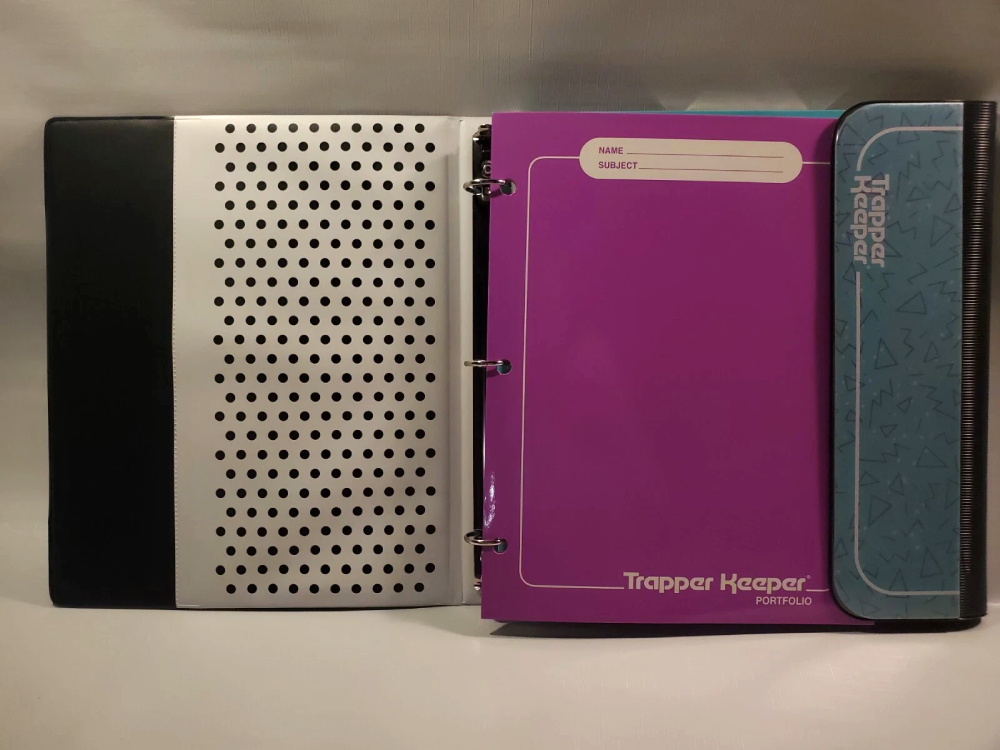
These brightly colored, Velcro-sealed folders were an absolute cultural phenomenon that completely revolutionized how kids organized their homework. Designed in 1978, the original commercial versions were scientifically tested in real classrooms to ensure the specialized plastic rings and interior folders could survive a full academic year of heavy abuse.
2. Ditto machine worksheets
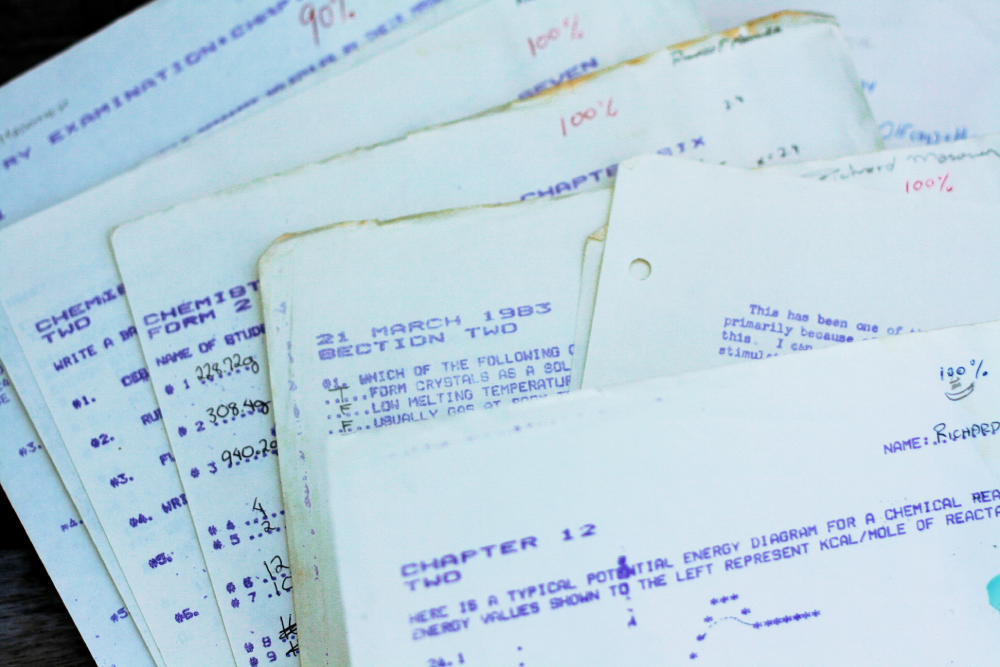
Before modern photocopiers became affordable for every district, teachers relied on spirit duplicators to print out daily quizzes and reading assignments. The freshly cranked pages always featured a distinct pale purple ink and emitted a strangely intoxicating chemical aroma that entire generations still vividly remember smelling.
3. The Oregon Trail on Apple IIe
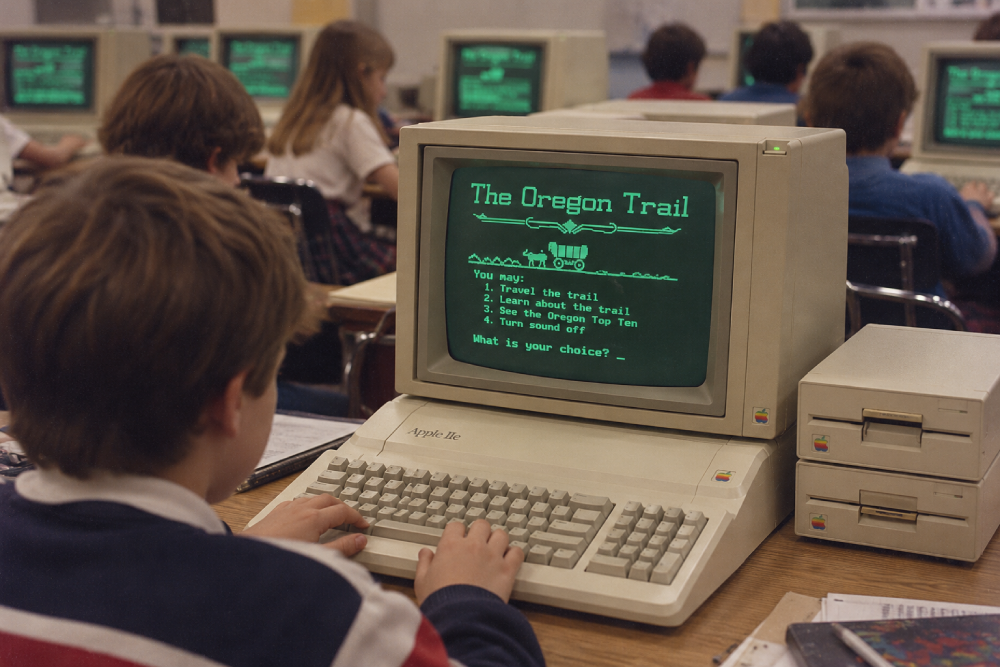
Computer lab periods usually revolved around playing this surprisingly brutal educational simulation on heavy green monochrome monitors. Students routinely learned harsh historical lessons about pioneer life by watching their digital wagon party succumb to dysentery or drown while attempting to ford a pixelated river.
4. Card catalog cabinets
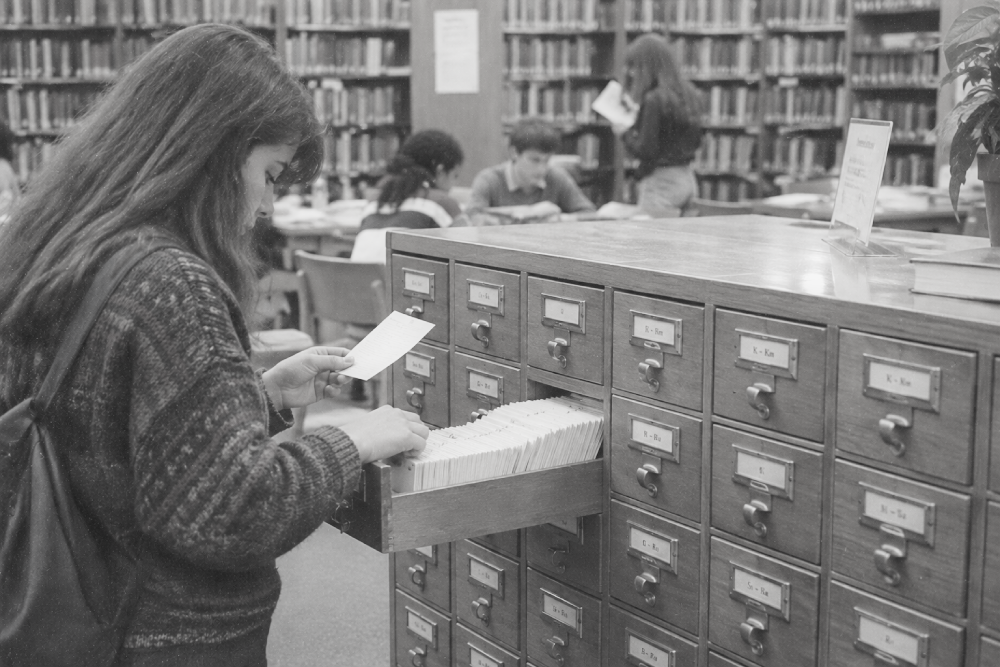
Researching a term paper meant pulling open long wooden drawers packed tightly with thousands of typed index cards. Finding a specific library book required mastering the Dewey Decimal System and writing down the exact alphanumeric code on a tiny scrap of paper before scouring the endless bookshelves.
5. Microfiche readers
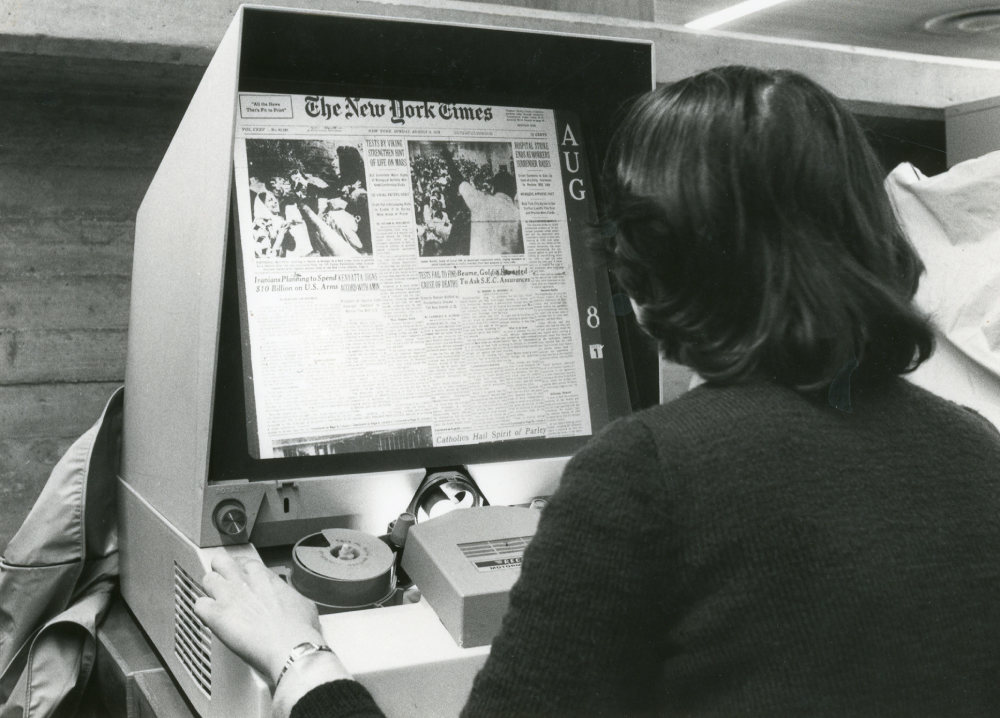
If a student needed to cite a newspaper article from five years prior, they had to sit in a darkened library corner using a massive viewing machine. These glowing mechanical contraptions magnified tiny transparent film sheets onto a screen, requiring users to awkwardly twist plastic knobs to scroll through archived daily news.
Trending on The Scroller


6. Overhead projectors
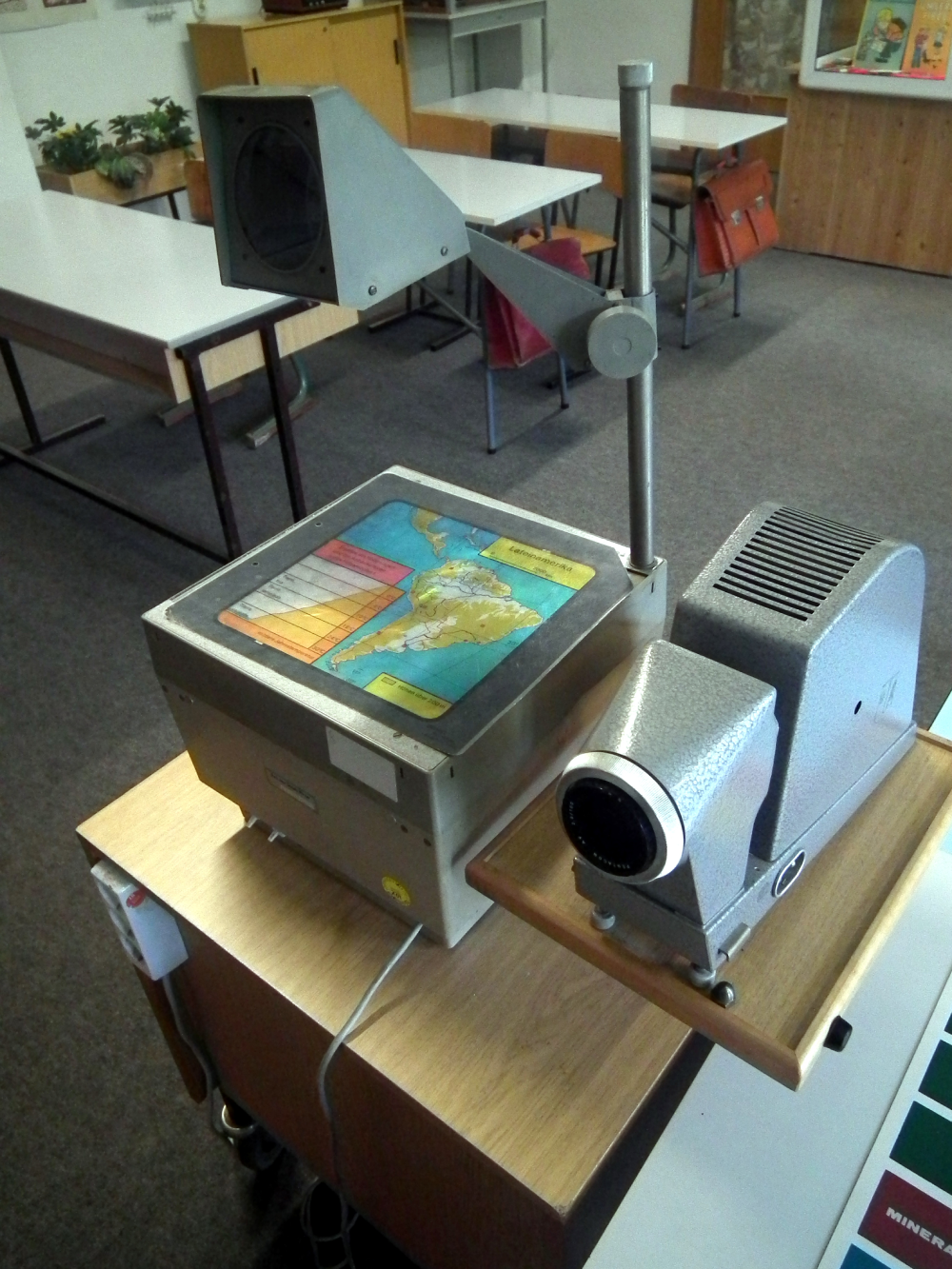
Teachers presented visual lessons by placing clear plastic transparency sheets on top of a brightly lit, fan-cooled metal box. Educators often used erasable colored markers to write directly on the glowing surface, projecting their giant, slightly smudged handwriting onto a pull-down wall screen for everyone to copy.
7. Smencils and Scratch-and-Sniff stickers
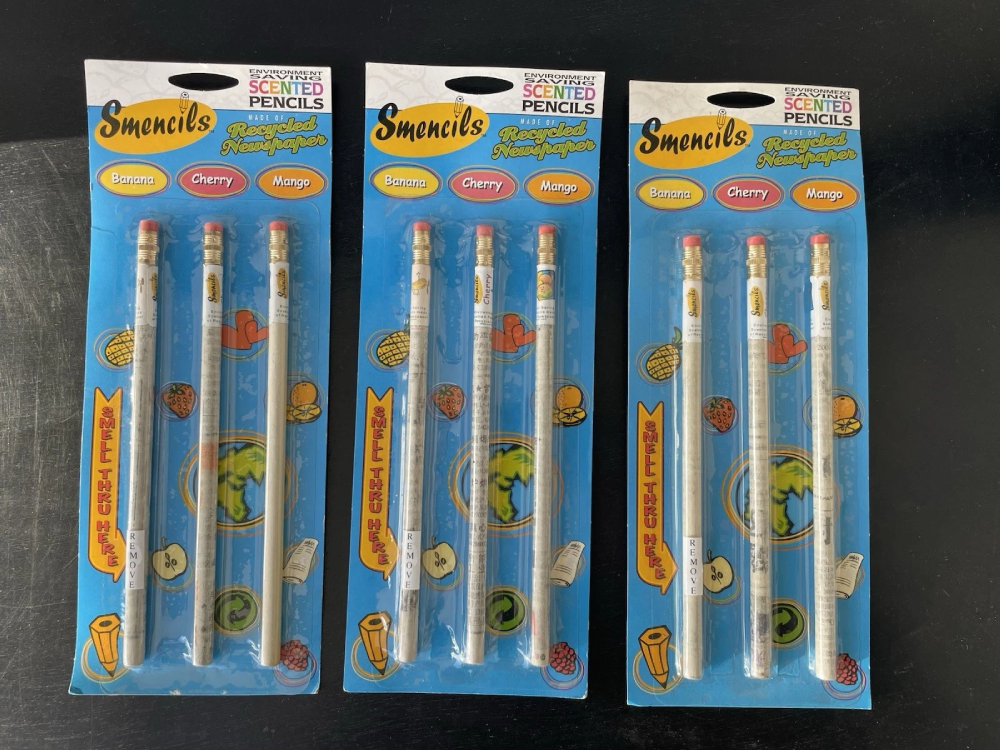
Completing a tough spelling test perfectly often earned a student a highly coveted scented sticker placed proudly at the top of the page. Combining these fragrant rewards with specialized wooden pencils that smelled like artificial grape or root beer turned the average pencil box into a surprisingly intense olfactory experience.
8. Troll pencil toppers
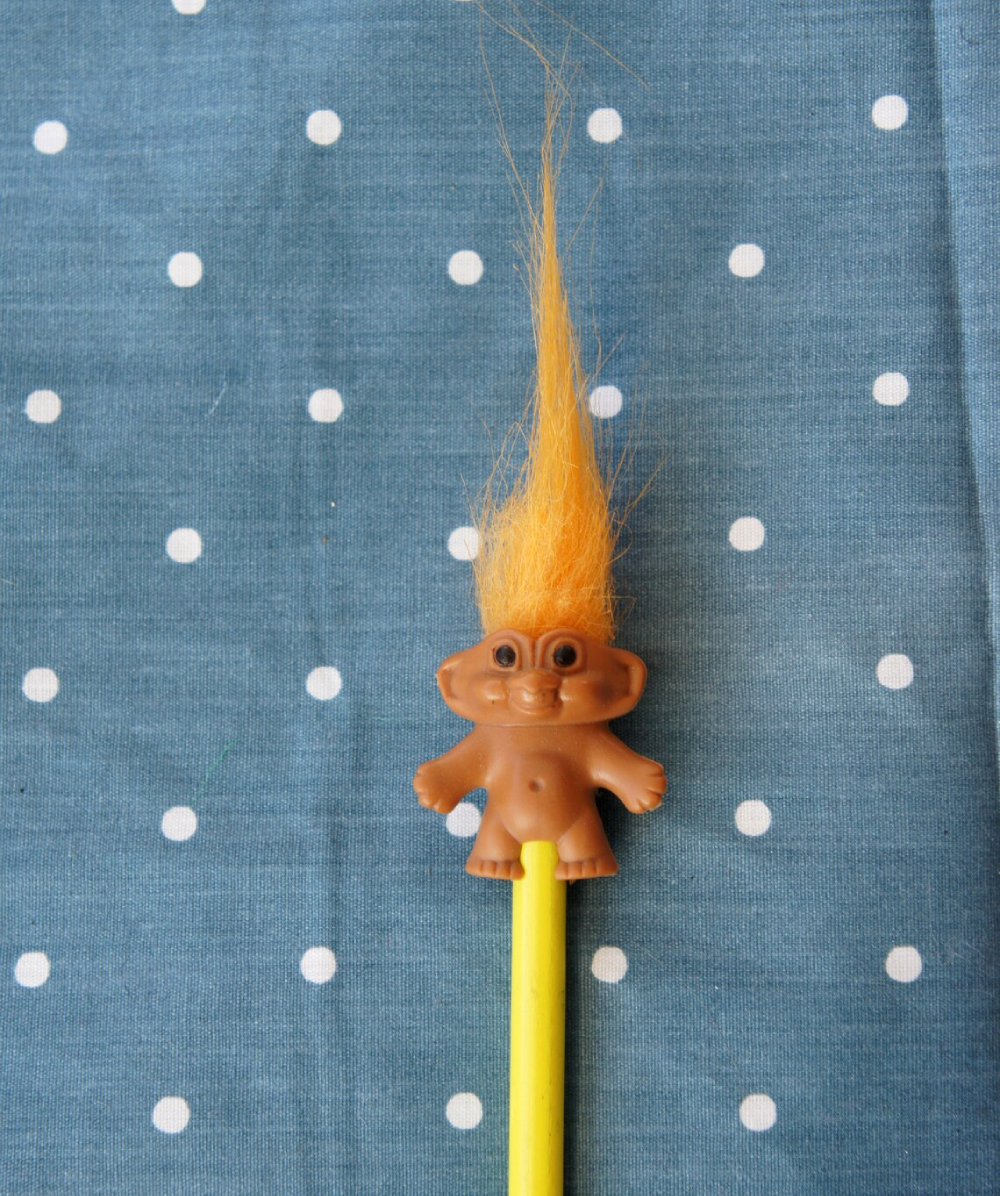
Personalizing your writing utensils meant jamming a miniature plastic figure with wildly colored, gravity-defying hair onto the metal eraser band. These neon accessories served as a major social currency in elementary hallways, though they made the pencil top-heavy and incredibly difficult to actually write with.
Sign up for our newsletter
9. TV carts on wheels
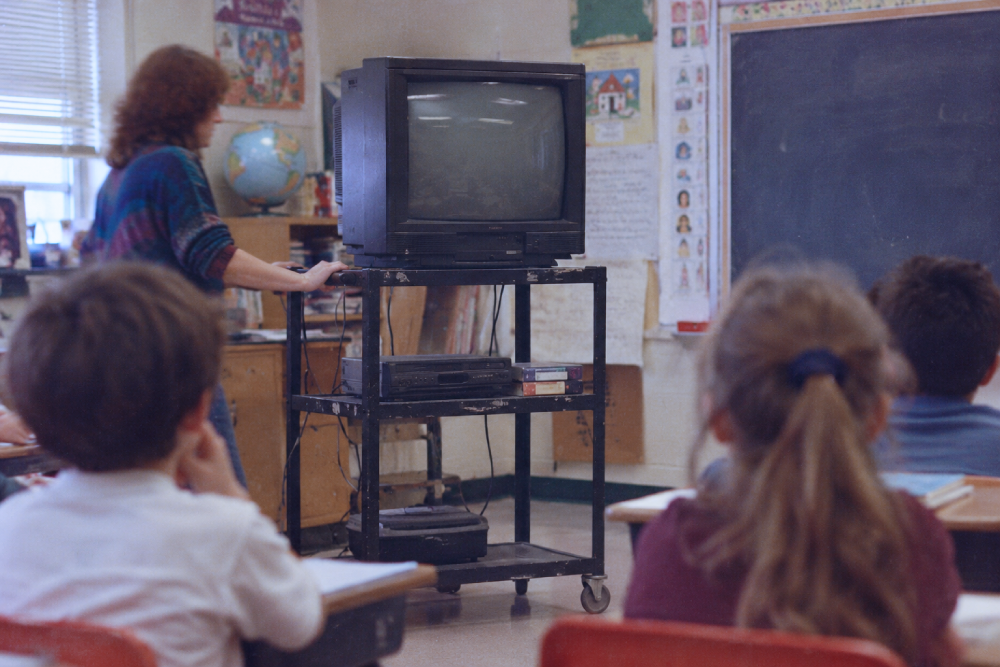
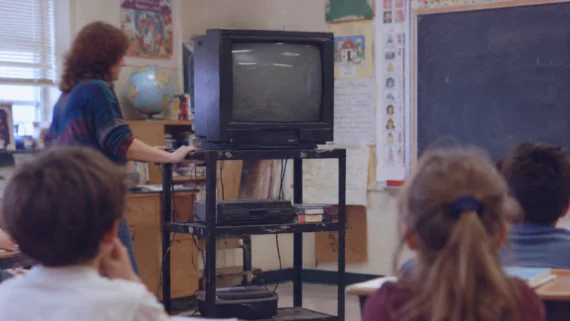
The absolute best moment of any academic week was watching a teacher roll a massive metal cart into the classroom strapped with a heavy cathode-ray tube television. Seeing that bulky VCR setup meant the daily lecture was officially canceled in favor of an educational documentary or a recorded science program.
10. Passing intricate paper notes

Before text messaging existed, sharing secret gossip during a quiet study hall required elite origami skills and sheer bravery. Friends folded their handwritten messages into tight, complex triangles that could be easily flicked across a desk or slipped silently into a locker vent without catching the teacher’s attention.
11. Metal lunchboxes with matching thermoses
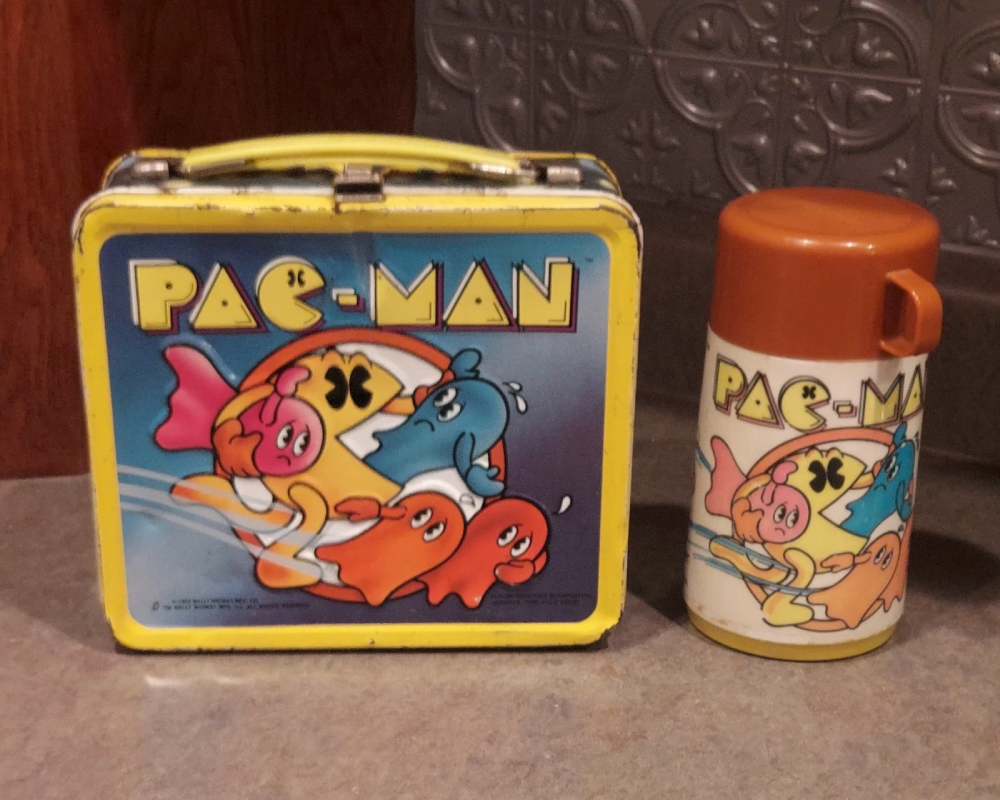
Carrying your midday meal meant hauling a heavy tin box plastered with the colorful faces of popular cartoon characters or action stars. The interior always featured a glass-lined thermos that was notorious for shattering instantly if you accidentally dropped the lunchbox on the hard cafeteria floor.
12. Physical encyclopedias

Writing a historical report meant hauling massive, leather-bound reference books directly off the library shelf to copy down facts by hand. Families often spent hundreds of dollars buying full alphabetical sets from traveling salesmen just so their kids could look up basic geographical facts from the comfort of their living room.
Don’t miss out on more 1980s nostalgia:
Looking back at these clunky mechanical devices and fragile supplies highlights just how rapidly technology has transformed the educational landscape. While today’s students have the entire internet accessible in their pockets, they will never quite understand the unique thrill of earning a scratch-and-sniff sticker or watching that heavy television cart roll through the door. If you love diving into vintage nostalgia, forgotten lifestyle trends, and fascinating pop culture history, make sure to explore these 16 Things Banned in 1960s and 1970s Schools or these 12 Items Prohibited by 1980s American Schools. You can also check out these 12 Items Prohibited by 1980s American Schools.