Banking history takes us back to a time when getting money from a bank required more than a quick stop at an ATM. Between the 1950s and 1970s, customers carried passbooks, filled out paper forms, and stood in line to speak with a teller. Even cashing a paycheck could become a carefully planned errand.
Bank branches were busy places filled with handwritten records, mechanical equipment, and familiar faces behind the counter. Some modern conveniences were emerging by the late 1970s, but these 20 banking routines show how different managing money used to feel.
1. Getting to the Bank Before It Closed Was Half the Battle
A simple cash withdrawal could require careful scheduling during the 1950s and 1960s. Banks generally operated during limited daytime hours, which could be inconvenient for customers who worked similar schedules. Missing closing time might mean waiting until the next business day to access cash or complete a transaction. By the late 1960s, early cash-dispensing machines were beginning to offer an alternative, but they were far from widespread. For many Americans, planning a bank visit was part of managing everyday finances.
2. Almost Everything Required Talking to a Teller
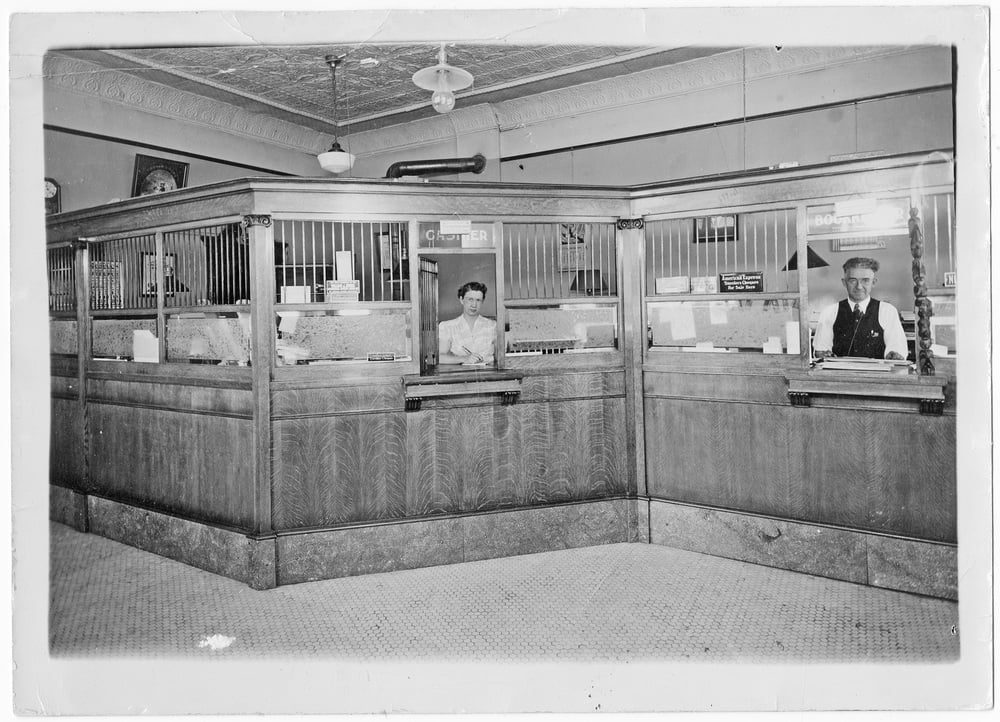
Walking into a bank meant joining a line and waiting for a person behind the counter to handle the transaction. Deposits, withdrawals, account questions, and many routine requests involved direct interaction with a teller. Customers handed over paperwork, received receipts, and sometimes chatted with employees who recognized them from previous visits. Before widespread apps and self-service machines, the teller was often the only practical option.
3. Savings Passbooks Were Little Financial Diaries
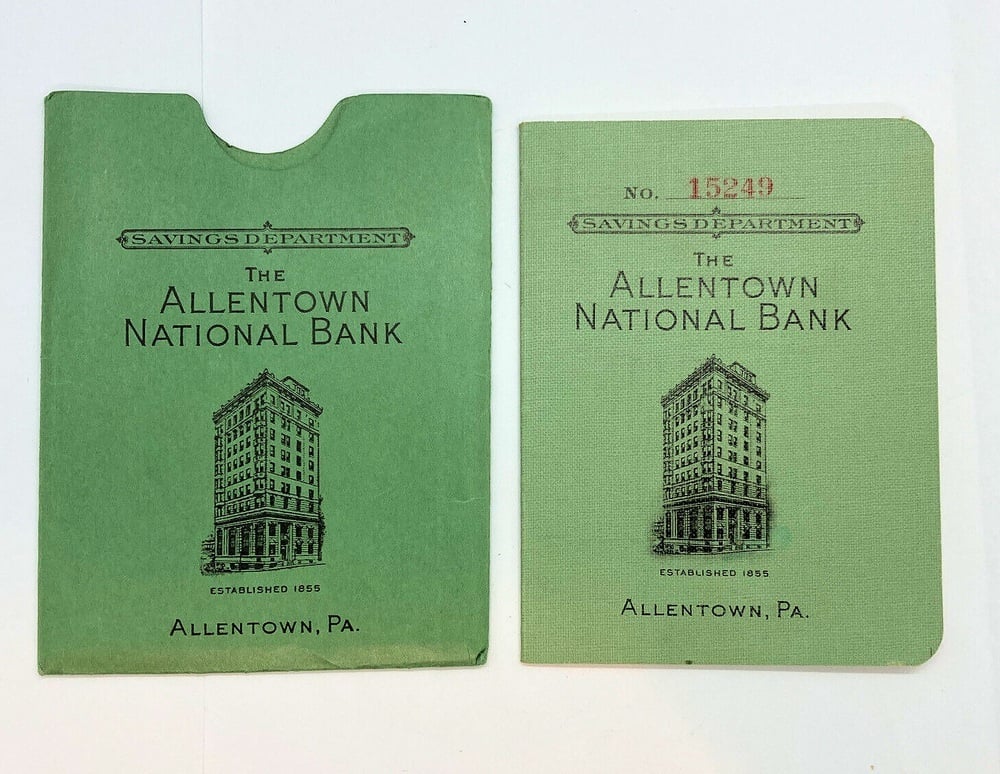
Before account balances appeared instantly on a phone screen, savings customers often carried small booklets recording their financial activity. Passbooks listed deposits, withdrawals, and interest, creating a physical history of the account. During a branch visit, a teller updated the booklet so the customer could see recent transactions. Watching the balance grow line by line could make saving feel surprisingly tangible.
4. Depositing Money Meant Filling Out a Paper Slip
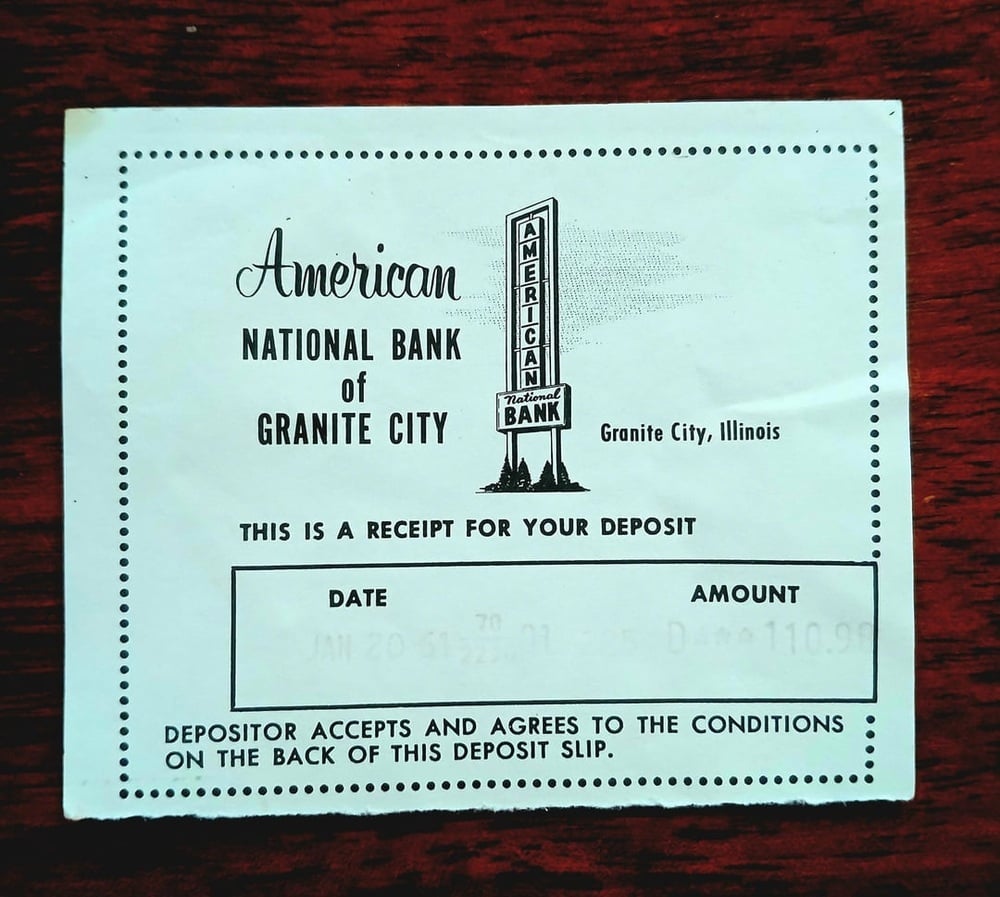
A trip to the bank often began at a writing counter stocked with pens and deposit slips. Customers filled in account details, listed checks, and recorded the amount of cash they wanted to deposit. Once the paperwork was complete, they handed everything to a teller for verification. Mistakes could mean correcting the form before the transaction continued. Even putting money into an account involved paperwork.
5. Withdrawing Cash Could Require Its Own Form
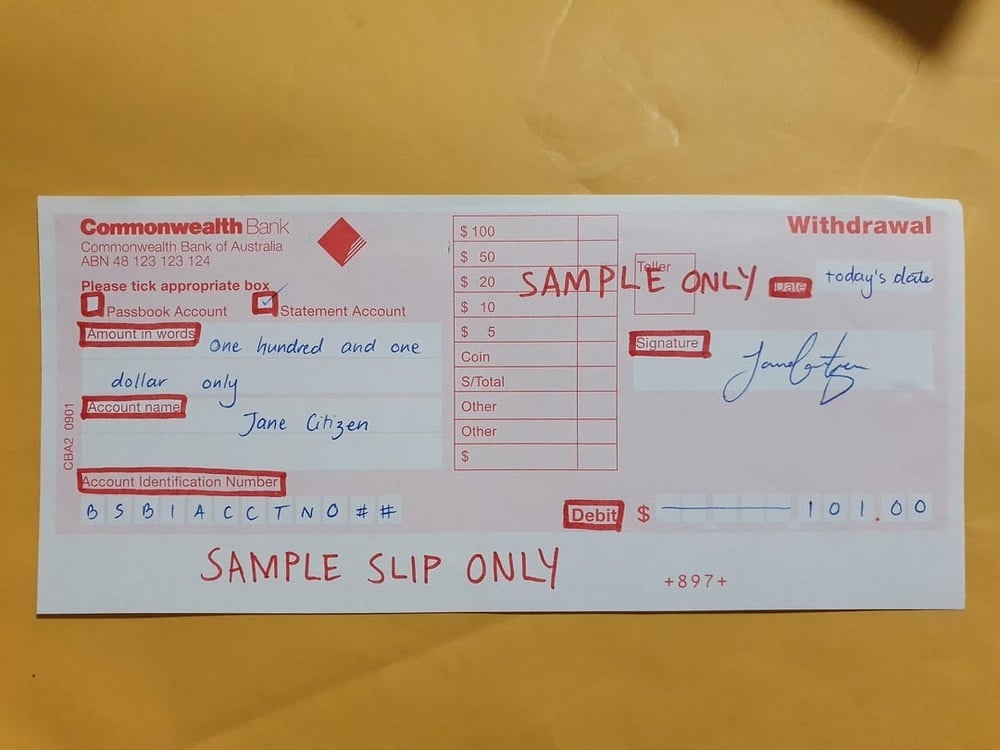
Depending on the bank and account type, customers might need to complete a withdrawal slip with account information and the amount requested. A teller reviewed the paperwork, verified the transaction, and provided the money. Identification requirements varied, but the process often involved more steps than a modern ATM withdrawal. Those small forms turned an everyday task into a transaction with a physical record.
Trending on The Scroller


6. Payday Could Mean Standing in a Bank Line
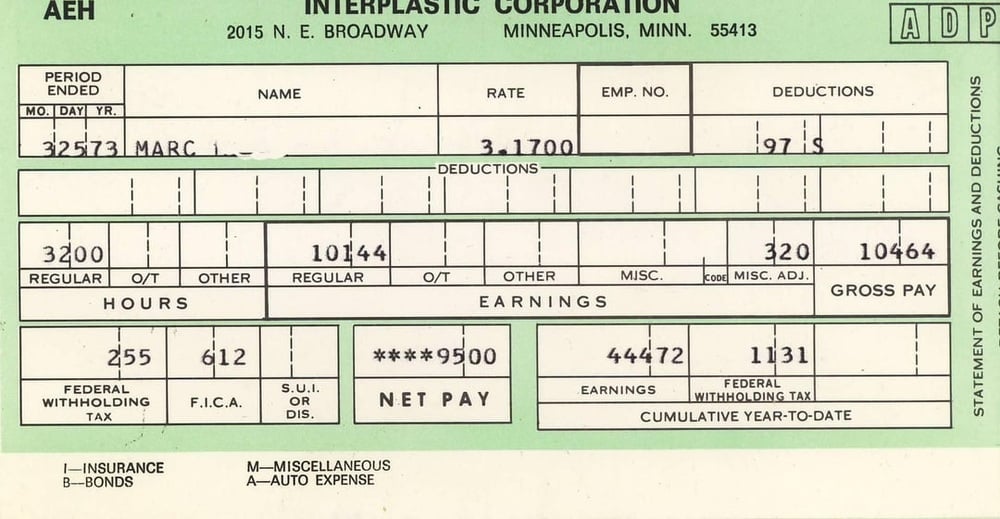
For workers paid by paper check, receiving a paycheck was only the beginning. Many employees needed to visit a bank to deposit or cash it, sometimes making Friday afternoon particularly busy. The routine could involve waiting in line, endorsing the check, and deciding how much money to take home in cash. Electronic payroll systems began developing during the 1970s, but paper checks remained central for many Americans. Sometimes a bank trip still stood between the paycheck and the weekend.
7. Checks Had to Physically Travel Between Banks
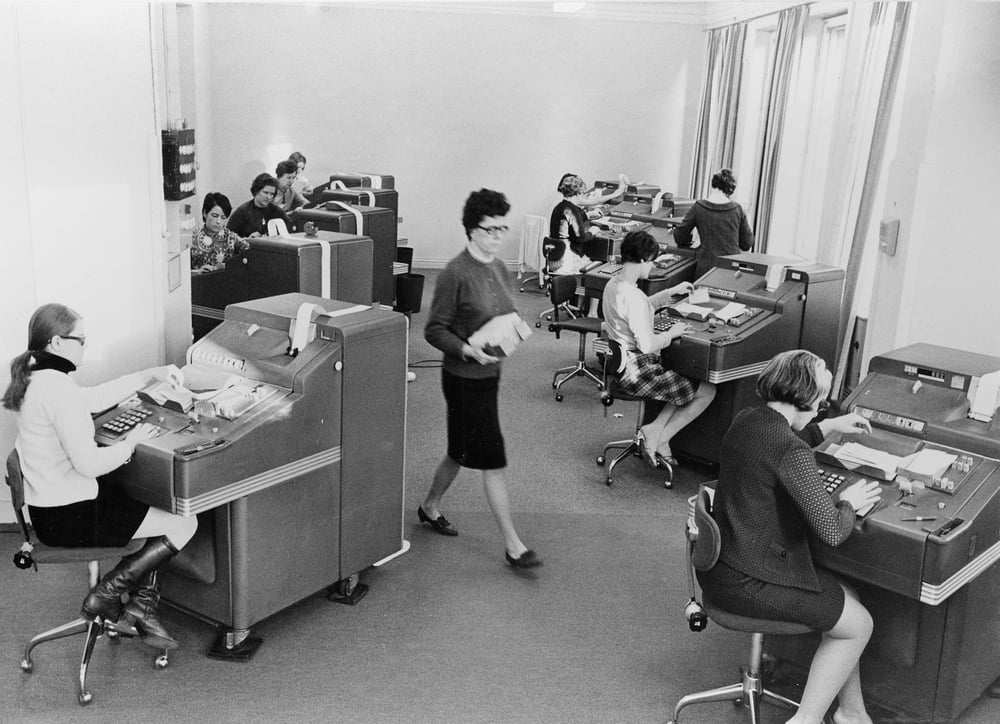
Writing a check once set a paper-handling process in motion. After a business or individual deposited it, the check moved through the banking system so the payment could be processed. Banks sorted large quantities of paper checks, and magnetic-ink technology gradually helped machines read important account information more efficiently. Even as automation increased, the physical document remained central to the transaction.
8. Balancing a Checkbook Was a Regular Household Chore
Before online banking displayed transactions automatically, many Americans kept handwritten spending records. Each check went into a register, along with deposits and other account activity. When a paper bank statement arrived, customers compared it with their own records to make sure the numbers matched. Depending on the bank, canceled checks might also be returned for review. Finding a missing entry could become a frustrating little detective story.
Sign up for our newsletter
9. Some People Did Their Banking Through the Mail
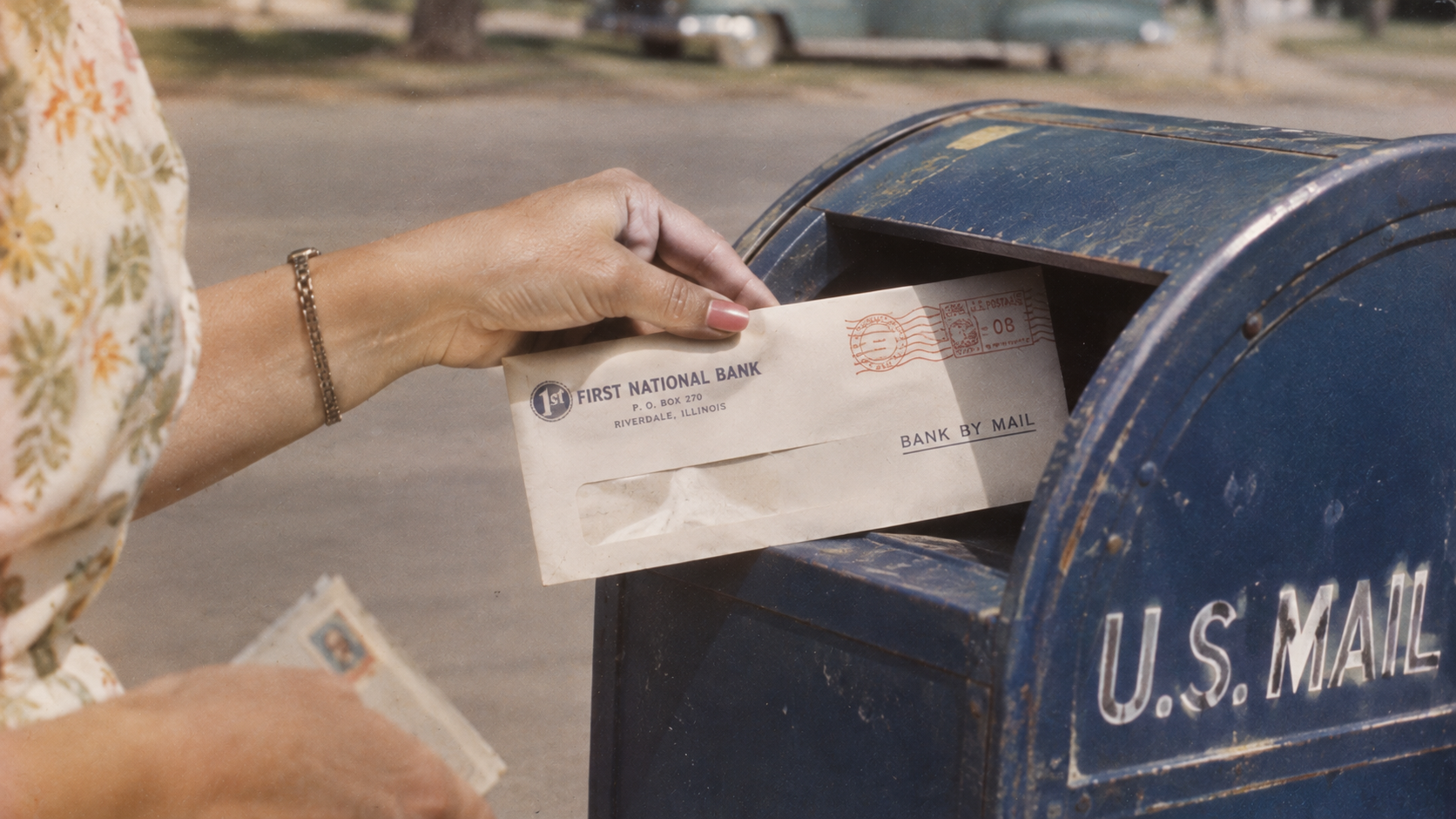
Bank-by-mail services offered an alternative for customers who could not conveniently visit a branch during business hours. Participating customers could send deposits or banking correspondence through the postal system. Special envelopes and instructions helped organize the process. It was not instantaneous, and customers had to account for mailing and processing time, but it let people handle certain tasks without setting foot inside a branch.
10. Drive-Through Banking Felt Like a Modern Luxury
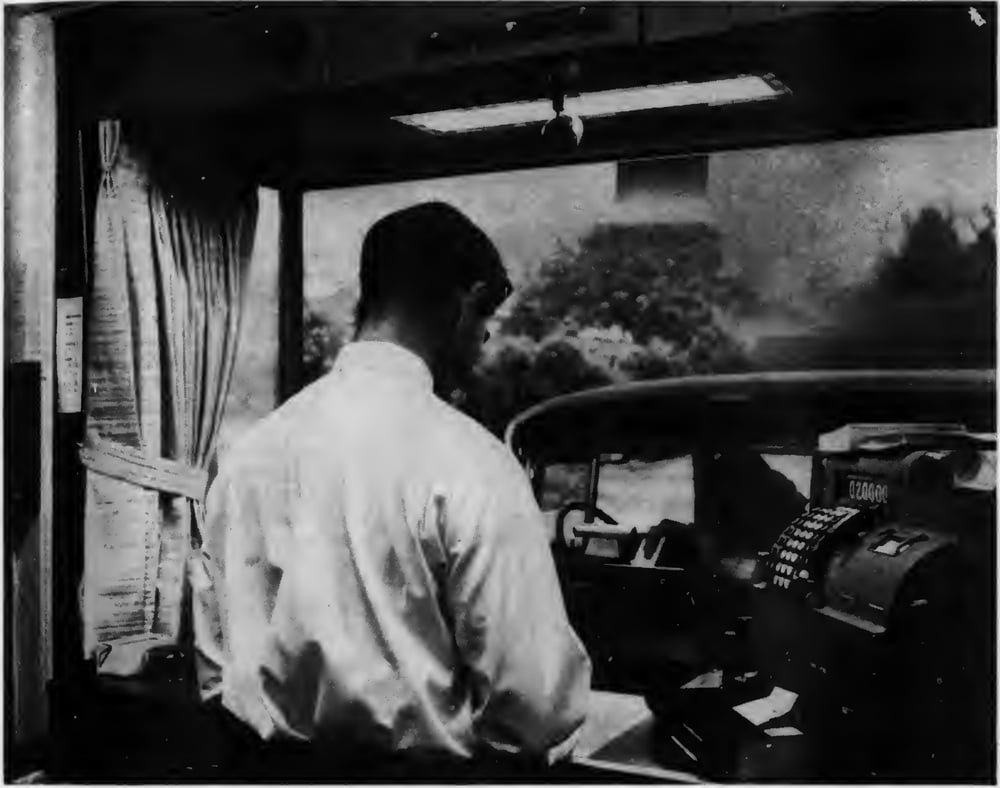
Drive-through teller services became part of America´s growing car culture. Instead of parking and walking into a branch, customers could pull up to a dedicated window and complete certain transactions from their vehicles. The approach fit naturally into the expanding suburban lifestyle of the 1950s and beyond. For busy parents, commuters, and anyone trying to save time, the drive-through bank offered an alternative to waiting indoors.
11. Pneumatic Tubes Made Banking Look Futuristic
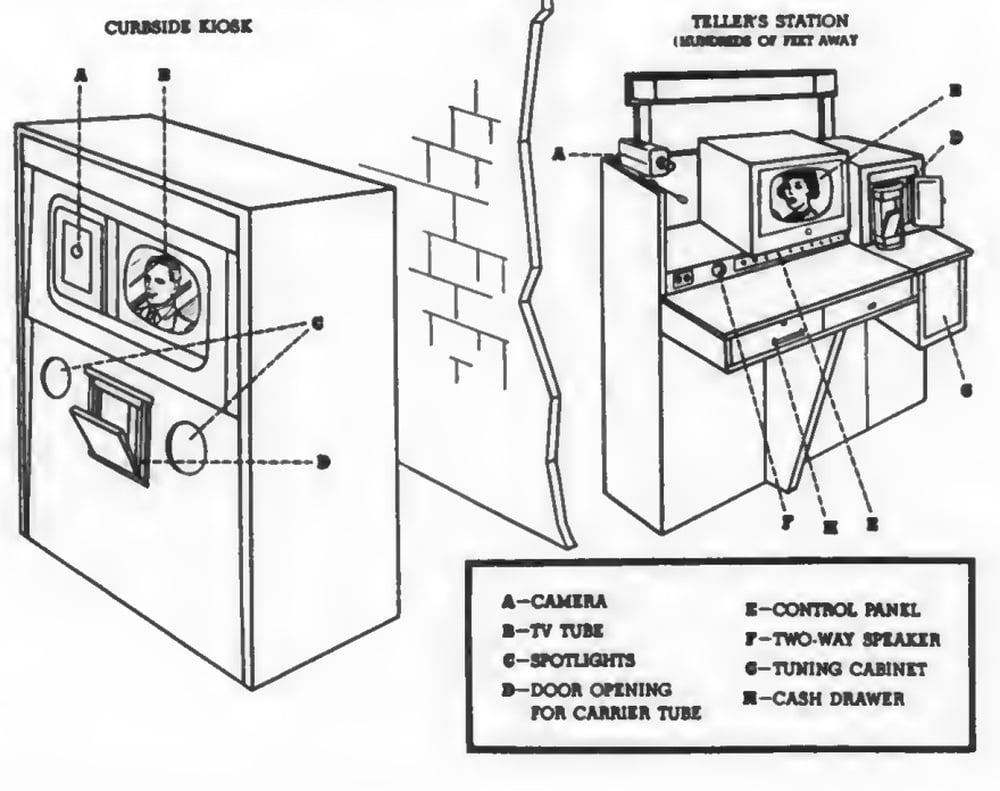
Some drive-through banking lanes came with a feature that felt straight out of science fiction: pneumatic tubes. Customers placed checks, deposit slips, or paperwork into a cylindrical carrier, which traveled through a tube system to a teller inside. After processing the transaction, the teller could send the carrier back. Remote-teller technology was being documented in the 1950s as banks experimented with serving customers beyond traditional counters.
12. Teller Counters Could Look Surprisingly Intimidating
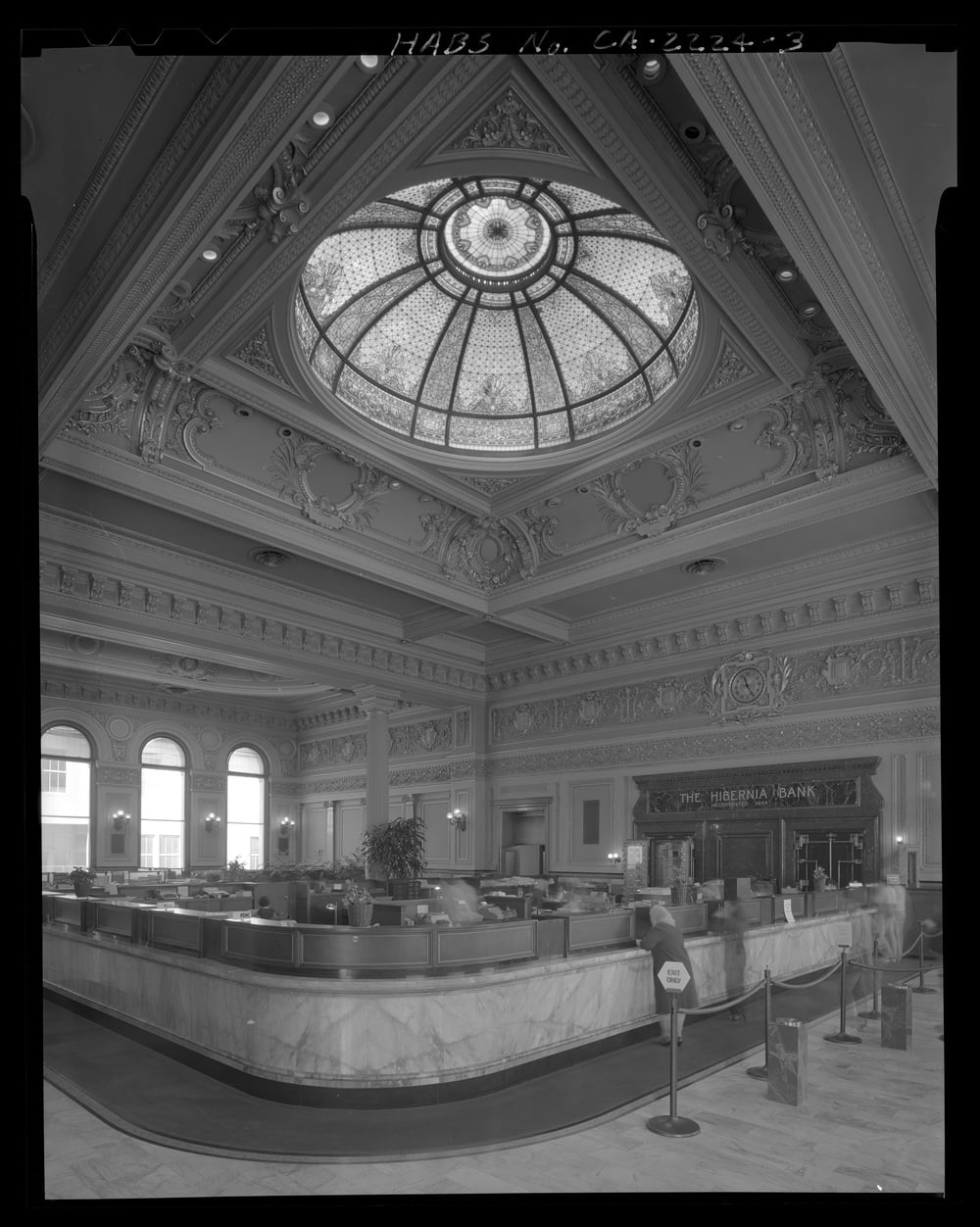
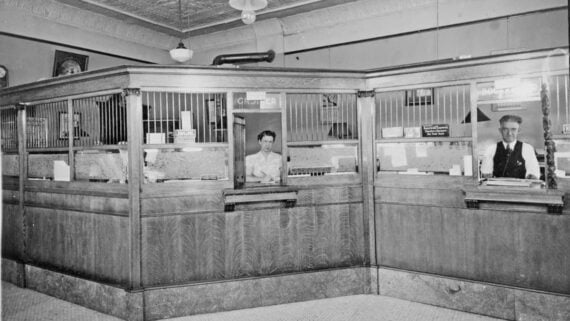
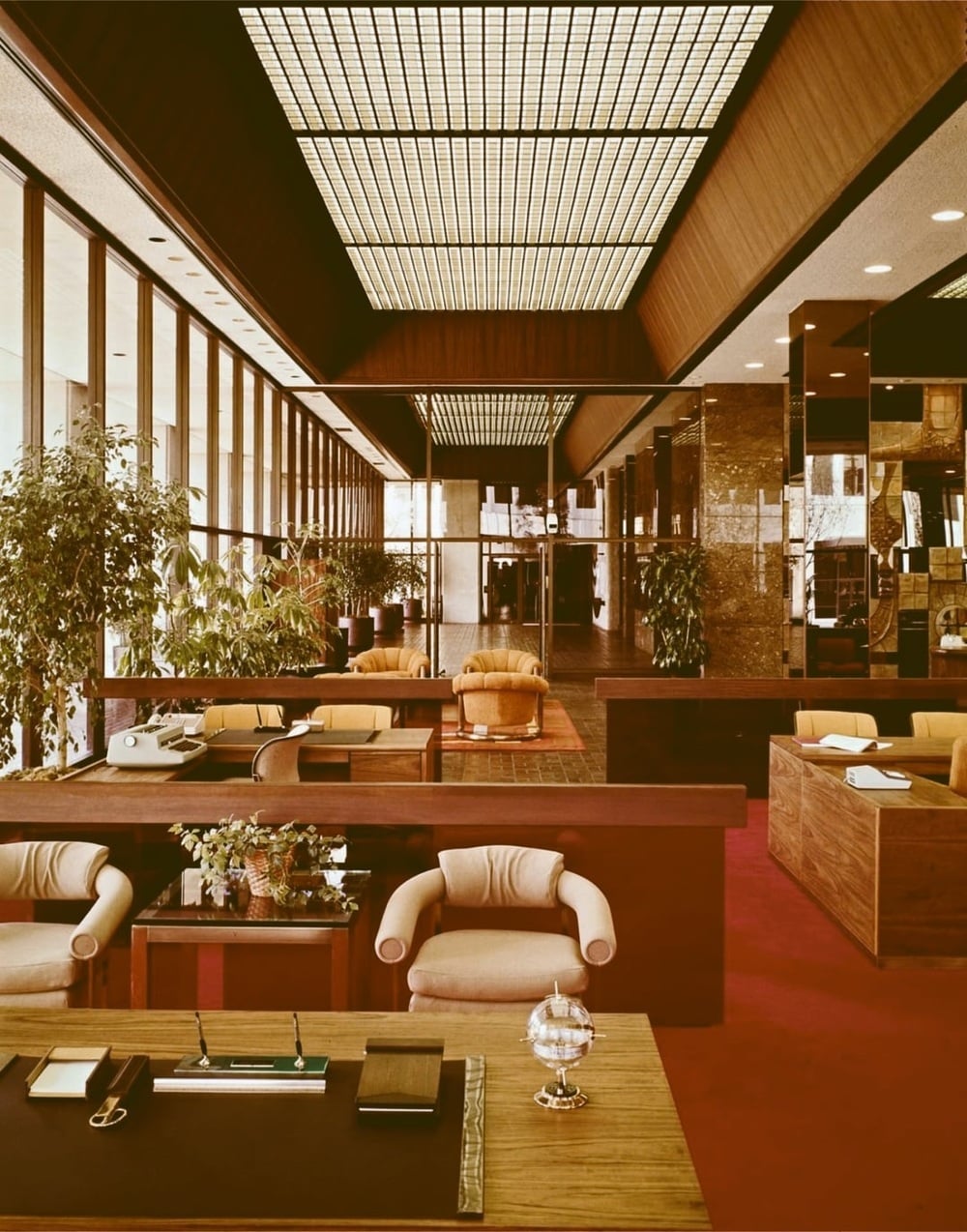
Some midcentury bank branches featured elaborate counters, protective partitions, and teller cages designed around security and controlled access. Marble surfaces, polished features, and formal interiors could give routine transactions a grand atmosphere. Not every bank looked this way, but traditional branch design often emphasized stability and protection. Modern banks increasingly favor open layouts and customer-service desks.
13. Behind the Counter, Machines Were Already Taking Over
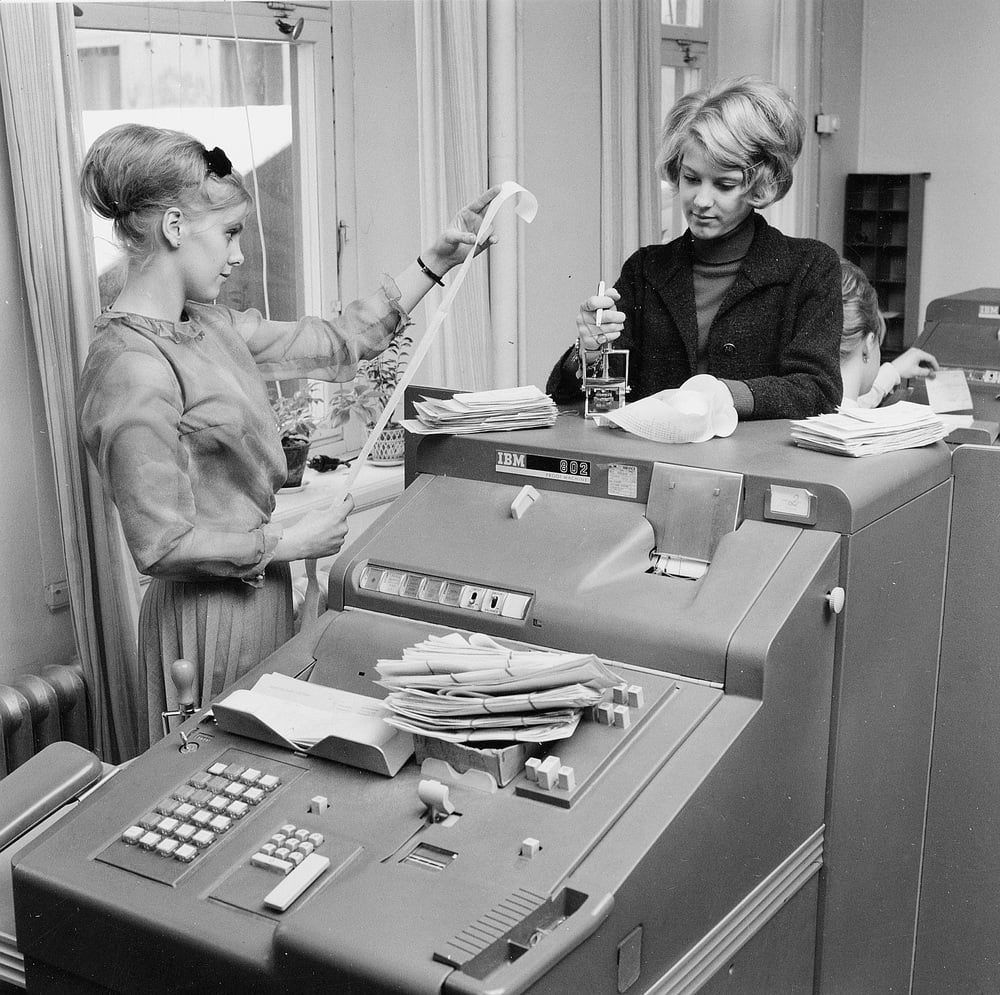
While customers still filled out forms and handed checks to tellers, banks were becoming increasingly mechanized behind the scenes. Check-processing equipment, proofing machines, magnetic-ink readers, and early computer systems helped institutions handle growing transaction volumes. The transformation did not happen overnight, and paper-based procedures continued alongside newer technology. By the 1970s, banking was already moving toward automation even if the customer experience still looked traditional.
14. Getting a Loan Often Meant Sitting Across From a Banker
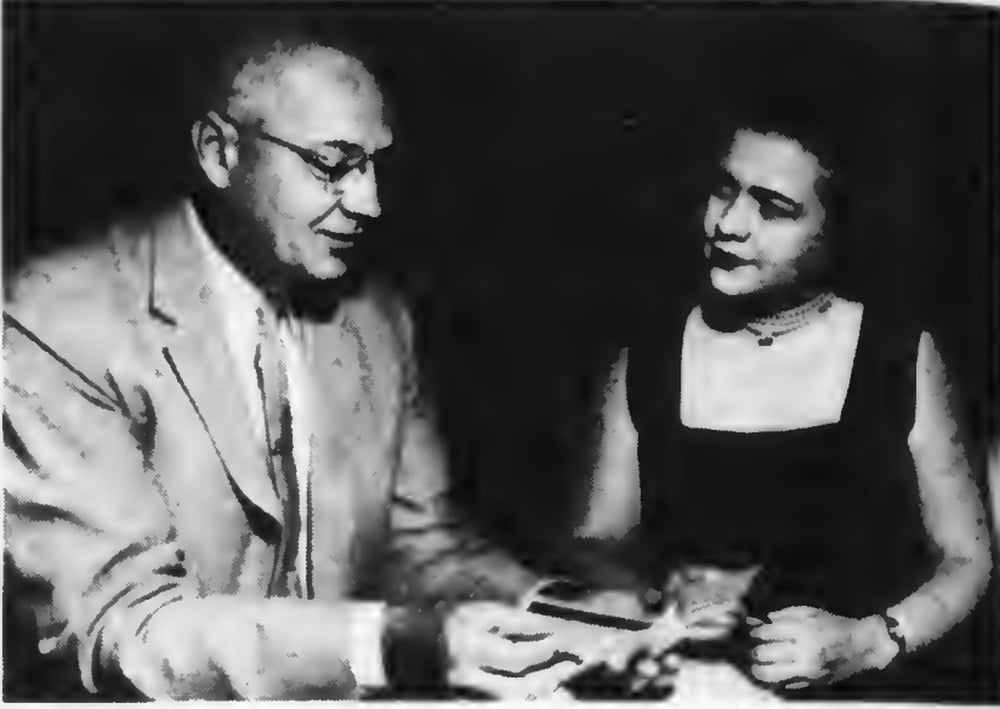
Applying for a loan frequently involved a personal appointment rather than an online form. Customers met with bank employees, discussed their financial circumstances, and provided paperwork documenting income, employment, or other relevant details. Local lending relationships could play a role, although personal discretion also created opportunities for inconsistent or unfair treatment. Borrowing money often began with a conversation across a desk and a stack of documents.
15. Women Didn’t Always Receive Equal Treatment When Applying for Credit
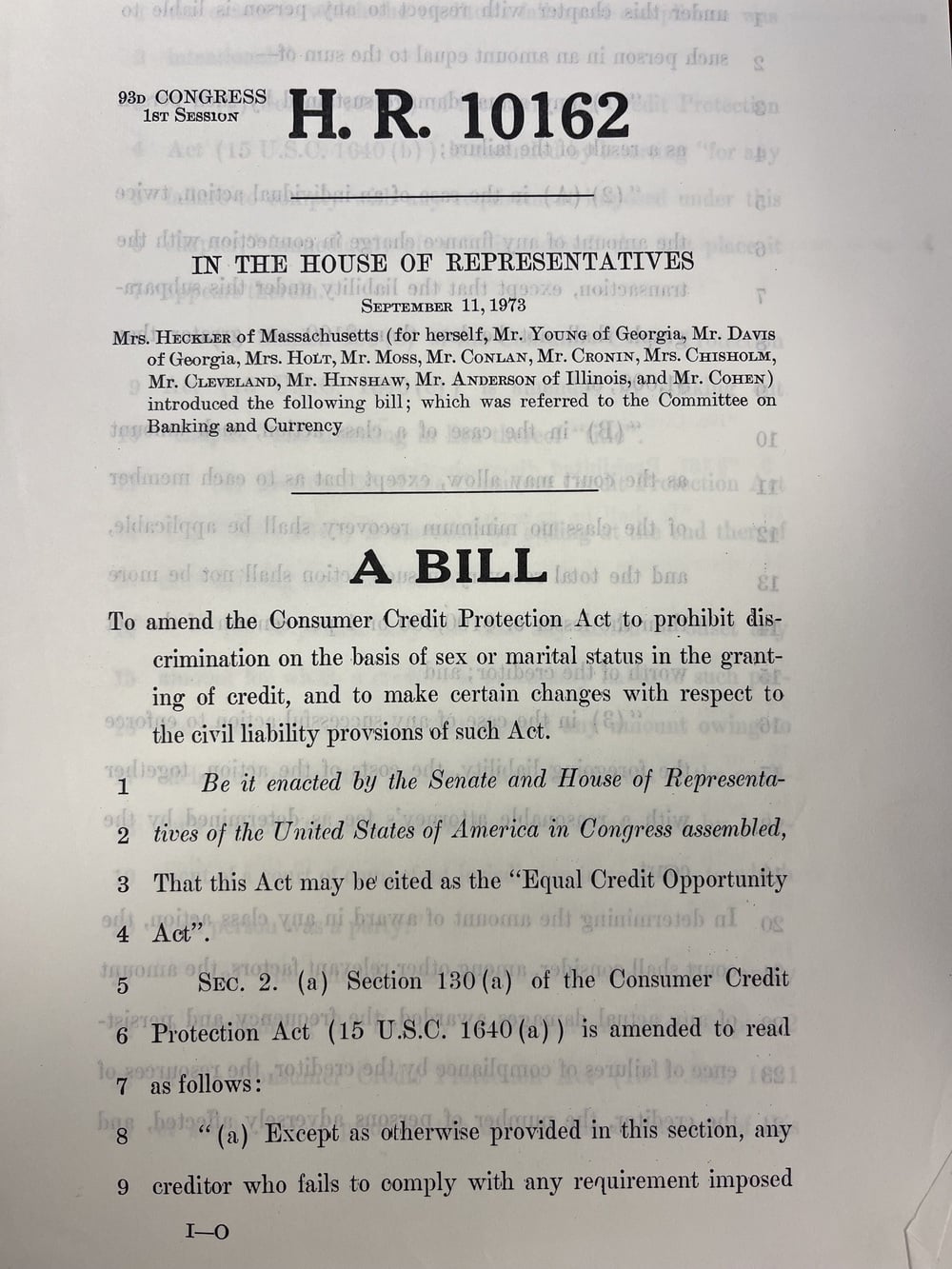
One less nostalgic aspect of midcentury banking was the discrimination women could encounter when seeking credit. Before federal protections strengthened in the 1970s, lenders could apply different standards based on sex or marital status, making independent access to credit more difficult for some women. The Equal Credit Opportunity Act of 1974 prohibited discrimination in credit transactions on specified grounds, including sex and marital status. This history concerns unequal access to credit, not a blanket inability for women to hold bank accounts.
16. Bank Credit Cards Were Still Something New
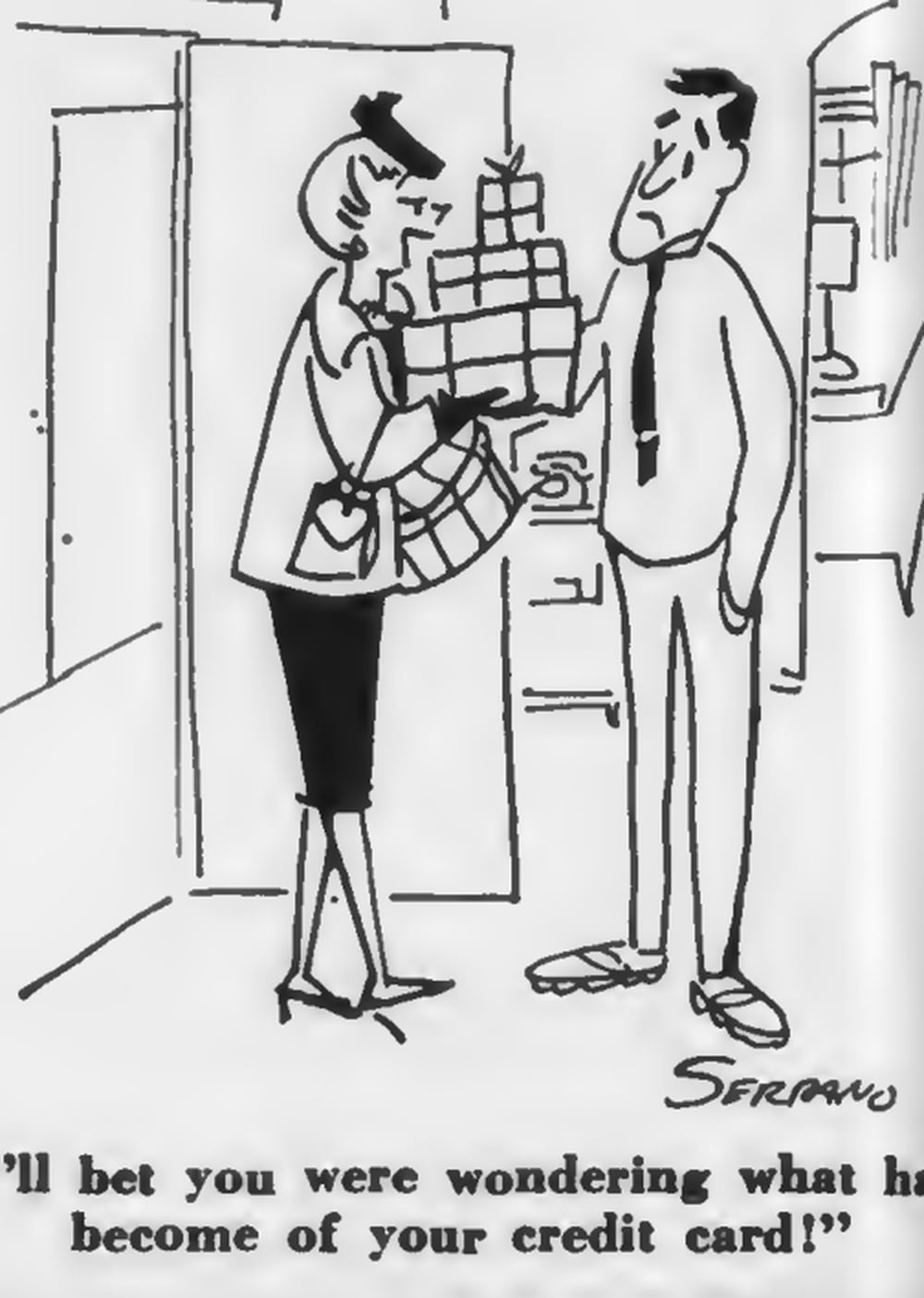
Bank credit cards were relatively new consumer products during much of this period. BankAmericard debuted in 1958, while Master Charge emerged in 1966, helping establish the foundations of major payment networks. Customers were still learning how revolving credit, billing statements, and card-based purchases worked. Not every merchant accepted these cards, and cash and checks remained essential. The familiar wallet full of payment cards was only beginning to take shape.
17. Credit Cards Sometimes Arrived Without Anyone Asking for Them
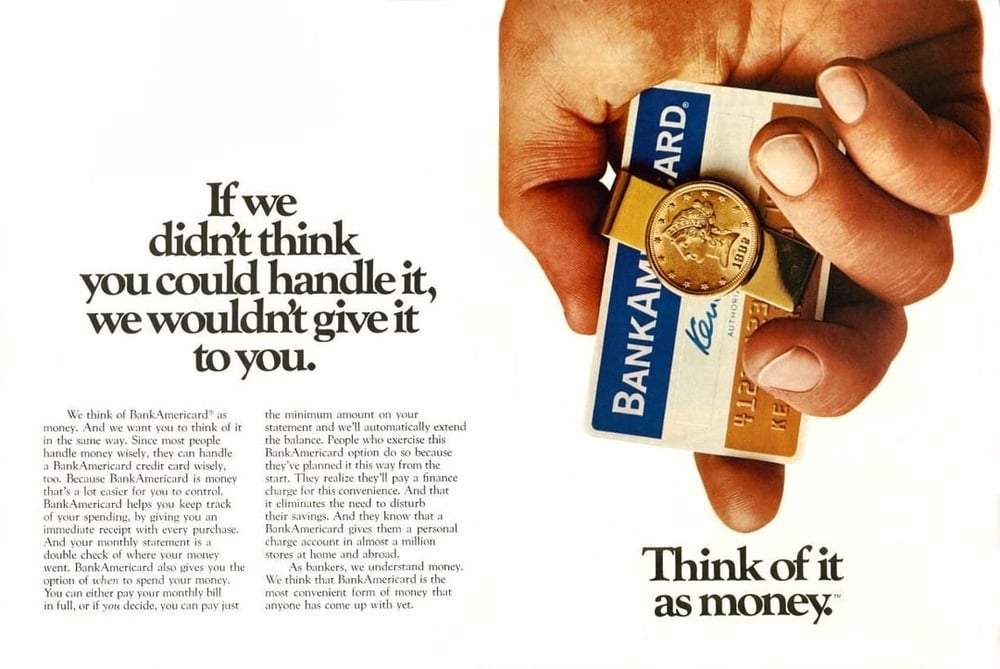
During the early expansion of consumer credit, some issuers distributed cards unsolicited as a way to attract customers. The practice raised concerns about fraud, unwanted accounts, and consumer protection. Federal restrictions introduced in 1970 sharply limited unsolicited issuance of credit cards. What might once have looked like aggressive marketing became subject to stricter rules.
18. Savings Account Interest Rates Had Government Limits
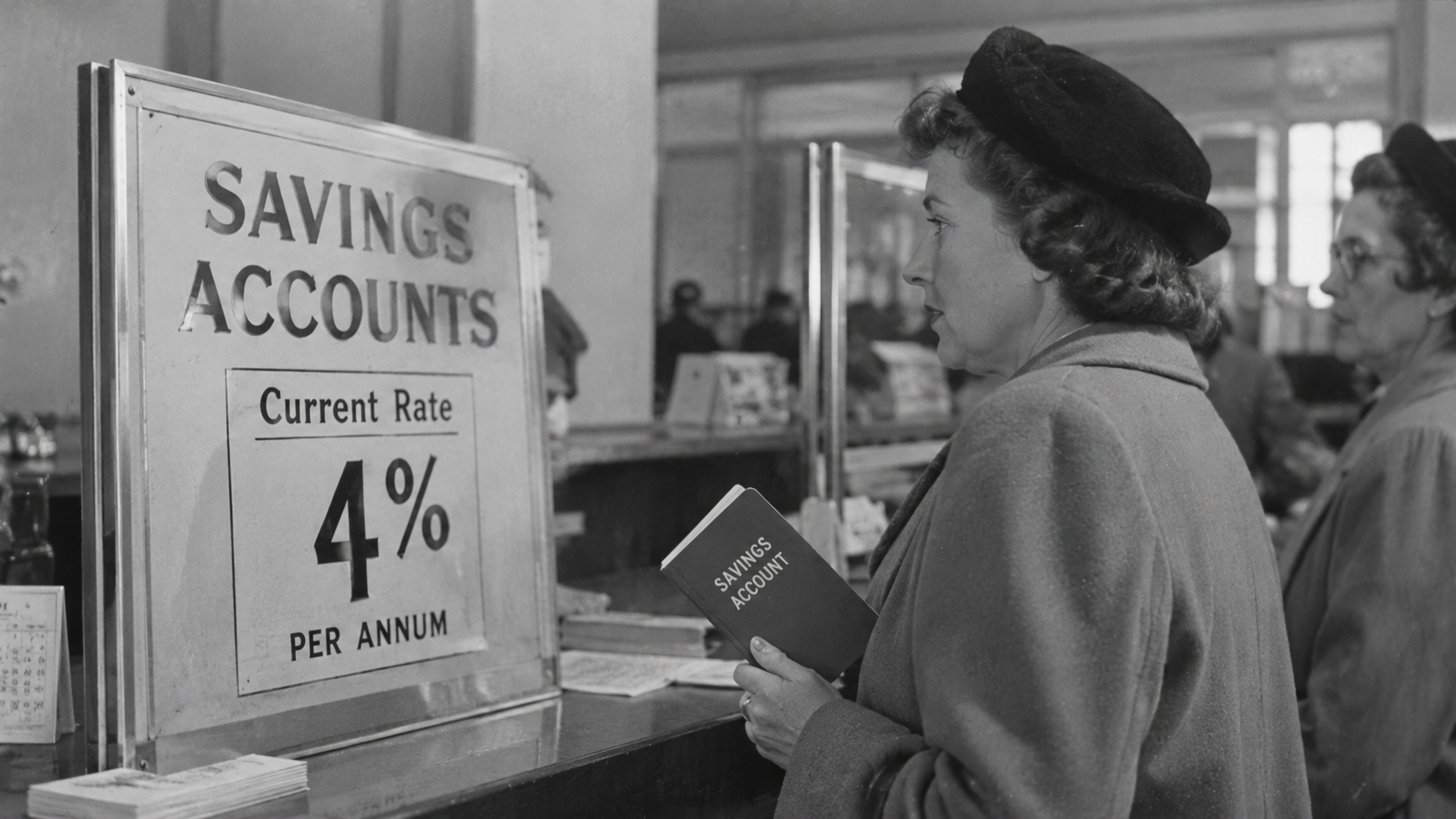
Under Regulation Q, federal authorities imposed ceilings on interest rates that certain banks could pay on deposits. These restrictions influenced available savings products and limited how institutions competed for consumers through rates. The rules changed over time, and their effects varied across account types and institutions. For ordinary savers, government policy played a direct role in how much interest some accounts could earn.
19. The First ATMs Were an Unusual New Experience
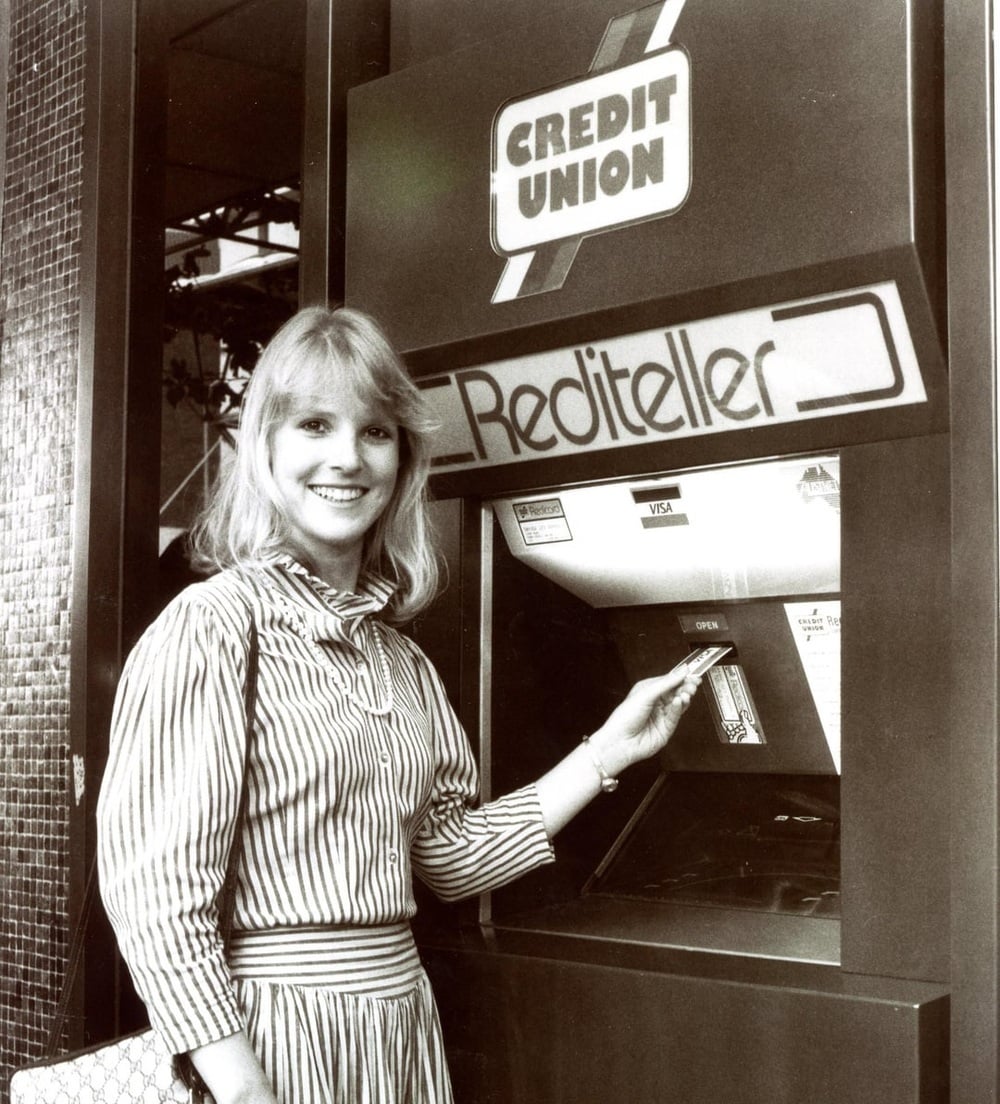
Getting cash from a machine instead of a teller sounded revolutionary in the late 1960s. Chemical Bank introduced an early automated cash machine in Rockville Centre, New York, in September 1969, helping launch a new era of self-service banking in the United States. Early machines differed in design and capabilities, and they were not immediately available everywhere. Customers had to become comfortable trusting unfamiliar technology with their money.
20. Direct Deposit Was Just Beginning to Change Payday
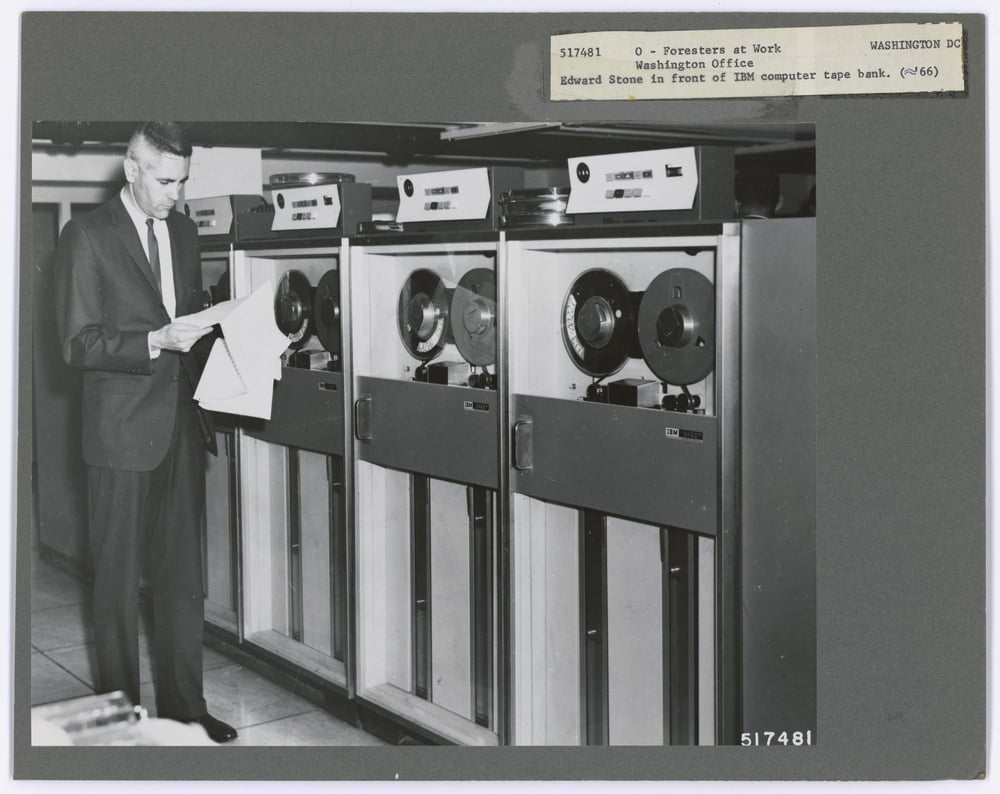
By the 1970s, banks were experimenting with electronic systems that could move payments without relying on physical checks. Automated Clearing House networks began developing during the decade, creating a foundation for electronic payroll deposits and recurring transactions. Adoption was gradual, and paper paychecks remained common. Still, the technology pointed toward a future in which wages could arrive directly in bank accounts without a separate trip to the teller.
Banking between the 1950s and 1970s required more paperwork, more planning, and considerably more face-to-face interaction than most customers experience today. From handwritten deposit slips to the first ATMs, these decades captured an industry moving between traditional routines and emerging technology. Some changes made banking more convenient, while others helped address important inequalities that should not be forgotten.
Keep Exploring The Scroller
Remember when a bank visit meant passbooks, paper checks, and waiting for the teller? Keep exploring The Scroller for forgotten everyday routines, vintage technology, and surprising stories about how American life has changed:
16 Family Cars That Defined the 1970s and 1980s