The late 1800s marked the birth of the automobile industry, introducing machines that mixed engineering innovation with experimental design. While these vehicles are crucial to the history of transportation, many have lost their appeal to collectors due to their extreme rarity, complex maintenance, and limited usability.
Here are 20 classic vehicles from the late 1800s that, despite their legacy, are no longer considered wise investments for most collectors.
1. Benz Patent-Motorwagen (1885)
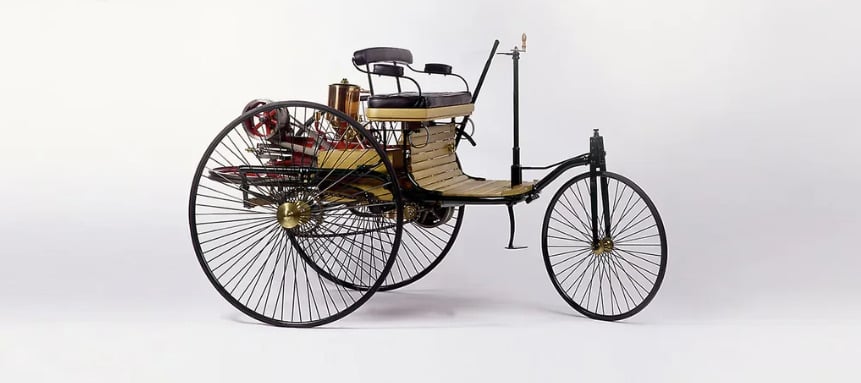
Regarded as the world’s first true automobile, this three-wheeled motorcar, designed by Karl Benz, was revolutionary. However, its limited speed, fragile frame, and near-zero drivability make it mostly a static museum piece today.
2. Duryea Motor Wagon (1893)

Built by the Duryea brothers, this was America’s first gasoline-powered vehicle. Authentic models are incredibly rare, and restoration requires custom fabrication. This makes it impractical for all but the most dedicated historians.
3. Peugeot Type 3 (1891)
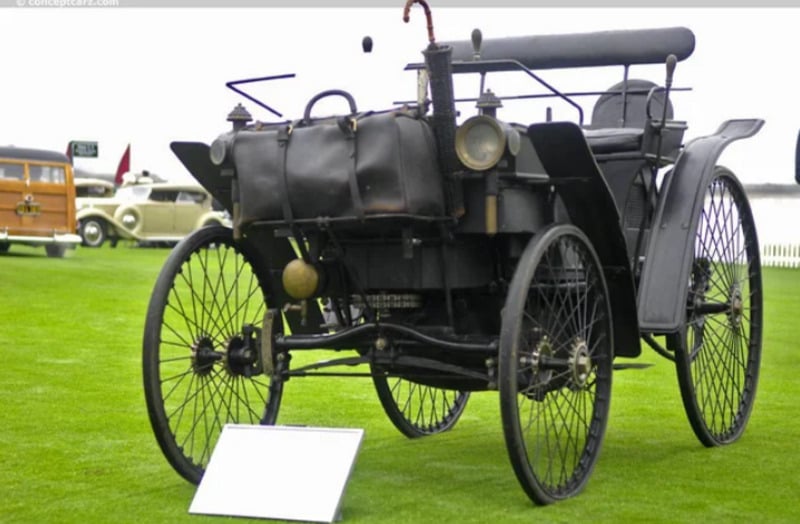
France´s first internal combustion car to complete a long-distance journey, the Type 3 is historically significant. Yet its low horsepower, awkward handling, and delicate components limit its appeal to hands-on collectors.
4. Panhard et Levassor Type A (1891)

A landmark in vehicle layout with its front-engine, rear-wheel drive setup, this model shaped modern car design. Unfortunately, it lacks the power and reliability that today’s collectors expect from vintage cars.
5. Daimler Cannstatt (1895)
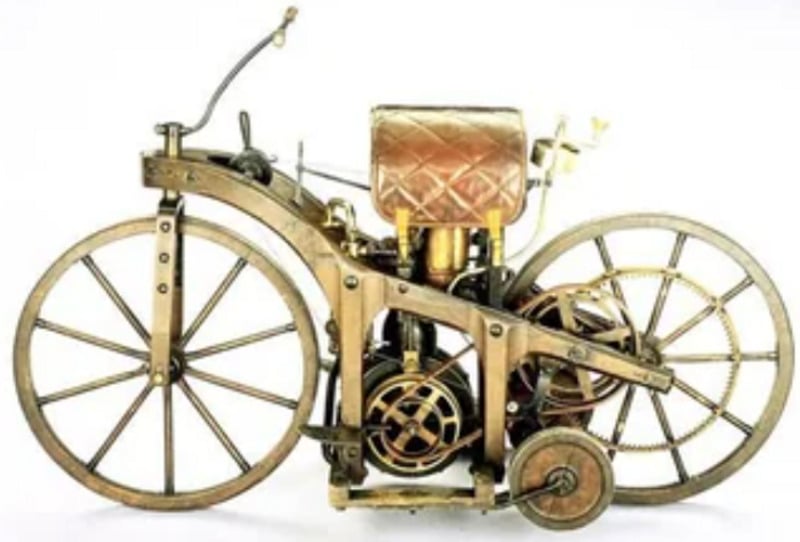
An early petrol-powered vehicle from Germany, the Cannstatt, helped spread automobile technology. However, its extreme mechanical complexity and scarce replacement parts make it nearly impossible to maintain.
Trending on The Scroller


6. De Dion-Bouton Tricycle (1897)
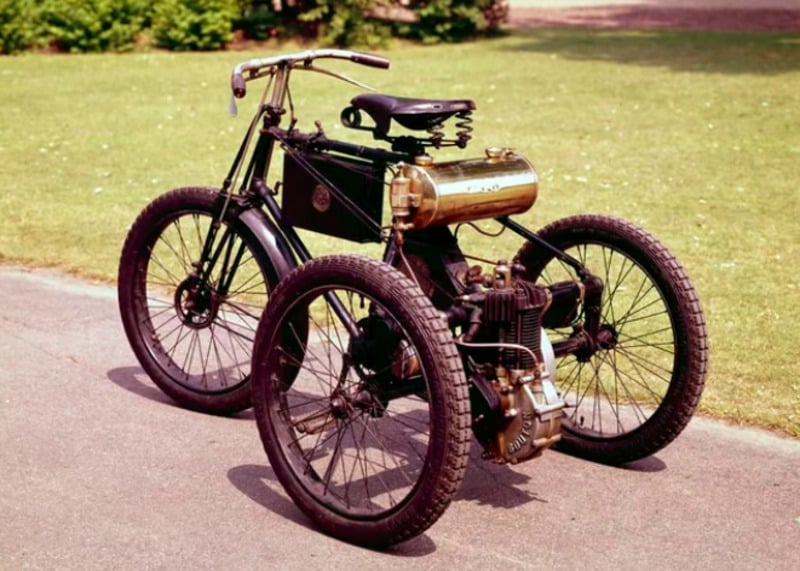
Though De Dion-Bouton later became famous for gasoline engines, its early steam cars were important transitional models. Their fragile systems and need for constant maintenance make them more burden than a treasure.
7. Steam-powered Locomobile (1899)

The Locomobile was among the most popular steam cars in America, yet today its reliance on steam power means it’s difficult to run, dangerous without training, and lacks collector demand.
8. Bollée Voiturette (1895)

It was designed for urban travel in France. This small motorcar featured innovations in body design and gear control. However, it’s too obscure, slow, and underpowered for practical collecting purposes.
Sign up for our newsletter
9. Benz Velo (1894)
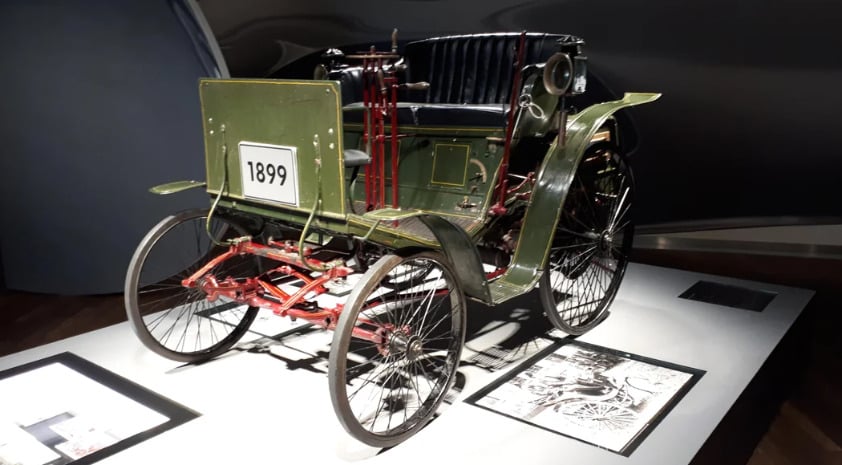
As one of the first mass-produced cars, the Benz Velo democratized personal transport. But it’s limited usability and fragile interest to historical societies, not mainstream collectors.
10. Stanley Runabout (1899)

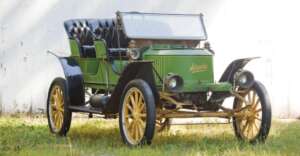
A steam-powered classic with a beautiful design, the Stanley Runabout was known for speed and innovation. Yet modern collectors shy away due to safety issued and the lack of skilled mechanics.
11. American Winton Motor Car (1896)

The pioneer in American motoring gained fame from early cross-country trips. However, its value is outweighted by restoration costs and the near impossibility of sourcing parts.
12. Leon Bollée Voiturette (1896)

Leon Bollée´s three-wheeled car was compact and mechanically novel. But its limited comfort, speed, and mechanical support push it out of serious collector conversations.
13. Riker Electric (1897)

The Riker offered smooth operation, and it was ahead of its time as one of the first practical electric cars. Yet its slow pace and massive battery setup make it more of an engineering relic than a collector gem.
14. Arnold Motor Carriage (1896)

This British model helped introduce the car to the UK by being built under license from Benz. Despite its cultural value, its basic engineering and high maintenance needs lower its desirability.
15. Lutzmann Motorwagen (1898)
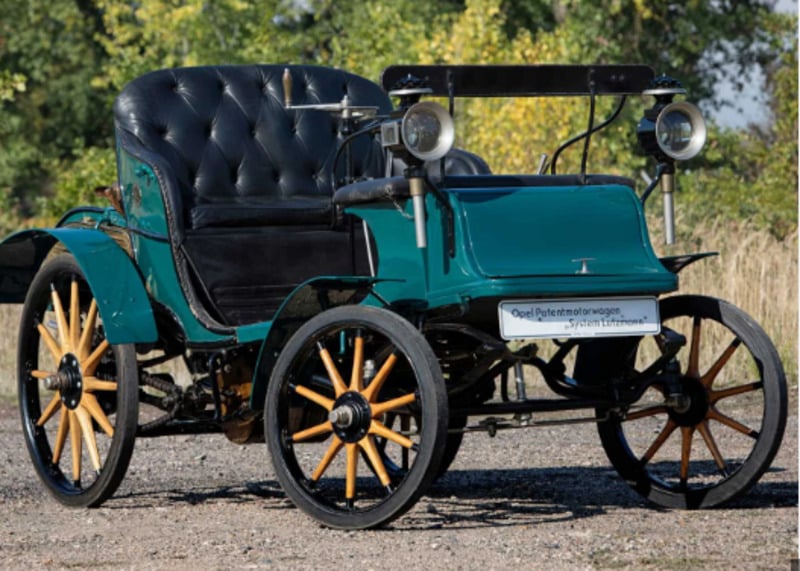
This German vehicle, later acquired by Opel, had a brief productin run. Its crude design and minimal performance fail to justify the price tag for modern collectors.
16. Roger-Benz (1895)

Another Benz offshoot, the Roger-Benz offered limited upgrades and failed to leave a lasting impact. Today it draws little attention outside academic circles.
17. Electrobat Electric Car (1894)

An urban electric vehicle from Philadelphia. The Electrobat was bulky and inefficient. Its design is more suited to display than function, and it lacks the collector prestige of later electric innovations.
18. Haynes-Apperson (1896)

Among the first American manufacturers, Haynes-Apperson helped shape the U.S. car industry. However, its nearly models are difficult to restore and too niche for widespread interest.
19. Flocken Elektrowagen (1888)
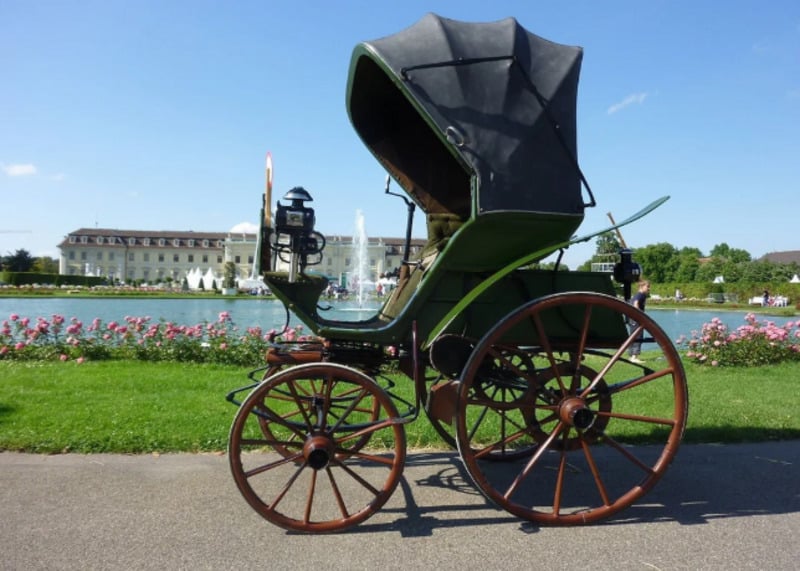
Possibly the first electric car, this German vehicle was a pioneering effort. Unfortunately, it remains too obscure and static to attract collector enthusiasm.
20. Peugeot Type 15 (1897)

An advancement over earlier Peugeot models, the Type 15 introduced basic features still used today. Still, it remains largely a museum artifact with minimal value in the modern collector market.
Explore more vintage content:
These 19th-century classics were groundbreaking in their time but have since become difficult, expensive, and impractical to collect. Restoration challenges, impractical performance, and limited appeal have pushed many of these once-groundbreaking cars into obscurity. For more automotive curiosities, take a look at 53 of the Strangest and Most Obscure 4-Wheeled vehicles, or jump ahead a century with Remembering The 15 Coolest Cars from the 1980s.