The 1800s were a time of extraordinary change; an age of revolutions, breakthroughs, and the birth of modern thought. While some names from the era echo through history books, others whose greatness was perhaps underappreciated or whose legacies were cut short by circumstance remain less well-known.
This list honors 15 such figures: visionaries, inventors, reformers, and artists whose contributions could have made them among the greatest in history. Whether their influence was stifled by social norms, political backlash, or the mere bad luck of timing, their brilliance remains undeniable.
1. Ada Lovelace
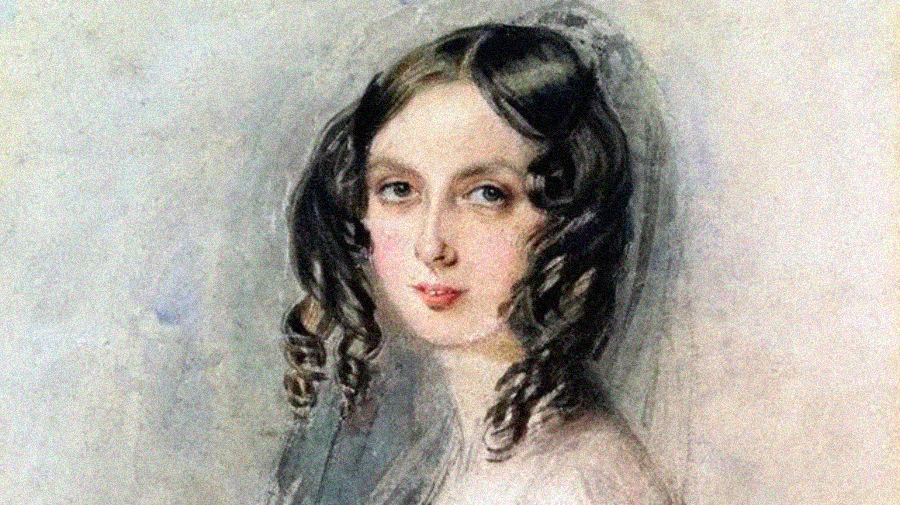
Often considered the world’s first computer programmer, Ada Lovelace envisioned the potential of computing a century before it became reality. Working with Charles Babbage on his analytical engine, she foresaw machines processing not just numbers but ideas. Her brilliance was largely dismissed in her lifetime due to her gender.
2. Toussaint Louverture
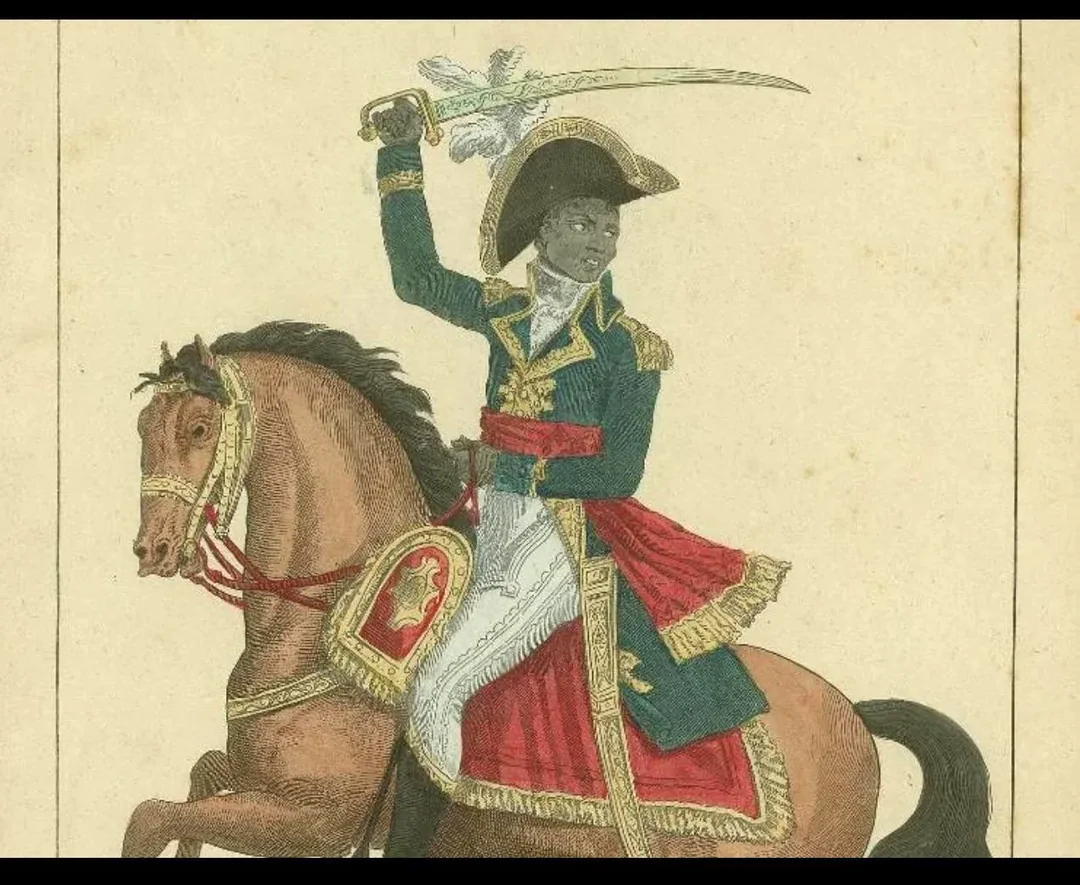
A former enslaved man who led the Haitian Revolution, Louverture was a military and political genius. He challenged the colonial world order and dreamed of a truly free and independent Haiti. His capture and death in a French prison ended a legacy that could have transformed more than one nation.
3. Mary Anning
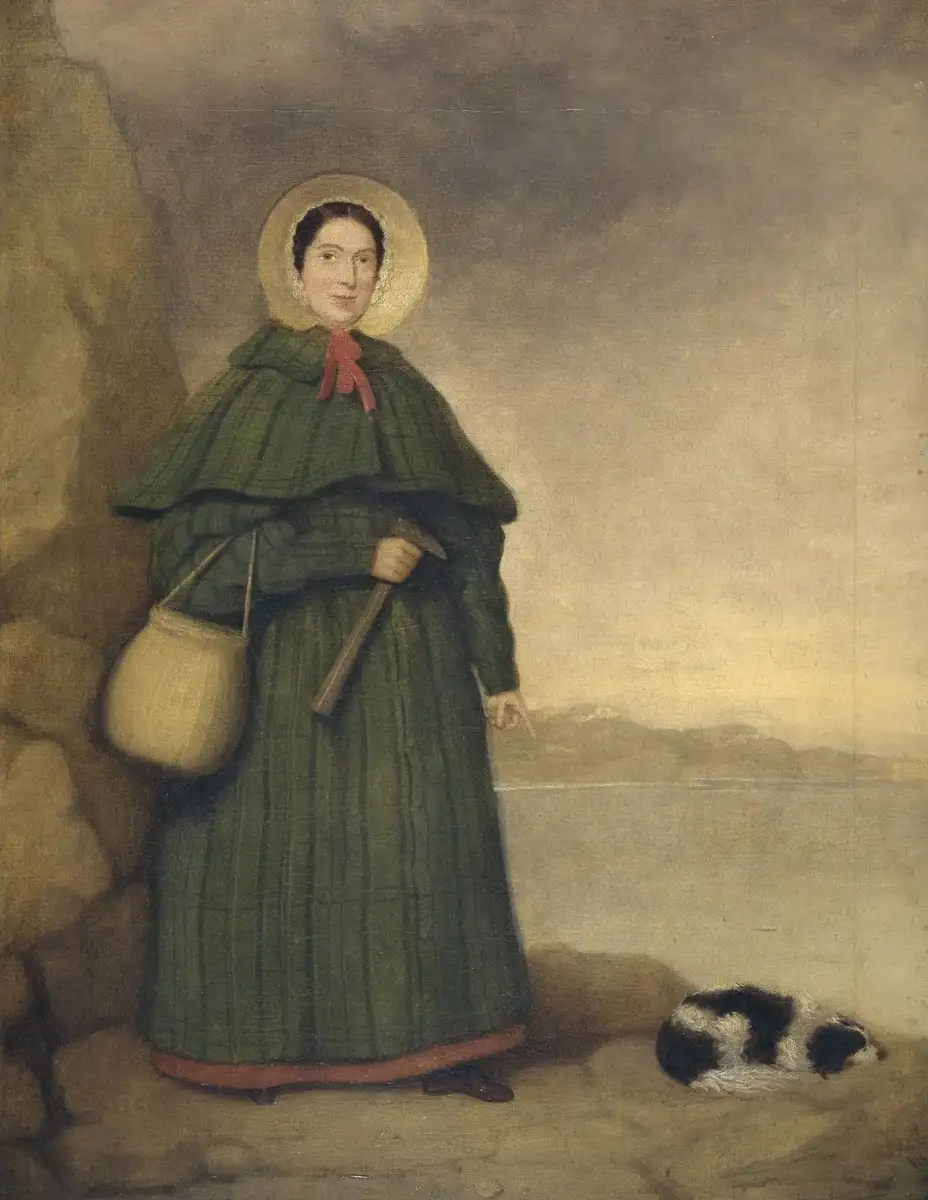
As a self-taught fossil collector in England, Mary Anning made some of the most significant geological discoveries of the 19th century. Her work laid the foundation for paleontology, but being a working-class woman, she was rarely credited during her life.
4. Nikola Tesla

Though he’s gained fame in modern times, Tesla spent much of his life broke and overlooked. His visionary ideas in electricity and wireless transmission were decades ahead of his time. If better supported, Tesla might have shaped the 20th century even more profoundly.
5. Harriet Tubman
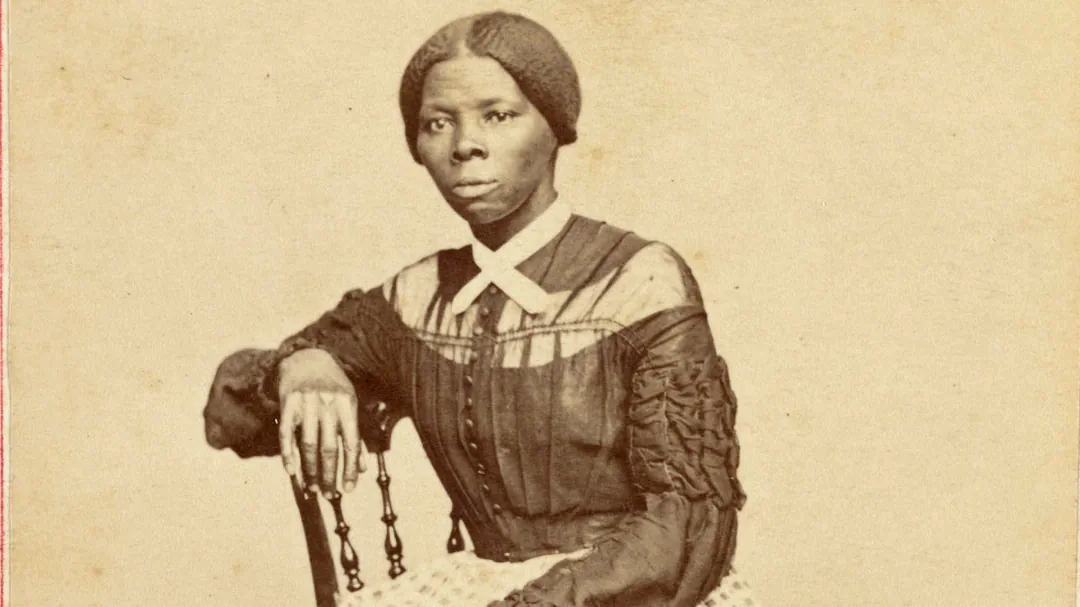
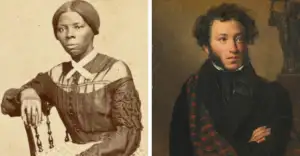
Known for leading enslaved people to freedom via the Underground Railroad, Tubman was also a Civil War spy, nurse, and advocate for women’s rights. Despite her incredible contributions, she spent much of her life in poverty and obscurity.
Trending on The Scroller

6. Alexander Pushkin
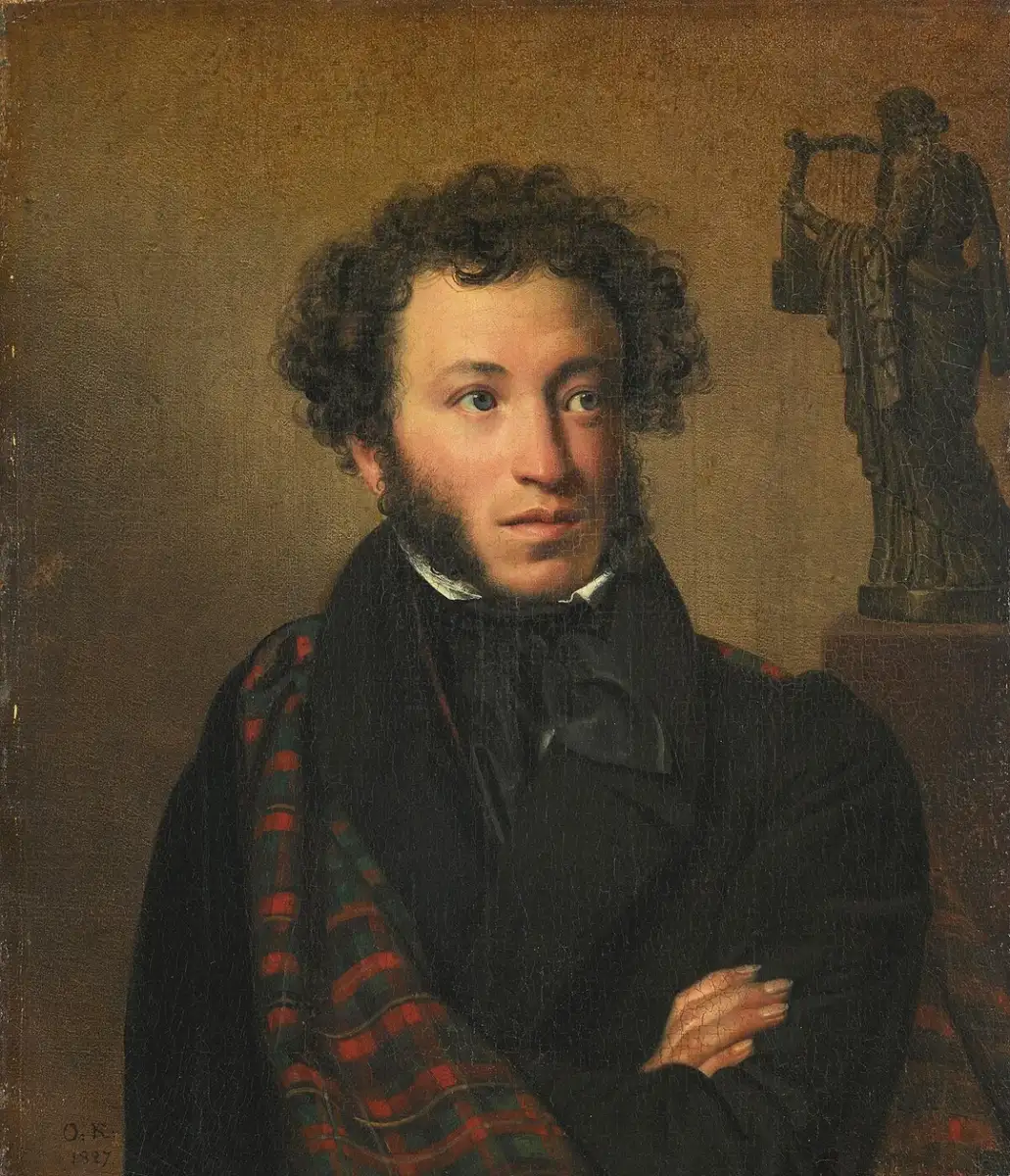
Pushkin revolutionized Russian literature and laid the groundwork for Tolstoy and Dostoevsky. A master of verse, his political ideas and dueling death at just 37 cut short a life that could’ve changed Russia’s cultural and political path.
7. Ignaz Semmelweis
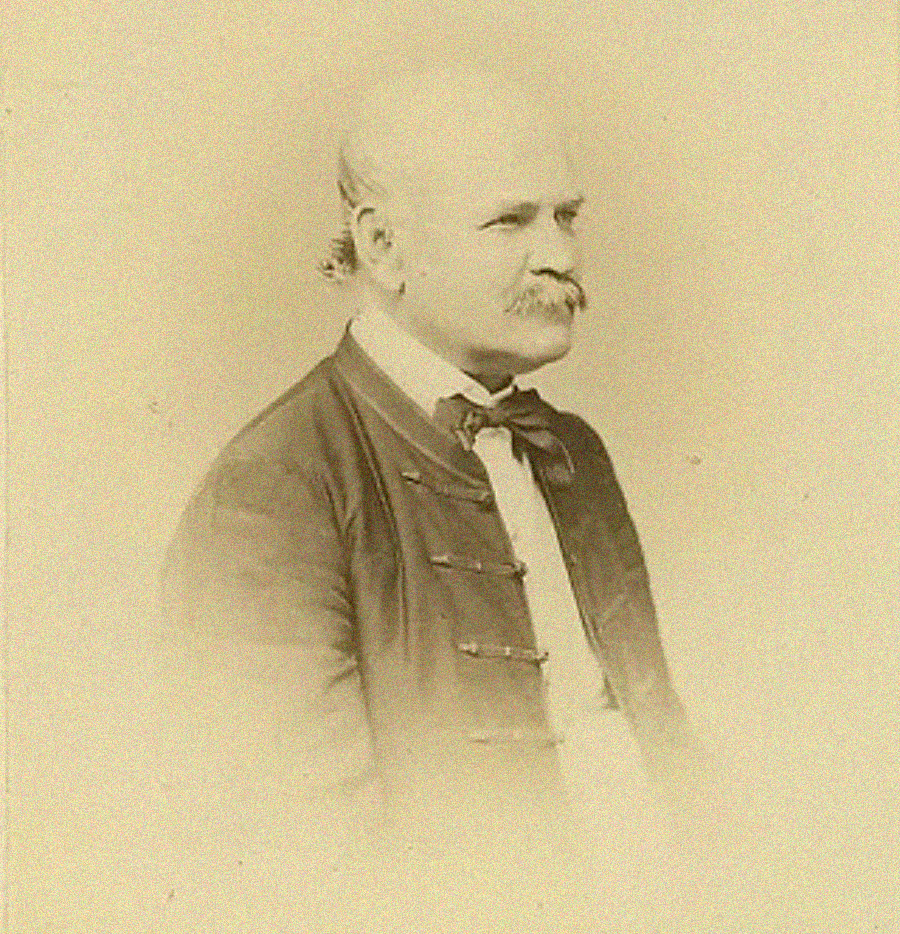
This Hungarian physician discovered that handwashing could drastically reduce infections in maternity wards. Ridiculed by the medical establishment, he died in an asylum. Only years later did germ theory prove him right.
8. Emily Dickinson

Now hailed as one of America’s greatest poets, Dickinson lived a reclusive life and published few poems in her lifetime. Her deeply introspective and experimental work was too radical for her era, but it’s now celebrated for its brilliance.
Sign up for our newsletter
9. John Snow

A pioneer in epidemiology, Snow traced a cholera outbreak to a contaminated water pump before germ theory was accepted. His data-driven approach could’ve revolutionized public health much earlier if his work had been embraced sooner.
10. Simon Bolívar

Called “The Liberator,” Bolívar freed much of South America from Spanish rule. His dream of a united Latin America was never realized, and political division diminished his vision. Yet his ideas shaped the continent’s future.
11. Charles Babbage

While his machines were never completed in his lifetime, Babbage invented the concept of a programmable computer. His work with Ada Lovelace should have propelled him into the pantheon of scientific legends long before the digital age.
12. Sarah Breedlove (Madam C.J. Walker)
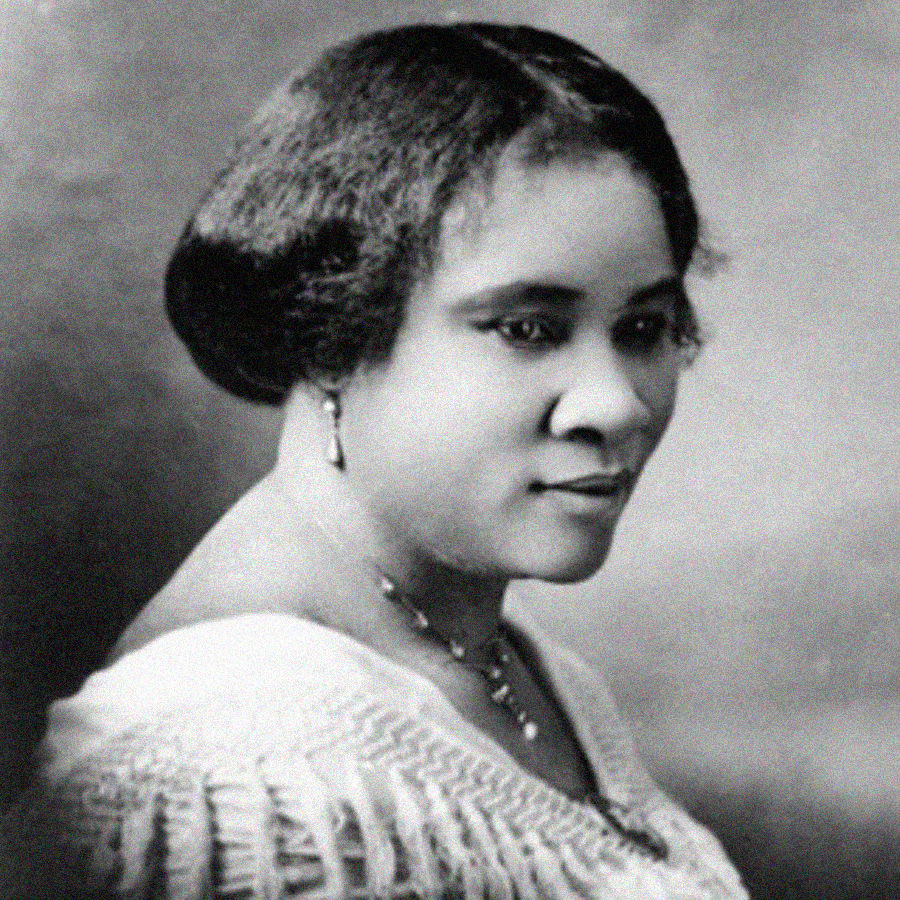
America’s first female self-made millionaire, Walker built a beauty empire and used her wealth to support social causes. As a Black woman in the 1800s, her success was a revolutionary act. Her impact on business and activism continues to inspire.
13. Joseph Lister
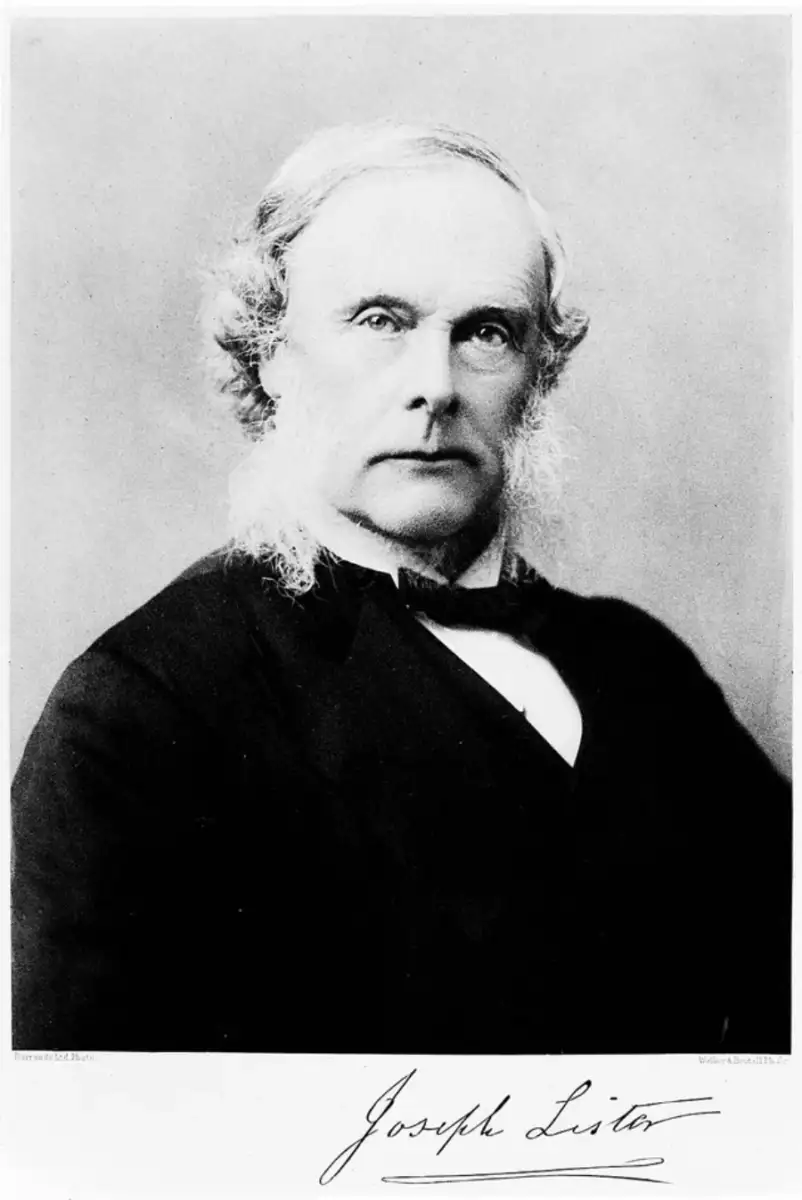
While Lister’s promotion of antiseptic surgery revolutionized medicine, he was initially dismissed by many peers. His insistence on sterile practices eventually saved countless lives, but acceptance came slowly, costing many more.
14. Emily Brontë
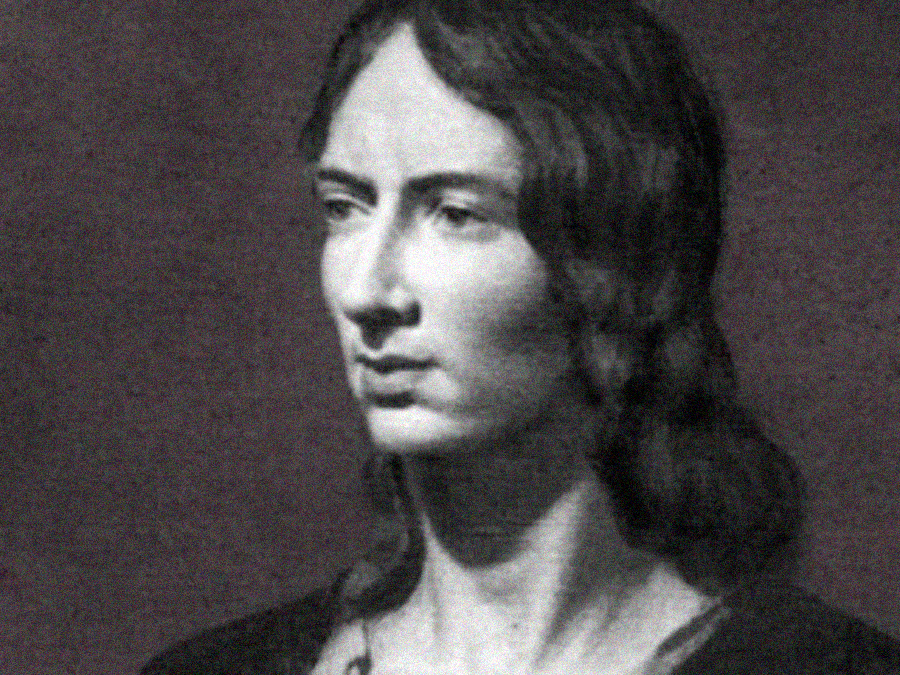
Author of “Wuthering Heights,” Emily’s only novel, shocked Victorian England with its emotional intensity. She died young, and critics long ignored her work, but modern readers now see her as one of the 19th century’s boldest literary voices.
15. Richard Trevithick
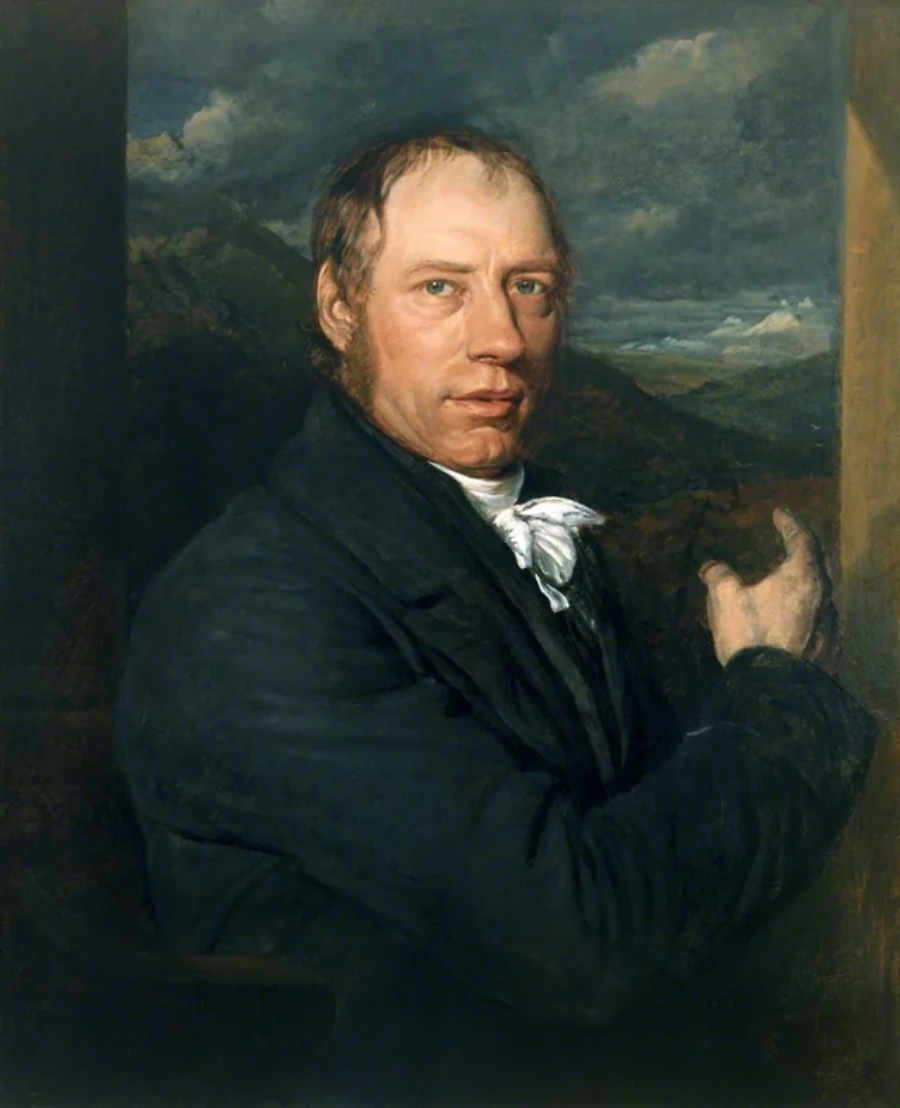
Often overshadowed by names like Stephenson, Trevithick built the first full-scale working railway steam locomotive. Had he found better funding and recognition, his influence on transportation history could’ve been monumental.
Explore more historical content:
If you enjoyed reading about these remarkable figures, you might like these 24 Vintage Photos That Perfectly Capture the Prohibition Era, and also these 15 Vintage Inventions That Never Took Off. Or you can check out these 25 Iconic Moments in History Captured in Color.