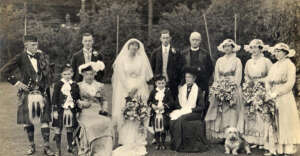
Weddings have always been rich with tradition, but take a peek back to the early 1900s, and you´ll find customs that feel downright bizarre by today´s standards. Here are 18 wedding traditions from the early 1900s that might leave you raising an eyebrow.
1. Brides barely wore white

While Queen Victoria made the white wedding dress popular in the 1800s, many early 1900s brides still wore dresses in colors like brown, gray, or even black, especially if they wanted to reuse the dress later.
2. Weddings were often held at home
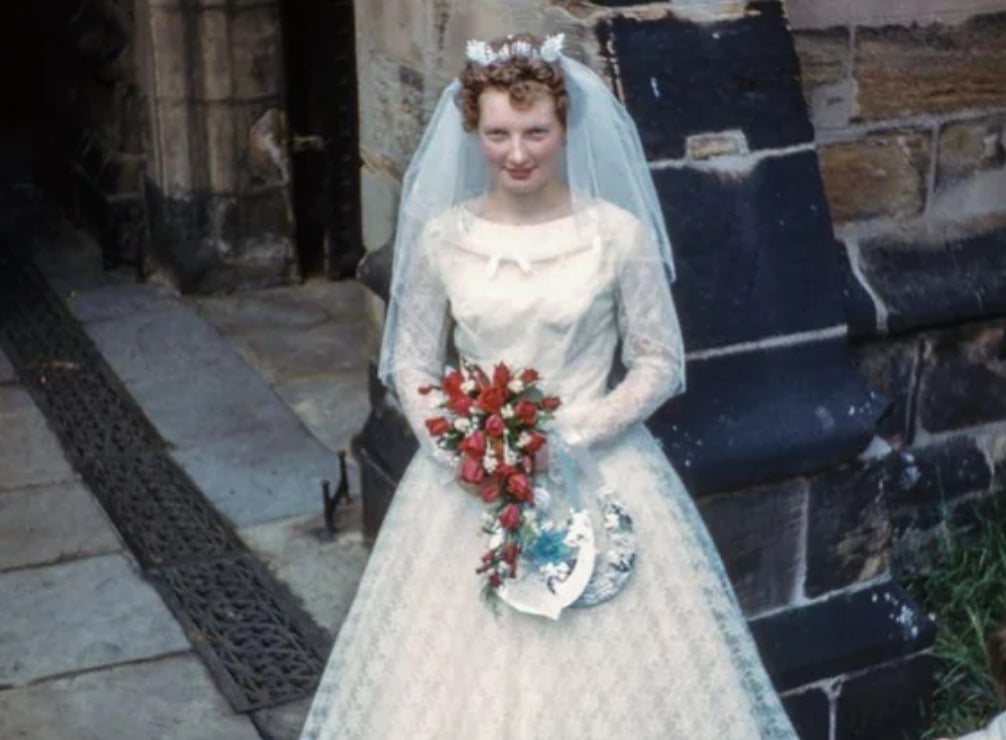
Churches were considered too formal or too expensive for some couples, so it was common for weddings to take place in the bride´s living room, followed by a modest reception in the parlor.
3. Morning weddings were the norm
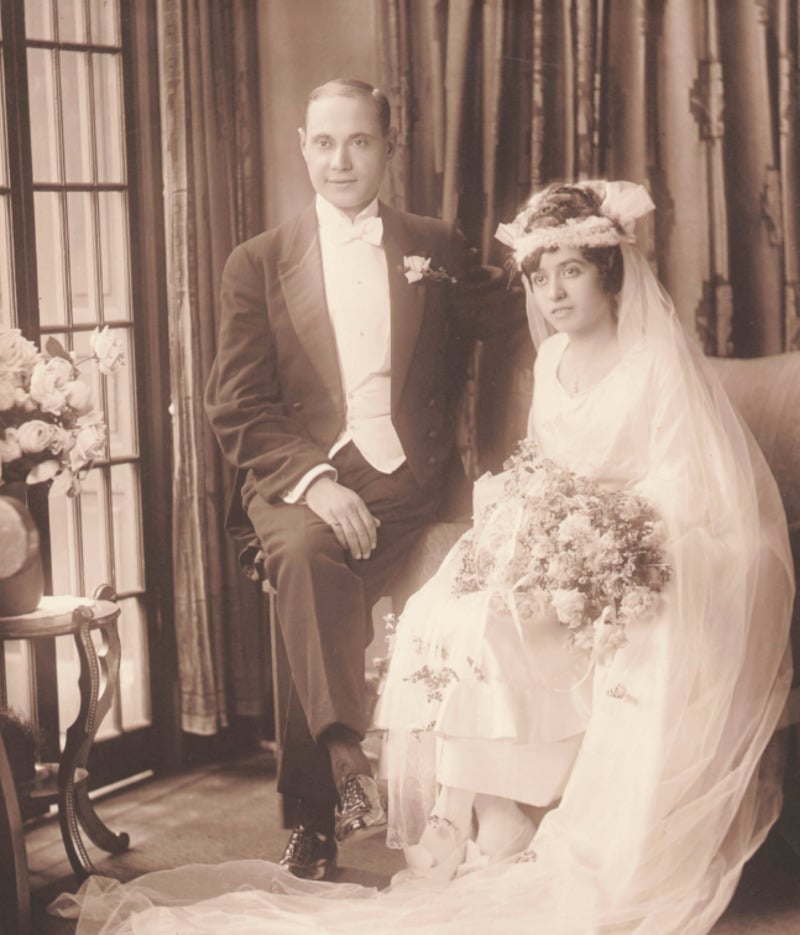
Most weddings took place in the morning or early afternoon. An evening ceremony was seen as inappropriate or reserved for the very wealthy.
4. Veils symbolized obedience

The bridal veil wasn´t just for beauty; it symbolized modesty and the bride´s obedience to her husband-to-be. Lifting the veil signaled the groom´s “claiming” of his wife.
5. Orange blossoms were all the rage
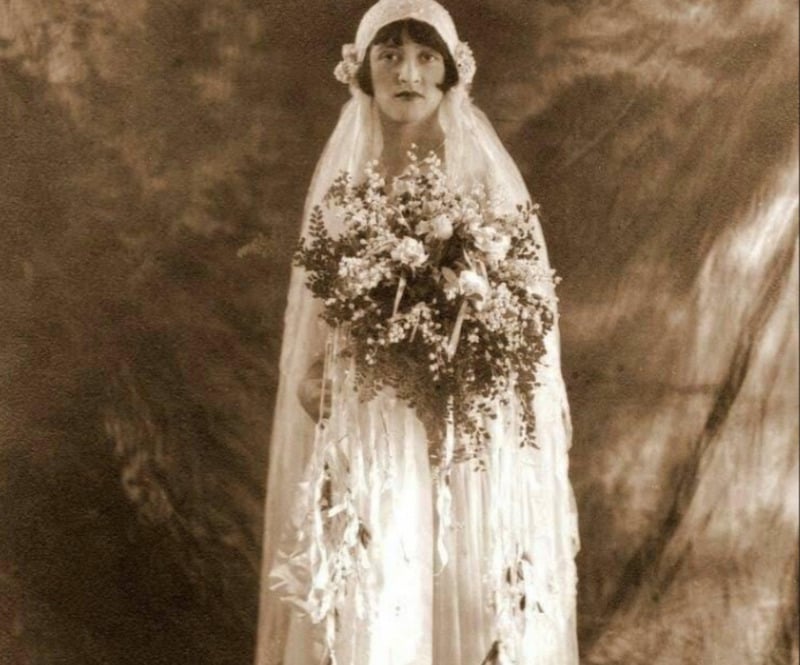
Forget roses or peonies, brides in the early 1900s were obsessed with orange blossoms. The flowers were believed to bring fertility and purity, and often adorned bouquets and headpieces.
Trending on The Scroller
6. No kissing at the altar
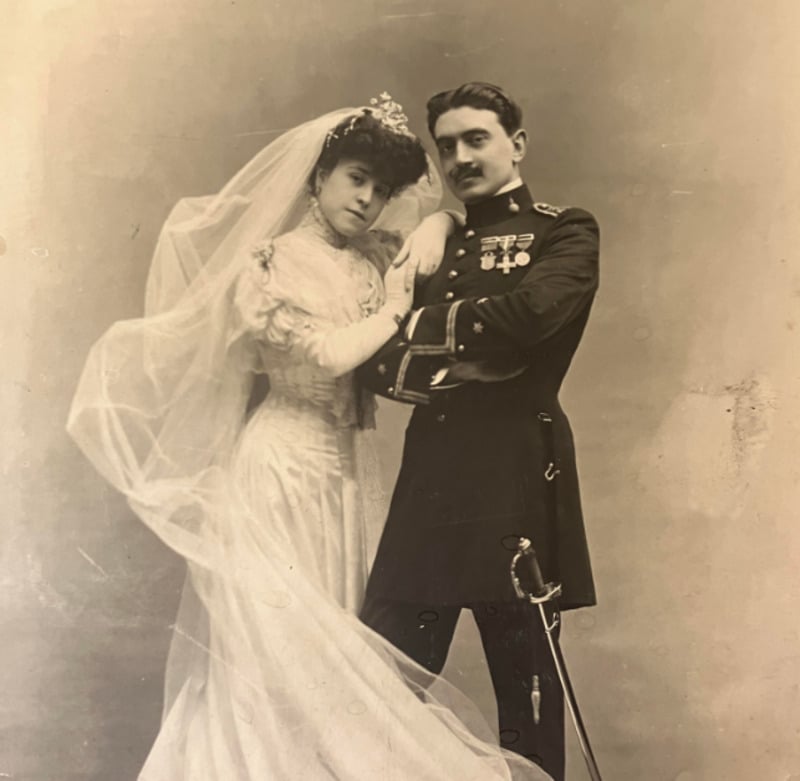
Public displays of affection were frowned upon. Early 20th-century ceremonies typically ended without a kiss; in fact, some ministers outright banned it.
7. Brides didn’t carry flowers
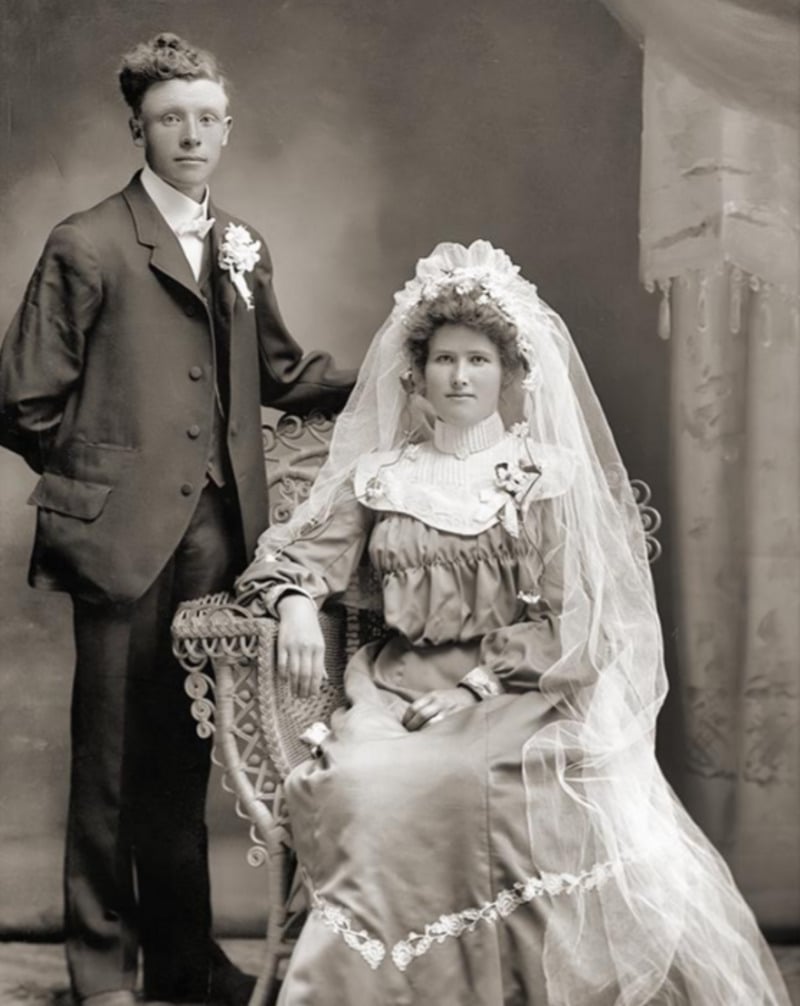
In religious families, it was common for brides to carry a small bible or prayer book instead of flowers, especially in protestant or catholic households.
8. No engagement ring for him
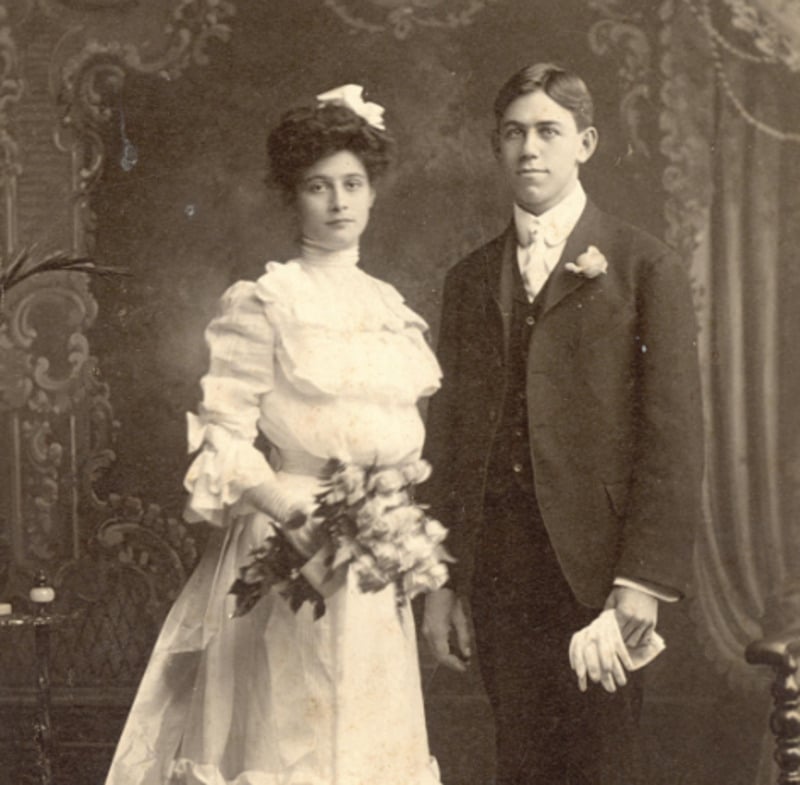
Only women wore engagement rings. Men didn´t receive or wear rings until much later, when post-WWII marketing campaigns popularized the male wedding band.
Sign up for our newsletter
9. Honeymoons were rare
Only wealthy couples could afford to travel. For most, a honeymoon was simply a short visit to nearby relatives, or skipped altogether.
10. Elaborate Going-Away outfits
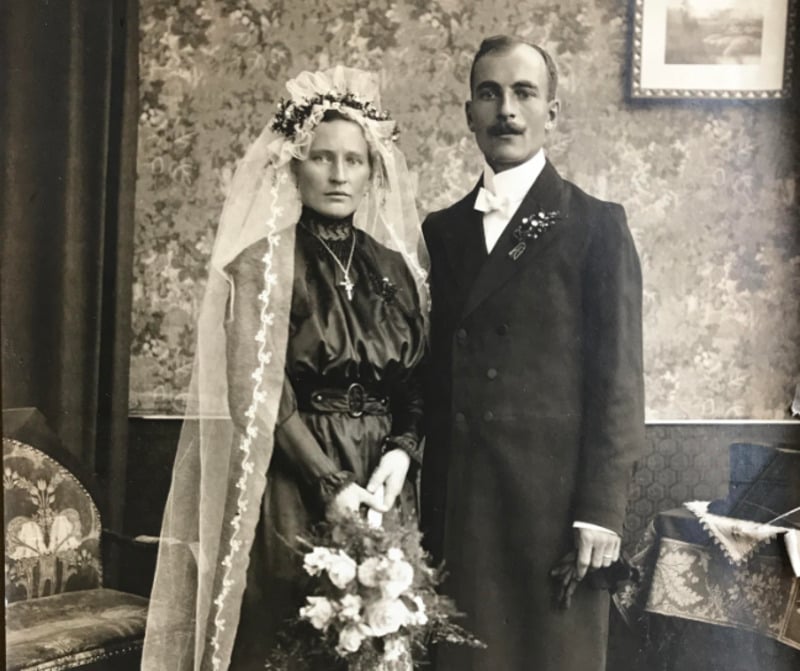
Brides would change into a second outfit, often more practical and modest, to leave the reception and begin married life. It was called the “going-away dress”.
11. Parental consent was mandatory

Even if a couple was of legal age, it was considered improper to marry without the formal blessing of both sets of parents.
12. Trousseau display parties
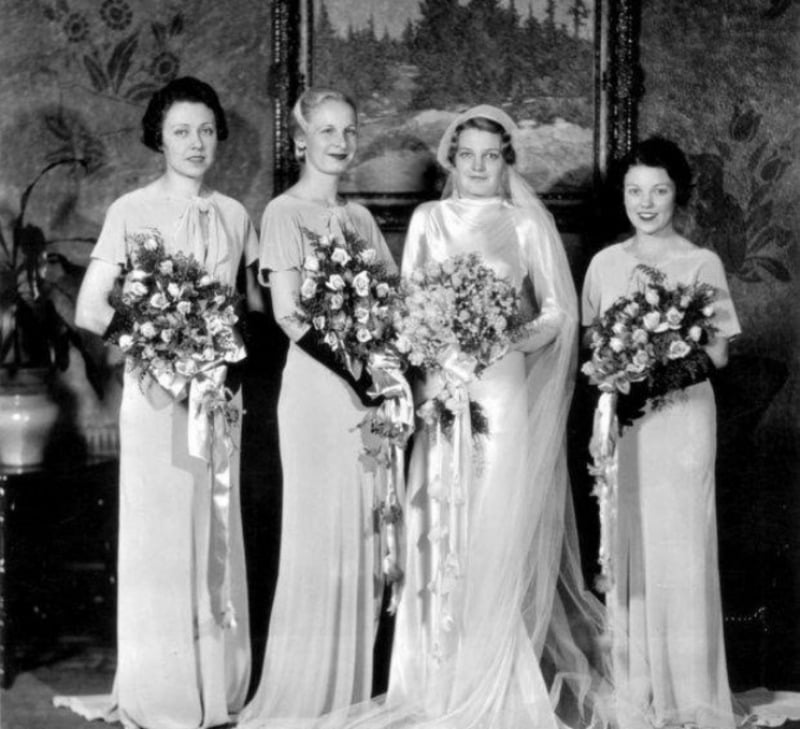
Before the wedding, brides would host parties to show off their trousseau, a collection of clothes, linens, and personal items they had been preparing for married life.
13. Guests pinned money to the bride
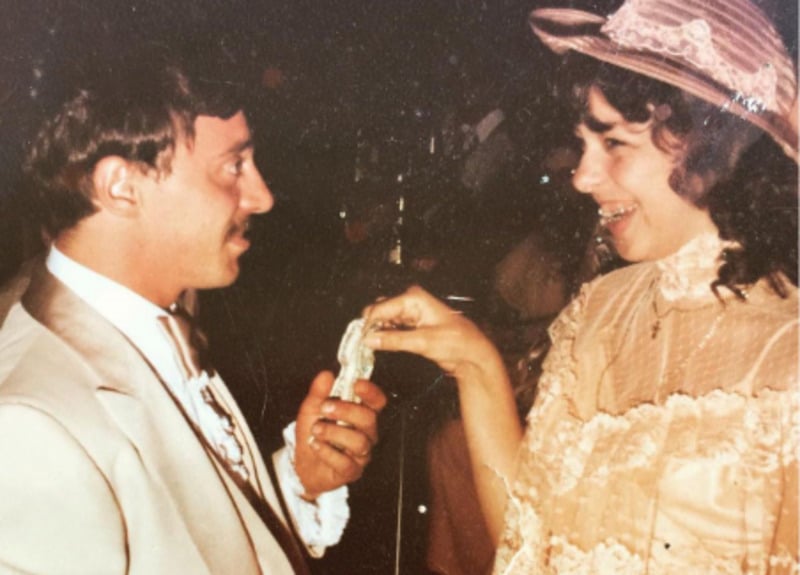
Instead of giving gifts in boxes or envelopes, some guests would pin money to the bride´s dress during the reception. This tradition, which often resembled a “money dance”, was a practical way to help newlyweds start their life together.
14. Strict rules about color
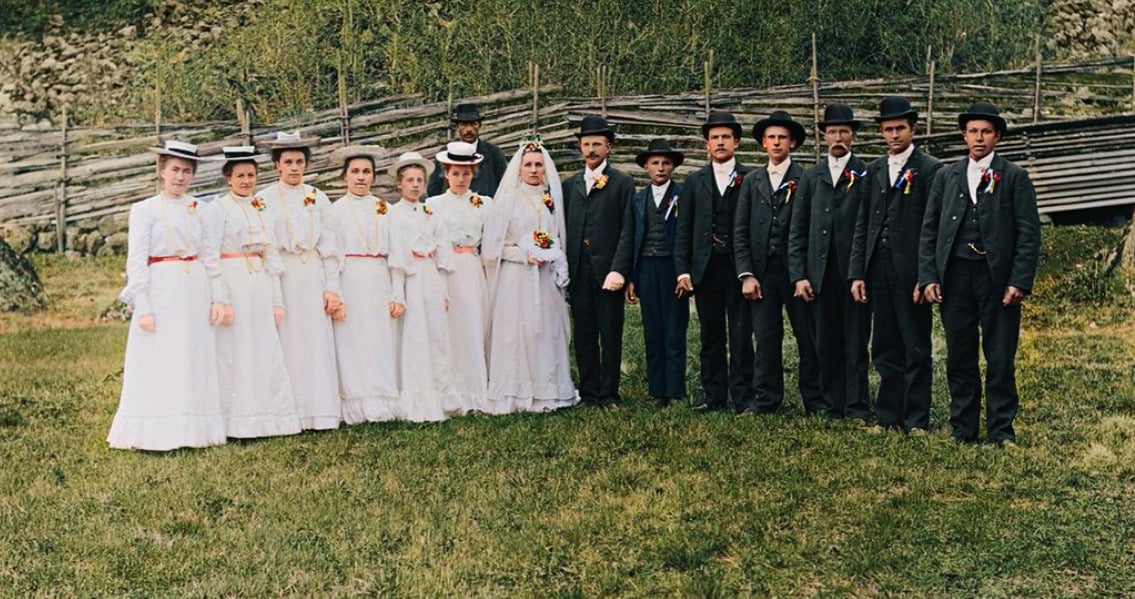
Certain colors were deemed inappropriate for weddings. Red was seen as scandalous, green was bad luck, and yellow was considered cheap.
15. Superstitions rule everything
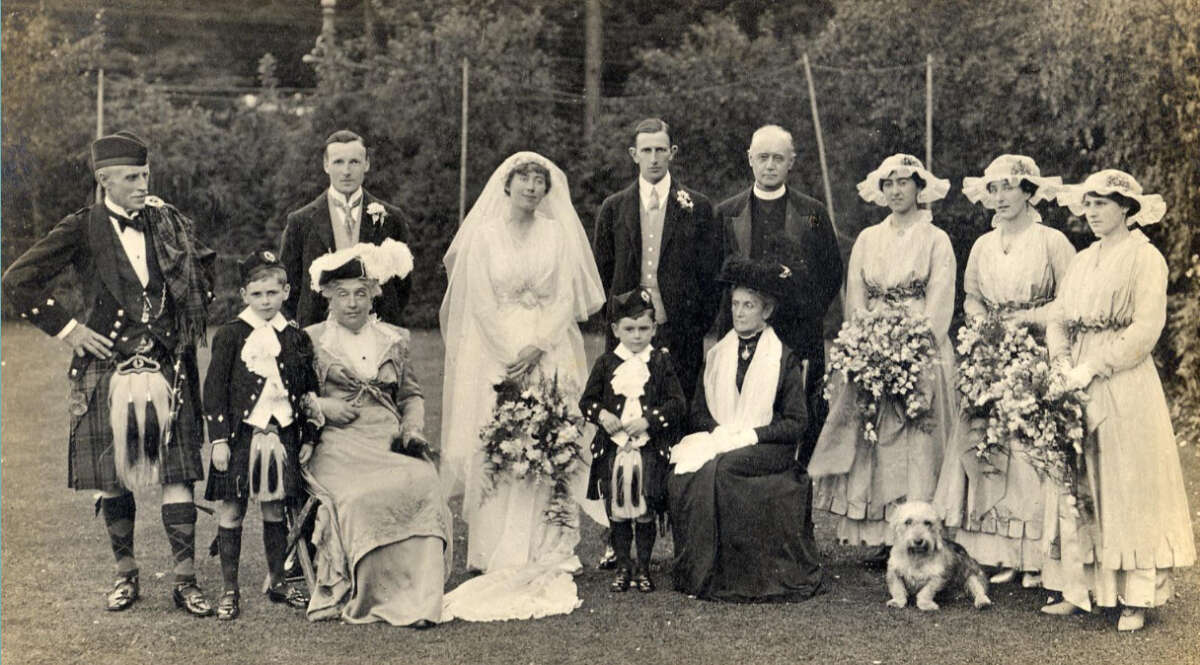
From not seeing the bride before the wedding to carrying a lucky horseshoe in the bouquet, couples leaned heavily on superstitions to secure a happy future.
16. Grooms rarely had a say

Wedding planning was entirely in the bride´s domain; grooms were expected to show up, say “I do”, and otherwise stay out of the details.
17. No wedding planners, just mothers

Instead of a professional planner, the bride’s mother (and often her aunts) were in charge of organizing everything, down to seating and food.
18. Weddings were a rite of passage

More than a romantic union, a wedding was viewed as a social duty, a woman´s formal transition into adulthood, motherhood, and domestic life.
Explore more vintage content:
While these customs may seem quaint or even a little unsettling, many reflected the social norms and economic realities of the early 1900s. Today´s weddings are more personal, flexible, and diverse. Check out these 24 Vintage Photos of Honeymoons in the 1940s–1970s, or 35 Vintage Photos Of The Early 1950s.