Before radios, fingerprints, or modern patrol cars, samurai lawmen kept order with notebooks, nerve, and centuries-deep codes. From Edo’s street magistrates to Kyoto’s crisis-era patrols and the Meiji founders of national police, these were the figures who turned sword arts and paperwork into public safety. Here are 16 portraits of samurai lawmen who kept the peace, one warrant at a time.
1. Ooka Tadasuke turns Edo’s courts into common-sense justice

A high-ranking magistrate nicknamed “Ōoka Echizen”, he blended sharp legal reading with everyday fairness. His rulings became folk tales because he could see around corners, catching lies without crushing the poor. In an age of rigid codes, he made the law feel human and still unbreakable.
2. Yamada Asaemon, the sword tester who made sentences stick

Official executioners and blade examiners, the Yamada line handled the state’s hardest jobs with ritual precision. Asaemon’s records show a grim professionalism that deterred repeat crime. Law without an endgame is theater; he was the endgame. Seriously, though, just the kind of historical character to present himself within some of your worst nightmares.
3. Hattori Hanzo turns a clan of spies into the shogun’s bodyguard

The Iga master escorted Tokugawa Ieyasu through civil-war chaos, then organized guard details at the capital’s gates. Part scout, part security chief, he made passageways and passwords a science. Peace often starts with the door that never gets kicked in.
4. Yagyu Munenori polishes the shogun’s sword, and his security state

As a fencing master and senior counselor, he taught lethal calm and advocated intelligence networks that spotted trouble early. His treatise on strategy reads like leadership for patrol captains: discipline, perception, timing. When palace politics heated up, his students remained calm.
5. Matsudaira Katamori holds Kyoto together in a season of plots

As Kyoto’s military governor (Shugoshoku), the Aizu lord sponsored patrol units, most notably the Shinsengumi, to ensure the safety of imperial avenues. He balanced court ritual with street reality, a diplomat’s bow over an iron spine. The city didn’t implode on his watch.
Trending on The Scroller

6. Kondo Isami turns the Shinsengumi into Kyoto’s fearsome beat cops

A swordsman from a small dojo, he molded volunteer samurai into a patrol force that prowled tea districts and temple roads. Loyalty was everything; discipline, absolute. His presence alone made conspirators pick quieter teahouses.
7. Hijikata Toshizo writes the hard rules and enforces them

The Shinsengumi’s vice-commander drafted a code that punished desertion and bribery as harshly as enemy blades. He paired strict internal order with meticulous patrol plans. If Kondo was the face, Hijikata was the backbone.
8. Okita Soji polices with speed and soft manners

The prodigy captain moved like lightning on raids yet was famously gentle with civilians. He kept his men drilled, routes memorized, and tea-house gossip turned into maps. Calm on the street, lethal where it counted.
Sign up for our newsletter
9. Saito Hajime survives the revolution and becomes a Meiji policeman

A Shinsengumi captain who later served under his legal name (Fujita Goro) in the new police, he proved that peace needs veterans, too. Sword skill turned into suspect control and case work. Different regime, same job: keep people safe.
10. Nakagura Shinpachi turns captaincy into community

After Kyoto’s turmoil, he taught swordsmanship and helped preserve records of who did what and why. His notes show patrol craft because he knew who knocked first, which alleys echo, and where to stand when a door opens. Memory is a form of policing.
11. Kawaji Toshiyoshi builds a modern police from samurai habits

A Satsuma samurai and Meiji official, he studied European forces and then fused them with local street sense. Uniforms, beats, stations; he sketched the map that Japan still uses. The baton replaced the sword; the calm, quick, and precise mindset stayed.
12. Itakura Katsukiyo keeps Kyoto’s powder keg from blowing

As Kyoto administrator late in the shogunate, he coordinated with patrol units and magistrates to defuse street clashes before they became uprisings. Paperwork by day, guard rotations by night. The capital’s calm was an hourly achievement.
13. Toyama Kagemoto (Kin-san) polices various districts with a hidden tattoo

The real magistrate behind the folk hero “Kin-san” worked the rowdiest neighborhoods with informants and steady walks through teahouse alleys. Stories say he flashed a cherry-blossom tattoo to gain trust among commoners. Legend aside, his docket proves he kept order where nightlife never slept.
14. Okubo Toshimichi turns samurai discipline into a national police
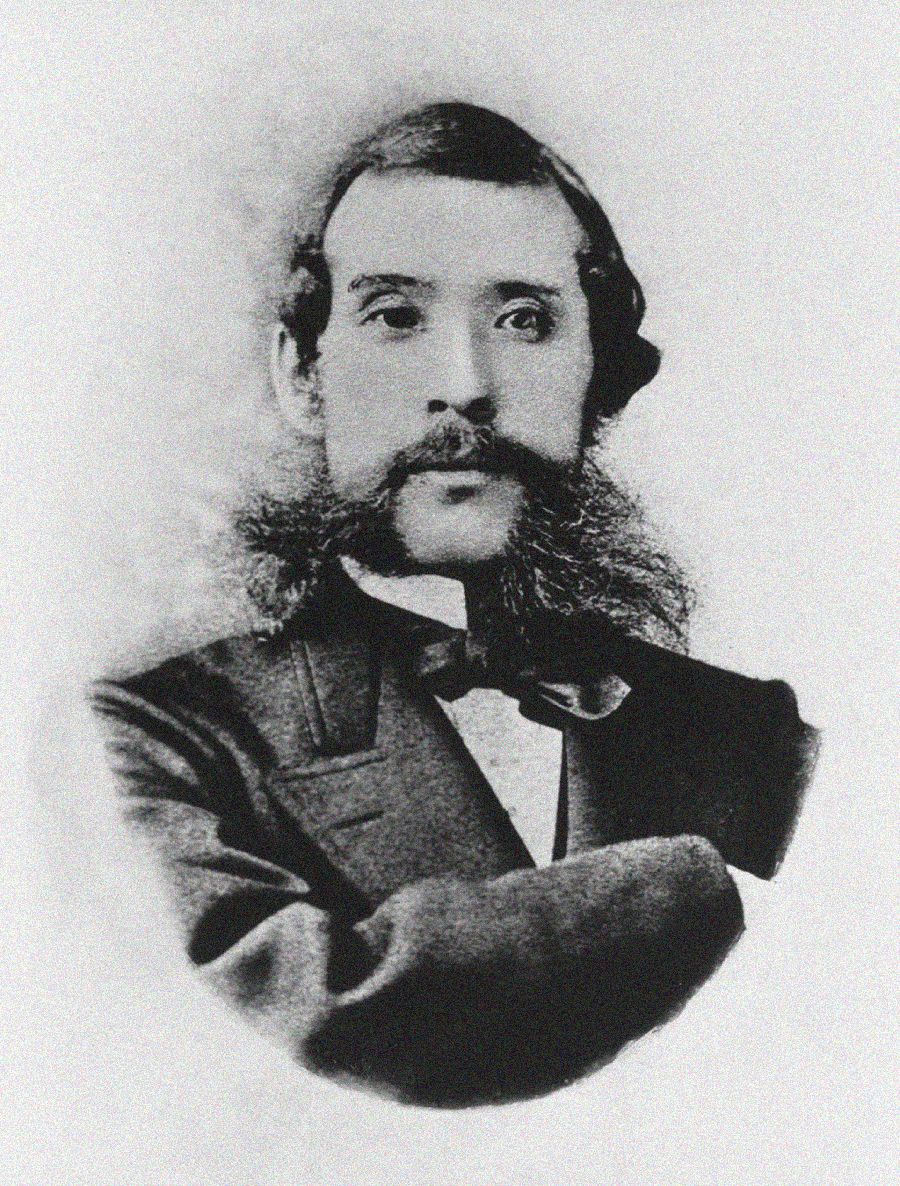
As Meiji Home Minister, Okubo pushed through the reforms that professionalized policing, like uniformed beats, stations, and a clear chain of command. He treated public order like infrastructure: plan it, fund it, staff it. The baton replaced the sword, but the rigor stayed very samurai.
15. Yamaoka Tesshu keeps the capital calm at sword’s length

Let’saskShogo / via youtube.com
A famed swordsman turned court insider, Yamaoka helped negotiate Edo Castle’s peaceful handover and later oversaw palace security. He trained guards to value timing and restraint as much as technique. When tempers ran hot, his answer was order without spectacle.
16. Matsudaira Sadaaki steadies Kyoto as shoshidai

Serving as the shogun’s civil governor in Kyoto during a volatile stretch, Sadaaki balanced court ritual with street-level security. He coordinated magistrates and patrol units to keep plots from becoming riots. Behind the palace screens, he drew lines the city could live with.
Explore more historical content:
Strip away the folklore and you still see the through-line: samurai lawmen kept order with discipline, intelligence, and a refusal to blink first. Want more quick, character-driven history? Check these 20 Border Town Sheriffs and Their Line-in-the-Sand Stories, or these 15 Historic Lawmen Who Inspired Hollywood Legends.