No matter how great they look, movie creatures don’t move on their own. Usually, someone is sweating inside a suit, rides a rig, or works a cable to make a snarl feel real. It takes craft, patience, and a lot of trust that the magic will land on camera.
These are the people under latex and fur, and the teams hiding just off-frame. You’ll see the work, the fixes, and a few costly contraptions that barely survived the day.
1. T. Rex, from Jurassic Park – 1993
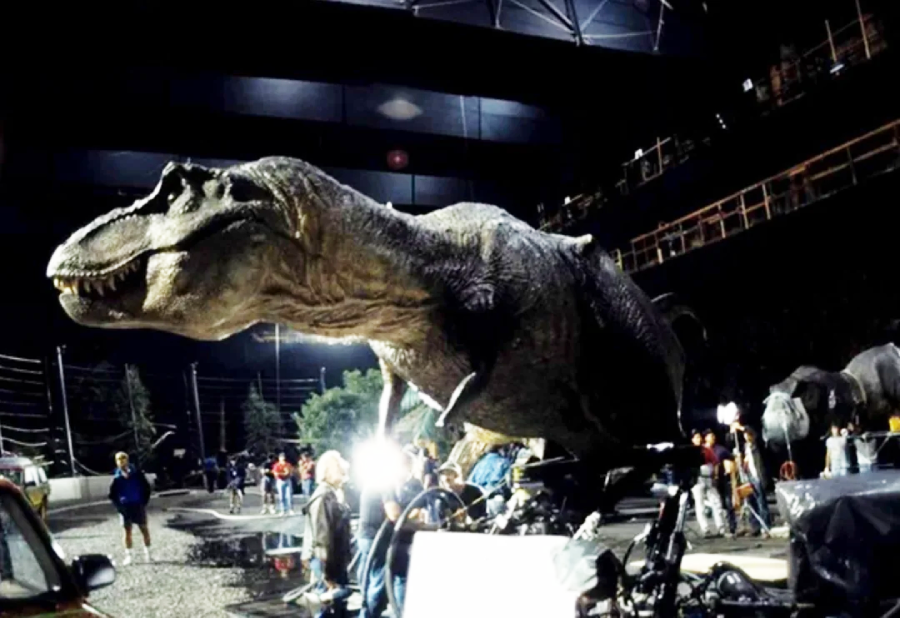
Stan Winston’s team built a full-size T. rex that shook the set and the cast. The rain made the skin soak up water, so the animatronic would shudder and “wake up” between takes. The crew towel-dried it to keep the shots usable. The creature mixed full-scale hardware, miniatures, and ILM VFX so the movement felt alive on every scale. To this day, it remains the blueprint for creature work.
2. “Bruce”, the shark from Jaws – 1975

The mechanical shark cost about $250,000 and hated salt water. While filming, pumps failed, skins split, and the ocean turned short days into long waits. Spielberg shot around the problem, which made the final menace even sharper. These breakdowns are what shaped the entire film’s style.
3. Jabba the Hutt, from Return of the Jedi – 1983

Jabba was a massive puppet run by multiple performers. Building him reportedly cost about $500,000, and the team coordinated eyes, mouth, and tail like a live orchestra. The scale forced a new staging on set, but the payoff was a slug that felt weirdly real.
4. The Xenomorph, from Alien – 1979
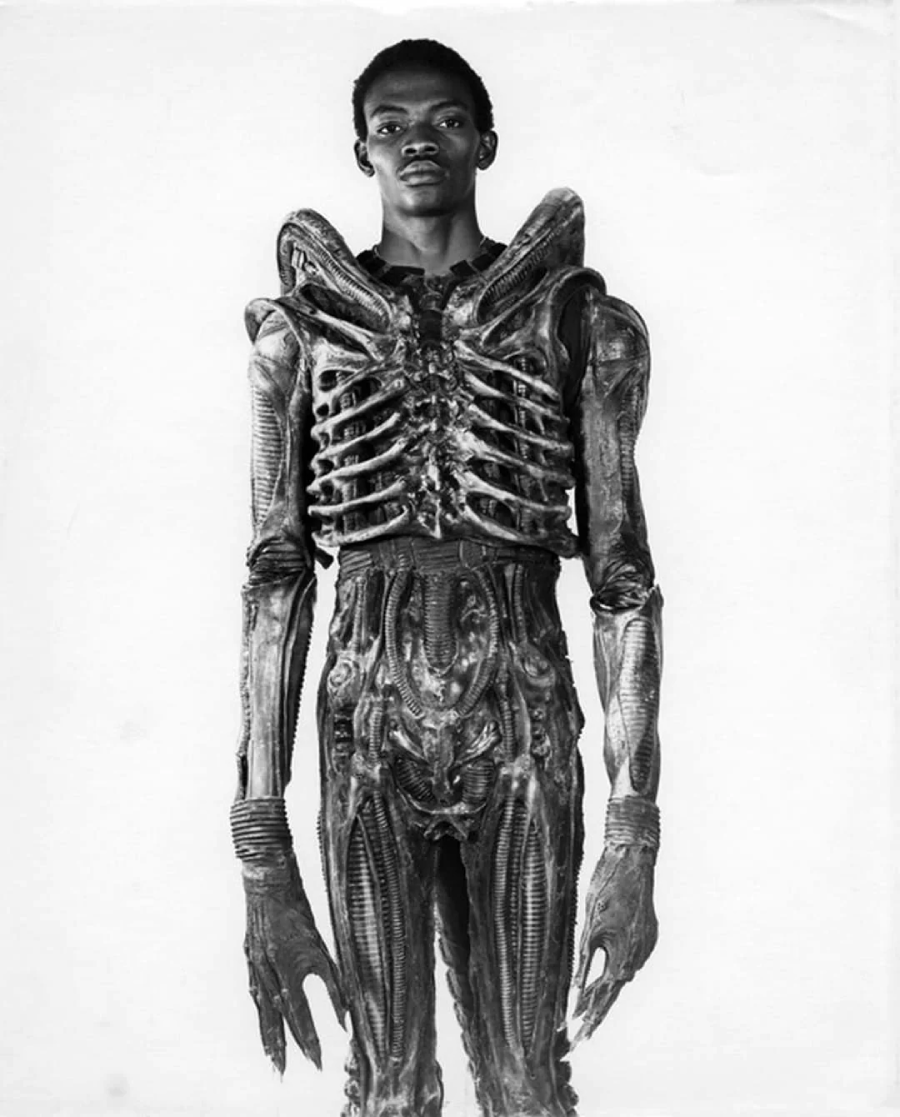
Bolaji Badejo was a 6’10” art student who wore the suit because his frame looked inhuman on camera. He studied slow, precise movements so the creature never felt like a man in a rubber suit. For the close shots, they used a detailed head rig and puppetry for the famous inner-jaw bite. That mix kept the monster elegant and frightening.
5. Predator, from Predator – 1987

Jean-Claude Van Damme tried the early suit, but the look and scale weren’t working. Kevin Peter Hall replaced him and gave the creature a towering presence and a measured movement. Stan Winston’s redesign sold the silhouette, and the jungle heat did the rest. The swap saved the movie’s villain.
Trending on The Scroller

6. E.T., from E.T. the Extra-Terrestrial – 1982
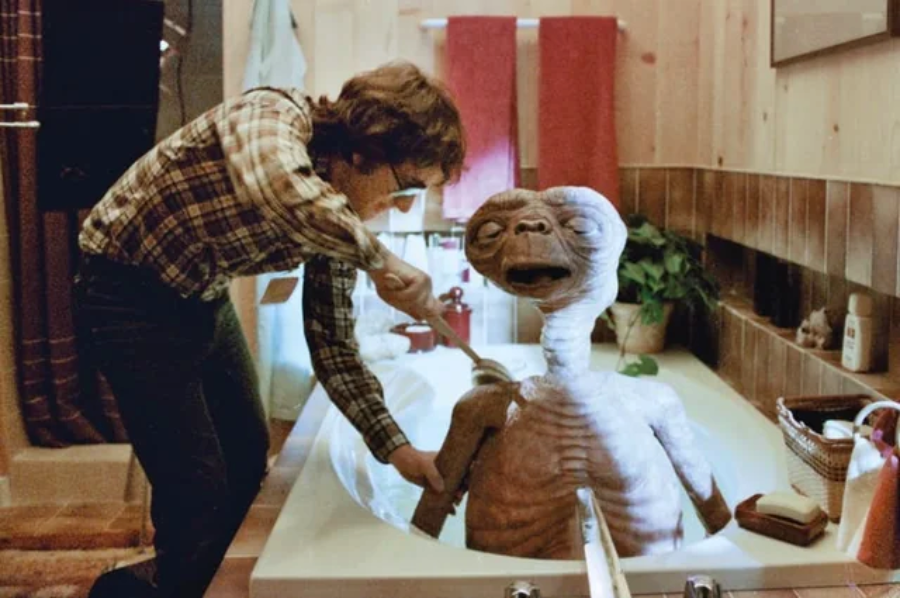
Carlo Rambaldi’s animatronic E.T. reportedly cost about $1.5 million to create. Different puppets and suits handled the walking, blinking, and close-ups, while child performers helped with the natural gestures. The head’s mechanics carried most of the emotion. It was very delicate, so the crew worked slowly and steadily.
7. The Thing, from The Thing – 1982
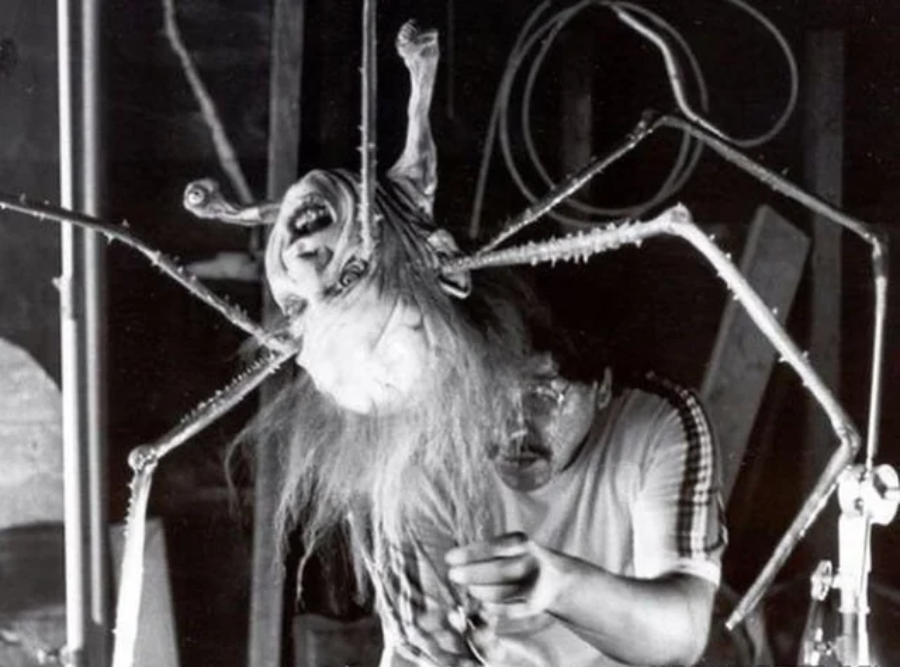
Rob Bottin led a young team that built wild, changing creatures. The practical effects budget hit about $1.5 million, and the workload pushed Bottin to the edge. Hydraulic rigs, bladders, and cable pulls created transformations right in front of the lens. When the pieces jammed, the team rewired and shot again.
8. Godzilla, from Godzilla – 1954
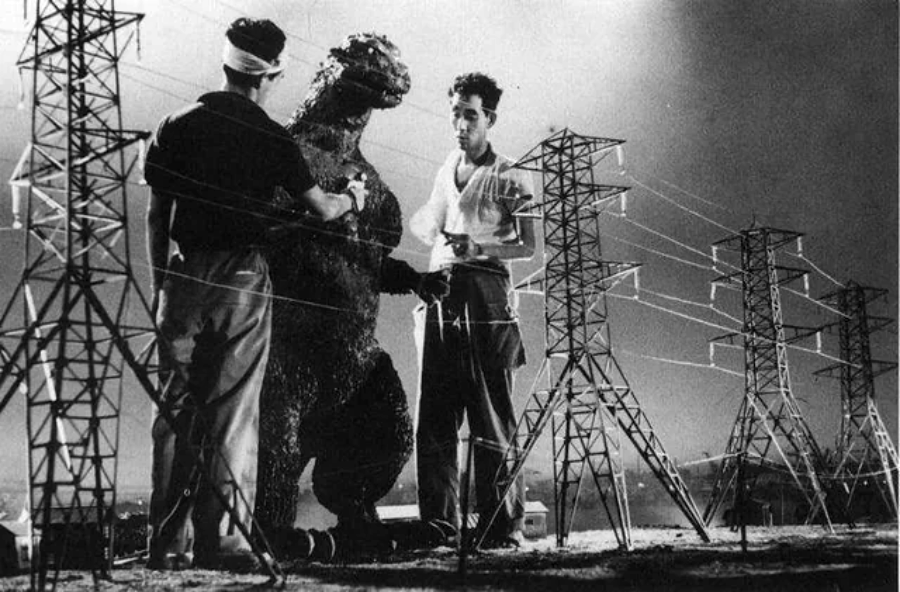
To bring Godzilla to life, Haruo Nakajima wore a suit that weighed around 220 lb and heated up under the lamps. He studied animal movement, then turned that weight into slow, heavy steps. The suit’s hard rubber made every motion a fight, but he still found character in it. That work defined Godzilla for decades.
Sign up for our newsletter
9. Chewbacca, from Star Wars – 1977

Peter Mayhew’s height and gentle timing made Chewie more than a roar. The suit was hot, and the set was busy, so the rest breaks were tight. Small head fans and careful blocking are what kept him going. The simple choices gave the Wookiee heart.
10. R2-D2, from Star Wars – 1977

Kenny Baker climbed inside the dome for many shots, while radio-control handled others. Switching methods kept the little droid expressive without slowing the schedule. The beeps were sound design, but the wobble and tilt sold the mood. That split approach made R2 feel alive.
11. RoboCop, from RoboCop – 1987

Peter Weller trained with the mime coach Moni Yakim to find that iconic, deliberate walk. The suit was heavy and blistering, so the pace became a part of the character. Every turn and head tilt was planned, and the limits of the costume turned it into a style.
12. Teenage Mutant Ninja Turtles, from Teenage Mutant Ninja Turtles – 1990
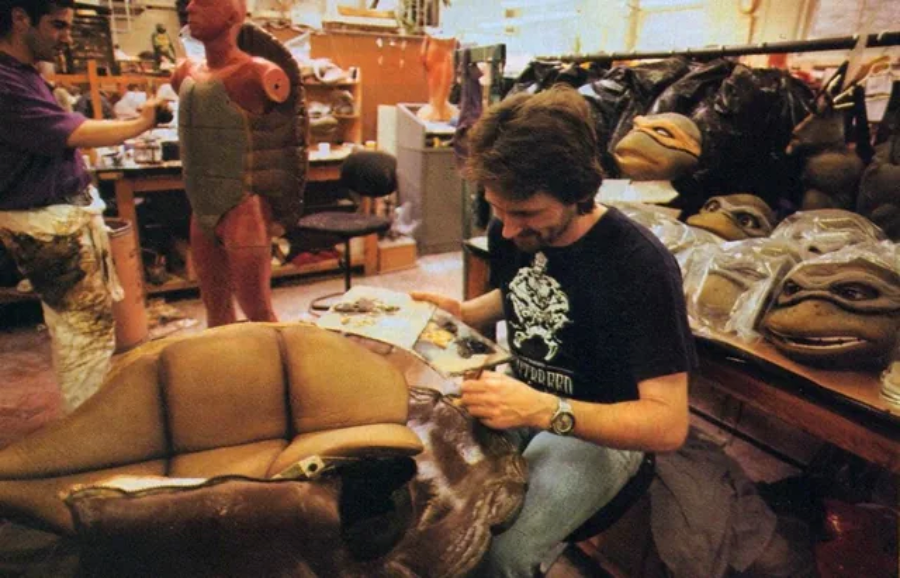
Jim Henson’s Creature Shop built servo-driven heads with lip synch and blinks. Heat, sweat, and fogged visors made fights tough, so the crews had to pause often. The faces sometimes stalled mid-line, and puppeteers reset them between takes. It was slow work, but it paid off in charm.
13. Stay Puft Marshmallow Man, from Ghostbusters – 1984

A performer in a foam suit walked a miniature New York like it was a playground. The costume burned in one pyro gag, so the team rebuilt the pieces on the fly. Layers of composite shots sold the scale. It was a goofy idea with a great execution.
14. Gremlins and Gizmo, from Gremlins – 1984
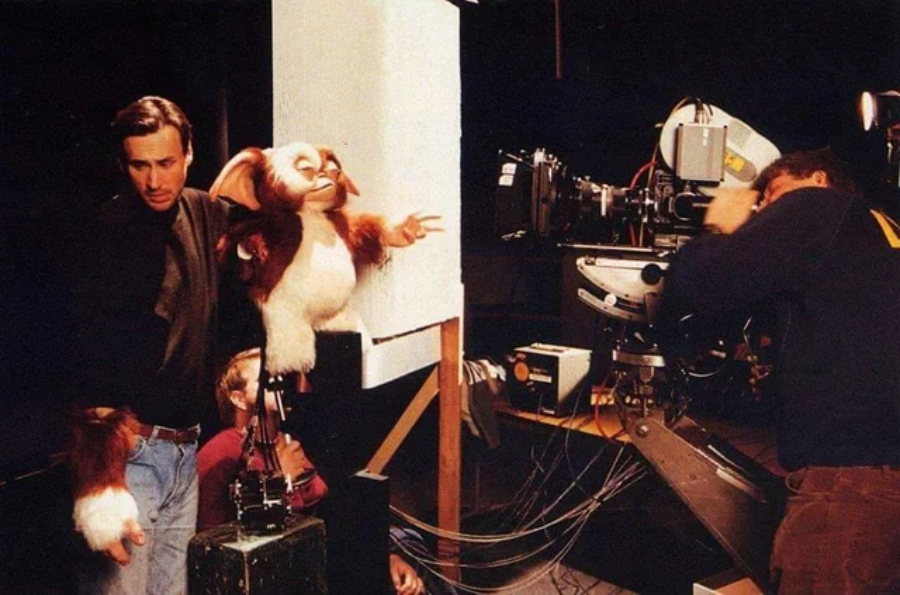
Tiny cable-controlled faces and rod puppets handled most close-ups. Multiple puppeteers hit cues at once, which meant lots of resets when the eyes or ears missed their mark. The set slowed down so the expressions could land. This good puppetry did the heavy lifting.
15. The Xenomorph Queen, from Aliens – 1986

A huge puppet, several operators, and clever rigs brought the Queen to life. The body hung from a crane so she could lunge without tipping over. Close shots layered in cable pulls for snarl and stare. It was muscle and mechanics working together.
Explore more celebrities’ content:
Movie creatures work because people do. Suits, puppets, and rigs only become scary or sweet when a performer and a crew push them over the line. If this peek behind the latex hit the spot, keep scrolling through these 15 Rebellious Celebrities Who Got Thrown Out of School, or these Mugshots of ’70s–’90s Actors and the Stories Behind Them. If you want more oddness, you can check Inside the Lives of 15 Legendary Cryptozoologists.