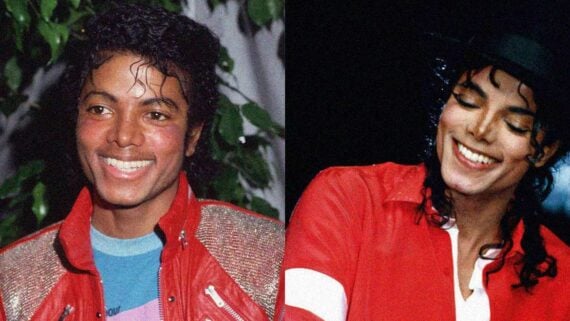
Michael Jackson is, without a doubt, one of the most important figures in music history. His art reached every corner of the world, and even years after his passing, new generations continue to discover and listen to his music, proving that true artistry has no age. He became one of the most recognized performers of all time, with fans across the globe celebrating his life and mourning his loss. Jackson is still remembered for the massive impact he had on pop culture and the music industry. His work ethic, charisma, and personality shined far beyond the stage, showing how one person can influence millions.
From his early days with the The Jackson 5 to becoming the King of Pop, Michael Jackson consistently proved he was a transformative force. He didn’t just follow trends, he created them. Through music, performance, visuals, and innovation, he redefined what it meant to be a global artist. These moments highlight how his influence went far beyond songs, shaping the way we experience entertainment today.
1. Motown 25 and the Moonwalk (1983)
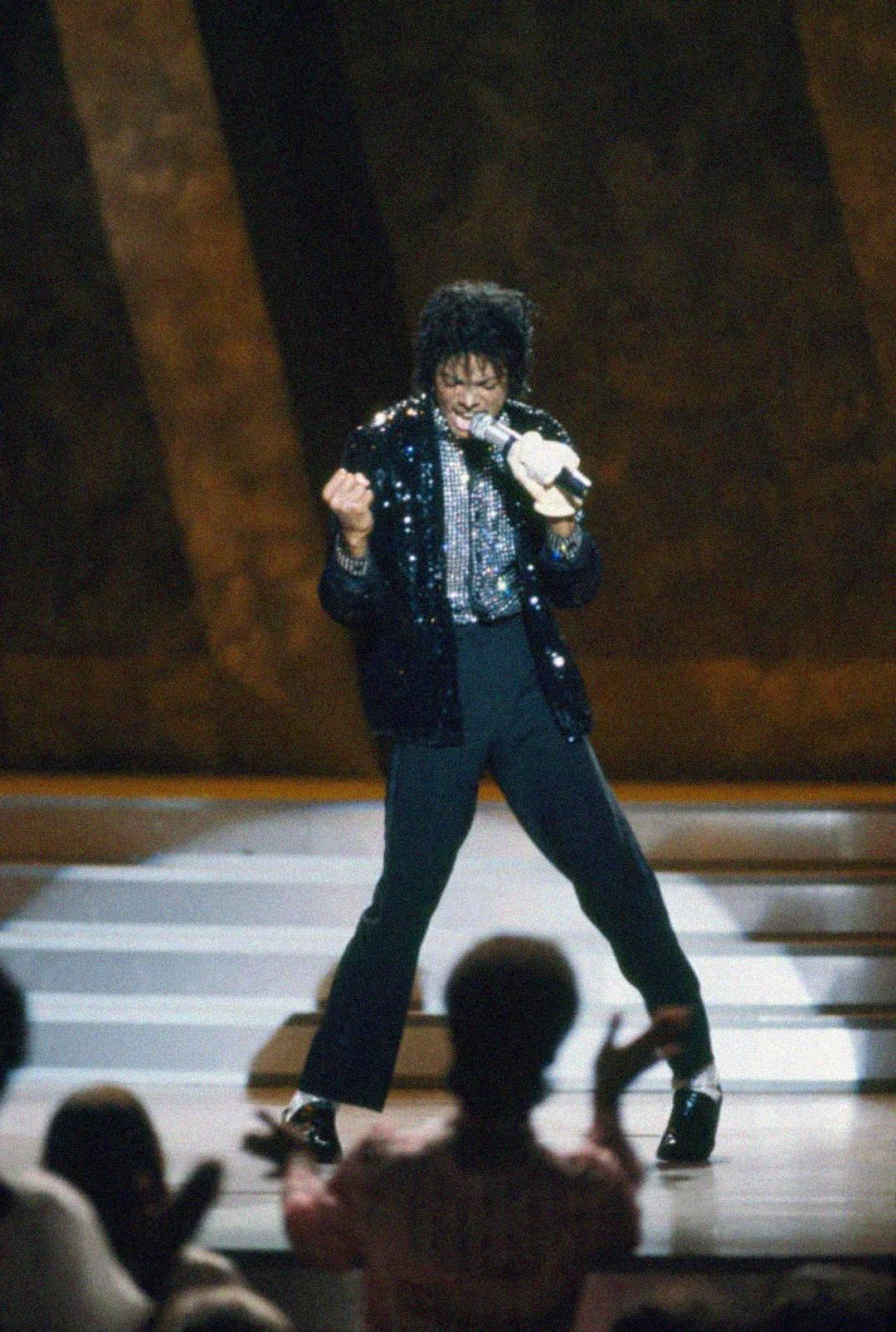
When Michael Jackson performed Billie Jean at the Motown 25: Yesterday, Today, Forever television special, history was made. During that performance, he introduced the moonwalk to a global audience. The move instantly became one of the most famous dance moves in history and changed how pop performances were judged. After this moment, artists were no longer just singers, they were expected to be full performers. Today, many pop stars are evaluated as much for choreography and stage presence as for their music, and Michael Jackson is still referenced and imitated through the moonwalk.
2. Thriller Music Video (1983)

The video for Thriller was a once-in-a-lifetime experience. It was not just a music video but a short film with a storyline, costumes, choreography, and cinematic production. It changed the role of music videos forever and helped MTV become a cultural force. After Thriller, music videos became essential for artists rather than optional promotion. Today’s high-budget videos from major pop artists exist largely because Thriller proved that videos could be cultural events, and fans now expect strong visuals and storytelling from their favorite artists.
3. Breaking MTV’s Racial Barrier

In the early 1980s, MTV rarely played Black artists. After the success of Billie Jean and Beat It, Michael Jackson became one of the first Black artists in heavy rotation on the channel. This helped open the door for many other artists and changed the music industry’s visibility and marketing. Today, pop and hip-hop dominate global charts, and MTV’s early resistance is often remembered as something Michael Jackson helped change in the music industry.
4. The Thriller Album Success
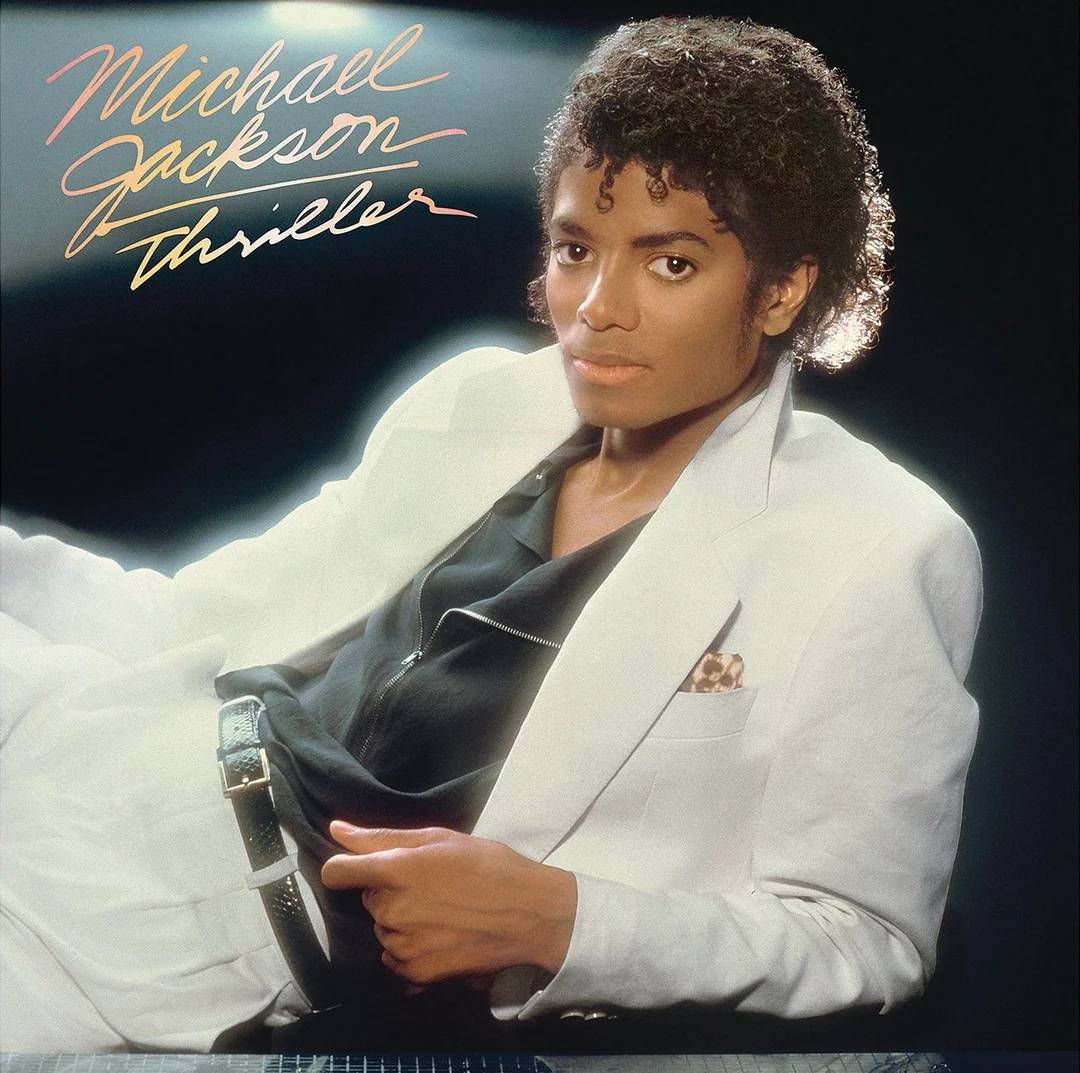
Thriller went far beyond the music video. The album became the best-selling album of all time and showed the music industry how global pop could be. It mixed pop, rock, R&B, and funk, influencing how albums were produced and marketed. Artists and record labels began aiming for worldwide audiences instead of just national markets. Today, global pop releases and worldwide tours are standard, and Thriller helped establish that model.
5. The First Stadium-Scale Pop Tours
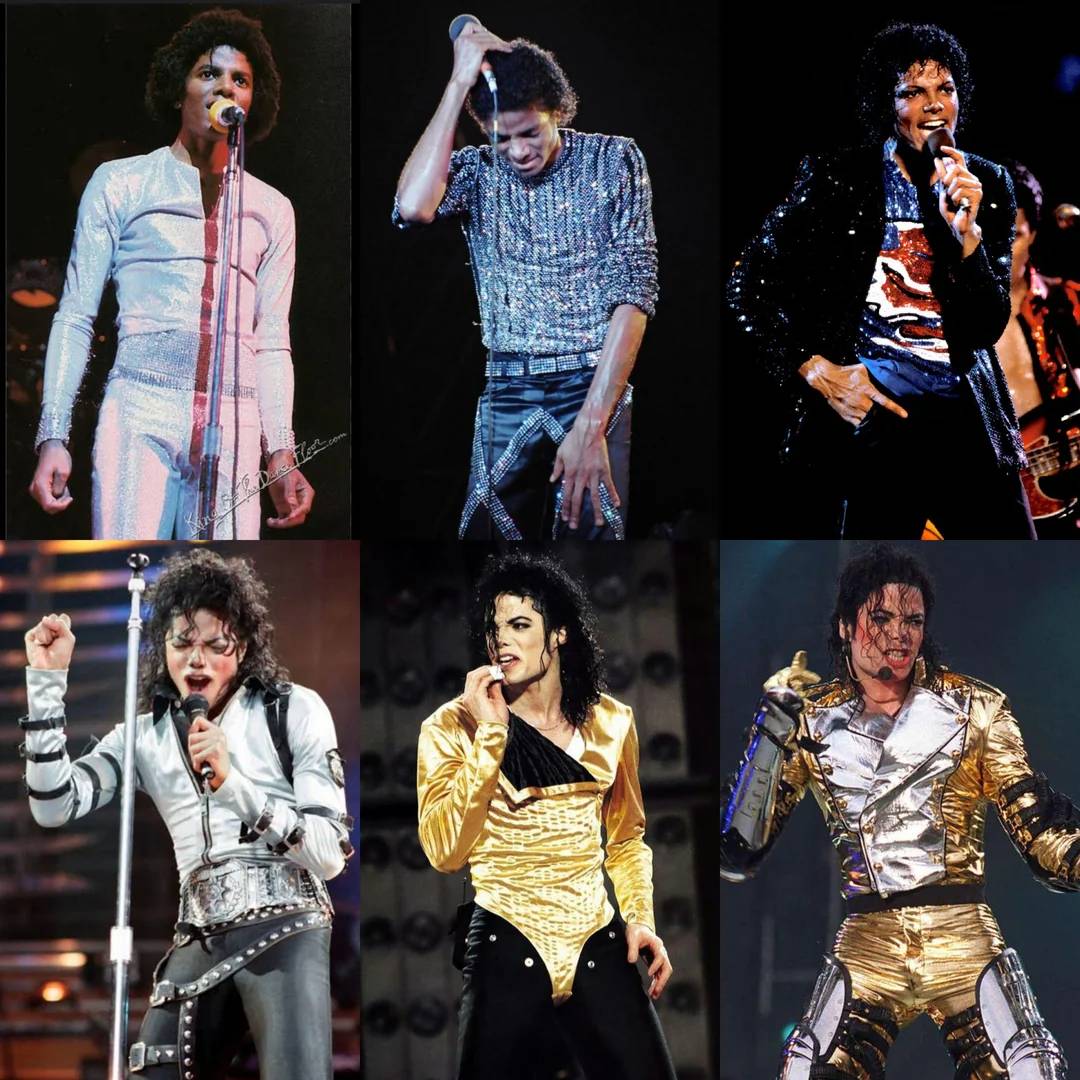
With the Bad World Tour, Michael Jackson helped turn pop concerts into massive stadium events instead of theater shows. The scale of staging, lighting, choreography, and production influenced how artists planned tours. Modern stadium tours by major pop artists follow a model similar to the one he helped popularize, where concerts are full-scale productions rather than just live music performances. The fan experience became a central part of live shows.
Trending on The Scroller

6. Music Video Premieres as Events
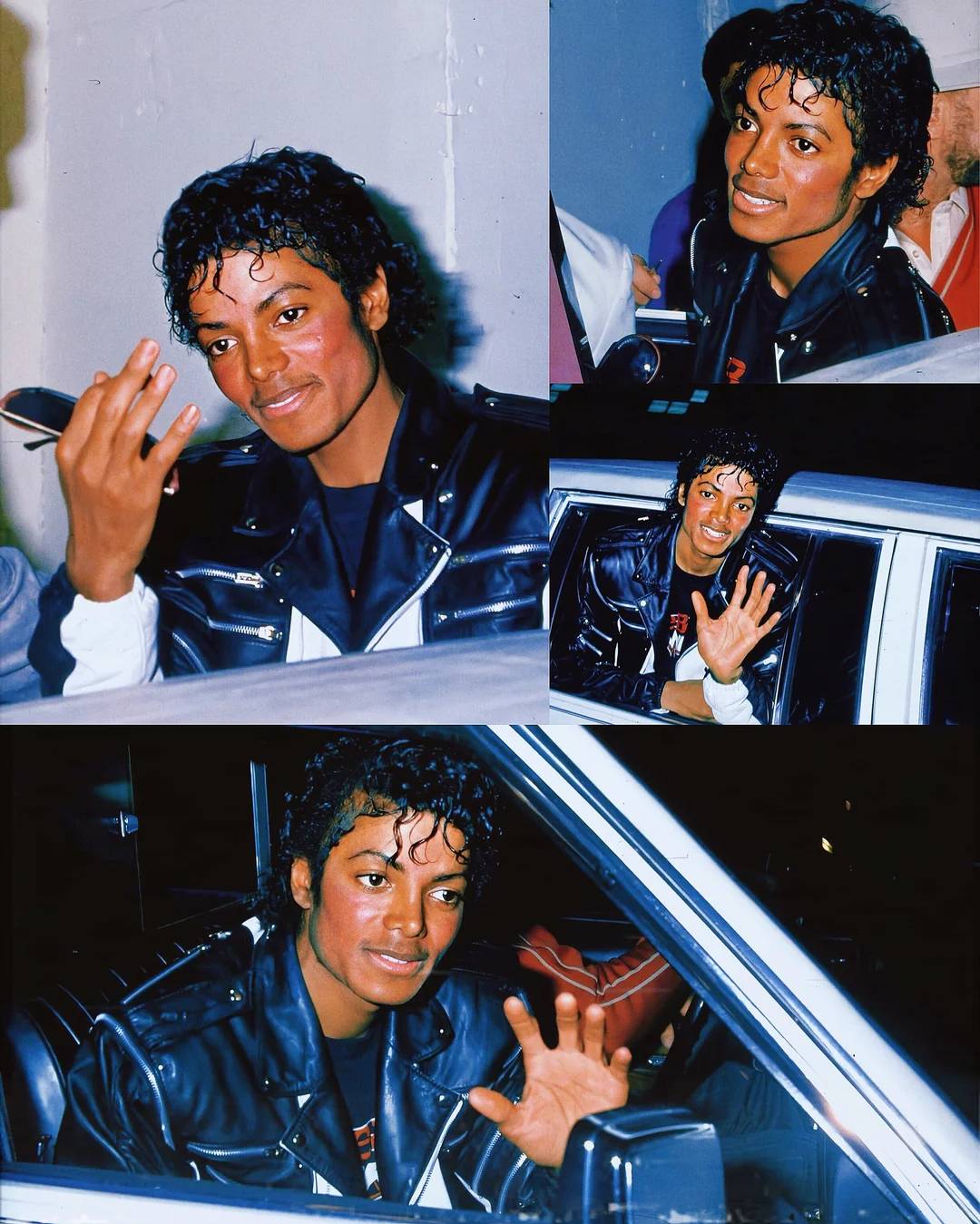
When videos like Black or White premiered on television, they were broadcast worldwide at the same time and watched by millions. This turned music releases into global media events rather than simple video launches. Today, artists release music videos as premieres on YouTube with countdowns and live chats, which is very similar to how Michael Jackson turned releases into global moments instead of regular uploads.
7. We Are the World (1985)
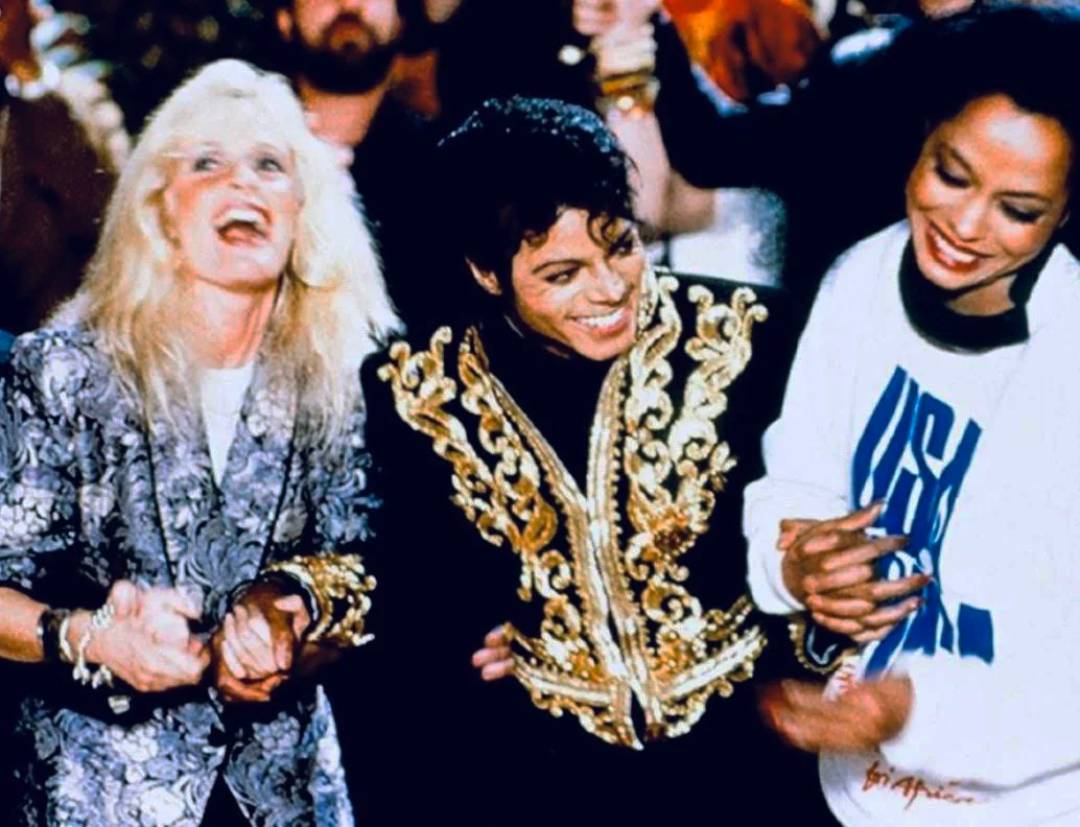
We Are the World, written by Michael Jackson and Lionel Richie, brought dozens of famous artists together for a charity song. It showed that pop music could be used for global humanitarian causes and inspired future charity concerts and collaborations. Its impact was so big that years later a documentary was made about that day, where artists remembered Michael Jackson’s work ethic, leadership, and passion for both music and humanitarian causes.
8. Signature Fashion

His style became instantly recognizable: the single glove, red jackets, military-style outfits, and fedora hats. He showed that pop stars could create a visual identity as strong as their music. Many artists today build recognizable fashion styles as part of their brand, and pop star fashion is now considered part of music marketing and image-building. Even today, seeing a single glove immediately reminds people of Michael Jackson.
Sign up for our newsletter
9. Dance in Pop Music
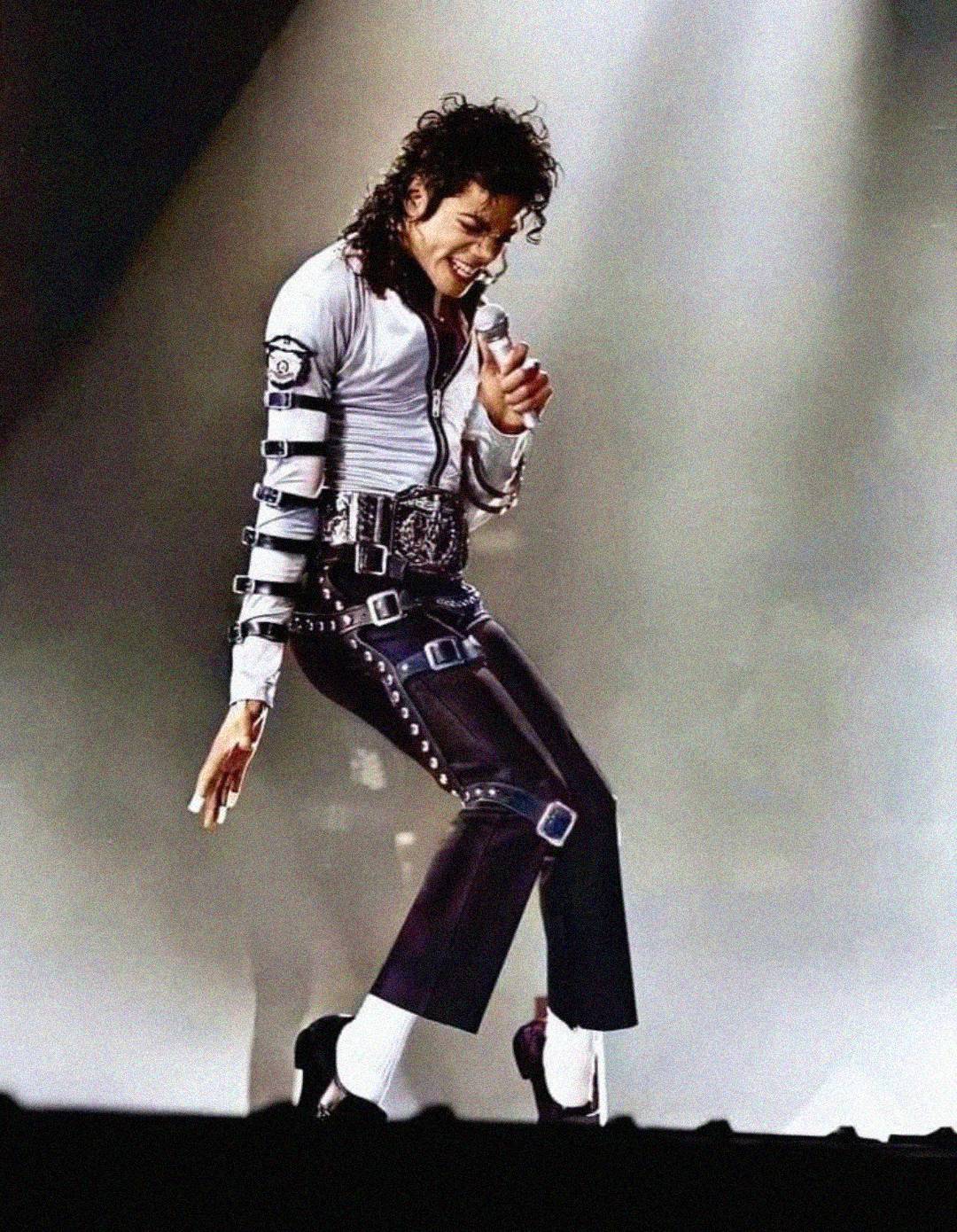
Before Michael Jackson, choreography was not always central to pop music performances. Artists danced, but it was not usually the focus of the entire performance. His music videos and live shows made dance a core part of pop stardom. Artists now train as dancers as well as singers, and choreography is often a major part of music videos and tours. Pop music today is as visual and physical as it is musical, largely because of this shift.
10. The Lean in Smooth Criminal (1988)
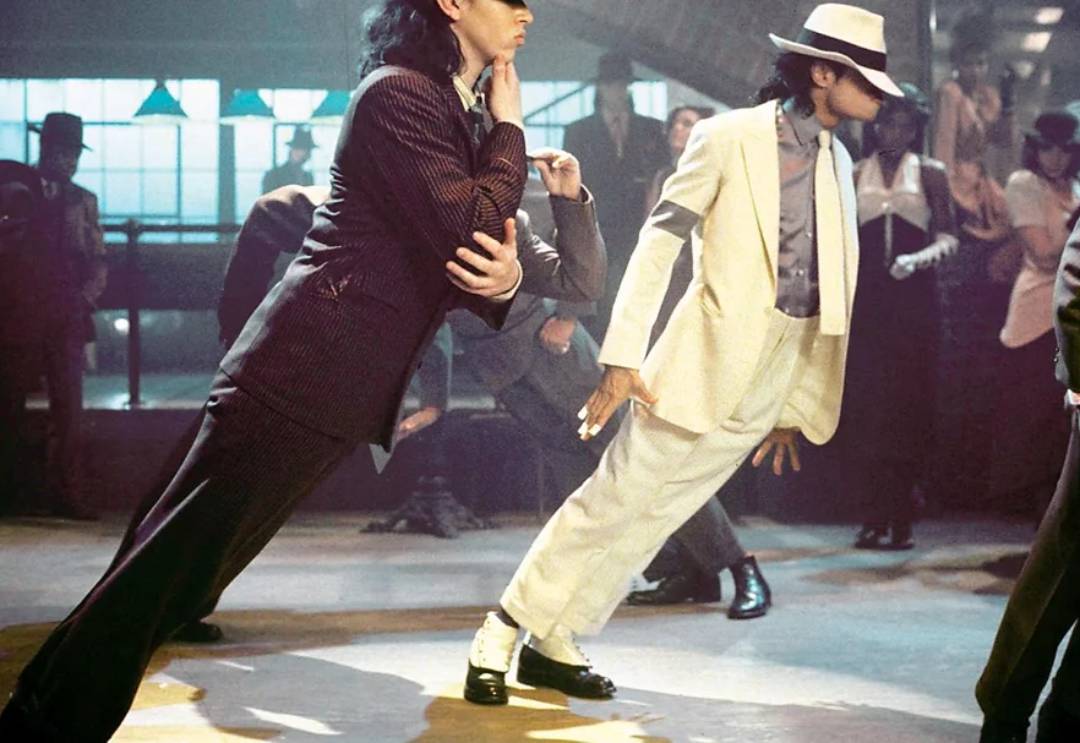
The anti-gravity lean in Smooth Criminal became one of the most iconic performance illusions in pop culture. During live performances and in the video, Michael Jackson and his dancers appeared to lean forward at an impossible angle, which later turned out to involve a special shoe mechanism that was even patented. Today, artists use stage technology, special effects, and visual tricks in concerts, but this was one of the first times a pop performance became famous for a technical illusion as much as for the music itself. It is still remembered and imitated today.
11. Global Fan Culture
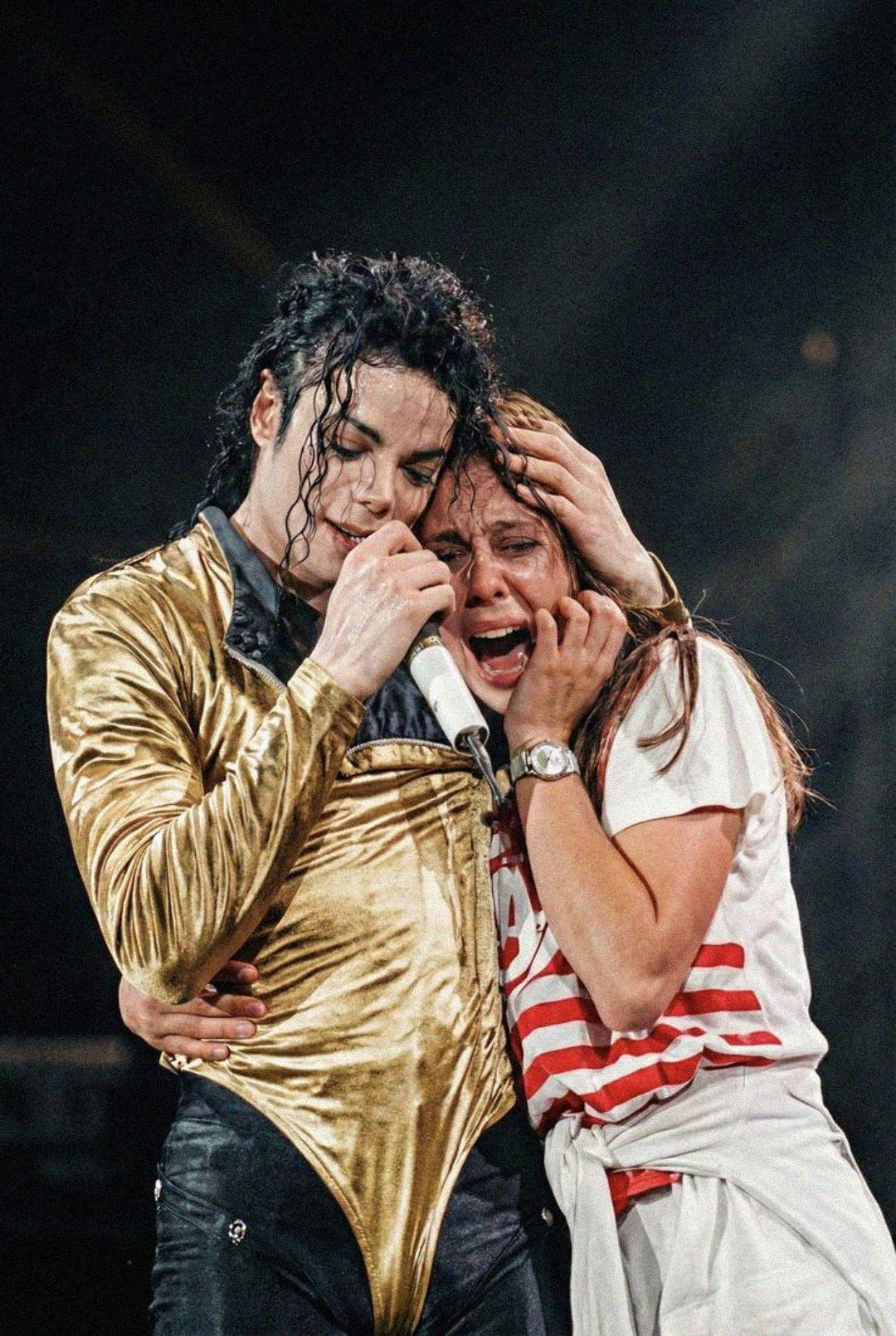
Michael Jackson helped create modern global fan culture. Fans copied his clothes, dance moves, and hairstyles, and followed his tours worldwide. The idea of massive international fanbases and fan communities grew significantly during his career. Today’s global fandom culture around pop stars and K-pop groups follows a similar model of worldwide fan engagement, organized fan communities, and global tours.
12. Crossing Music Genres
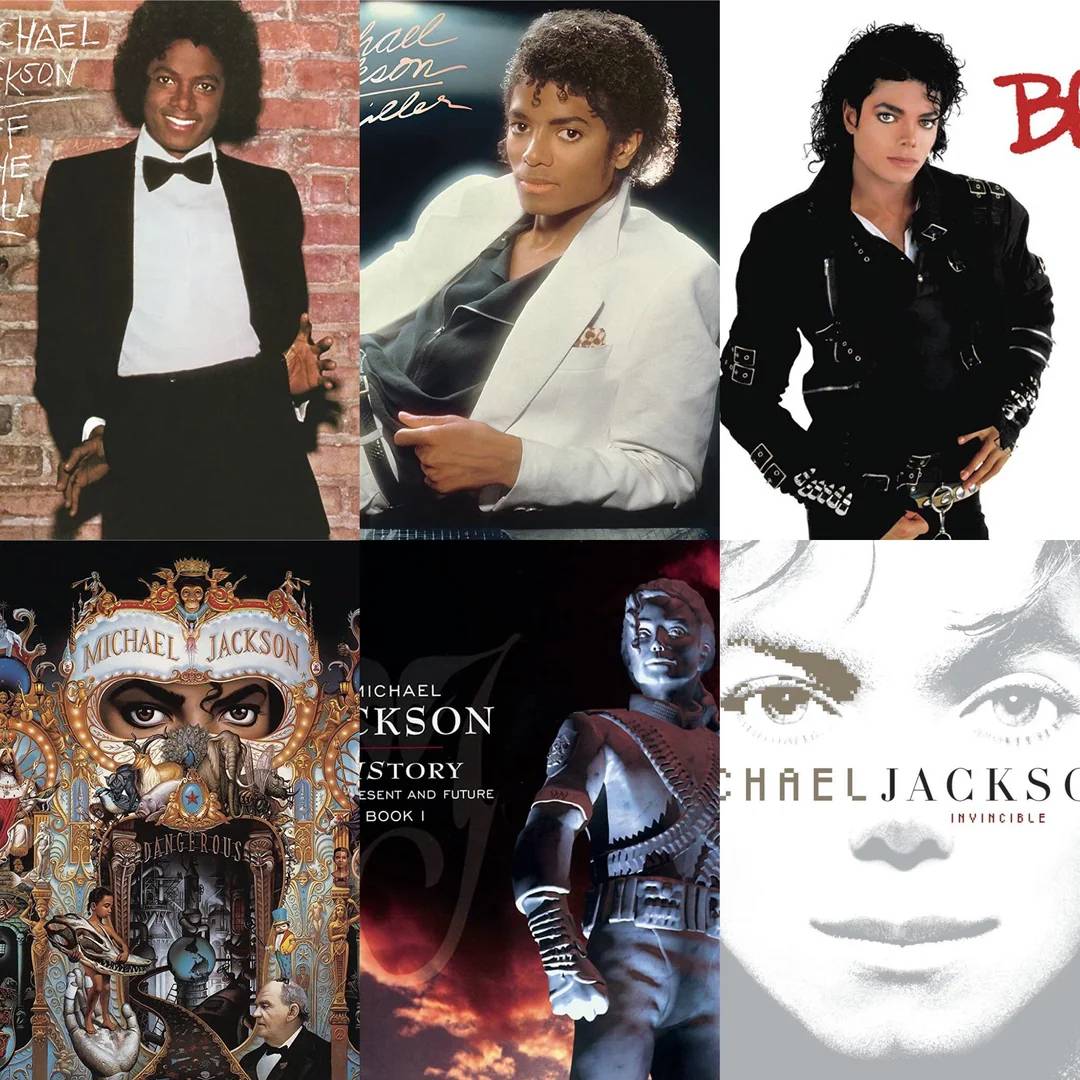
From the very beginning, Michael Jackson combined pop, rock, soul, funk, and R&B in mainstream music. Collaborations like Beat It with Eddie Van Halen showed that genres could mix successfully. This influenced the music industry to become more open to cross-genre collaborations, which are extremely common in pop music today, where artists frequently blend styles and work with musicians from different genres.
13. They Don’t Care About Us (1995)

The song They Don’t Care About Us showed that pop music could still address serious social issues while remaining mainstream. When Michael Jackson filmed part of the music video in a favela in Rio de Janeiro, there were attempts to stop the filming, but the local community supported him and allowed the production to continue because he was so respected and loved there. The video became one of the most powerful visual statements in pop music and showed that global pop artists could use their platform to talk about social issues through music.
14. The Super Bowl Halftime Show (1993)
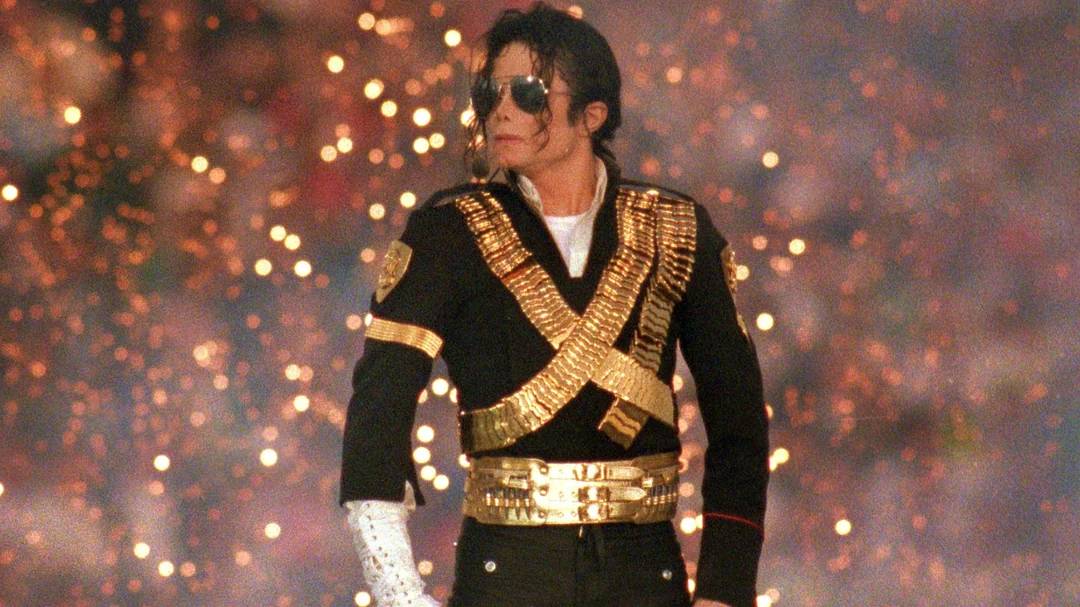
Michael Jackson’s performance at the Super Bowl XXVII Halftime Show transformed the halftime show into a major entertainment event rather than a small performance. After his performance, the Super Bowl began inviting the biggest artists in the world to perform. Today, the halftime show is one of the most important performance stages in global entertainment, and many viewers watch the event specifically for the show.
15. The “Black or White” Morphing Sequence (1991)
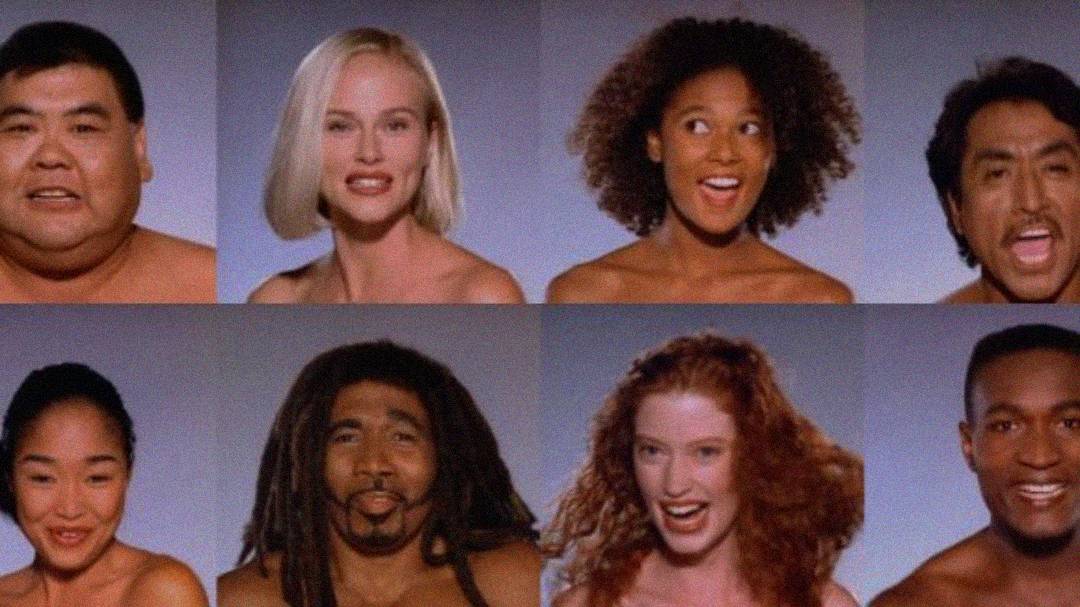
At the end of the Black or White video, faces from different ethnicities seamlessly morphed into one another using cutting-edge digital effects for the time. Led by Michael Jackson, this moment pushed the boundaries of what was technologically possible in music videos and introduced mainstream audiences to digital morphing. It influenced artists, film, advertising, and visual media, showing that pop releases could drive innovation in visual effects. Today, advanced CGI and seamless transitions are common, but this sequence is still remembered as one of the first major examples seen by global audiences.
If you enjoyed this, keep reading for more content about Michael Jackson and the music industry:
We love looking back at the artists who shaped the world we live in today, and Michael is one of the most important names in that conversation. The moments we explored here are just a small part of his legacy. He was a truly unique and revolutionary artist whose impact can’t be limited to a single list. We celebrate what he left behind and remember him not only for his extraordinary music, but also for the way he transformed pop culture, performance, and the global music industry.
If you’re interested in the lives of famous artists, the impact they made, and the stories they left behind, we recommend exploring more of our articles. We dive deeper into the people who shaped entertainment as we know it today in: 20 Musicians Who Were Considered Evolutionary In the ’70s, 15 Often Overlooked Stories About Famous Female Musicians from the ’80s, and 15 Grammy Winners Who Changed Music Forever.