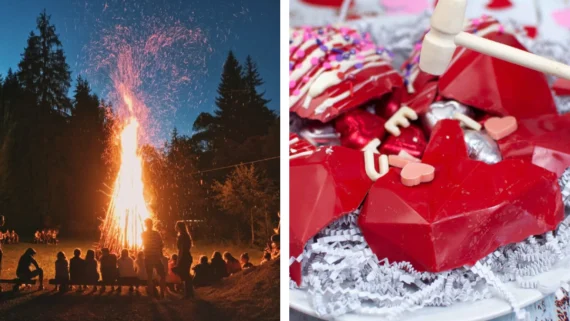
For many, the arrival of mid-February brings a sense of dread rather than delight, as the commercial pressure to be “perfectly in love” hits an all-time high. This has given rise to a global anti-valentine movement, where people reclaim the day by celebrating friendship, independence, or even the cathartic joy of a good breakup. While some cultures embrace the gloom with humorous rituals, others have transformed the holiday into an opportunity to support local businesses that cater specifically to the “unattached.” It turns out that there is a lot of fun to be had when you aren’t worried about finding a dinner reservation for two.
From eating dark-colored comfort foods to participating in symbolic “purging” ceremonies, these anti-valentine traditions prove that romance isn’t the only thing worth a celebration. In some corners of the world, these customs are centuries old, rooted in local folklore that prioritizes community over the nuclear couple. Whether you are happily single or just tired of the red-and-pink aesthetic, these global habits offer a refreshing perspective on the shortest month of the year. Let’s take a look at fifteen of the most unique ways people around the world say “no thank you” to Cupid.
1. Black Day – South Korea
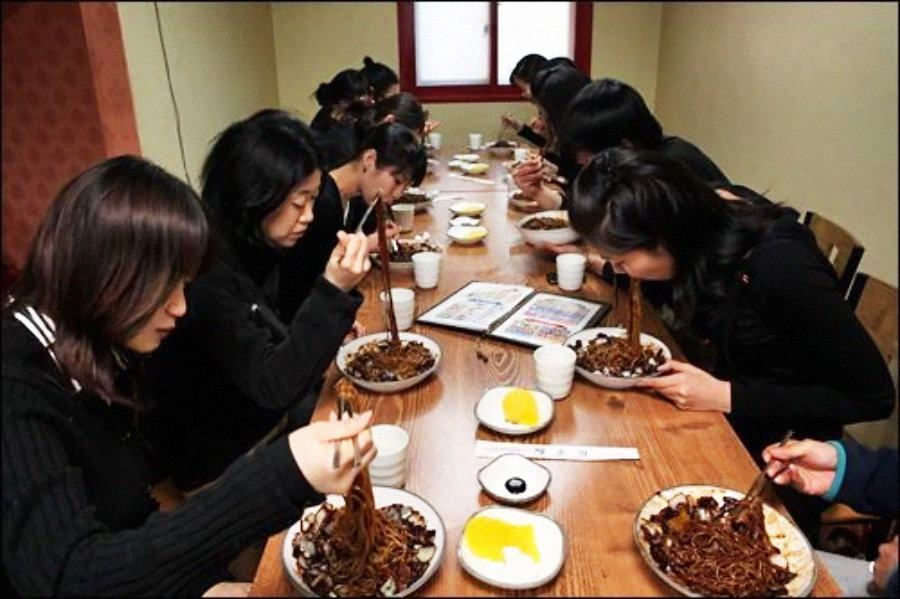
In South Korea, if you didn’t receive gifts on Valentine’s Day or White Day (March 14th), you head to a restaurant on April 14th to eat Jajangmyeon. These are thick wheat noodles topped with a heavy, dark soybean sauce that symbolizes the “black” hearts of the single population. It has become a massive social event where single people dress in black clothes and bond over their shared lack of a partner. Some restaurants even hold speed-eating contests for the most dedicated solo diners.
2. The Vinegar Valentines – Victorian Era, UK

During the 19th century, people who wanted to reject a suitor or insult an enemy sent “Vinegar Valentines” instead of romantic cards. These were anonymous, snarky postcards featuring caricatures and mean poems about the recipient’s flaws, such as being a “bore” or a “cheapskate.” They were so popular that the post office sometimes struggled to handle the volume of hate mail being sent on February 14th. It was a brutal way to use the holiday for total social warfare rather than affection.
3. Quirky purge ceremonies – Slovenia
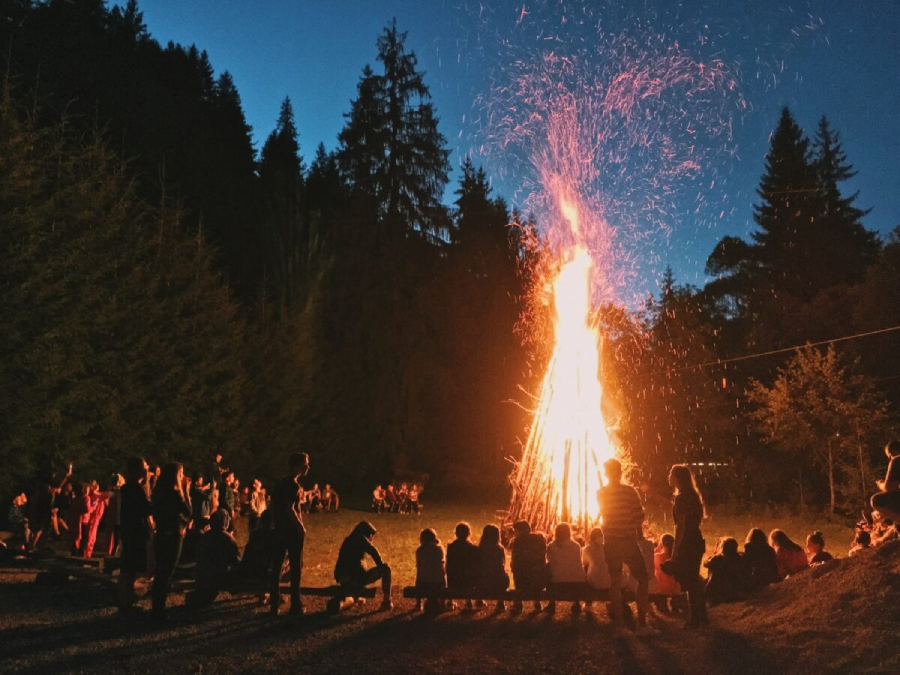
In some parts of Slovenia, February 14th marks the day when the birds “propose” to one another in the fields, but for the humans, it’s often about cleaning out the old to make room for the new. Anti-romance groups host bonfires where people throw in old photos, love letters, and mementos from their “exes” to symbolically start fresh. It is seen as a communal way to let go of past baggage while enjoying a few drinks with friends. The event usually ends with a party that celebrates the “freedom” of the upcoming spring.
4. Friend’s Day – Finland and Estonia
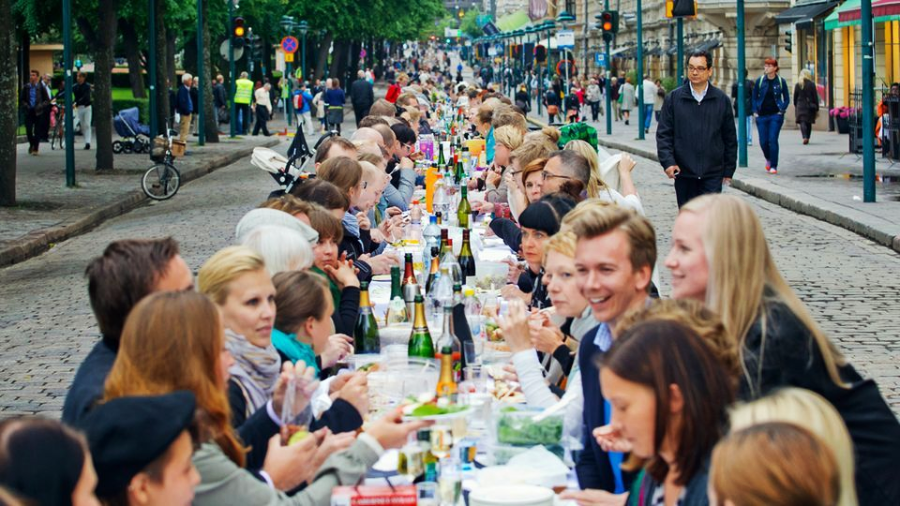
While the US is obsessed with dates, Finland and Estonia celebrate Ystävänpäivä, which literally translates to “Friend’s Day.” It is a much more inclusive holiday where the focus is shifted entirely away from romantic partners and toward your best friends and family members. People exchange cards and small gifts with everyone they care about, making it the ultimate anti-valentine choice for those who don’t want to feel left out. Statistically, it is one of the busiest days of the year for group brunch reservations in Helsinki.
5. Fastnacht – Germany
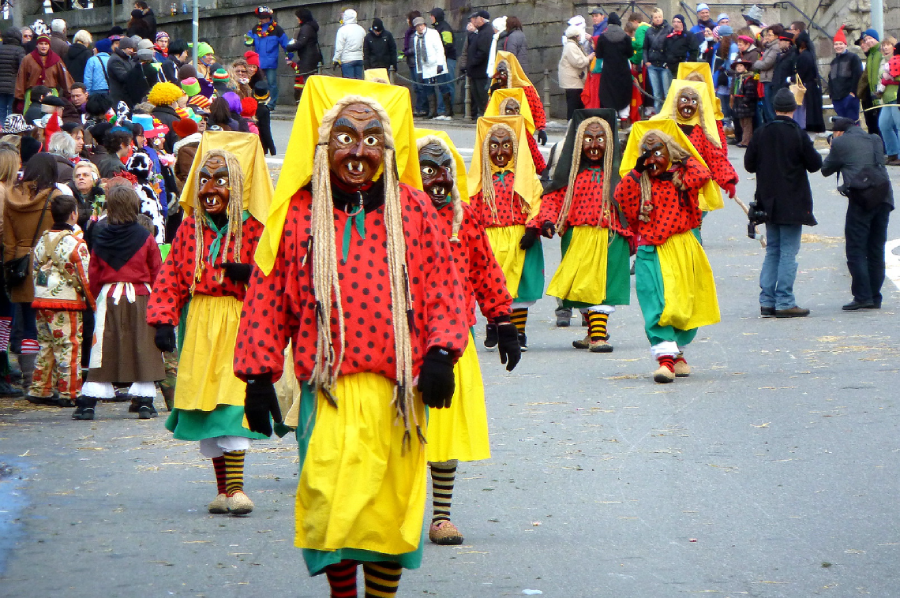
Falling around the same time as Valentine’s Day, this carnival tradition involves people dressing up as devils, witches, and “wild men” to drive out the spirits of winter. Instead of flowers and soft music, the streets are filled with loud bells, scary masks, and chaotic parades. It is a time for rebellion and breaking social norms, making it the perfect distraction for anyone who wants to avoid the “sweetness” of a romantic dinner. For many Germans, the fun of scaring their neighbors far outweighs the appeal of a box of chocolates.
Trending on The Scroller


6. St. Tryphon Zarezan: the wine alternative – Bulgaria
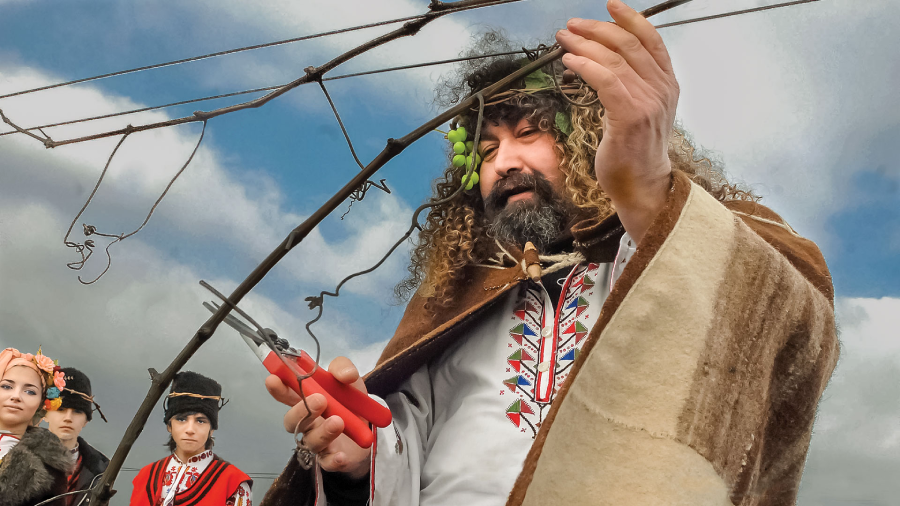
While most of the world is focused on Valentine’s Day, Bulgarians have a much more spirited alternative: the feast of St. Tryphon Zarezan, the patron saint of vine growers. Instead of buying roses, locals head to the vineyards to prune the vines and, more importantly, drink copious amounts of local wine. It is a celebration of the upcoming harvest and the joy of life, making it the perfect anti-valentine escape for those who would rather share a bottle with friends than a candlelit dinner with a partner. Traditionally, a “King of the Vines” is crowned, and the celebration continues well into the night.
7. Dragobete: The birds anniversary – Romania
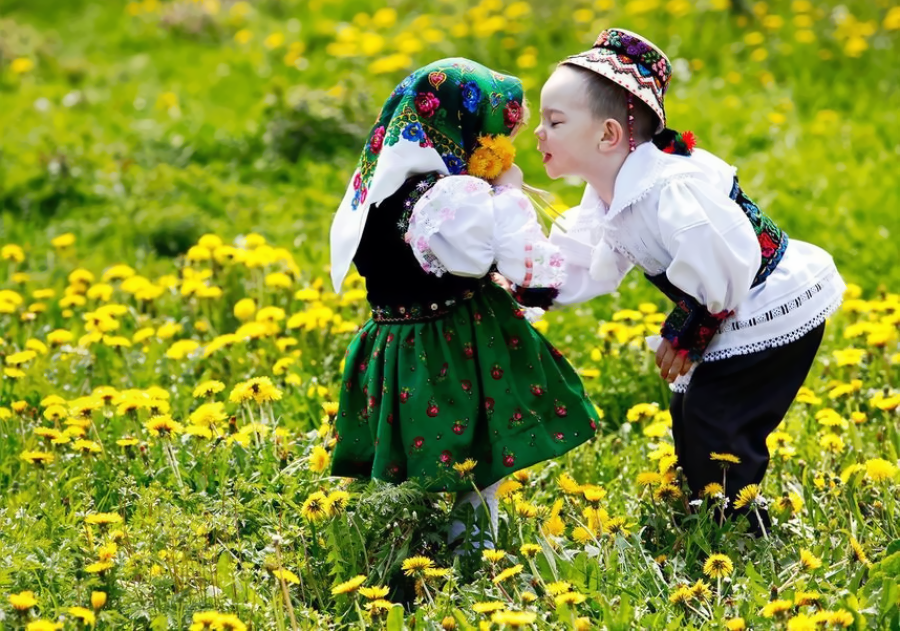
Celebrated on February 24th, Dragobete is the traditional Romanian holiday for lovers, but it has a very distinct “nature” focus that sets it apart from the commercial version. Local folklore says this is the day birds get engaged and start building their nests, signaling the end of winter. For the unattached, it is a day to gather “snowdrop” flowers and wash their faces with fresh snow to ensure health and happiness for the year. It’s a grounded, earthy celebration of spring’s arrival that feels much more like a community festival than a high-pressure romantic date.
8. Singles Awareness Day – USA

Often abbreviated as S.A.D. (a bit of self-aware humor there), this day is celebrated on February 15th as a direct response to the previous day’s festivities. It serves as a rally for people to celebrate their independence and the fact that they don’t have to share their bank accounts or their remote controls. Many people treat themselves to half-priced candy (the ultimate perk of the day after) or go out for “Singles Only” parties. It has grown from a small protest into a legitimate movement that champions self-love and platonic connections.
Sign up for our newsletter
9. Burning the “Effigy of Love” – Mexico

In various cities across Mexico, “Anti-Valentine” parties have adopted a tradition similar to Quema del Mal Humor (Burning of Bad Mood). Participants create paper-mâché figures representing “Cupid” or “Broken Hearts” and set them ablaze in a public square. It’s a cathartic, loud, and fiery way to let go of any lingering resentment from past relationships. The event is usually accompanied by live music and dancing, proving that a bonfire and some good company are the best cures for a heavy heart.
10. Quirky spoon rejections – Wales
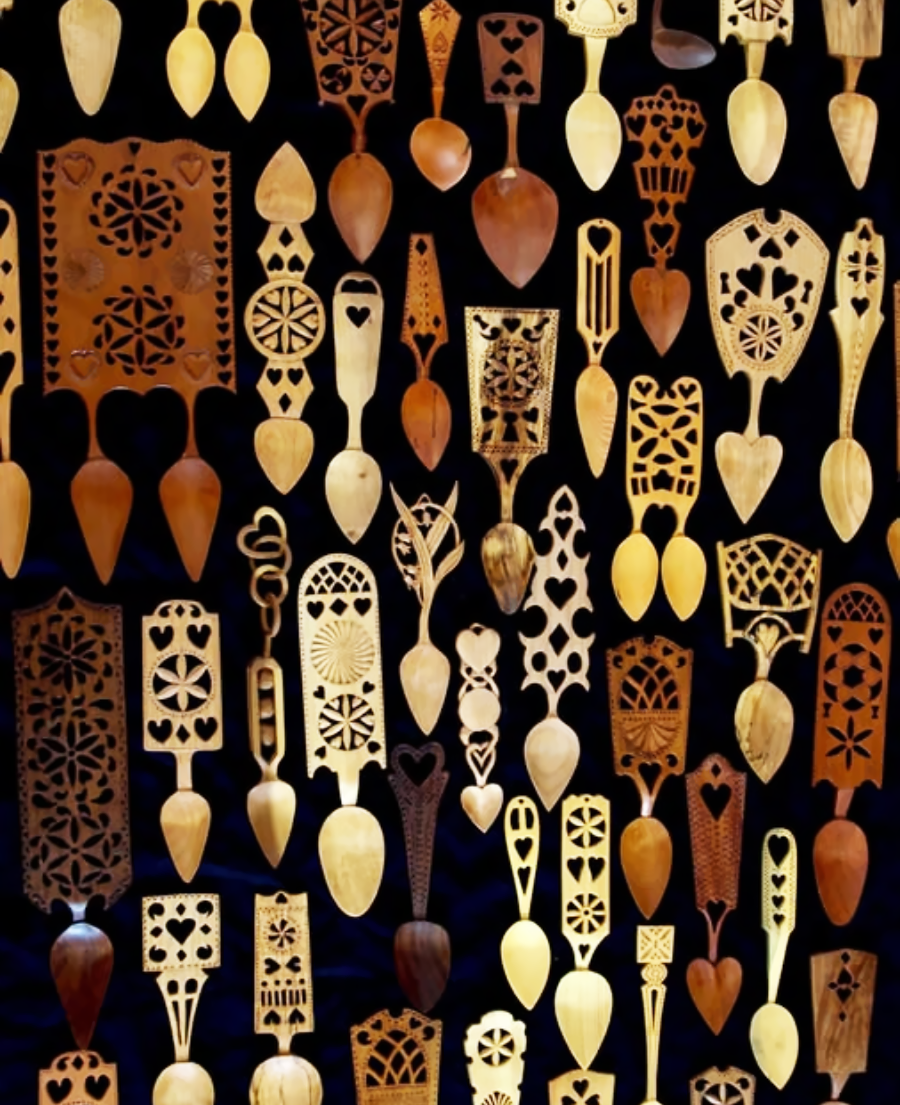
Wales is famous for its “Lovespoons,” intricately carved wooden gifts given as a sign of affection on St. Dwynwen’s Day (January 25th). However, the anti-valentine twist comes from the historical tradition of “giving the spoon” back. If a suitor was not wanted, returning the spoon was a silent, firm, and artistic way to say “thanks, but no thanks.” Today, some Welsh artisans create “Anti-Lovespoons” featuring symbols of independence or even tiny “locks” with no keys to celebrate being happily unattached.
11. Galentine’s Day – Global pop culture

What started as a fictional holiday on the TV show Parks and Recreation has become a global powerhouse for the February calendar. Celebrated on February 13th, it is strictly for “ladies celebrating ladies,” focusing on the power of female friendship. It has successfully diverted millions of dollars away from romantic jewelry and toward elaborate brunches and “Bestie” gift exchanges. For many, Galentine’s is now the main event, with Valentine’s Day being treated as a quiet afterthought.
12. The Anti-Love protest – Japan

Every year, a group known as Kakuhado (the Revolutionary Alliance of Men that Women find Unattractive) marches through the streets of Tokyo to protest “romantic capitalism.” They carry banners and megaphones, shouting slogans against the public display of affection and the commercialization of the holiday. While it started as a satirical performance, it has gained a following of people who feel alienated by the extreme pressure of gift-giving culture in Japan. It is one of the most visual and vocal rejections of the holiday in the world.
13. Lupercalia re-enactments – Italy
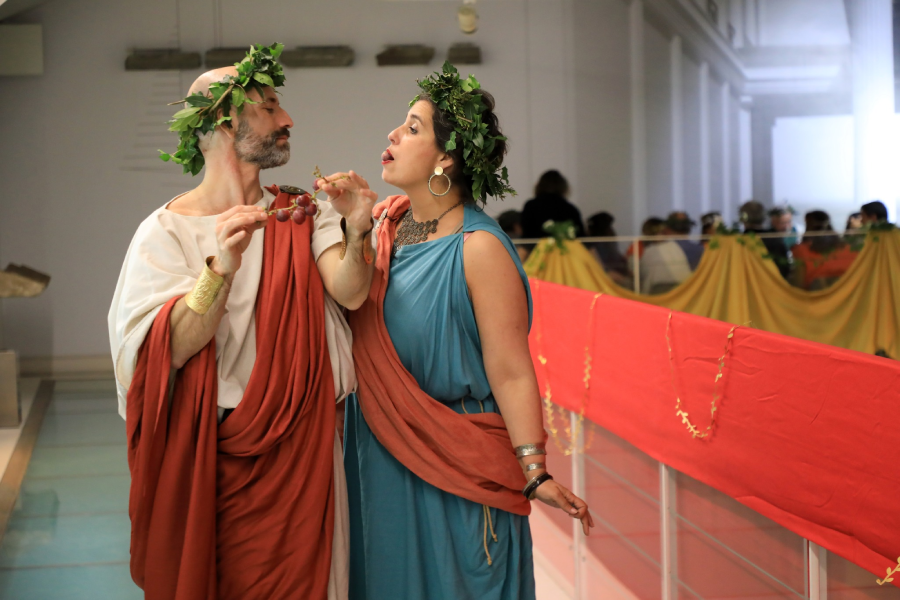
Before there was a Saint Valentine, there was Lupercalia, a wild, ancient Roman festival held in mid-February to ward off evil spirits and purify the city. In modern-day Italy, some history buffs and counter-culture groups hold re-enactments that focus on the chaotic, pagan roots of the season. Instead of soft teddy bears, these events feature traditional masks, drums, and rituals that celebrate raw nature and the coming of spring. It is a gritty, historical way to bypass the modern “hallmark” version of the month.
14. Quirke’s Day: The Irish toast – Ireland

In various Irish pubs, a semi-mythical tradition called “Quirke’s Day” is observed by those who find themselves single during the winter months. It’s named after a legendary local character who supposedly spent his Valentine’s budget on buying a round for the entire pub instead of a gift for a ghosting sweetheart. The day is marked by “anti-romantic” storytelling and folk songs that celebrate the freedom of the wandering bachelor or bachelorette. It’s less about being bitter and more about the Irish tradition of finding a good story in every misfortune.
15. The “Broken heart” dessert festivals

Across several European cities, pastry shops have begun hosting “Broken Heart” pop-up events. Instead of pink frosting and “I Love You” messages, these bakers create desserts that are intentionally dark, spicy, or “shattered” in design. Common treats include dark chocolate “coal,” spicy chili truffles, and “shattered glass” sugar cookies. It’s a delicious way to acknowledge that life isn’t always sweet, and sometimes the best way to handle a breakup is to literally eat your feelings in style.
Want more fun facts?
Whether you’re treating yourself to black noodles or burning old letters in a bonfire, it’s clear that there are plenty of ways to enjoy February without a bouquet of roses. These anti-Valentine customs remind us that the most important relationship you have is often the one with your friends, your community, or simply yourself. If you’re ready to dive into more “unconventional” takes on life, don’t miss these 16 Valentine’s Day Gifts That Shouldn’t Have Been Wrapped, or these 20 Birthday Cakes So Bad They Belong in a Police Report. You can also check these Strange Things People Found That Confused the Internet.