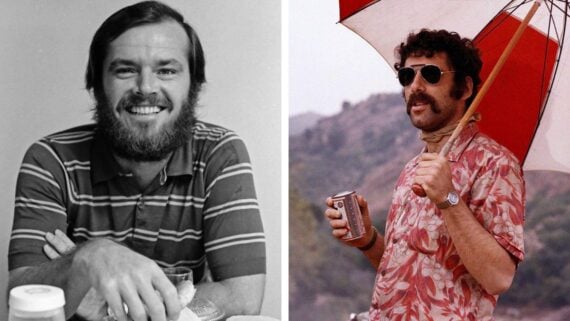
The 1970s were a wild time. Bell-bottoms were everywhere, shag carpets ruled the living room, and movies had a way of making you feel every feeling imaginable. Then there were the actors, the ones who did more than just appear on screen. They had a presence you couldn’t ignore, a kind of charm that made you wish you had their hair, their confidence, or just a little bit of their magic.
These movie stars made us laugh, cry, and sometimes question our life choices. From gritty dramas to comedies that still hit hard, they created moments that defined a generation. Let’s dive into 20 actors who owned the 1970s.
1. Al Pacino
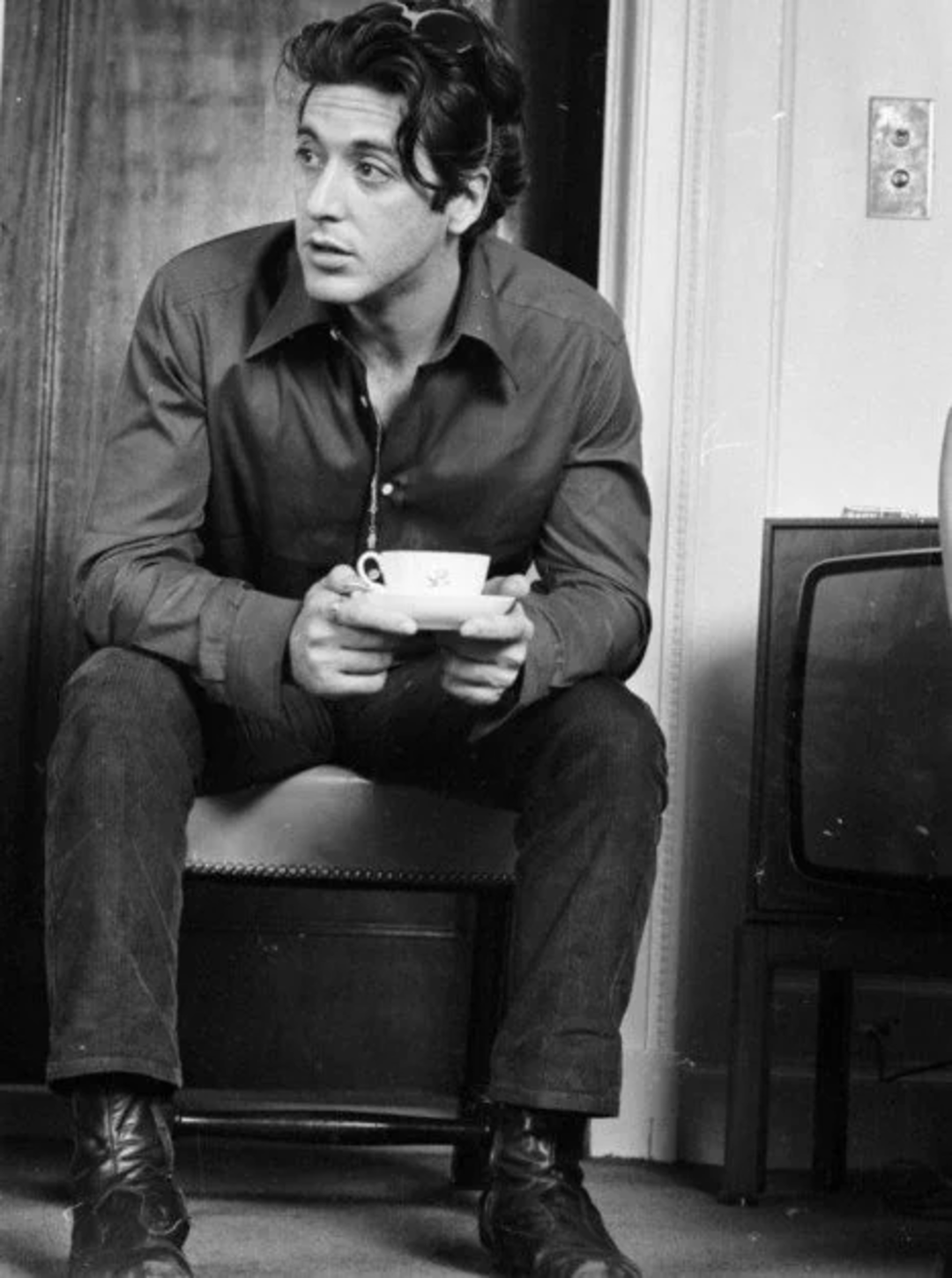
Al Pacino rose to superstardom with his unforgettable performance as Michael Corleone in The Godfather and The Godfather: Part II. His intense acting style brought a new level of realism to crime dramas. Pacino followed those successes with Serpico and Dog Day Afternoon, proving his range and commitment to complex characters.
2. Robert De Niro

Robert De Niro defined machismo in the ’70s through powerful collaborations with Martin Scorsese. His performances in Taxi Driver, Mean Streets, and The Deer Hunter showcased his fearless dedication to character transformation. De Niro’s method acting and emotional intensity set new standards of dramatic performance.
3. Jack Nicholson

Jack Nicholson became the face of rebellious, unconventional masculinity during the ’70s. He delivered iconic performances in Five Easy Pieces, Chinatown, and One Flew Over the Cuckoo’s Nest, the latter earning him an Academy Award. Nicholson’s sardonic charm and explosive unpredictability made his characters unforgettable.
4. Dustin Hoffman

Dustin Hoffman thrived by portraying deeply flawed, human characters. His roles in Midnight Cowboy and All the President’s Men demonstrated his emotional depth and versatility. Hoffman excelled at disappearing into his roles rather than relying on traditional movie-star glamour.
5. Gene Hackman

Gene Hackman quickly became one of the most commanding actors of the 1970s. He won an Academy Award for his portrayal of a determined detective in The French Connection. Hackman’s other notable films from the era were The Conversation and Superman, showing just how broad his range was.
Trending on The Scroller
6. Clint Eastwood

Eastwood transitioned from a Western star to a major directing Force during the ’70s. He became a massive star with his portrayal of Dirty Harry and its sequels. Eastwood’s demeanor and ambiguity resonated with audiences, and by the end of the era, he established himself as both a leading man and a serious filmmaker.
7. Marlon Brando

Marlon Brando’s career exploded after taking a quieter period. His performance as Don Vito Corleone in The Godfather is widely regarded as one of the greatest in film history. Brando brought emotionality and quiet authority to the role, redefining acting once again.
8. Paul Newman

Paul Newman stayed one of Hollywood’s most loved stars throughout the decade, never losing his spark. With unforgettable roles in Butch Cassidy and the Sundance Kid, The Sting, and Slap Shot, he proved how effortlessly he could own the screen. He paired natural charm with emotional depth, letting his performances grow richer as he aged. That mix of charisma and intelligence is what made his appeal last.
Sign up for our newsletter
9. Robert Redford

Robert Redford became the very definition of movie-star magnetism. With major hits like The Way We Were and Three Days of the Condor, he dominated the screen. His laid-back confidence and sharp intelligence made him just as convincing in romantic dramas as in political thrillers. That combination of popularity and influence helped define the era’s movies.
10. Harrison Ford

Harrison Ford rose to stardom in the latter half of the decade. His breakout role as Han Solo made him a global sensation almost overnight. He also showed his acting range with a more grounded performance in Apocalypse Now. With his easy charisma and humor, he quickly became one of the era’s most likable stars.
11. Richard Dreyfuss

Richard Dreyfuss captured the anxious, introspective side of modern masculinity. With roles in American Graffiti, Jaws, and Close Encounters of the Third Kind, he brought a different kind of leading man to the screen. His nervous energy and relatability stood in sharp contrast to traditional heroic figures. Through his performances, audiences saw ordinary people grappling with extraordinary situations.
12. Burt Reynolds

Burt Reynolds dominated the box office in the later part of the decade with effortless charm and humor. Movies like Smokey and the Bandit and Deliverance showed his ability to shift from playful confidence to raw intensity. He became one of the highest-grossing stars of the era very quickly.
13. Donald Sutherland
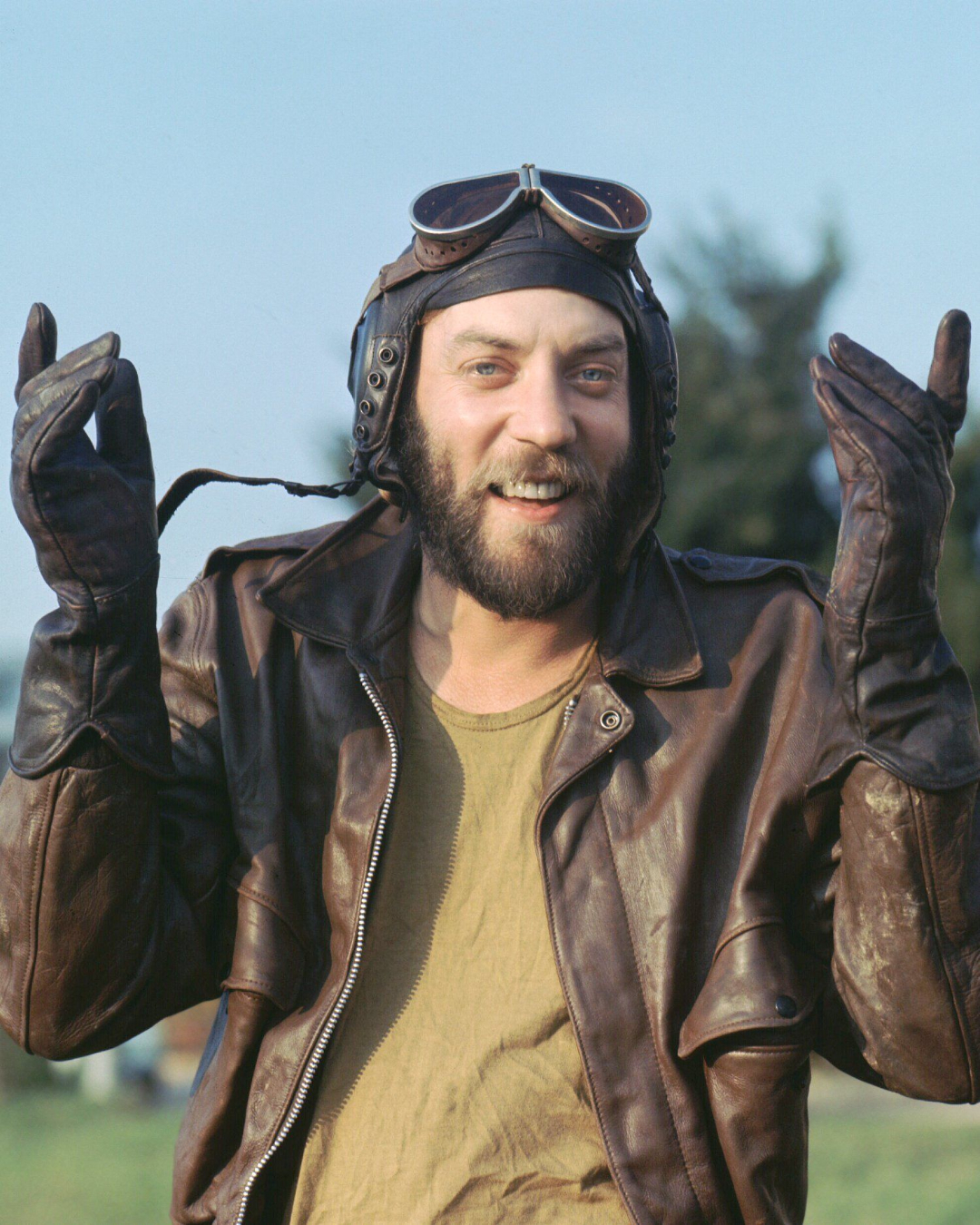
Donald Sutherland became known for his magnetic screen presence. He starred in MASH, Klute, and Don’t Look Now, portraying characters who questioned authority and moral certainty. His sharp intellect and distinctive voice set him apart from his peers. Sutherland’s work perfectly captured the experimental spirit of the era.
14. Elliott Gould

Elliot Gould thrived as the offbeat leading man. His performances in MASH and California Split reflected a fascination with broadness. Gould’s relaxed delivery set him apart from traditional stars, and he became a symbol of the decade.
15. Steve McQueen
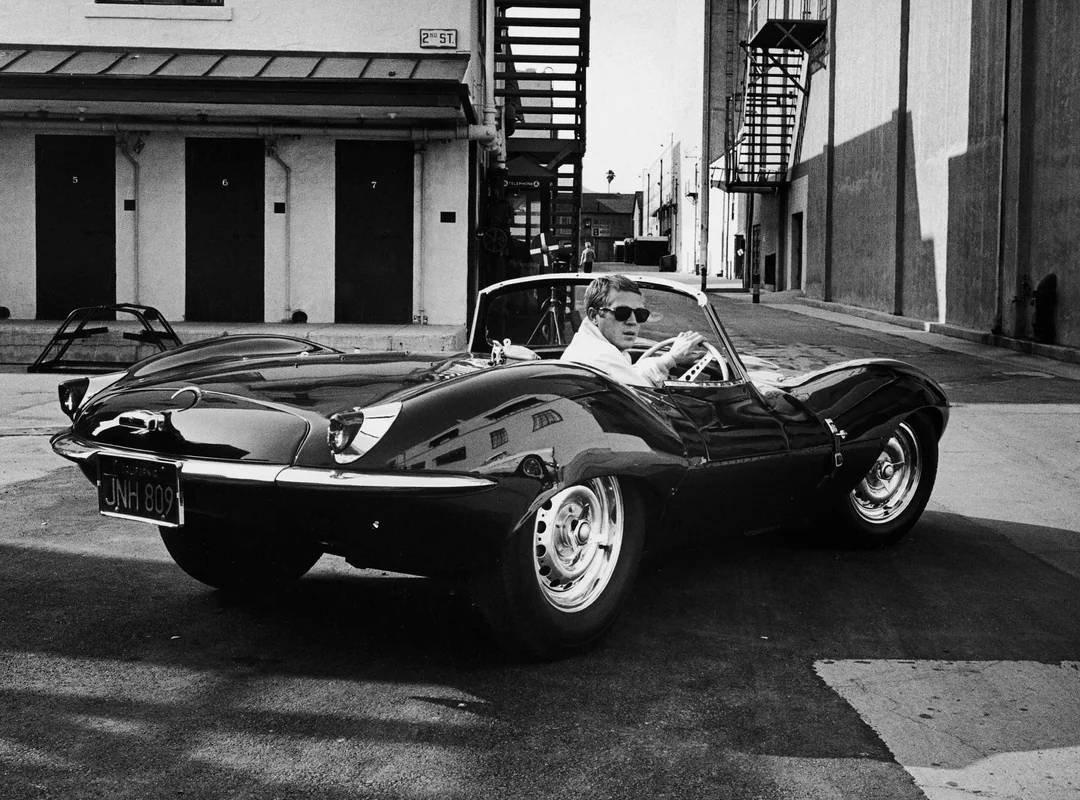
Steve McQueen maintained his status as the King of Cool into the early part of the decade. In films like Le Mans, Papillon, and The Getaway, he showcased both physicality and restraint. His minimalist style and rebellious image struck a chord with audiences everywhere.
16. James Caan

James Caan left a lasting mark with his intense performances. He became widely known as Sonny Corleone in The Godfather. Later this decade, he revealed a softer side in films like Brian’s Song. His mix of intensity and vulnerability made his characters feel real to the audience..
17. Jon Voight

Jon Voight emerged as one of the era’s most respected dramatic actors. His role in Midnight Cowboy carried into the decade, and his performance in Coming Home solidified him as a household name, earning him an Academy Award. He brought remarkable emotional openness and sensitivity to every role.
18. Peter Fonda

Peter Fonda remained a central figure in counterculture cinema throughout the decade. After the success of Easy Rider, he continued taking on unconventional, boundary-pushing roles. Fonda’s work helped bridge the gap between mainstream Hollywood and independent filmmaking.
19. Warren Beatty

Warren Beatty held tremendous influence as both an actor and producer. In films like Shampoo and Heaven Can Wait, he combined humor, romance, and social insight with ease. His sophistication and ambition made him one of the era’s most powerful figures behind the camera.
20. Gene Wilder

Gene Wilder brought a rare mix of warmth and brilliance to the screen. He became beloved for his roles in Willy Wonka and the Chocolate Factory and Young Frankenstein. His comedy relied on sincerity and subtlety rather than over-the-top antics. That unique approach made him one of the decade’s most unforgettable entertainers.
Want to see more celebrity content?
Check out 48 Celebrity Yearbook Photos From Before They Were Famous, or take a look at 15 Mugshots of Celebrity Redheads. Finally, if you want to see actresses who ruled the nineties, check out 18 Actresses Who Ruled The Nineties.