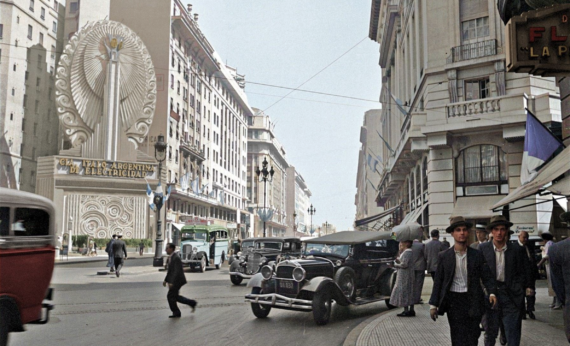
At the turn of the 20th century, Buenos Aires was transforming at a remarkable pace. Immigration reshaped neighborhoods. Grand avenues replaced colonial streets. Electric lights, trams, and new architecture signaled ambition. These photographs capture a city in motion. Each frame offers a glimpse into daily life, civic pride, and the dramatic growth that defined Buenos Aires in the 1900s.
Plaza de Mayo at the Dawn of a New Century
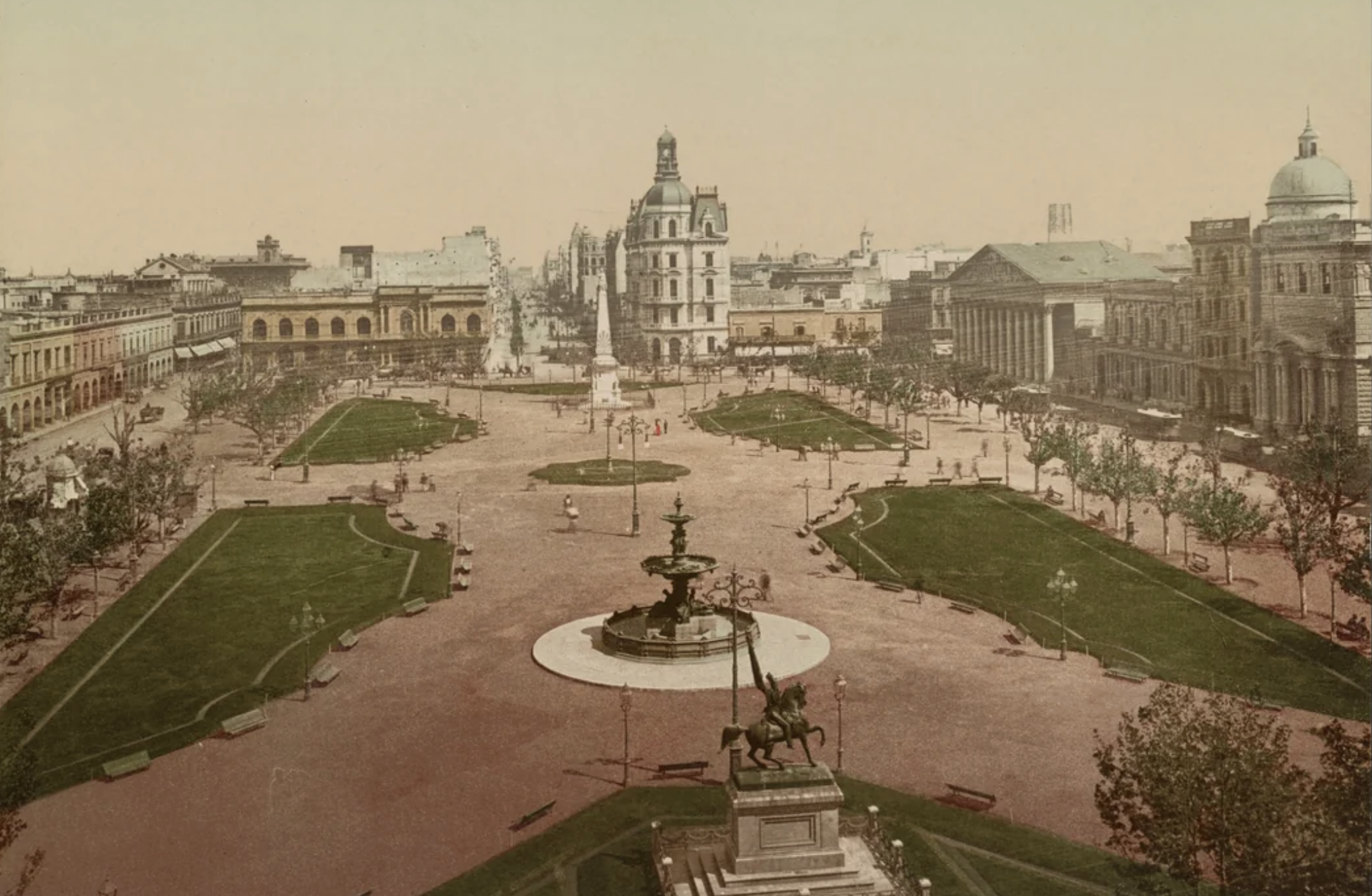
The city’s political heart already carried enormous weight. Early 1900s images show horse-drawn carriages crossing open cobblestones while pedestrians gather near the Cabildo and Casa Rosada. The square feels spacious, formal, and central to public life.
Avenida de Mayo in Full Splendor
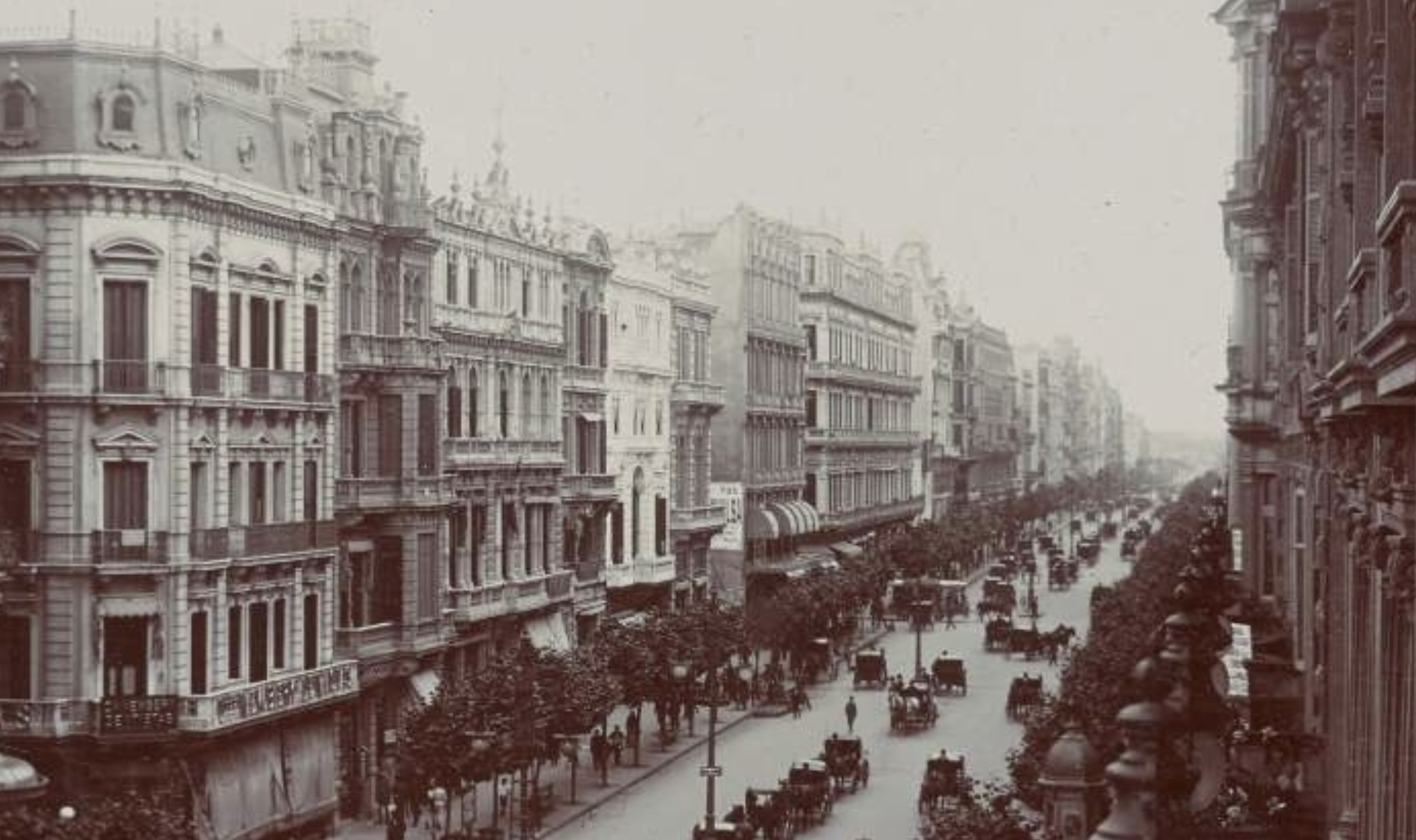
Completed in the late 19th century, Avenida de Mayo symbolized Buenos Aires’ European aspirations. Photographs from the 1900s show ornate façades, wide sidewalks, and cafés filled with well-dressed residents. The avenue linked Plaza de Mayo to the National Congress and quickly became a stage for civic identity.
The National Congress Under Construction
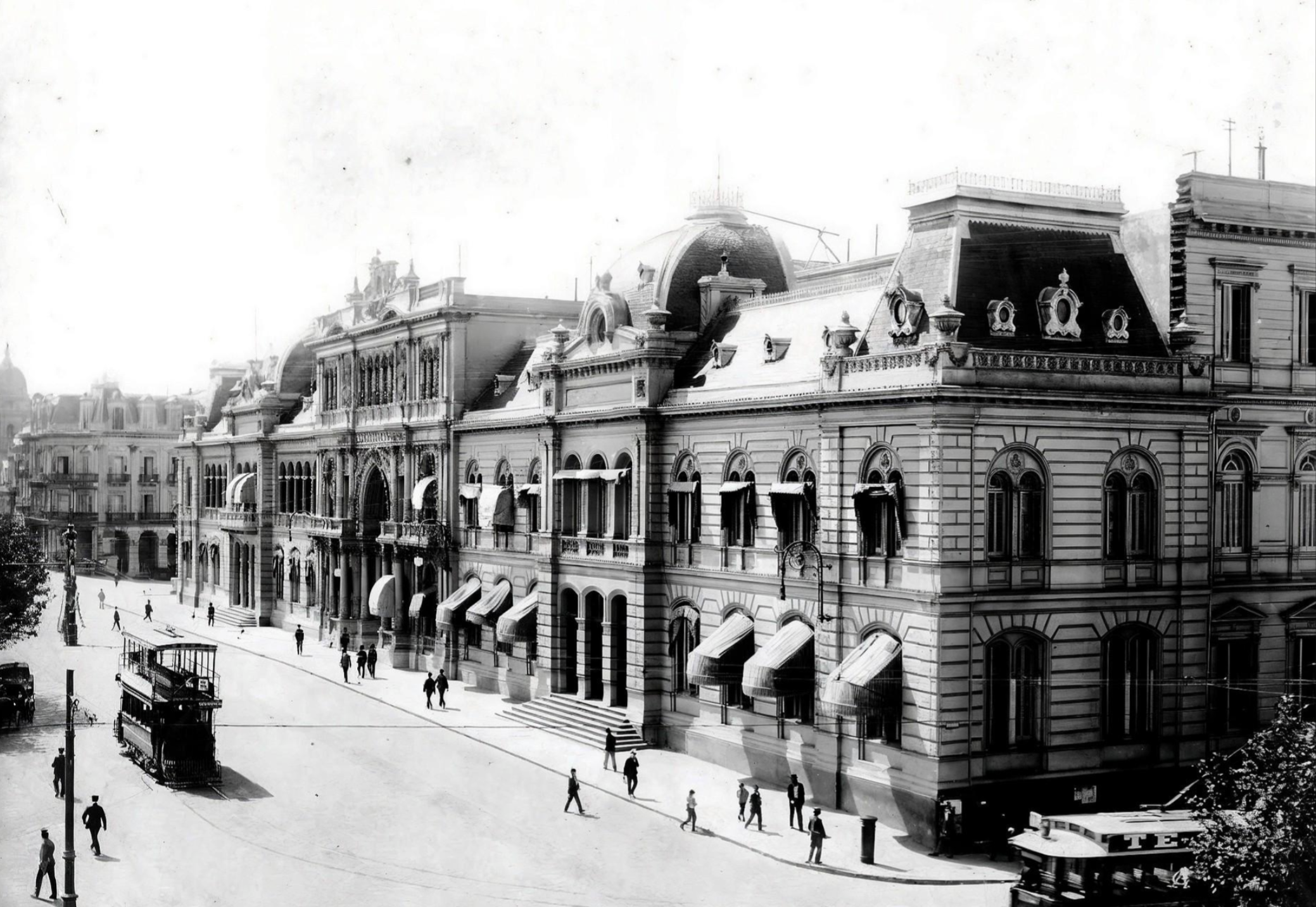
Images from the early 1900s reveal scaffolding surrounding the rising dome of the Palacio del Congreso. Workers stand beside stone blocks and iron frameworks. The scale of the project reflects the country’s economic confidence at the time.
Puerto Madero and the Working Waterfront
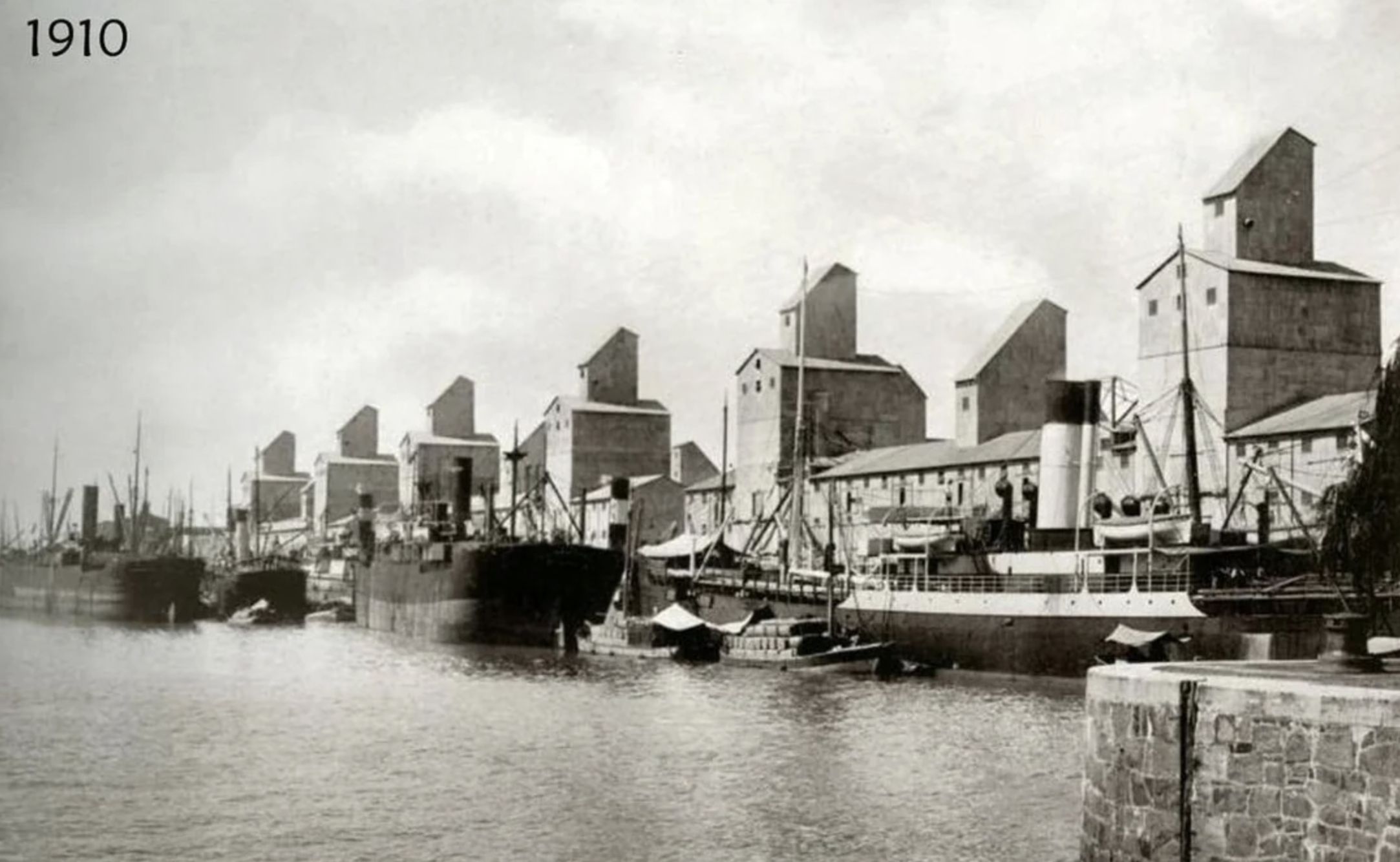
Before redevelopment turned it into a modern district, Puerto Madero functioned as a vital commercial port. Archival photos show cargo ships docked along brick warehouses. Cranes and rail lines hint at Argentina’s booming export economy.
Immigrants Arriving at the Port
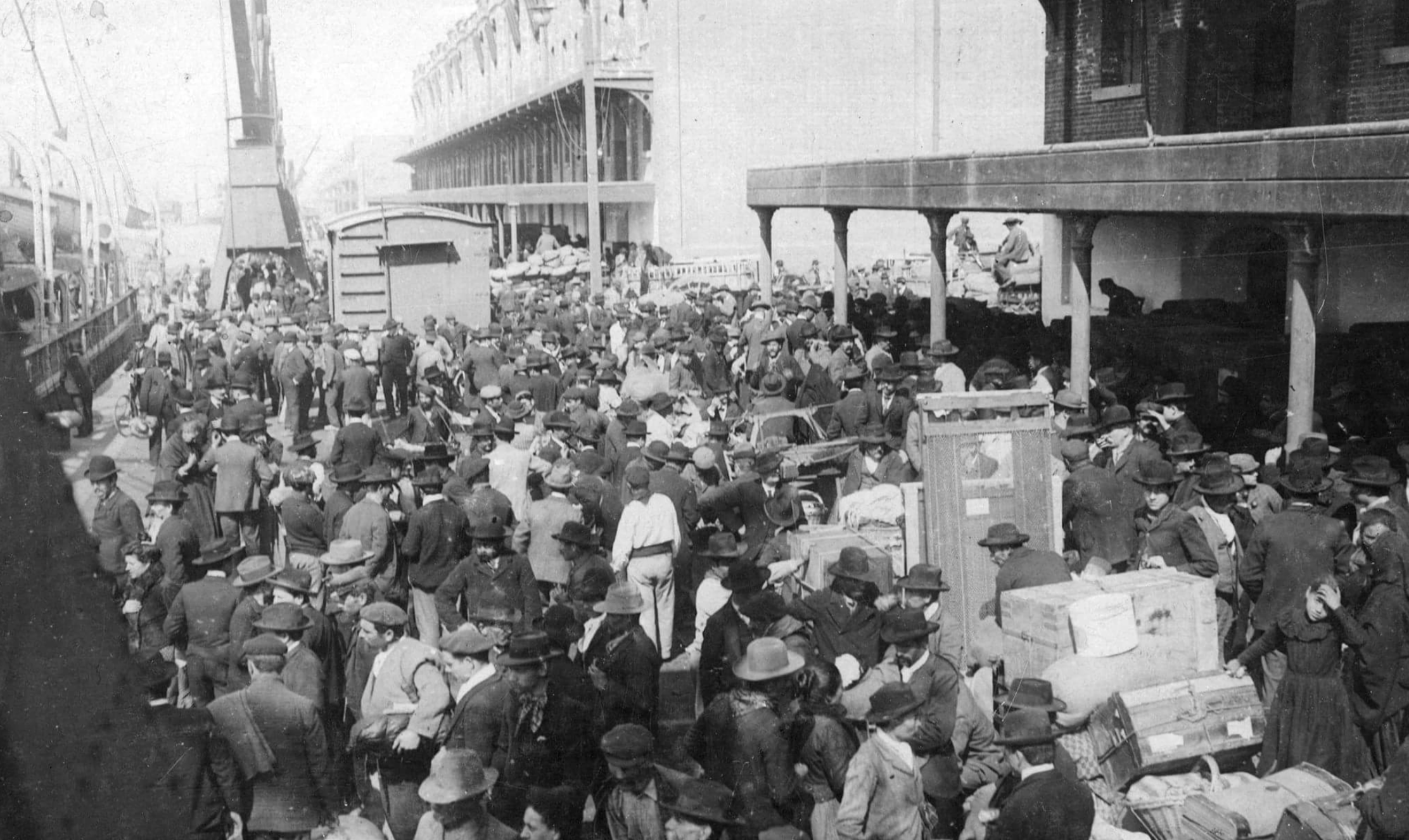
Ships from Europe brought thousands seeking opportunity. Photographs capture families stepping onto the docks with trunks and bundles in hand. The city’s population surged, and entire neighborhoods took shape around these new arrivals.
Trending on The Scroller

The Teatro Colón Before and After Opening
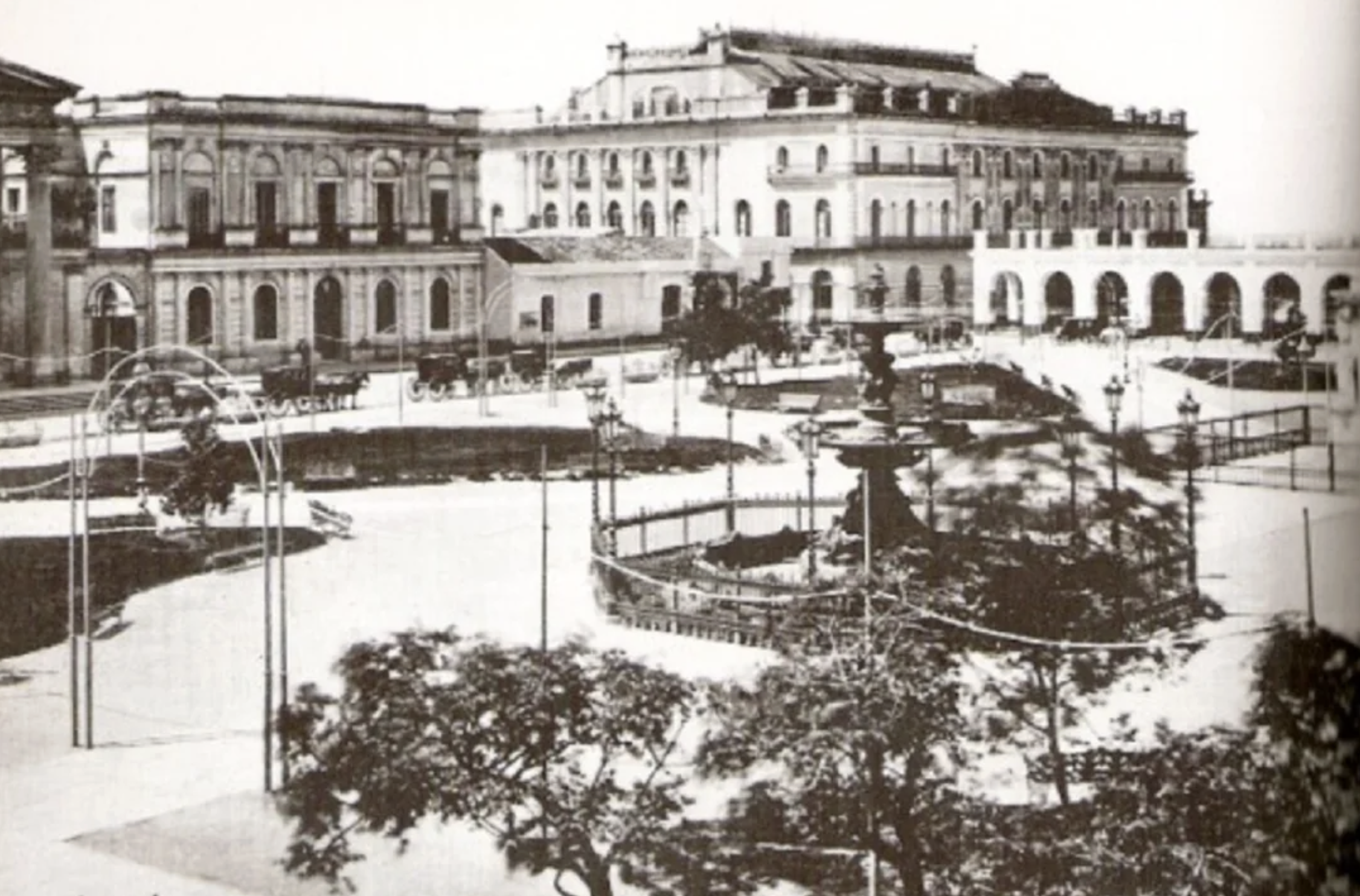
Construction images from the early 1900s contrast with later photos of elegant crowds entering the completed opera house in 1908. The building’s grandeur reflects Buenos Aires’ cultural ambitions and its desire to rival Europe’s great capitals.
Streetcars Rolling Through the City
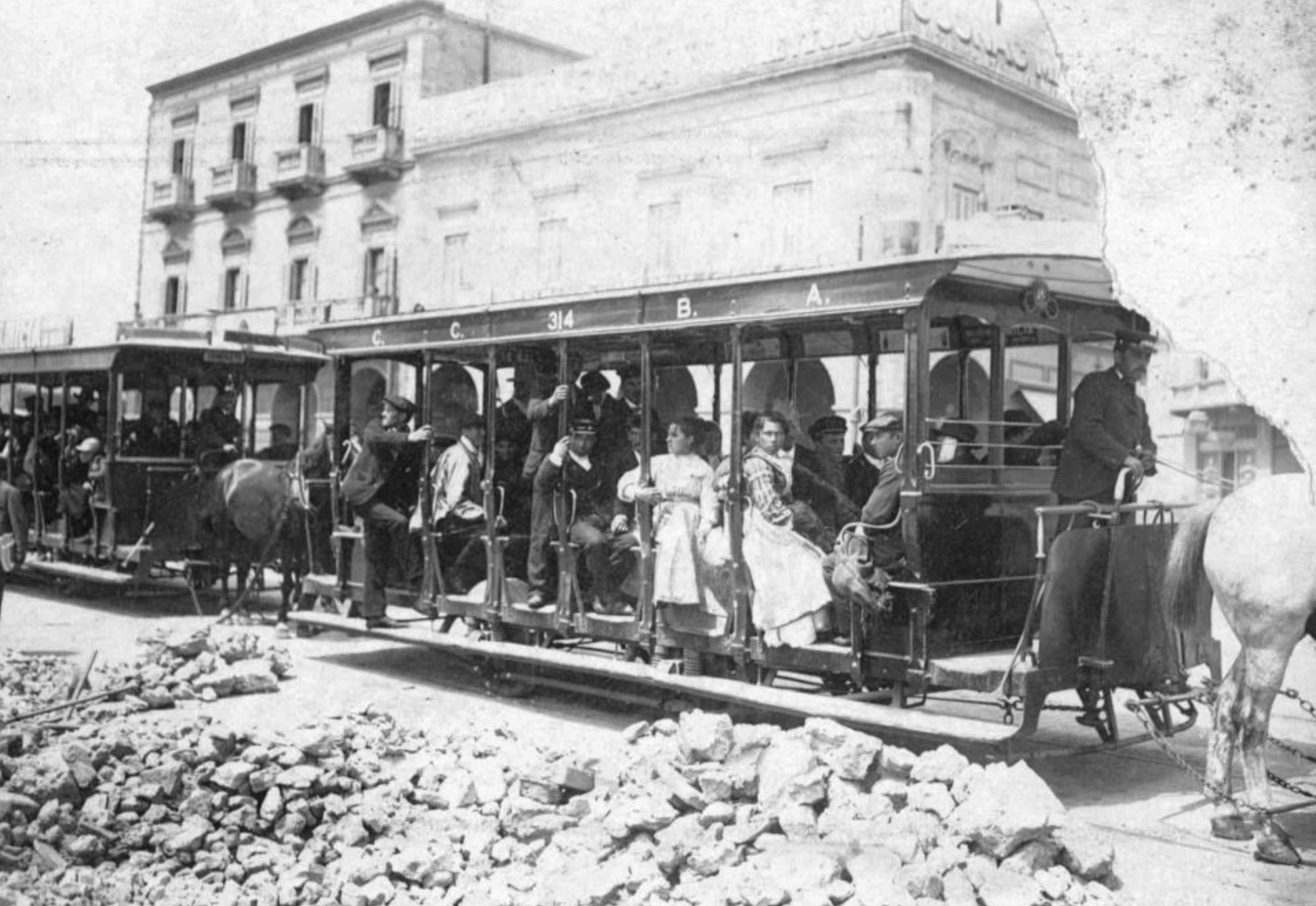
Electric trams replaced horse-drawn transport during this period. Photographs show streetcars gliding past pedestrians, vendors, and newspaper stands. Public transit reshaped how residents moved through expanding neighborhoods.
La Boca’s Colorful Beginnings
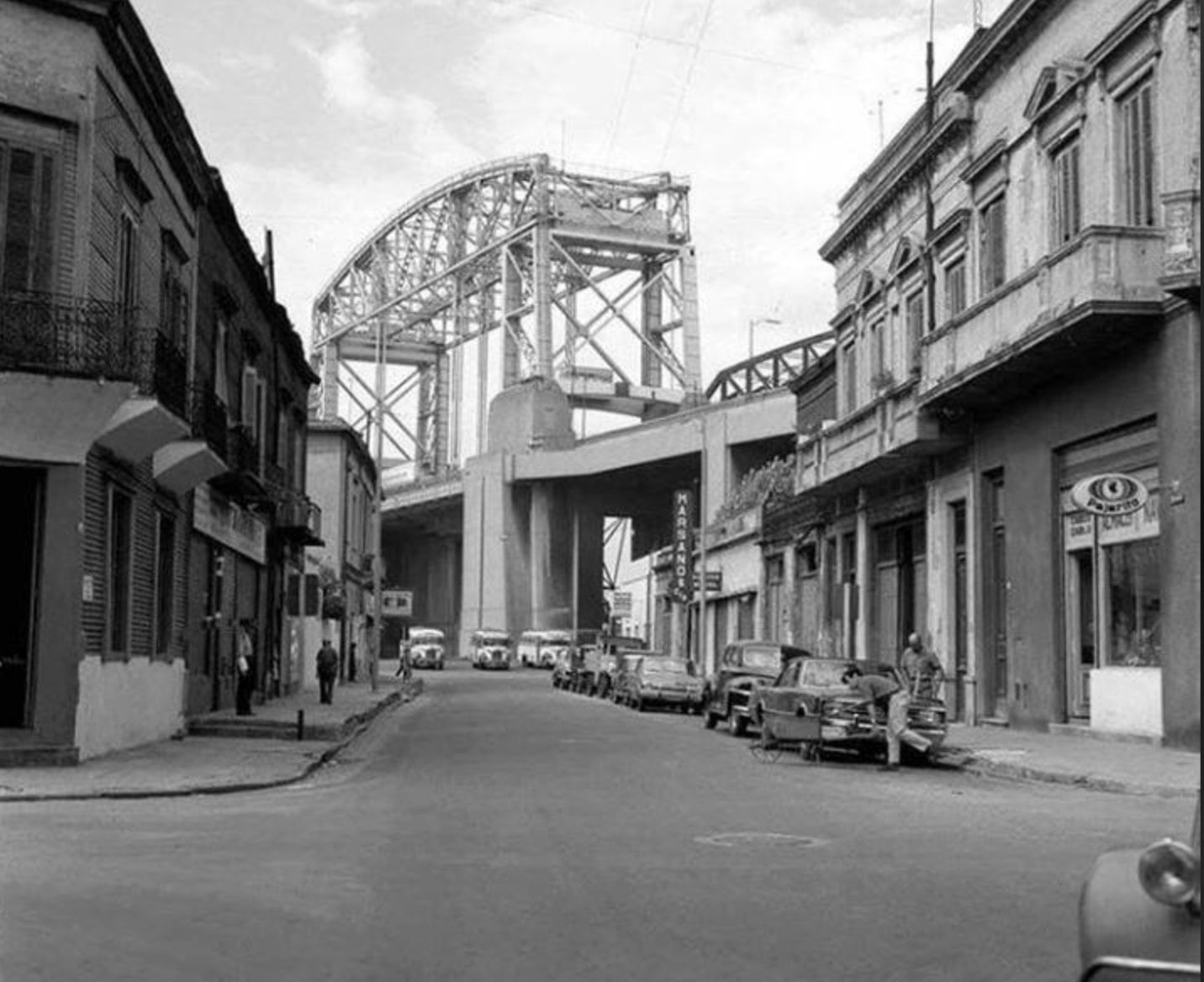
Early images of La Boca reveal wooden houses, busy docks, and a working-class atmosphere. Italian immigrants influenced both the architecture and the local culture. Laundry hangs from balconies while children gather in narrow streets.
Sign up for our newsletter
The Rise of Recoleta
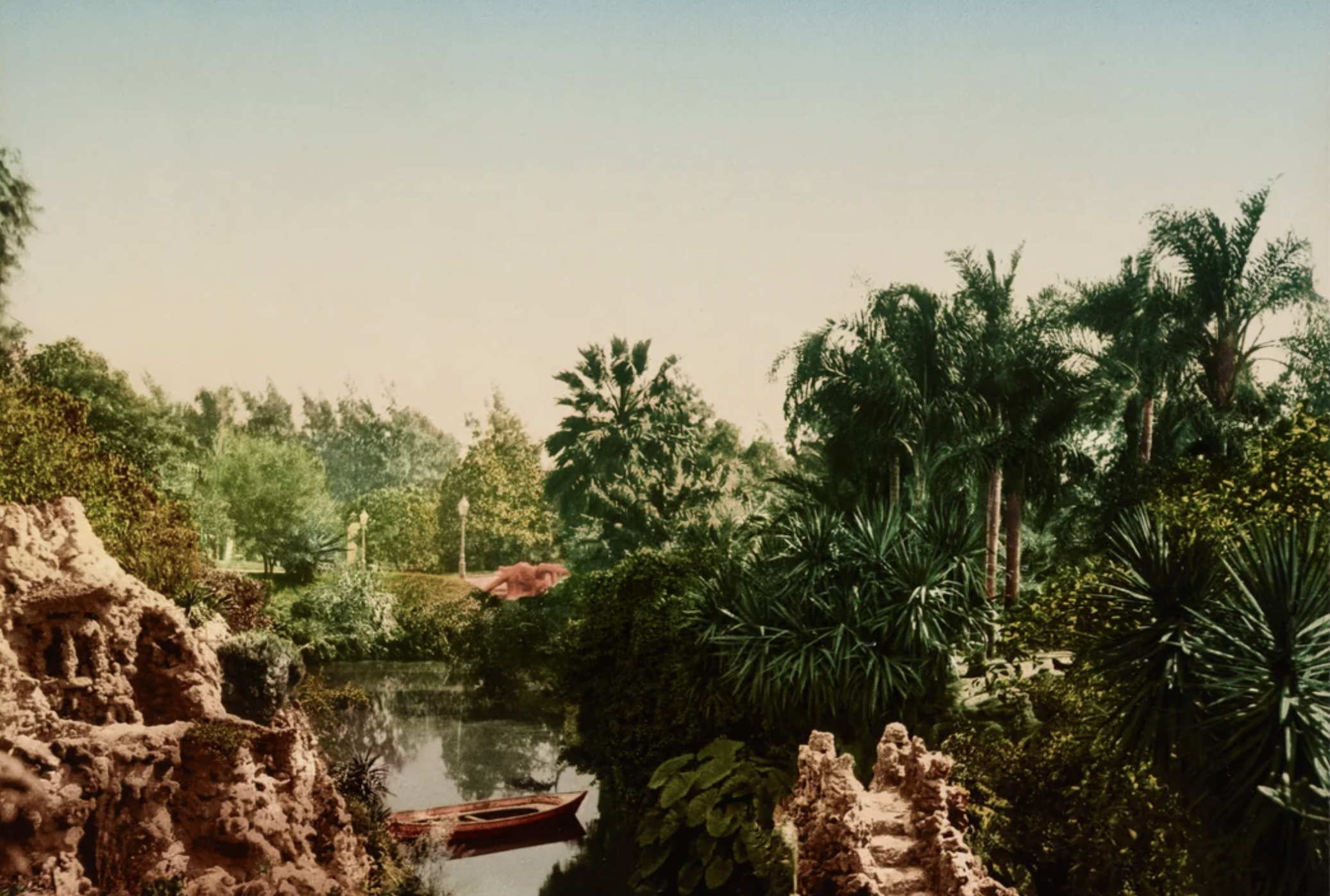
Photos of Recoleta from the 1900s show large homes and tree-lined streets taking shape. The neighborhood became a symbol of wealth and refinement. Carriages line up outside stately residences during social gatherings.
Markets and Street Vendors
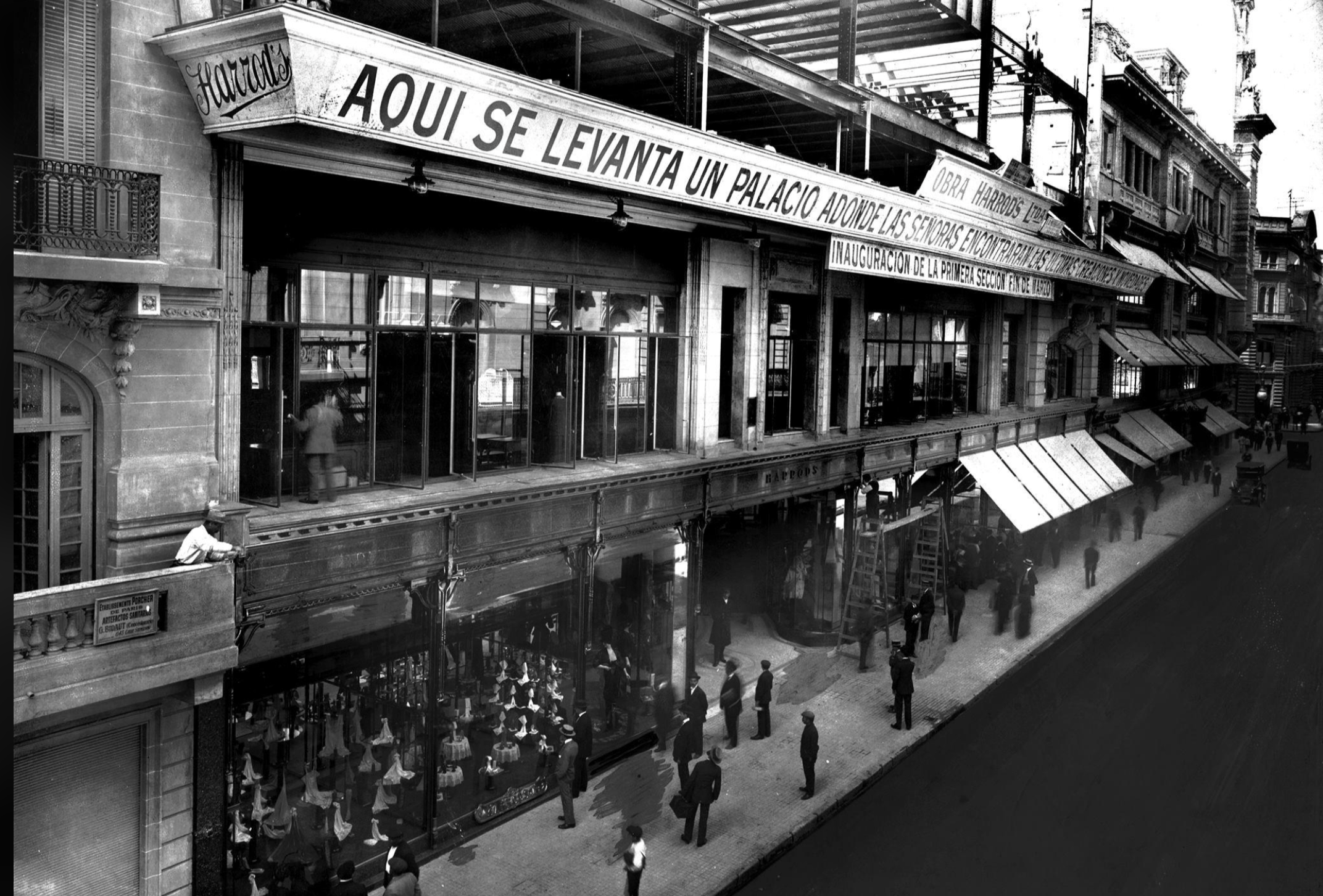
Open-air markets filled with produce, meat, and fresh bread appear in several photographs from the era. Vendors stand beside wooden carts, calling out to passersby. These scenes offer insight into everyday commerce.
Early Automobiles on City Streets
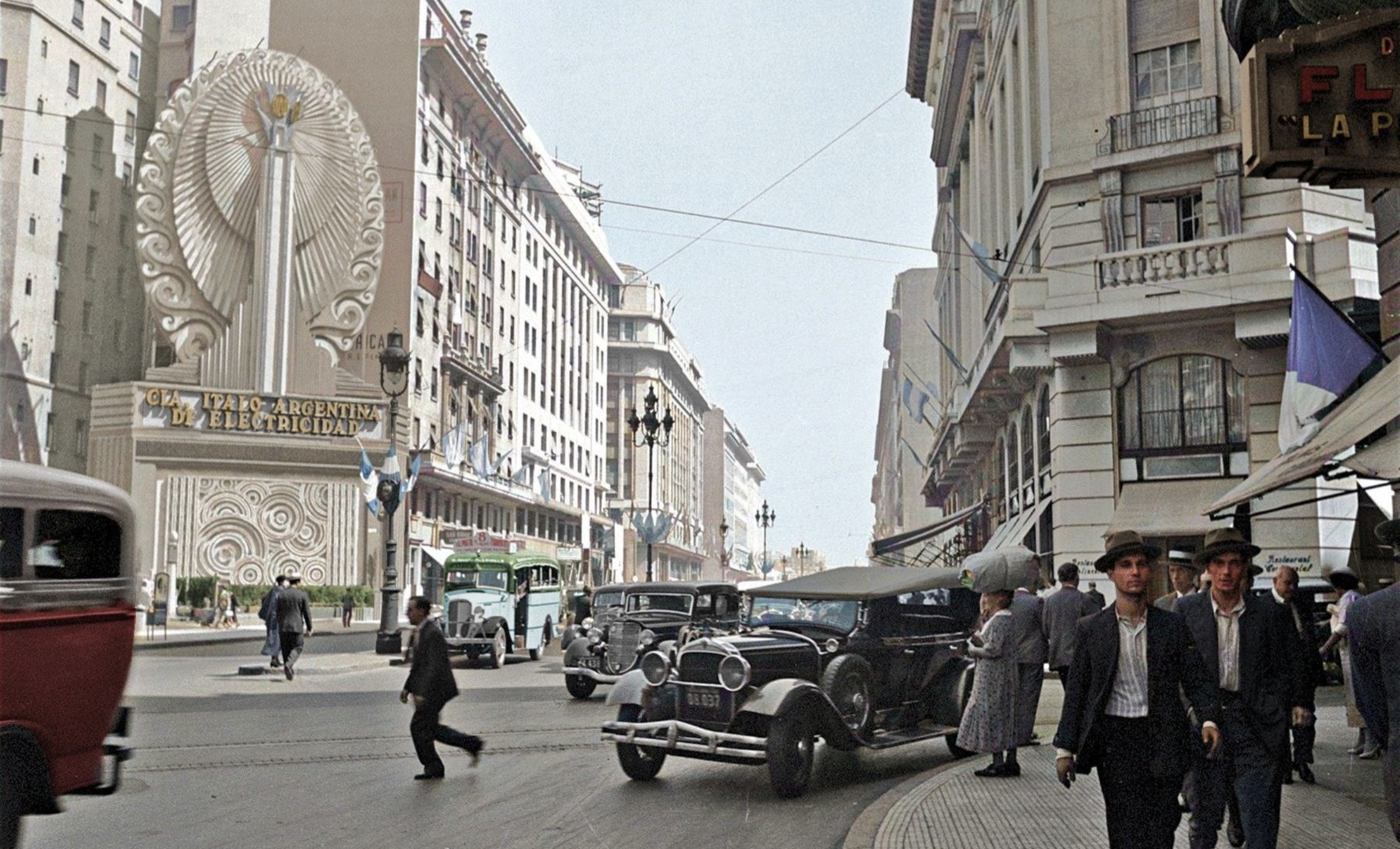
By the 1910s, automobiles began appearing in photographs alongside horse-drawn carriages. The contrast marks a transitional moment in urban life. Wide boulevards made room for this new form of transport.
The Buenos Aires Zoo in Its Early Years
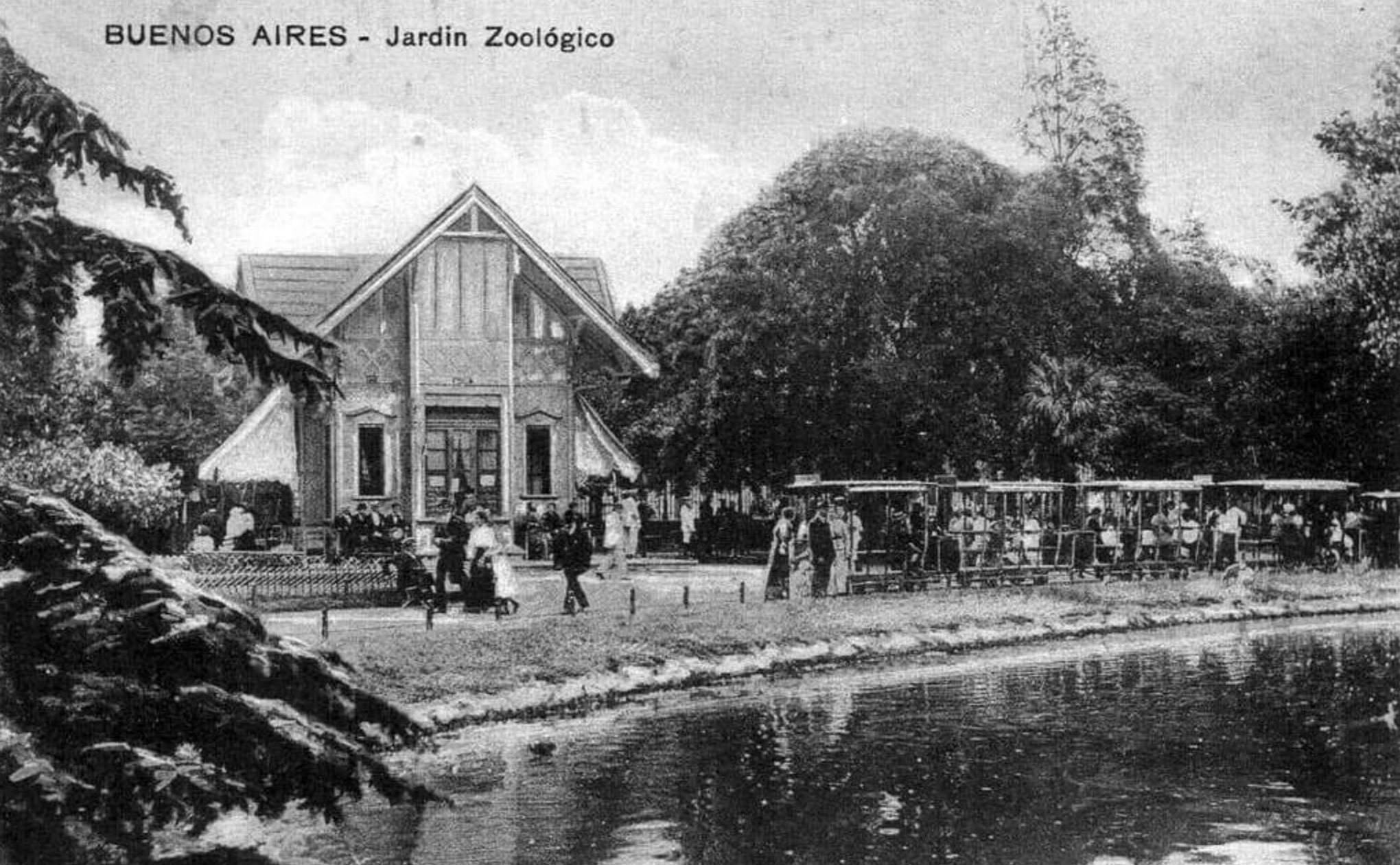
Families stroll past animal enclosures in images from the early 20th century. The zoo served as both an attraction and a symbol of civic development. Formal gardens surround the grounds.
Schools and Public Education
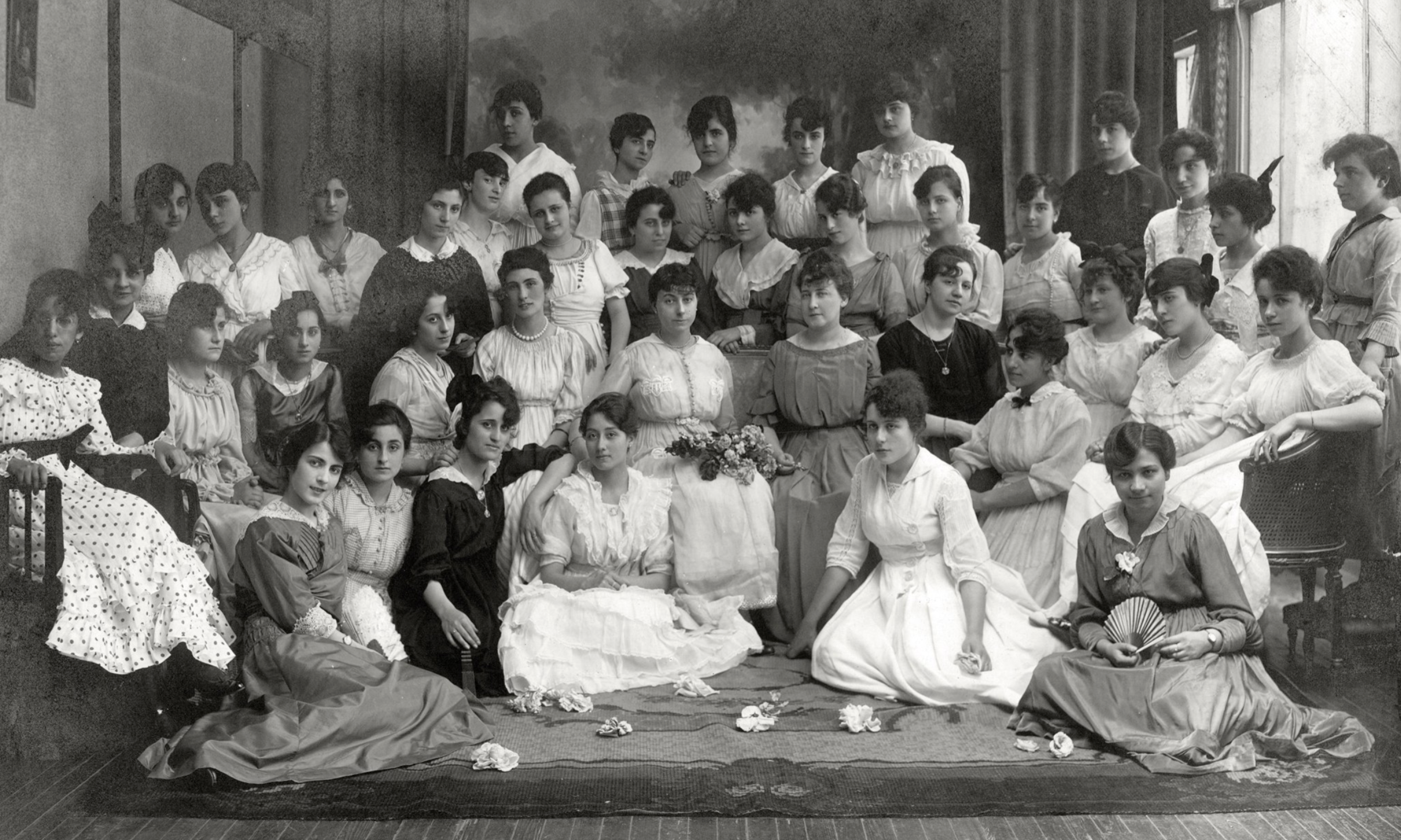
Classroom photographs show rows of children seated at wooden desks. Argentina invested heavily in public education during this period. The images reflect discipline, order, and optimism about the future.
Café Culture in Its Early Form
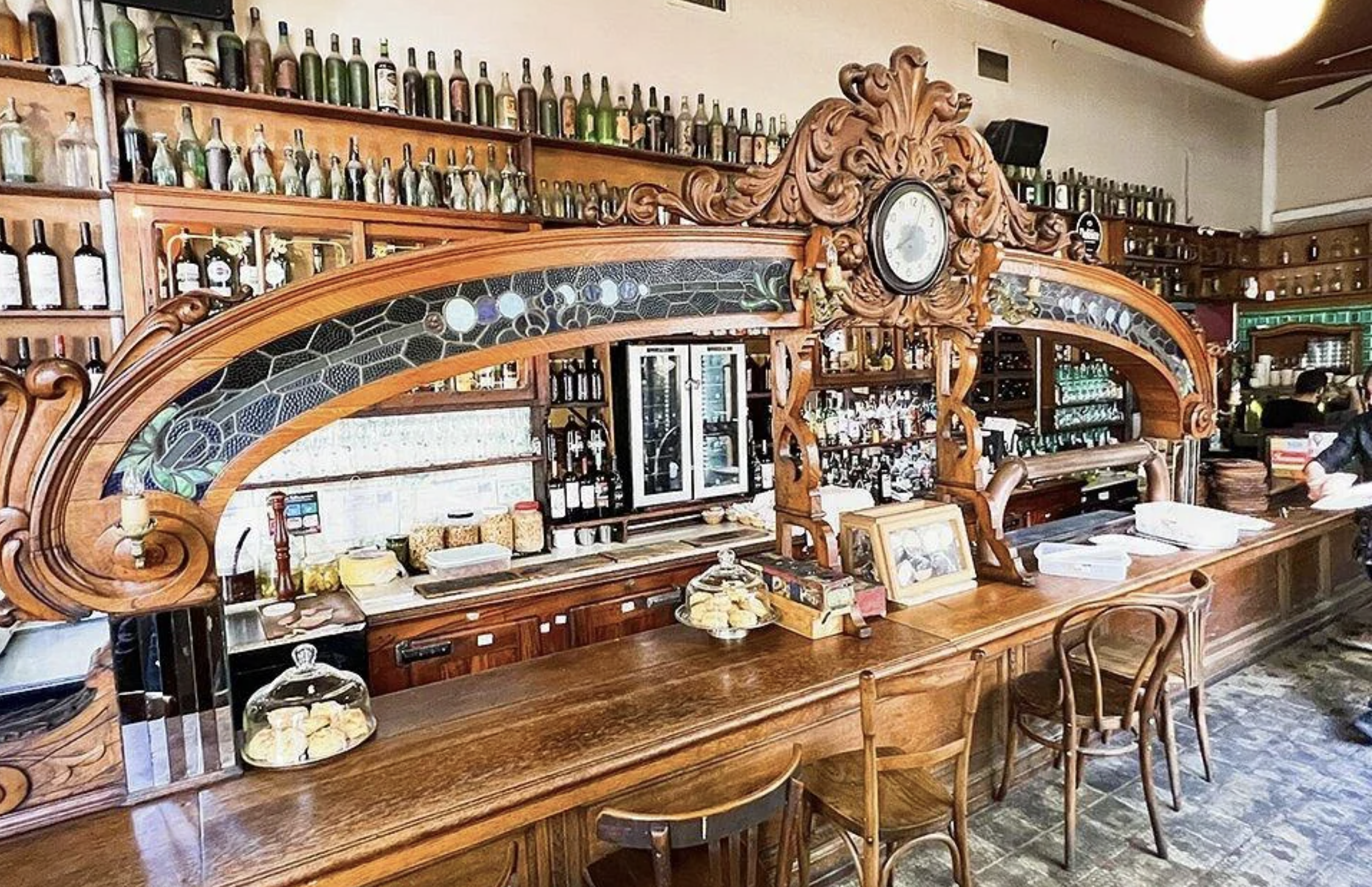
Black-and-white images of cafés reveal marble tables, mirrored walls, and patrons deep in conversation. Intellectual life flourished in these spaces. Newspapers, politics, and literature shaped daily discussions.
Public Demonstrations in the Streets
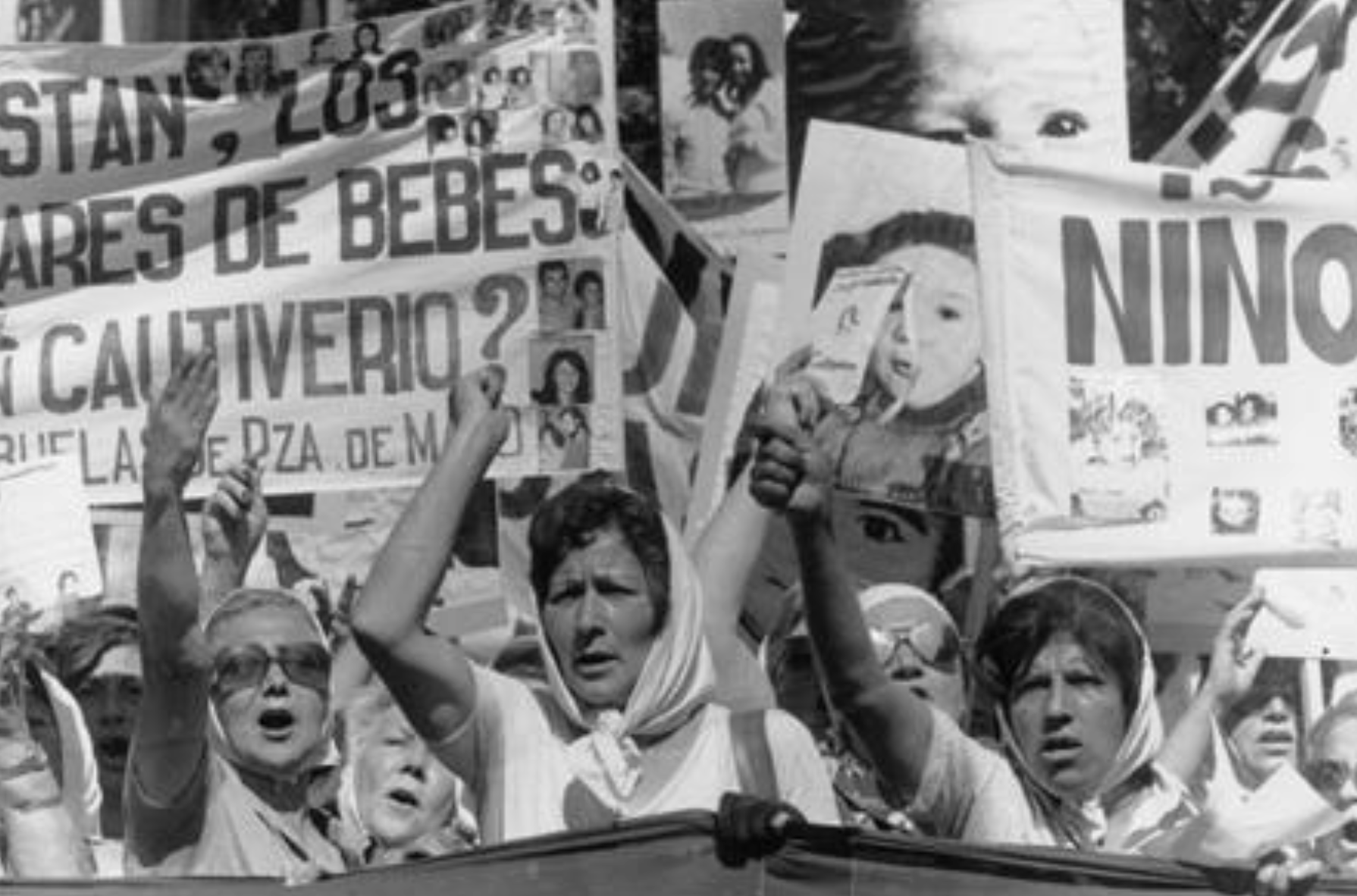
The early 1900s also brought labor movements and political gatherings. Photos show crowds marching down major avenues. Banners stretch above tightly packed demonstrators.
The Obelisk’s Predecessor Era
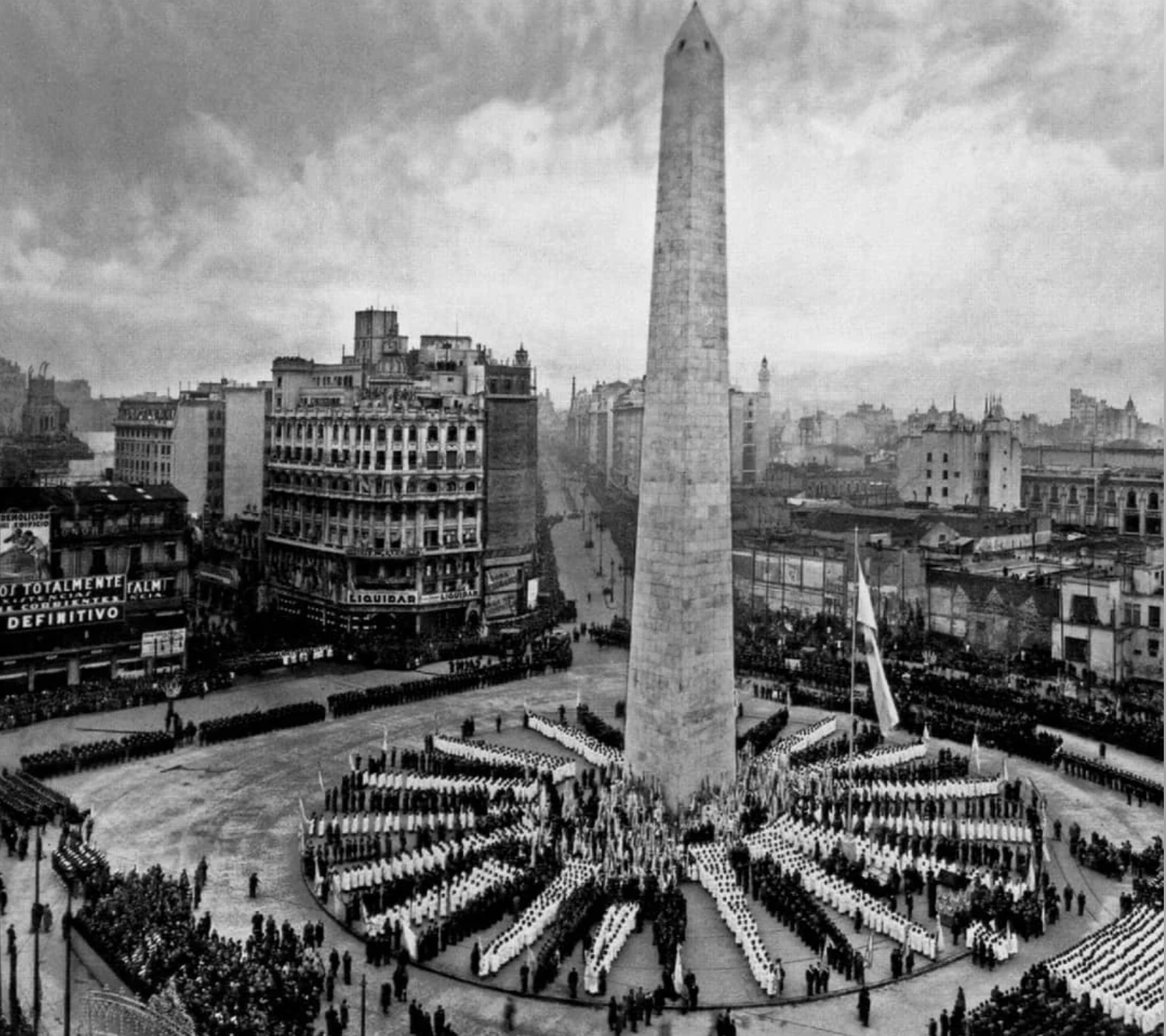
Before the Obelisk was built in 1936, the intersection of Corrientes and 9 de Julio looked very different. Earlier photos show narrower streets and modest buildings. The future landmark site appears almost unrecognizable.
The Expansion of the Railway System
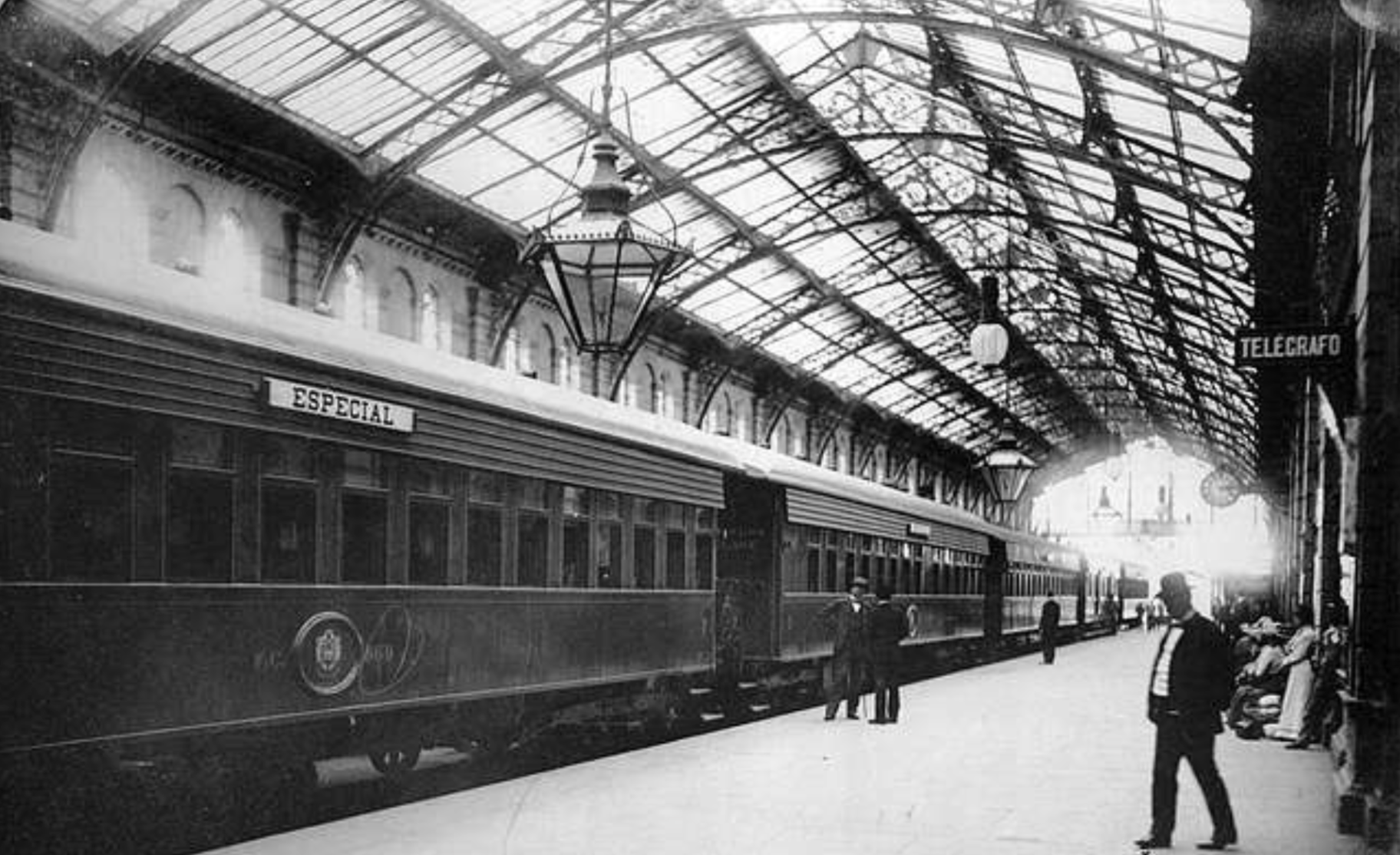
Train stations such as Retiro appear grand and imposing in early images. Steam locomotives sit beneath vast iron roofs. Rail lines connected the capital to the countryside and ports.
Fashion on Florida Street
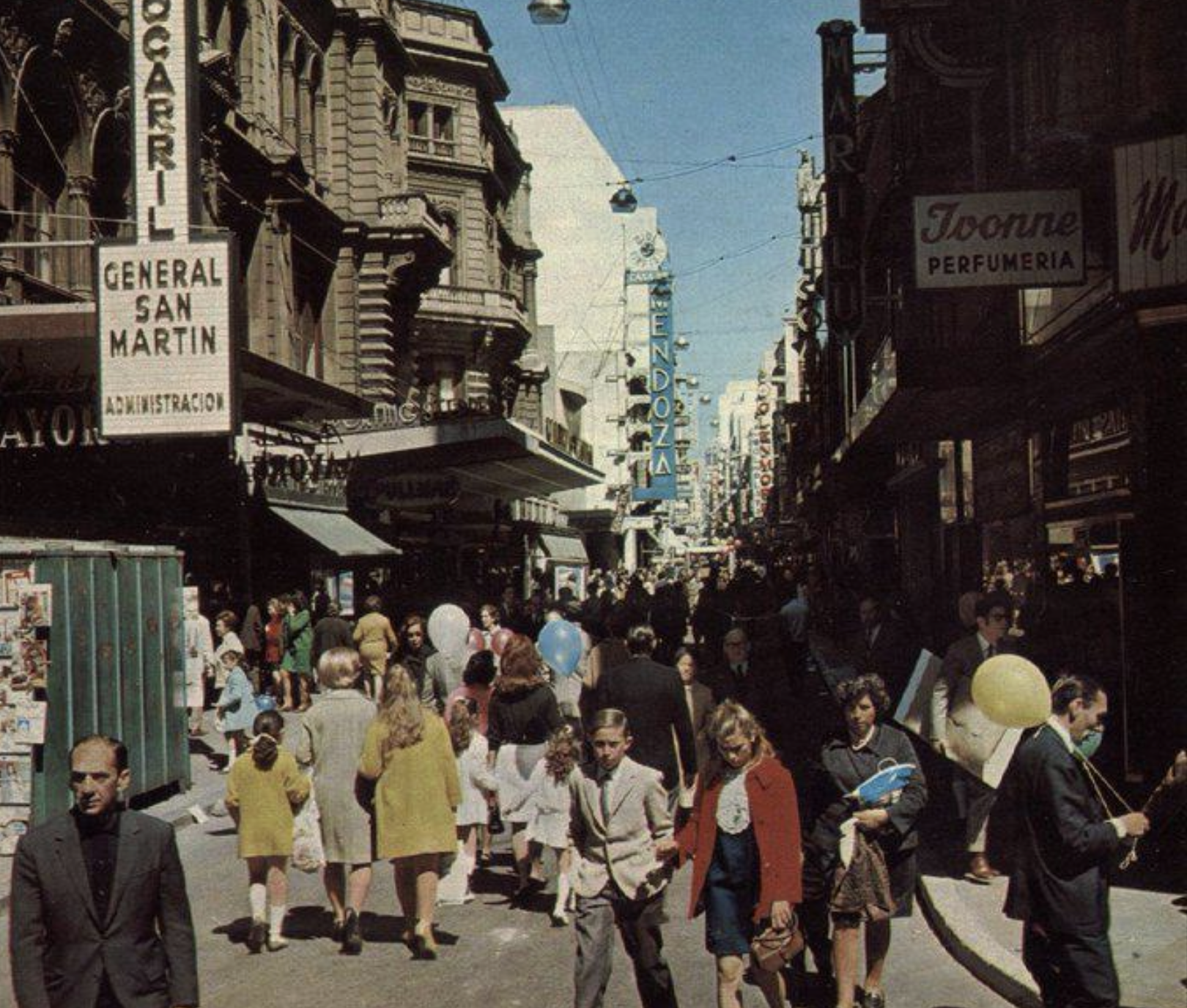
Photographs of Florida Street reveal changing styles across the decades. Long dresses and hats dominate early images, later joined by shorter hems and modern tailoring. The street functioned as a showcase for urban sophistication.
A Skyline in Transition
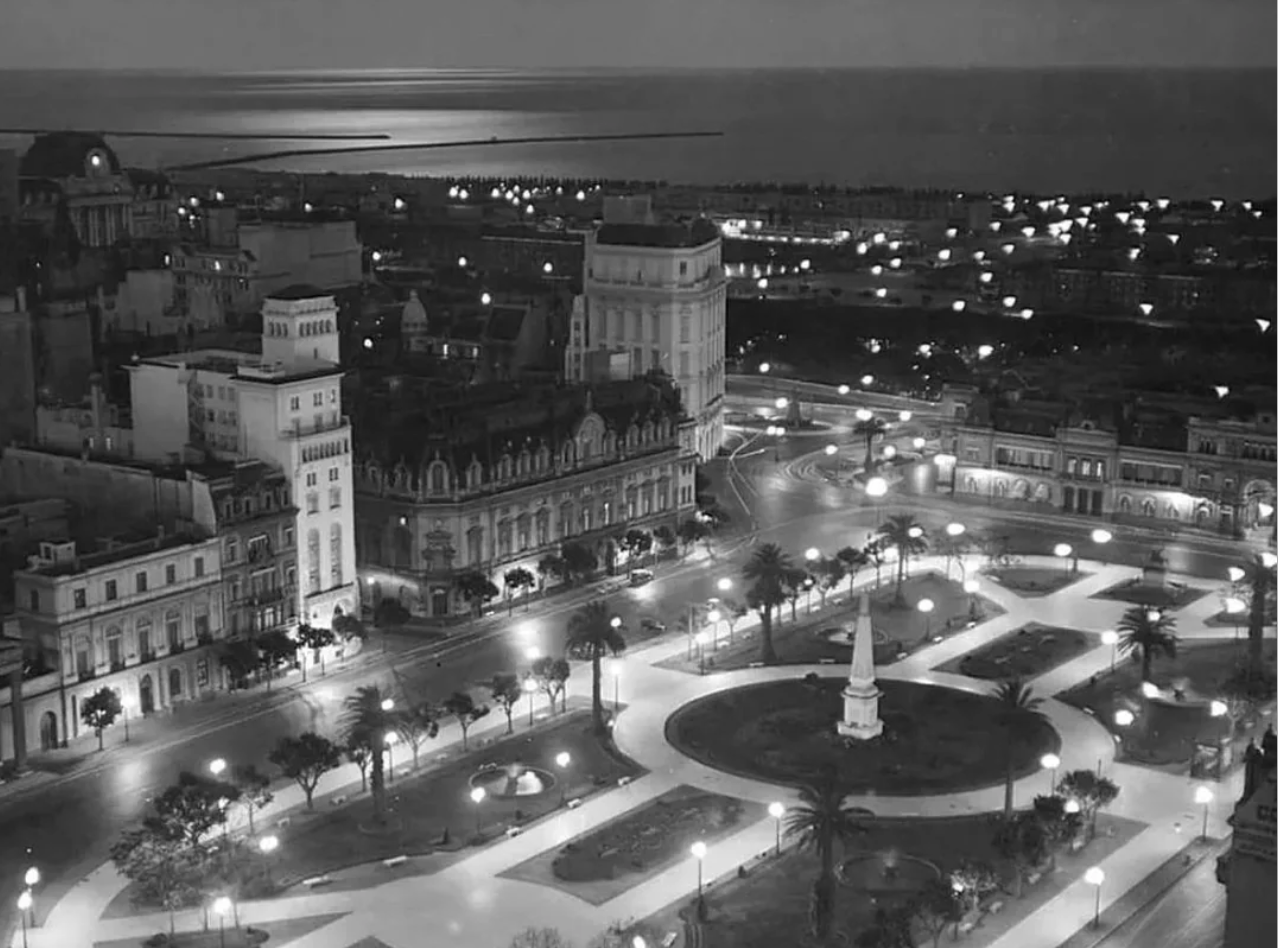
Panoramic shots from rooftops capture church spires rising above low buildings. Over time, taller structures begin to punctuate the horizon. The skyline tells a quiet story of ambition and growth.
Explore more vintage content:
Buenos Aires in the 1900s was neither fully old nor entirely modern. The photographs reveal tension between tradition and innovation, elegance and industry, stability and change. Together, these images document a city building its identity, one street, one arrival, and one grand project at a time. If you loved this content, check out 19 Child Actors from the ’80s Who Had the Most Tragic Lives, or 15 Travel Mistakes Beginners Make (and how to avoid them).