April Fools’ Day is a big moment for pranksters all around the world, especially in North America, where every April 1st people play jokes on their friends and family. It’s a day dedicated to creativity and surprise, and over time it has become much more than just personal pranks. The marketing world, always looking for new ways to capture attention, has embraced this tradition in a very clever way.
When these two worlds come together, something unique happens. Brands use April Fools’ Day as an opportunity to connect with audiences in a more playful and unexpected way, often creating fake products or announcements that feel surprisingly real. In an era where fake news already blurs the line between truth and fiction, some of these campaigns have managed to truly fool people, sometimes even going viral before being revealed as jokes. It’s a reminder of how powerful marketing can be, and how easily we can all fall for a well-crafted idea.
1. Samsung – Samsung Internet Pants (2016)

Samsung announced “Internet Pants”, smart pants with Wi-Fi, gesture control, and security features that would lock if the user ate too much fast food. The video looked like a real product commercial, and many people shared it thinking Samsung was actually developing wearable smart clothing.
2. Taco Bell – Buying the Liberty Bell (1996)

Taco Bell ran a newspaper ad claiming they had purchased the Liberty Bell and renamed it the “Taco Liberty Bell.” Thousands of people called the National Park Service to complain, which proved many people believed the announcement was real. The beginning of fake news.
3. BBC – Spaghetti Tree (1957)

BBC aired a TV segment showing people harvesting spaghetti from trees in Switzerland. Many viewers believed spaghetti grew on trees and reportedly called the station asking how they could grow their own spaghetti tree, and honestly, we don’t blame them because we would also like one of those.
4. Burger King – Left-Handed Whopper (1998)

Burger King published an ad announcing a Left-Handed Whopper designed for left-handed customers, with ingredients rotated 180 degrees. Customers actually went into restaurants asking specifically for the left-handed version.
5. Google – Google Nose (2013)

Google announced Google Nose, a feature that allowed users to smell things through their screens.Many users tried it and shared it online, and Google later revealed it was an April Fools’ joke. To be honest, it’s not something that sounds so insane now with new technologies.
Trending on The Scroller
6. Lego – Vacuum Cleaner That Picks Up Lego (2019)

Lego announced a vacuum cleaner designed specifically to avoid sucking up Lego pieces. Many parents were excited and asked where they could buy it, thinking it was a real product.
7. Netflix – Netflix Live (2017)

Netflix announced a show called Netflix Live, where actor Will Arnett would comment on everyday activities like eating lunch or folding laundry. Many people thought it was a strange but real show and shared it online before realizing it was a joke.
8. Amazon – Dash Button for Everything (2017)

Amazon joked about Dash buttons for random things like snacks, pet food, and even toilet paper deliveries. Some people believed it because Amazon had already released real Dash buttons, which made the joke very believable.
Sign up for our newsletter
9. Duolingo – Duolingo Push (2019)

Duolingo introduced a fake service where a large mascot would physically follow you around reminding you to practice languages. Many users thought it was a real marketing campaign or promotion, but most of us know it’s impossible.
10. YouTube – YouTube Shut Down (2013)

YouTube announced they were shutting down the website to select the best video ever uploaded. A lot of people were confused and worried, and the video announcement went viral before people realized it was a prank.
11. IKEA – Dog High Chair (2017)

IKEA announced a high chair for dogs so they could sit at the table like humans. Many pet owners loved the idea and asked where they could buy it.
12. Spotify – Discover Weekly Based on DNA (2018)

Spotify joked that they would create playlists based on your DNA. People believed it because Spotify already uses algorithms to recommend music, so it sounded possible.
13. BMW – Changing Car Colors with a Button (2019)

BMW announced a technology that would allow drivers to change their car color instantly with a button. At the time it sounded believable because BMW is known for futuristic technology concepts.
14. Coca-Cola – Selfie Bottle (2015)

Coca-Cola announced a bottle that automatically took selfies while you drank from it. People believed it because promotional tech products like that already existed.
15. Reddit – Reddit Island (2012)
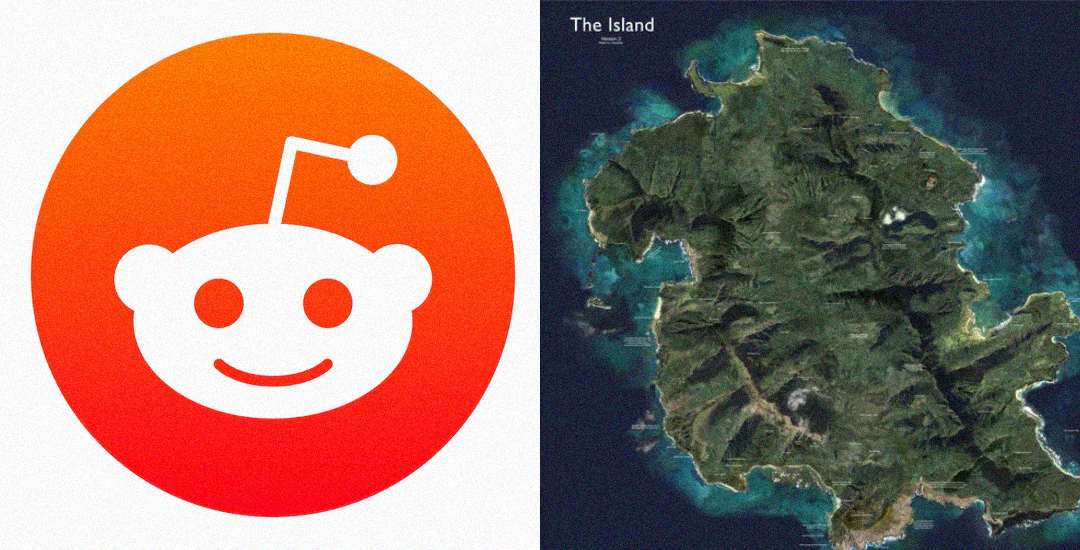
Reddit announced they were buying an island where users could move and create a community. Many users actually signed up and applied, thinking the project was real.
If you enjoy these clever marketing moments and April Fools’ pranks, keep reading to discover more unforgettable stories.
Looking back, many of these jokes were not only creative but genuinely funny, showing how brands can step outside their usual tone and connect with audiences differently. Some of them were so convincing that people actually believed them, which only made the reveal even better. It also makes you wonder what brands will come up with in the future, as April Fools’ Day continues to grow as a global moment for creativity and humor.
Liked this April Fools’ content? You can also check out more funny and entertaining articles like 20 Kids Who Were Left Alone for 5 Minutes and Made It Count, 20 Family Photos That Didn’t Go According to Plan, and 18 Ridiculously Funny Shirts That Nail The Joke.