
Some films arrive looking polished, inevitable, almost suspiciously calm, as if they were always meant to exist exactly that way. Then you look at what happened behind the camera and realize half the production seems to have been held together by stress, bad luck, and people making impossible decisions at the last second. Film history is full of shoots that seemed cursed while they were happening. A few of them even turned into the kind of movies people keep returning to for decades.
Jaws
r/movies
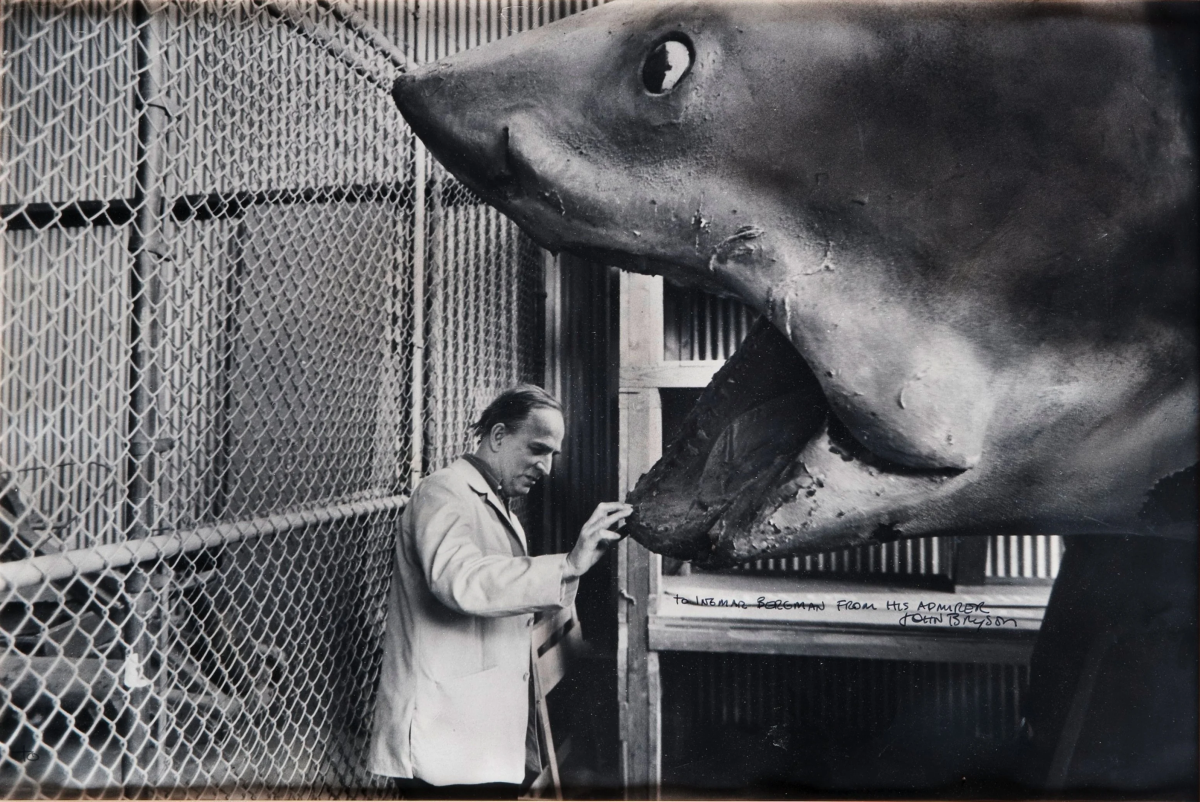
The classic example still feels hard to beat. Steven Spielberg went out on the ocean with mechanical sharks that kept breaking, rough weather that kept interfering, and a schedule that stretched far beyond the original plan, turning a major studio thriller into a prolonged endurance test. The twist is that the film got better because of those failures, since not showing the shark so often forced Spielberg to build suspense through rhythm, suggestion, and that awful feeling that something is there just beneath the surface.
Apocalypse Now
r/moviesinthemaking
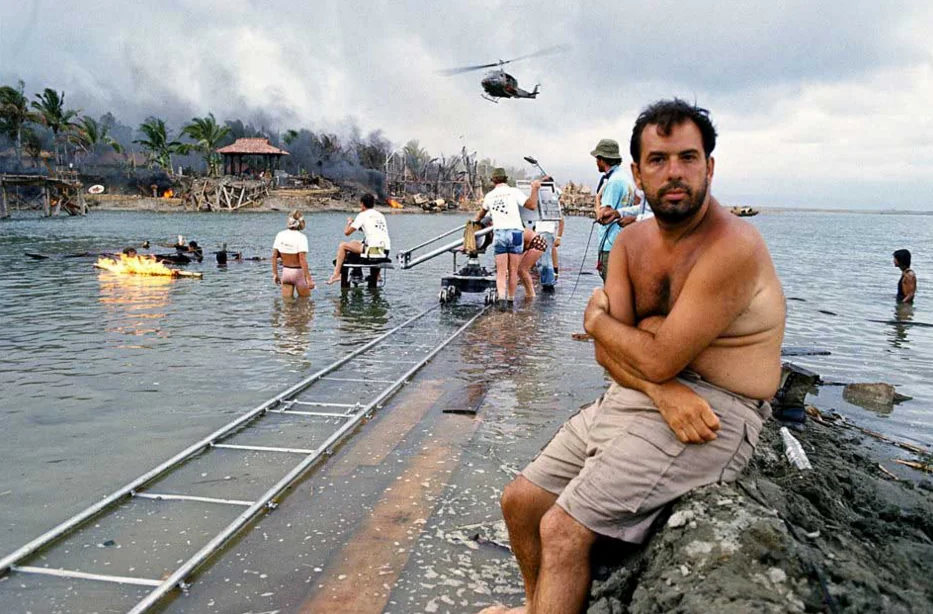
There are troubled productions, and then there is Apocalypse Now, which more or less became shorthand for artistic overreach in the 1970s. Francis Ford Coppola dealt with a typhoon that damaged sets, long delays, Martin Sheen’s heart attack, huge logistical problems in the Philippines, and a production that ran so far off the rails it took on its own mythic status before the film even opened. The strange thing is that the finished movie still feels less like a compromised work than a film that somehow absorbed the instability around it and turned it into atmosphere.
The Wizard of Oz
r/wizardofoz
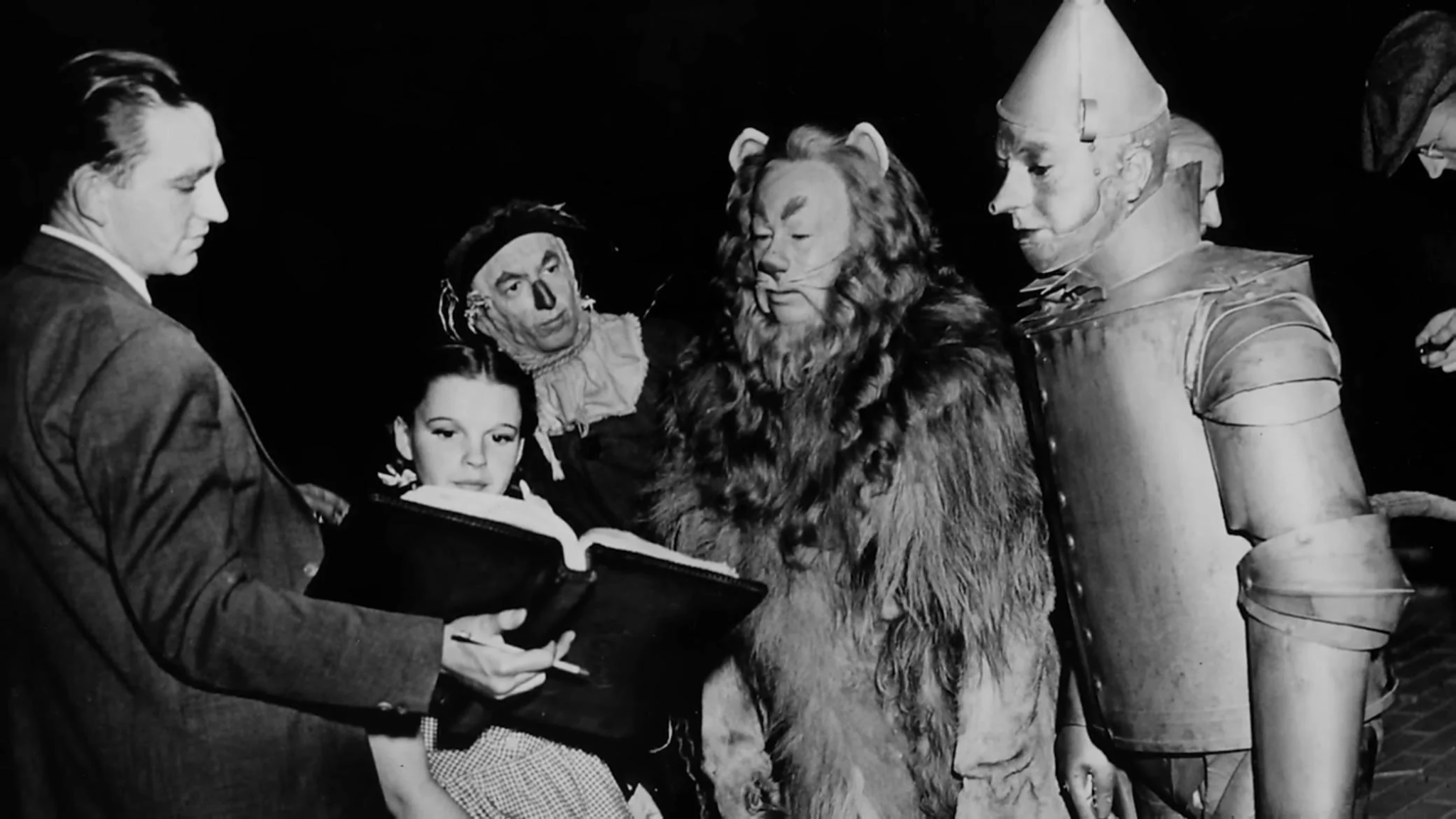
It is easy to think of The Wizard of Oz as pure studio fantasy and forget how much turmoil sits underneath it. The production went through major creative reshuffling, including director changes and a shutdown. Buddy Ebsen had to leave after a severe reaction tied to the Tin Man makeup, and Margaret Hamilton was injured during one of the fire effects scenes. For a movie that now plays like one of old Hollywood’s smoothest illusions, it was put together in a far messier way than people tend to remember.
Titanic
r/titanic
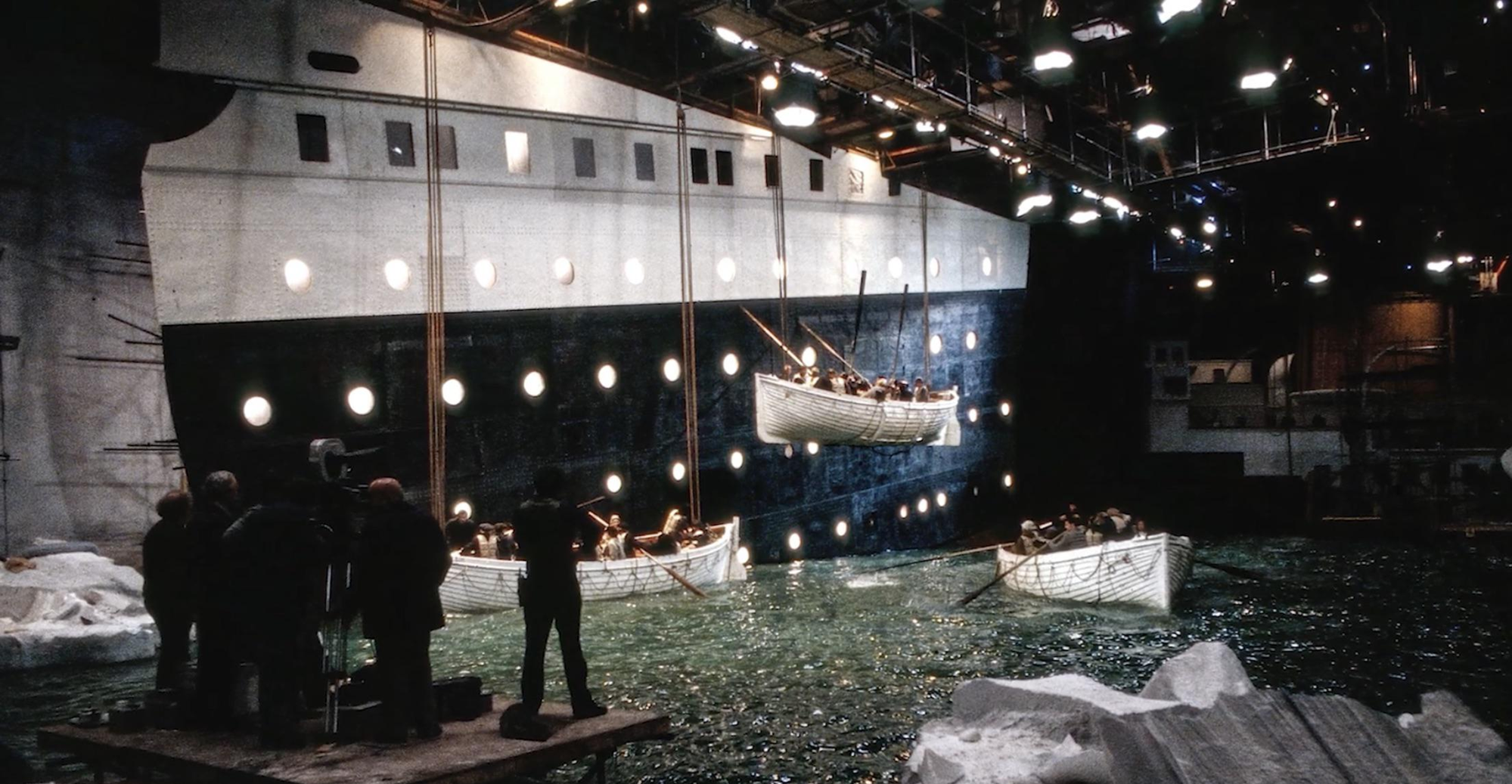
Long before it became the giant everybody knows, the Titanic was widely discussed as a looming financial embarrassment. James Cameron built an almost full-scale replica, pushed the production into record-setting cost territory, and watched the movie become a magnet for skeptical press coverage while the budget kept climbing. It came out anyway, and the cautionary tale turned into one of the biggest theatrical wins the industry had ever seen.
Mad Max: Fury Road
r/moviesinthemaking
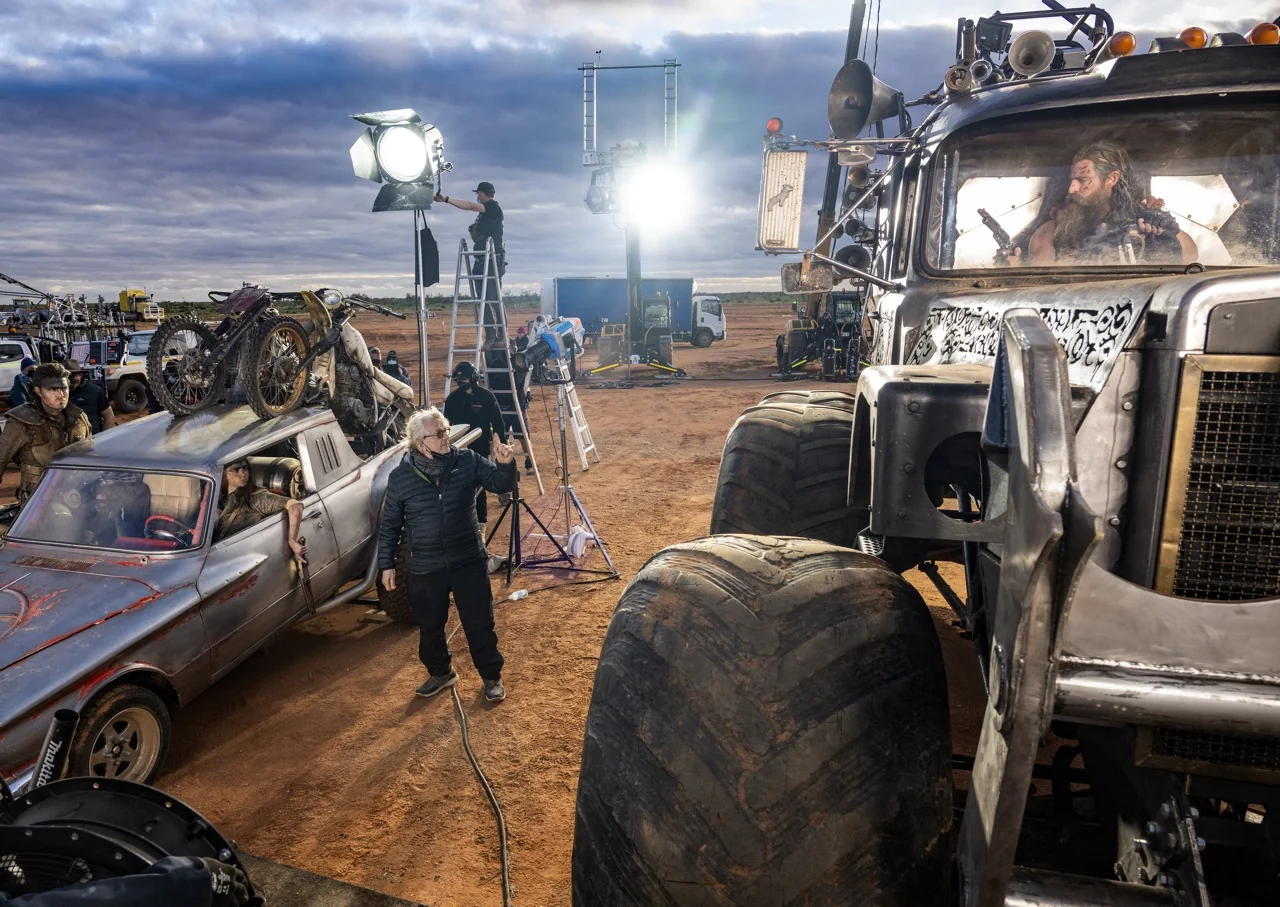
What makes this one so striking is that the movie feels brutally precise, every cut, every impact, every vehicle somehow locked into place. The reality was much uglier, with a grueling desert shoot in Namibia, a production that wore people down physically, and open tension between Tom Hardy and Charlize Theron that cast and crew later described as serious enough to threaten the process. Maybe that pressure is part of why the film has so much friction in it; it never feels manufactured in the clean, digital sense.
Trending on The Scroller

The Godfather
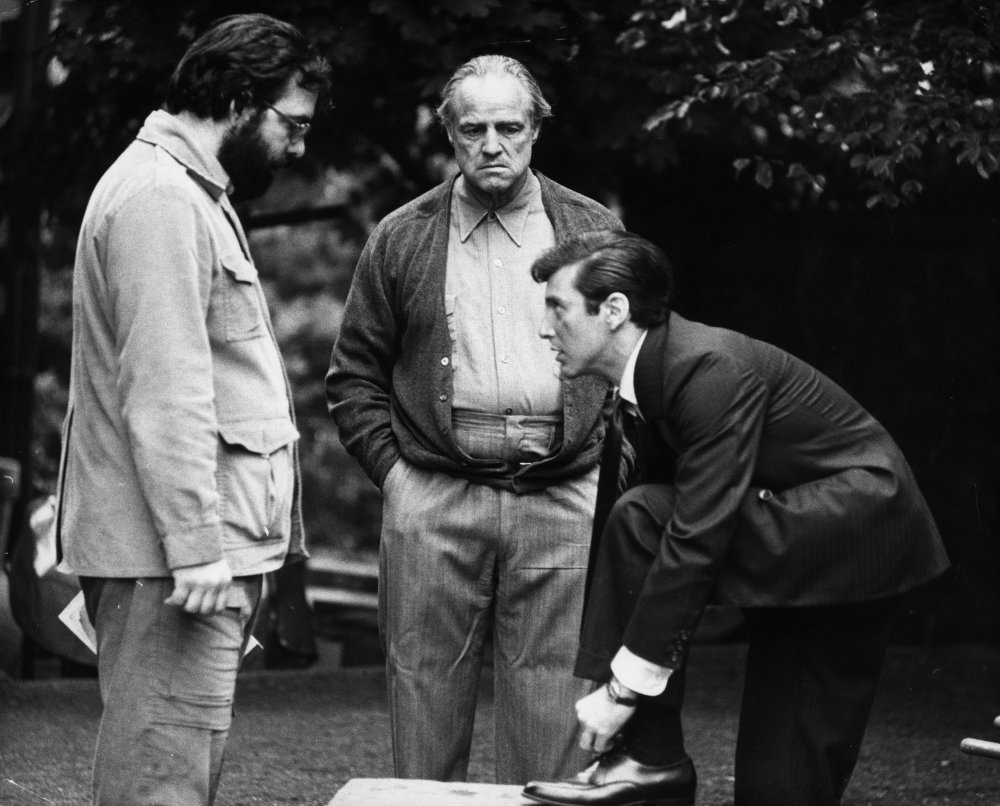
r/moviesinthemaking
Studios love claiming great films in retrospect, but Paramount spent a good stretch of time resisting key things that now seem inseparable from The Godfather. Coppola had to fight for Marlon Brando and Al Pacino, and Brando only secured the role after a screen test and a reduced salary, which tells you a lot about how shaky the studio’s confidence really was. The movie now looks so completely self-assured that the behind-the-scenes panic almost feels impossible.
The Exorcist
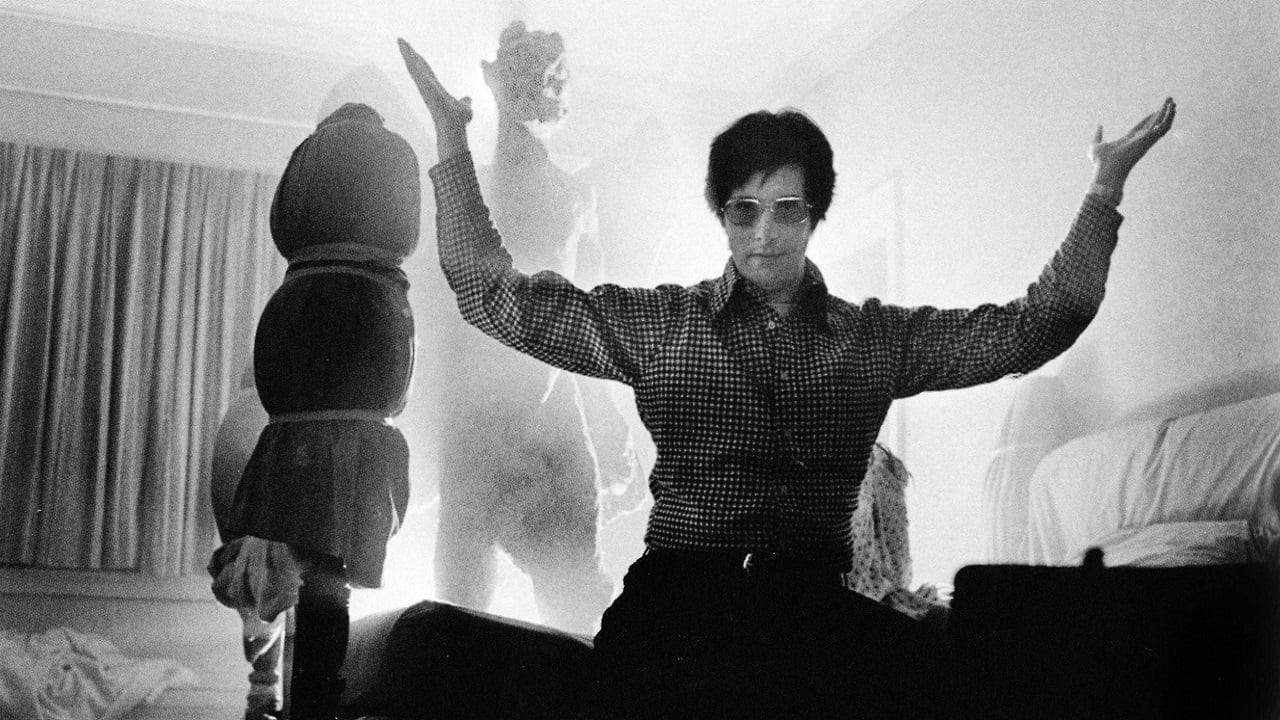
r/moviesinthemaking
The whole “cursed production” label gets overused, but The Exorcist earned at least part of its reputation honestly. Its shoot ran into injuries, delays, and the now-famous fire that destroyed most of the MacNeil house, set while Regan’s room was left standing, which only fed the film’s unsettling lore. The useful thing to remember is that even without the legend-making, this was a genuinely rough production for a major studio picture.
Back to the Future
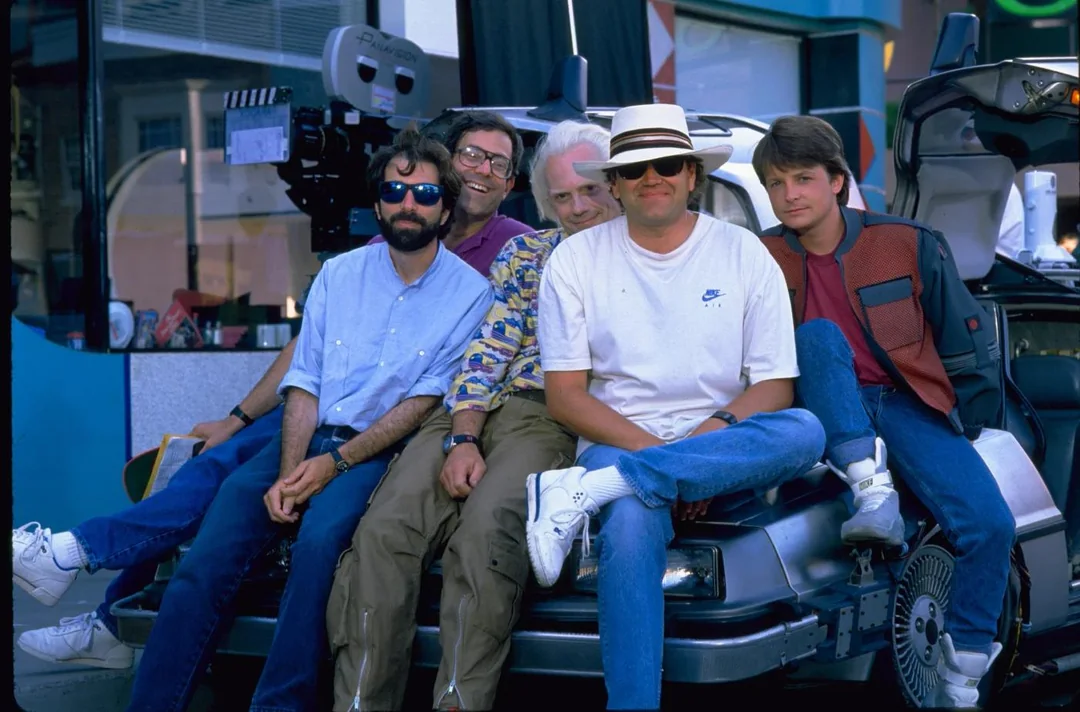
r/moviesinthemaking
Most productions do not survive realizing, after weeks of filming, that the lead actor is wrong. Back to the Future did, replacing Eric Stoltz with Michael J. Fox after already shooting material, which is about as disruptive a reset as a movie can take without collapsing entirely. Instead, it found the exact comic tempo it needed.
Sign up for our newsletter
Some Like It Hot
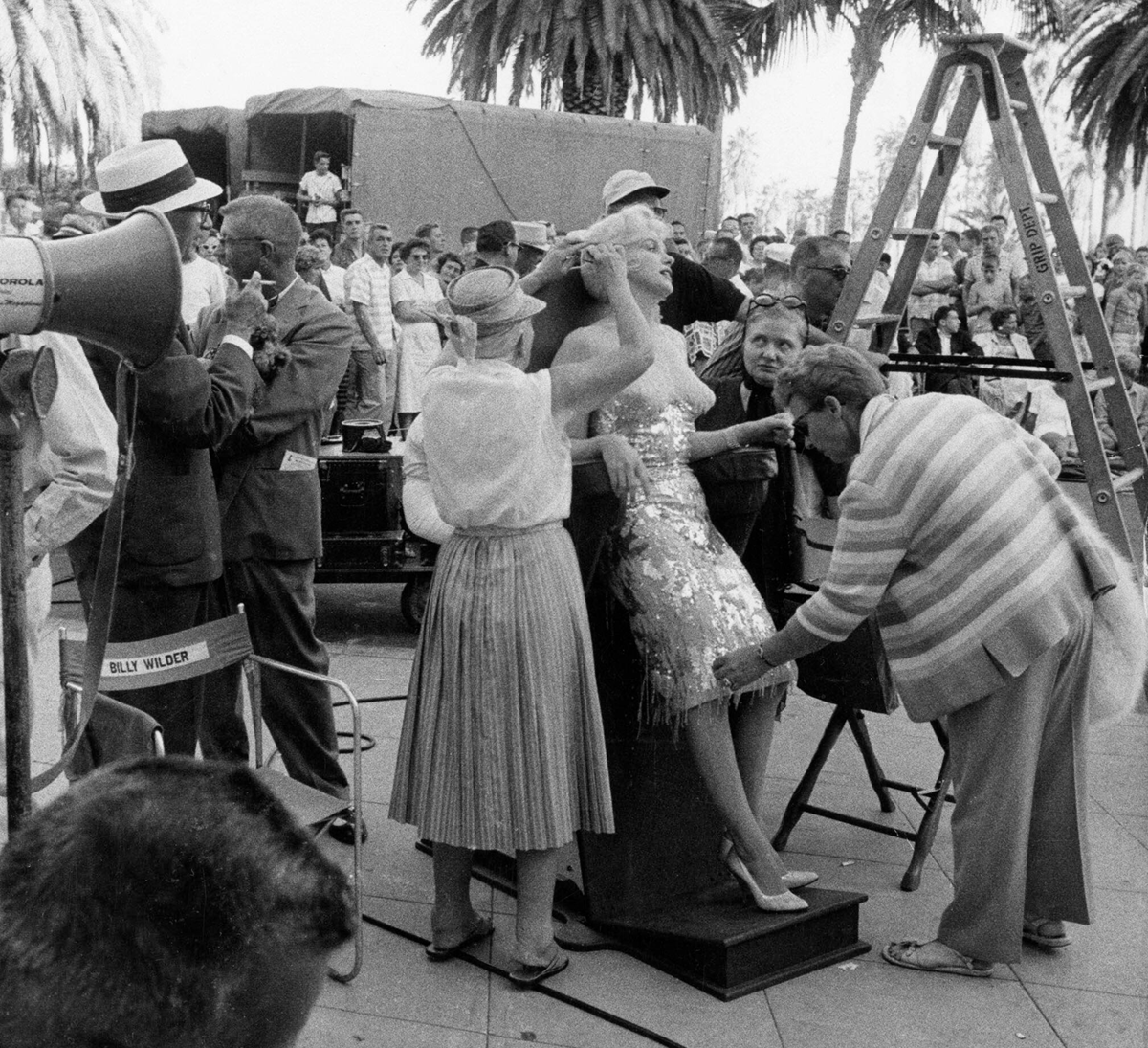
r/moviesinthemaking
Billy Wilder later made clear that Marilyn Monroe’s behavior on set could be exasperating, and the production became known for delays and frayed nerves even if the film itself floats by with ridiculous ease. That tension is part of what makes the result so strange, because nothing in the finished movie feels heavy or burdened.
Star Wars
r/starwars
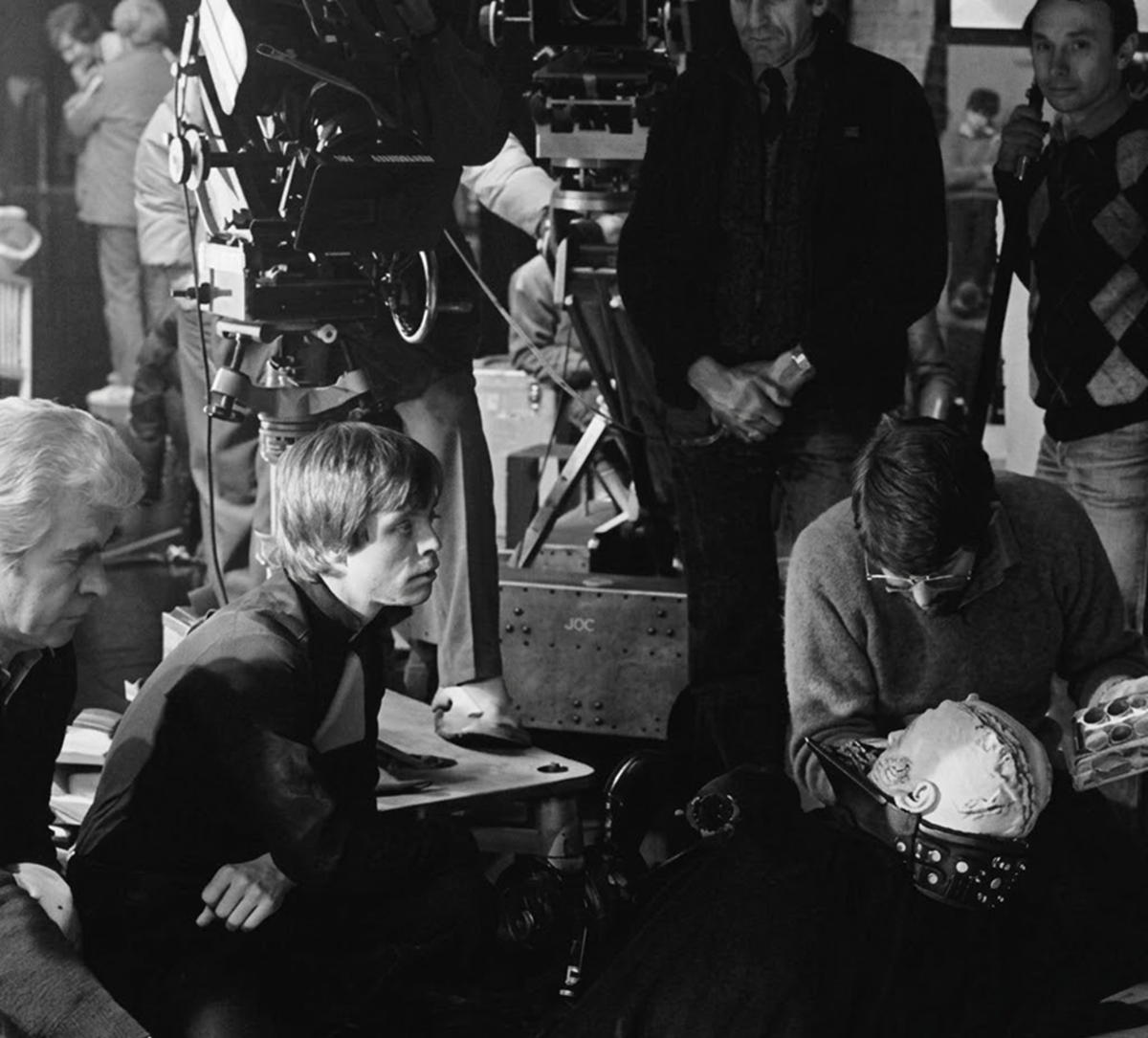
The first Star Wars now feels like the birth of a new industrial language, but while it was being made, it looked risky, awkward, and far from guaranteed. George Lucas was depending on effects work that had not yet proved itself at that scale, and the production itself became part of the story, especially once the film’s enormous impact made people curious about how chaotic the road there had actually been. What seemed improbable in 1977 now looks foundational, which is usually how these stories go once the box office rewrites the mood.
Fitzcarraldo
r/holyhistory
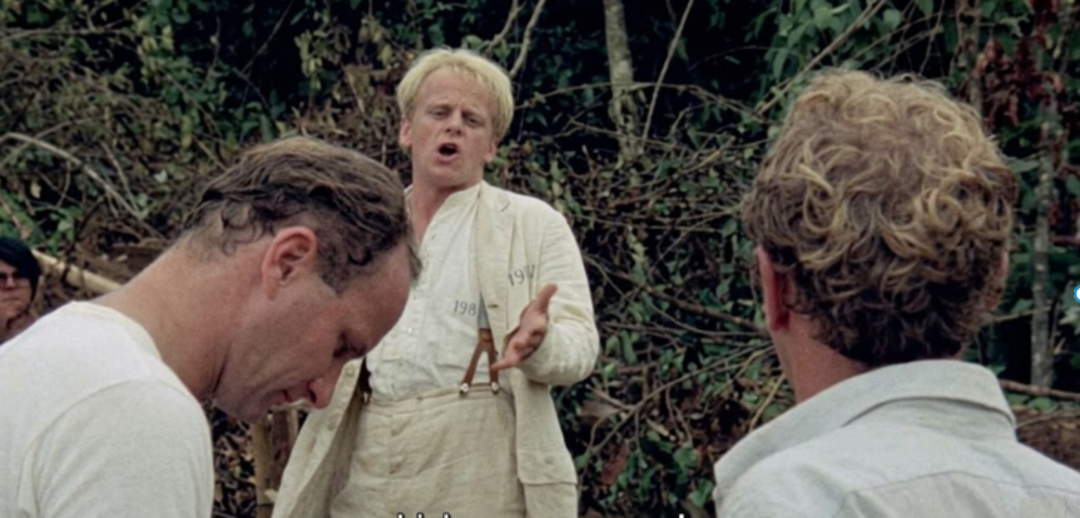
Werner Herzog dragging a real steamship over a hill remains one of those facts that sounds fake even after you know it is true. The production was troubled enough to spawn its own famous documentary, and the making of the film has lived almost as powerfully in cinephile memory as the finished film itself. There is a reason people talk about Fitzcarraldo with a mix of admiration and disbelief.
Cleopatra
r/moviesinthemaking
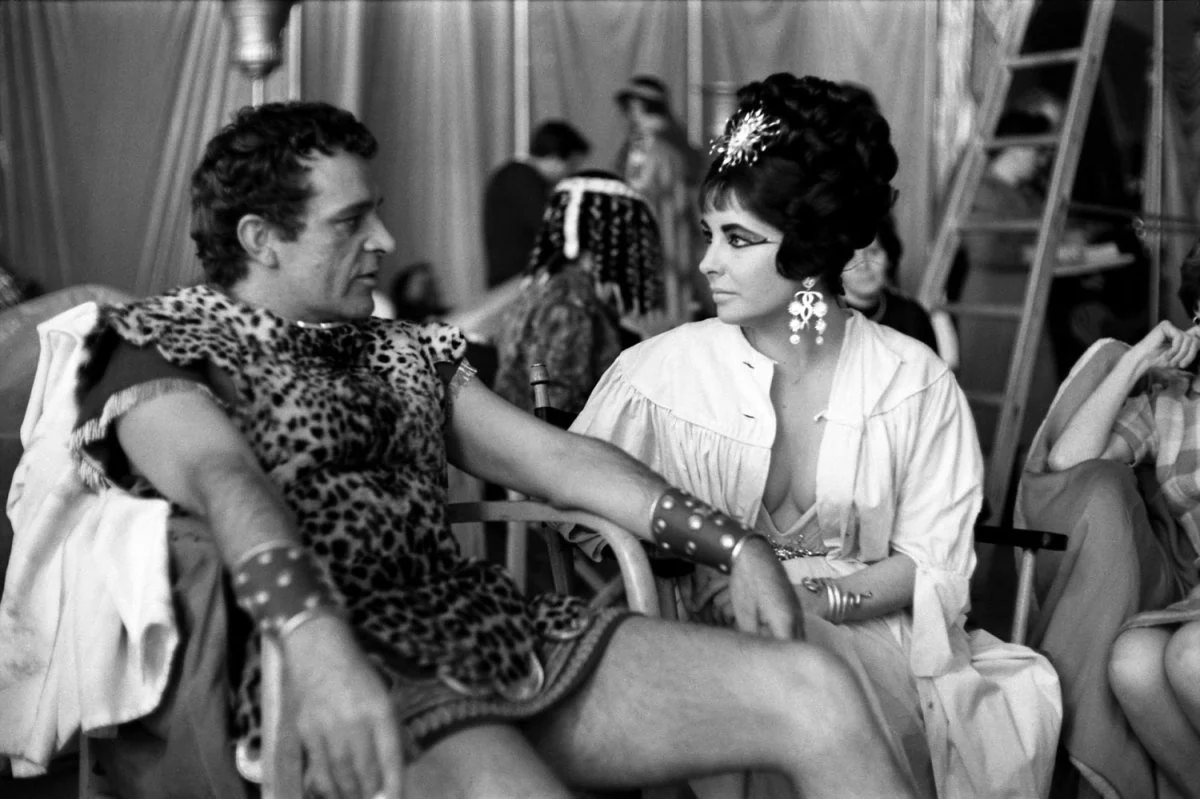
For years, Cleopatra was the standard warning story for what happens when scale, ego, delay, illness, and tabloid heat all start feeding each other. Its production overruns nearly bankrupted Twentieth Century-Fox, and the off-screen scandal around Elizabeth Taylor and Richard Burton only made the film seem even more chaotic before audiences had fully reckoned with the movie itself. It took time, but the film settled into a different afterlife, less as a punchline than as a bloated, fascinating studio monument from a system already starting to crack.
Gone with the Wind
r/moviesinthemaking
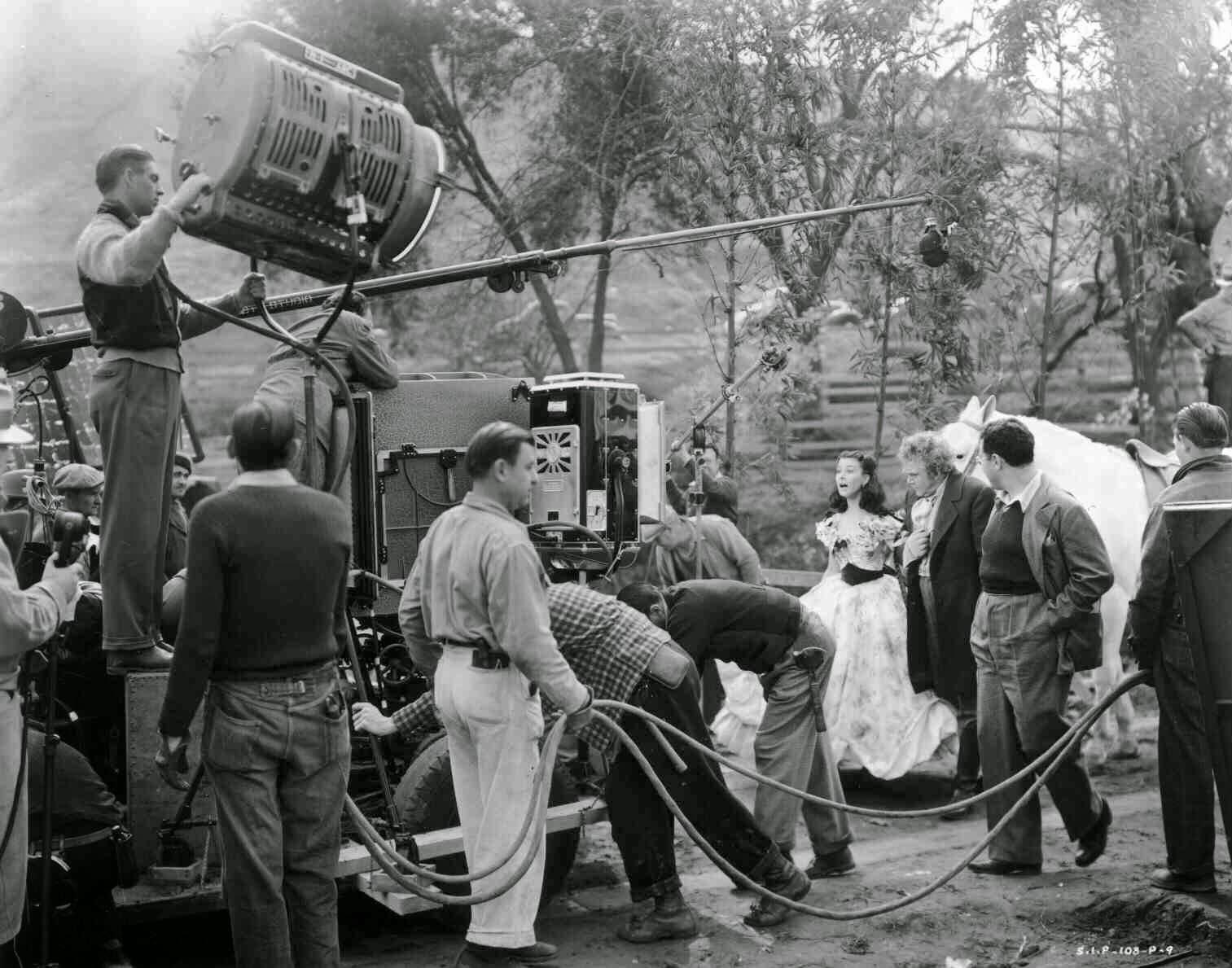
This one had the scale of a prestige machine and the temperament of an emergency. Multiple directors were involved at different stages; Victor Fleming ultimately got the credit, and the whole production had the feel of something being constantly managed into existence rather than smoothly guided there. For all its baggage and all the criticism it rightly continues to receive, nobody can say it was assembled under especially calm conditions.
Aguirre, the Wrath of God
r/topcharactertropes
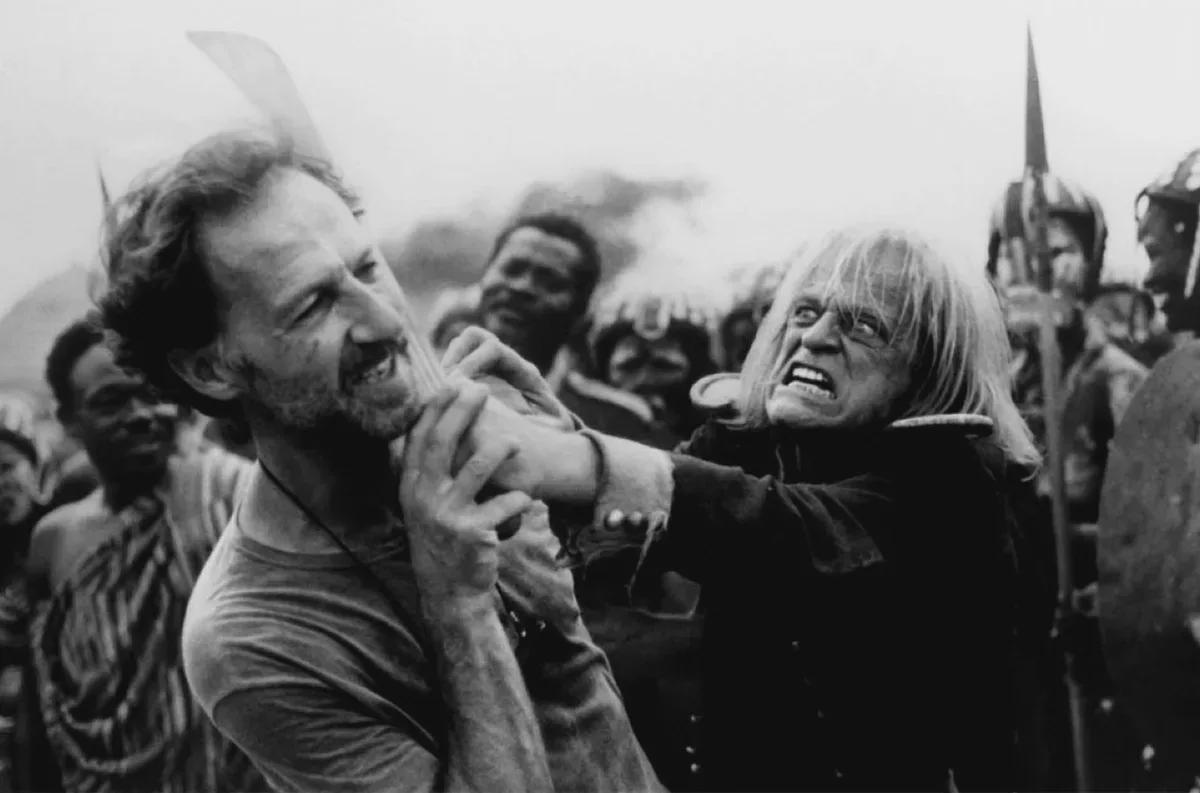
Werner Herzog shows up twice here for a reason. Aguirre, the Wrath of God was shot in punishing terrain, with Klaus Kinski at the center of a production that has since become part of Herzog folklore, and the film still carries that edge, like it was made one bad day away from total collapse. Some movies about madness feel carefully arranged; this one feels like it picked up a little real madness on the way through.
Sorcerer
r/cineshots
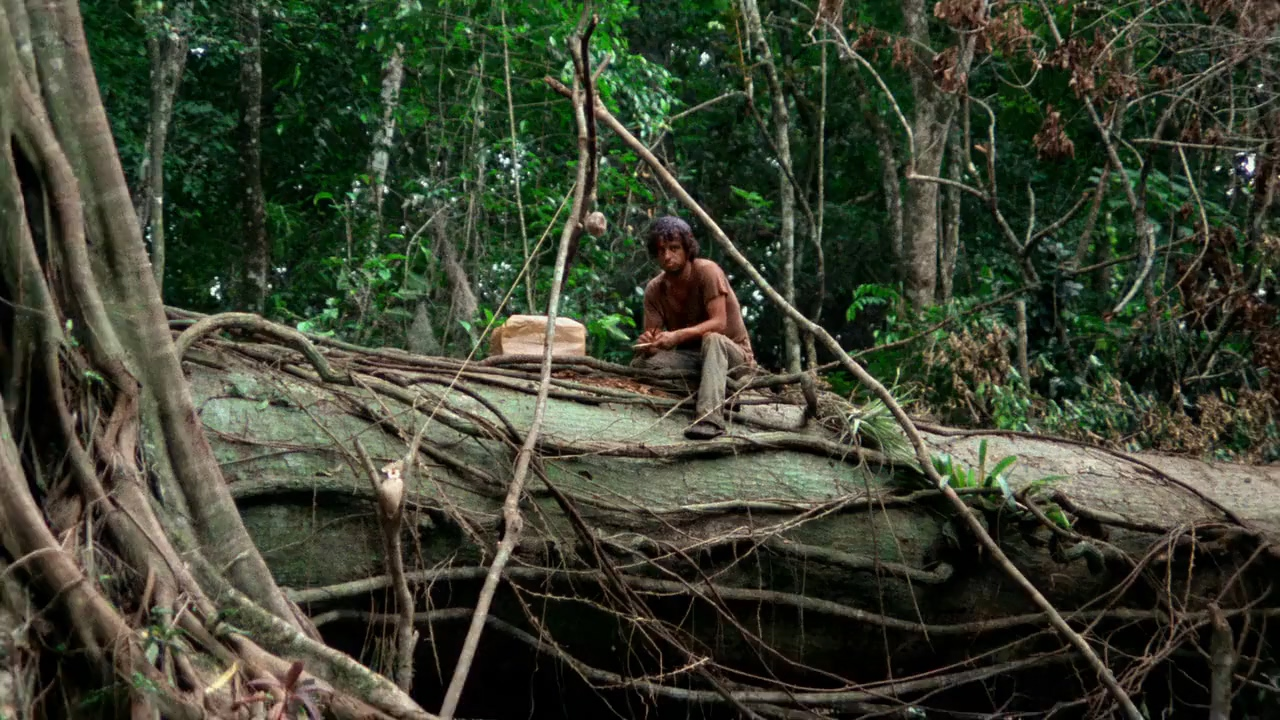
William Friedkin’s Sorcerer did not become a hit on release, which is probably why it gets left out of these conversations more than it should. But the production itself was a punishing one, taking years to complete because of expensive and difficult jungle shooting in Central America, and the movie later found the kind of reputation that outlasts its first commercial life. Not every classic arrives with applause on opening weekend.
The African Queen
r/todayilearned
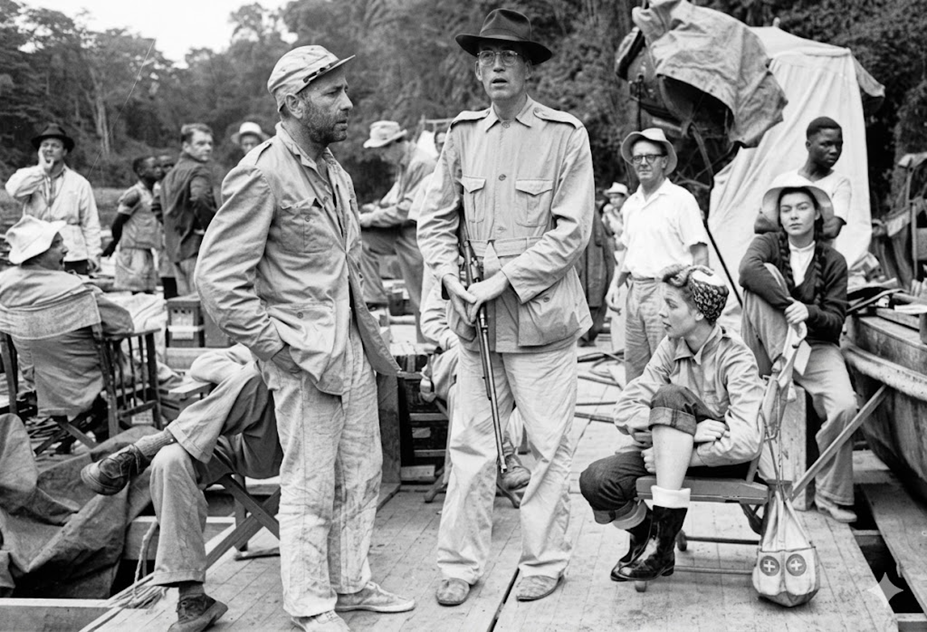
John Huston took The African Queen out of the studio and into Uganda and the Belgian Congo, which was bold, miserable, and exactly the kind of decision that makes a film harder in every practical sense. You can feel that location reality in the finished movie, in the dampness, the discomfort, the sense that the actors are dealing with a physical world rather than a polished backlot version of one. It is not chaos in the same theatrical way as Apocalypse Now, but it is still the kind of production strain that tends to leave marks on the screen.
There is no neat rule here. Plenty of difficult shoots end in exhausted mediocrity, and plenty of easy ones produce great films. But every so often, a movie survives conditions that should have ruined it, and the stress, the improvisation, even the bad luck end up baked into what makes it worth revisiting.
In the mood for more?
You can check out 20 Behind-the-Scenes Photos That Show How Complicated Movie Making Actually Is or 14 Deleted Scenes That Would Have Changed These Films Forever. If you want to see more interesting movie facts, you can check 16 Movie Mistakes That Slipped Into the Final Cut and Became Iconic.