When we listen to our favorite songs on the radio, we often treat the lyrics as abstract pieces of creative poetry or general expressions of romantic longing. We assume that songwriters are dipping into a fictional well of imagination to construct dramatic narratives that can neatly fit into a three-minute pop or rock structure. However, the history of modern music reveals that some of the absolute most powerful compositions were pulled directly from the pages of real-world history. Musicians frequently utilize their craft to process the raw shock of a breaking news headline, document a historical disaster, or share a poignant slice of human reality that they witnessed firsthand.
These factual origins breathe an entirely new layer of emotional depth and cultural urgency into the melodies we thought we knew so well. When a songwriter shifts away from general metaphors to catalog the exact details of a specific historical moment, the music transitions from mere radio entertainment into a vital audio archive of human survival. Discovering the real-world catalyst behind a legendary melody completely alters your listening experience, highlighting the intense connection between global headlines and creative expression. Let’s unmask eighteen iconic songs that were explicitly written as artistic responses to real, documented events.
1. Smoke on the Water, by Deep Purple
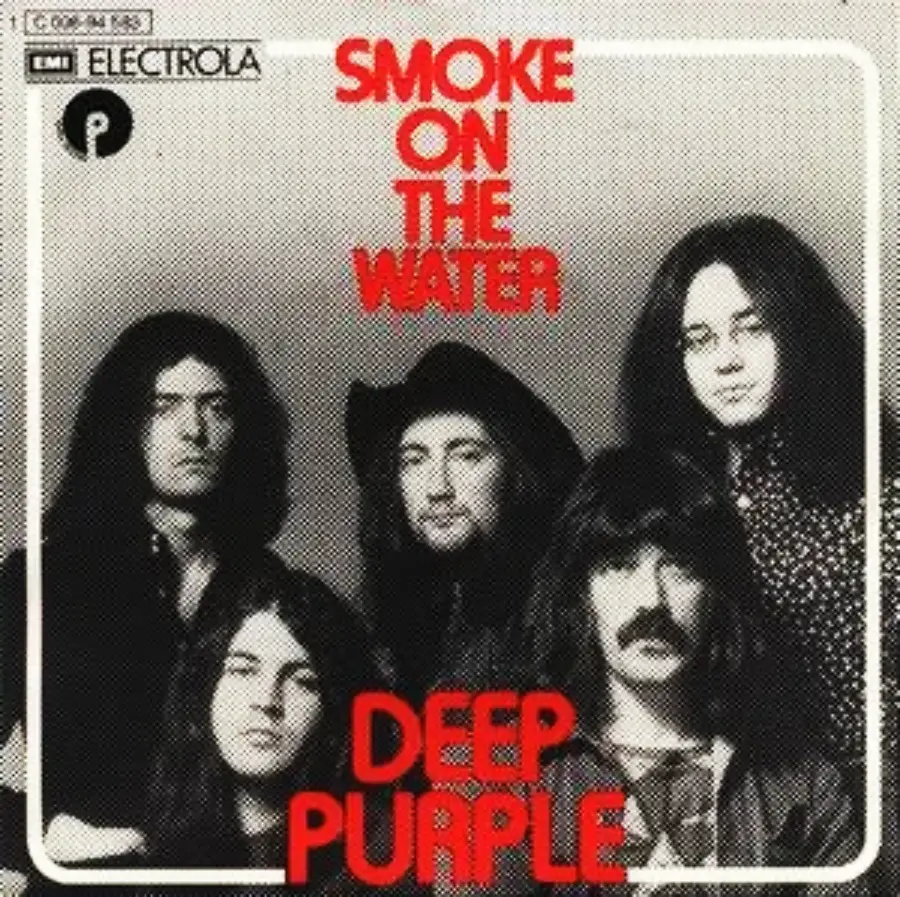
This definitive classic rock anthem documents a catastrophic fire that took place on December 4, 1971, during a Frank Zappa concert at the Montreux Casino in Switzerland. The band members were sitting in the audience when a reckless fan fired a real flare gun into the rattan ceiling, instantly igniting a massive blaze that completely leveled the entire entertainment complex. Deep Purple watched the structural destruction unfold from the safety of their nearby hotel rooms, fascinated by the massive blanket of black smoke rolling over Lake Geneva. They scribbled the legendary title down on a paper napkin that very night, turning a terrifying evacuation crisis into one of the most famous guitar riffs in music history.
2. Sunday Bloody Sunday, by U2
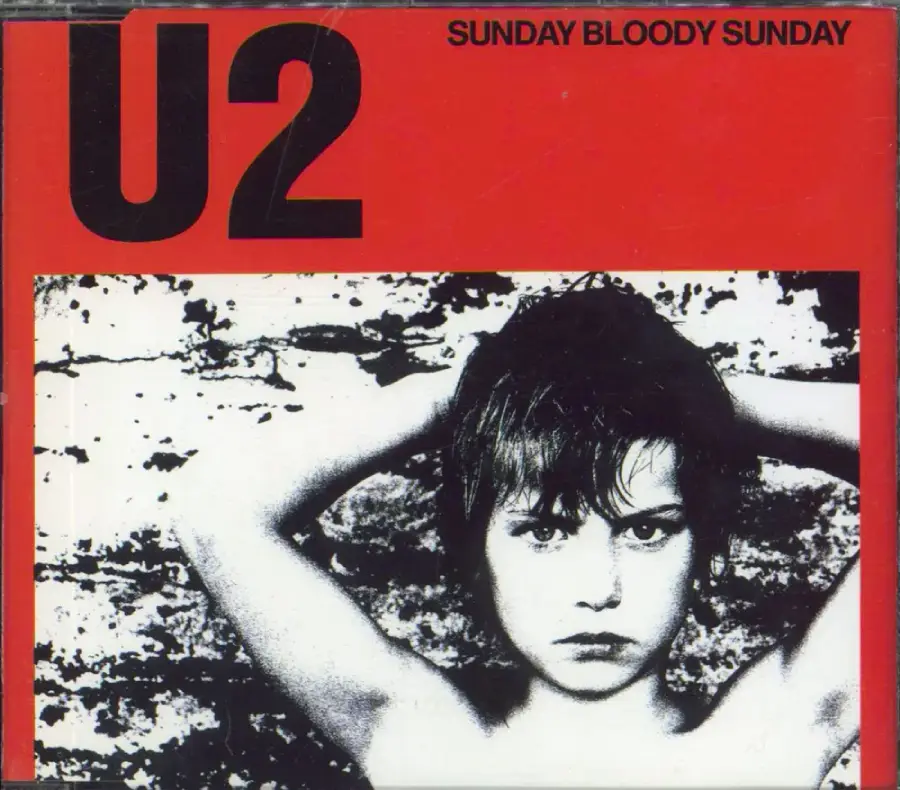
This powerful stadium rock anthem was written as a direct, emotional response to the tragic civil rights shootings that took place in Derry, Northern Ireland, in January 1972. British soldiers opened fire on unarmed civilian protesters during a peaceful march, a catastrophic event that permanently altered the landscape of the regional conflict. Guitarist The Edge spent days locked inside a small apartment strumming aggressive chords to process his deep frustration and sorrow regarding the cycle of violence. The band explicitly structured the lyrics to serve as a non-partisan plea for universal peace rather than a traditional political battle cry, ensuring it remains an immortal human rights anthem.
3. I Don’t Like Mondays, by The Boomtown Rats
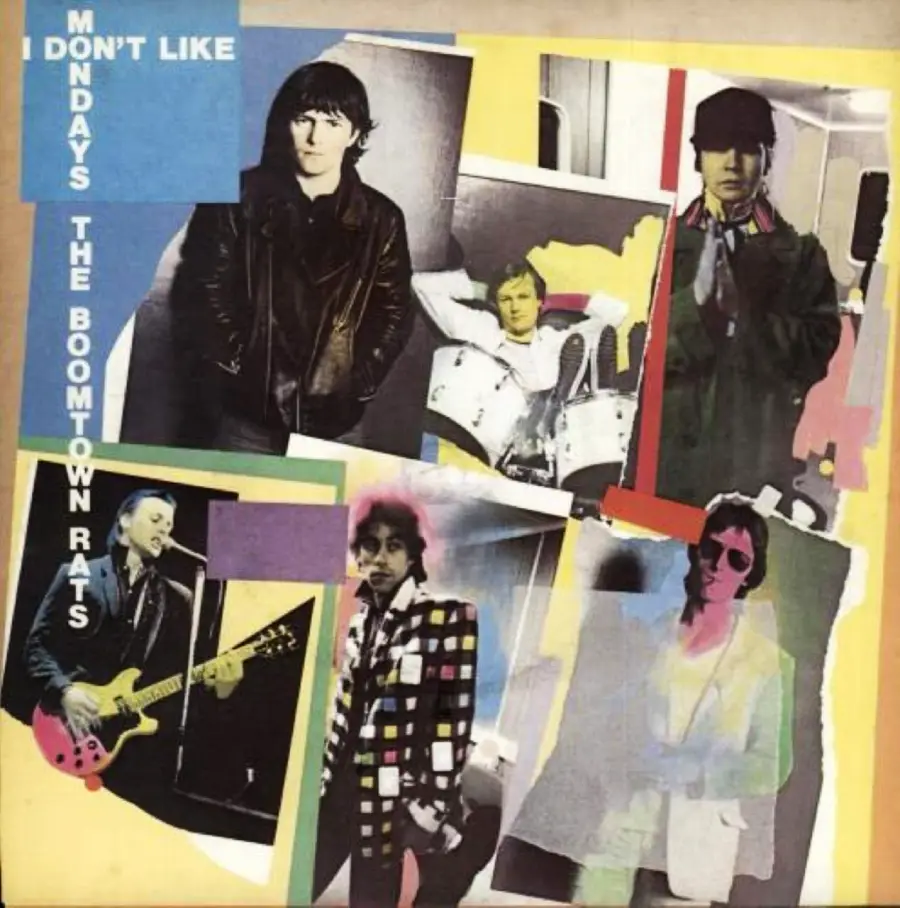
Bob Geldof wrote this striking new-wave track after reading a live breaking news report about a tragic school shooting that occurred in San Diego, California, in early 1979. A sixteen-year-old girl opened fire on an elementary school campus from her home across the street, causing a wave of shock across the entire nation. When a local journalist managed to reach the shooter via phone during the active standoff to ask why she committed the crime, she casually responded with the exact phrase that titles the track. Geldof was so deeply unsettled by the total lack of remorse in her voice that he composed the song that afternoon to highlight the meaningless nature of modern violence.
4. Hurricane, by Bob Dylan
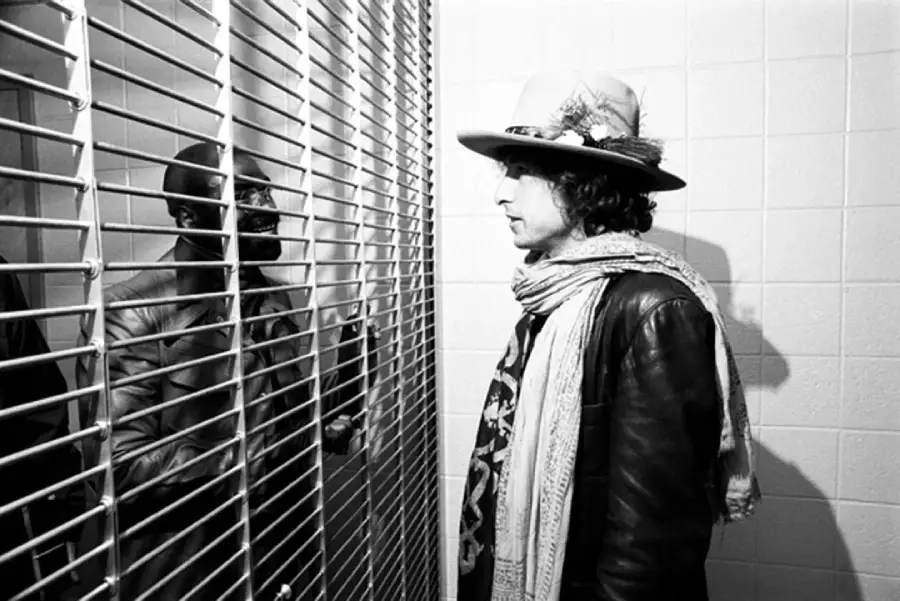
This intense, fast-paced protest song tells the real-world story of Rubin “Hurricane” Carter, a top-tier middleweight professional boxer who was wrongfully convicted of a triple murder at a bar in Paterson, New Jersey. Bob Dylan became fiercely convinced of Carter’s absolute innocence after reading his personal autobiography and visiting him for hours inside a state prison facility. Dylan utilized the track as a high-powered journalistic tool, meticulously naming real police officers, falsified witnesses, and structural racial prejudices that compromised the legal integrity of the trial. The massive cultural pressure generated by the song helped force a series of judicial reviews, eventually leading to all charges against Carter being completely dropped a decade later.
5. Jeremy, by Pearl Jam
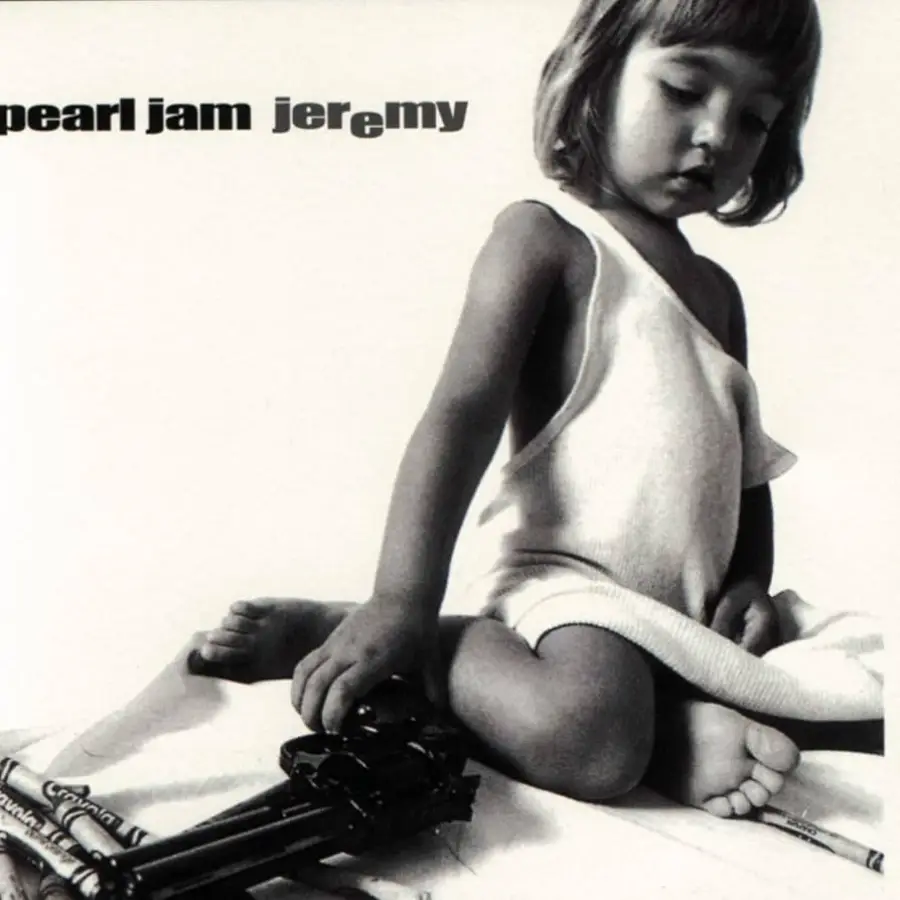
Frontman Eddie Vedder conceptualized this gritty alternative rock classic after reading a small, tragic newspaper clipping about a fifteen-year-old student from Texas named Jeremy Delle. In January 1991, the troubled teenager walked to the front of his English classroom and took his own life right in front of his teacher and thirty classmates. Vedder pulled extra inspiration for the lyrics from his own childhood memories of a junior high classmate who had once brought a firearm into an oceanography room before being subdued. The song and its intense music video went on to become a defining cultural flashpoint, sparking essential international debates regarding mental health support for teenagers.
Trending on The Scroller

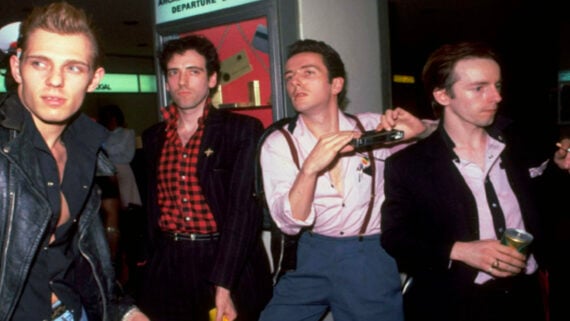
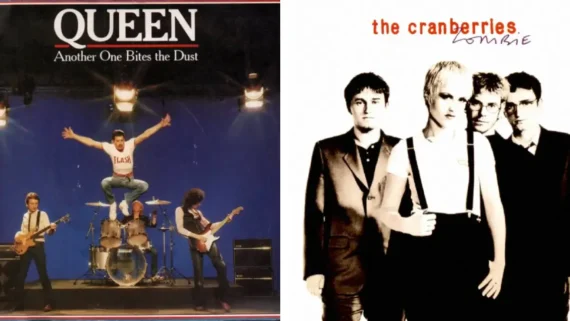
6. Zombie, by The Cranberries
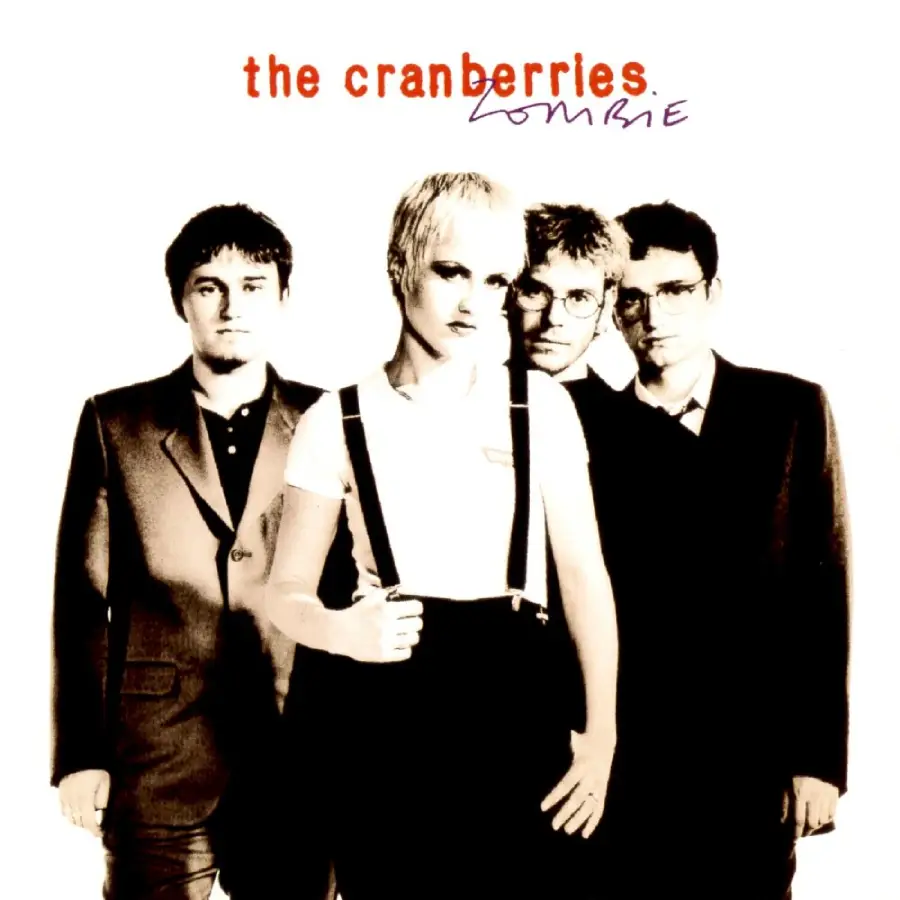
Singer Dolores O’Riordan wrote this aggressive, distortion-heavy alternative anthem to honor the memory of two young children who lost their lives during a devastating bombing in Warrington, England, in 1993. The explosive devices were placed inside cast-iron litter bins along a crowded shopping street, a tragic action that deeply infuriated O’Riordan due to the total loss of innocent human lives. She passionately argued that the violent political groups operating during the conflict did not represent the heart of the ordinary citizens who simply wanted to raise their families in peace. Her raw, emotional vocal delivery transformed the track into a global anti-war masterpiece that still resonates across borders today.
7. Ohio, by Crosby, Stills, Nash and Young
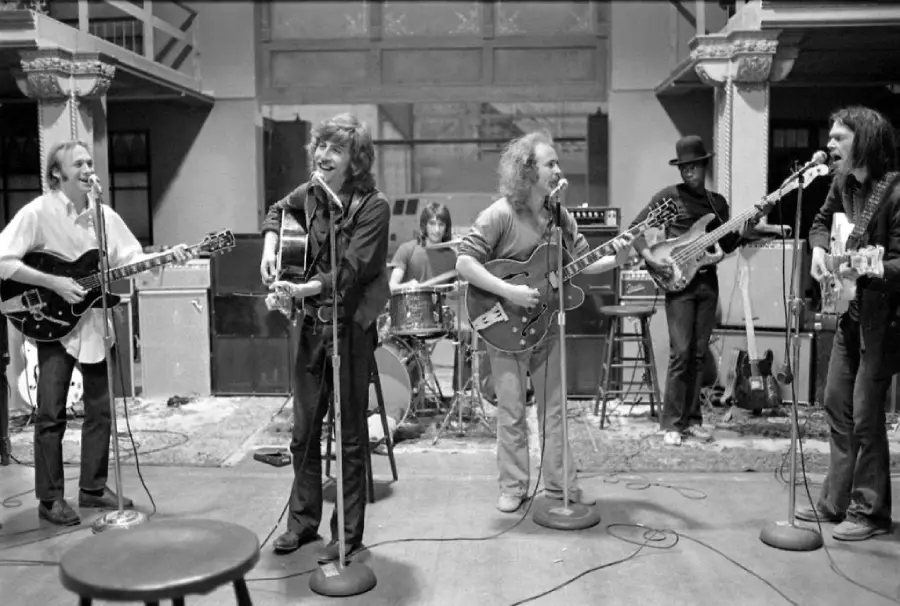
Neil Young wrote the raw lyrics to this legendary protest anthem in a state of absolute shock and fury immediately after viewing a graphic photo essay in Life Magazine. The images documented the Kent State shootings of May 4, 1970, where the National Guard opened fire on university students protesting the expansion of the Vietnam War. The band rushed into a recording studio in Los Angeles just a few days later, capturing the entire track live in a mere few takes to preserve their authentic anger. The record labels distributed the vinyl singles to radio stations with unprecedented speed, turning the song into the definitive cultural anthem for an entire generation of American student activists.
8. Billie Jean, by Michael Jackson
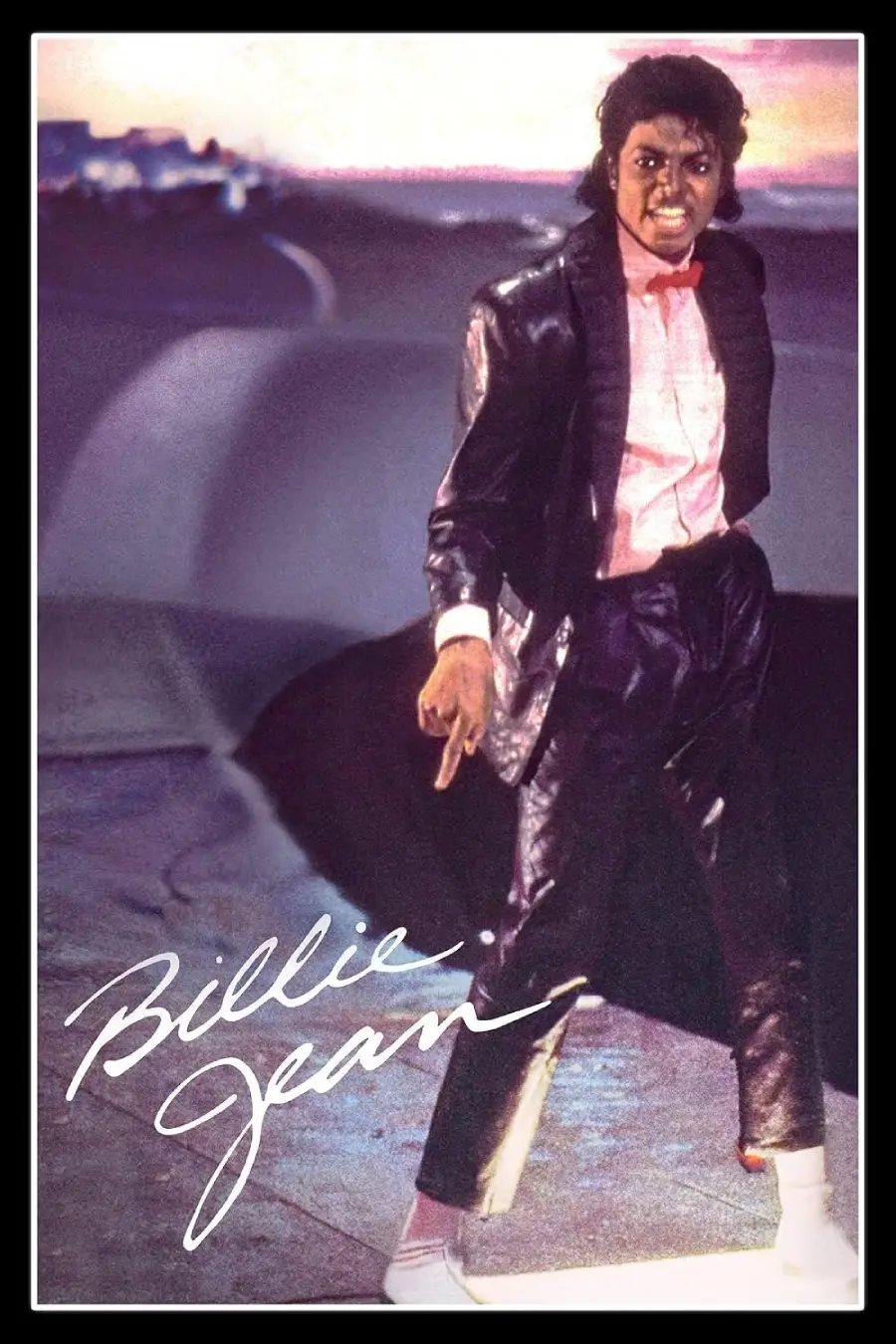
While many fans assume this global pop masterpiece was written about a single, specific individual, Michael Jackson explicitly stated that the narrative was a composite of multiple intense encounters. Throughout the early 1980s, Jackson and his brothers were consistently targeted by obsessive fans who claimed the musicians were the biological fathers of their children. One specific individual harassed Jackson for months, mailing him letters containing a real firearm and instructing him to take his own life at a specific hour so they could die together. Jackson utilized the song to process the heavy paranoia and claustrophobia he felt while navigating the dark, obsessive side of global superstardom.
Sign up for our newsletter
9. Hotel California, by The Eagles
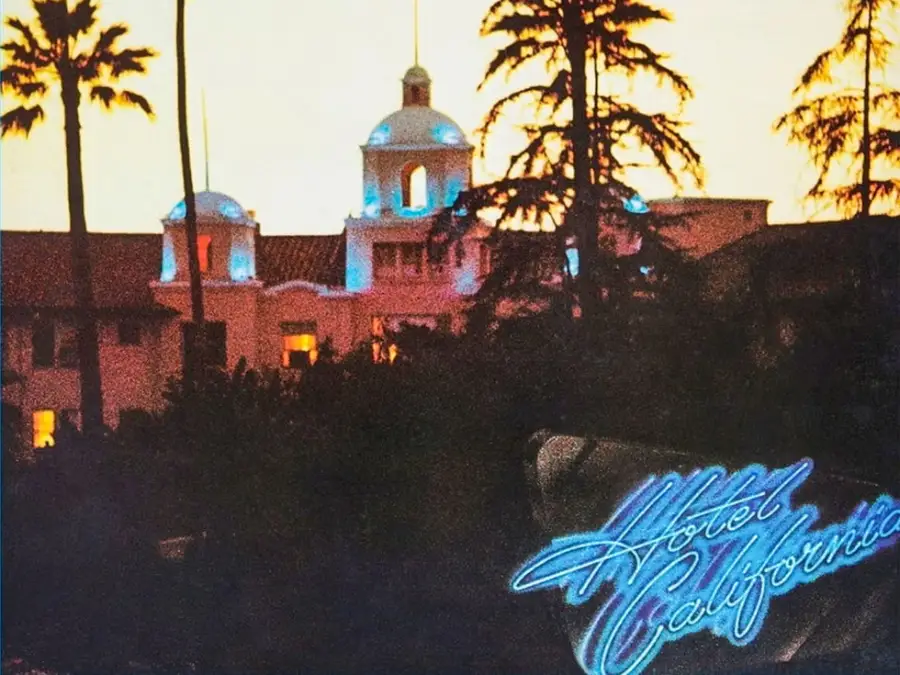
The smooth, ominous imagery running through this classic rock masterpiece serves as a complex, metaphorical critique of the extreme consumerism and dark decadence that defined the 1970s Los Angeles music industry. The writers pulled direct inspiration from the rapid rise of corporate greed, hollow hedonism, and superficial luxury lifestyles they witnessed while recording albums in Southern California. They used the fictional concept of a luxury resort from which you can never escape to represent how easily young artists could lose their moral compass inside the Hollywood machine. The track perfectly captured the exact moment the hopeful idealism of the 1960s hippie movement curdled into commercial cynicism.
10. The Wreck of the Edmund Fitzgerald, by Gordon Lightfoot
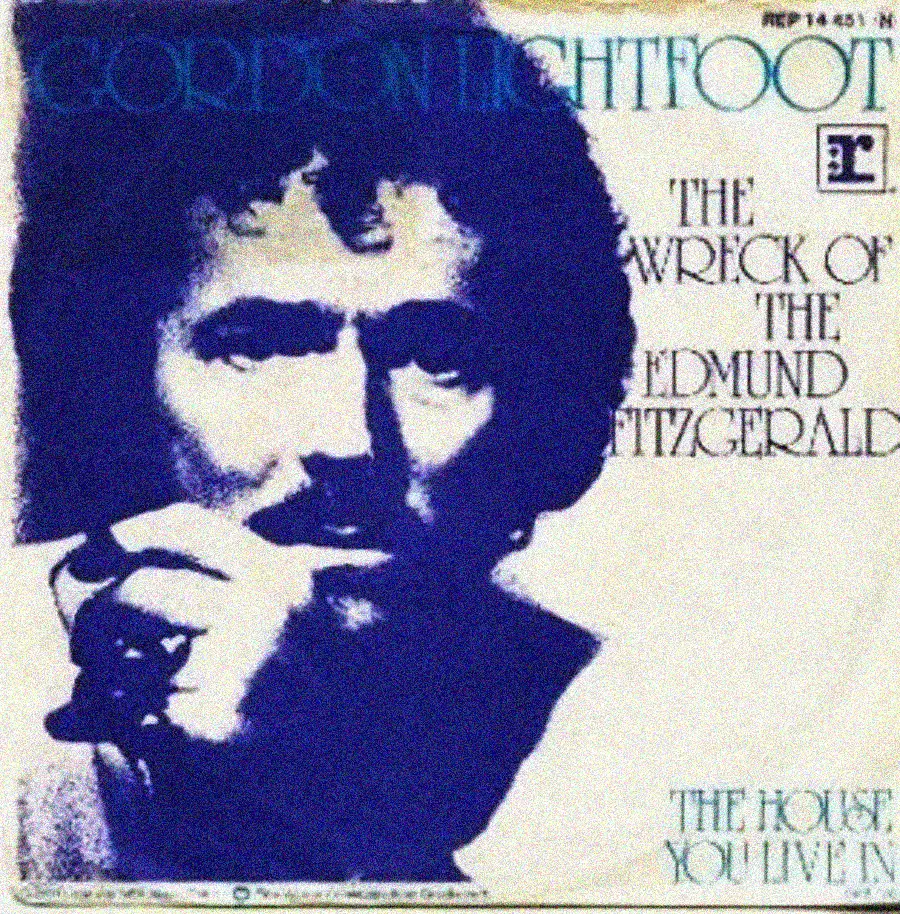
This haunting folk ballad tells the tragic, real-world story of a massive American package freighter that sank during a severe hurricane storm on Lake Superior in November 1975. The giant vessel went down in pitch darkness without ever sending a single distress signal, resulting in the tragic loss of all twenty-nine crew members on board. Gordon Lightfoot read a detailed article about the maritime disaster in a news magazine and felt a profound moral obligation to honor the memories of the working-class sailors. He meticulously researched maritime terminology to ensure the lyrics served as a completely accurate, respectful document of the ship’s final hours against the waves.
11. Polite Dance Song, by The Bird and the Bee

This quirky indie-pop track was written as a direct, tongue-in-cheek response to a real corporate legal warning received by the musical duo from a major entertainment enterprise. The band had used a specific, copyrighted sample during an early live performance, prompting corporate attorneys to mail a highly aggressive cease-and-desist letter filled with intense legal jargon. Instead of getting angry, the musicians decided to write a song that satirized the stiff, polite, and completely robotic tone utilized by high-level corporate lawyers. The track became a cult favorite among fans, proving that a boring legal dispute can be re-engineered into an incredibly catchy dance routine.
12. Rosanna, by Toto
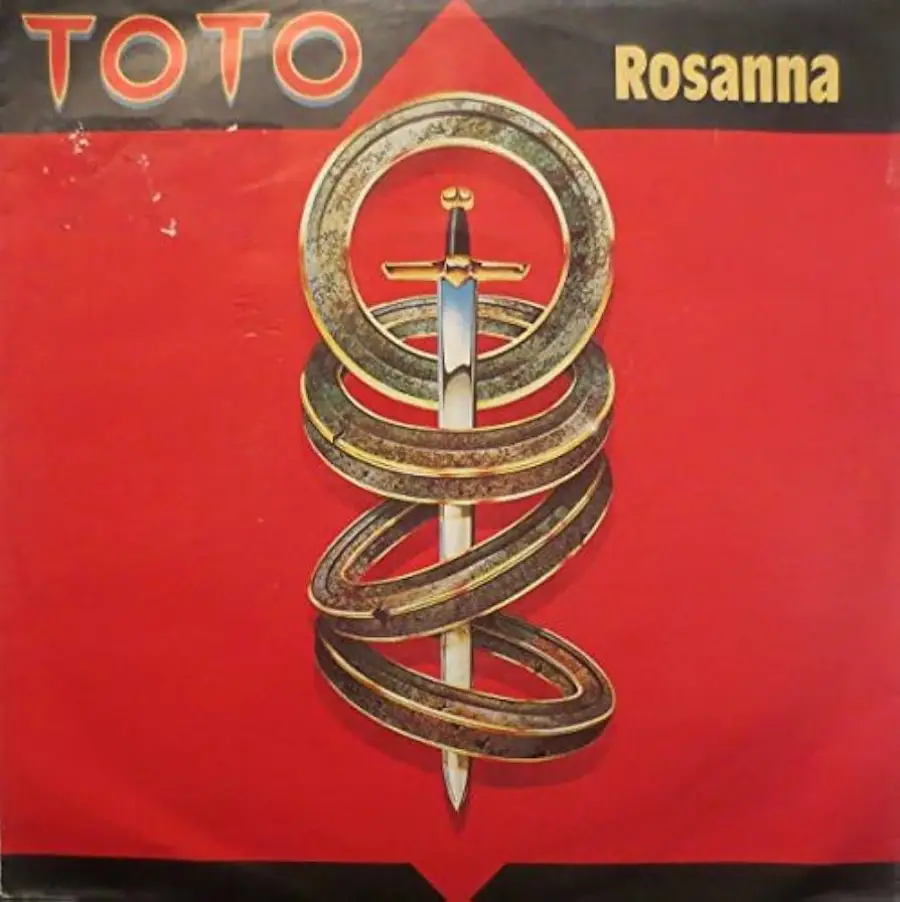
This smooth, Grammy-winning pop-rock hit was named after the prominent Hollywood actress Rosanna Arquette, who was dating Toto’s keyboard player, David Paich, during the album’s production sessions. While the title was an explicit nod to her presence in the studio, the actual lyrics were a composite of various high school heartbreaks experienced by multiple band members over the years. Arquette regularly visited the recording sessions, leading the rest of the band to playfully tease Paich about his muse by pasting her name onto the chorus melody. The song went on to become one of the biggest hits of 1982, forever linking the actress to a timeless radio staple.
13. Another One Bites the Dust, by Queen
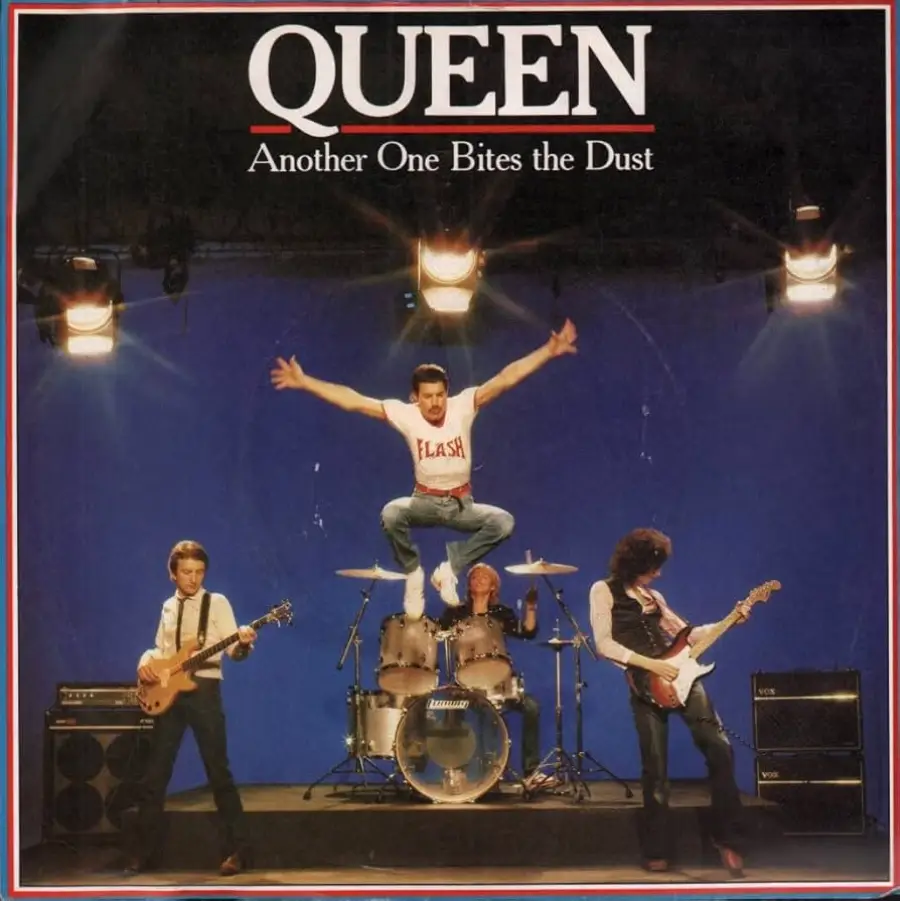
Bass player John Deacon crafted the heavy, rhythmic groove of this funk-rock classic after spending time in New York studios hanging out with the legendary disco group Chic. The lyrics were heavily inspired by the gritty real-world history of the gangster shootouts and street fights that took place in Chicago during the early part of the 20th century. Deacon wanted to write a song that felt like an old-school cinematic crime serial, using the phrase as a direct reference to mobsters falling during a turf war. The track achieved massive crossover success on urban radio stations after Michael Jackson personally convinced the band to release it as a commercial single.
14. Jump, by Van Halen
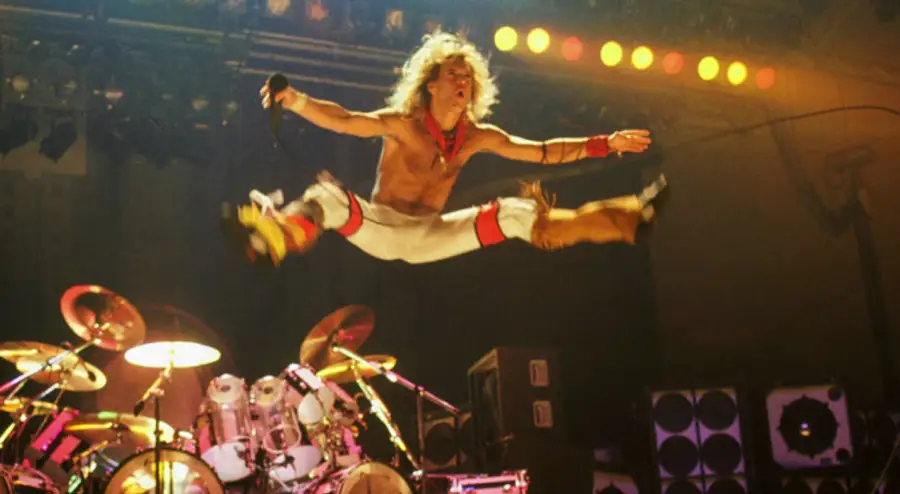
David Lee Roth wrote the lyrics to this chart-topping synth-rock anthem after watching a tragic live television news broadcast in Los Angeles. The reporter was covering a tense standoff where a despondent individual was threatening to end their life by jumping off a high building downtown. Roth famously admitted that his first internal thought during the stressful broadcast was a dark comedic urge to tell the individual to just go ahead and jump. He re-engineered that dark, cynical impulse into a highly positive, motivational call to action about taking bold creative risks and embracing life’s opportunities with confidence.
15. Tears in Heaven, by Eric Clapton
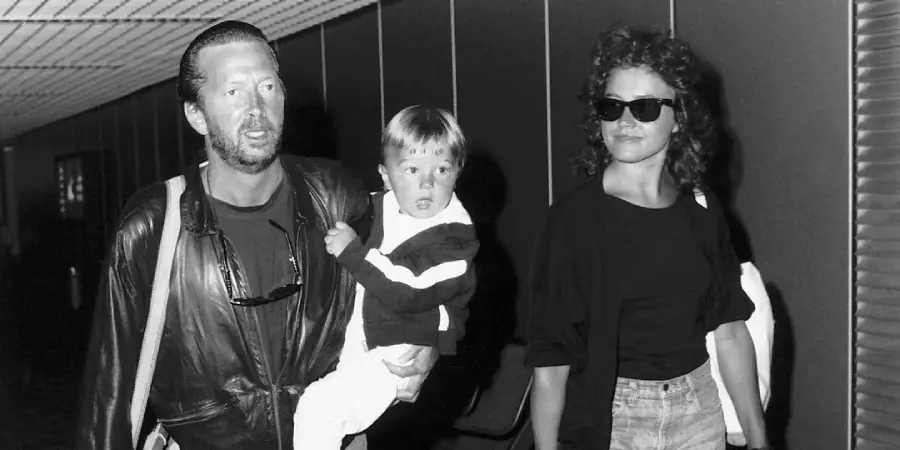
This deeply moving acoustic ballad stands as one of the most heartbreaking compositions in music history, written following an unspeakable personal tragedy in Clapton’s life. In March 1991, his four-year-old son Conor tragically lost his life after accidentally falling from an open bedroom window on the fifty-third floor of a New York apartment building. Clapton spent months in absolute isolation, using his acoustic guitar as a functional therapeutic shield to process the overwhelming grief and theological questions surrounding the loss. The song served as a vital tool for his personal survival, helping him reconnect with the world while providing comfort to millions of grieving parents globally.
16. Candle in the Wind, by Elton John and Bernie Taupin
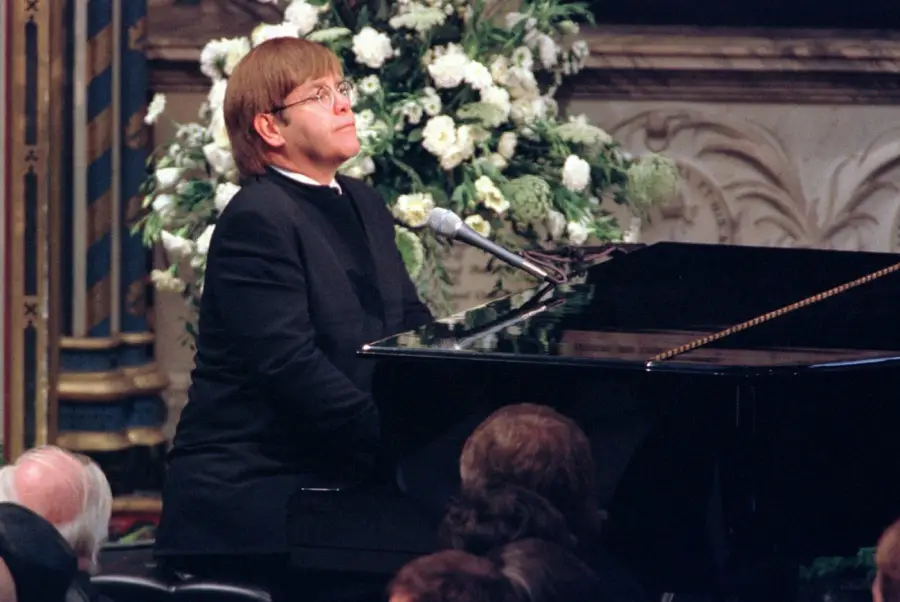
Bernie Taupin originally penned the moving lyrics to this ballad in 1973 as a profound, respectful tribute to the brief, volatile life of screen icon Marilyn Monroe. The lyrics used the metaphor of a flickering candle to explore the tragic ways the Hollywood studio system and global media apparatus exploit vulnerable young artists for profit. In 1997, following the sudden passing of Princess Diana in a Paris car crash, Elton John requested Taupin to completely rewrite the verses to honor her global humanitarian legacy. The updated version became the second highest-selling physical single in human history, with all commercial proceeds being directed to Diana’s favorite charities.
17. Shiny Happy People, by R.E.M.
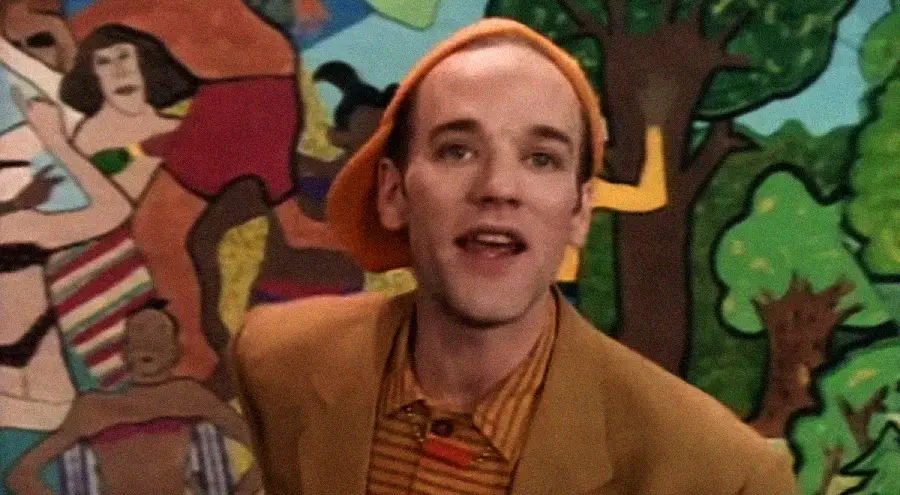
While modern listeners treat this upbeat track as a completely innocent piece of bubblegum pop, the song actually possesses a deeply cynical political origin. Michael Stipe pulled the cheerful title directly from an official piece of Chinese government propaganda distributed to the media following the tragic Tiananmen Square protests of 1989. The state-run posters used the phrase to force an illusion of complete national unity and joy, attempting to systematically cover up the political violence against student activists. R.E.M. intentionally made the song sound hyper-cheerful and corporate to satirize how easily media systems can manipulate public perception during a major humanitarian crisis.
18. Under the Bridge, by Red Hot Chili Peppers

Frontman Anthony Kiedis wrote the raw text to this alternative masterpiece as a private, spoken-word poem while reflecting on his difficult years battling severe substance addiction in Los Angeles. He recalled a specific, dark afternoon where he had to lie to local gang members beneath a city highway bridge just to secure a fix, a moment that left him feeling completely isolated from his bandmates. Producer Rick Rubin discovered the poem scribbled inside Kiedis’s personal notebook during a casual visit and forced him to share it with the rest of the musicians. The band immediately crafted the beautiful, melancholic guitar progression around the text, turning a dark memory into a global alternative anthem.
In the mood for more musical facts?
The historical blueprints behind these famous songs serve as a great reminder that real life is often far more dramatic, heartbreaking, and inspiring than any piece of fiction a writer could imagine. The next time these classic melodies play through your headphones, you can appreciate the real human experiences and historical flashpoints that forced these notes into existence. If you enjoyed this illuminating look at the factual secrets of the music world, make sure to explore these 18 Massive 90s Songs by Artists Everyone Forgot, or 20 BTS Studio Photos of Musicians Creating Legendary Songs. You can also check out these 20 Hit Songs You Didn’t Know Were Covers.