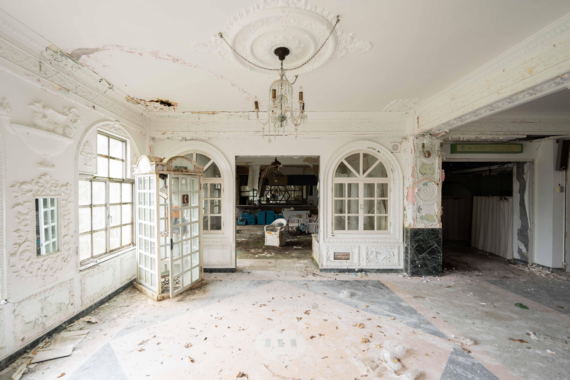
Some hotels are designed to disappear into the vacation blur, all soft lighting, clean sheets, and breakfast buffets nobody remembers. Others become stranger with age, especially when the guests leave, and the buildings stay behind. Around the world, abandoned resorts and hotels have been left on cliffs, beaches, mountains, islands, and city hillsides, gathering graffiti, vines, salt air, and rumors.
What makes them so compelling is not only the decay, but the awkward beauty that remains in the architecture, the views, and the details that were once meant to impress paying guests.
1. Hotel Belvedere, Dubrovnik, Croatia
URBANEXPLORATION / REDDIT
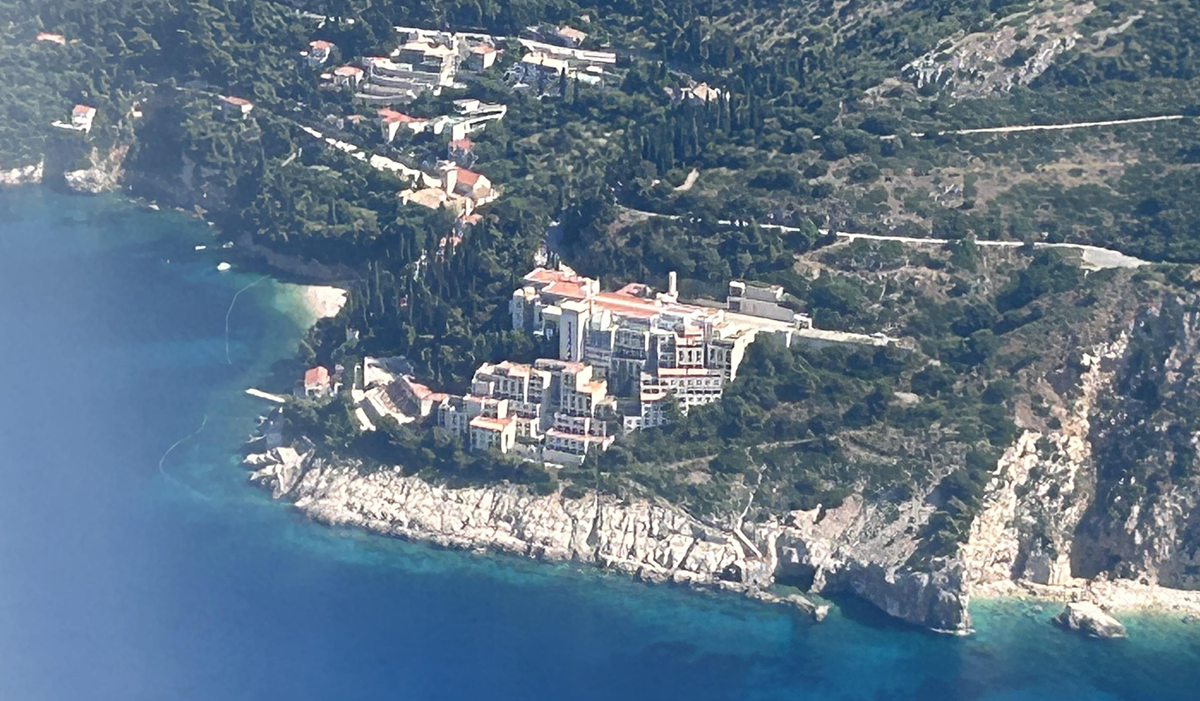
Hotel Belvedere did not have much time to enjoy its grand Adriatic life. Opened in the mid-1980s on a dramatic slope just outside Dubrovnik’s old city, it was damaged during the Croatian War of Independence and never returned to normal hotel service. The building still clings to the coastline with terraces, stairways, broken windows, and open concrete rooms facing the sea. Its sea-level amphitheater later became recognizable to many viewers through Game of Thrones, but even without the pop culture link, the place has the look of a luxury hotel interrupted mid-breath.
2. Monte Palace Hotel, São Miguel, Azores, Portugal
URBANEXPLORATION / REDDIT
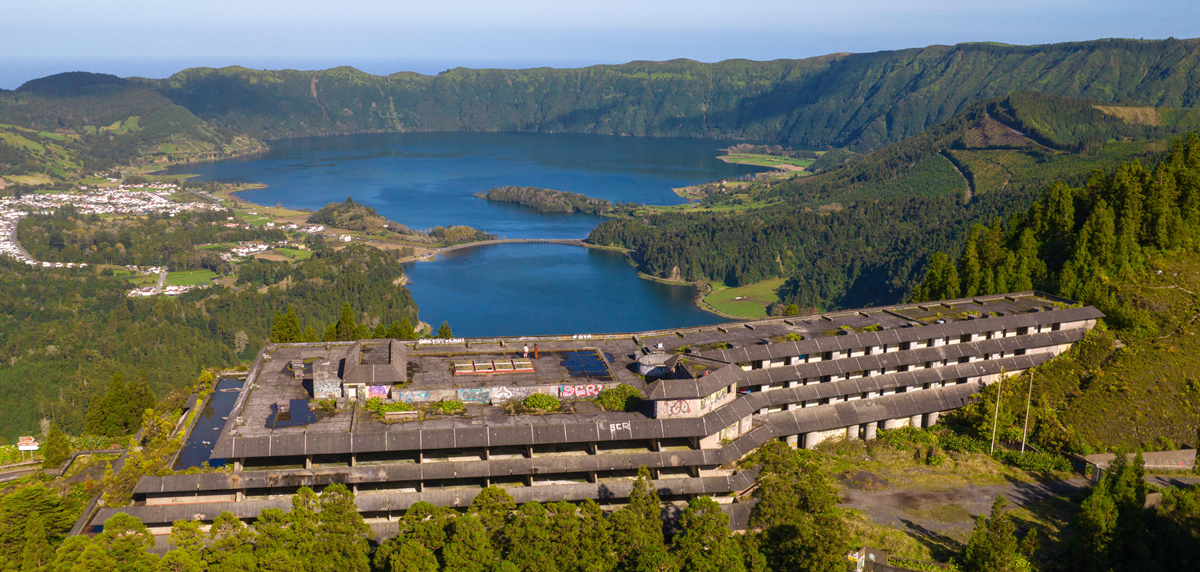
The Monte Palace Hotel has the kind of location developers dream about, perched above the volcanic lakes of Sete Cidades in the Azores. It opened in 1989 as a five-star property, but the remote setting that made it spectacular also made it difficult to keep full. After closing in 1990, the hotel slowly lost its furniture, glass, fittings, and polish, leaving behind a concrete shell wrapped in mist and greenery. On foggy days, it looks less like a failed resort and more like a stranded lookout station at the edge of the island.
3. Haludovo Palace Hotel, Krk, Croatia
CROATIA / REDDIT
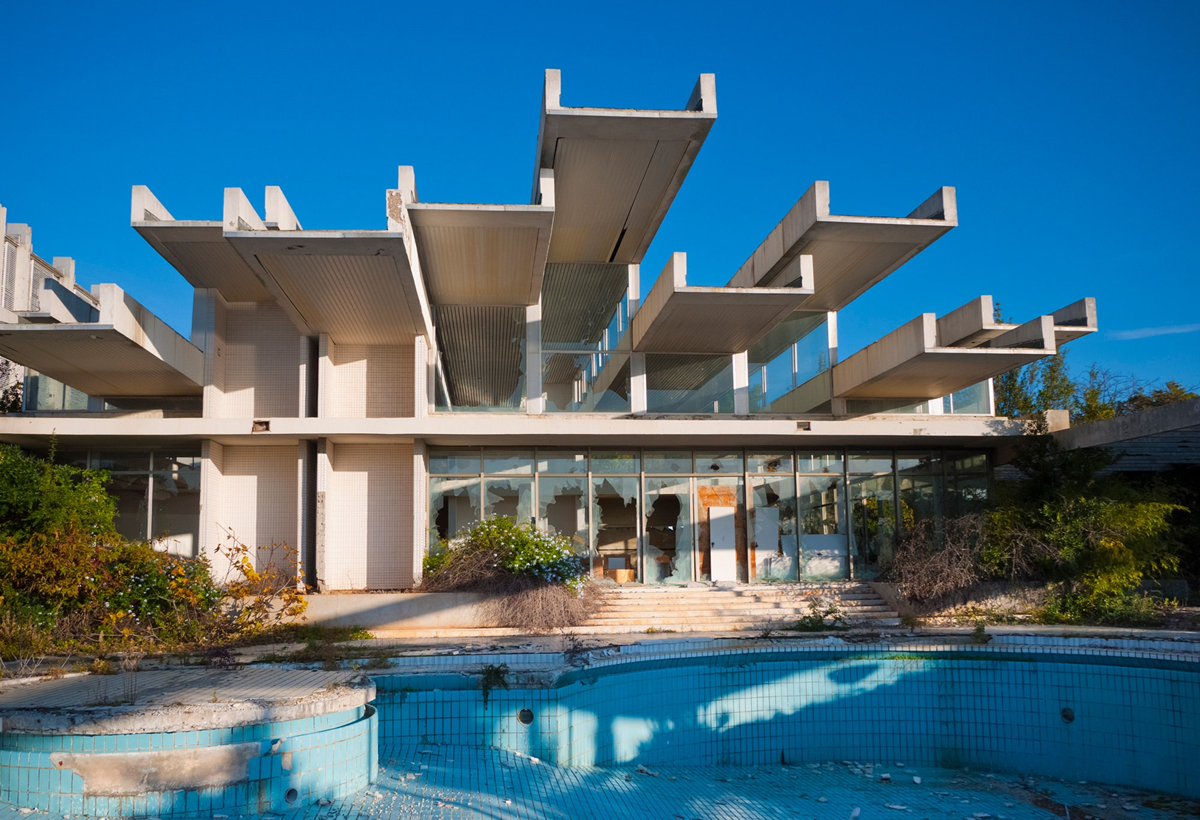
Haludovo Palace was never a quiet little seaside hotel. Built on the Croatian island of Krk and linked to a casino venture backed by Penthouse founder Bob Guccione, it opened in the early 1970s with a mix of brutalist architecture, Cold War tourism, and over-the-top glamour. The casino did not last, and the resort eventually faded through privatization, war, and years of neglect. Today, its empty pools, shattered interiors, and sharp modern lines make it feel like a party venue after everyone left in a hurry and nobody came back with the keys.
4. The Kupari Resort Complex, Croatia
URBANEXPLORATION / REDDIT
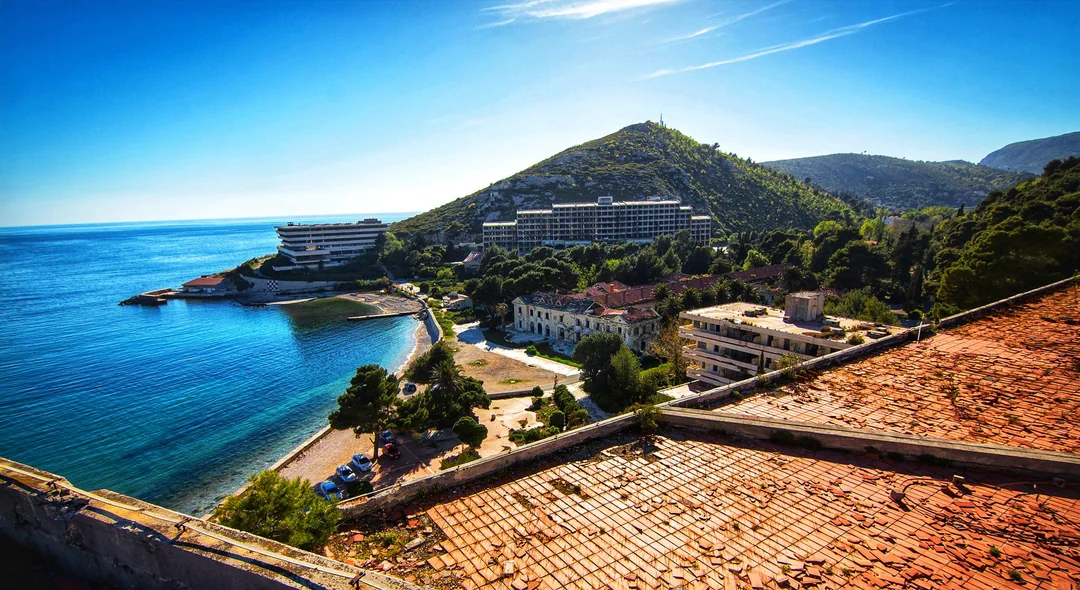
Kupari is not just one abandoned hotel, but a whole resort landscape near Dubrovnik. Once used by the Yugoslav military elite, the beachfront complex included several hotels arranged around a bay that still looks inviting from a distance. Up close, the war damage, stripped rooms, exposed staircases, and broken facades tell a very different story. Redevelopment has started changing parts of the site, but for years, Kupari was one of the most striking examples of a resort where the beach remained beautiful while the buildings around it looked frozen in conflict.
5. Varosha District, Famagusta, Cyprus
URBANEXPLORATION / REDDIT
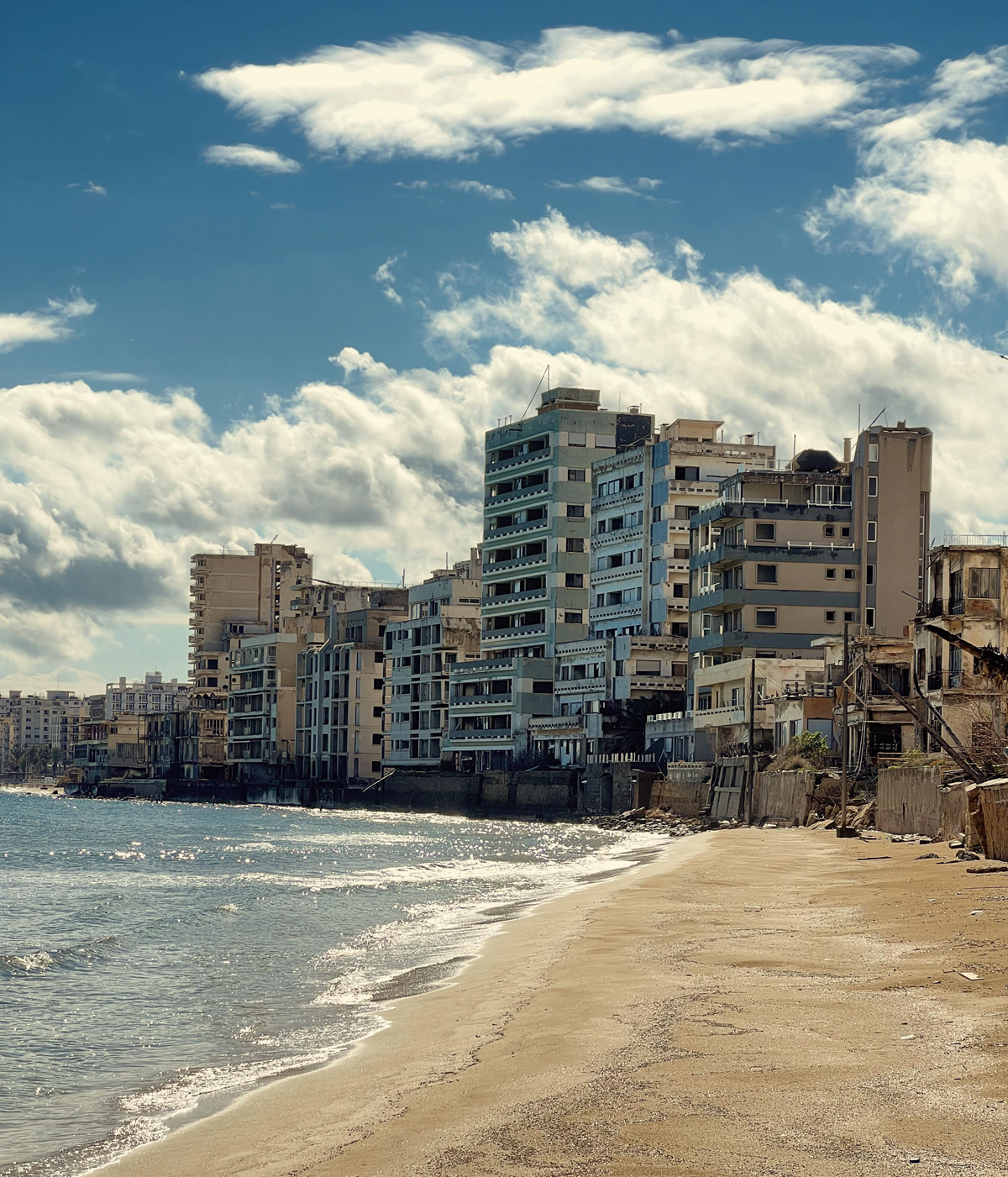
Varosha is one of the most unsettling abandoned resort districts in the world because it was once a fully functioning beachfront city. In the 1960s and early 1970s, its hotels, apartment blocks, shops, and beaches drew vacationers to Famagusta’s coast. After the events of 1974, the area was sealed off for decades, leaving hotels facing the sea with no guests inside. Parts of the district have since been reopened under controversial circumstances, but the image of empty resort towers beside bright Mediterranean water still has a strange, almost unreal tension.
Trending on The Scroller


6. Hachijo Royal Hotel, Hachijō-jima, Japan
URBANEXPLORATION / REDDIT
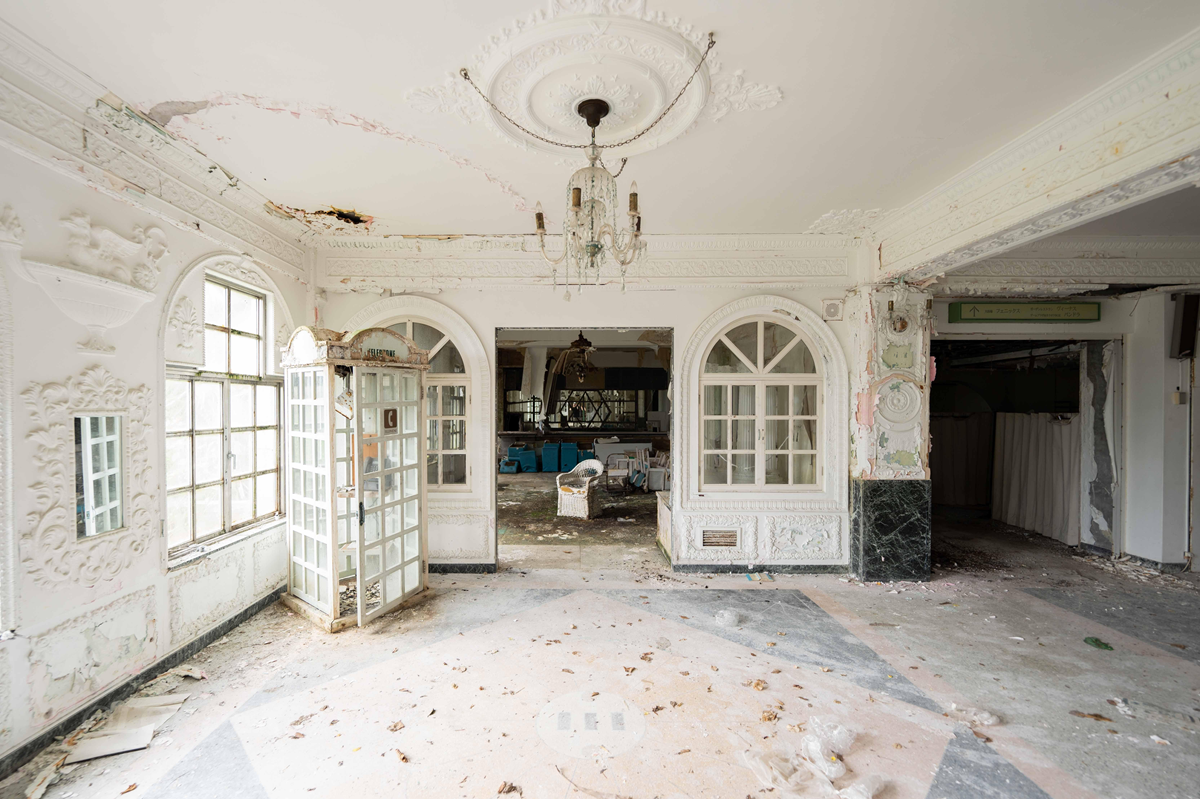
The Hachijo Royal Hotel feels like an old vacation fantasy swallowed by a subtropical island. Built during a time when Hachijō-jima was promoted as a kind of “Hawaii of Japan,” the resort mixed grand Western-style architecture with palm trees, ocean air, and big domestic tourism dreams. As cheaper international travel pulled visitors elsewhere, the hotel declined and eventually closed in 2006. What remains is lush, damp, and cinematic, with plants pushing into corridors and formal rooms that seem oddly misplaced in the jungle.
7. Igloo City, Alaska, United States
BIZARREBUILDINGS / REDDIT
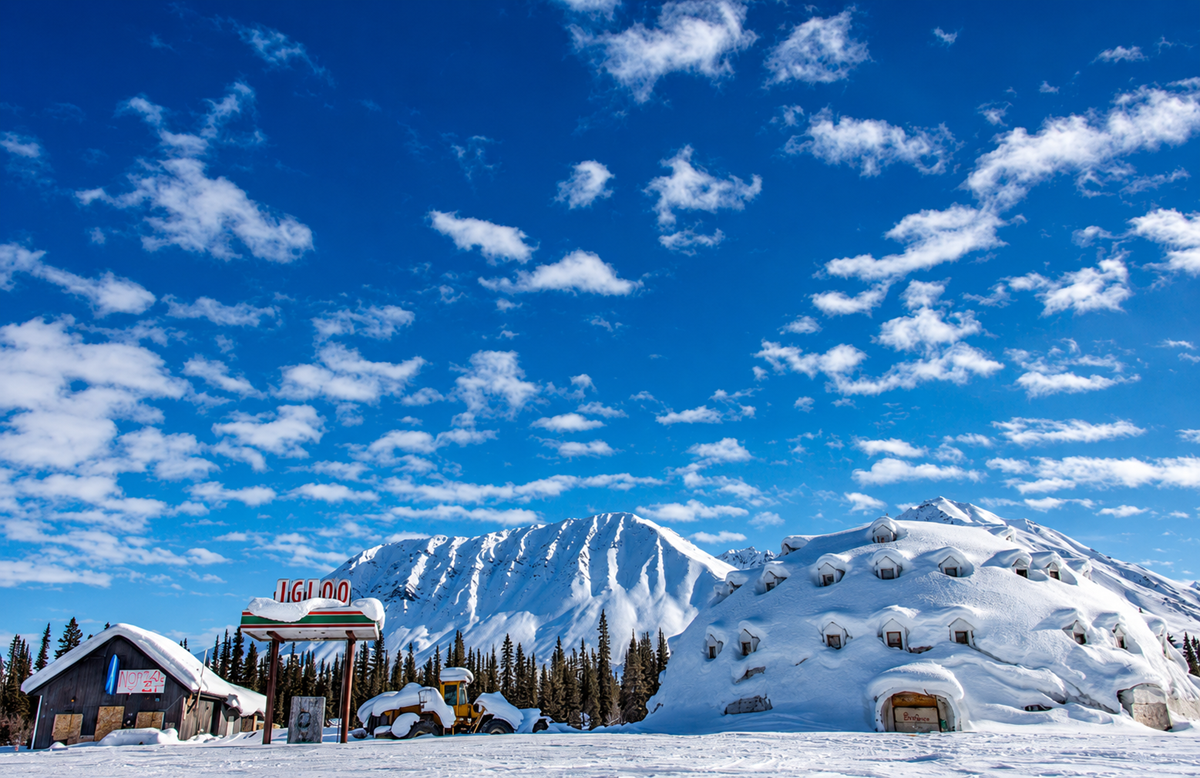
Igloo City never really became a hotel, which somehow makes it even stranger. The huge igloo-shaped structure beside Alaska’s George Parks Highway was planned as a roadside attraction and lodging stop, but it never opened to guests. It now sits near Cantwell like a prop from a lost winter movie, especially when snow covers the rounded exterior. The design is playful from far away, but the empty shell gives it a lonely mood that fits the long road around it.
8. Ducor Hotel, Monrovia, Liberia
L’EXPRESS
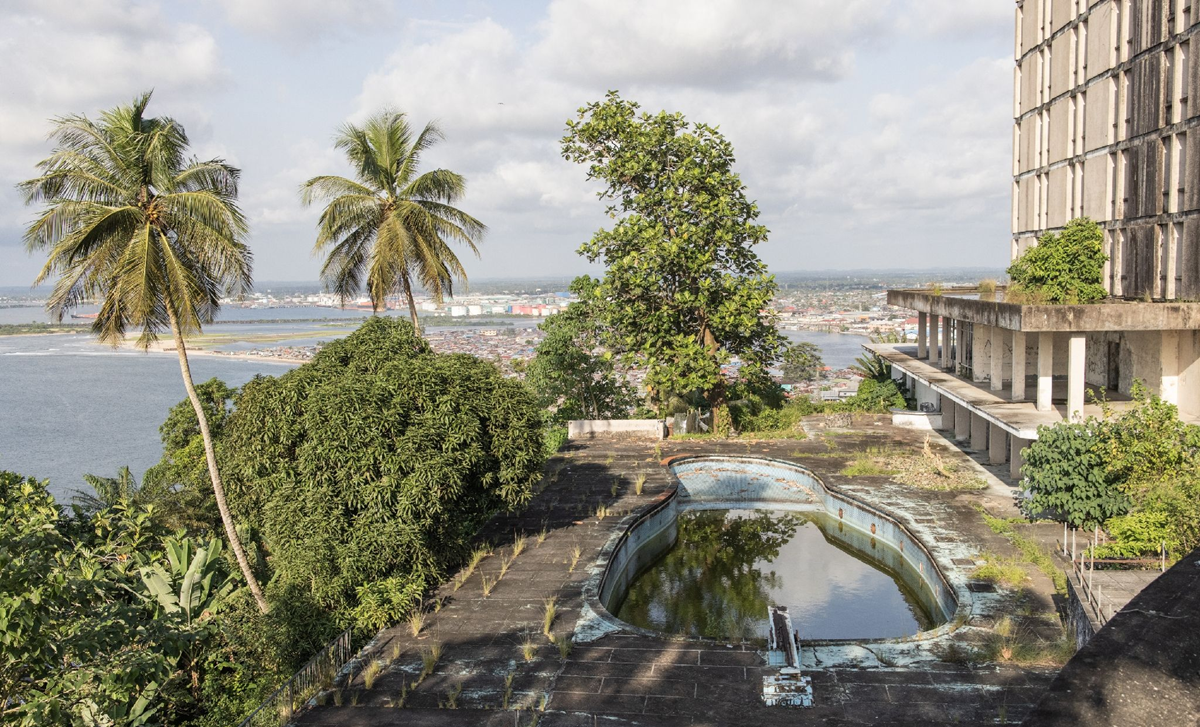
High above Monrovia, the Ducor Hotel once offered a view that was part of the selling point: the Atlantic Ocean, the city, and the river meeting below. Opened in 1960 and later known as a place for diplomats, visiting professionals, and West African elites, it closed as Liberia entered a period of political crisis and civil war. The hotel has since been looted, occupied, cleared, and left in limbo more than once. Even stripped down, its hilltop position and wide empty spaces still suggest the scale of what it used to be.
Sign up for our newsletter
9. Hotel Polissya, Pripyat, Ukraine
CHERNOBYL / REDDIT
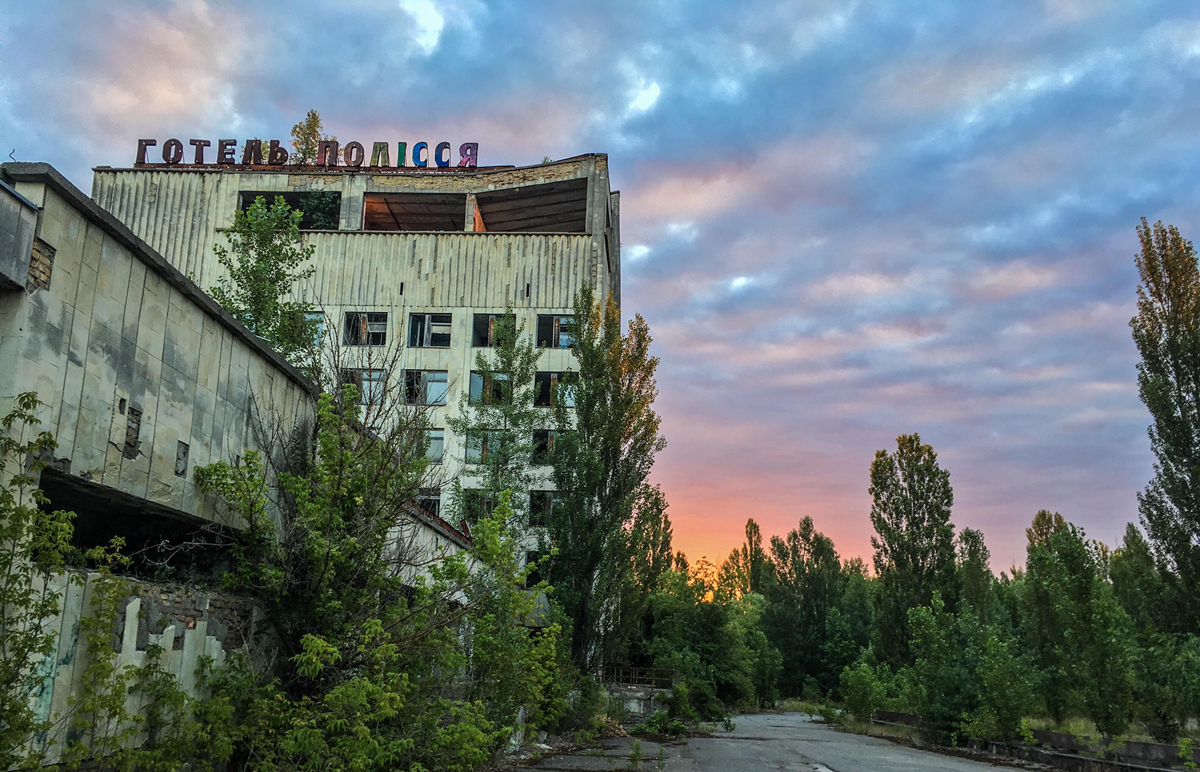
Hotel Polissya stands in a city where nearly every building has become part of a much larger silence. Built in the 1970s to host visitors connected to the Chernobyl Nuclear Power Plant, it became part of the emergency response after the 1986 disaster, with its roof reportedly used as a vantage point during the crisis. After Pripyat was evacuated, the hotel stayed behind with the rest of the city. Its blocky Soviet shape, empty windows, and overgrown surroundings make it one of the most recognizable ruins in the Chernobyl Exclusion Zone.
10. Sheraton Rarotonga, Cook Islands
COOKISLANDS / REDDIT
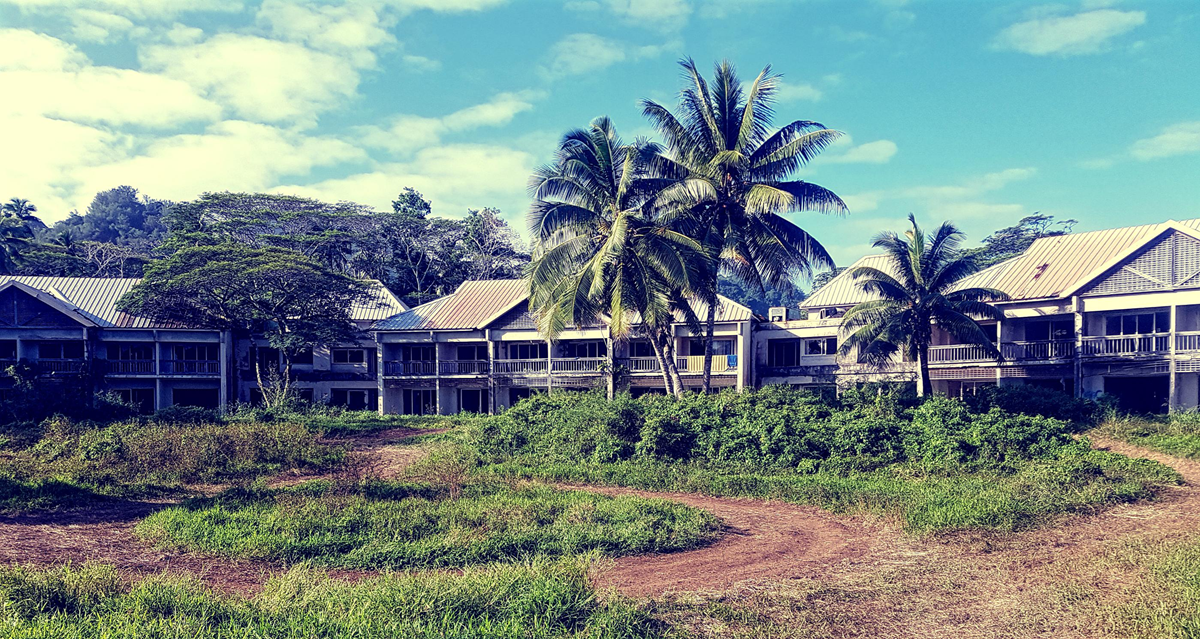
The unfinished Sheraton Rarotonga is the kind of resort story that sounds too tangled to be real. Planned as a five-star hotel in the Cook Islands, the project stalled in the early 1990s after political, financial, and legal problems, with rumors and local stories collecting around it over time. The buildings were left close enough to completion to feel especially odd, as if the opening party was postponed and then forgotten. Tropical plants, empty courtyards, and faded concrete have since turned the site into a ruin with a distinctly island kind of melancholy.
11. Sanatorio de Abona, Tenerife, Spain
URBAN EXPLORATION / REDDIT
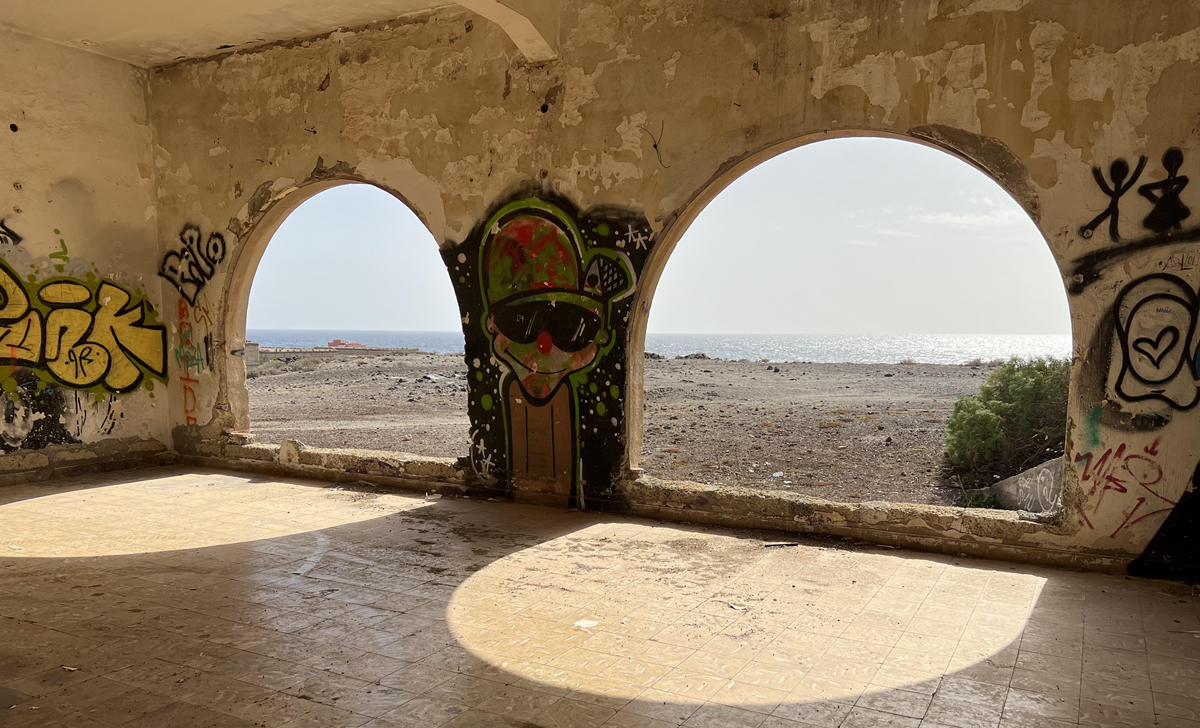
Sanatorio de Abona was not built as a vacation resort, but its abandoned village-like layout near the coast makes it visually belong in this kind of list. Planned as a leprosy sanatorium in the 1940s near Abades, it became obsolete before it ever received patients. What remains includes a church, dormitory-like buildings, hospital structures, and empty streets under the dry Tenerife sun. It is beautiful in a severe way, less lush than many abandoned places, more like a ghost town sketched in pale stone and hard light.
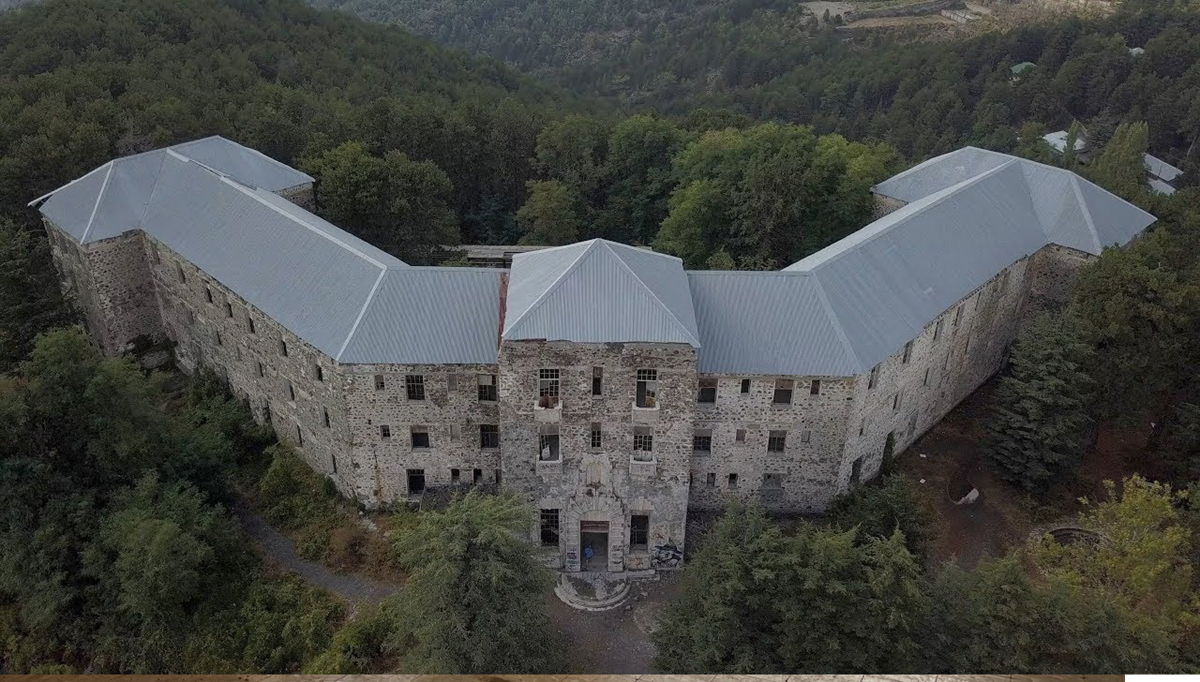
12. Berengaria Hotel, Troodos Mountains, Cyprus
CYPRUS / REDDIT
Berengaria Hotel sits in the mountains rather than on the beach, which already gives it a different kind of atmosphere. Opened in 1931 in Prodromos, it became associated with Cyprus’s old mountain tourism, cool air, stone walls, and guests escaping the coastal heat. After closing in 1984, it spent decades as a ruin wrapped in local legends and weathered glamour. Restoration work is now underway, but the abandoned version of Berengaria remains the image that made people stop and stare: a grand old hotel looking out over the forest like it had been waiting for one last season.
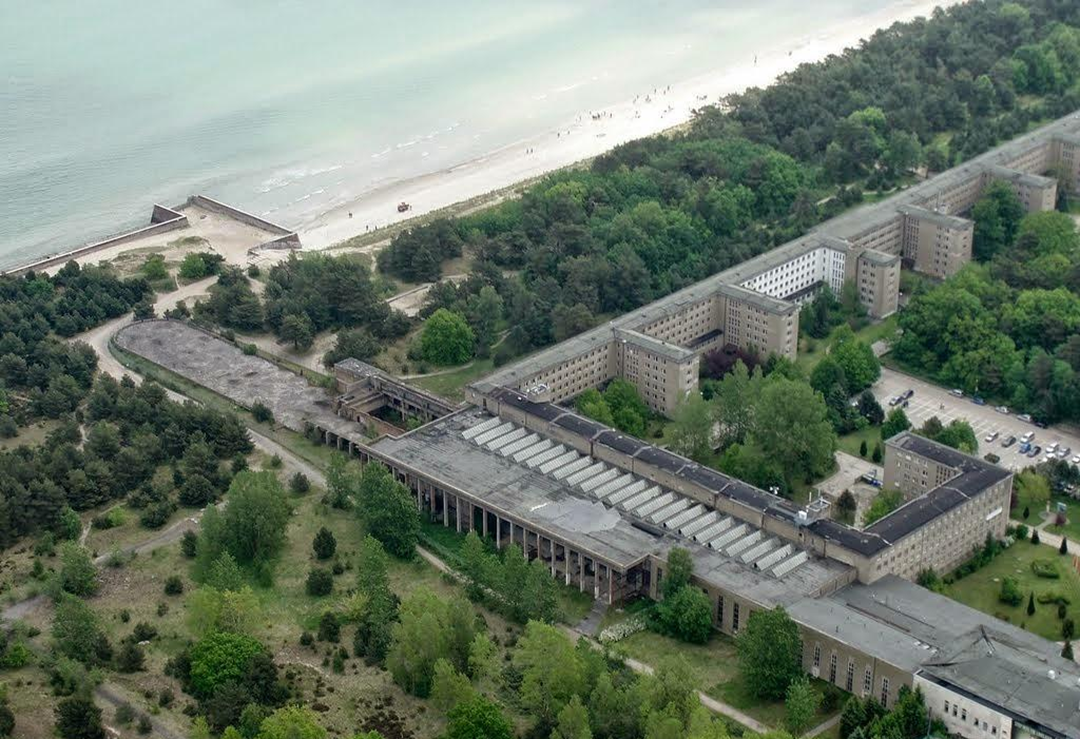
13. Prora, Rügen, Germany
EVILBUILDINGS / REDDIT
Prora was planned on a scale that still feels hard to process. Built during the Nazi era as a massive seaside resort on the island of Rügen, the long concrete blocks were meant to bring thousands of workers to the Baltic coast. The resort never opened for that original purpose, and after World War II, the complex passed through military uses before sitting partly unused and partly redeveloped. Today, some sections have been turned into apartments, a hotel, and a youth hostel, but the sheer length of the complex still carries the chill of an enormous vacation machine that never functioned as promised.
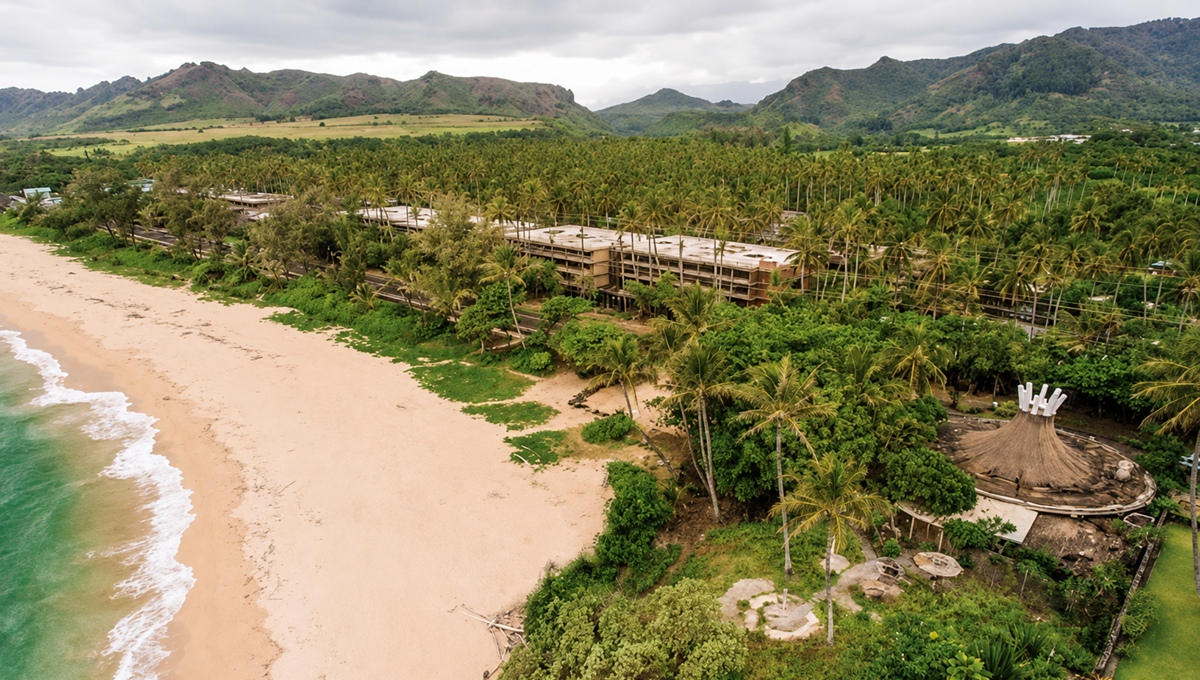
14. Coco Palms Resort, Kauai, Hawaii
HAWAII MAGAZINE
Coco Palms is less hidden than many abandoned resorts, which may be why it has stayed in the public imagination for so long. The Kauai property became famous in part through mid-century Hawaiian tourism and its connection to Blue Hawaii, but Hurricane Iniki badly damaged the resort in 1992. Since then, redevelopment efforts have risen and stalled repeatedly, while parts of the old property became a familiar roadside ruin. Its story is sensitive because the land and cultural context matter deeply, but visually, the remains still show how quickly a glamorous resort can become a weathered symbol of unfinished promises.
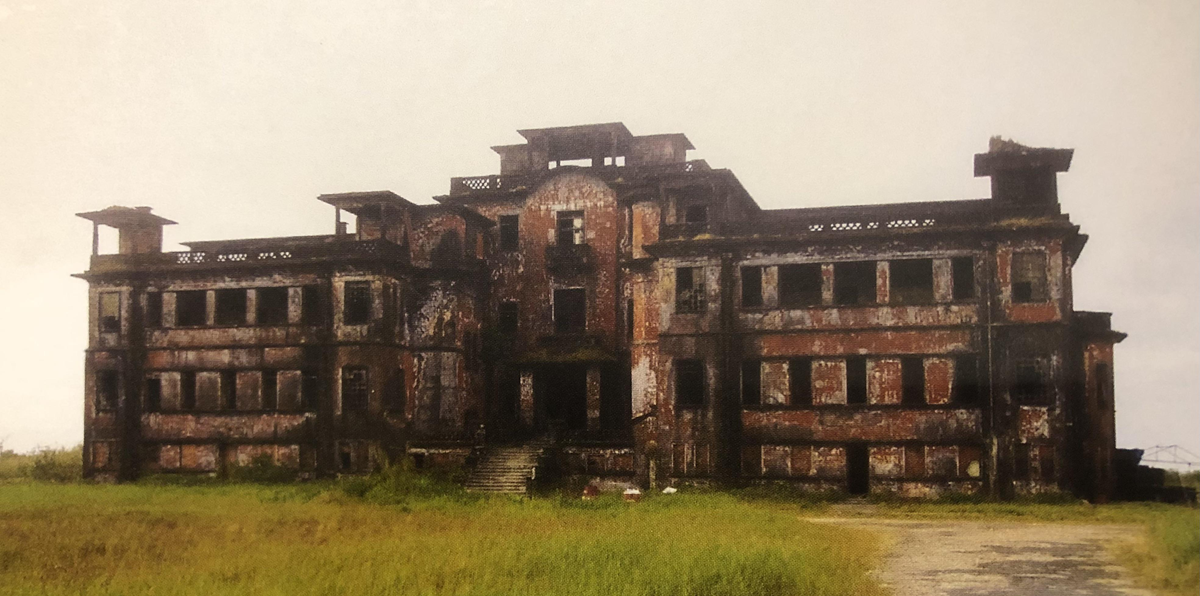
15. Le Bokor Palace, Bokor Mountain, Cambodia
URBANEXPLORATION / REDDIT
For years, Bokor Palace looked like the perfect haunted hotel because it sat high in the clouds. Built as part of a French colonial hill station in Cambodia, the hotel was abandoned, reused, damaged, and left to the mountain weather for long stretches of the 20th century. Mist made its empty rooms and red-stained walls feel even more theatrical. The building has since been restored and reopened, but older images of the abandoned palace still have a pull because the setting was almost too atmospheric to look real.
16. Ryugyong Hotel, Pyongyang, North Korea
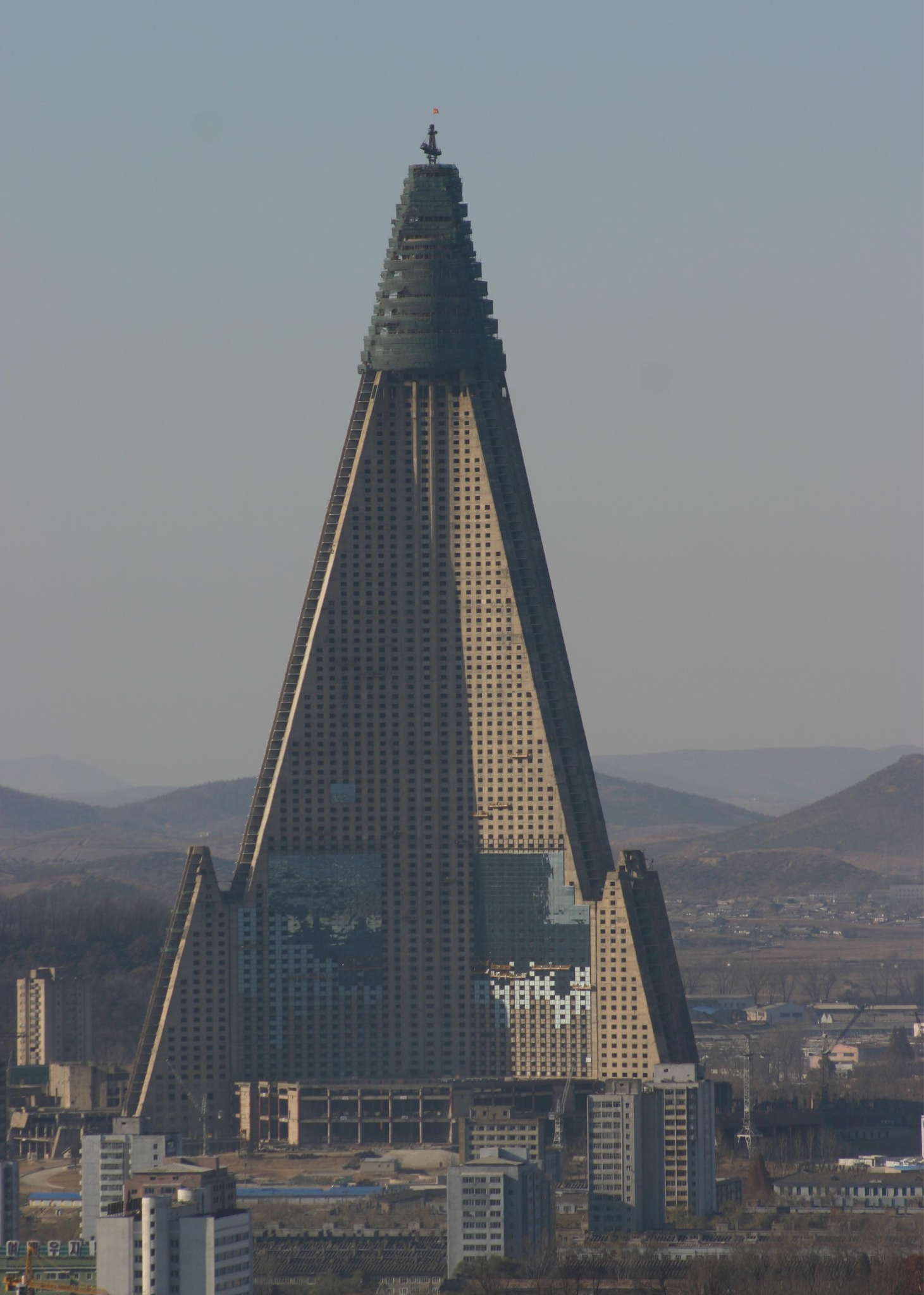
NORTHKOREAPICS / REDDIT
The Ryugyong Hotel is not a resort ruin, and it was never a cozy place by the sea, but it belongs on this list because few unfinished hotels have become so visually unavoidable. Construction began in 1987, and the pyramid-like skyscraper still dominates the Pyongyang skyline despite never becoming the fully operating hotel it was meant to be. Its glassy exterior can look almost futuristic from far away, while its long unfinished history gives it the feeling of a monument to stalled ambition. Most abandoned hotels disappear into landscapes, but Ryugyong does the opposite; it stands over a capital city like a question nobody has quite answered.
In the mood for more?
Check out Eerie Elegance: 20 Abandoned Hotels That Once Thrived, or take a look at 25 Images of Nature Reclaiming Abandoned Places. If you want to see more places where luxury faded into ruin, you can check out 15 Abandoned Megaprojects: Expensive Failures the World Forgot About.