The greatest songs often become classics because they make us feel good from the very first note. But appearances can be deceiving. That’s true in everyday life, and it’s especially true in the music industry, where catchy melodies and danceable rhythms sometimes disguise stories about deeper topics. Some of the biggest hits of the 1980s became global anthems while quietly telling deeply emotional or unsettling stories.
The 1980s produced some of the most recognizable songs ever recorded, yet many listeners never realized what the lyrics were actually about. Artists frequently paired upbeat production with serious themes, allowing difficult subjects to reach wider audiences without sounding overly depressing. From pop and new wave to rock and synth-pop, these iconic tracks prove that some of the happiest-sounding songs can also be the saddest once you understand their true meaning.
1. The Police — The Obsessive Story Behind Every Breath You Take
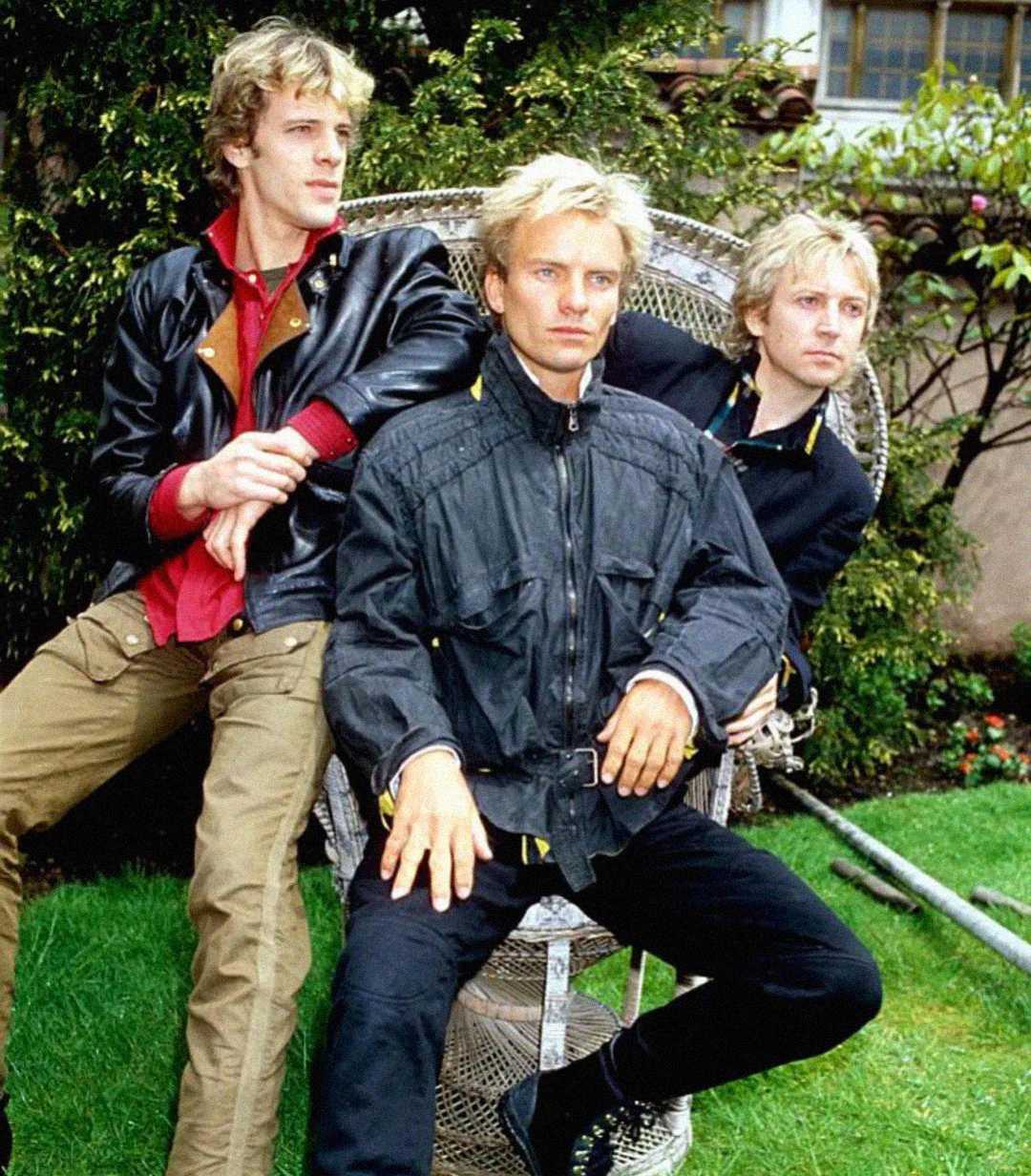
Many people still choose this as a wedding song, assuming it’s one of the most romantic songs ever written. In reality, Sting wrote it after the collapse of his marriage, and the lyrics describe obsession, surveillance, and possessive behavior rather than healthy love. The calm melody masks an unsettling perspective that listeners often overlook.
2. Tears for Fears — The Hidden Meaning Behind Everybody Wants to Rule the World
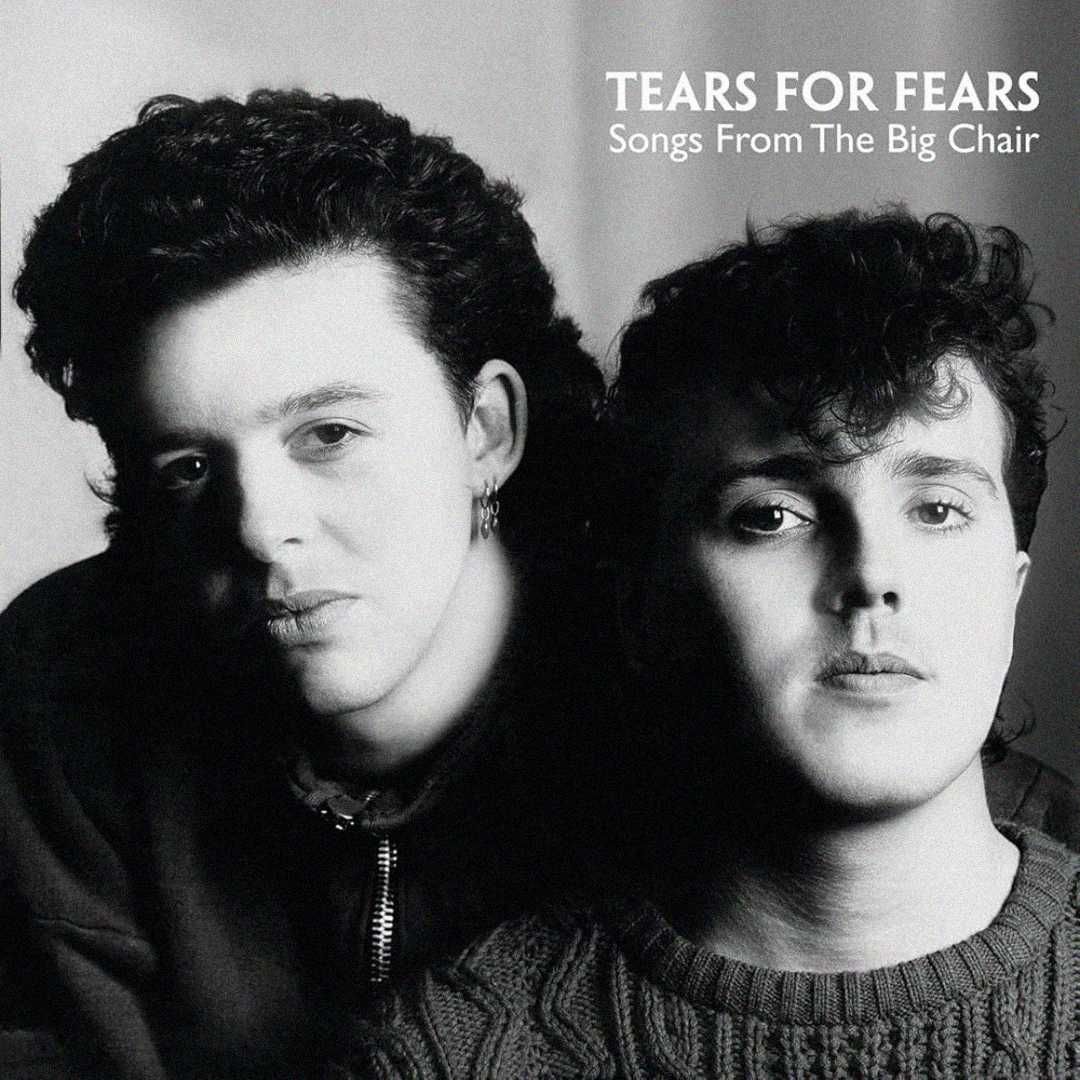
One of the defining pop songs of the decade sounds optimistic thanks to its bright guitar riff and catchy chorus. However, Everybody Wants to Rule the World is actually about power, political ambition, and the dangers of authoritarianism during the Cold War. The band has said the lyrics explore humanity’s desire for control and how that pursuit often leads to conflict rather than peace.
3. Mike + The Mechanics — The Heartbreaking Truth Behind The Living Years
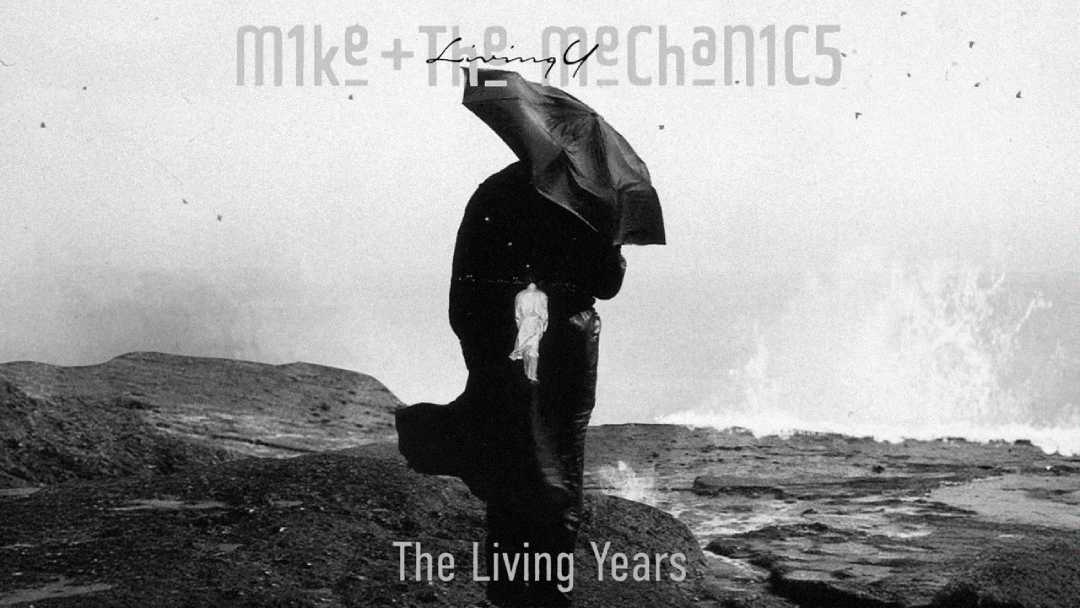
The Living Years has an uplifting melody that makes it feel hopeful, but its lyrics tell a deeply emotional story about regret after the death of a parent. Inspired by songwriter B. A. Robertson and made even more personal by Mike Rutherford, the song encourages people to resolve conflicts with loved ones while they still have the chance.
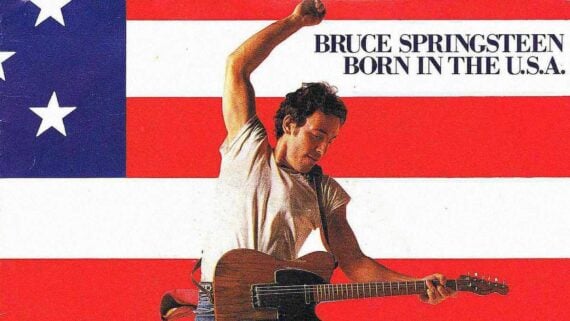
4. Bruce Springsteen — The Real Message of Born in the U.S.A.
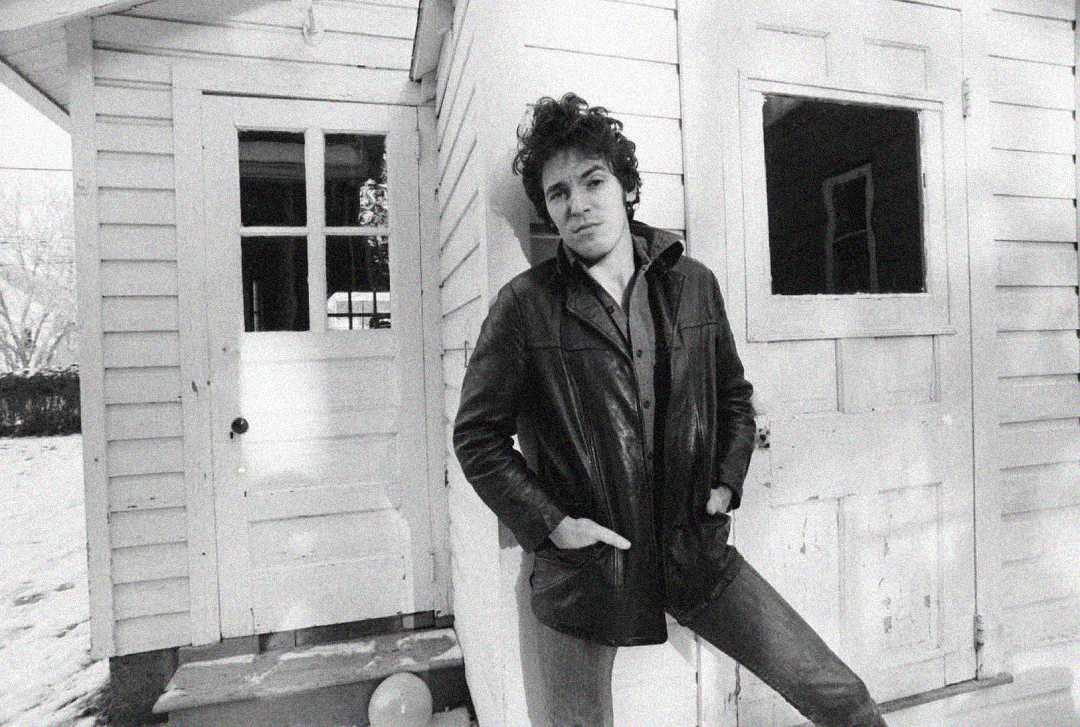
The triumphant chorus has often been mistaken for a patriotic celebration. In reality, Bruce Springsteen wrote the song as a criticism of how many Vietnam veterans were treated after returning home. Beneath its stadium-rock energy lies a story of disappointment and broken promises.
5. Billy Idol — The Loneliness Behind Dancing With Myself

Although many listeners interpret the title literally, the song was inspired by the feeling of isolation inside crowded clubs, where everyone seemed disconnected despite dancing together. Billy Idol transformed loneliness into one of the decade’s catchiest hits.
Trending on The Scroller


6. Modern English — The Unexpected Inspiration for I Melt With You

This beloved new wave classic sounds like a carefree love song, but it was inspired by lovers embracing after a nuclear explosion. The romantic imagery is intentionally paired with the backdrop of global destruction, reflecting Cold War anxieties that shaped much of the era.
7. Simple Minds — Why Don’t You (Forget About Me) Is More Emotional Than You Think
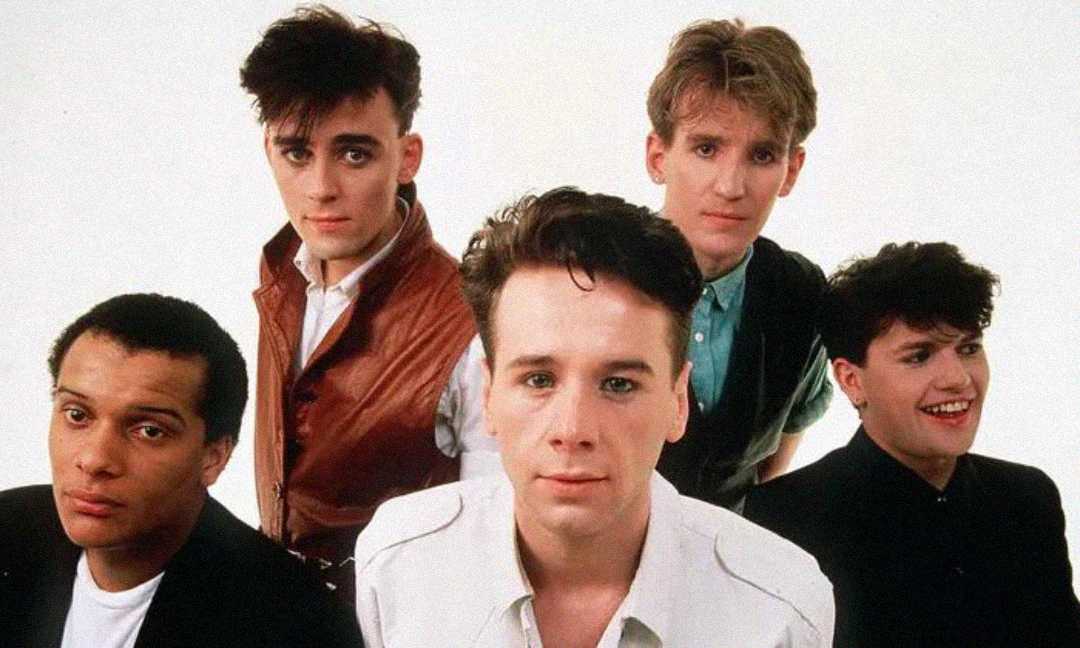
Forever associated with The Breakfast Club, the song carries a deeper message about wanting to be remembered and understood after moments of personal change. Its uplifting chorus hides fears of abandonment and emotional distance.
8. Eurythmics — The Darker Side of Sweet Dreams (Are Made of This)

The hypnotic synth melody sounds empowering, but Annie Lennox wrote the lyrics while struggling after the breakup of the duo’s previous band and a difficult personal period. The song explores ambition, manipulation, and the search for fulfillment in an imperfect world.
Sign up for our newsletter
9. Nena — How 99 Luftballons Became an Anti-War Anthem

This energetic pop hit tells the story of 99 balloons accidentally triggering a catastrophic military conflict. Inspired by Cold War tensions, the song became one of the era’s strongest anti-war statements despite its infectious melody.
10. Crowded House — The Deeper Meaning of Don’t Dream It’s Over
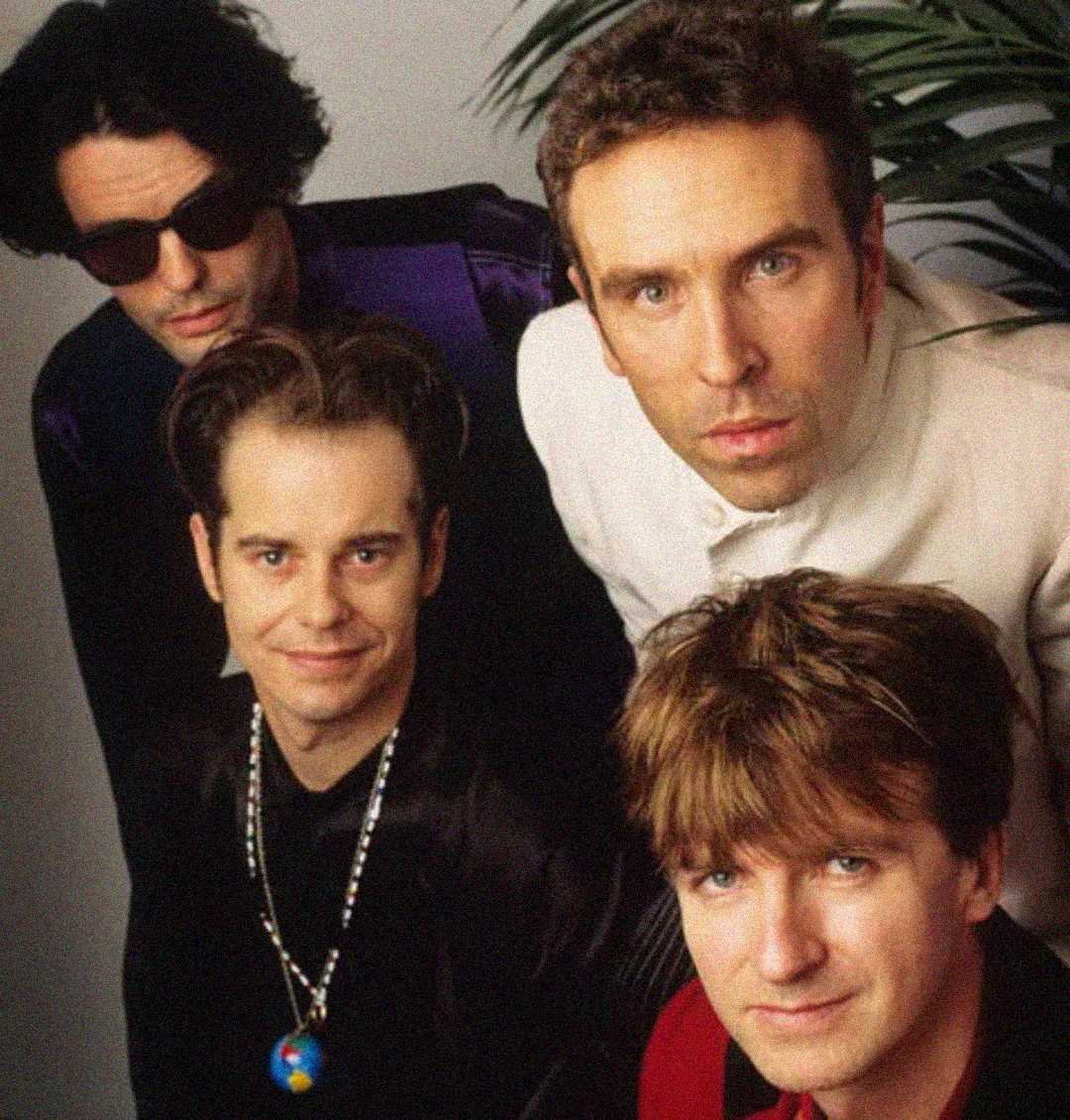
The gentle arrangement makes it sound comforting, but Neil Finn wrote about perseverance through hardship, conflict, and emotional barriers. Rather than being purely optimistic, the lyrics acknowledge how difficult hope can be during challenging times.
11. Joy Division — The Heartbreak Behind Love Will Tear Us Apart

Despite its danceable rhythm, the song reflects the deteriorating marriage of Ian Curtis while he struggled with epilepsy, depression, and the pressures of fame.
12. Hall & Oates — What Maneater Was Really About

Although many assumed it described a dangerous woman, Daryl Hall has explained that the maneater symbolizes the ruthless nature of New York City’s business world during the 1980s. The metaphor was broader than many listeners realized.
13. Tracy Chapman — The Harsh Reality Told Through Fast Car

The driving rhythm suggests freedom, yet the lyrics tell the story of poverty, family responsibility, and dreams that never fully materialize. Tracy Chapman created one of music’s most realistic portrayals of economic hardship.
14. Alphaville — The Reality Behind Forever Young
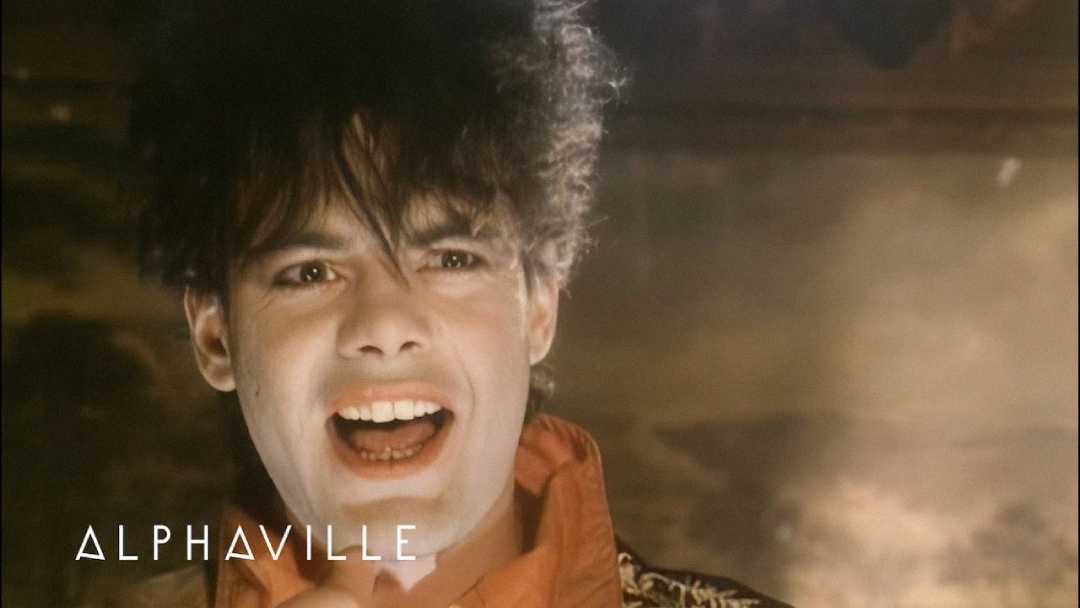
This synth-pop classic sounds hopeful, but it’s rooted in Cold War fears and questions about mortality. Rather than simply wishing to stay young forever, the lyrics ask what kind of future the next generation might inherit in a world threatened by nuclear conflict.
15. Fine Young Cannibals — The Dark Reality Behind She Drives Me Crazy
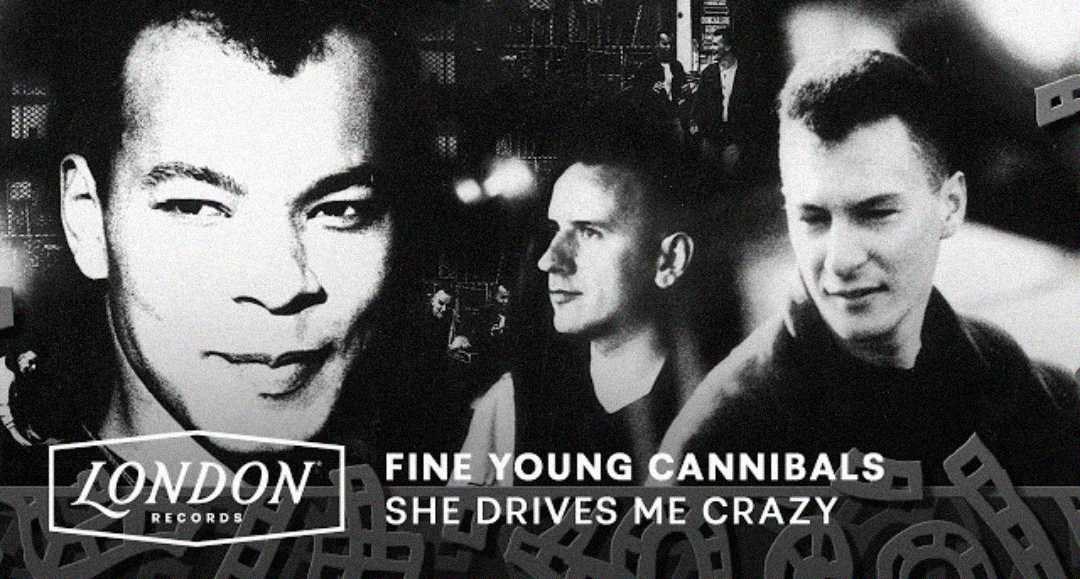
She Drives Me Crazy became one of the biggest pop hits of the late 1980s thanks to its infectious groove and upbeat energy. However, the lyrics aren’t about the excitement of falling in love, they describe emotional obsession, frustration, and the overwhelming feeling of wanting someone you can’t have. Rather than celebrating romance, the song captures the anxiety and heartache that can come with unrequited or complicated love.
16. Suzanne Vega — The Devastating Meaning Behind Luka

Its gentle folk-pop arrangement conceals one of the most serious topics ever addressed in a mainstream hit. Sung from the perspective of a child experiencing domestic abuse, the lyrics deliberately avoid graphic descriptions, making the emotional impact even stronger.
These songs prove that the biggest hits often carry much deeper meanings than we first expect. Keep exploring to discover more surprising stories from the music industry.
While these artists created timeless hits that continue to fill playlists decades later, they also demonstrated how powerful songwriting can be. By pairing memorable hooks with themes of heartbreak, social issues, fear, resilience, and personal struggles, they transformed ordinary pop and rock tracks into lasting works of art. Looking beyond the melody reminds us that some of the greatest songs reveal new layers every time we listen.
We love exploring the fascinating stories behind music history, but we enjoy it even more when you discover something new along the way. If you enjoyed this article, keep reading our latest recommendations for more incredible facts about legendary artists and the moments that shaped the music industry: 16 Songs Written During Difficult Moments in Artists’ Lives, 14 Songs That Spent an Unusually Long Time on the Charts, and 12 Famous Albums Recorded in Places Nobody Expected.