
Some famous songs feel so familiar that it seems impossible for anything in them to hide. You know the chorus, the guitar part, maybe even the drum fill that arrives before the last hook. But listen a little closer and some of these records are carrying strange, subtle, or easily mistaken instruments in plain sight. From tiny synths to orchestral touches and studio oddities, these are the sounds that helped shape classic songs without always getting the spotlight.
1. The Electro-Theremin in “Good Vibrations” by The Beach Boys
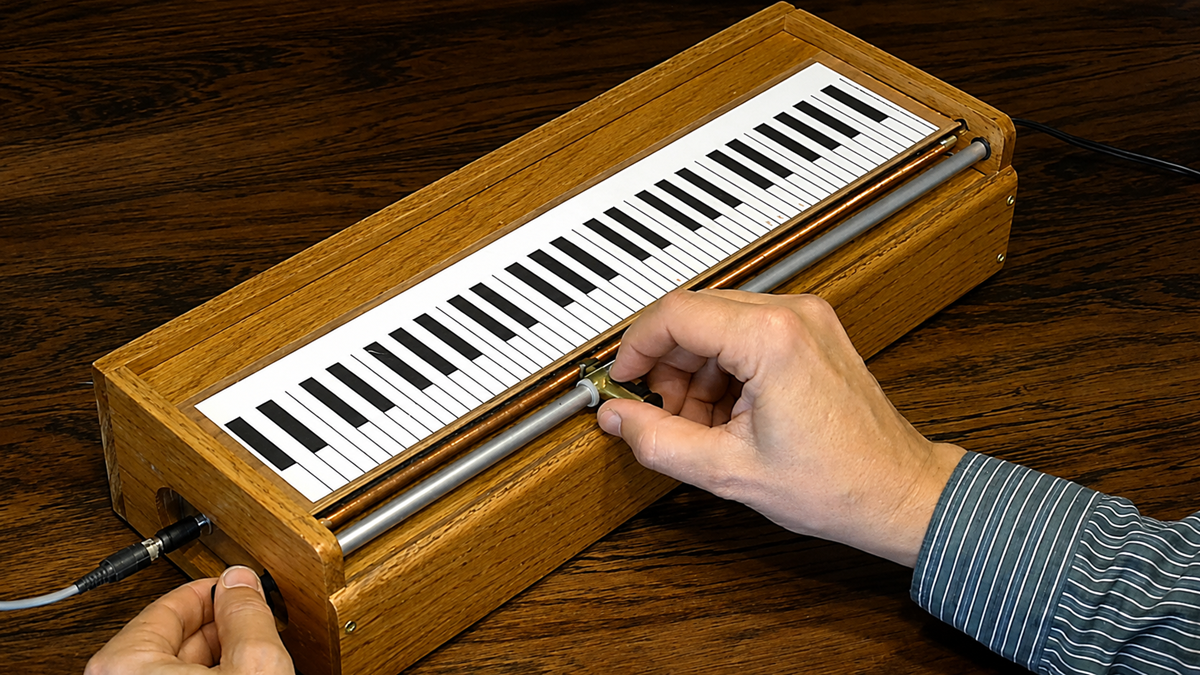
Most people hear the high, wobbly sound in “Good Vibrations” and assume it is a theremin, but the part was actually played on an Electro-Theremin, an electronic instrument created by Paul Tanner. Brian Wilson built the 1966 single like a miniature pop collage, with cello, tack piano, jaw harp, Hammond organ, harpsichord, harmonica, and other textures folded into the track. The Electro-Theremin gives the song its space-age shimmer, but because it blends so smoothly into the chorus, many listeners remember it as a vibe rather than a specific instrument.
2. The Moog Synthesizer in “Here Comes the Sun” by The Beatles
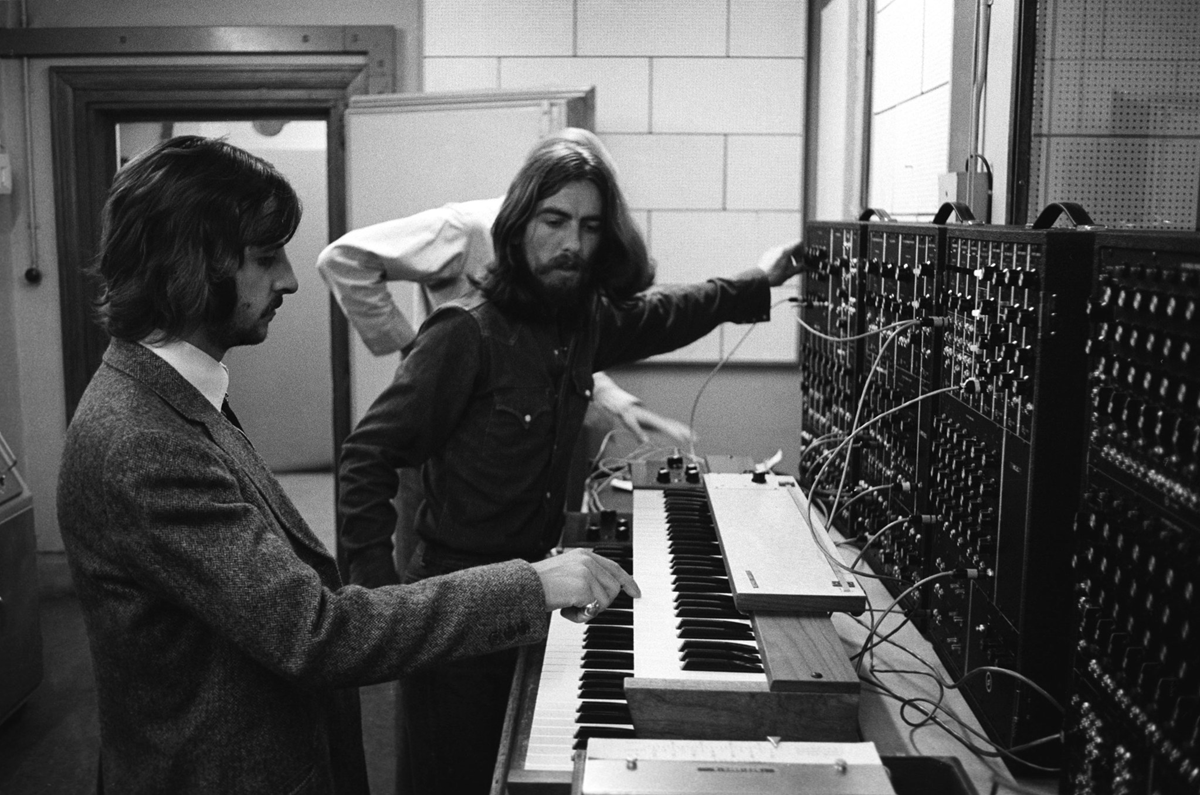
“Here Comes the Sun” feels warm, acoustic, and almost handmade, which is why the synthesizer parts can slip by unnoticed. George Harrison brought the Moog into the Abbey Road sessions, and later analysis has pointed out several subtle synth layers hiding inside the track, including a lead line, low buzzing textures, and a whistle-like sound. They do not scream “synth” the way later electronic pop would, they just make the song glow a little strangely around the edges.
3. The Stylophone in “Space Oddity” by David Bowie
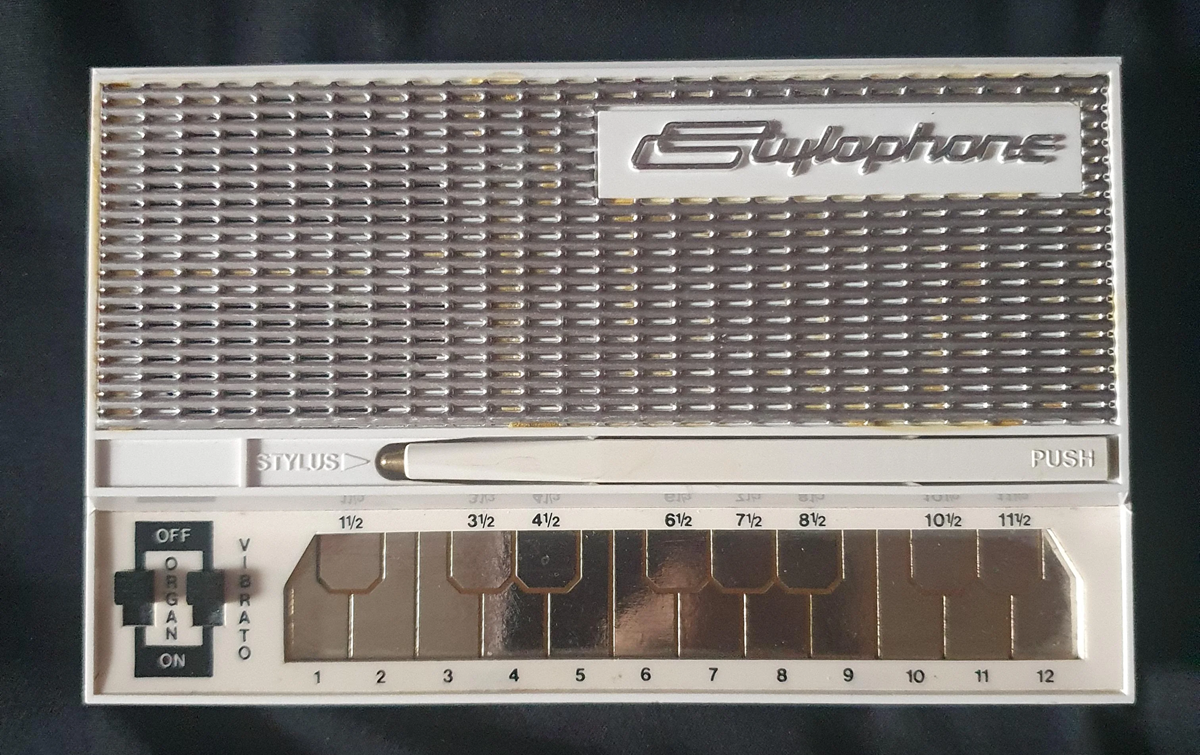
Before synthesizers became normal studio furniture, David Bowie used a pocket-sized Stylophone on “Space Oddity.” It is a small electronic instrument played with a stylus, and its thin, buzzing tone fits the song’s lonely space-travel atmosphere almost too well. The part is not huge, but once you know it is there, the record suddenly sounds a little more homemade and futuristic at the same time.
4. The Clavinet in “Superstition” by Stevie Wonder

That sharp, funky riff in “Superstition” is so physical that many casual listeners register it almost like a guitar part. It is actually Stevie Wonder playing a Hohner Clavinet, an electric keyboard whose percussive bite became central to the song’s groove. The track also grew out of a collaboration with Jeff Beck, but the Clavinet is the thing that makes the whole record snap into place.
5. The French Horn in “God Only Knows” by The Beach Boys
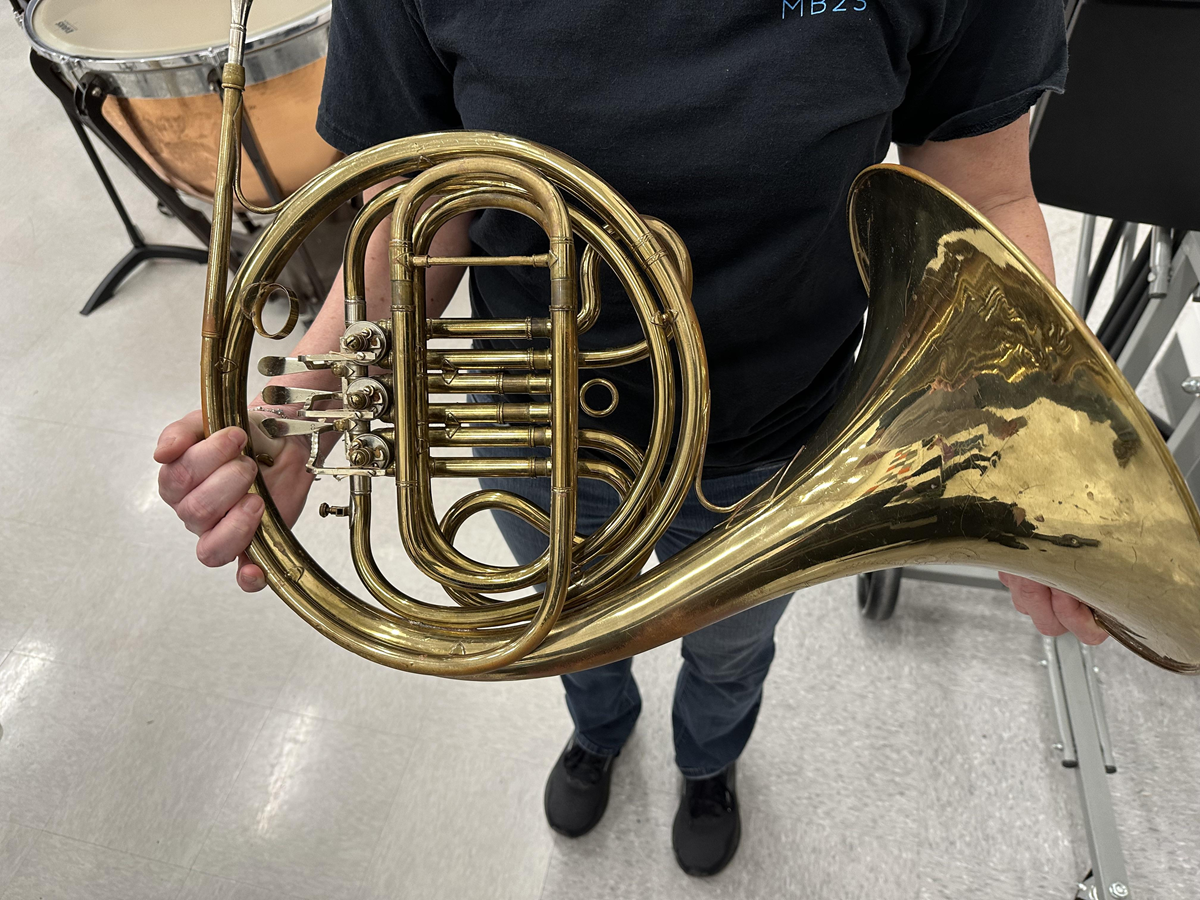
“God Only Knows” opens with one of the most graceful little introductions in pop music, and tucked into that soft arrival is a French horn. It does not behave like a big orchestral statement, it feels more like a warm breath before Carl Wilson starts singing. Brian Wilson’s arrangement also uses bells, piano, and other carefully placed colors, which is part of why the song sounds simple on the surface and oddly rich underneath.
Trending on The Scroller


6. The Sitar in “Paint It Black” by The Rolling Stones
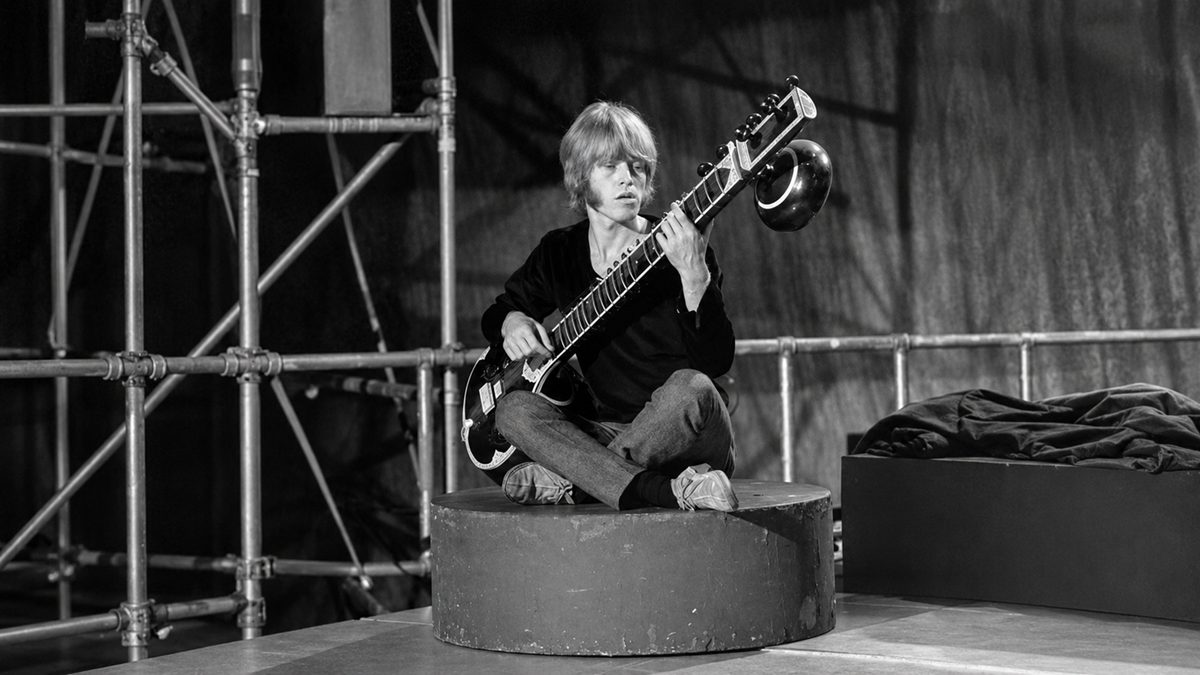
“Paint It Black” sounds dark and restless even before Mick Jagger starts singing, and a lot of that comes from Brian Jones playing sitar. The instrument is noticeable once you focus on it, but because the riff is so tightly built into the song’s main hook, many listeners remember it simply as part of the track’s nervous mood. The Stones recorded it in 1966, right as British rock bands were starting to experiment with Indian instruments, and here the sitar gives the song a sharp, uneasy character without making it feel like a novelty.
7. The Glockenspiel in “Born to Run” by Bruce Springsteen
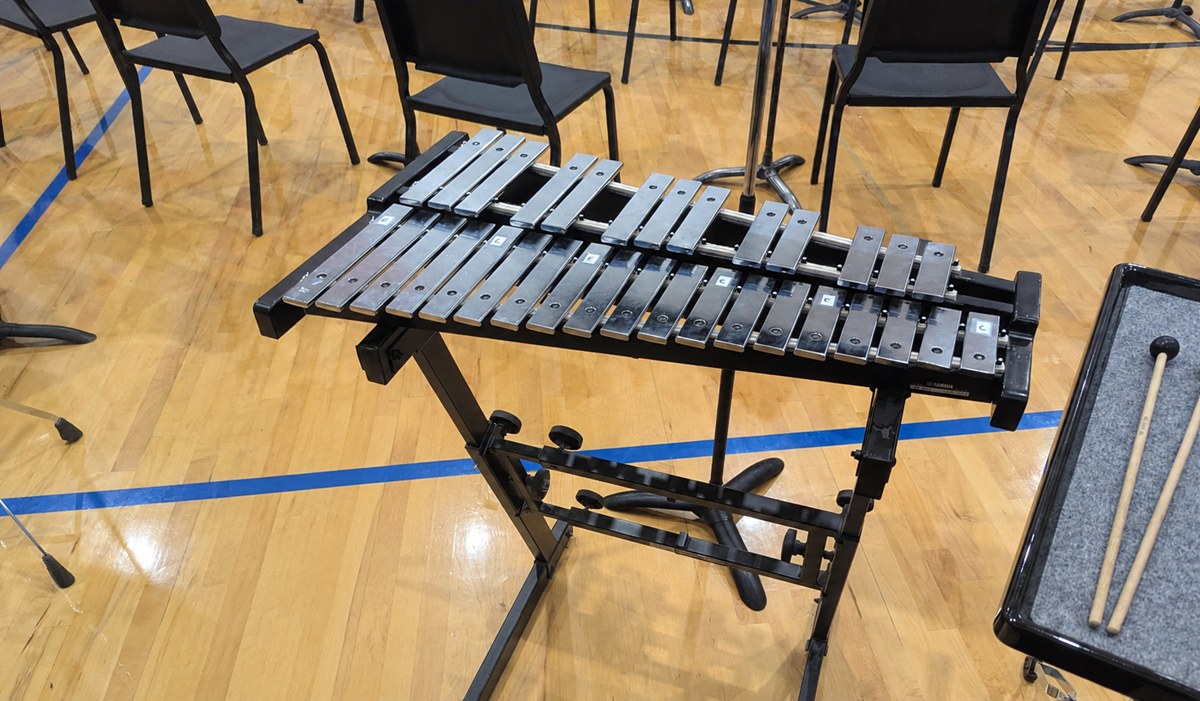
“Born to Run” is usually remembered for its rushing drums, saxophone, wall-of-sound production, and pure highway momentum. But part of that bright sparkle comes from glockenspiel, which cuts through the dense mix like tiny flashes of light. It is easy to miss because everything in the song feels loud and urgent, yet that small bell-like sound helps keep the track from becoming one solid block of noise.
8. The Sitar in “Norwegian Wood” by The Beatles
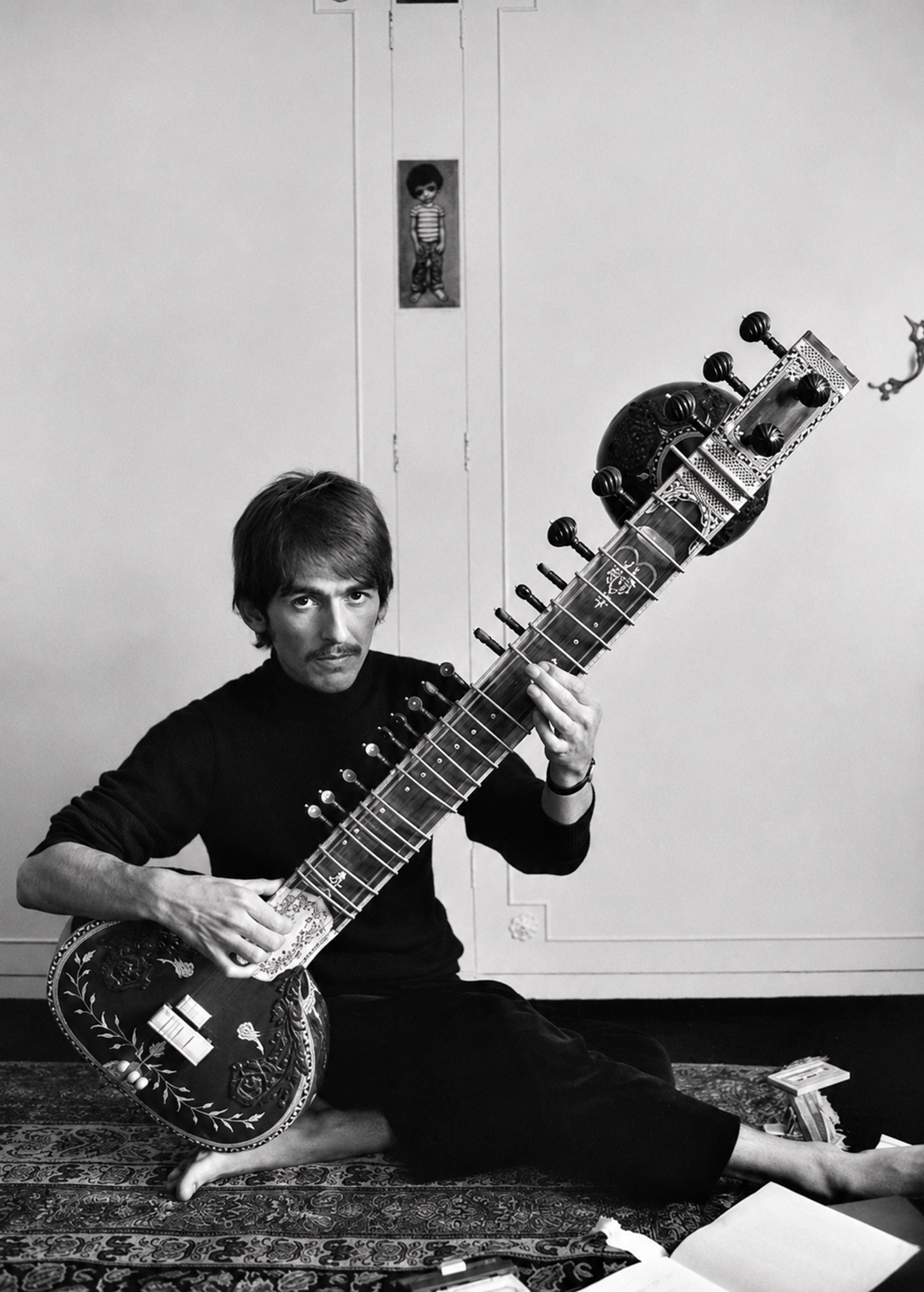
The sitar in “Norwegian Wood” is famous now, but it was not the kind of sound most Western pop listeners expected on a Beatles record in 1965. George Harrison played it after becoming interested in Indian music, and the instrument gives the song a dry, slightly mysterious texture without taking over the whole arrangement. Because the song is so restrained, the sitar almost feels like a shadow moving behind the acoustic guitar rather than a full spotlight moment.
Sign up for our newsletter
9. The Yamaha CS-80 in “Billie Jean” by Michael Jackson
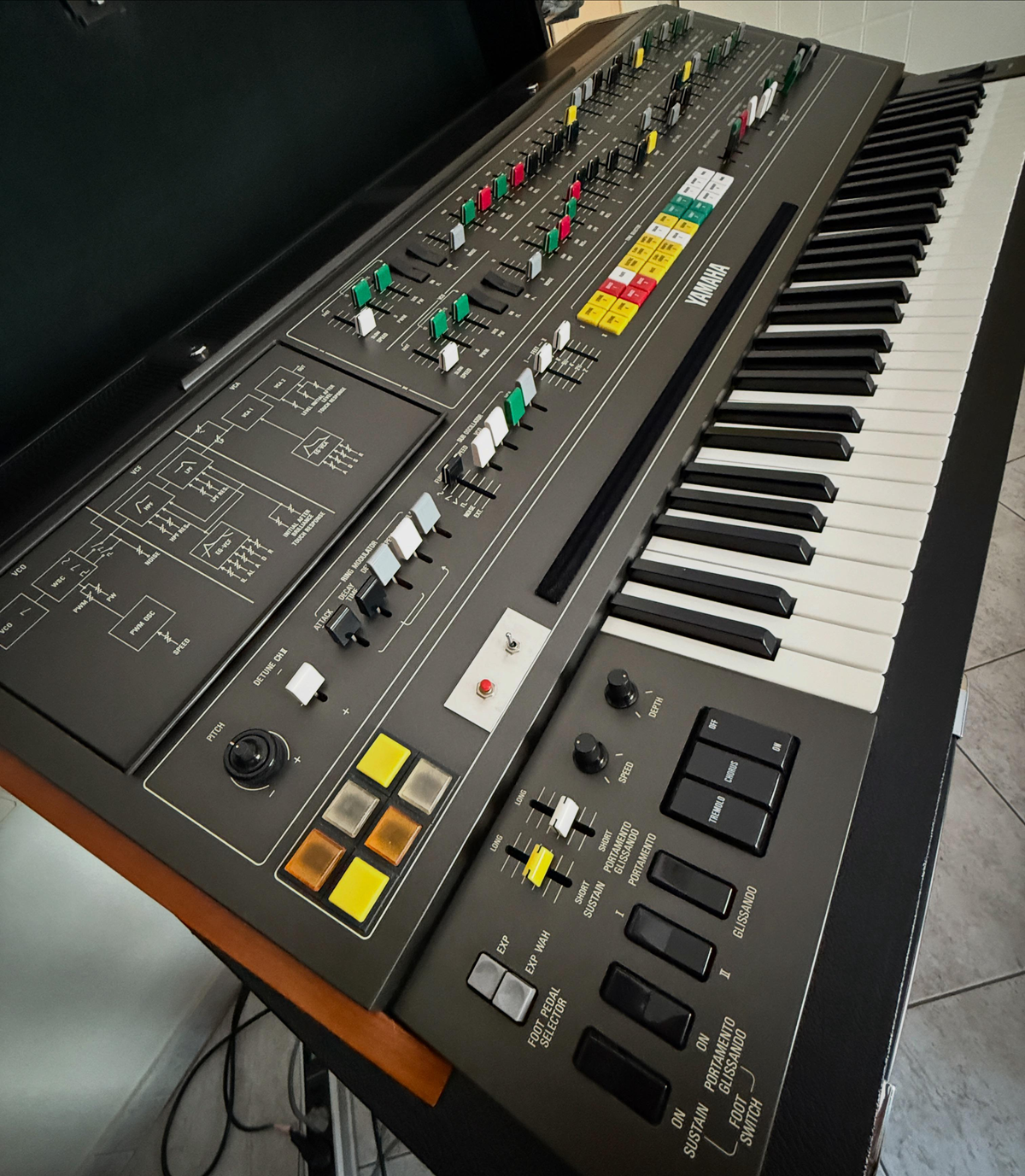
The bass line and drum groove usually get all the attention in “Billie Jean,” which makes sense, they are basically perfect pop machinery. But those ghostly string-like chords that enter early in the song were created with a Yamaha CS-80 synthesizer, giving the track a tense, hovering atmosphere. It is not the first sound people hum, yet it is one of the reasons the record feels so sleek and suspicious.
10. The Harpsichord in “Good Vibrations” by The Beach Boys
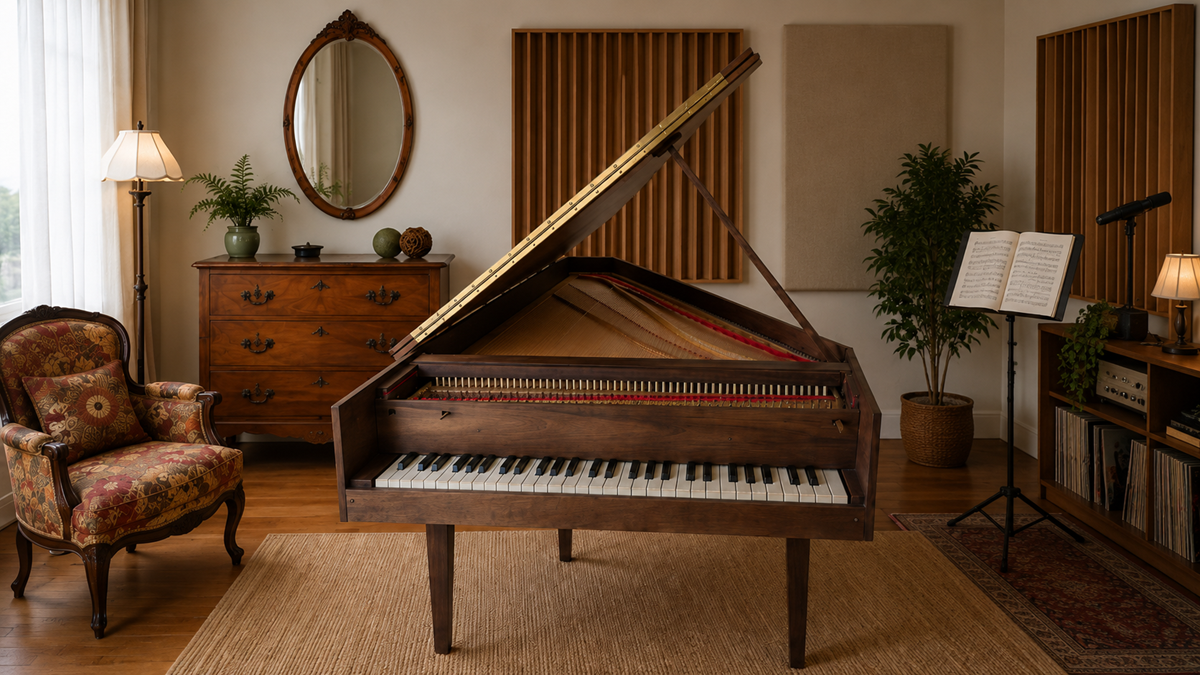
“Good Vibrations” has so many moving parts that one more odd instrument can disappear inside the rush. Alongside the famous electronic lead and cello pulses, Brian Wilson’s studio puzzle also included harpsichord, which adds a brittle little brightness to the arrangement. It is not there to sound old-fashioned, it is there as one more color in a record that treats pop like a box of strange, useful objects.
11. The Tack Piano in “God Only Knows” by The Beach Boys
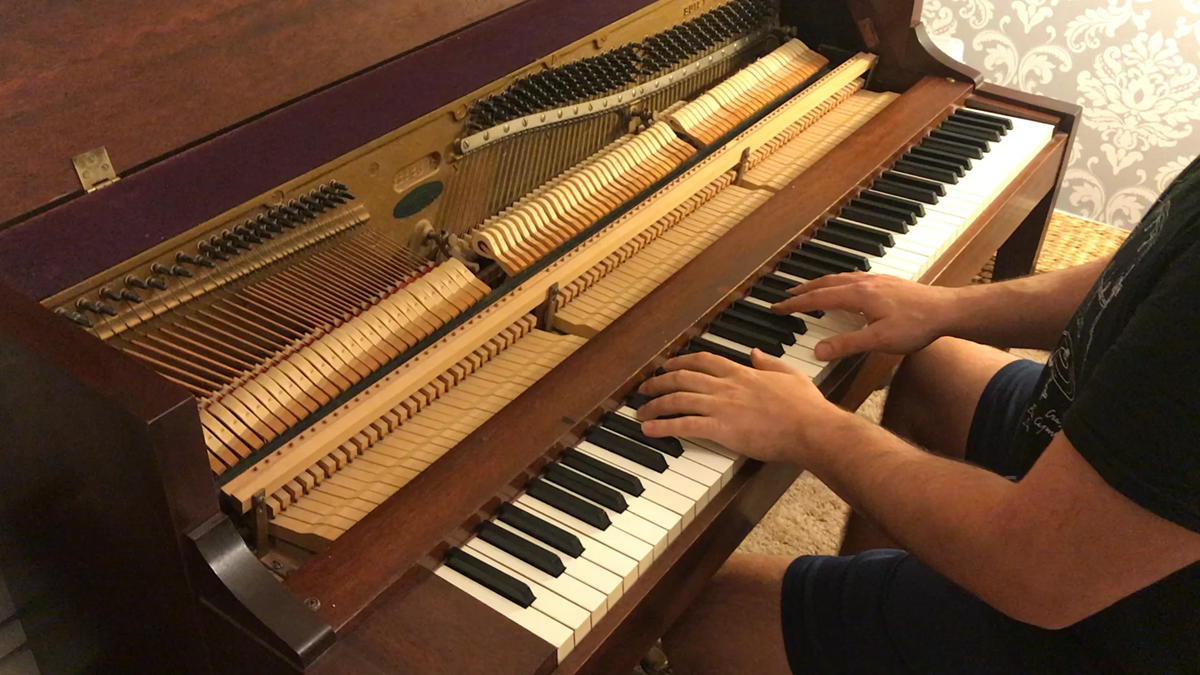
A tack piano is exactly what it sounds like, a piano altered so the hammers strike with a sharper, more metallic attack. In “God Only Knows,” that texture sits among softer orchestral and vocal sounds, adding a tiny edge to a song many people remember as completely smooth. Brian Wilson’s arrangements often worked this way, emotional on the surface, oddly mechanical in the details.
12. The Mellotron in “Strawberry Fields Forever” by The Beatles
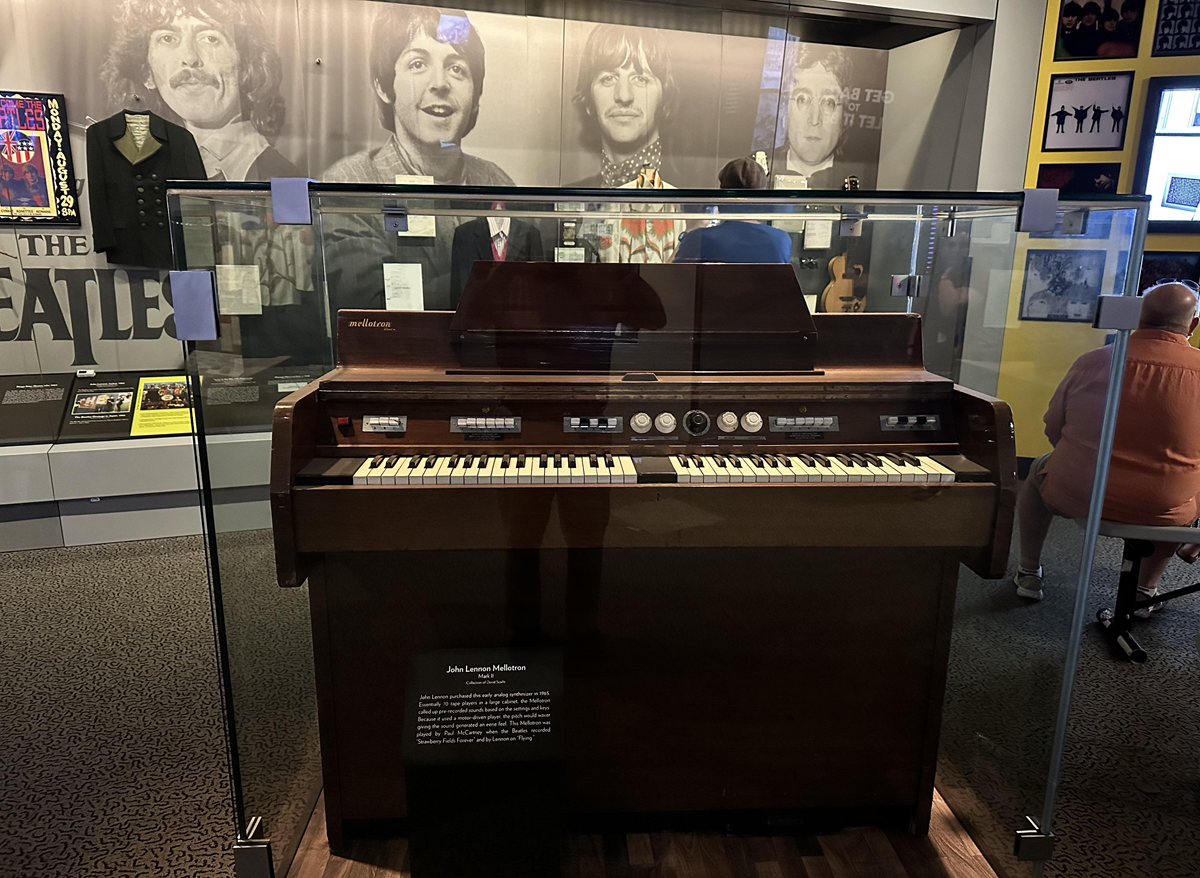
The flute-like opening of “Strawberry Fields Forever” is not an actual flute section. It is a Mellotron, a keyboard instrument that plays back recorded tape sounds, giving the part a slightly unreal, wavering quality. That sound is one reason the track feels dreamy before the lyrics even begin, though many listeners just hear it as “the intro” rather than a very specific studio machine.
13. The Cello in “Good Vibrations” by The Beach Boys
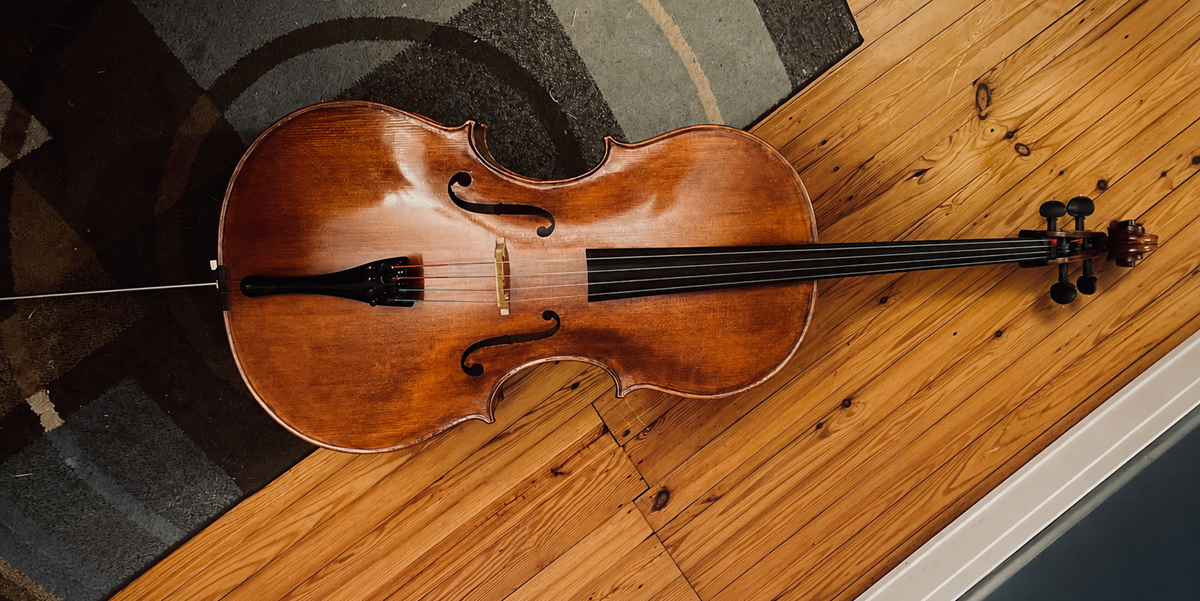
The cello in “Good Vibrations” does not just sit politely in the background. It drives part of the record’s motion with a rhythmic, pulsing figure that feels closer to rock muscle than chamber music. The strange thing is that it is so well woven into the track that many listeners feel the energy without realizing a cello is helping push it forward.
14. The Ondes Martenot in “How to Disappear Completely” by Radiohead
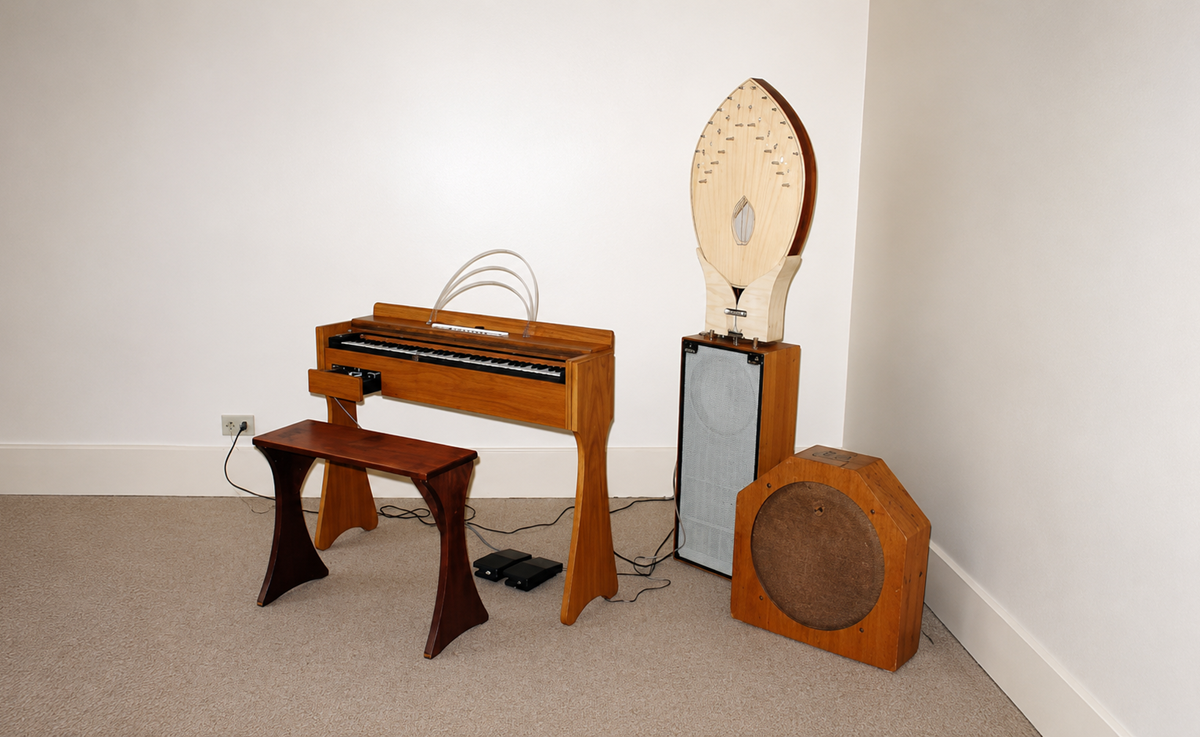
Radiohead’s “How to Disappear Completely” is usually remembered for its drifting strings and Thom Yorke’s ghostly vocal, but one of its strangest textures comes from the Ondes Martenot. Jonny Greenwood used the early electronic instrument to create those wavering, almost human tones that seem to bend around the orchestra. It does not sound like a typical synth, and that is the trick, it feels more like the song itself is losing its shape.
In the mood for more?
Check out 18 Musicians Who Secretly Wrote Songs for Other Artists, or take a look at 12 Famous Albums Recorded in Places Nobody Expected. If you want to see more details in popular music, you can check out 16 Singers Whose Voices Changed Contemporary Music Forever.