
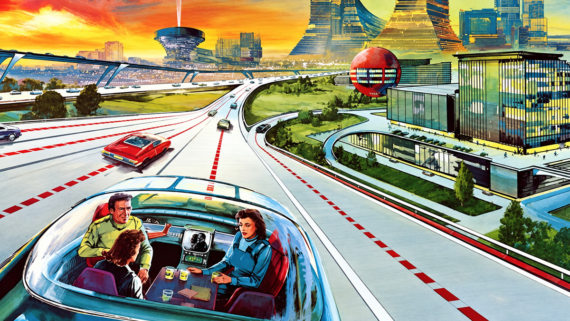
Every generation imagines the future a little differently. The 1970s were no exception. Many of the predictions from the 1970s were shaped by oil shortages, pollution, rapid population growth, Cold War tensions, and the incredible achievement of landing on the Moon. Against that backdrop, experts, scientists, futurists, and magazines all tried to answer the same question: What comes next? Many of those 1970s predictions about the future now seem wildly inaccurate, but most weren’t made out of ignorance. They reflected the fears, optimism, and evidence available at the time. Looking back, perhaps the most surprising lesson isn’t how wrong some predictions were, but how difficult the future has always been to see clearly.
1. Mass Famine Seemed Almost Inevitable
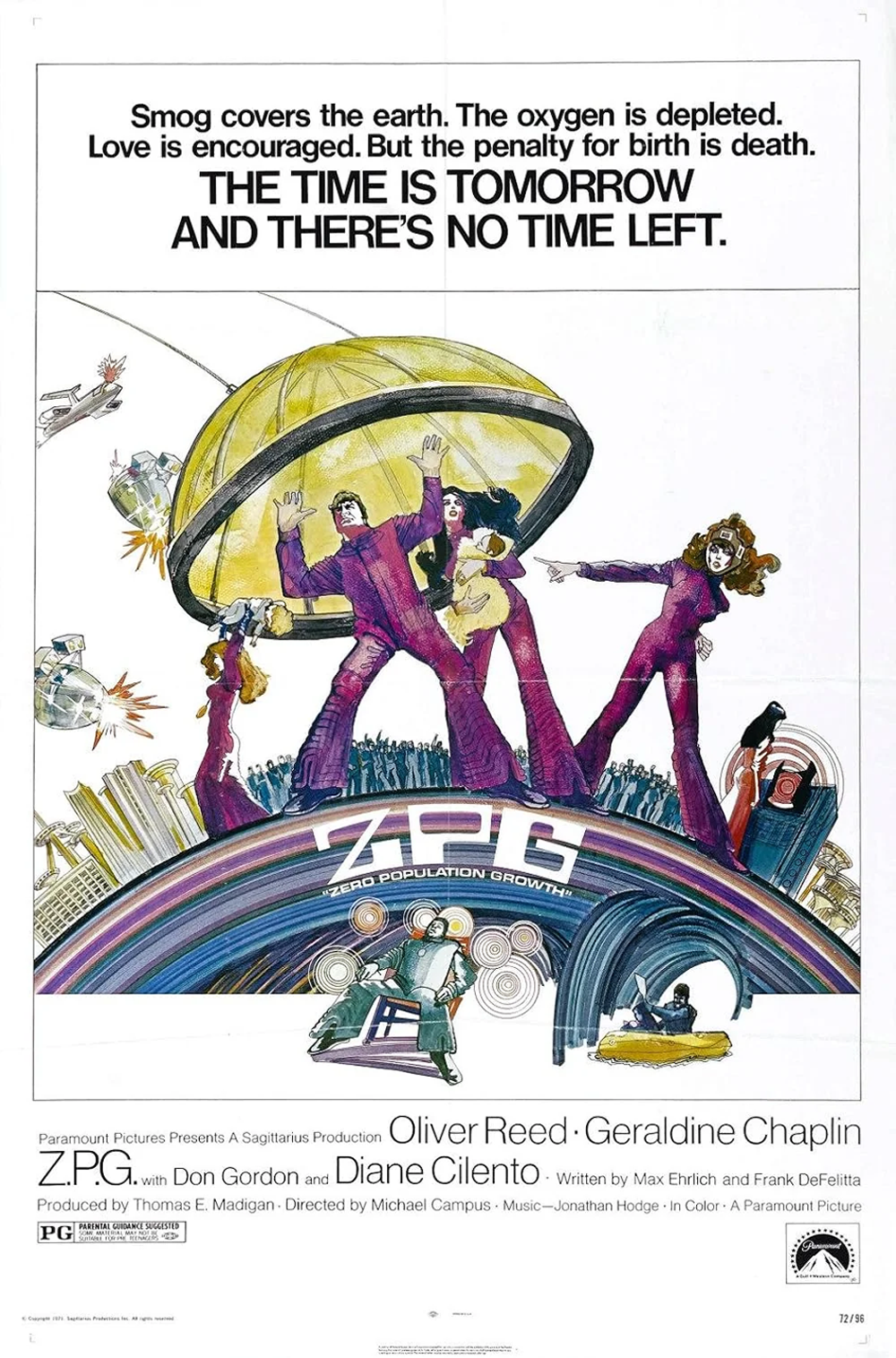
Standing in a well-stocked supermarket today, it’s easy to forget that many people once feared food itself might become scarce. During the early 1970s, influential voices warned that rapid population growth could outpace agriculture and trigger catastrophic famines. Given the demographic trends of the era, the concern didn’t seem unreasonable. Instead, advances in farming dramatically increased food production across much of the world. It raises an interesting question: how many of today’s biggest fears will look equally different fifty years from now?
2. The Year 2000 Wasn’t Supposed to Have Enough Food
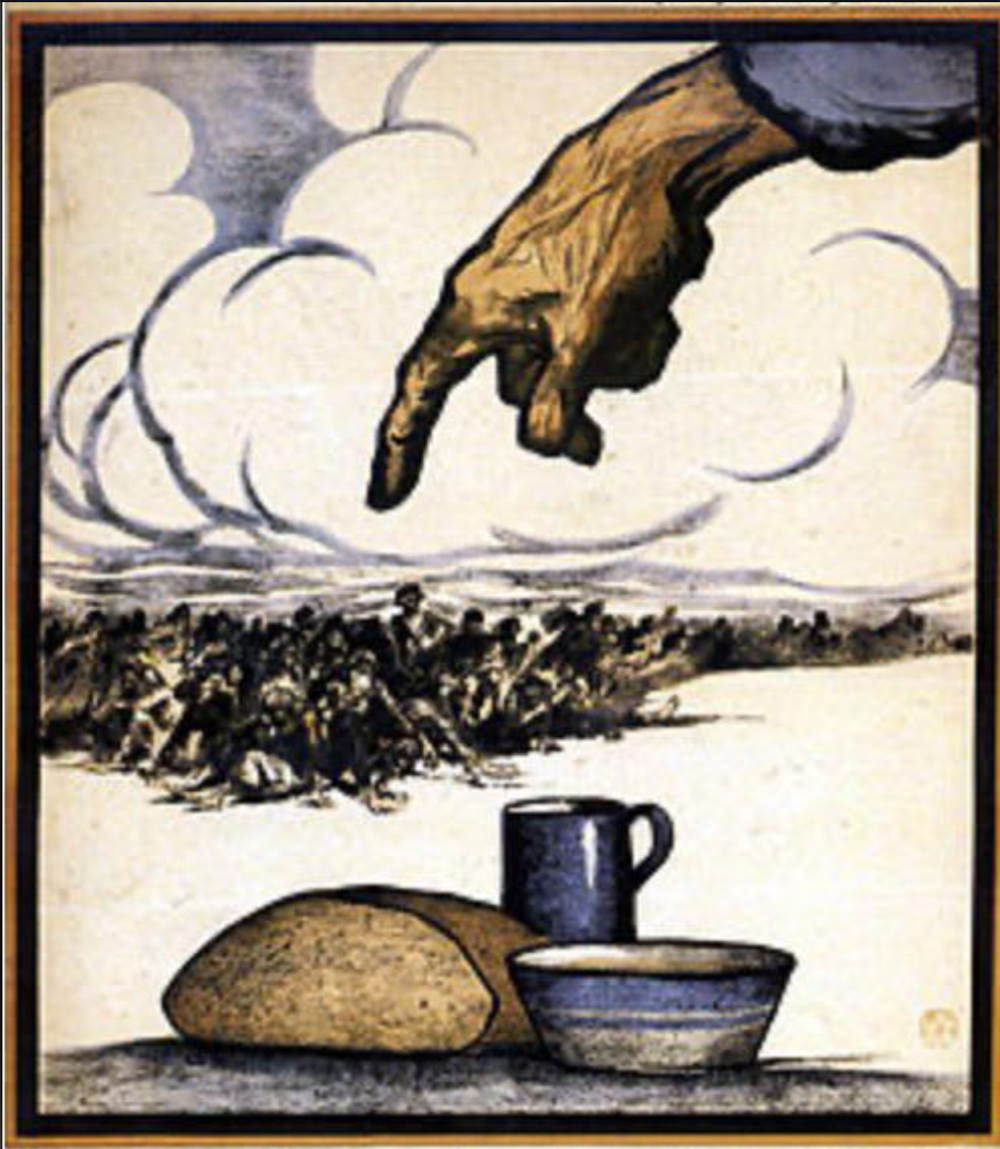
For some forecasters, the biggest deadline wasn’t the end of the century. It was humanity’s ability to reach it. In 1970, Peter Gunter predicted that widespread famine would spread across much of the developing world before the year 2000. At the time, the prediction reflected genuine anxiety about population growth and limited resources. History unfolded differently as agricultural productivity expanded far beyond what many expected. Sometimes the future changes not because the concern was foolish, but because the world changes with it.
3. Gas Masks Could Become Everyday Clothing
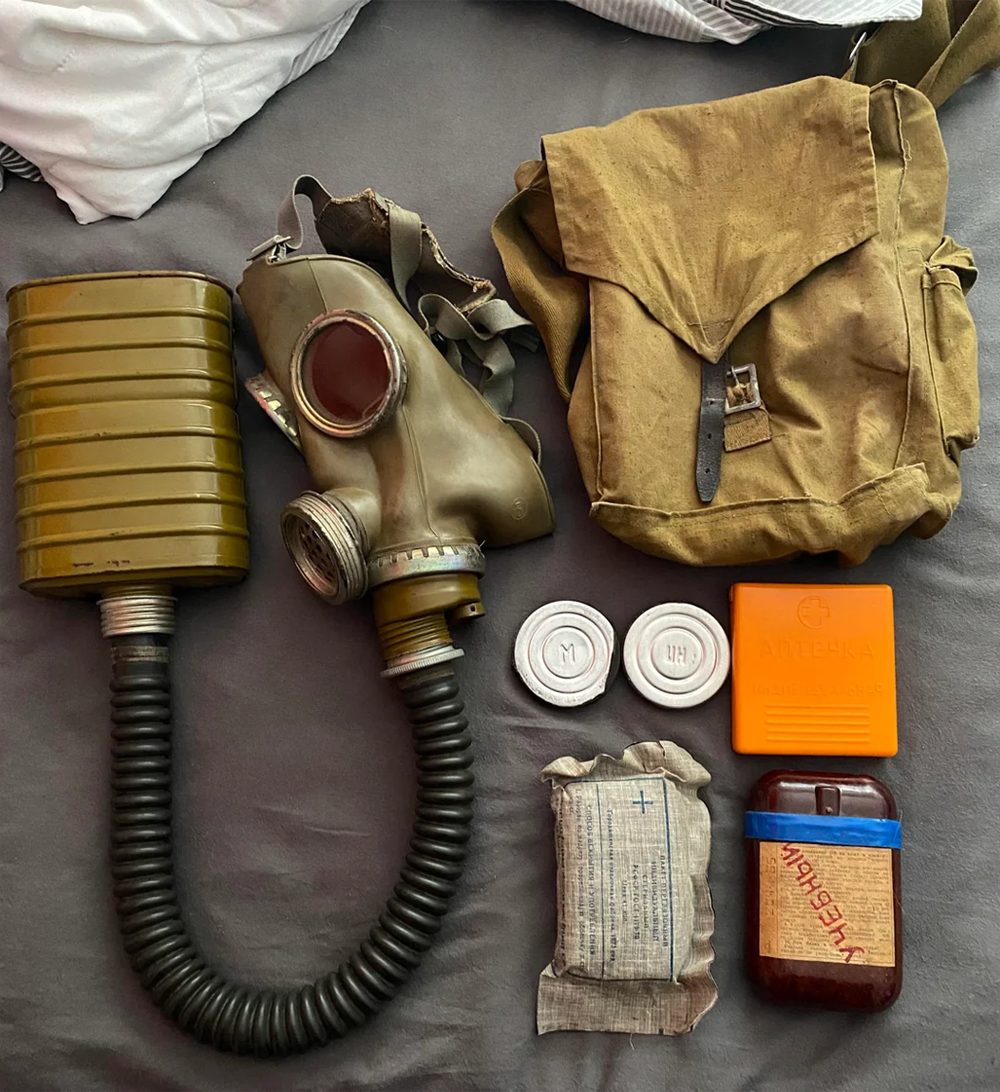
Few predictions are easier to visualize than this one. Some environmental forecasts warned that worsening urban pollution could eventually force city residents to wear gas masks simply to go outside. Considering how severe smog had become in many cities during the 1970s, the warning didn’t sound impossible. Cleaner technologies and environmental regulations eventually transformed air quality in many places. It’s worth asking how often a frightening prediction actually helps prevent itself from coming true.
4. Pollution Would Dim the Sun
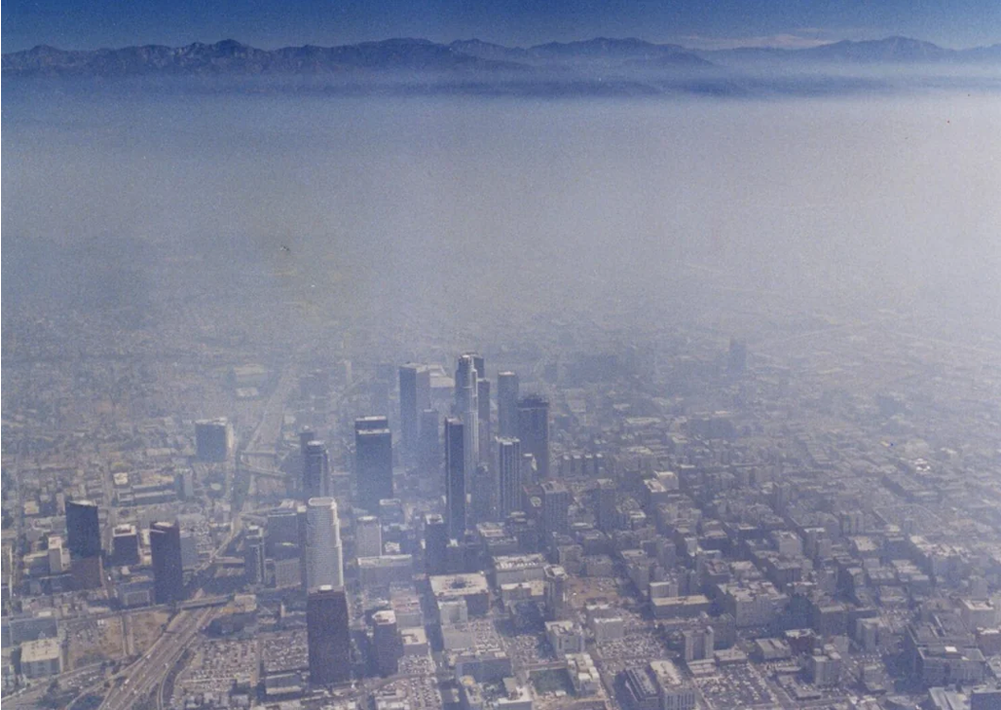
What if the problem wasn’t simply dirty air, but losing the sunlight itself? One widely circulated prediction suggested that pollution might dramatically reduce the amount of sunlight reaching Earth’s surface by the mid-1980s. Heavy smog made that possibility feel alarmingly believable to many readers at the time. The scenario never materialized, thanks in part to cleaner air policies and technological improvements. Fear may have exaggerated the outcome, but it also helped motivate change.
5. Farmland Would Slowly Become Unusable

Not every environmental warning focused on the sky. Some looked toward the ground beneath our feet. Environmental scientist Kenneth Watt warned that nitrogen pollution could eventually damage agriculture on a massive scale by interfering with the environment that crops depend on. The catastrophic scenario never unfolded, but the concern reflected a decade increasingly aware of humanity’s impact on nature. Perhaps that’s why failed predictions remain so fascinating: they often begin with a very real problem, even if they imagine the wrong ending.
Trending on The Scroller

6. Civilization Had a Deadline

Imagine reading a prediction that gave civilization itself an expiration date. In 1970, Nobel Prize-winning biologist George Wald warned that humanity’s biggest problems could bring civilization to an end within roughly 15 to 30 years if they weren’t addressed. Coming from a respected scientist during a decade filled with global uncertainty, the warning carried real weight. The deadline has long since passed, but it reminds us how easily periods of crisis can make the future feel much shorter than it actually is.
7. The World Would Soon Run Out of Oil
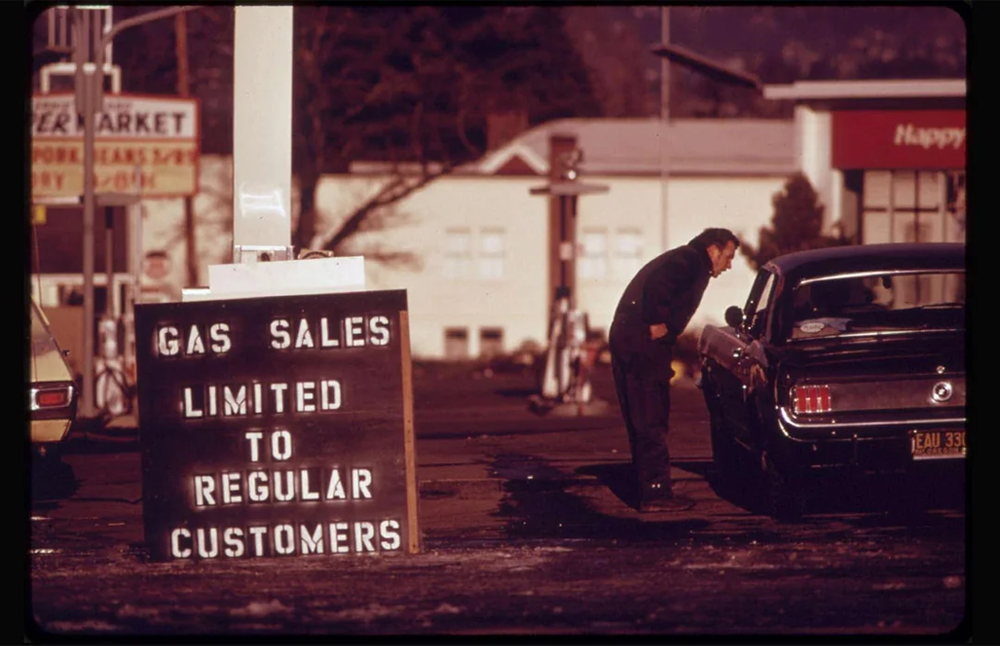
Waiting in line for gasoline wasn’t science fiction in the 1970s. It was reality. After major oil crises shook the decade, some experts warned that crude oil could effectively run out around the turn of the century if consumption continued unchecked. Looking back, the prediction missed the mark thanks to new discoveries, changing technologies, and more efficient extraction. When people have lived through a crisis, is it any surprise they expect it to keep getting worse?
8. Computers Predicted Growth Would Eventually Hit a Wall
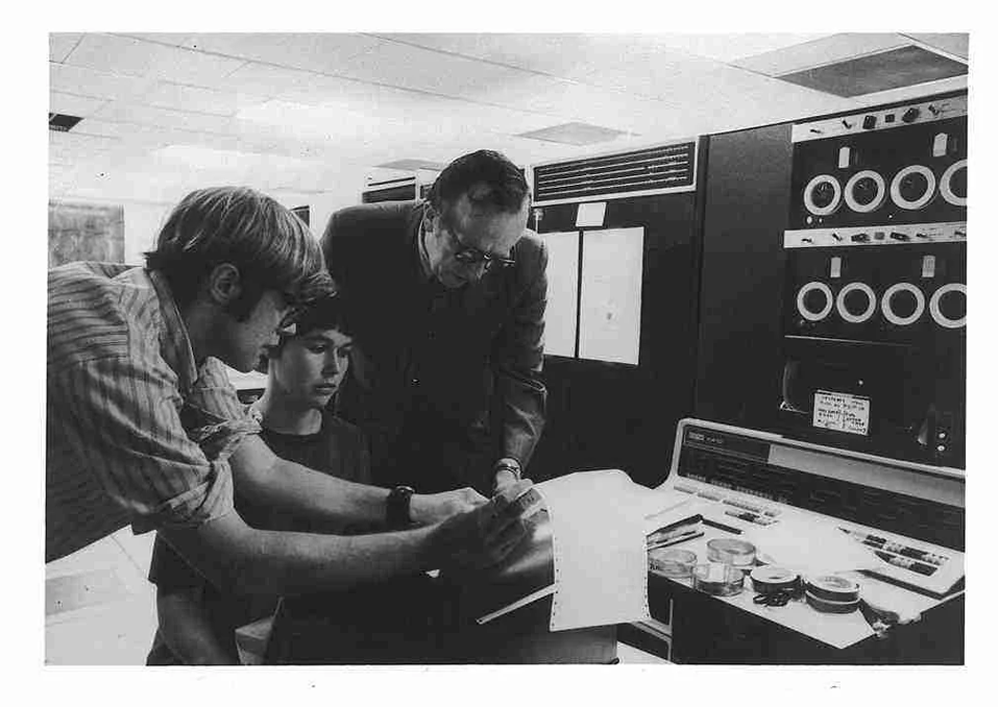
Not every famous prediction was as simple as people remember. In 1972, The Limits to Growth used computer simulations to explore what could happen if population, industrialization, pollution, and resource consumption kept expanding indefinitely. It didn’t predict the world would suddenly run out of everything by the year 2000, as it’s often portrayed today. Instead, it warned that unchecked exponential growth could eventually reach planetary limits. Sometimes the biggest prediction isn’t the one people made. It’s the one people later misunderstood.
Sign up for our newsletter
9. Some Headlines Warned a New Ice Age Was Coming
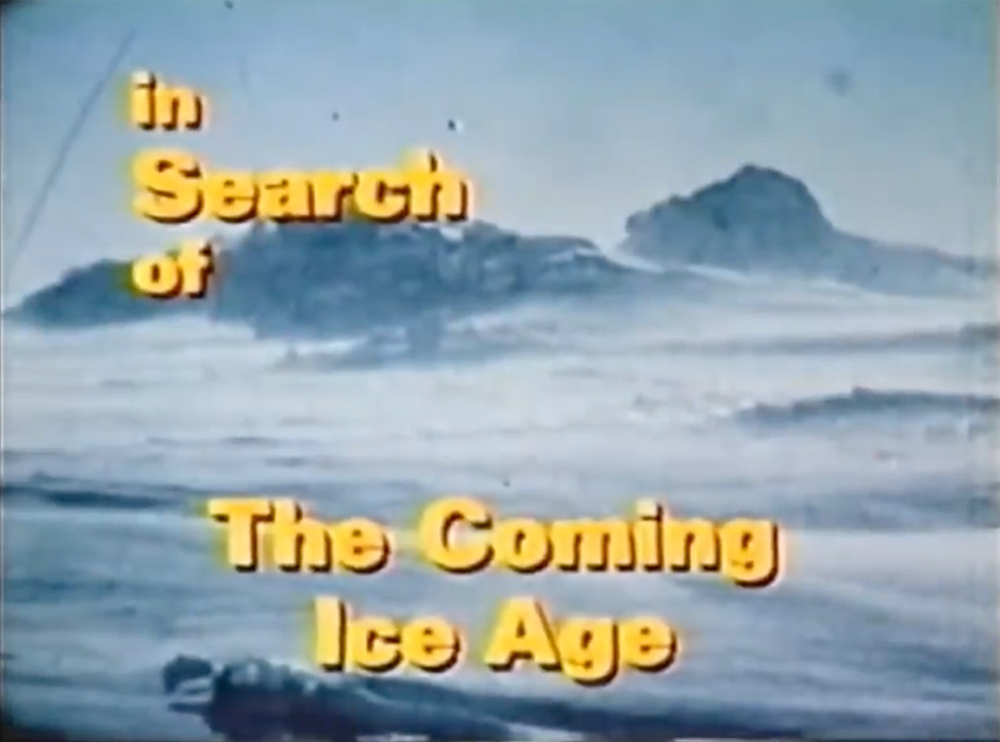
For a brief period, the future looked surprisingly cold. During the 1970s, some magazine articles and media reports suggested that global cooling might eventually lead toward another ice age. It’s important to note that this was never the unanimous scientific consensus, despite how the story is often retold today. The headlines became far more famous than the underlying research. One of the craziest predictions from the 1970s, isn’t it?
10. Nuclear Power Was Supposed to Dominate Everything
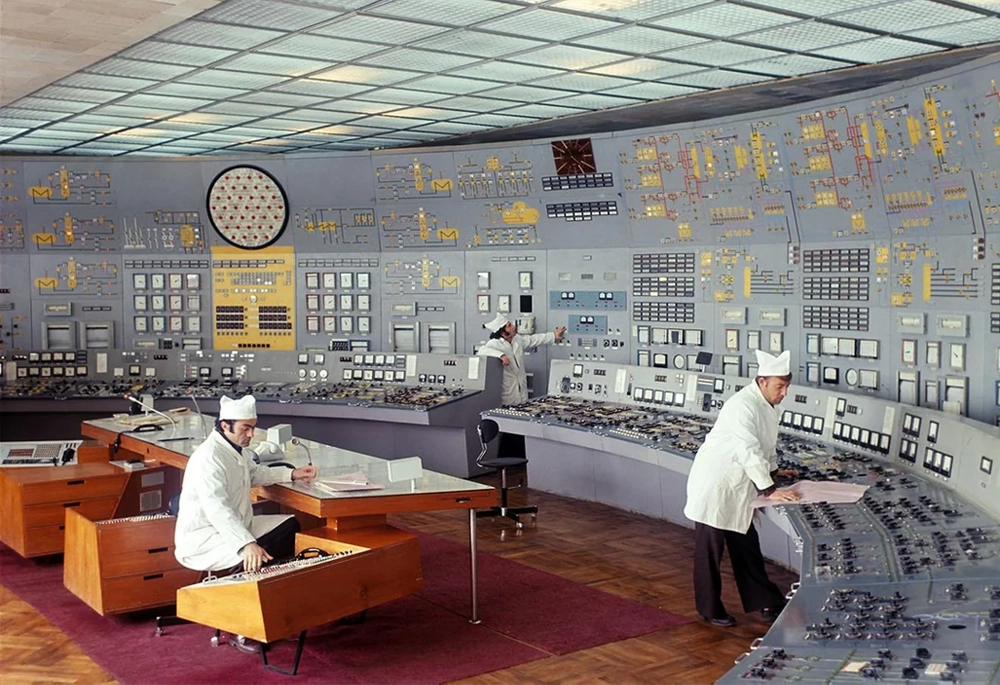
The future of electricity once seemed almost settled. Throughout the 1970s, many people expected nuclear energy to become the dominant source of power for much of the world, offering abundant electricity for generations to come. Then changing economics, public concerns, accidents like Three Mile Island, and political opposition dramatically slowed that expansion. The technology never disappeared, but neither did it become the overwhelmingly nuclear future so many had imagined. History has a habit of taking the road nobody fully predicts.
11. Robots Were Supposed to Give Us Much Shorter Workweeks
By now, many people thought machines would be doing so much of the work that we’d have far more free time. As automation spread through factories and computers slowly entered workplaces, futurists imagined productivity rising enough to dramatically shorten the workweek. The technology certainly arrived, but the extra leisure time never quite followed. If anything, many people feel busier than ever. It makes you wonder whether technology changes our schedules as much as it changes our tools.
12. The Paperless Office Was Right Around the Corner
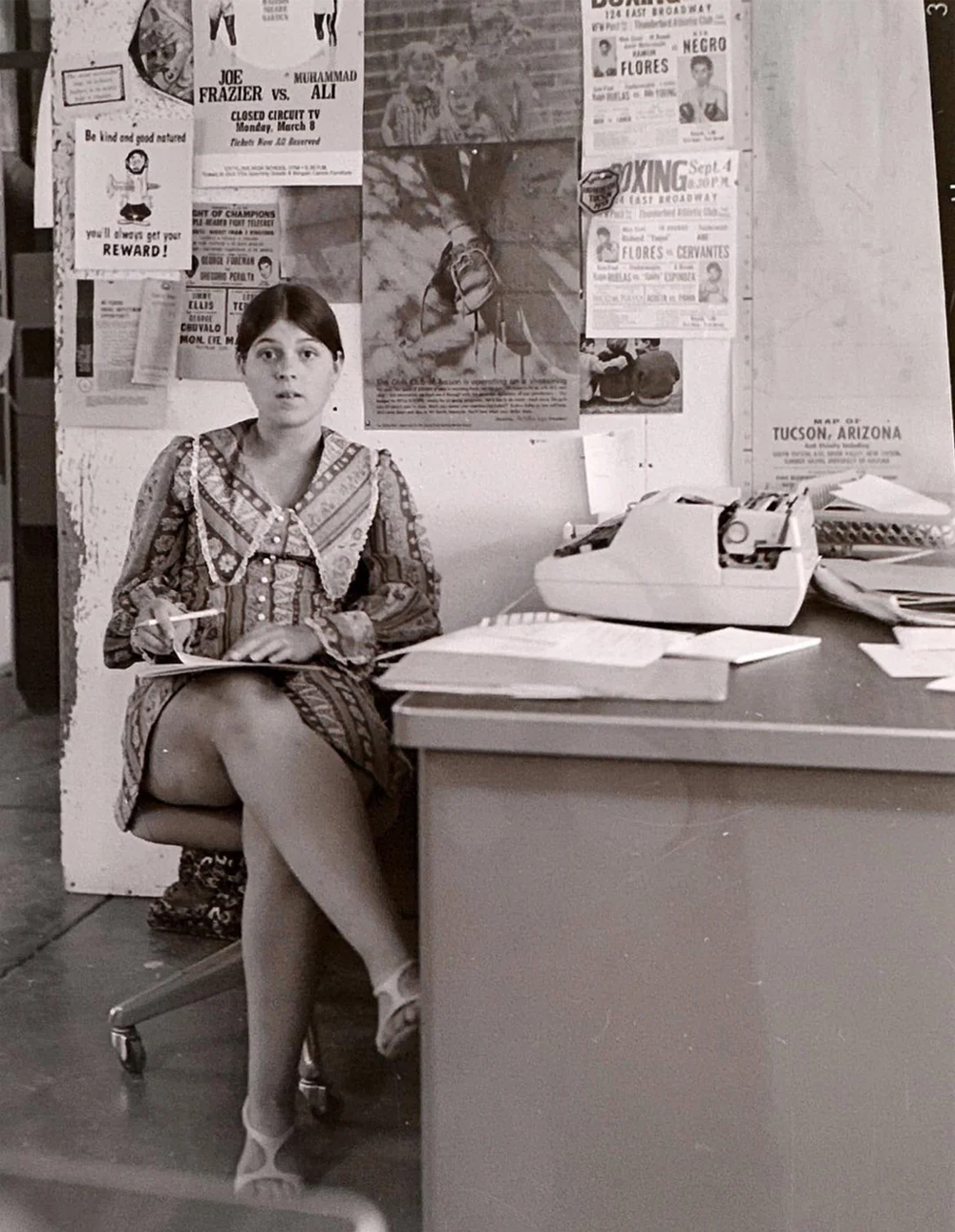
The office of the future wasn’t supposed to have filing cabinets. It wasn’t even supposed to have paper. As computers became more common during the 1970s, many experts imagined paperwork quickly disappearing in favor of digital systems. Email, cloud storage, and PDFs eventually transformed the workplace, but printers somehow refused to surrender. Sometimes the future doesn’t replace the old way of doing things. It simply gives us one more option.
13. Computers Would Mostly Stay in Big Institutions
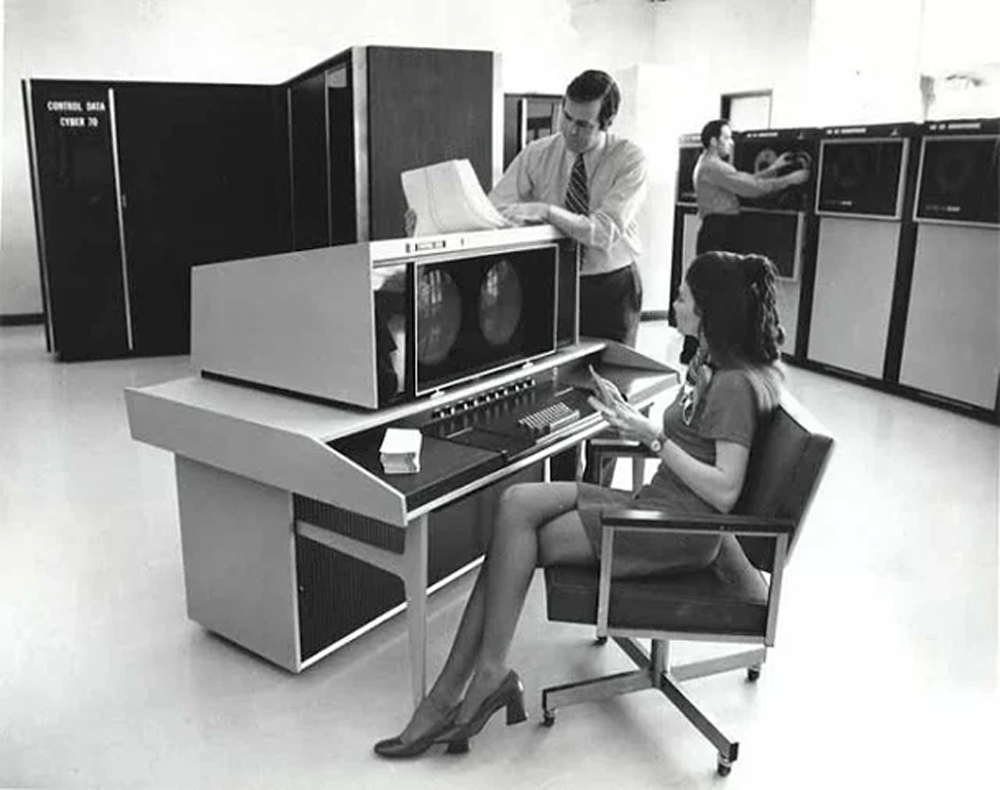
It’s hard to imagine now, but there was a time when many people assumed computers would remain enormous machines used mainly by governments, universities, and large corporations. Personal computers simply weren’t part of most people’s vision of the future. Then machines like the Apple II helped change that expectation almost overnight. One of the decade’s biggest mistakes wasn’t predicting too much technology. It was predicting too little.
14. Supersonic Flights Would Become the New Normal
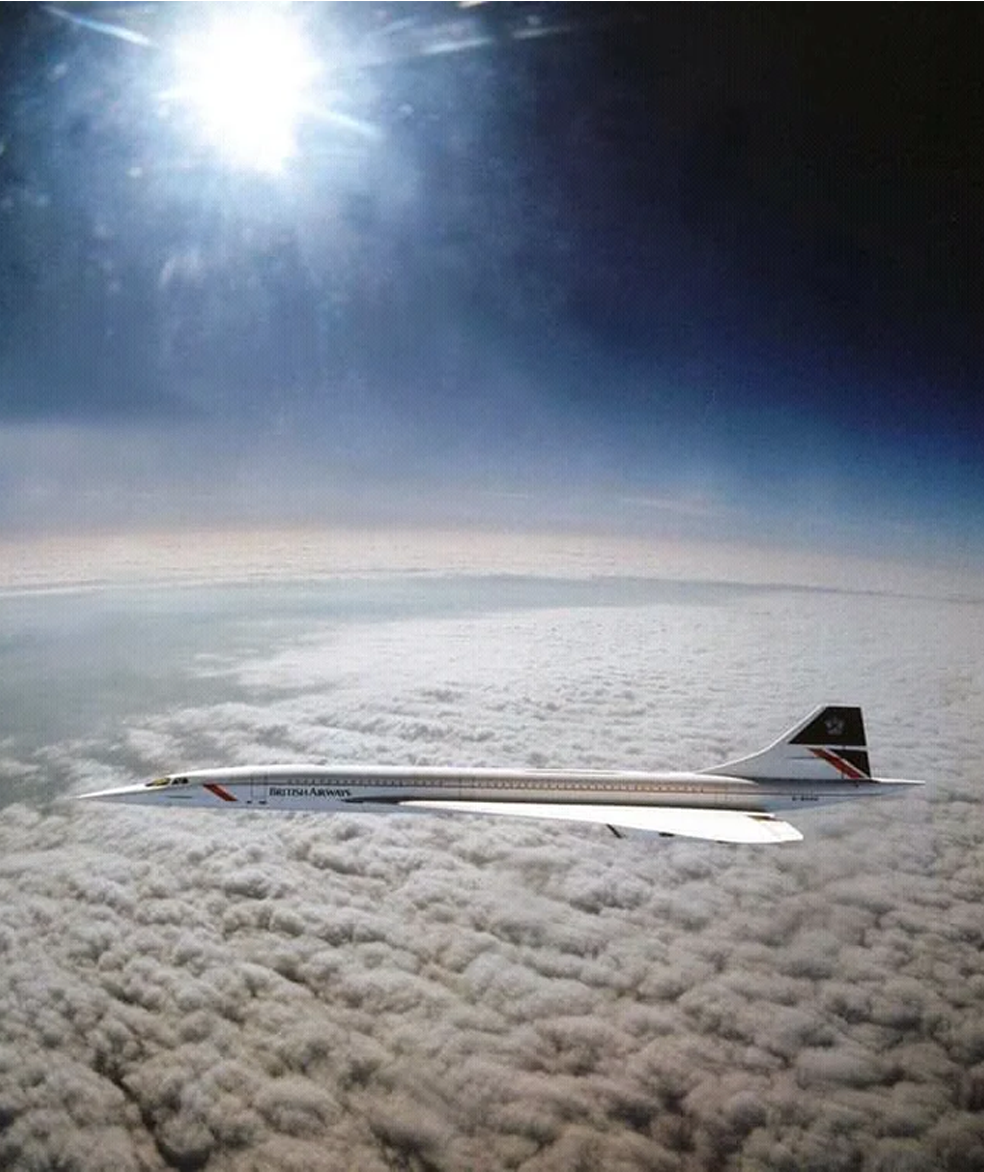
The Concorde entered commercial service in 1976, making the future seem obvious. If airplanes had steadily become faster for decades, surely the next step would be crossing oceans at supersonic speed. Instead, airlines focused on affordability, fuel efficiency, and carrying more passengers rather than breaking speed records. Sometimes progress doesn’t follow the most exciting path. It follows the most practical one.
15. We’d Be Living Much More of Our Lives in Space
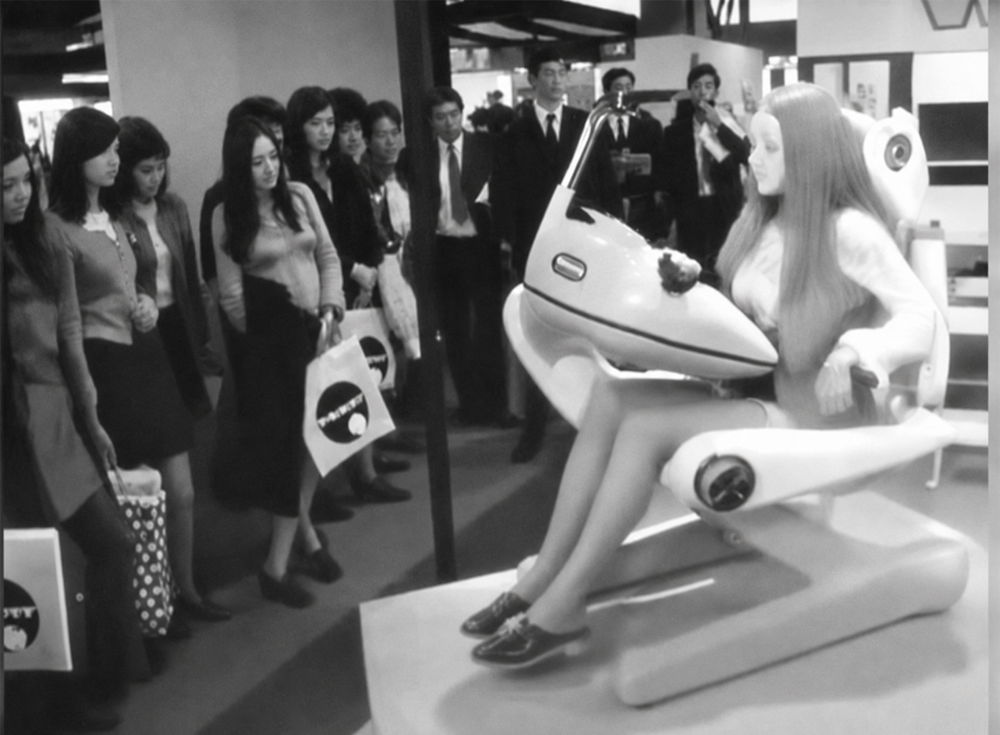
After astronauts walked on the Moon, it felt like humanity had only one direction left to go. Many people imagined permanent Moon bases, giant space stations, and routine human travel beyond Earth’s orbit within a few decades. Instead, space exploration advanced much more gradually than expected. Looking back, perhaps reaching the Moon made the next giant leap seem much closer than it really was.
16. Flying Cars Were Supposed to Be Just Around the Corner
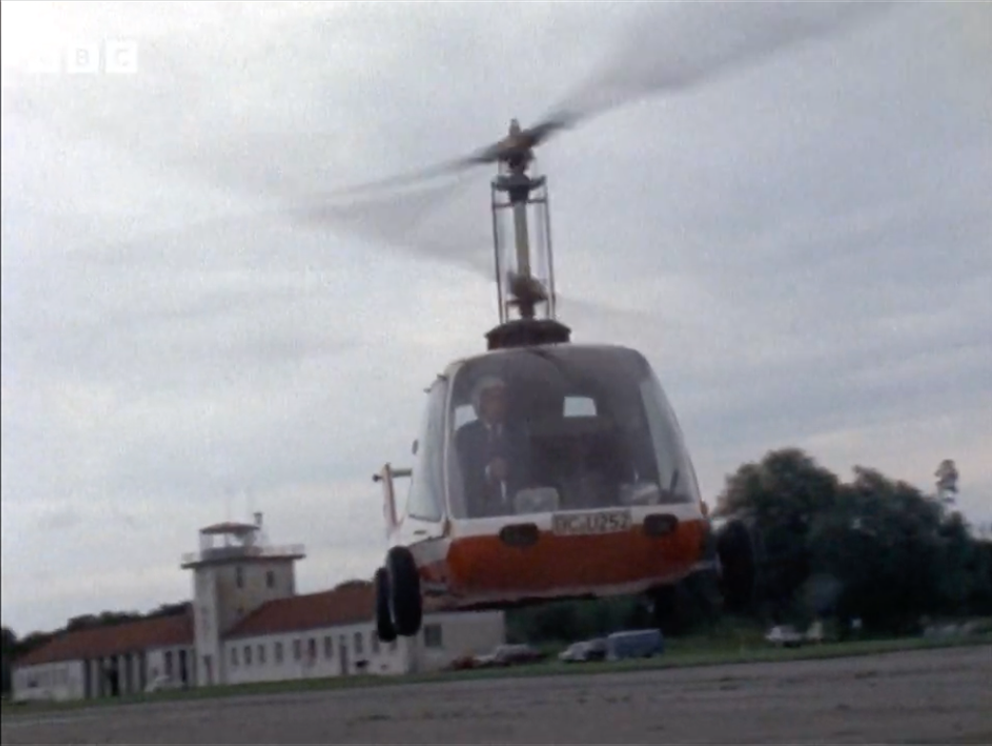
For decades, futuristic illustrations made one promise over and over again: someday, traffic would happen in the sky. During the 1970s, magazines, prototypes, and futurists often imagined flying cars becoming part of everyday transportation. The idea seemed like the natural next step after decades of rapid advances in aviation. Instead, we got GPS, electric vehicles, and slightly less comfortable airplane seats. The future arrived… it just took a different route.
17. Everyday Life Would Soon Move Beyond Earth
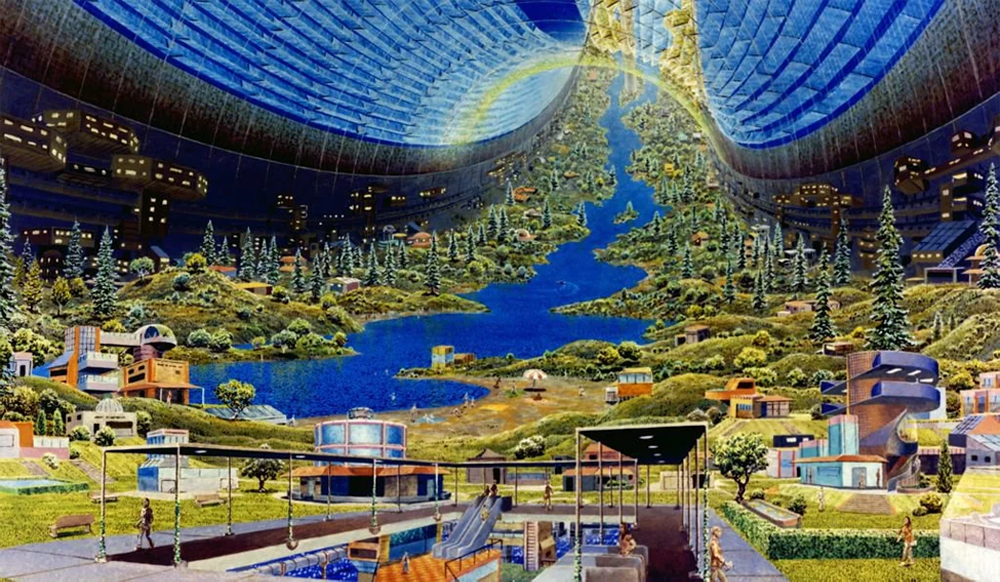
Once humans reached the Moon, slowing down hardly seemed like an option. Throughout the 1970s, many expected the following decades to bring permanent Moon bases, large space stations, and perhaps even the first steps toward Mars. Reality unfolded much more cautiously, with robotic missions advancing far faster than human ones. Looking back, the biggest surprise isn’t that we dreamed so boldly. It’s how difficult repeating a giant achievement turned out to be.
18. The Year 2000 Was Supposed to Feel Much More Futuristic
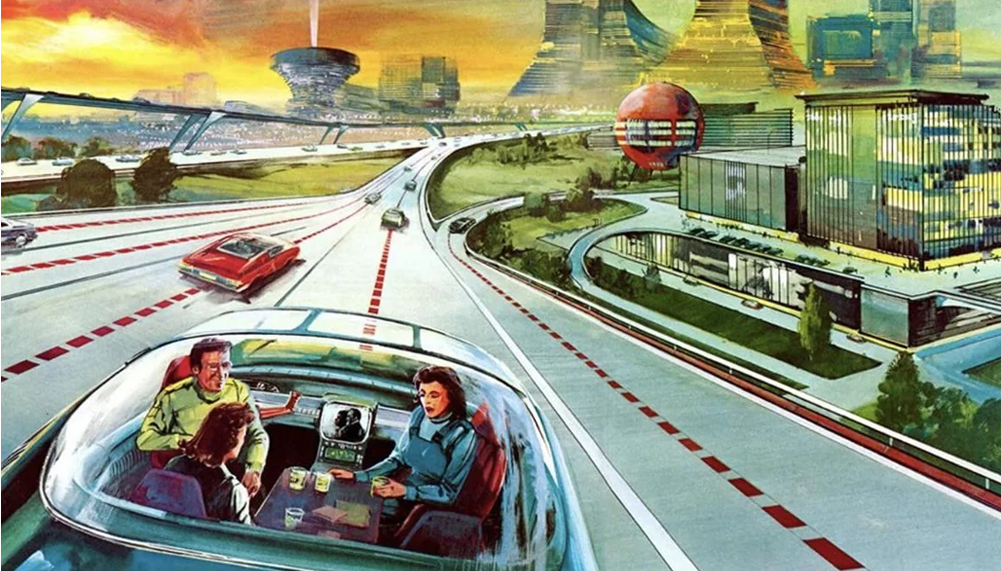
If you grew up in the 1970s, the year 2000 probably looked like something out of a science fiction movie. Magazine illustrations imagined futuristic cities, automated homes, revolutionary transportation, and technology transforming nearly every part of daily life. Some of those dreams came true in unexpected ways, while others never arrived at all. We got smartphones instead of flying cars, video calls instead of Moon vacations, and the internet instead of robot butlers. Maybe the biggest prediction that aged badly wasn’t about any single invention. It was assuming the future would arrive all at once.
Looking back, these predictions from the 1970s about the future weren’t simply wrong. They were snapshots of a decade trying to make sense of an uncertain world. Oil shortages made resource depletion seem inevitable. Smog made environmental catastrophe feel frighteningly plausible. The Moon landing made space colonies appear to be the obvious next chapter. Most failed predictions begin with something that is genuinely happening in the present. The mistake is assuming today’s trend will continue forever.
That’s why old predictions remain so fascinating. They reveal far more about the people making them than about the future itself. And if history has taught us anything, it’s that our own confident predictions will probably give people plenty to smile about fifty years from now.
Keep Exploring The Scroller
Curious how people once imagined the future? Keep exploring The Scroller for more retro-futurism, forgotten predictions, nostalgic technology, and fascinating moments from history that turned out very differently than anyone expected:
15 Theories From The Past That Ended Up Being True
6 Crazily Bizarre Conspiracy Theories
15 Shocking Hoaxes That Fooled Millions Before The Truth Came Out