
Before every cleaning problem had its own spray bottle, people worked with whatever was already sitting in the pantry, bathroom, or laundry room. Some old-fashioned cleaning hacks were surprisingly clever. Others mostly survived because nobody dared question Grandma. From newspaper-polished windows to lemon-scrubbed copper, these household tricks prove that cleaning used to involve a lot more improvisation.
1. Newspaper Was the Secret to Streak-Free Windows
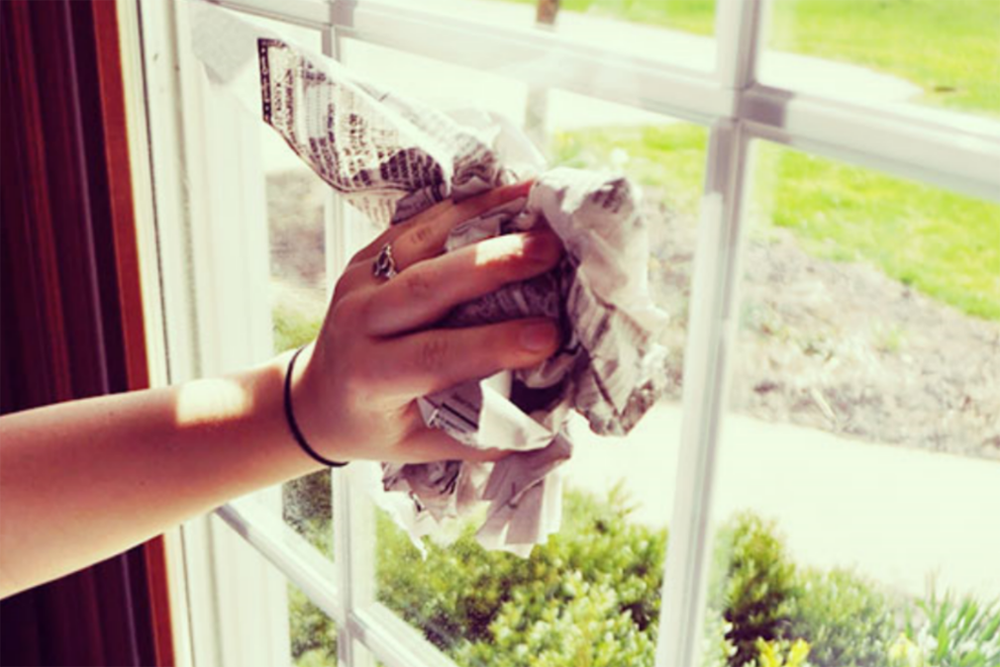
Forget microfiber cloths. For generations, crumpled newspaper was the tool people reached for when windows needed polishing. The paper could wipe glass without leaving the lint that cloth towels sometimes did, especially when paired with vinegar or another homemade cleaner. The awkward part today? Modern newspaper ink and paper aren’t necessarily the same, so this classic hack hasn’t aged perfectly.
2. Vinegar Was Basically the Household Multitool
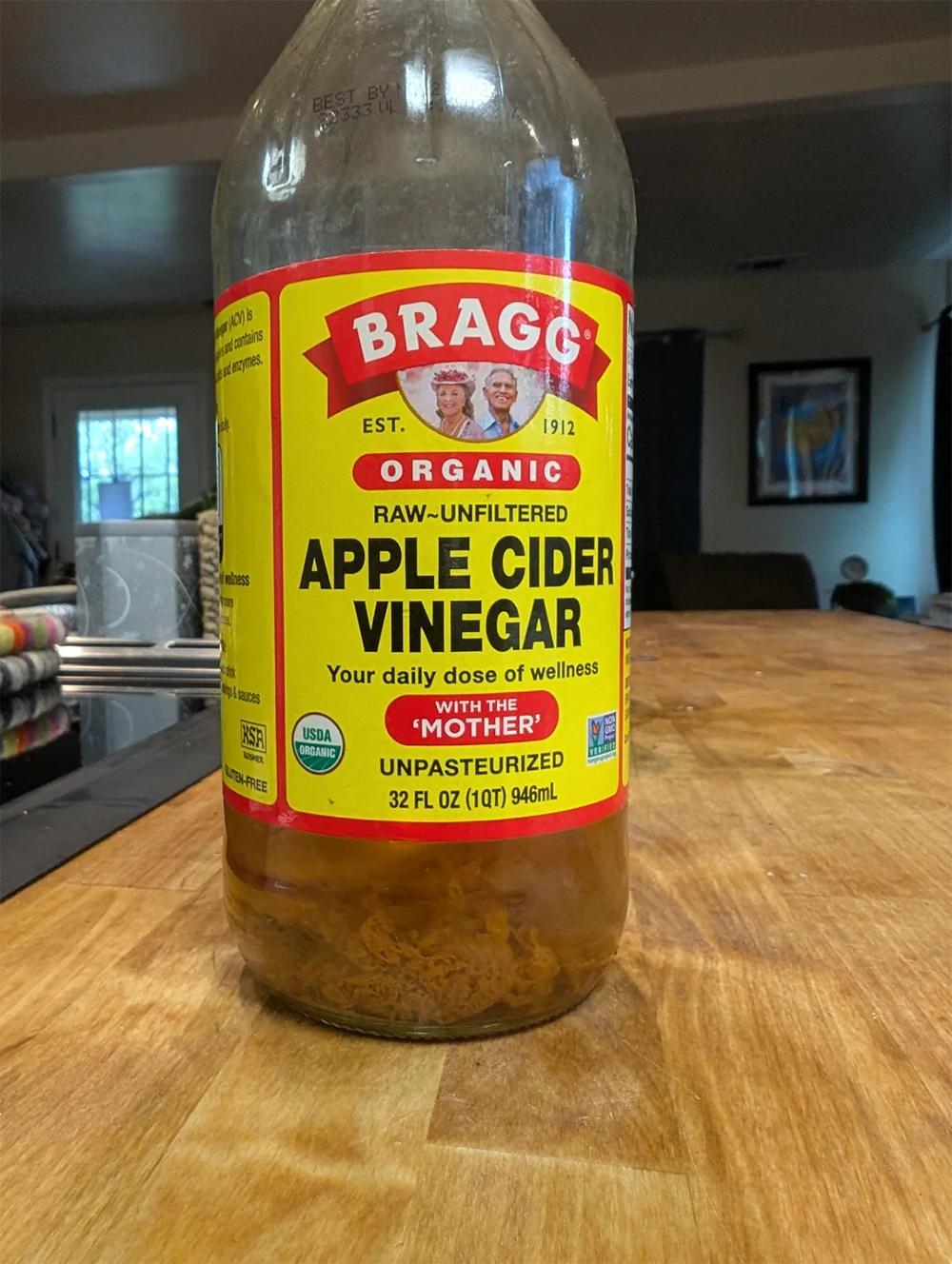
Need to tackle mineral deposits, soap residue, or a grimy surface? Someone probably reached for vinegar. Its acidity makes it genuinely useful against certain types of buildup, which helps explain why this trick survived for generations. But vinegar isn’t a universal cleaner. Use it on the wrong material, including some natural stone, and Grandma’s favorite shortcut can become your countertop’s worst afternoon.
3. Baking Soda Went Wherever the Smells Were
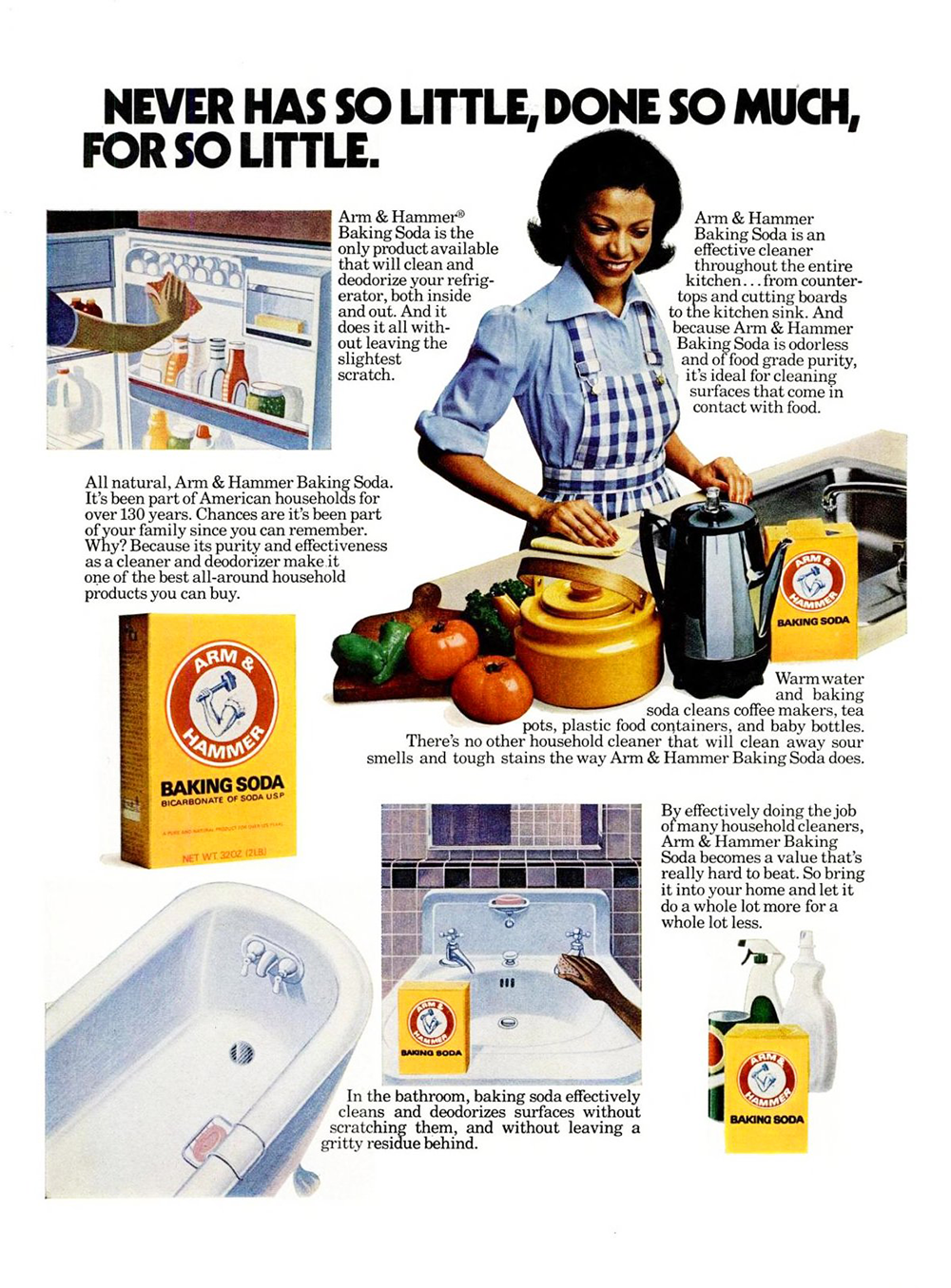
A little box in the refrigerator wasn’t just taking up shelf space. Baking soda became a household favorite for absorbing and neutralizing certain odors, and people also sprinkled it into trash cans, carpets, and other suspiciously fragrant corners. Did every unpleasant smell really need a dusting of white powder? Maybe not, but this one had enough chemistry behind it to stick around.
4. Lemons Made Copper Shine Again
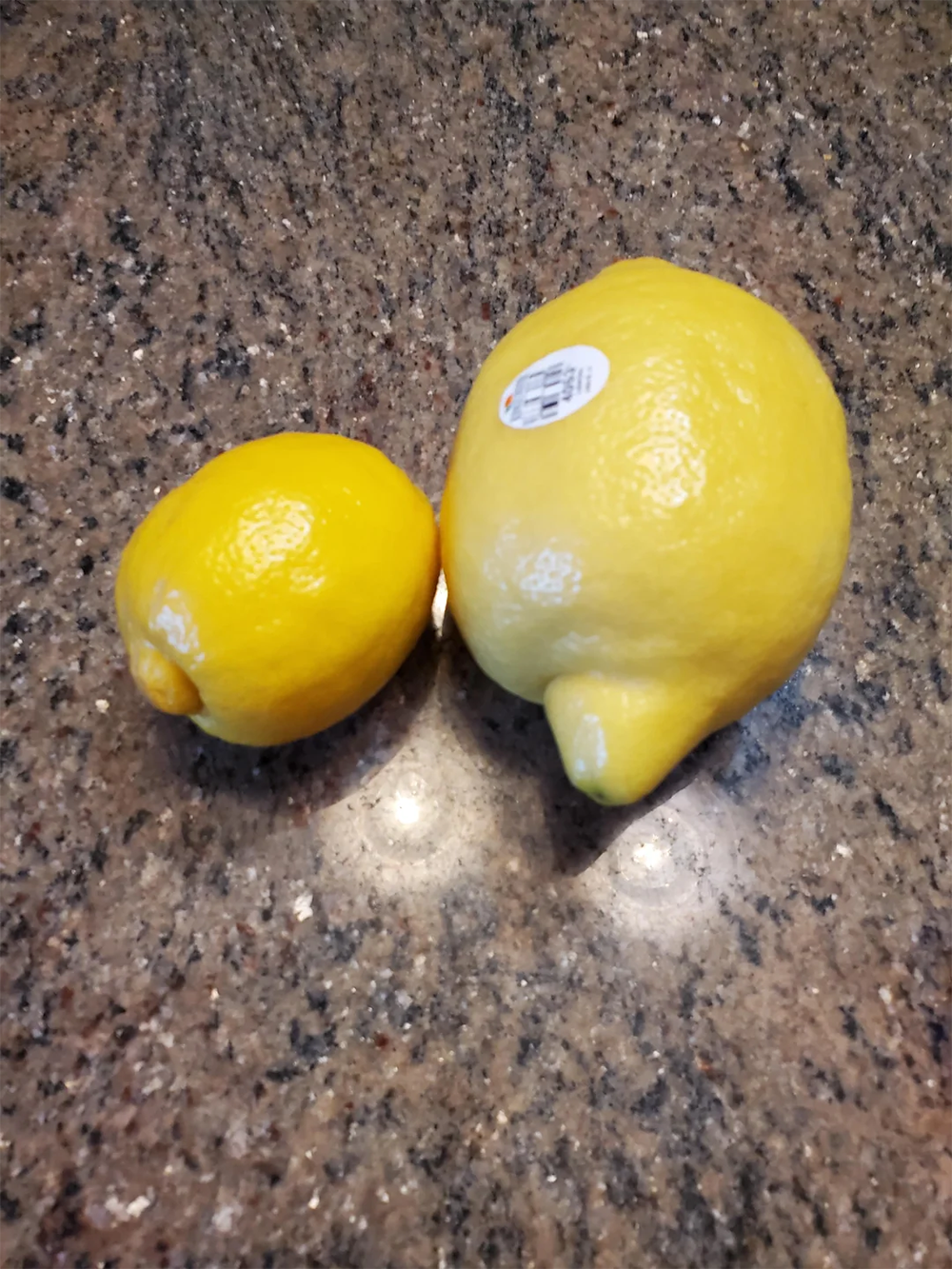
Sometimes the cleaning supply looked suspiciously like lunch. Lemon juice was traditionally combined with salt and rubbed onto tarnished copper, letting acid help loosen oxidation while the salt provided gentle abrasion. Suddenly that dull pot could look impressively bright again. It’s one of those wonderfully simple tricks where the pantry really could compete with the cleaning aisle.
5. Salt Was the Emergency Spill Kit
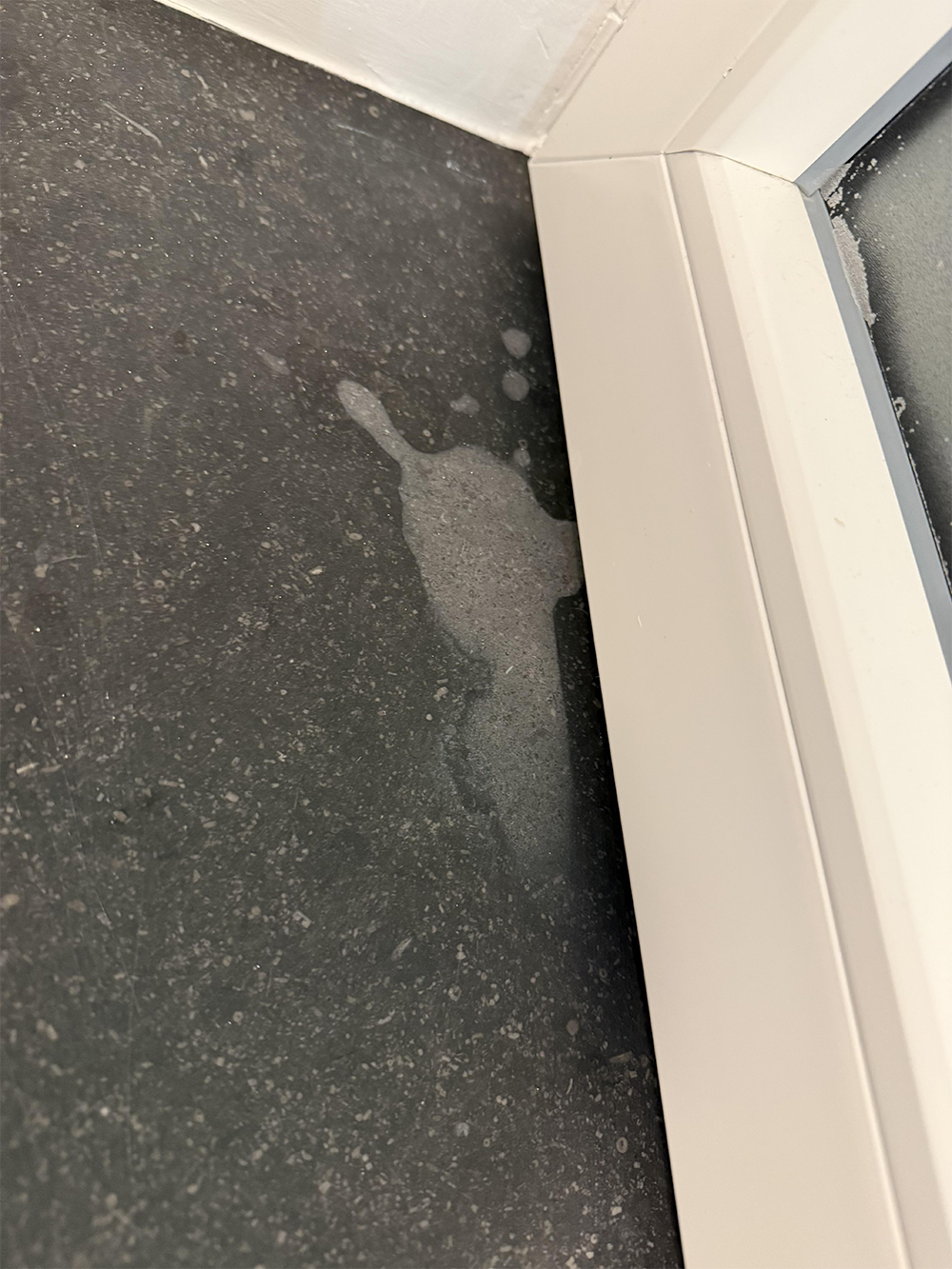
Spill something troublesome and the salt shaker might arrive before the cleaning rag. Salt was commonly used to absorb fresh spills and was especially famous as an old response to red wine stains. The logic wasn’t completely ridiculous, since salt can soak up moisture. Still, treating it as a magical stain eraser gave this humble seasoning considerably more cleaning authority than it deserved.
Trending on The Scroller


6. Tea Leaves Got a Second Job on the Floor
Finishing your tea didn’t necessarily mean the leaves were done working. Damp tea leaves were sometimes scattered across dusty floors before sweeping, helping trap loose dust instead of sending it floating through the room. Strange? Absolutely. But before vacuums became household staples, turning yesterday’s tea into today’s dust catcher was surprisingly practical.
7. Bread Was Basically an Edible Eraser
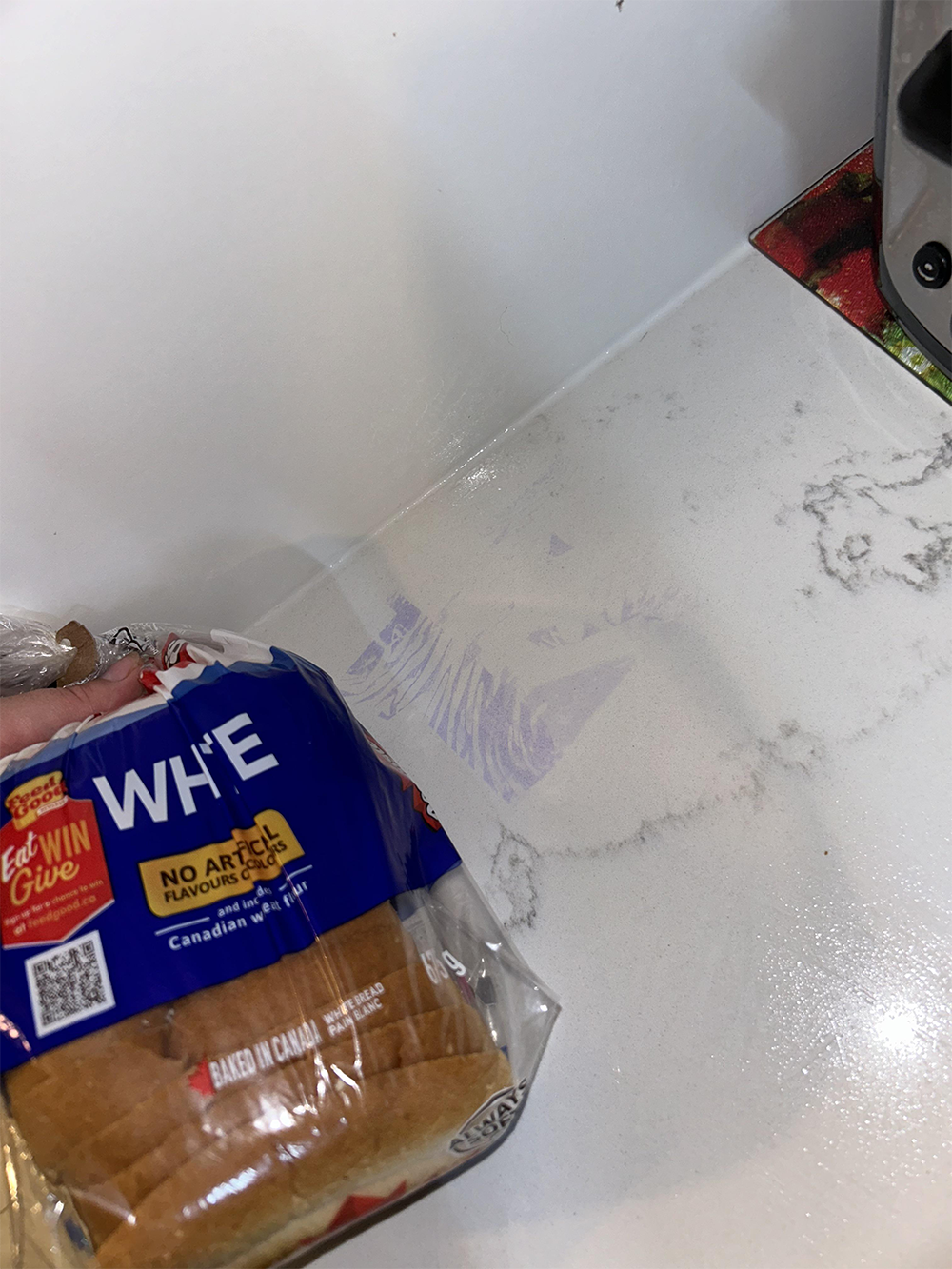
Imagine spotting a smudge on the wall and reaching for… a slice of bread. Soft bread was once used to gently lift dirt from wallpaper and other delicate surfaces that couldn’t simply be scrubbed with water. The technique sounds wonderfully improvised today, but when wallpaper was fragile and cleaning products were limited, sacrificing a little bread made more sense.
8. Boiling Water Was the Drain Cleaner
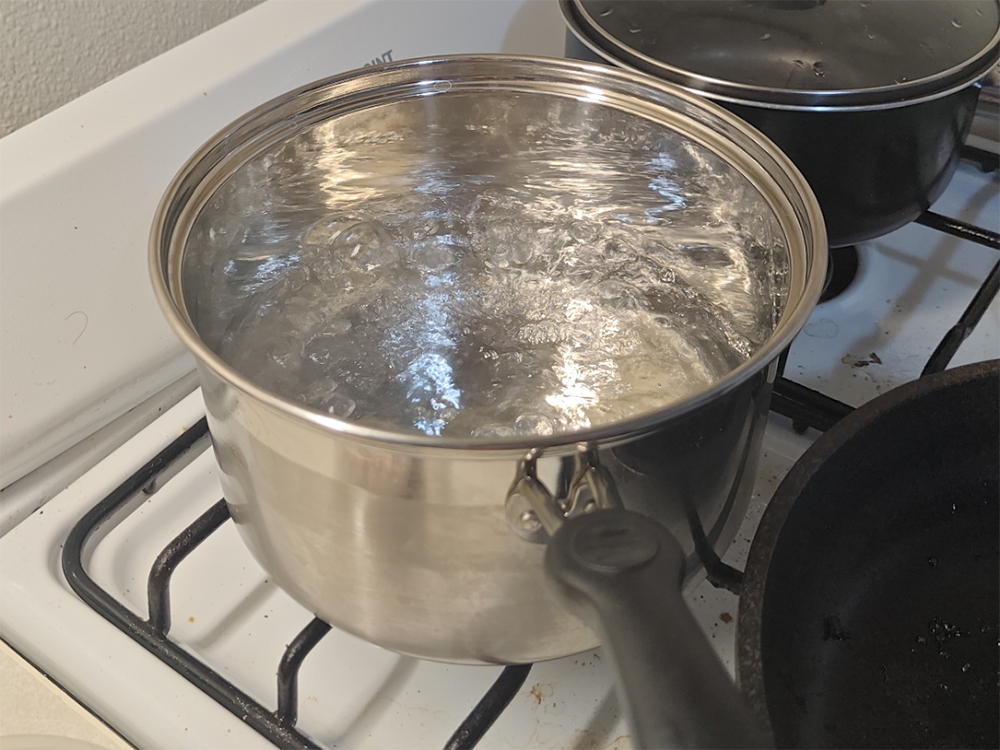
Sometimes the entire cleaning routine was: heat water, pour water, hope for the best. Boiling water could help loosen grease and soap buildup in certain drains, making it an appealingly simple household fix. But would you want to pour it blindly into every modern plumbing system? Probably not. Different pipe materials make this old trick one that needs more caution today.
Sign up for our newsletter
9. Toothpaste Didn’t Stay in the Bathroom
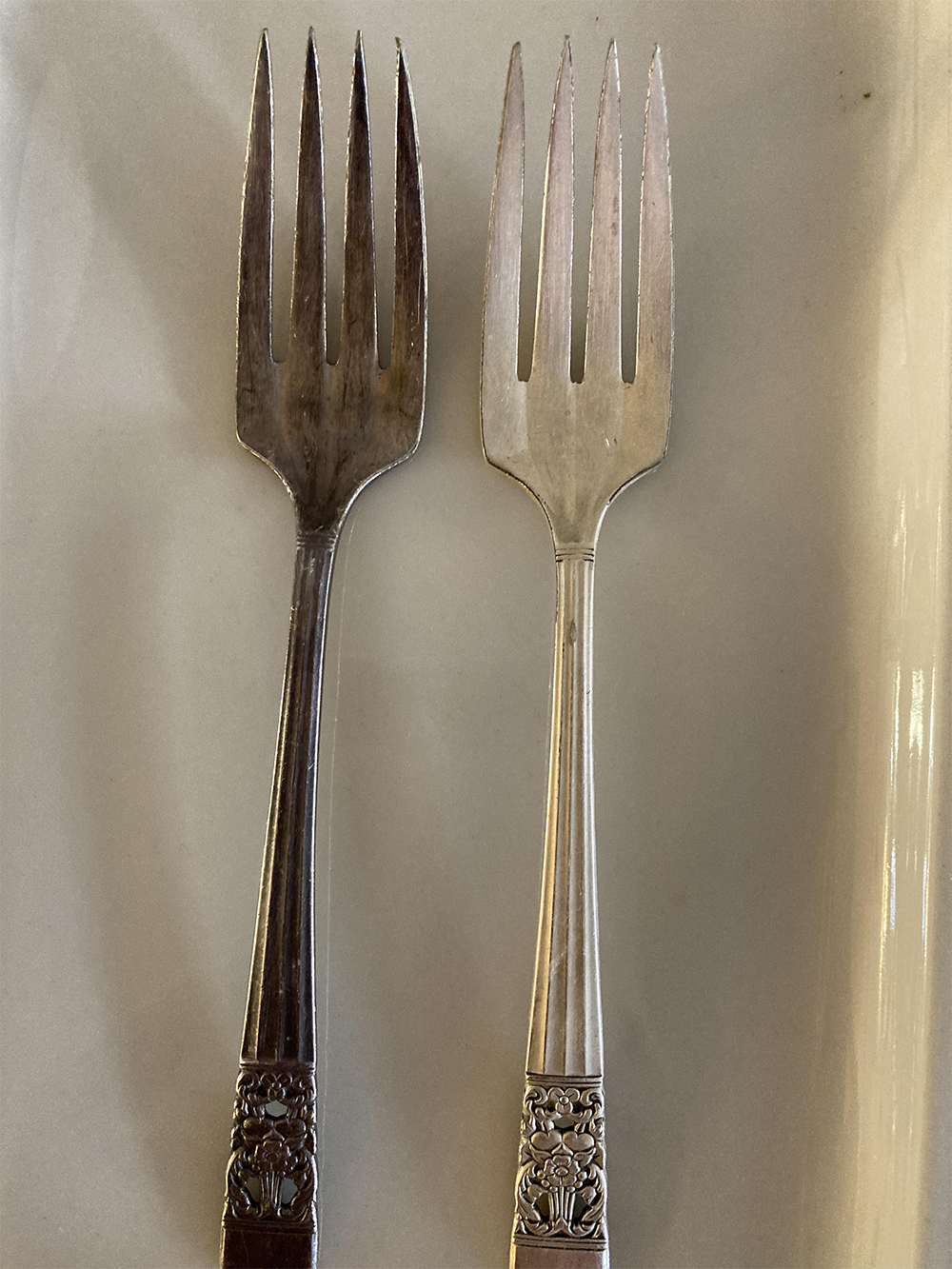
Toothpaste had another unofficial assignment: polishing silver. Some households used a small amount of plain toothpaste as a mild abrasive to rub away tarnish and restore shine. It could work, but modern experts tend to favor gentler methods because abrasive formulas may scratch delicate pieces. Apparently your teeth and Grandma’s silverware didn’t always need the same polishing strategy.
10. Ketchup Could Rescue Tarnished Copper
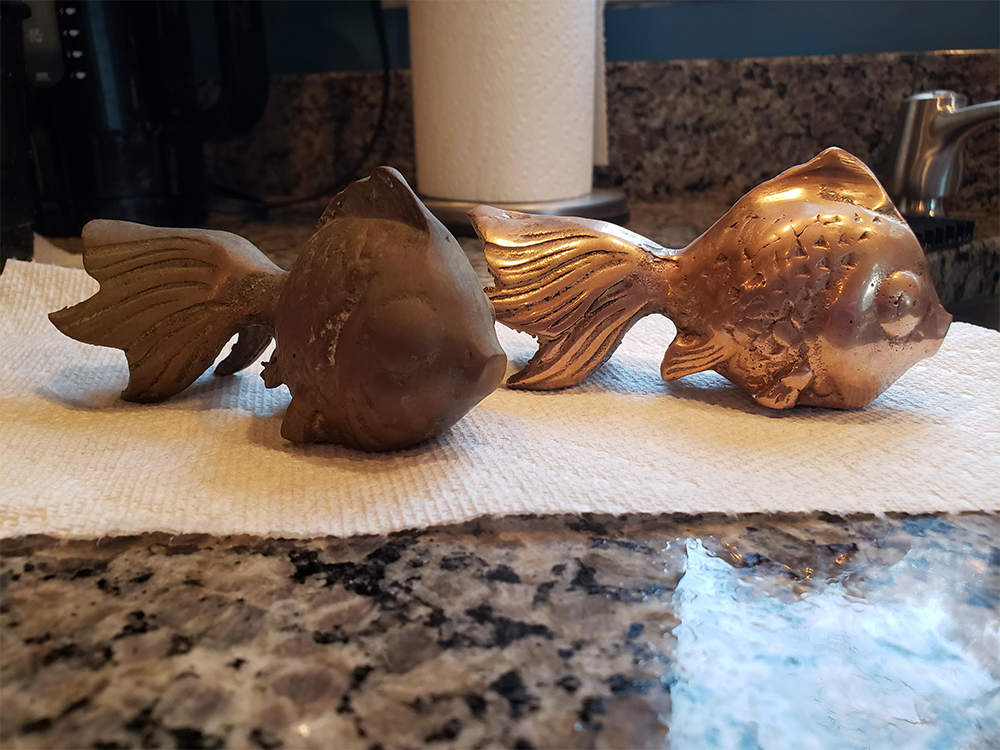
Yes, the bottle beside the fries occasionally moonlighted as cleaning equipment. Ketchup’s acidity can help loosen tarnish on copper, which turned this condiment into one of the stranger old-fashioned cleaning hacks with some actual logic behind it. Rub it on, let it work briefly, then rinse. Dinner condiment or metal polish? In the old cleaning cabinet, apparently both.
11. Sunlight Was Nature’s Bleach
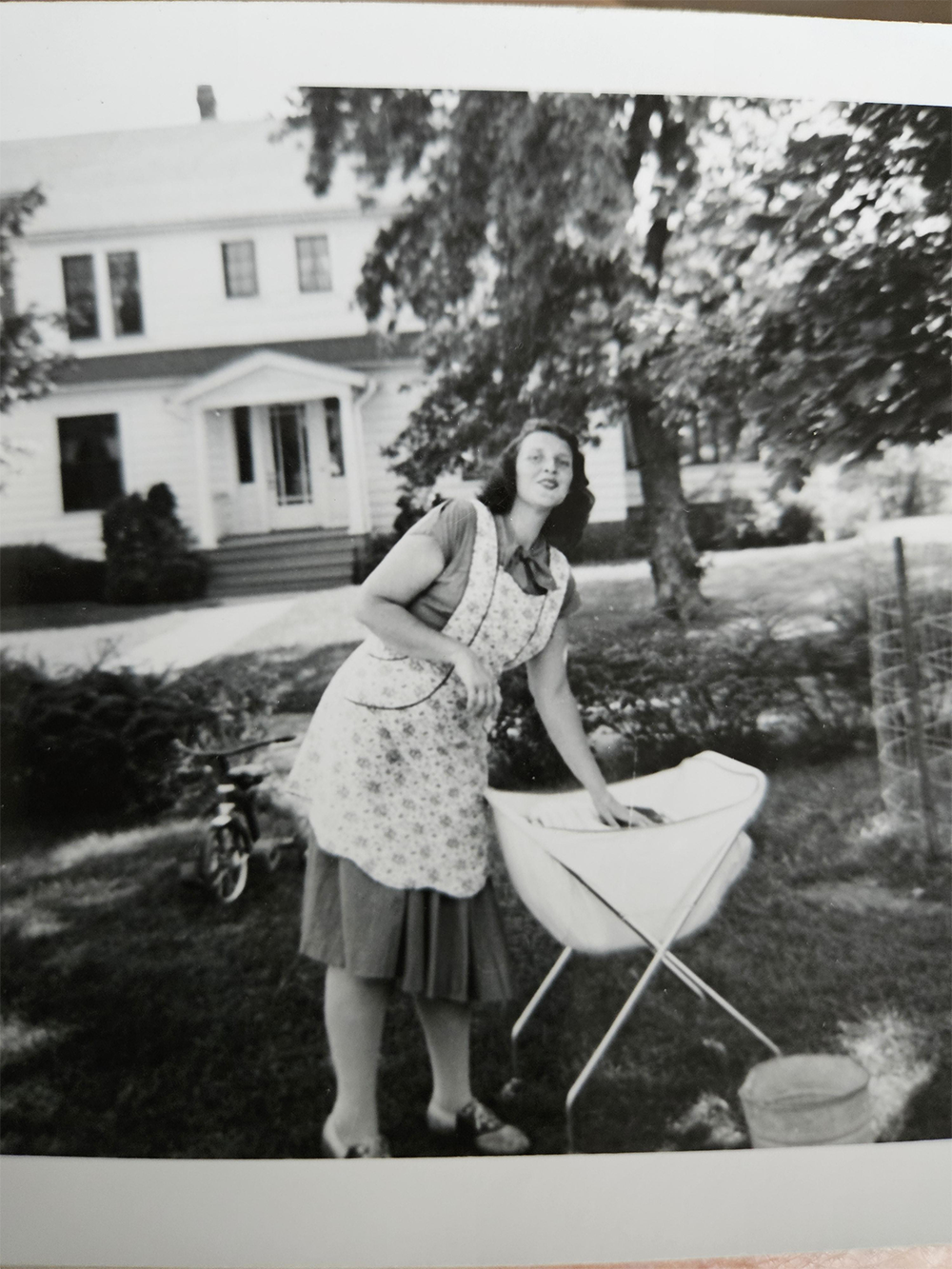
Before brightening products filled laundry aisles, sunshine did plenty of the work for free. Damp white linens were laid outside, where sunlight could help fade certain stains and brighten fabric over time. The method wasn’t instant, but it explains why rows of brilliantly white sheets drying outdoors became such a familiar household sight.
12. Cornstarch Helped Attack Greasy Stains
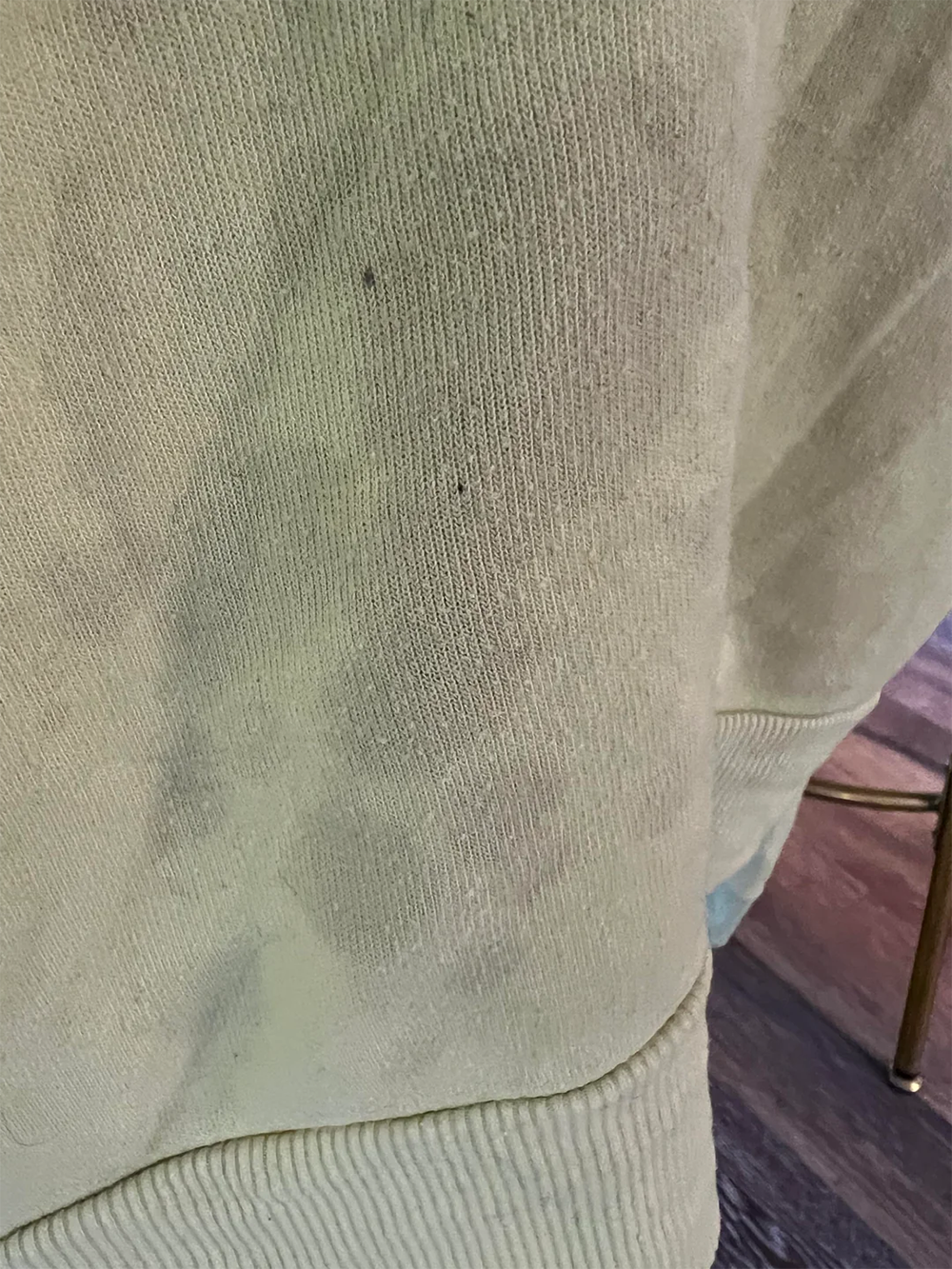
Oil on fabric called for something that could soak it up before it spread. Enter cornstarch. People sprinkled the powder over fresh grease stains and let its absorbent qualities pull up some of the oil before brushing it away. Simple pantry chemistry or surprisingly clever laundry rescue? In the right situation, a little of both.
13. Club Soda Became the First Responder for Spills
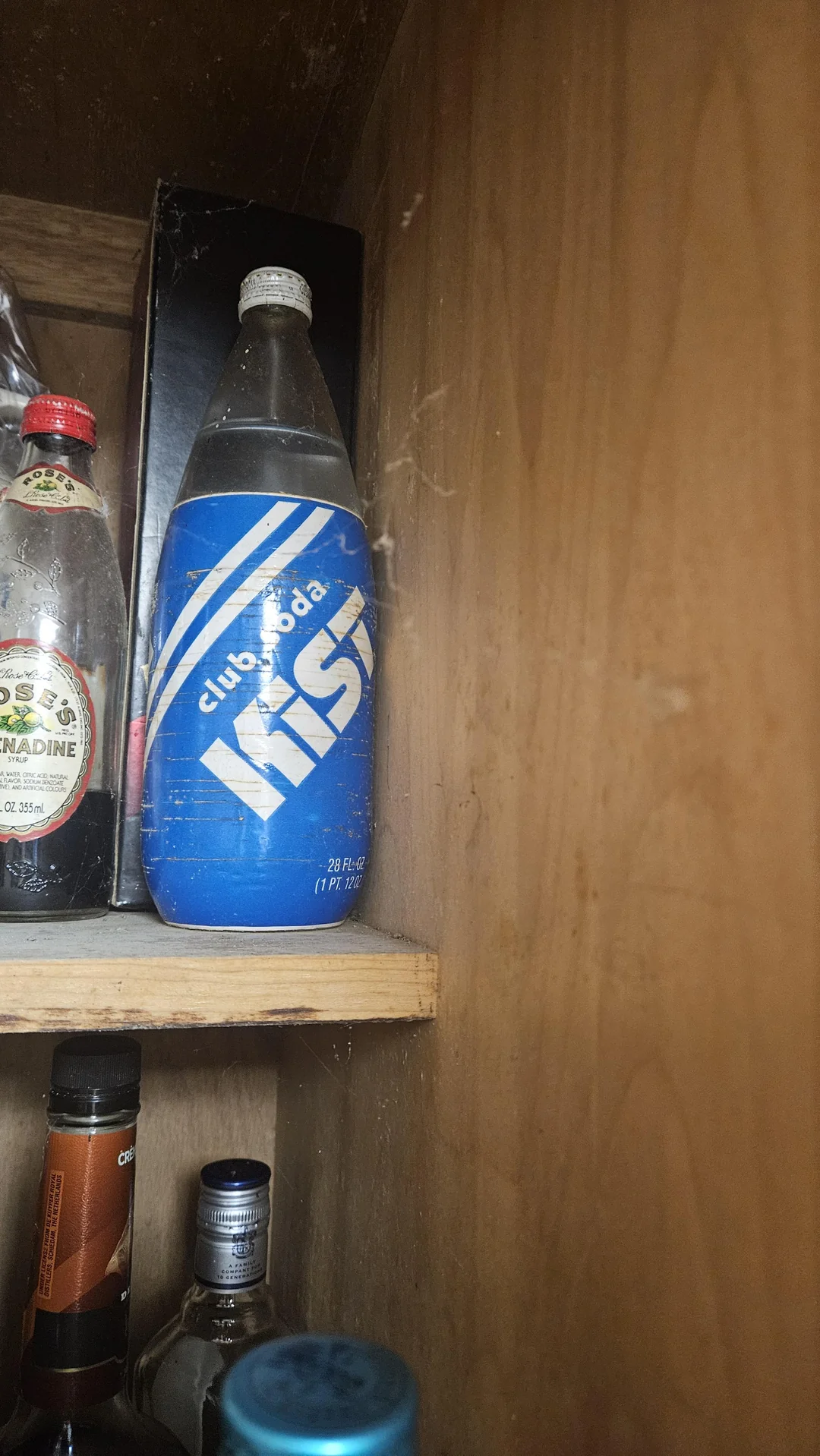
Someone spills a drink, and suddenly another drink arrives to clean it. Club soda became a classic emergency treatment for fresh stains, particularly on carpets and upholstery. The real advantage often came from acting quickly and blotting the spill rather than performing carbonated-water magic, but that didn’t stop generations of households from keeping this trick in their cleaning playbook.
14. Wax Paper Made Faucets Shine Longer
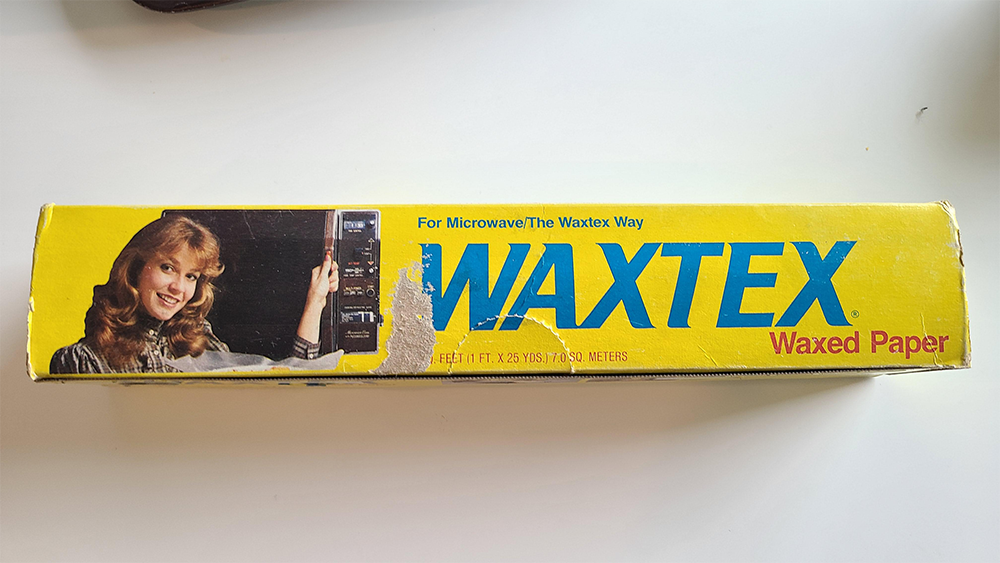
After cleaning chrome fixtures, some people rubbed them with wax paper to leave behind a thin coating that could help repel water and preserve that freshly polished look. It’s the kind of tiny housekeeping trick that feels almost suspiciously specific. Who first looked at a shiny faucet and thought, “You know what this needs? Sandwich paper”?
15. Old Socks Became Dusting Gloves
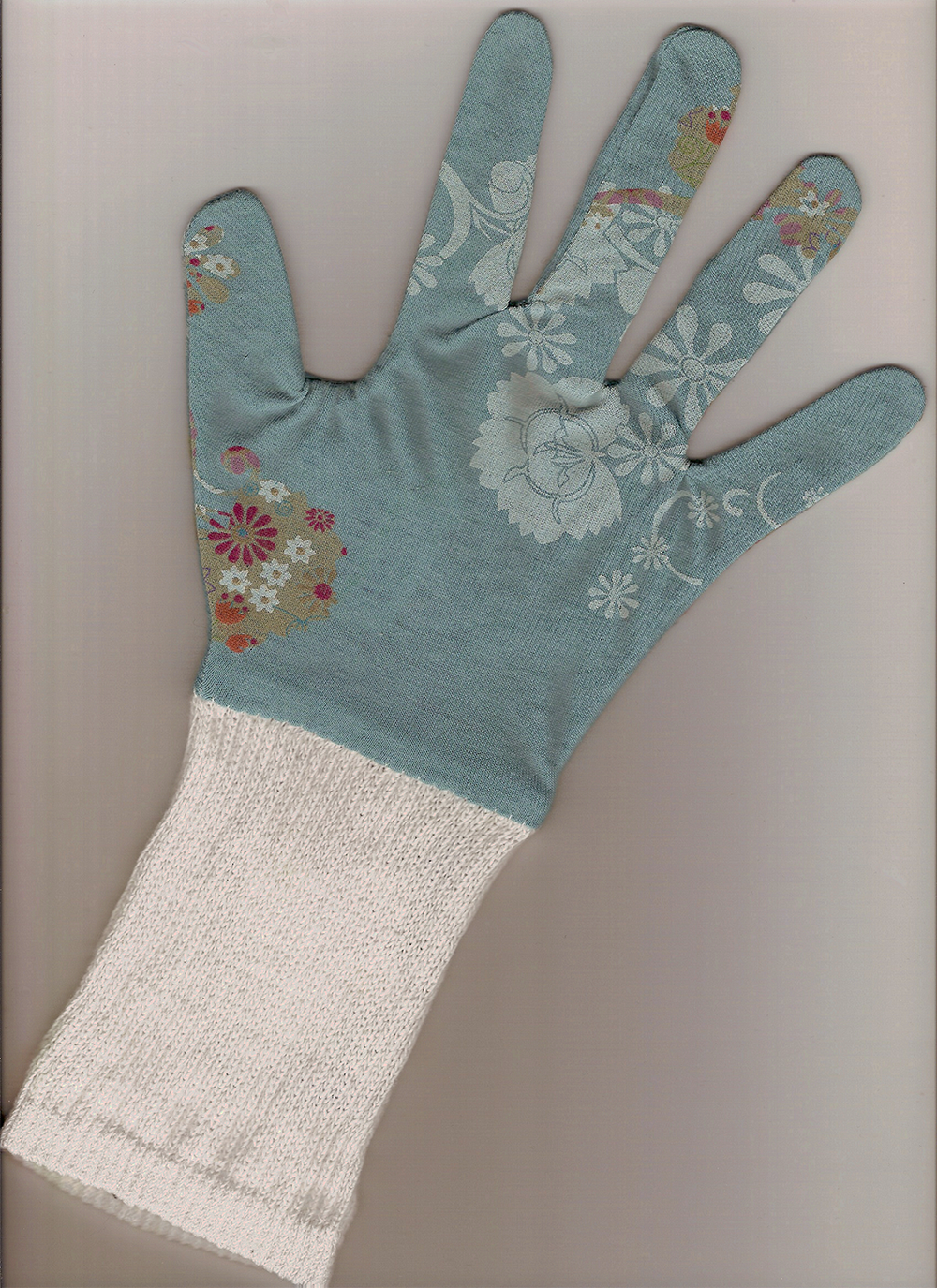
A sock with a hole wasn’t necessarily headed for the trash. Slip it over your hand, and suddenly you had a washable dusting mitt capable of wrapping around furniture, blinds, and awkward little surfaces. No special gadget required. It may not have been glamorous, but giving worn-out clothing one final household assignment was wonderfully efficient.
16. Vodka Wasn’t Just for the Drinks Cabinet
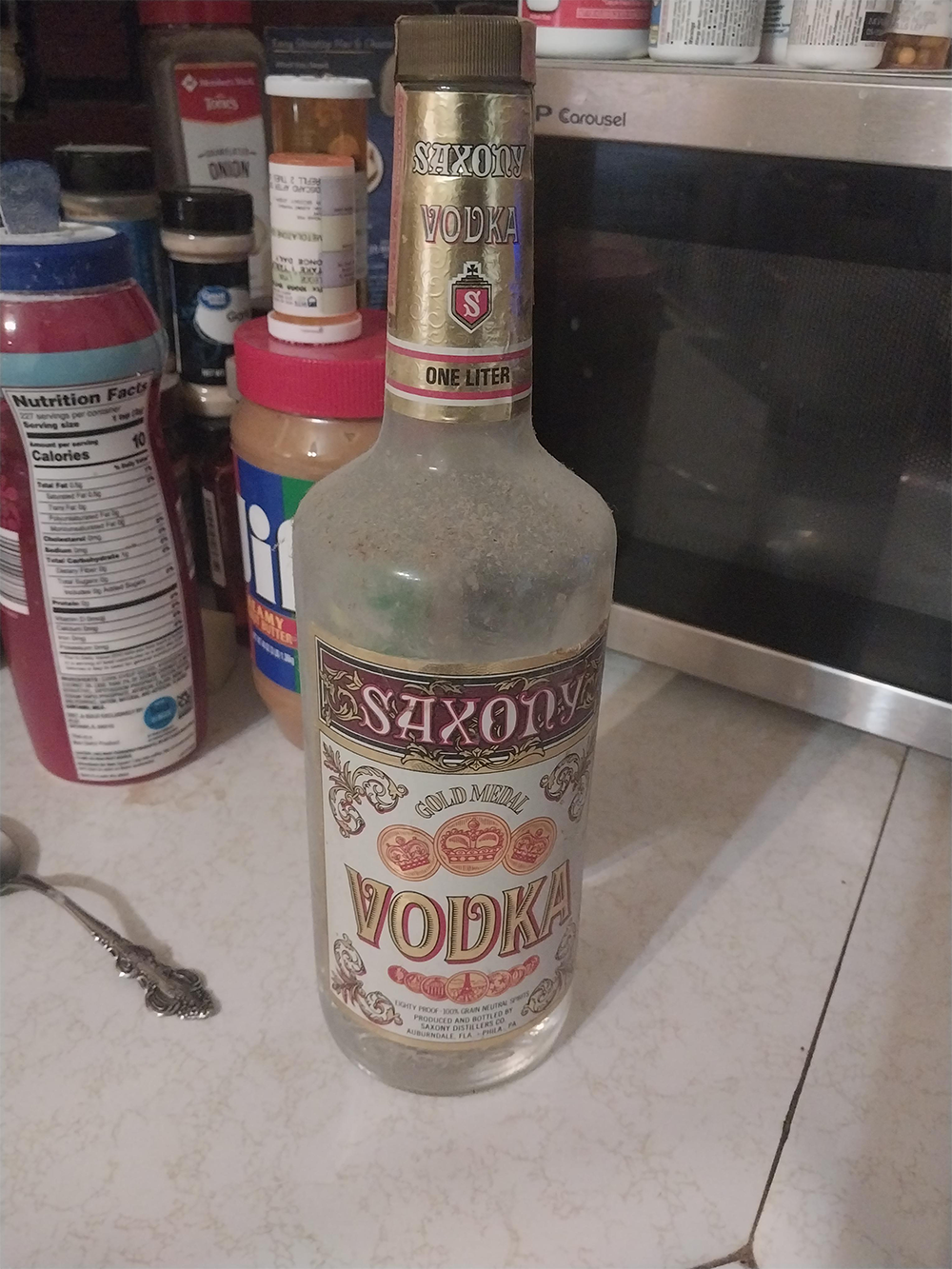
Some households gave vodka a surprisingly practical second career. Its alcohol content made it useful for freshening certain fabrics and tackling odors when washing wasn’t convenient. A light mist could help without leaving a heavy fragrance behind. Using perfectly good vodka on curtains might sound questionable, but apparently the upholstery occasionally needed a drink too.
17. Shaving Cream Took On Carpet Stains
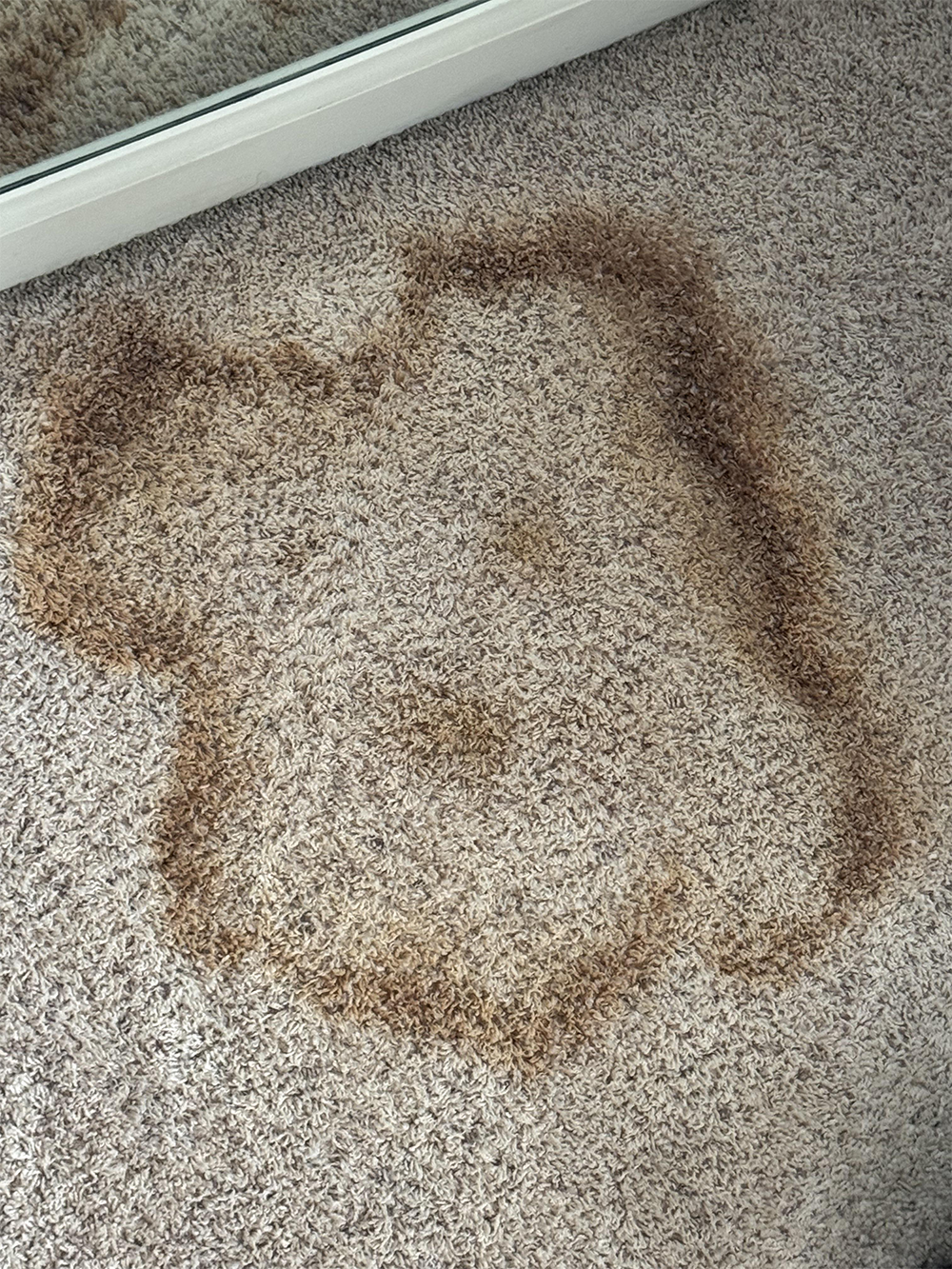
A carpet stain probably isn’t where you’d expect shaving cream to end up, yet this became another homespun cleaning trick. Plain white shaving cream was sometimes worked into spots before being blotted away, with its soap-like ingredients helping loosen some grime. Would we trust the fancy blue gel version? Let’s not turn the carpet into a science experiment.
18. Mayonnaise Helped With Water Rings
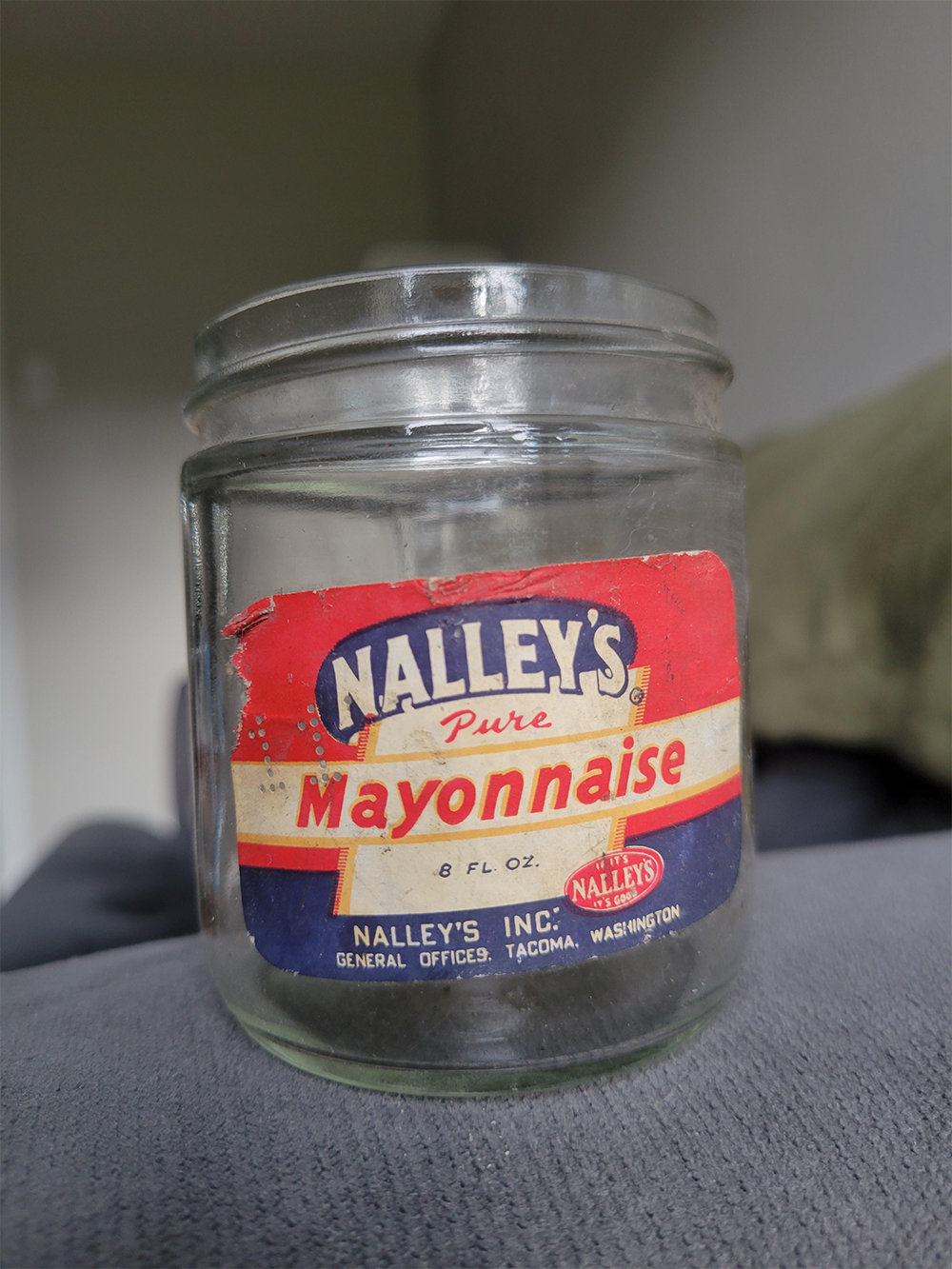
That cloudy ring left by a wet glass on wooden furniture could inspire an unusual trip to the refrigerator. Mayonnaise was spread over some water marks because its oils could help improve the appearance of moisture trapped in certain finishes. Suddenly the condiment wasn’t fixing a sandwich. It was trying to rescue the coffee table.
19. A Pillowcase Could Clean a Ceiling Fan
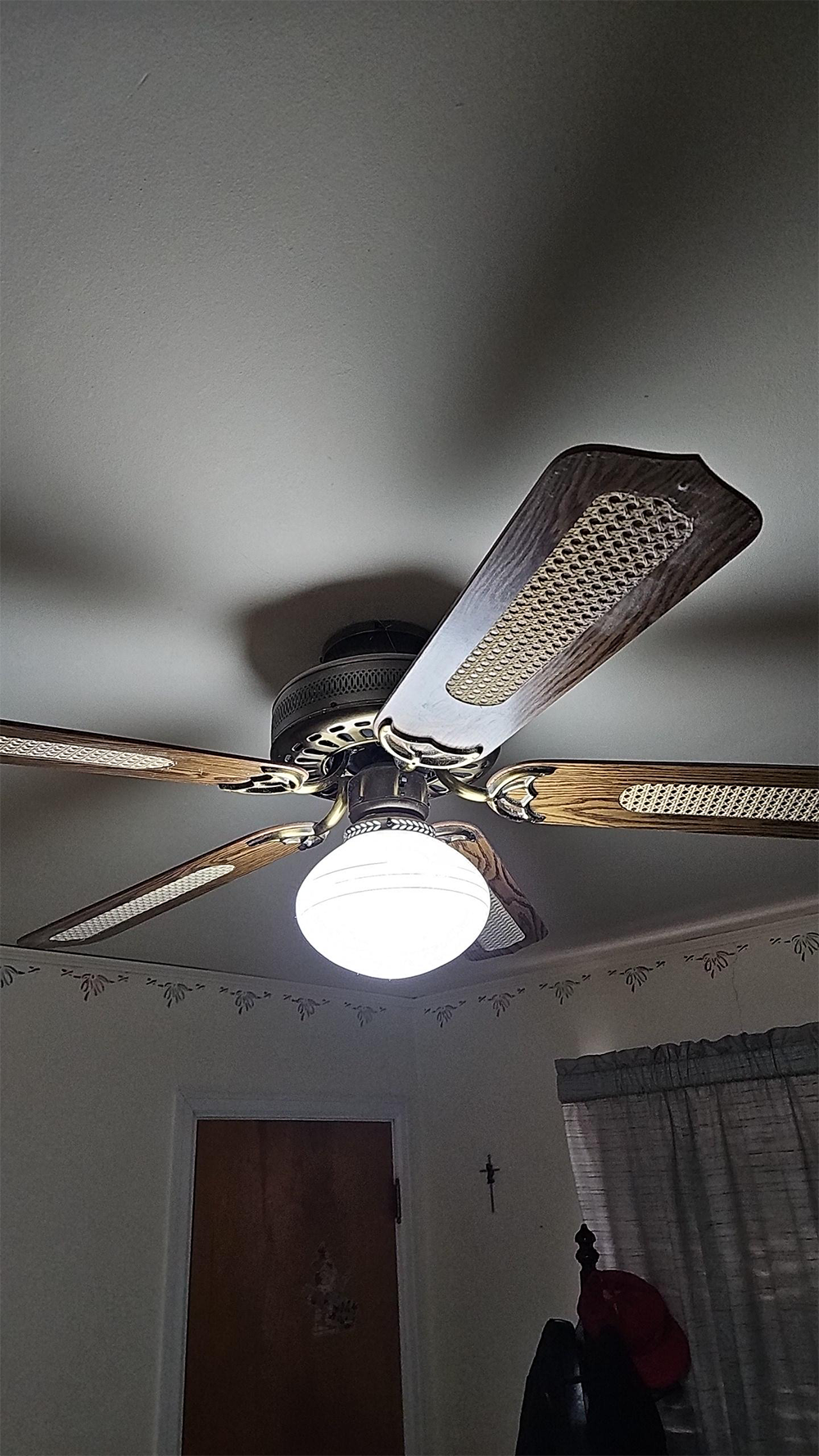
Cleaning ceiling fans has one obvious flaw: all that dust has to fall somewhere. The pillowcase trick solved that rather neatly. Slide an old case over each blade, wipe, and pull it back while trapping the dust inside. No cloud raining onto the furniture below. Sometimes the cleverest cleaning hack is simply giving the mess nowhere to escape.
20. Vinegar and Baking Soda Became the Famous Fizzy Duo
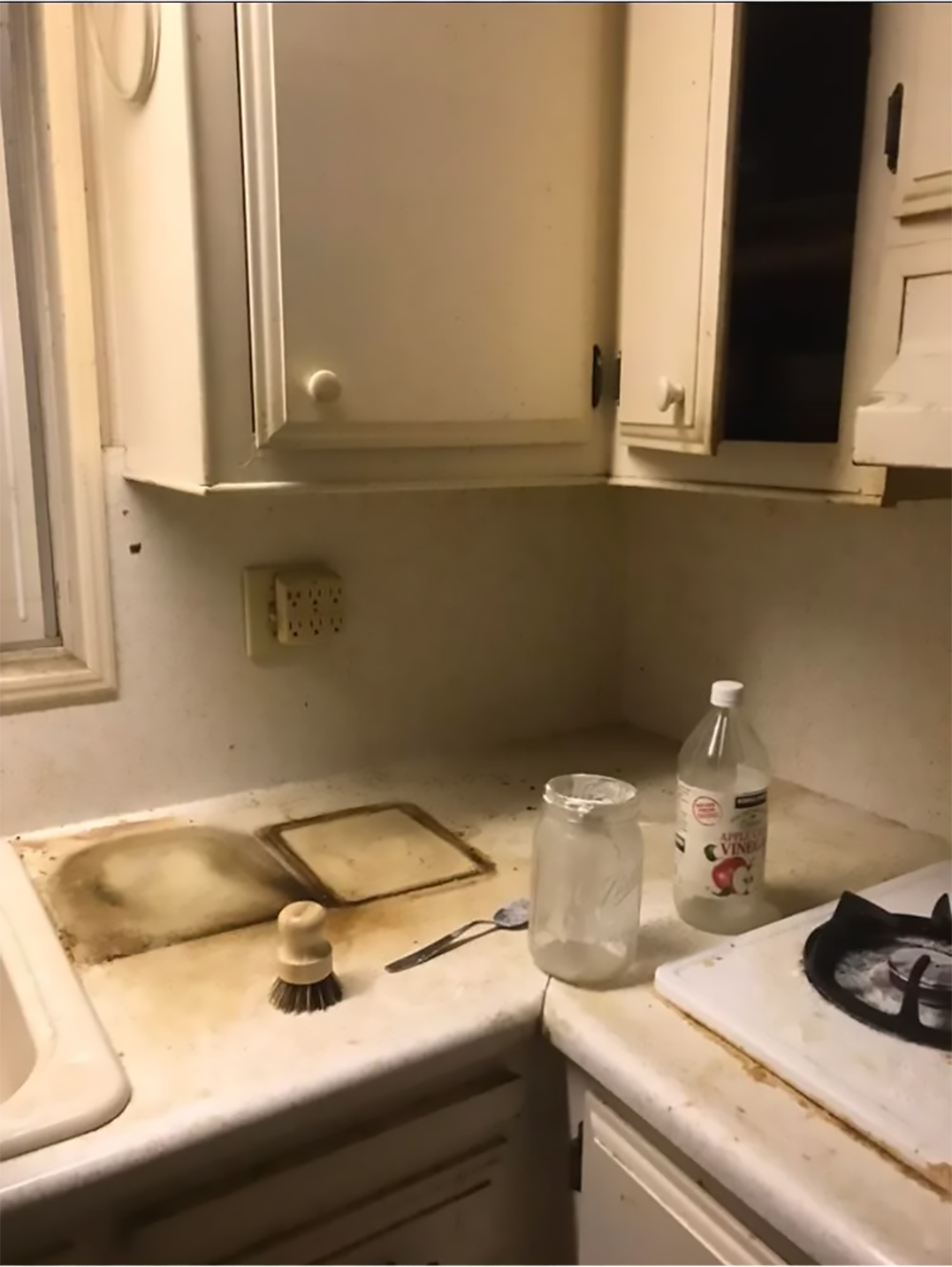
Few homemade cleaners put on a better show. Combine vinegar and baking soda, and you immediately get an impressive eruption of bubbles, which helped turn the mixture into household-cleaning folklore. But here’s the catch: that fizz is the two substances reacting and largely neutralizing each other. Fun chemistry demonstration? Definitely. Invincible super-cleaner? Not quite.
The best old-fashioned cleaning hacks weren’t necessarily sophisticated. They survived because they were cheap, accessible, easy to remember, and sometimes genuinely effective. Others simply sounded convincing enough to travel from one generation to the next. Either way, they reveal an era when the pantry, medicine cabinet, and cleaning cupboard had surprisingly blurry boundaries.
Keep Exploring The Scroller
From forgotten household routines to everyday tricks that somehow became family wisdom, the past is full of ordinary habits that look completely different now. Keep exploring The Scroller for more nostalgic discoveries, curious traditions, and things people once did without thinking twice:
17 Vintage Photos Of Laundry Day Before Modern Machines
17 Home Repair Fails That Solved One Problem And Created Another