
Nobody gets labeled difficult at work because of one abandoned coffee cup or a late reply. Usually, it happens much more slowly. Small things repeat, coworkers notice, and at some point a habit becomes part of your reputation. The tricky part is that a lot of those habits don’t feel especially serious while you’re doing them.
1. Being Five Minutes Late to Everything

Five minutes feels harmless. Most meetings don’t even start properly in the first five minutes anyway. But if you’re consistently the person sliding into the room after everyone else, people start expecting it. Eventually, they stop waiting, and that tiny bit of lateness becomes one of those things coworkers mention when your name comes up.
2. Ignoring Messages That Don’t Feel Urgent

Not every email needs a paragraph in response, and nobody expects an instant answer to every chat notification. Still, leaving simple questions hanging for days creates unnecessary friction. Sometimes a coworker just needs a yes, a no, or a quick confirmation before they can keep moving. If getting that from you is always harder than it should be, people remember.
3. Always Having a Reason Something Went Wrong

The Wi-Fi dropped. Someone sent the wrong document. The meeting ran over. Traffic was awful. Any of those things can genuinely happen, but when there’s an explanation attached to every missed deadline or mistake, the explanations start to matter less. A simple “I missed that” often lands better than a detailed defense nobody asked for.
4. Leaving Shared Spaces for Someone Else

A mug in the sink is not a scandal. Neither is an empty printer tray. But being the person who regularly leaves little messes behind can become oddly memorable, especially to the people who keep cleaning them up.
5. Finding a Problem With Every New Idea

Some ideas are bad. Saying so can save everyone time. The trouble starts when your first reaction to nearly everything is a list of reasons it won’t work. After a while, people may stop bringing rough ideas to you altogether, not because they fear criticism, but because they already know how the conversation is going to go.
Trending on The Scroller


6. Making Every Meeting Run Long

There is always one point that somehow gets made three times. Sometimes it’s because someone is thinking aloud, sometimes because they want to make sure everyone agrees, and sometimes because they simply don’t know when to stop. Whatever the reason, coworkers notice who routinely adds another fifteen minutes to a meeting that was basically finished. You probably won’t hear anyone complain about it directly. You’ll just notice fewer people looking excited when another calendar invite appears.
7. Looking at Your Phone While Someone Talks

Maybe you’re checking the time. Maybe you’re answering something genuinely important. The person speaking usually can’t tell the difference. All they see is you looking down while they’re halfway through a sentence.
8. Getting Comfortable With Gossip Too Quickly

Gossip can make a new workplace feel smaller fast. You learn who hates which manager, what happened at last year’s holiday party, and why two people suddenly stopped sitting together at lunch. It can also reveal, very quickly, who can’t be trusted with private information. People may happily listen to your stories while deciding never to become one of them.
Sign up for our newsletter
9. Quietly Taking More Credit Than You Earned

Credit stealing is often much less obvious than someone putting their name on another person’s work. It can be saying “I came up with” when the idea came from a group conversation, or presenting a project without mentioning the person who did most of the difficult part. Those little omissions are easy to brush off. They’re also the kind of thing teammates tend to remember with surprising accuracy.
10. Treating Everything Like an Emergency

If every message is urgent, every deadline is critical, and every request needs attention “ASAP,” people eventually stop reacting to the tone. Then one day something really is urgent, and it looks exactly like all the other supposedly urgent things you’ve sent.
11. Interrupting People Constantly

Some offices have fast, overlapping conversations where everyone talks over everyone else a little. That’s different from repeatedly cutting people off before they finish. It becomes especially obvious when someone interrupts peers and junior coworkers all day but suddenly discovers perfect listening skills in front of a senior executive.
12. Becoming a Different Person Around the Boss

Most people are a little more careful around senior leadership. That’s normal. What’s harder to miss is the person who suddenly becomes warmer, more energetic, and wildly helpful the second an executive walks into the room. Coworkers tend to notice the contrast, particularly if that enthusiasm disappears around everyone else.
13. Pretending to Know Instead of Saying You Don’t
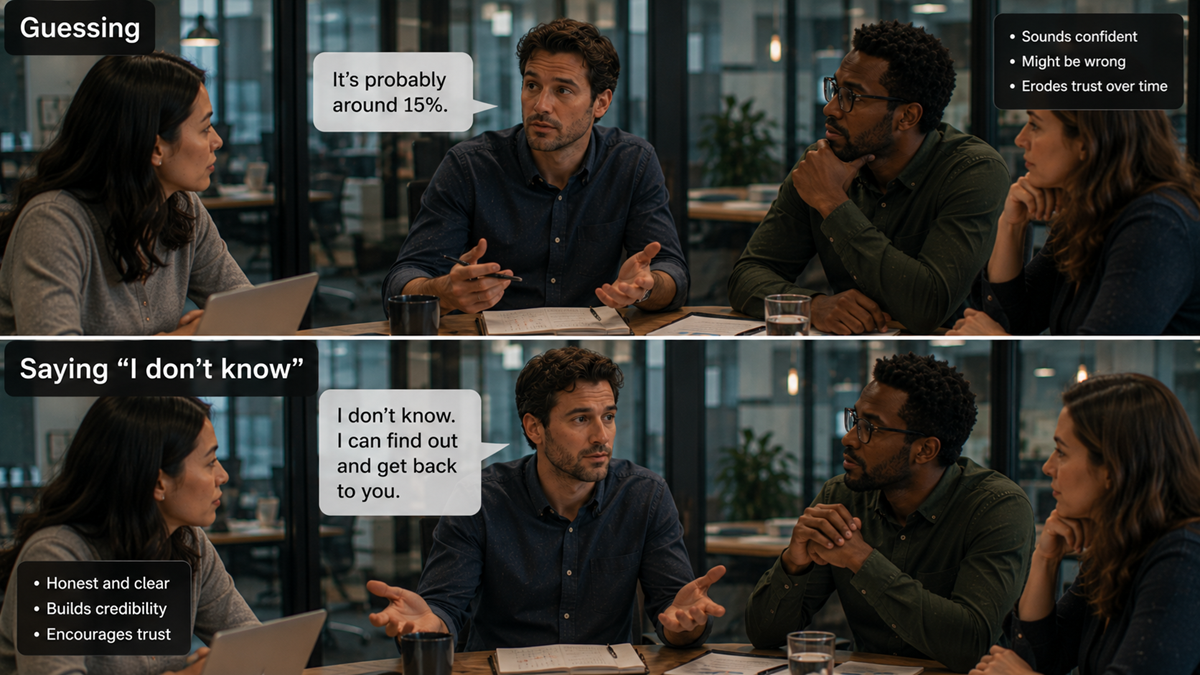
“I don’t know” can feel uncomfortable in a workplace, especially when everyone else seems confident. Guessing your way through an answer is usually worse. One bluff might pass unnoticed, but people eventually figure out who is giving them information and who is improvising it.
14. Making Jokes at Other People’s Expense

A little teasing can be part of a friendly office. The mood changes when one person is always supplying the target. Maybe it’s a coworker’s presentation style, an old mistake, the way they pronounce something, or what they brought for lunch. People may laugh because the moment is awkward, not because they actually enjoy it. Over time, some will simply share less around you.
15. Walking Into Meetings Without Reading Anything

Everyone has joined a meeting underprepared at least once. The problem is making it routine. If someone always needs the background explained again, asks questions answered in the document, or spends ten minutes searching for the file everybody else has open, the rest of the room notices. Preparation is more visible than it seems.
16. Bringing Every Story Back to Yourself

Someone mentions their weekend, and suddenly you’re talking about yours. A coworker describes a difficult client, and within seconds the story has become about the even more difficult client you once had. Doing that occasionally is just conversation. Doing it constantly makes people feel like they’re only providing prompts for your next anecdote.
17. Assuming Good Work Is Automatically Visible

Doing good work quietly sounds admirable, and often it is. But workplaces are messy, managers are busy, and people don’t always know who fixed the problem, finished the difficult part, or kept a project moving behind the scenes. You don’t need to announce every small win. You do need enough communication that your work isn’t practically invisible.
In the mood for more?
Check out 15 Smart Things Successful People Do Differently in the First Hour of Every Workday, or take a look at 14 Sketchiest Jobs People Actually Worked in the 20th Century. If you want to see more workplace culture stories, you can check out 12 Strange Ways Working From Home for a Year Can Change Your Brain.
Images generated by AI