
At first glance, some ideas seem so unrealistic that it’s hard to imagine anyone taking them seriously. An encyclopedia that anyone can edit, a business that asks people to sleep in strangers’ homes, or an intersection that works better without traffic lights all sound like recipes for disaster rather than success.
Yet history is full of ideas that succeeded precisely because they challenged conventional thinking. Instead of solving problems the obvious way, they questioned the rules everyone else accepted. As strange as they seemed at first, many ended up changing industries, cities, and even the way we live.
1. Wikipedia Let Anyone Edit an Encyclopedia
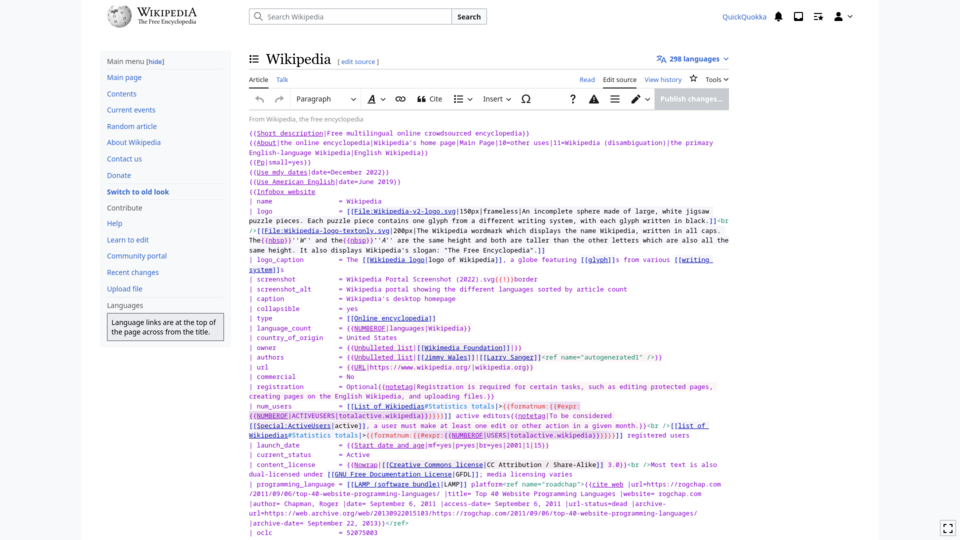
The idea sounded almost guaranteed to fail. An encyclopedia where anyone, regardless of expertise, could add, change, or delete information seemed like an open invitation to misinformation and internet trolls. Wouldn’t it fall apart within days? Instead, Wikipedia grew into one of the world’s most consulted reference resources. Its success didn’t come from trusting every individual edit, but from millions of contributors reviewing, correcting, and improving one another’s work. Sometimes a community can accomplish what a small team never could.
2. Airbnb Asked People to Sleep in Strangers’ Homes

Imagine suggesting that the best way to find a place to stay while traveling was by sleeping in a complete stranger’s spare bedroom. Most people would’ve politely said, “Absolutely not.” What changed wasn’t human nature, but the system around it. Reviews, identity verification, secure payments, and host ratings gradually turned an uncomfortable idea into a global business. It turns out that trust can sometimes be designed instead of assumed.
3. Netflix Mailed DVDs Instead of Opening Stores

When video rental stores seemed impossible to escape, Netflix went in the opposite direction. Instead of opening more locations, the company asked customers to order DVDs online and simply wait for them to arrive in the mail. It sounded slower, not smarter. Yet removing the storefront eliminated late-night trips, long checkout lines, and many of the frustrations people associated with renting movies. Sometimes changing the delivery system is more powerful than changing the product itself.
4. Roundabouts Removed the Traffic Light

At first, taking away traffic lights sounds like the quickest way to create complete gridlock. After all, wouldn’t fewer rules simply produce more confusion? In many intersections, the opposite happened. Properly designed roundabouts reduced severe collisions and kept vehicles moving instead of forcing everyone to stop and wait for a signal. Sometimes removing a layer of control creates a system that’s surprisingly better at organizing itself.
5. Shipping Containers Made Every Box the Same

There’s nothing glamorous about a large steel box. In fact, making every shipping container exactly the same size probably sounded like one of the most boring ideas imaginable. That standardization quietly transformed global trade. Ships, trucks, trains, and ports could all move the same containers without constantly repacking cargo, making transportation dramatically faster, cheaper, and more reliable. Sometimes the biggest innovations aren’t exciting at all. They’re simply consistent.
Trending on The Scroller


6. Mosquito Programs Release More Mosquitoes

It sounds like exactly the wrong solution. If mosquitoes are the problem, why would anyone deliberately release even more of them? At first glance, it feels like trying to fight fire with gasoline. The key is that these programs release sterile or specially modified male mosquitoes, which don’t bite and can’t produce viable offspring. Over time, the population shrinks instead of growing. Sometimes solving a problem means adding something to the system, not taking it away.
7. Prescribed Burns Deliberately Set Forests on Fire

Starting a fire to prevent bigger fires sounds completely backwards. For decades, the instinct was to extinguish every blaze as quickly as possible, believing that any fire was automatically harmful. But many forests evolved with periodic, low-intensity fires. Carefully planned prescribed burns remove excess vegetation, reduce dangerous fuel buildup, and help restore healthier ecosystems. In some landscapes, the safest fire is the one that’s intentionally started under controlled conditions.
8. Bike-Share Lets Thousands of People Share Bikes
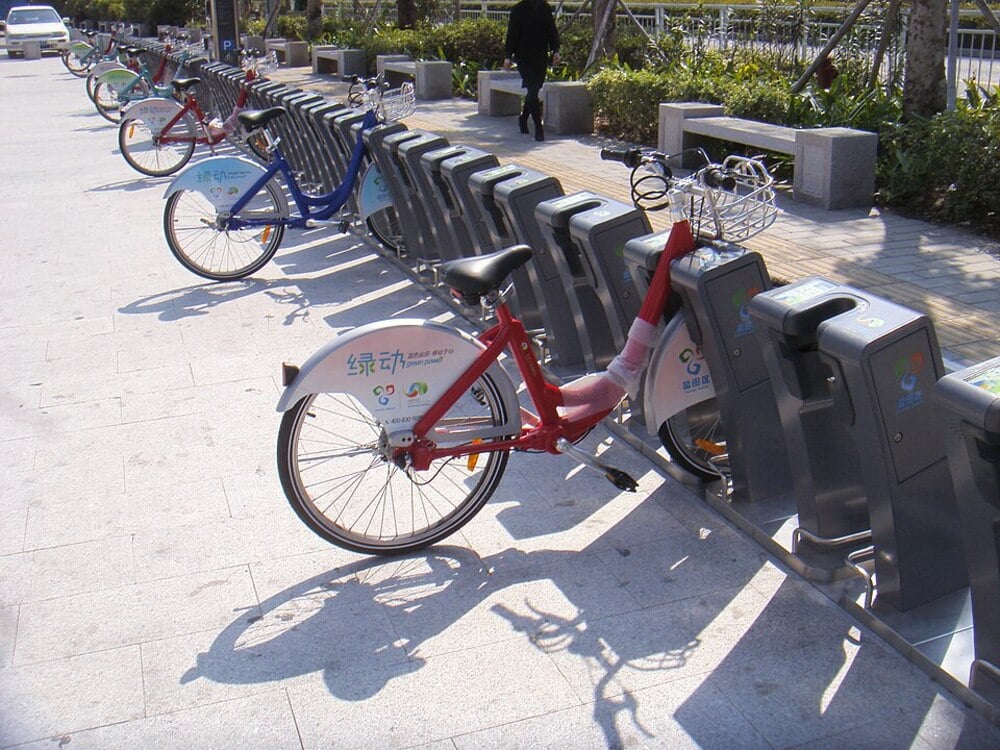
Bicycles have always been personal possessions, so the idea of leaving one on a street corner for complete strangers to borrow sounded like a recipe for theft or vandalism. Who would expect that to work? With docking stations, mobile apps, GPS tracking, and short-term rentals, bike-sharing became a practical transportation option in many cities. Instead of every person owning a bicycle, communities discovered that sharing them could sometimes make even more sense.
Sign up for our newsletter
9. Crowdfunding Asked Customers to Fund Unbuilt Products

Most businesses build a product first and hope customers show up later. Crowdfunding flipped that logic completely by asking people to pay before the product even existed. It sounded incredibly risky for everyone involved. Yet platforms like Kickstarter showed that early supporters weren’t just buying an object. They were investing in an idea they wanted to see become real. Sometimes belief is valuable enough to help build the product itself.
10. Open-Source Software Gave the Code Away

Conventional wisdom says you protect your best work, not hand it to the world for free. So why would anyone publish software that competitors could inspect, modify, and improve? Open-source projects proved that collaboration could sometimes outperform secrecy. Thousands of developers contributed fixes, improvements, and new features, creating software that now powers businesses, governments, and much of the internet itself. Giving away the recipe didn’t stop people from building remarkable kitchens.
11. Congestion Pricing Charges Drivers to Reduce Traffic
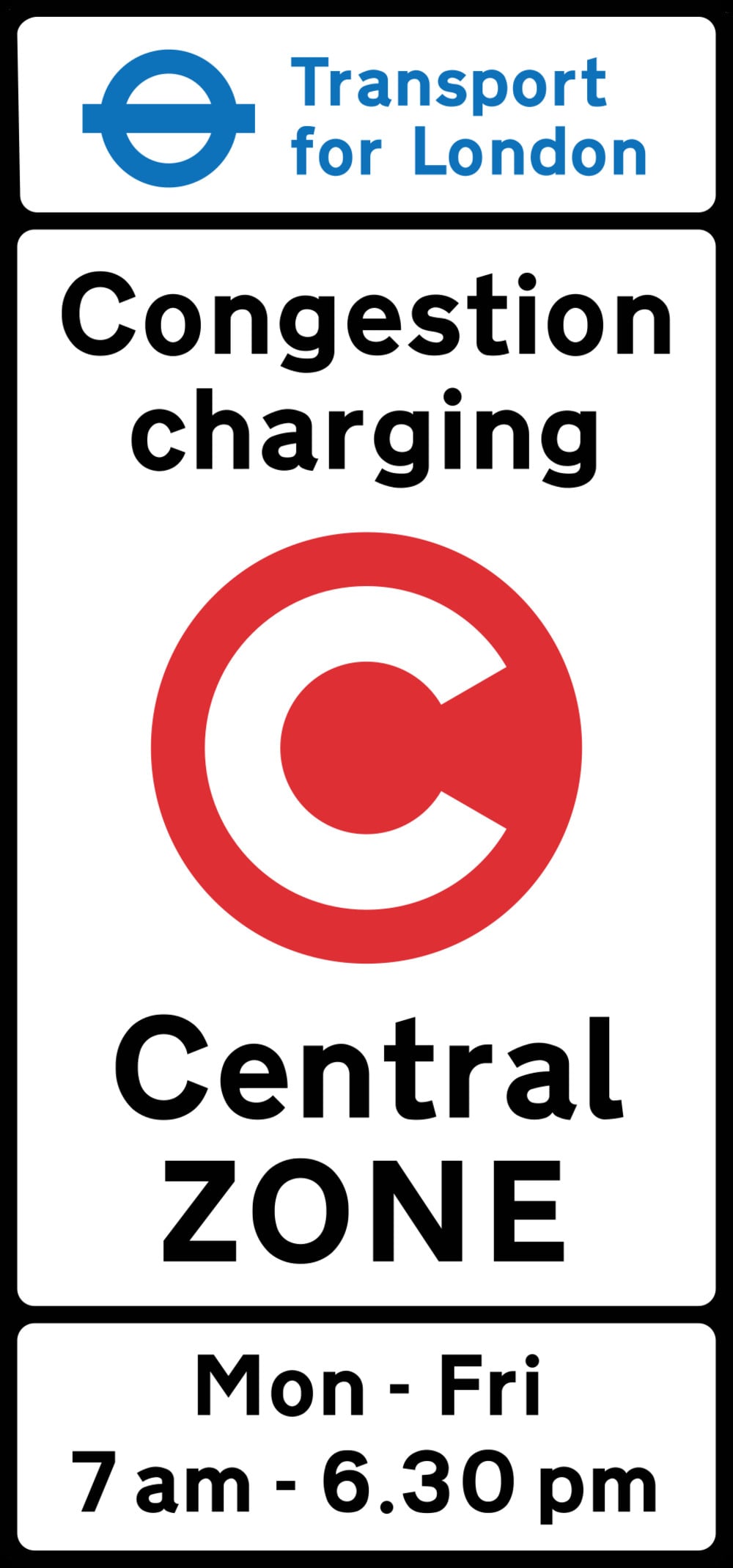
Charging people to use a road during busy hours sounds like the fastest way to make everyone angry. After all, shouldn’t the solution to traffic be building more roads instead of making existing ones more expensive? In some cities, congestion pricing has encouraged drivers to travel at different times, choose public transportation, or combine trips. The result has been lighter traffic and more reliable travel times in specific areas. Sometimes the best way to reduce demand is to make people think twice about it.
12. Urban Cable Cars Turned Ski-Lift Tech Into Transit
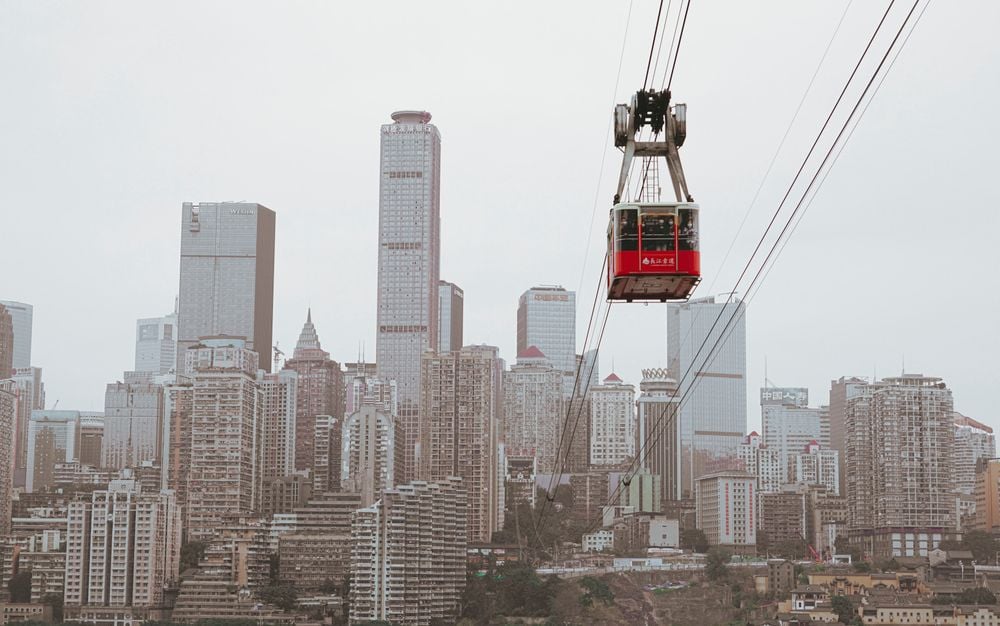
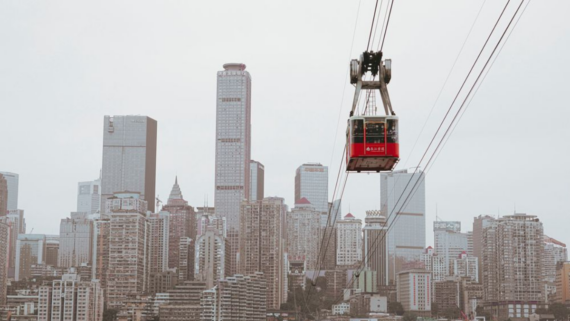
Cable cars seemed to belong on snowy mountains, carrying skiers to the top of a slope. Using the same technology to transport commuters through a busy city sounded almost absurd. Yet cities with steep terrain, such as Medellín, discovered that urban cable cars could connect neighborhoods more quickly than building new roads. Sometimes the smartest innovation isn’t inventing something new. It’s finding an unexpected place for something that already exists.
13. Libraries Started Lending More Than Books
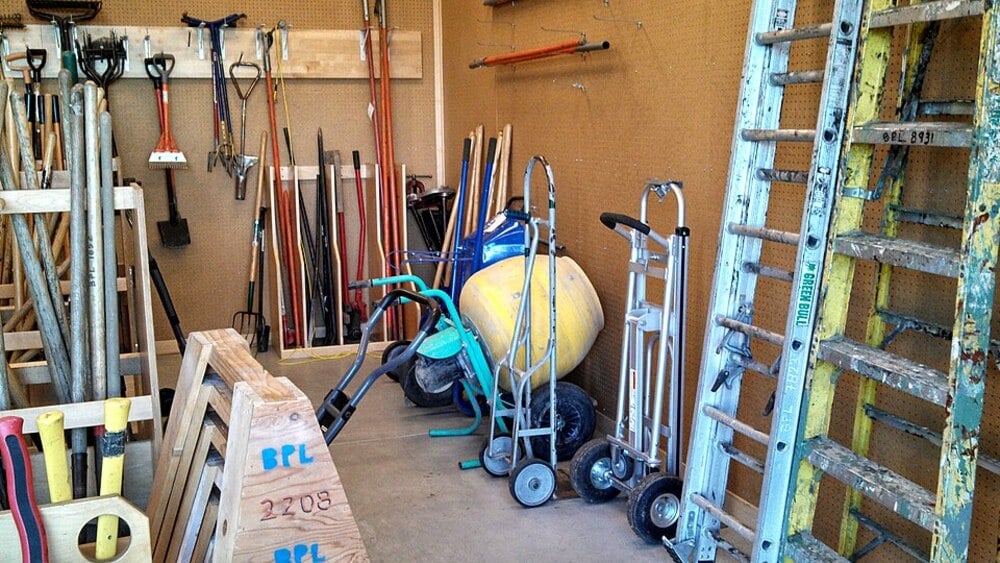
For generations, libraries had one clear purpose: lending books. So the idea of borrowing a drill, a sewing machine, a musical instrument, or even seeds seemed completely out of place. But many communities realized that the sharing model worked just as well for everyday tools as it did for novels. After all, why should something that gets used only a few times a year sit unused in thousands of garages?
14. Pay-What-You-Want Restaurants Tested Voluntary Pricing
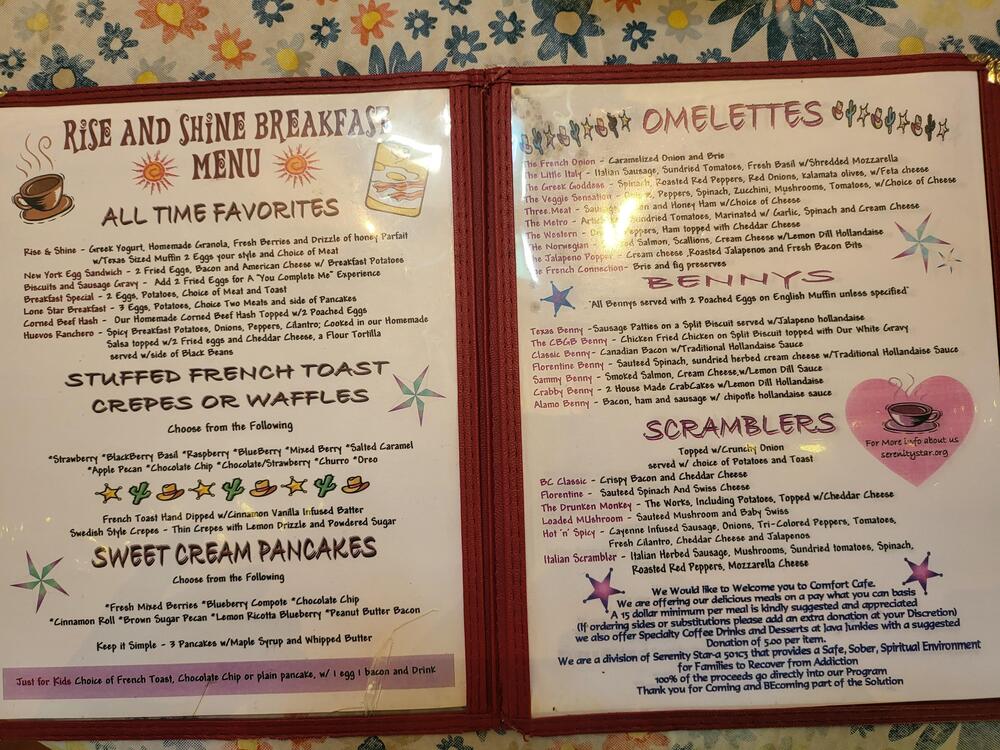
Imagine opening a restaurant and letting customers decide how much to pay for their meal. It sounds less like a business strategy and more like a financial disaster waiting to happen. While the model doesn’t work everywhere, some cafés and restaurants have successfully used voluntary pricing for charitable initiatives, promotions, or community projects. Under the right circumstances, trust and social responsibility can become part of the business model itself.
15. Companies Paid People to Change Health Behaviors

Doctors have spent decades encouraging healthier habits through advice and education. The idea of paying people to exercise, quit smoking, or attend medical screenings sounded strangely transactional. Yet some programs found that financial incentives could motivate people to take the first step toward healthier behaviors. Money alone isn’t enough to create lasting change, but in certain situations, it can provide the extra push people need to get started.
16. Car-Free Streets Removed Cars to Help Street Life
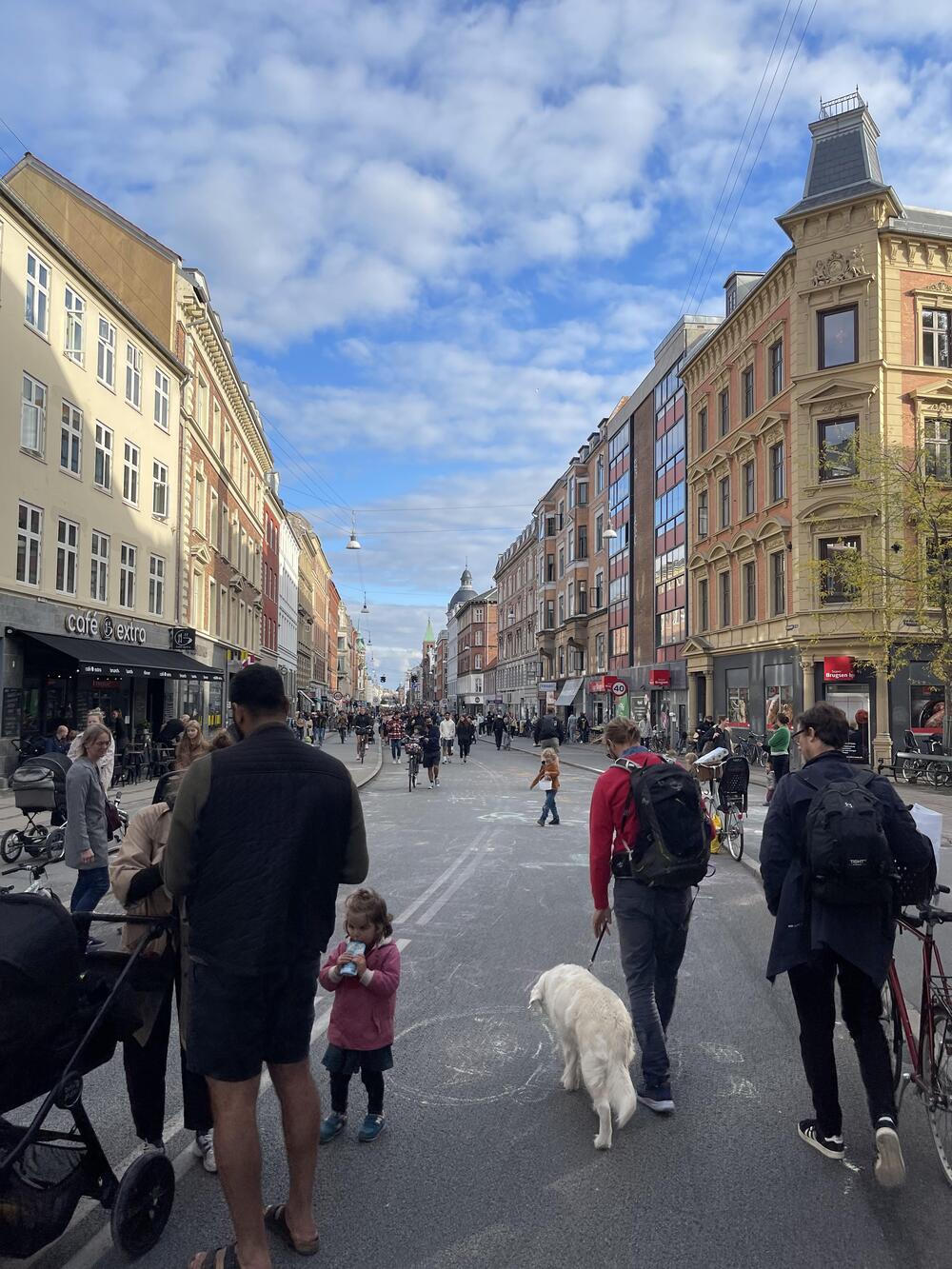
Closing a street to cars sounds like the last thing you’d do if you wanted a neighborhood to thrive. Wouldn’t fewer vehicles mean fewer customers and less business? In many cities, the opposite happened. Streets redesigned for pedestrians often attracted more visitors, encouraged people to stay longer, and created livelier public spaces. It turns out that making it easier to walk can sometimes do more for a street than making it easier to drive.
17. Rewilding Brought Predators Back
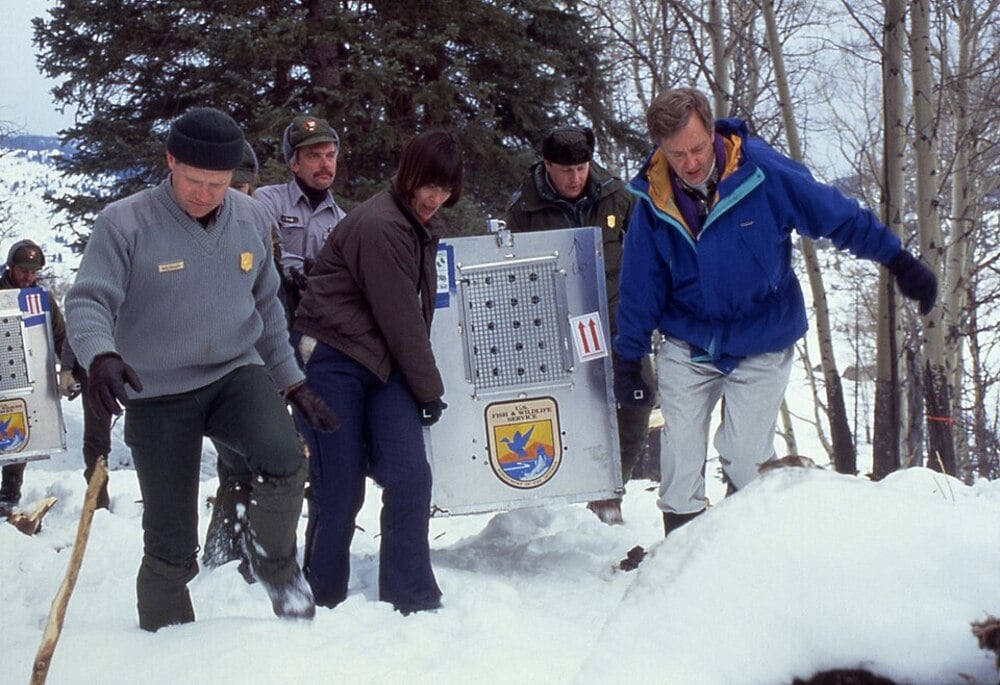
For years, removing predators seemed like the safest way to protect both people and wildlife. So the idea of deliberately bringing wolves and other large predators back into an ecosystem sounded reckless to many communities. Yet carefully managed rewilding projects have shown that predators can help restore natural balances, influencing everything from prey populations to vegetation and even river systems. Sometimes repairing nature means bringing back the very animals we once worked so hard to remove.
18. Four-Day Workweeks Cut Time Instead of Adding Tools
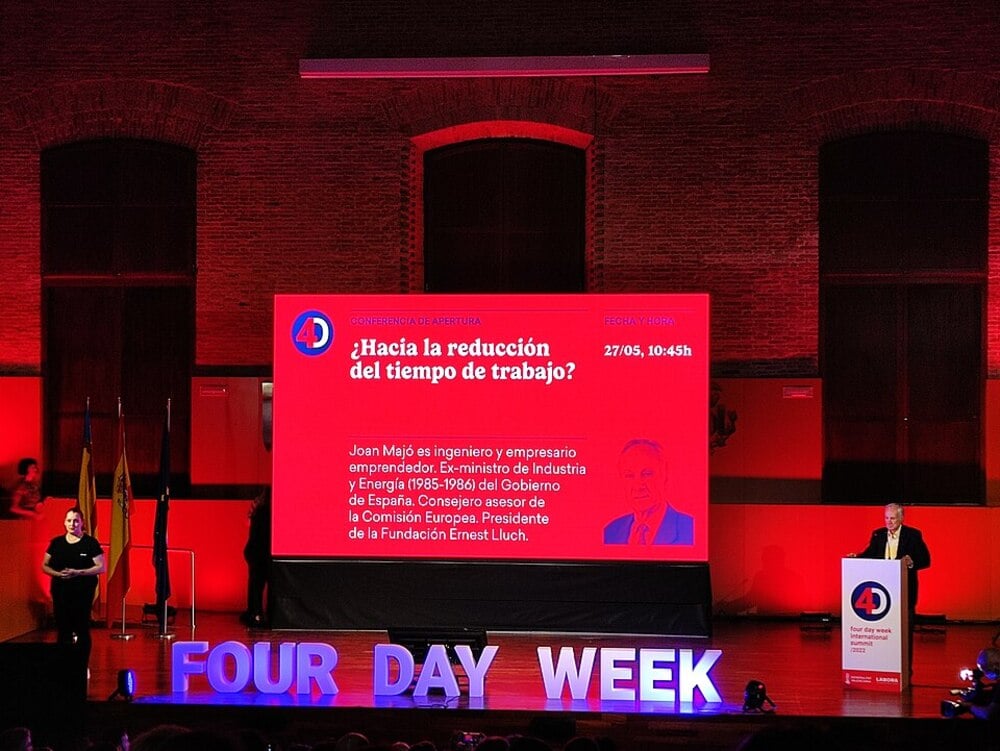
Most productivity plans promise better results by adding something: new software, more meetings, or longer hours. A four-day workweek does the exact opposite by taking a full day away. Surprisingly, several trials have reported that many employees remained just as productive while also experiencing better well-being and improved work-life balance. Could working less actually help people accomplish more? Under the right conditions, the answer appears to be yes.
19. Little Free Libraries Left Books Unattended Outside
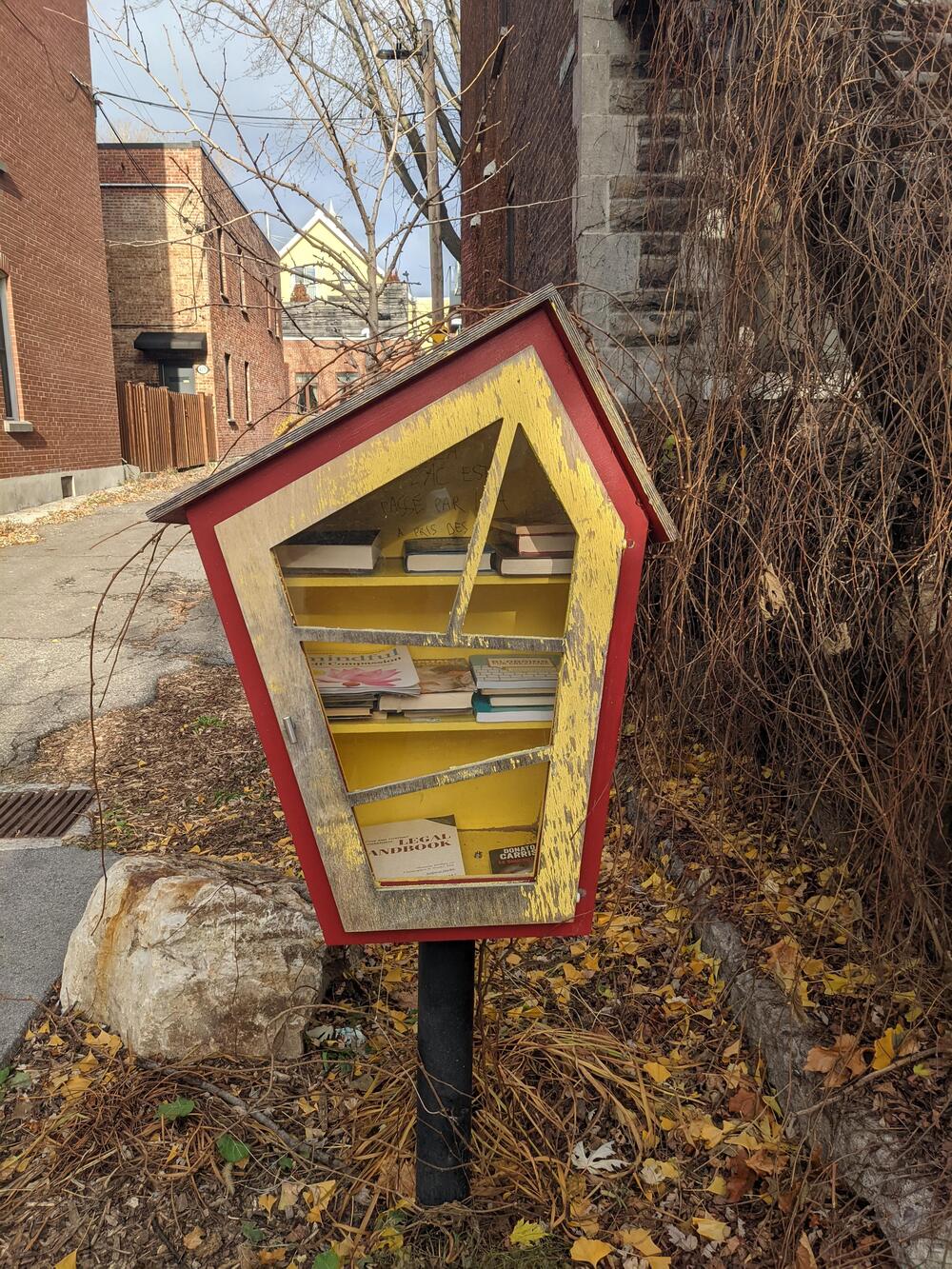
Leaving a box of books on a sidewalk without locks, staff, or checkout systems sounds like an invitation for everything to disappear. Why would anyone expect strangers to respect an honor system? Yet Little Free Libraries have spread through neighborhoods around the world, relying on a simple idea: take a book, leave a book when you can. Their success reminds us that trust doesn’t always require complicated rules. Sometimes a small wooden box is enough.
20. Desire Paths Let Users Redesign the Route
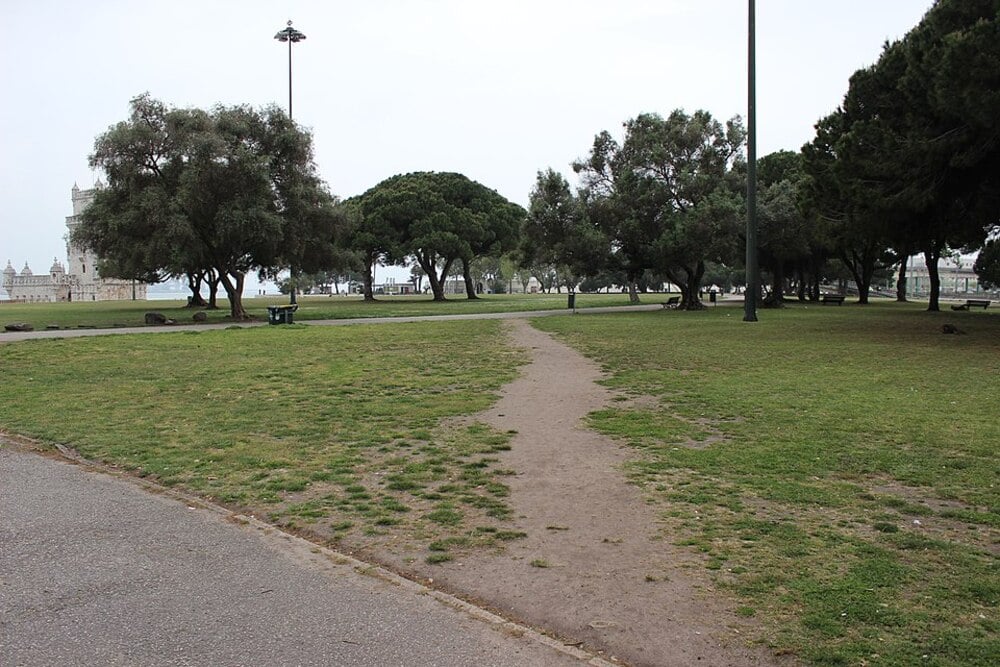
Architects can carefully design the perfect walkway, but people often reveal a different plan with their feet. Those worn dirt trails cutting across grass, known as desire paths, show where people naturally choose to walk instead. Rather than treating them as mistakes, some designers now use these informal paths to improve future layouts. It sounds almost backwards to let people ignore the plan before finishing it, yet sometimes the users understand the problem better than the blueprint does.
The best ideas rarely succeed because they’re the most complicated. More often, they succeed because they challenge an assumption everyone else accepted without question. As these examples show, truly innovative ideas don’t always invent something new. Sometimes they simply remove a rule, share a resource, or rethink a problem from a completely different angle. That’s often where the most remarkable breakthroughs begin.
Keep Exploring The Scroller
History is full of moments when the most unbelievable ideas became everyday reality. Keep exploring The Scroller for more surprising stories about innovation, unexpected breakthroughs, and the fascinating ways unconventional thinking has quietly changed the world:
18 Times People Tried To Recreate Pinterest Ideas And Failed