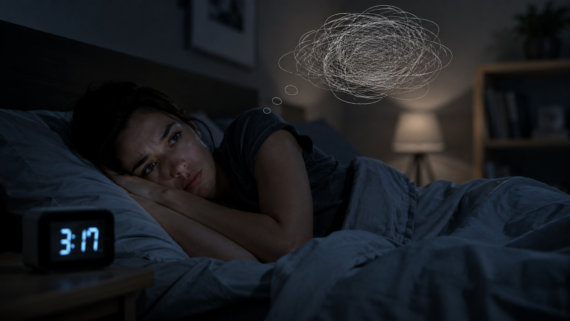
Falling asleep quickly is not always about finding the perfect pillow or downloading another meditation app. Researchers have spent decades studying what actually helps the brain make the transition from alertness to sleep, and some of the most useful strategies are surprisingly ordinary. Timing, light, temperature, caffeine, and even what you do when you can’t can all make a difference. A few popular nighttime habits, meanwhile, may be working against you without you realizing it.
1. Get Up at the Same Time Every Morning

Going to bed at exactly the same time sounds like the obvious way to fix a wandering sleep schedule, but wake-up time matters just as much. A consistent morning schedule helps stabilize the body’s circadian rhythm, the internal system that influences when you feel alert and when you start getting tired. Sleeping several hours later on weekends can shift that rhythm enough to make Sunday night feel oddly similar to mild jet lag. Keeping mornings fairly predictable gives your body a clearer idea of when nighttime is supposed to begin.
2. Stop Trying to Force It
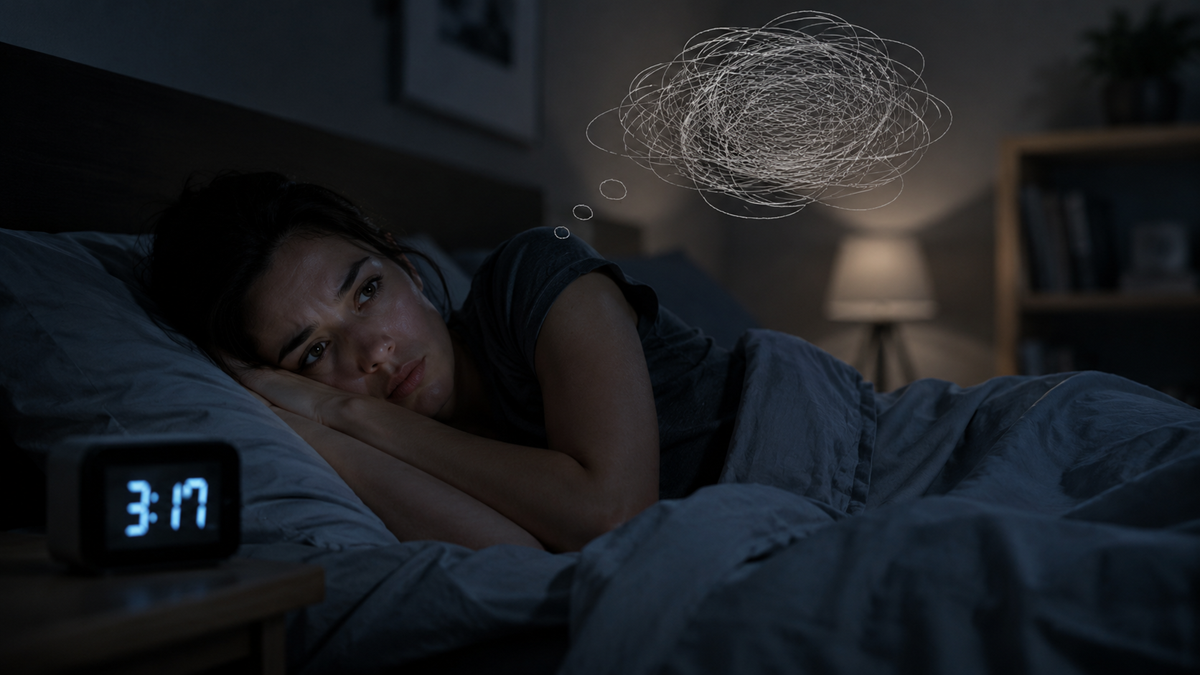
There is a frustrating paradox to insomnia: the harder someone tries to fall asleep, the more awake they can become. Worrying about how long sleep is taking can increase arousal and turn bedtime into something that feels like a test. Therapies often work partly by breaking that association rather than encouraging people to lie there and fight harder for unconsciousness.
3. Leave the Bed if You Are Wide Awake

One of the stranger-sounding ideas used in cognitive behavioral therapy for insomnia is getting out of bed when sleep simply is not happening. The goal is to prevent the brain from learning that bed is a place for worrying, scrolling, planning tomorrow, and staring at the ceiling. Someone who has been awake for a while might move to another dimly lit room, do something quiet, and return when genuine sleepiness appears. Over time, that helps rebuild the connection between getting into bed and actually sleeping.
4. Make the Last Hour of the Night Boring

A surprisingly effective bedtime routine does not need to involve elaborate supplements, special teas, or complicated rituals. Quiet reading, gentle music, a bath, or another predictable low-stimulation activity can create a useful transition between daytime and sleep. The important part is reducing things that keep the brain in problem-solving mode. Answering work messages from bed is almost the opposite of what researchers mean by winding down.
5. Dim the Lights Before You Get Into Bed

Your brain pays close attention to light when deciding what time of day it is. Bright artificial light in the evening can push the biological clock toward wakefulness, particularly when it comes from sources held close to the face. Phones are not uniquely evil, but spending the final part of the evening surrounded by bright screens and overhead lights can make the transition toward sleep less smooth. Lowering the brightness of the environment before bedtime gives the circadian system a much clearer nighttime signal.
Trending on The Scroller


6. Be More Careful With Afternoon Coffee

The coffee you drink after lunch may still matter when you are lying in bed hours later. Caffeine can remain active for a surprisingly long time, and sensitivity varies enormously from person to person. Someone who struggles to fall asleep regularly may learn more from moving their final coffee earlier than from buying an entirely new collection of nighttime products.
7. Keep the Bedroom Cool

Body temperature naturally changes as sleep approaches, and an overheated bedroom can make that process less comfortable. Sleep guidance generally favors a room that is comfortably cool rather than warm and stuffy. There is no universal thermostat setting that works for everyone, so the useful target is simply a temperature where heavy sweating, tossing off blankets, and overheating are unlikely.
8. Take a Warm Bath or Shower

Warm water before bed sounds contradictory if cooler temperatures favor sleep, but the sequence is what makes it interesting. Heating the skin can increase blood flow near the body’s surface, which may help the body release heat afterward. That drop in temperature after leaving the bath or shower can line up nicely with the body’s normal preparation for sleep.
Sign up for our newsletter
9. Use Progressive Muscle Relaxation

Progressive muscle relaxation has been studied as part of behavioral approaches to insomnia. The basic method involves intentionally tensing and then relaxing different muscle groups, moving through the body instead of simply commanding yourself to “relax.” That gives an active mind something repetitive to do while reducing physical tension at the same time. It is less mystical than it sounds and requires no equipment beyond a few quiet minutes.
10. Try Slow, Comfortable Breathing

Breathing exercises are not an instant off-switch, despite some online claims about particular numerical patterns. Still, controlled abdominal breathing and other relaxation techniques are used within established insomnia treatments because they can reduce physical arousal. The useful part is the slow, comfortable rhythm, not hitting a magic number of seconds perfectly.
11. Exercise During the Day

Regular physical activity is associated with better sleep, and the benefits are not limited to exhausting yourself until you collapse at night. Exercise can support sleep quality and help reinforce a healthier daily rhythm. For people who find intense late workouts stimulating, moving strenuous sessions earlier can be worth trying. A walk outdoors adds another useful signal by combining movement with exposure to natural daylight.
12. Get Some Daylight After You Wake Up

Morning light is one of the strongest environmental cues available to the human circadian clock. Spending time outdoors earlier in the day helps reinforce the distinction between daytime and nighttime, which can make sleepiness arrive at a more predictable hour later. Indoor lighting is often much dimmer than people realize compared with natural daylight.
13. Keep Naps Short if Nights Are a Problem

A long late-afternoon nap can feel wonderful and then mysteriously make bedtime difficult. Sleep pressure builds during the hours you remain awake, so sleeping for a substantial stretch during the day can partially relieve the very pressure you were hoping would make you sleepy that night. People who already fall asleep easily may have no issue with naps, but chronic bedtime strugglers often benefit from shortening them or moving them earlier.
14. Stop Watching the Clock
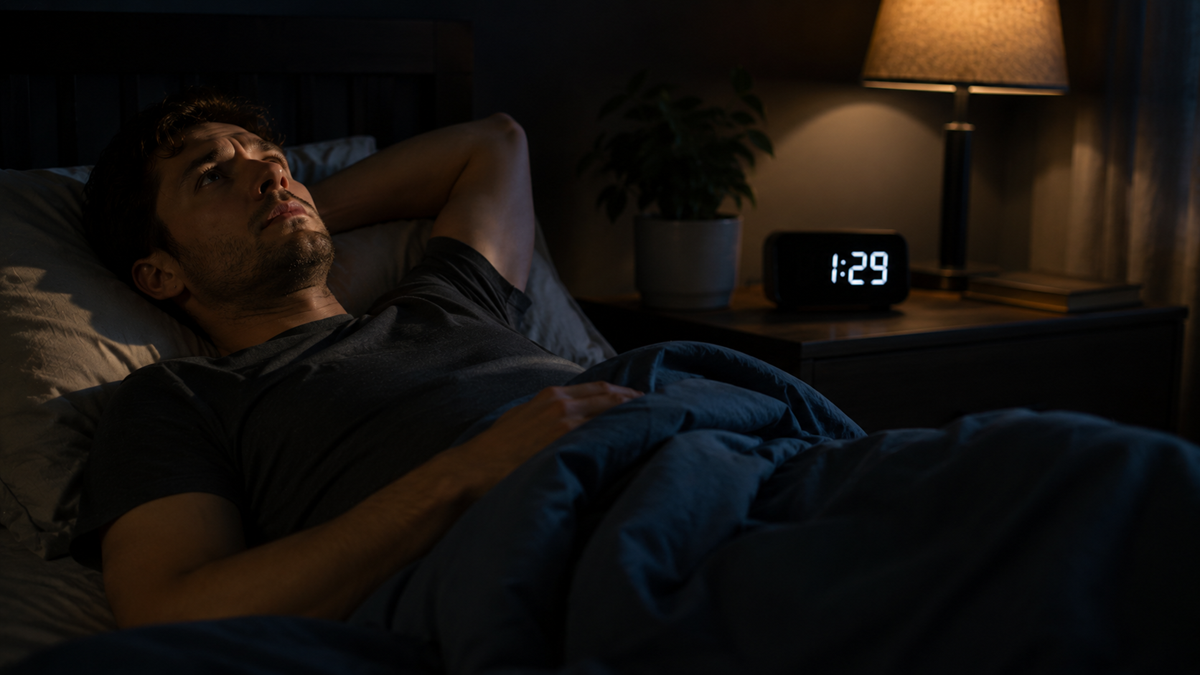
It is 12:47. Then 1:06. Then 1:29, followed by the calculation that there are now only five hours and 41 minutes before the alarm goes off. Repeatedly checking the time can turn a mildly restless night into a running anxiety calculation, and worry about getting enough sleep is itself associated with insomnia. Turning the clock away or putting the phone somewhere you cannot continually check it removes one small source of pressure.
15. Treat Persistent Insomnia With CBT-I, Not Just Sleep Hacks

If trouble falling asleep has become a regular part of life, the most evidence-backed answer is bigger than any single bedtime trick. Cognitive behavioral therapy for insomnia, usually called CBT-I, combines approaches such as stimulus control, changes to time spent in bed, relaxation strategies, and work on thoughts and behaviors that perpetuate insomnia. Major sleep-medicine guidelines recommend multicomponent CBT-I as a primary treatment for chronic insomnia, while basic sleep-hygiene advice alone is generally not considered enough. In other words, cooler sheets and earlier coffee can help, but persistent insomnia may require changing the pattern that has developed around sleep itself.
In the mood for more?
Check out 15 Weird Things That Happen While People Sleep, or take a look at 20 Fun Facts About Sleep. If you want to see more lifehacks, you can check out Science Meets Magic: 21 Effective Body Life Hacks.
Images generated by AI