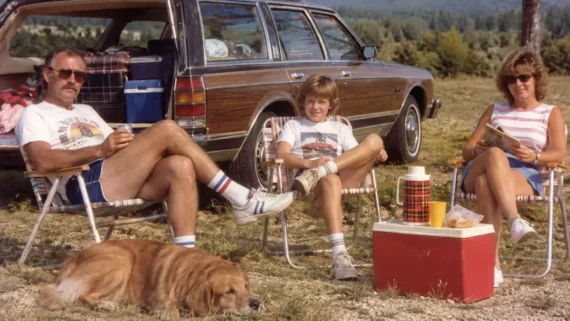
Long before satellite navigation, instant streaming, and smartphone screens transformed long-distance highway travel, embarking on an extended summer vacation required meticulous physical preparation. During the 1980s, families packed their station wagons and sedans to the brim with physical tools, analog entertainment, and essential supplies to survive long hours on interstate highways. Packing the family car was a delicate art form of trunk organization where every cassette tape, cooler, and paper map had its exact place.
Without instant internet access or GPS tracking, surviving hours on the open road relied entirely on analog preparation and patience. Parents relied on physical road atlases and roadside motel directories, while children packed portable radio players and physical puzzle books to stay entertained in the backseat. Looking back at these essential travel items reveals how families navigated the logistics of travel before digital convenience took over. Here are sixteen things families always packed for a road trip in the 1980s.
1. Rand McNally Road Atlas
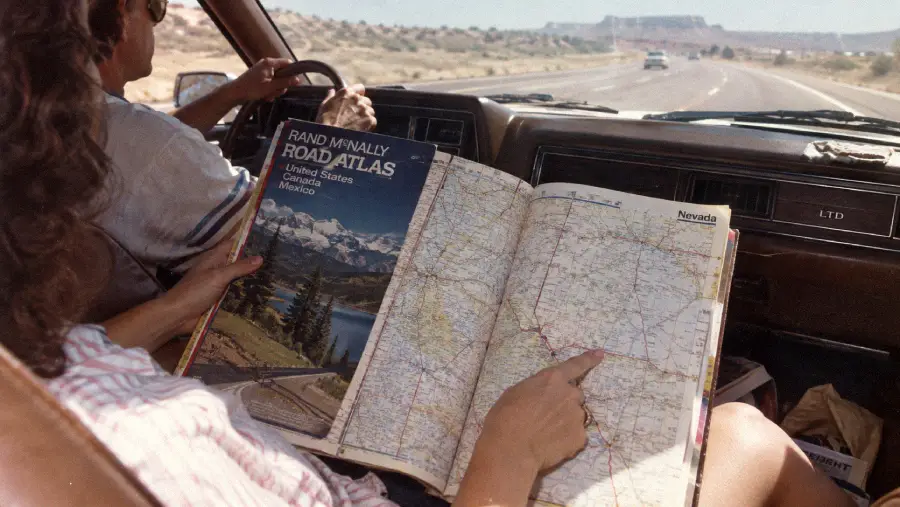
Before GPS navigation, navigating multi-state highway routes required massive paper road maps with oversized state fold-outs. Passengers sitting in the front passenger seat served as dedicated navigators, manually tracking highway exit numbers and highlighting routes with colored pens.
2. Portable cassette players and walkmans
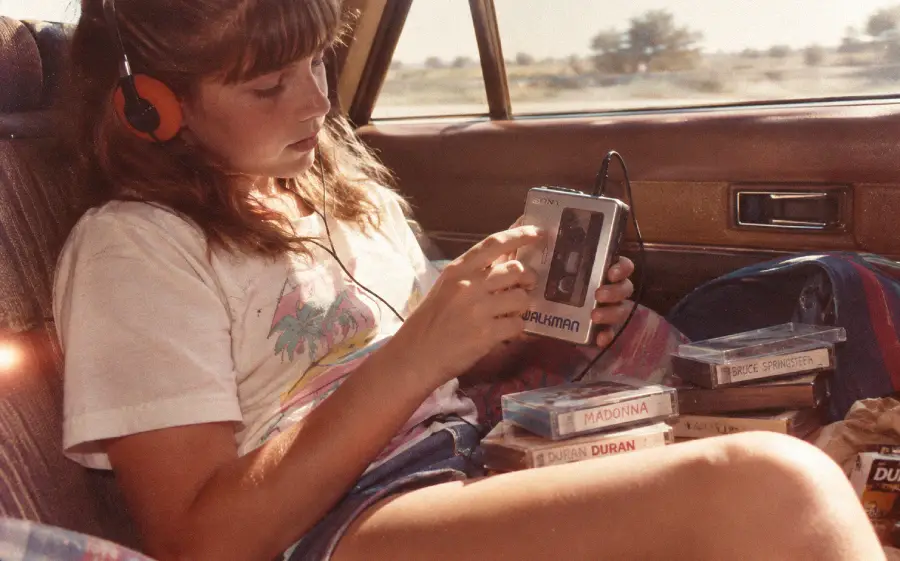
To avoid arguing over radio stations across rural state lines, kids packed personal tape players alongside extra pairs of foam headphones. Carrying extra AA batteries was essential, as a single Walkman could drain power completely during a full afternoon of highway driving.
3. Igloo hard-sided ice coolers
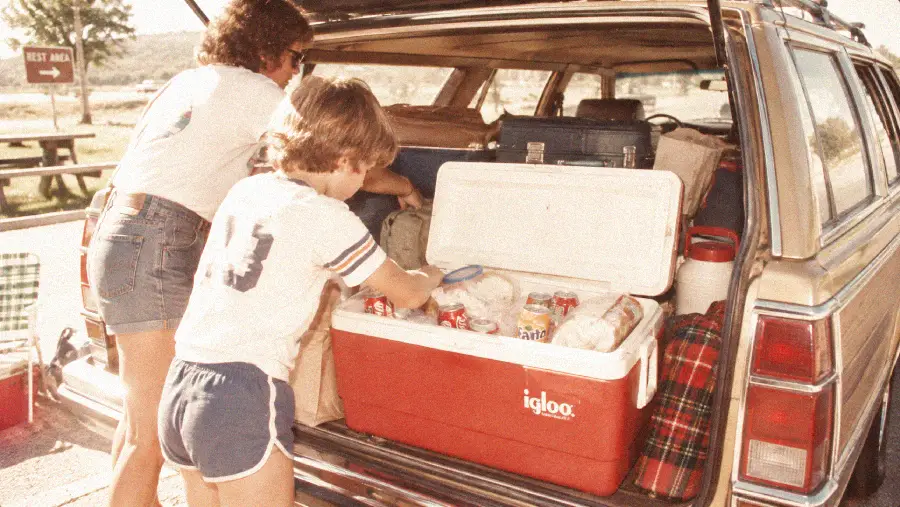
Packed tightly into station wagon trunks, heavy insulated plastic coolers were filled with ice cubes, sandwich supplies, and canned soda pops. These sturdy coolers saved budget-conscious parents money by avoiding expensive roadside diner stops along major interstate routes.
4. Instamatic pocket cameras and extra film
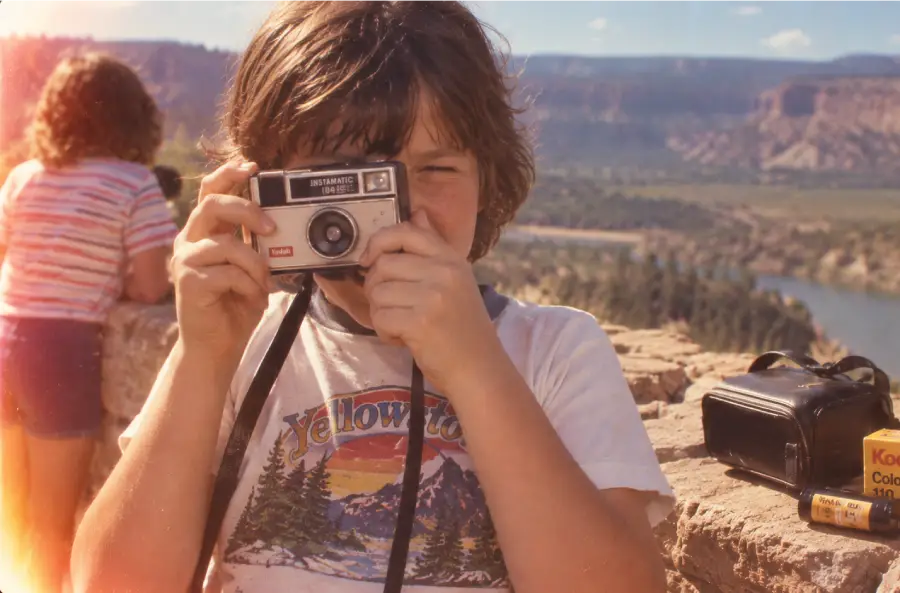
Capturing roadside landmarks and scenic overlooks required loading rolls of 110 or 35mm film into compact point-and-shoot cameras. Travelers had to carefully conserve their limited exposure counts, knowing they would not see any photos until submitting film rolls for processing after returning home.
5. Travel board games with magnetic pieces
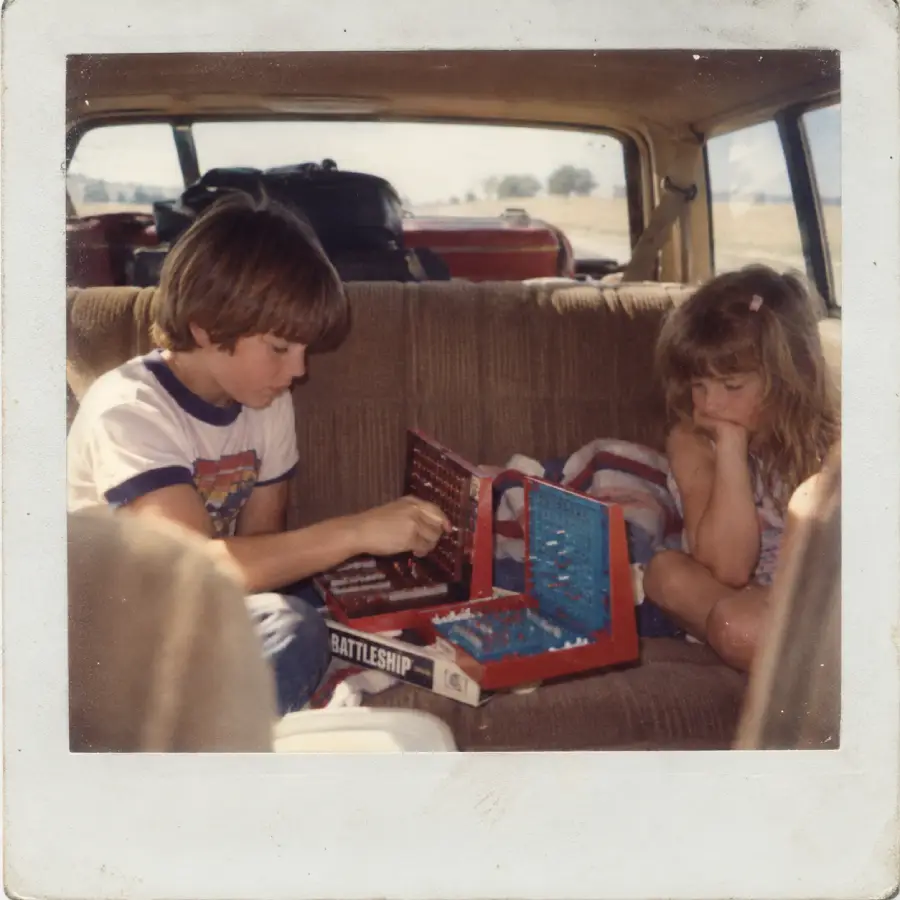
Keeping backseat passengers quiet involved packing mini versions of popular tabletop games like Battleship, Connect Four, and Checkers. These travel sets used tiny magnetic pieces or plastic locking pegs to keep game boards intact when the car hit unexpected highway bumps.
Trending on The Scroller

6. AAA triptiks
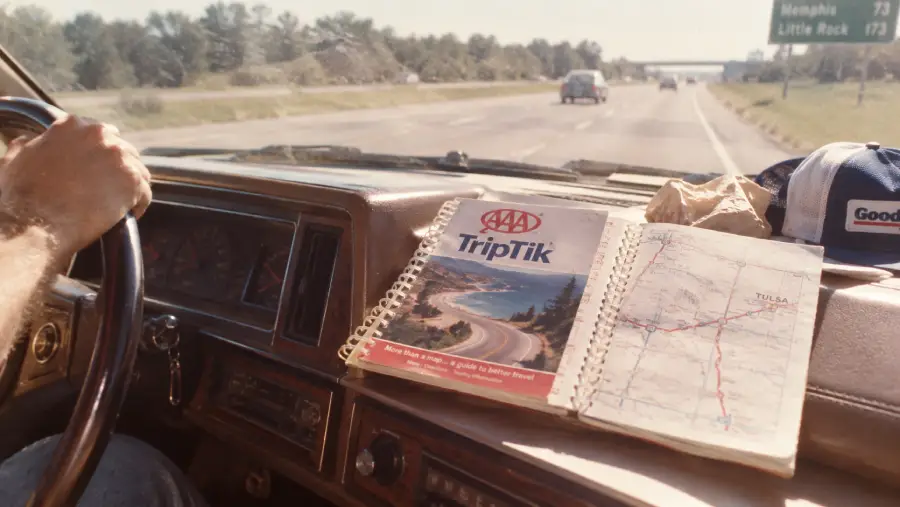
Members of the American Automobile Association picked up custom spiral-bound paper routing booklets before heading out on major vacation trips. These personalized maps featured page-by-page highlighted driving directions alongside up-to-date warnings about ongoing highway construction zones.
7. Cassette tape carrying cases
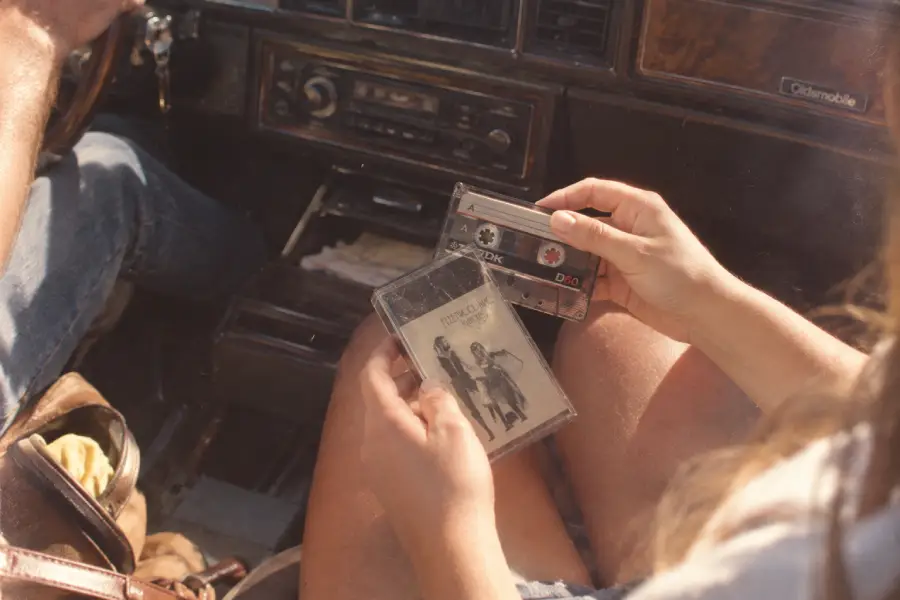
Organizing the ultimate car playlist meant bringing along vinyl zipper cases packed with dozens of music cassette tapes. From blockbuster movie soundtracks to classic rock albums, these sturdy cases protected fragile magnetic tape ribbons from melting under hot dashboard windshield glare.
8. Thermos vacuum flasks
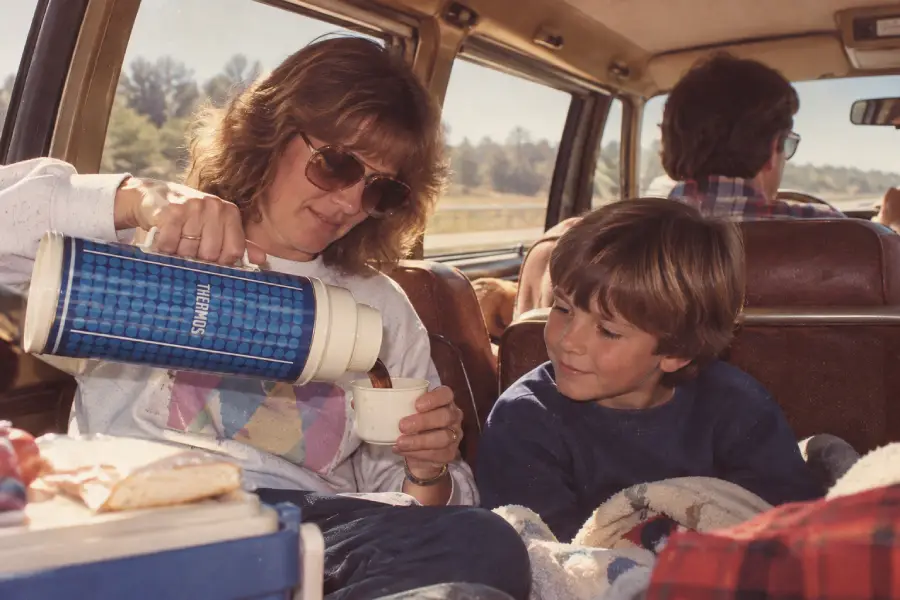
Mornings started early on the road, with parents filling heavy steel vacuum bottles with piping hot black coffee before sunrise departures. These durable flasks featured screw-on plastic cap lids that doubled as small drinking cups at highway rest stops.
Sign up for our newsletter
9. Auto-reverse car cassette adapters
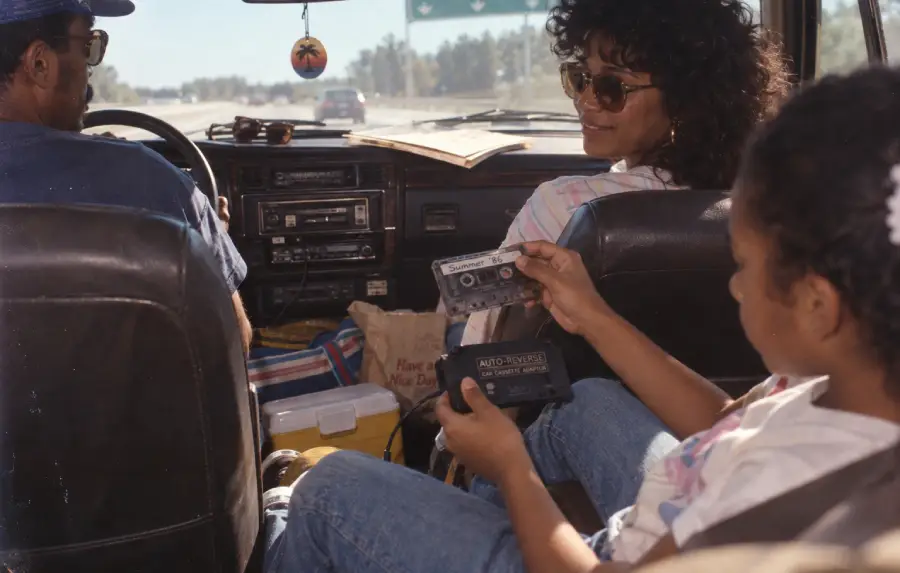
Drivers looking to play custom cassette tapes through original vehicle dashboards used special corded adapter cartridges. The small wire plugged directly into portable Walkmans, converting headphone audio signals into music played through the car’s built-in speaker system.
10. Travel guides and motel directories
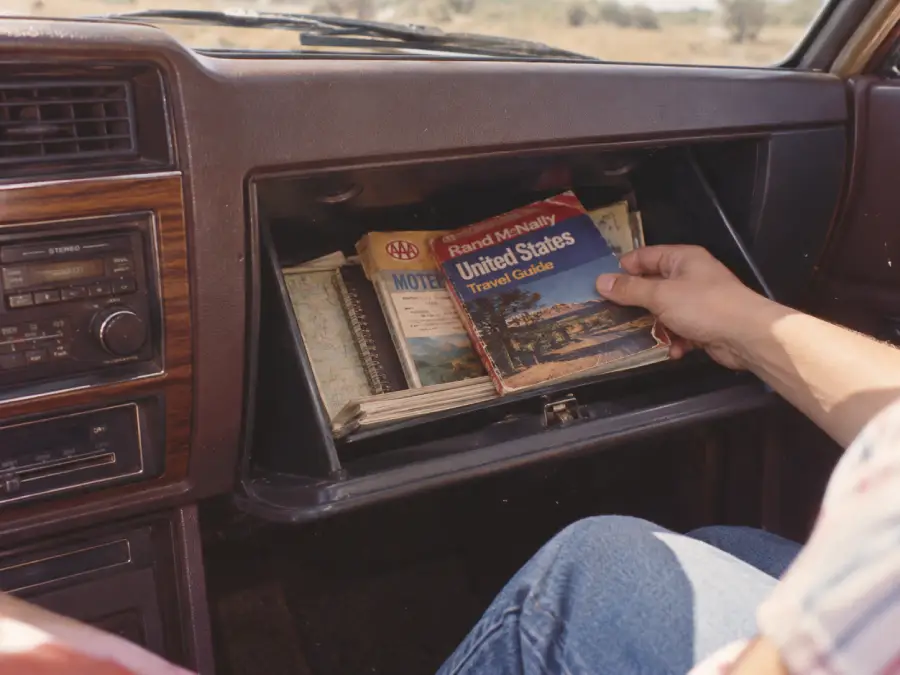
Finding lodging without advance online reservations meant flipping through printed hotel guides stocked in glove compartments. Navigators checked roadside phone booth listings or scanned printed coupon books to secure affordable overnight rooms along major highway exits.
11. Travel pillows and acrylic blankets
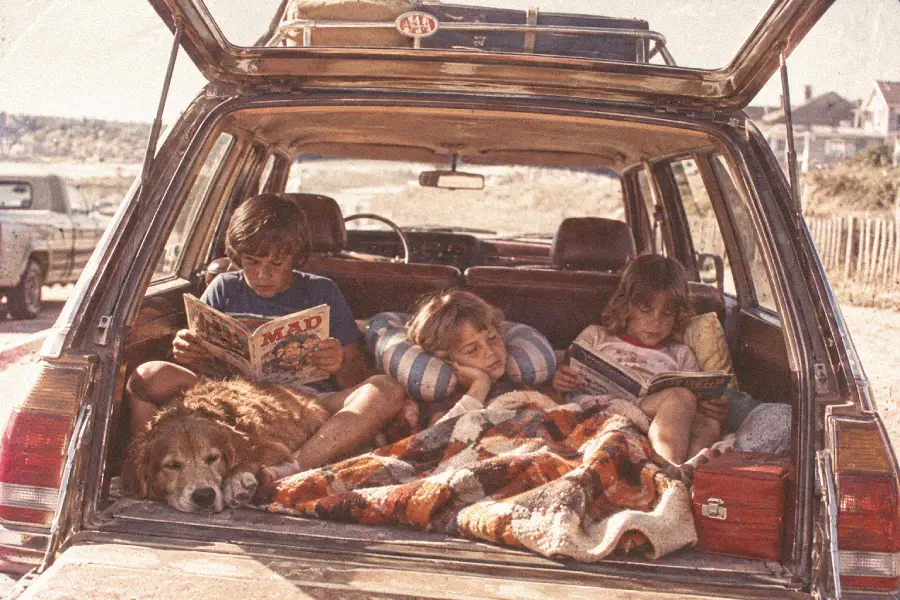
Making station wagon cargo areas comfortable for long naps required packing plenty of plush bedroom pillows and scratchy synthetic blankets. Kids frequently transformed rear folded-down seat areas into makeshift sleeping spaces during overnight driving shifts.
12. Coin rolls for highway tolls
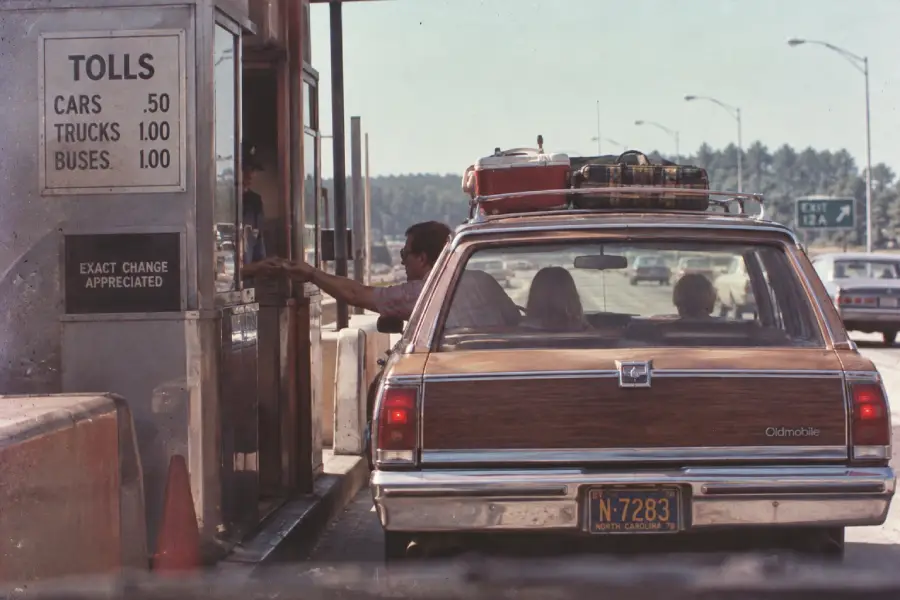
Drivers kept pre-wrapped paper rolls of quarters, dimes, and nickels stored inside center consoles or dashboard coin slots. Reaching highway toll plazas required fishing out exact change to toss into automatic collection baskets without bringing traffic to a complete standstill.
13. Comic books and word search magazines
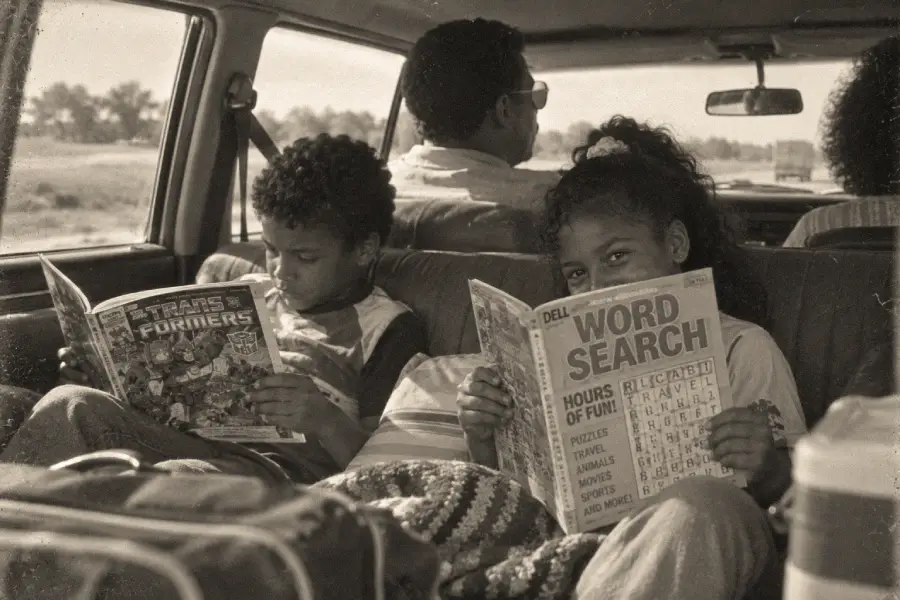
In the era before portable video games, paperback word search booklets, Mad Libs, and newsstand comic books were crucial backseat entertainment. Passing time between highway rest stops meant filling in word puzzles with wooden pencils until car motion sickness set in.
14. Portable CB radios
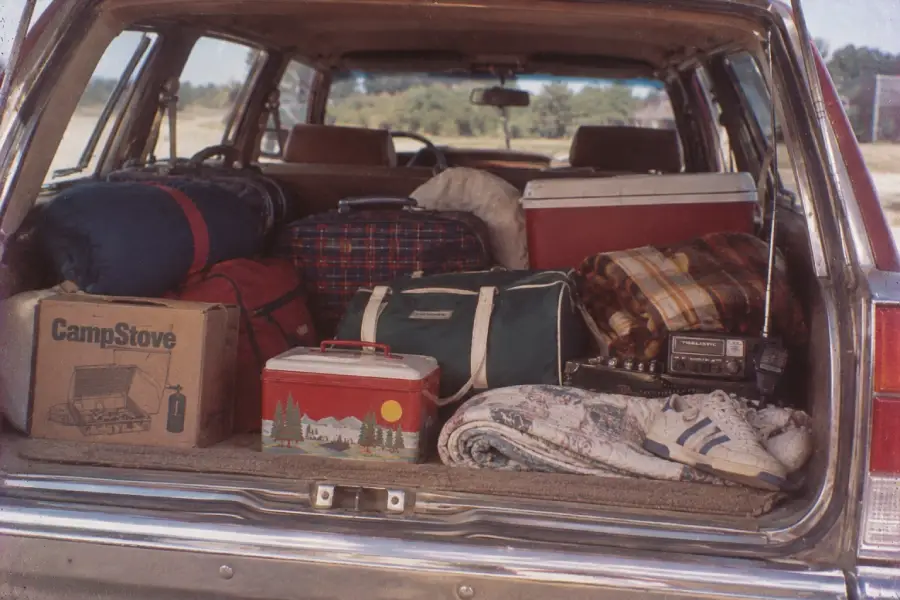
Long-distance drivers often installed temporary Citizens Band radio units onto dashboards to communicate directly with trucker convoys. Monitoring channel nineteen allowed motorists to receive real-time updates about speed traps, accidents, and sudden weather slowdowns ahead.
15. Foldable lawn chairs
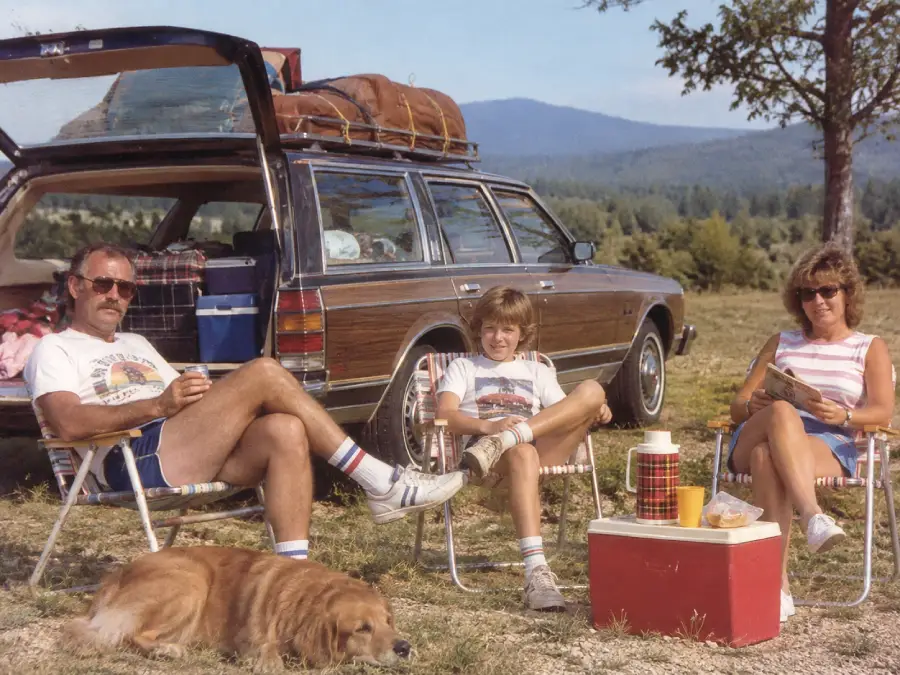
Watching sunset views at scenic overlooks or relaxing outside roadside motels required carrying webbing aluminum lawn chairs in the trunk. These lightweight folding chairs were lashed down on top of roof luggage racks when interior trunk space ran out.
16. Handheld electronic games
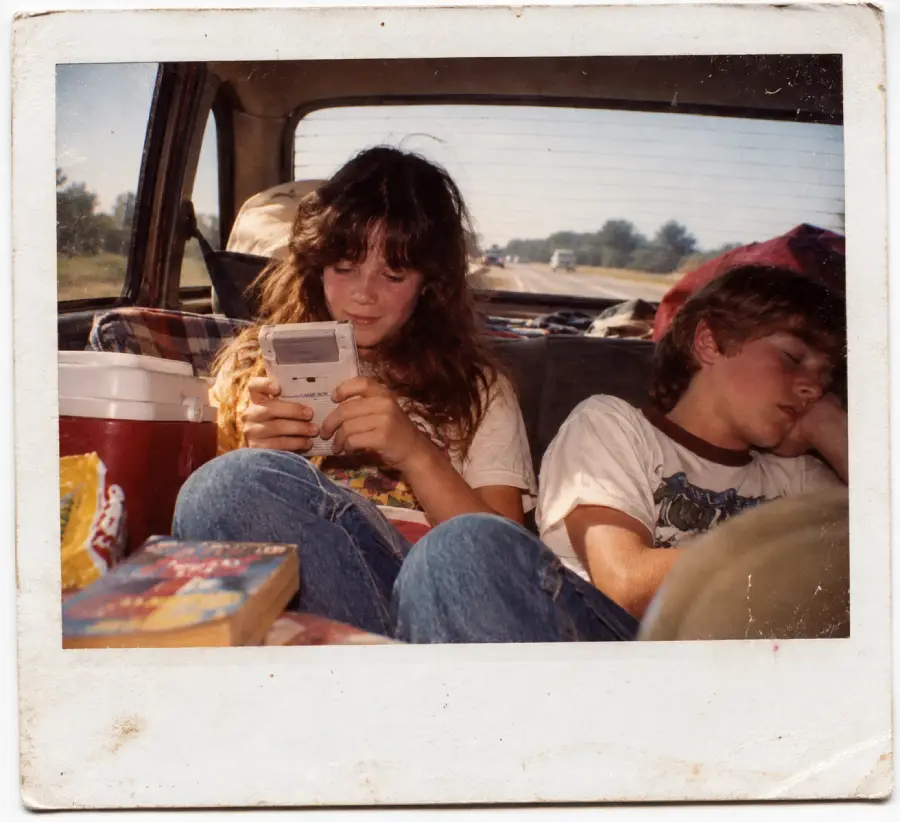
Pioneering handheld games like Auto Race or handheld Football provided hours of repetitive LED screen entertainment. Their distinct high-pitched beep sound effects echoed through car backseats until parents eventually demanded the batteries be removed.
Check out more interesting things families did in the past:
Reliving the logistics, road supplies, and analog travel habits of the 1980s highlights just how much family vacation culture has shifted in the digital age. The creative combination of paper atlases, cassette cases, and physical travel games made reaching the destination an unforgettable part of the adventure. If you enjoy exploring retro lifestyle archives, nostalgic pop culture history, and fun deep dives into past decades, be sure to check out these 18 Candid Family Photos That Feel Familiar, or these 1970s Family Road Trips: 17 Little Things That Defined Them. You may also like these 16 Things 1970s Parents Let Kids Do That Would Shock People.