Parenting did not suddenly become cautious overnight. In the 1970s, many families were working with different safety laws, different medical knowledge, and a much looser idea of what counted as normal childhood independence. Kids spent hours outside, rode in cars with fewer restraints, and often handled situations that would trigger three group chats and a location-sharing request today.
That does not mean every parent allowed every risky behavior. Childhood varied widely by neighborhood, family, and circumstance. Still, some things 1970s parents let kids do were common enough to become part of an entire generation’s memory. Looking back, a few of those freedoms seem almost enviable. Others make one question whether the decade’s unofficial parenting philosophy was simply, “They’ll probably be fine.”
1. Ride Without Wearing a Seat Belt
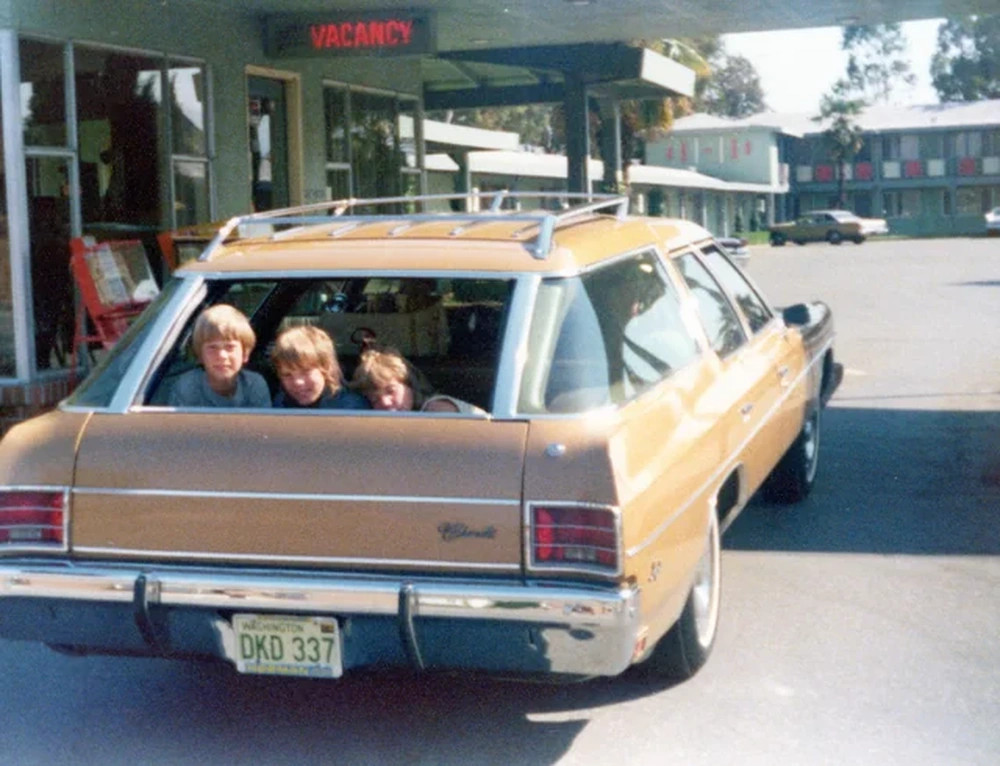
The car was already moving when someone remembered the seat belts existed. In many families, children rode unrestrained because belt use was far lower before later laws, enforcement, and public-safety campaigns changed everyday behavior. The back seat could become a place to kneel, turn around, or slide from one side to the other. Would a modern family make it past the driveway like that?
2. Stretch Out in the Station Wagon Cargo Area
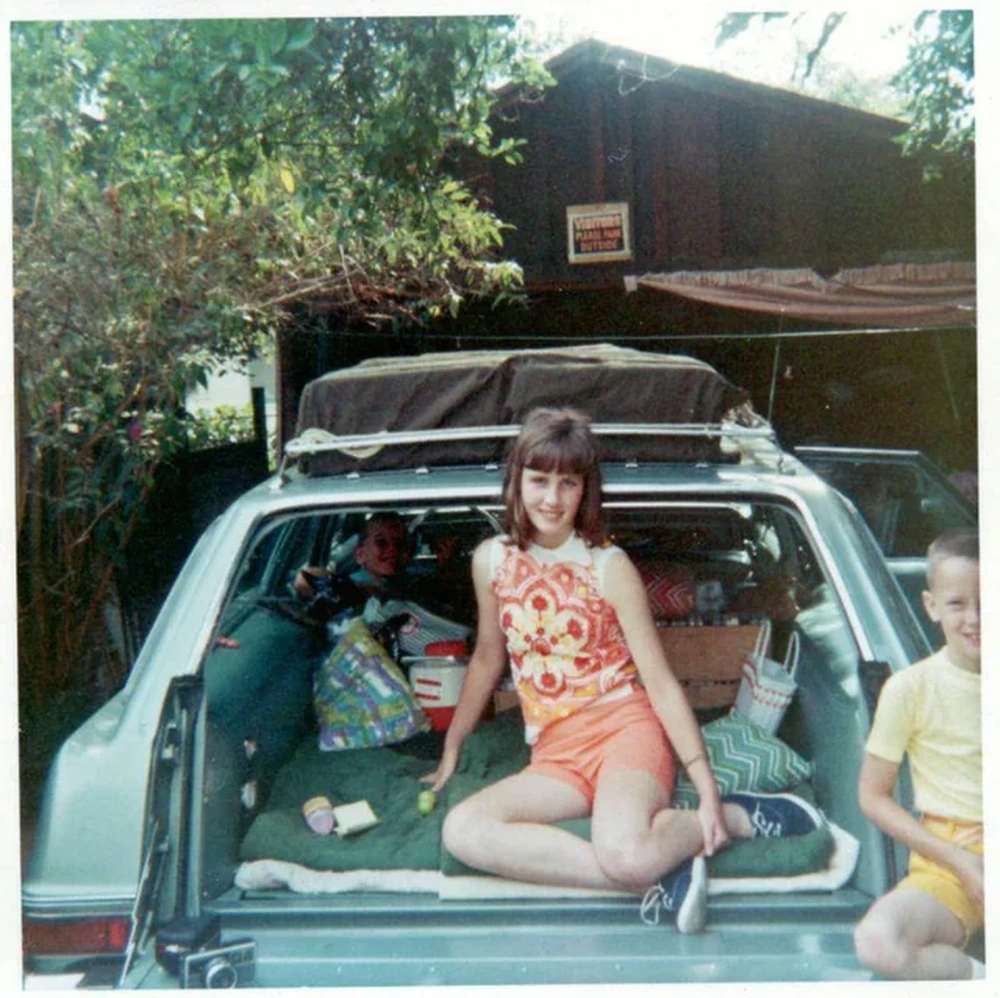
Blankets, luggage, snacks, and one or two children somehow all fit in the back. The cargo area of a station wagon often became a makeshift road-trip lounge in some families, with kids lying down or watching the highway disappear through the rear window. There were no assigned entertainment systems or carefully separated seats. The destination mattered. The seating plan was more of a suggestion.
3. Sit in the Front Seat at a Very Young Age
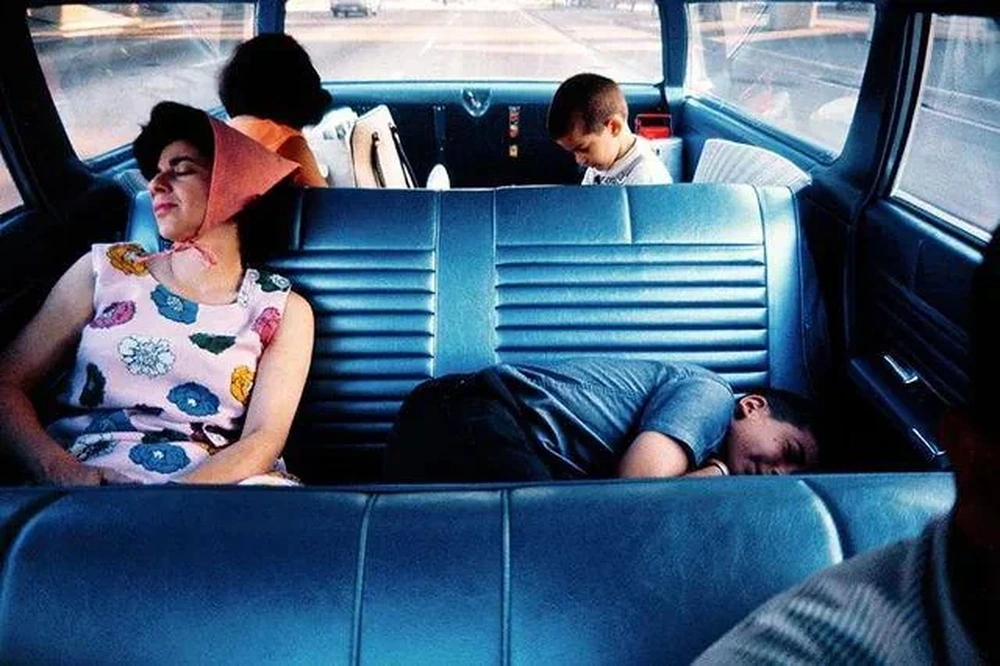
A better view and control of the radio made the front seat feel like a promotion. Younger children sometimes rode beside the dashboard because modern rear-seat guidance and child-restraint standards developed gradually. At the time, it could feel completely ordinary. Seen through today’s safety standards, that same arrangement looks less like a privilege and more like a very questionable upgrade.
4. Roam the Neighborhood Until the Streetlights Came On
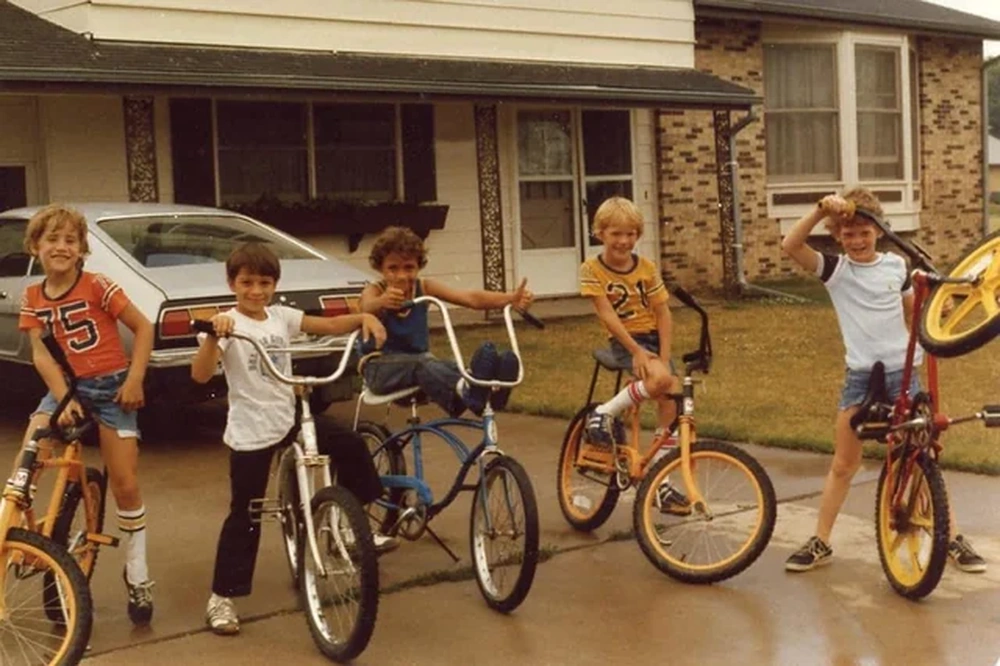
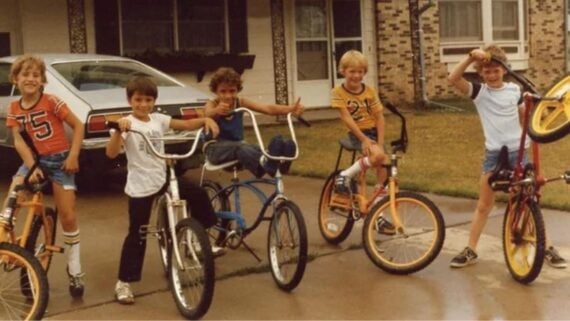
No phone. No live location. No hourly photographic proof of survival. Many children spent long stretches biking, visiting friends, exploring nearby streets, and returning home at a predetermined time. Parents often relied on neighborhood familiarity and the expectation that other adults were somewhere nearby. Funny how one streetlight once did the work of an entire tracking app.
5. Stay Home Alone Until Your Parents Got Back
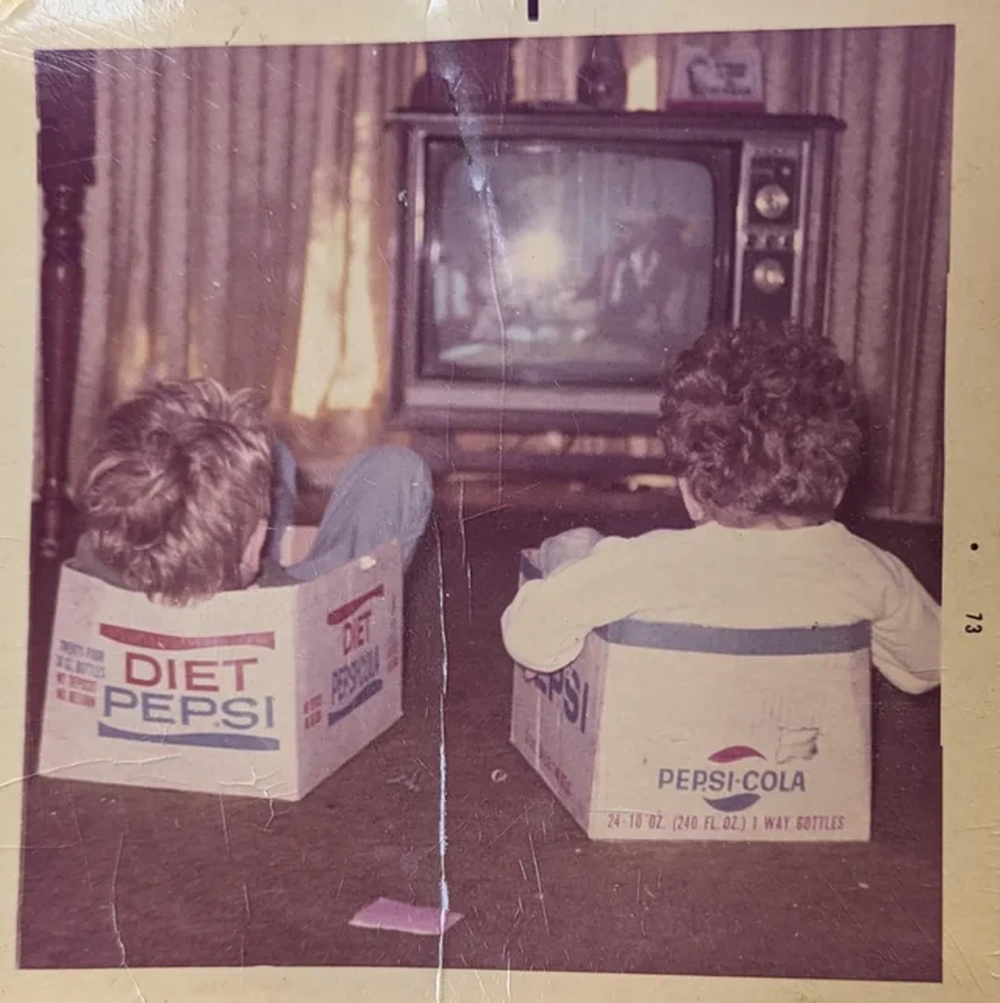
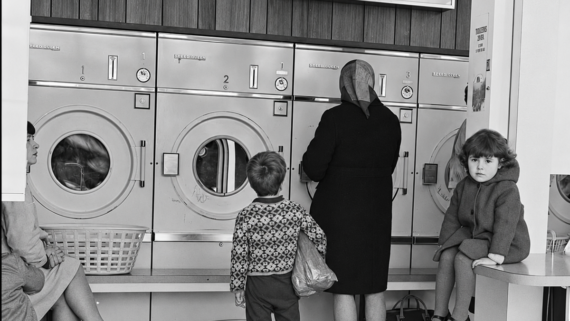
The key came first. The confidence followed because it had to. Some children returned from school to an empty house, prepared snacks, completed homework, and waited for a parent to come home from work. The arrangement varied widely, but it became common enough in public discussion to receive its own label. Independence was not presented as a personality trait. It was simply part of the afternoon.
Trending on The Scroller
6. Ride a Bicycle Without a Helmet
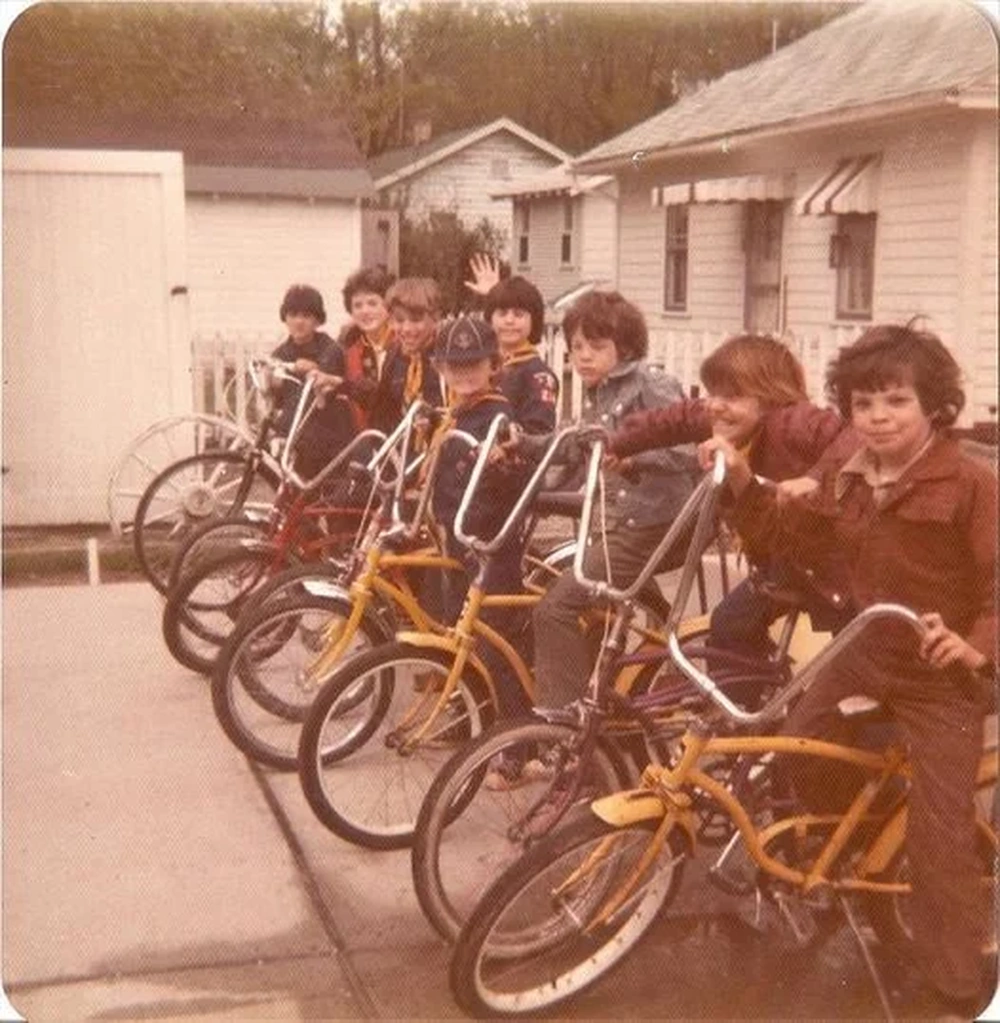
The bicycle had brakes, two wheels, and perhaps a bell. Apparently, that was considered enough safety equipment. Modern bicycle helmets only began reaching the U.S. market during the 1970s, and wearing one was not yet a broad childhood norm. Many kids simply climbed on and rode wherever the afternoon took them. Looking back, all that wind in their hair came with considerably more risk than anyone liked to discuss.
7. Walk or Bike to School Alone
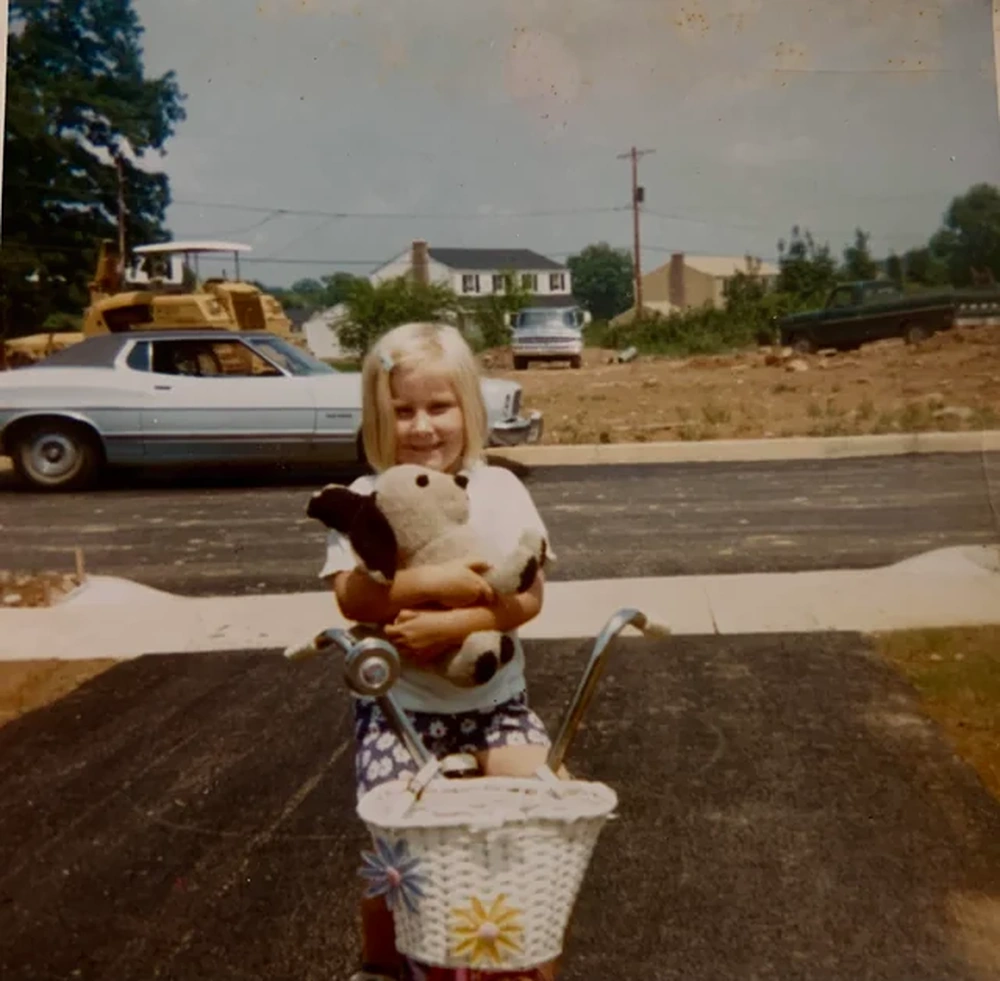
The school day often began long before the classroom. Some children walked or biked without an adult, following familiar streets and meeting friends along the way. Distance, traffic, and neighborhood design varied, so this was never everyone’s experience. Still, the idea of sending a young child out the door alone now feels almost rebellious. Would today’s parents make it through the first block without checking a tracking app?
8. Play on Tall Metal Playground Equipment
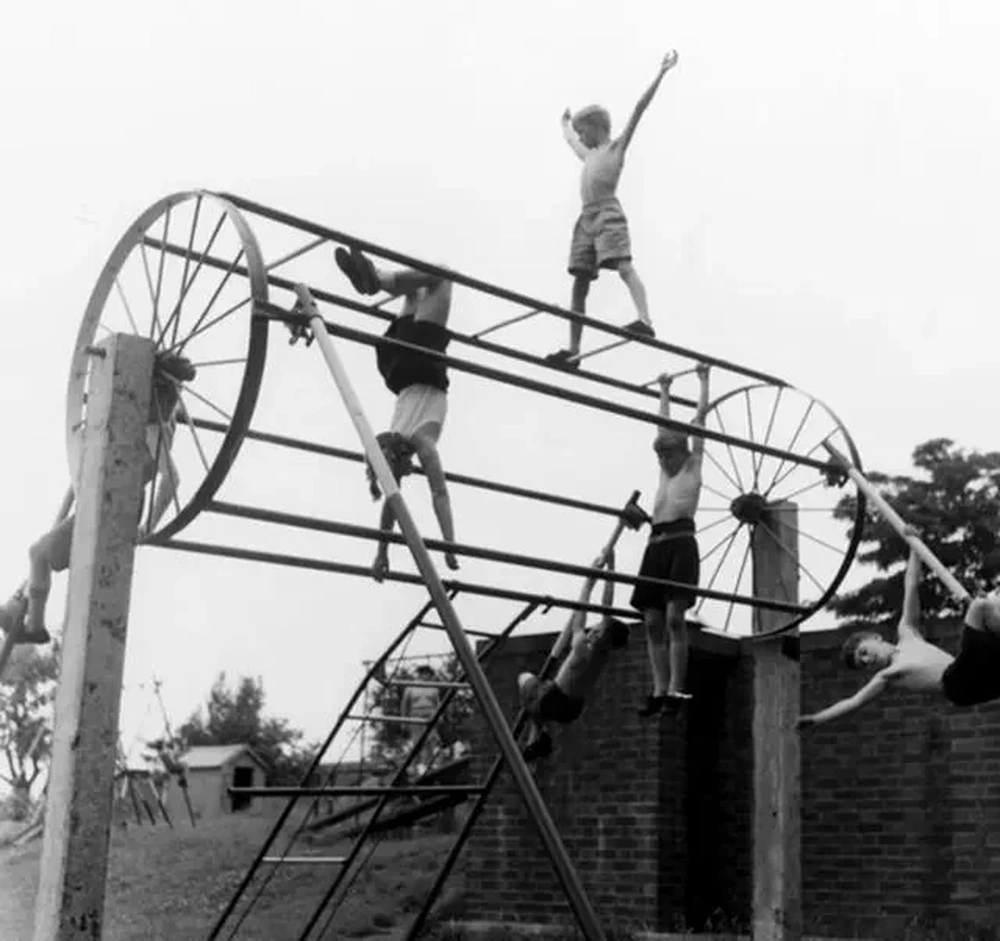
Playgrounds once looked less like carefully designed activity zones and more like colorful industrial machinery. Tall slides, metal climbing frames, and hard surfaces were common enough to become part of many childhood memories. Later safety guidance changed playground design, surfacing, and fall protection. At the time, though, a sun-heated metal slide was both entertainment and an unexpected lesson in thermodynamics.
Sign up for our newsletter
9. Use Lawn Darts at Family Gatherings
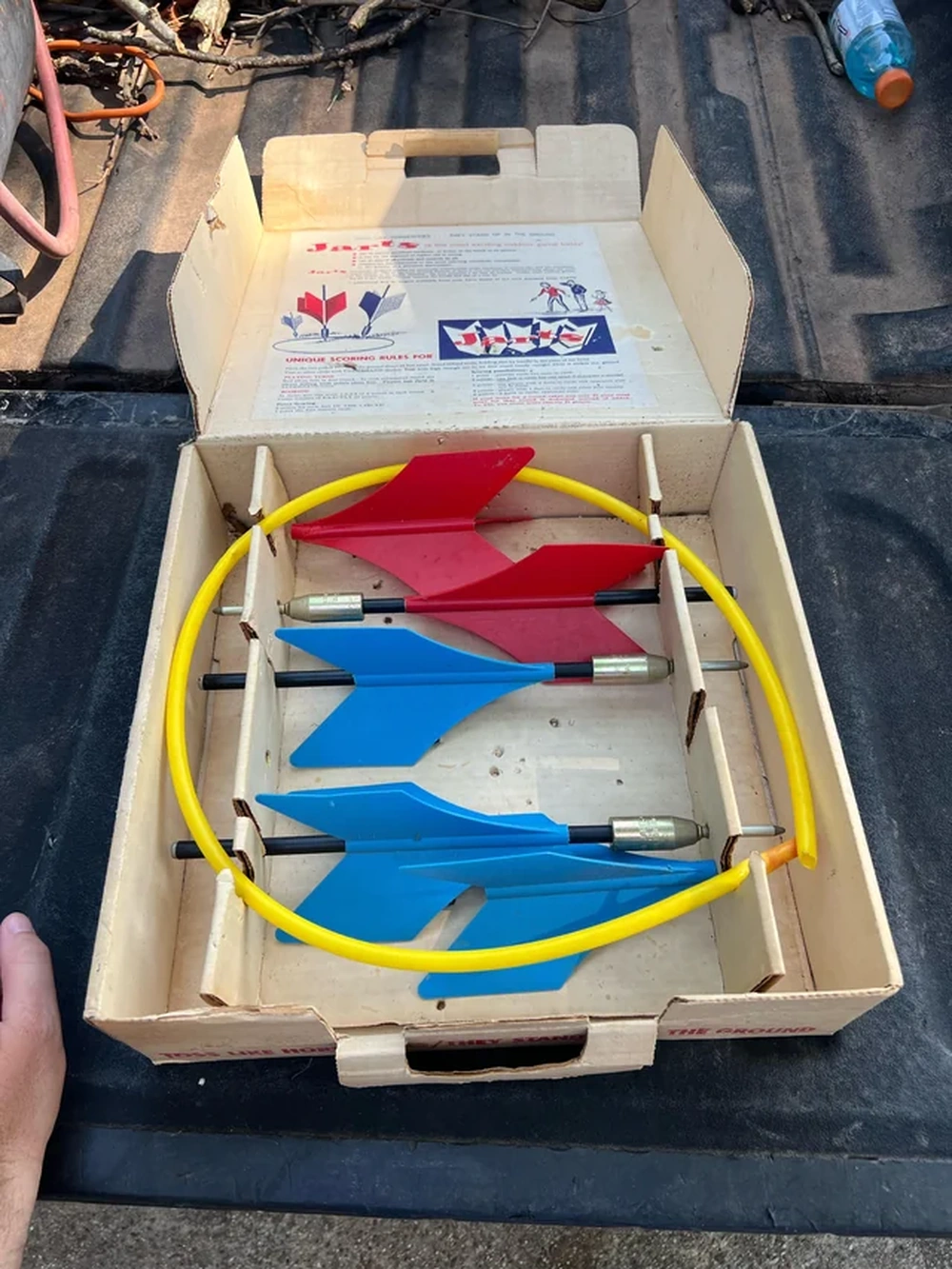
Who decided that throwing large pointed objects across the yard belonged next to potato salad? Sharp-tipped lawn darts were sold as outdoor family games before growing injury concerns led to restrictions and, eventually, a U.S. ban in 1988. The objective was simple: toss the dart toward a plastic target on the ground. The unspoken objective was apparently to make sure nobody wandered into the landing zone.
10. Handle BB Guns With Minimal Adult Oversight
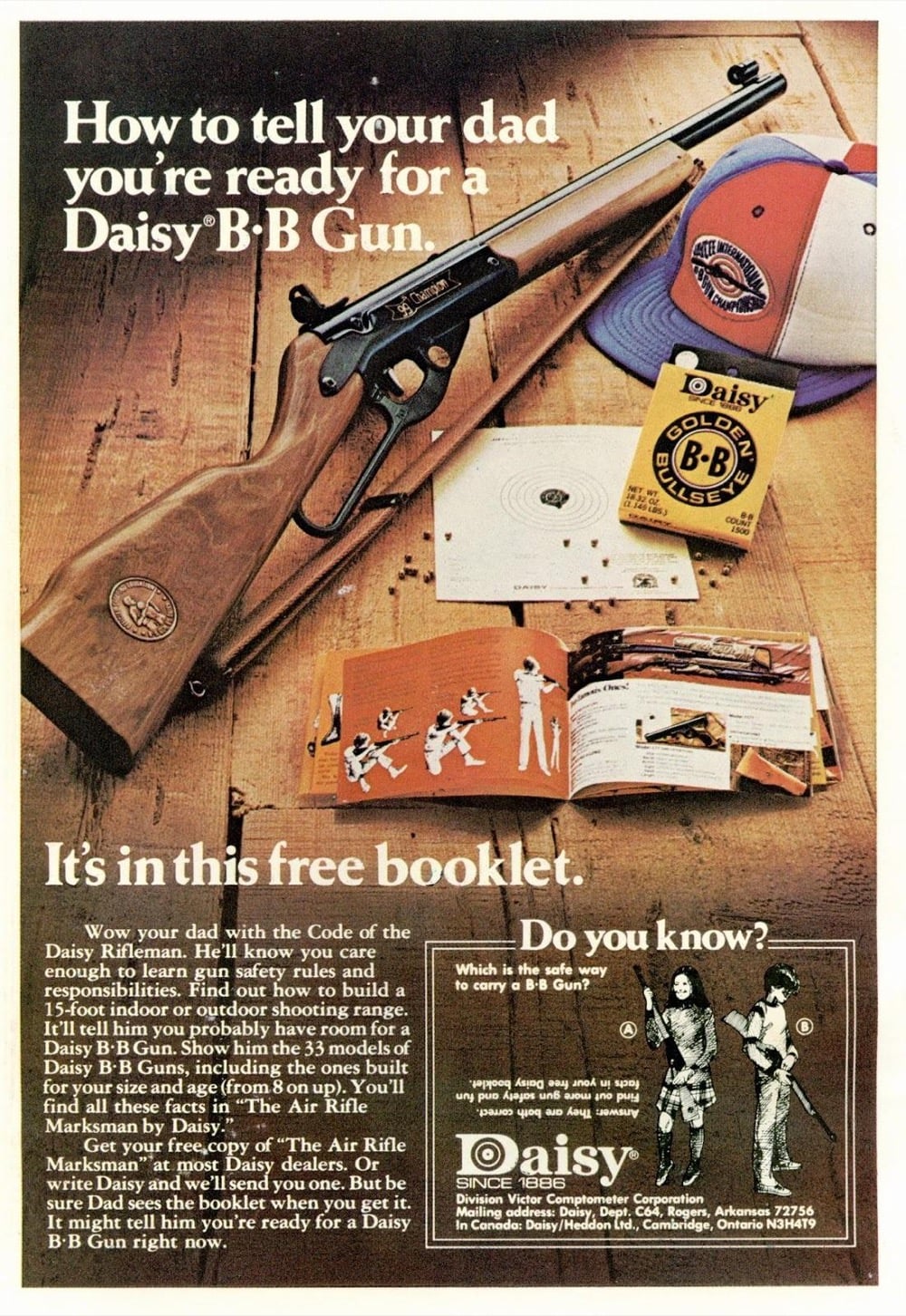
For some children, target practice began well before adulthood. BB guns were marketed to young users and often treated as a step toward learning responsibility, although supervision varied widely between families. That distinction matters. Not every child was wandering around alone with one, but the level of independence could still be far greater than many parents would allow today. Nothing says childhood confidence quite like being handed equipment followed by the words, “Be careful.”
11. Set Off Consumer Fireworks

A sparkler in one hand, a firecracker nearby, and exactly how much adult supervision? In some families, children were allowed much closer to consumer fireworks than many parents would consider acceptable today. Laws varied by state, and the risks were never imaginary. Still, summer celebrations often came with the assumption that a quick warning and a bucket of water counted as a complete safety plan.
12. Swim Without a Lifeguard Nearby
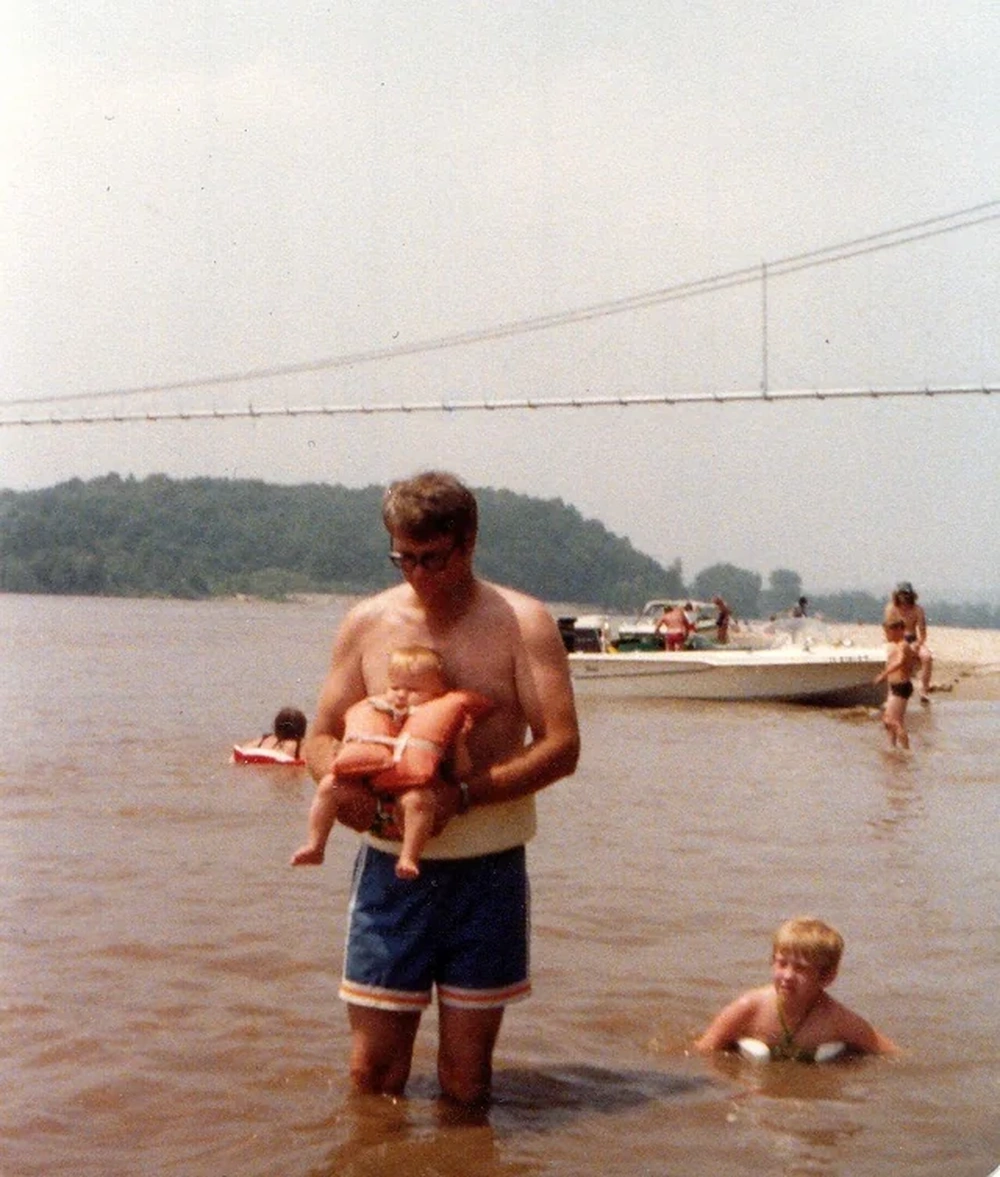
The water looked calm. That was often treated as enough reassurance. Many children swam in lakes, rivers, backyard pools, or quiet beaches without a lifeguard watching every move. Supervision varied, of course, but the contrast with today is hard to miss. Would most parents now let a child disappear into the water with nothing more than, “Stay where I can see you”?
13. Climb Trees, Roofs, and Construction Sites
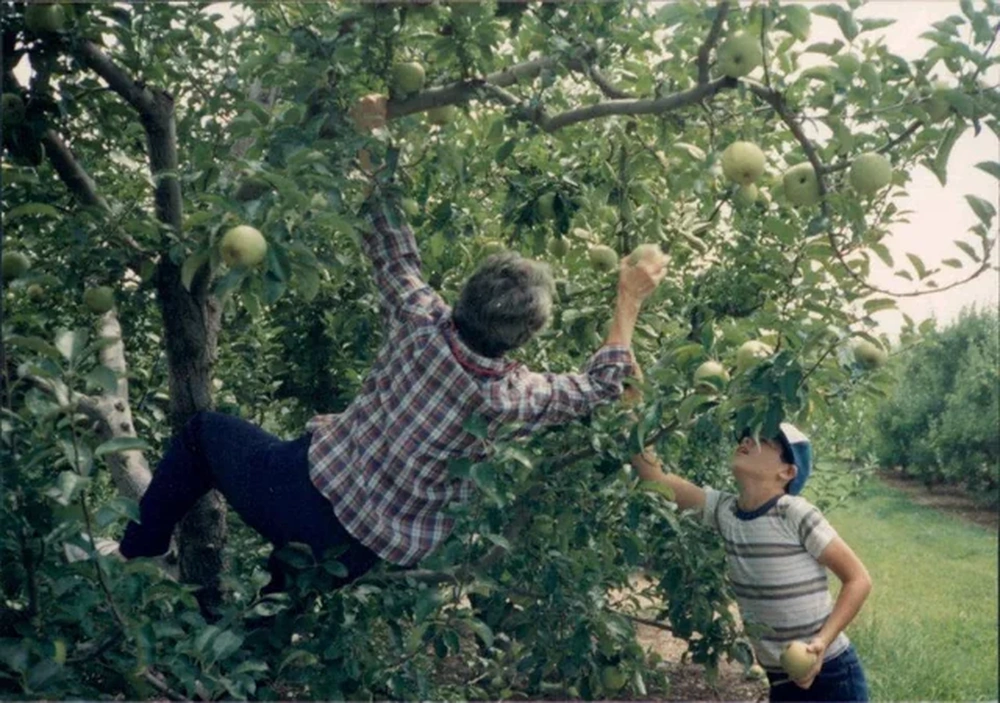
Some childhood adventures began with a sentence nobody wanted to repeat to an adult. Children climbed trees, scrambled onto garages, and explored half-finished buildings because those places looked less like hazards and more like invitations. The appeal was obvious: height, mystery, and absolutely no admission fee. The safety plan usually arrived later, often in the form of someone yelling from below.
14. Buy Cigarettes for an Adult

Imagine sending a child to the store with cash and a note asking for cigarettes. In some communities, retailers were far less strict about age checks, and children occasionally ran these errands for parents or relatives. It sounds unbelievable now because smoking policy, retail enforcement, and public attitudes changed so dramatically. At the time, the strangest part may have been forgetting the change.
15. Hitchhike or Accept Rides From Acquaintances
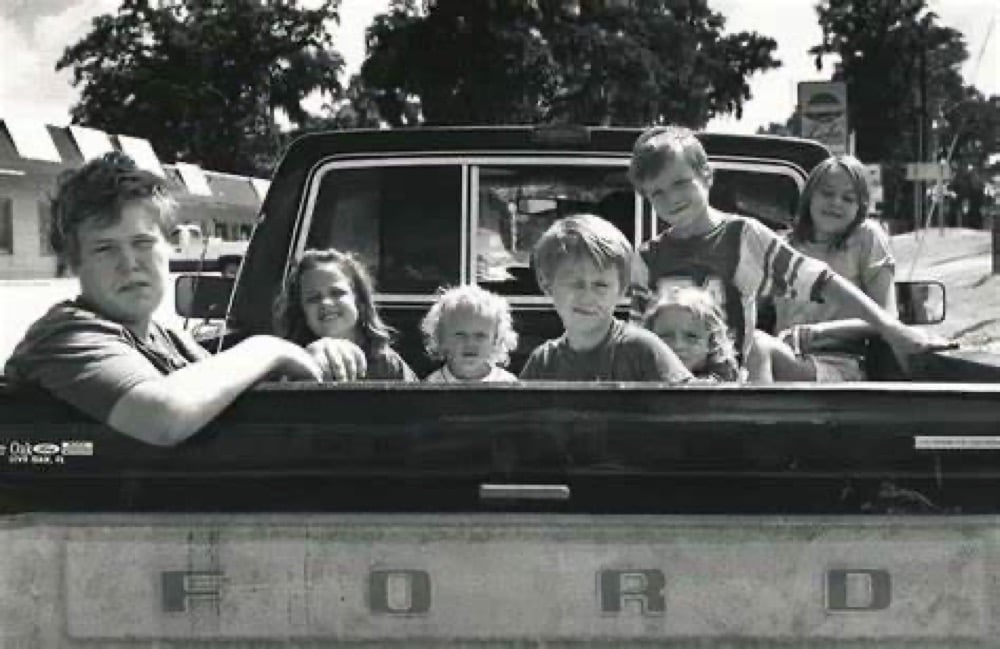
Getting somewhere sometimes depended on who happened to be driving past. Hitchhiking was more visible than it is now, and some young people accepted rides from neighbors, family friends, or other familiar adults. The risks were real then, too, but attitudes toward strangers and informal transportation were different. What once looked like a convenient ride now reads like the opening scene of a cautionary documentary.
16. Leave Home Without Any Way to Call
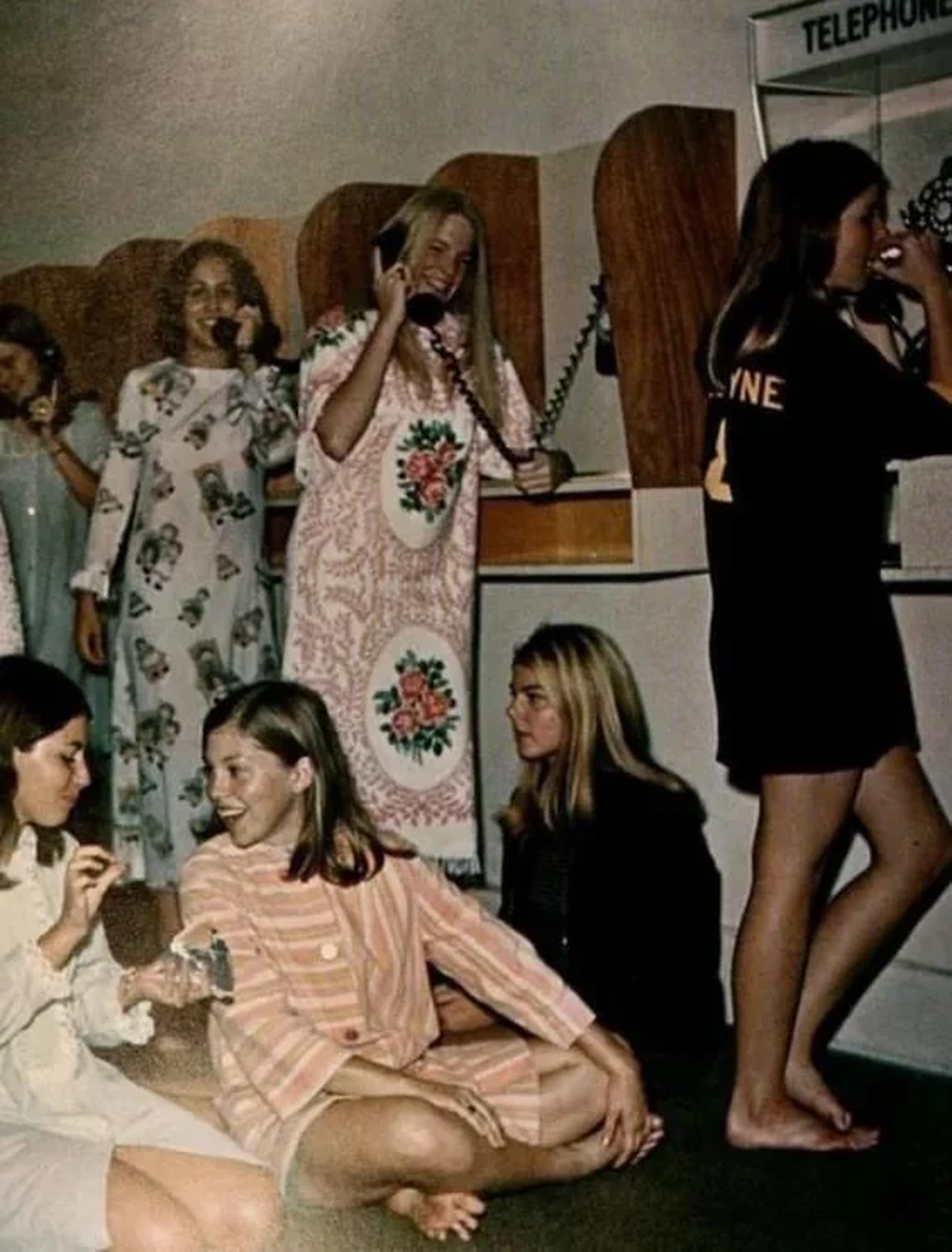
The door closed, and communication stopped. Without mobile phones, children left home carrying little more than a return time, a few coins for a payphone, and instructions they were expected to remember. If plans changed, everyone simply had to wait and hope the message reached the right person. Funny how being unreachable was once ordinary instead of an emergency.
Childhood in the 1970s was not one single experience, and not every family followed the same rules. Still, many children were given a level of independence that feels almost startling now. They rode without modern restraints, disappeared into the neighborhood for hours, handled risky toys, and solved problems without being able to call home instantly.
Some of that freedom helped build confidence. Some of it reflected dangers people did not yet understand as clearly. Much of it existed because the laws, research, products, and expectations surrounding childhood were still changing. Looking back, the biggest difference may not be that parents cared less. It is that the definition of keeping a child safe has changed completely.
Keep Exploring The Scroller
Curious about the childhood rules that quietly disappeared? Keep Exploring The Scroller for more 1970s memories, forgotten habits, surprising safety history, and everyday moments that would look almost unbelievable now:
17 Wild Things ’80s Parents Let Kids Do That Would Never Happen Today