Freebies stores used to give away were once such a normal part of shopping that most people barely thought of them as freebies at all. You might stop for gas and leave with a road map, walk through a department store and come home with a perfume sample, or watch your parents carefully save tiny stamps because enough of them could eventually become something for the house. Shopping had little rituals attached to it, and those extras made an ordinary errand feel more rewarding. Some were truly free, others came with a purchase, and a few required weeks of collecting, but they all belonged to an era when stores seemed determined to send customers home with something more than a receipt.
1. Free Road Maps at the Gas Station
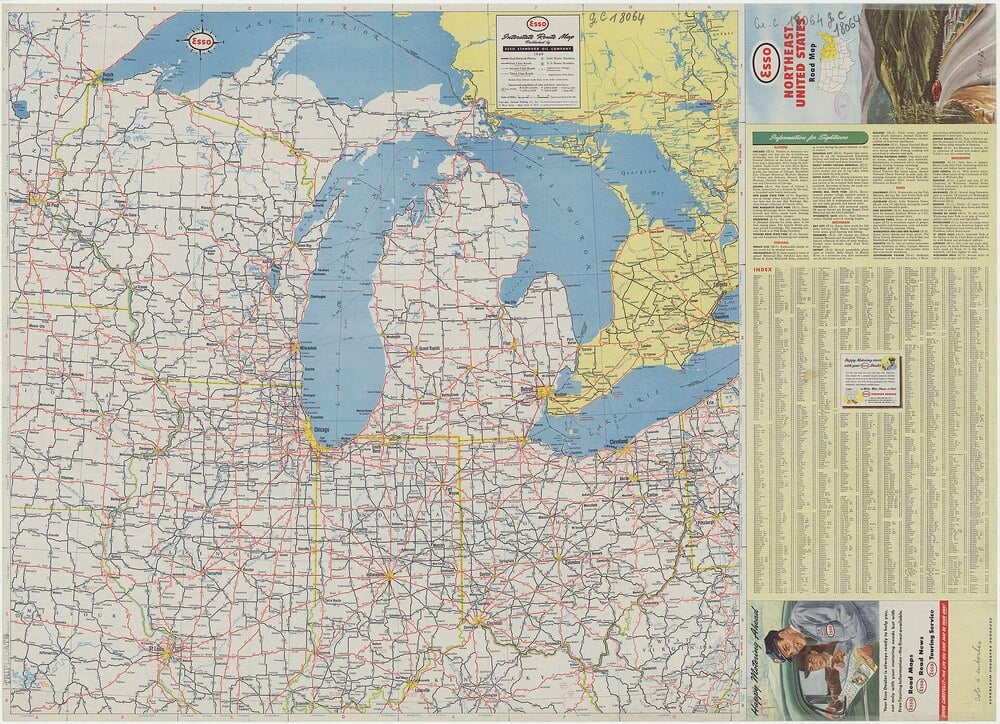
Before a phone could calmly reroute a wrong turn, there was the glove compartment, usually stuffed with folded maps that never seemed to return to their original shape. Gas stations once handed out branded road maps to motorists, turning a fuel stop into part of the journey itself. Oil companies had been distributing them for decades, with Gulf doing so as early as 1914.
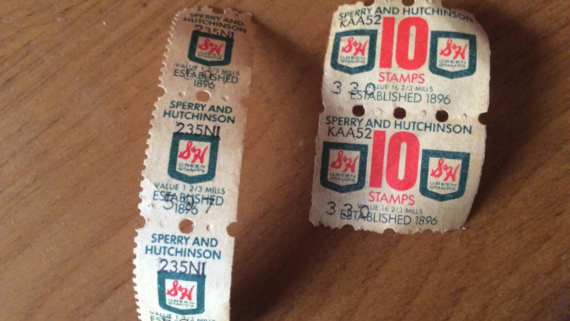
2. S&H Green Stamps
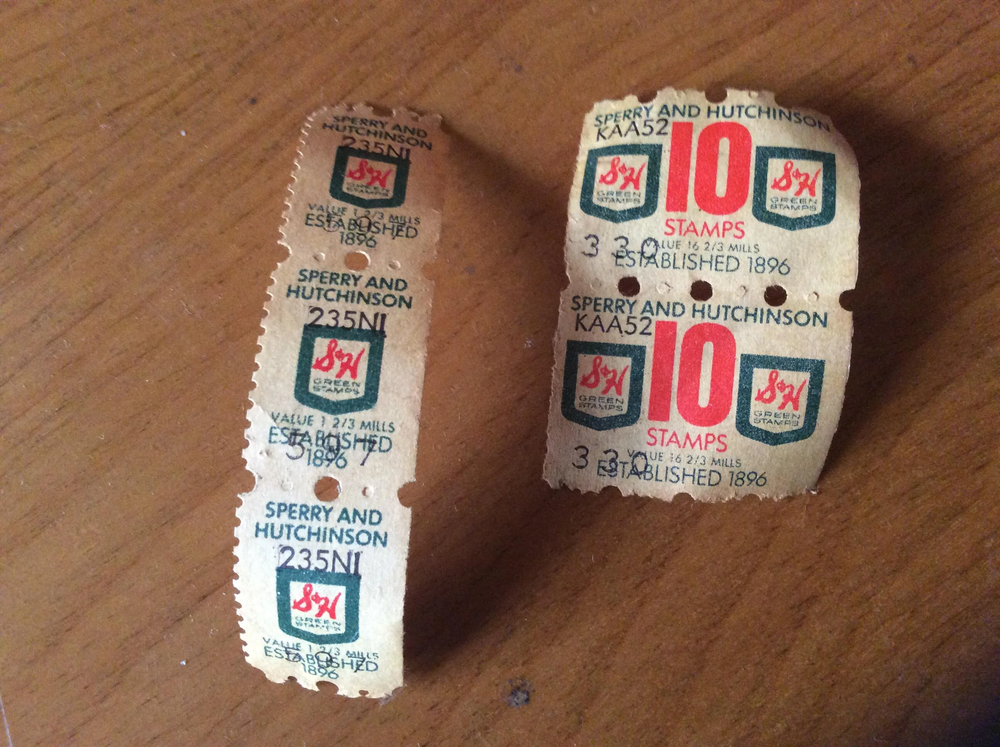
Purchases earned stamps, stamps filled books, and enough completed books could eventually be exchanged for household merchandise. The ritual was half the fun: licking them, sticking them onto the pages, counting what was missing, and watching the book slowly fill. Today a loyalty program quietly adds points to an app; back then, you could actually hold your progress in your hands.
3. Blue Chip Stamps
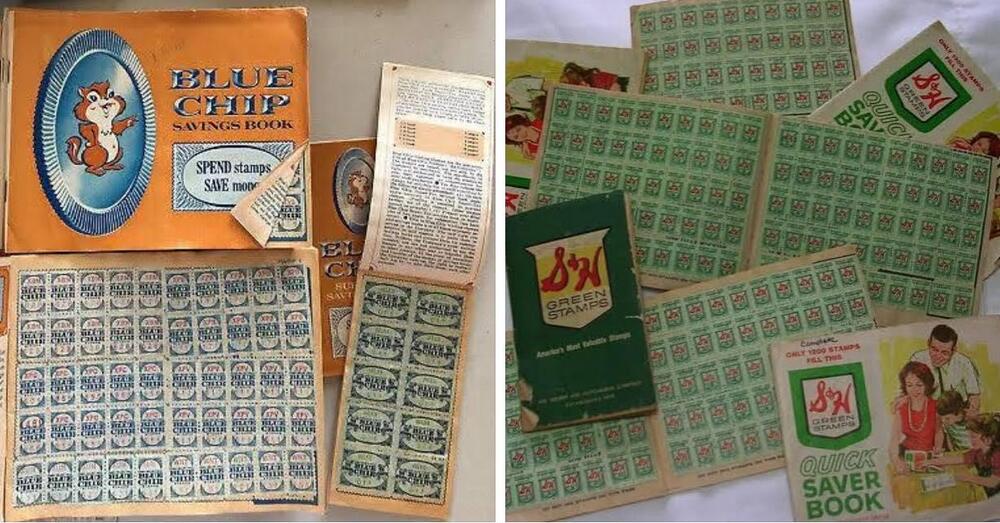
If your family lived in the western United States, the stamps you remember may not have been green at all. Blue Chip Stamps appeared at supermarkets, pharmacies, and gas stations, with shoppers saving them in books later redeemed for merchandise. An ordinary grocery trip suddenly felt connected to a much bigger prize.
4. Plaid Stamps at A&P
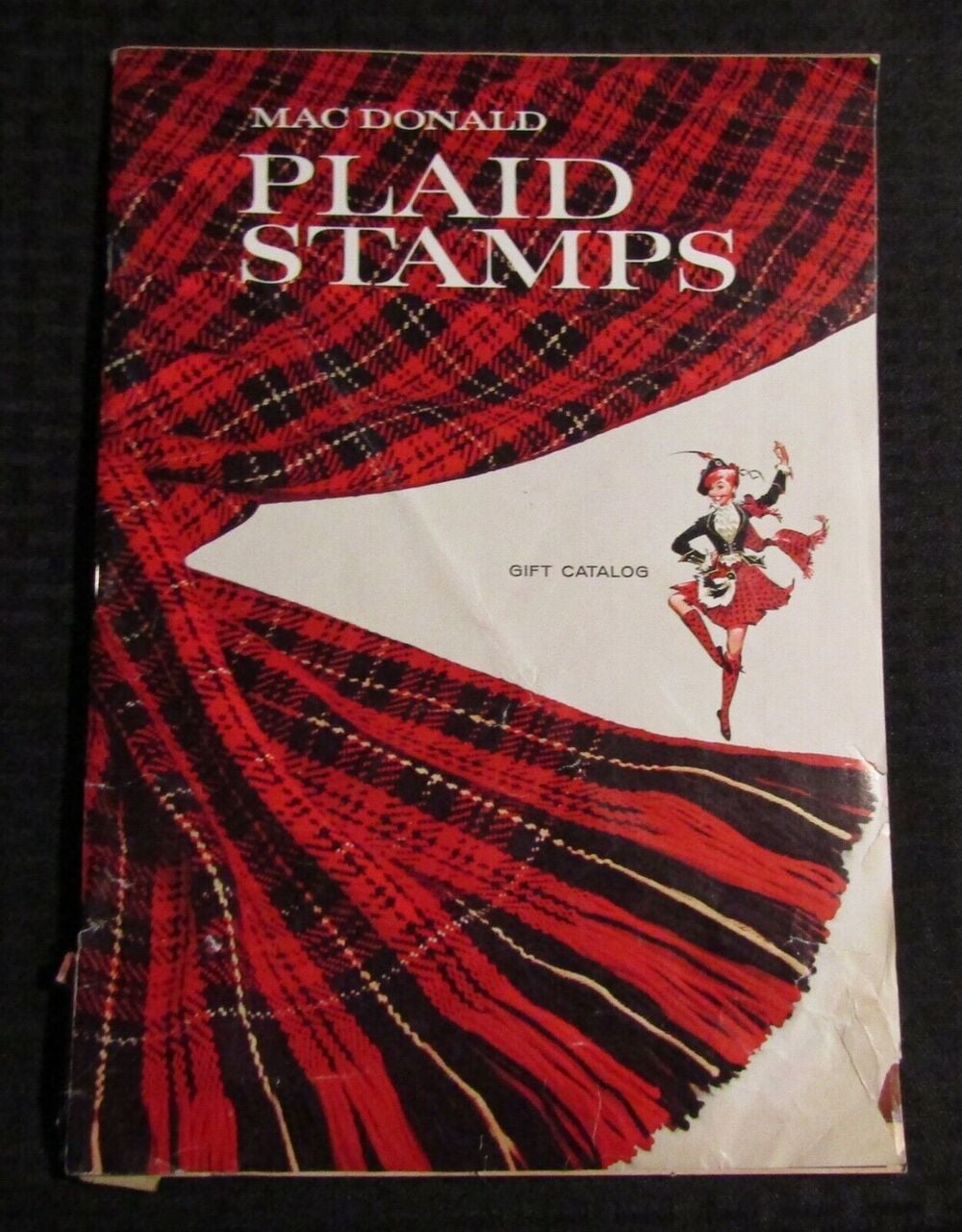
The stamp wars became so competitive that A&P had its own answer: Plaid Stamps. During the 1960s and early 1970s, customers accumulated them through purchases and traded completed books for merchandise. A grocery trip could continue long after the bags had been unpacked, with somebody at the kitchen table adding the newest batch.
5. Gold Bond Stamps
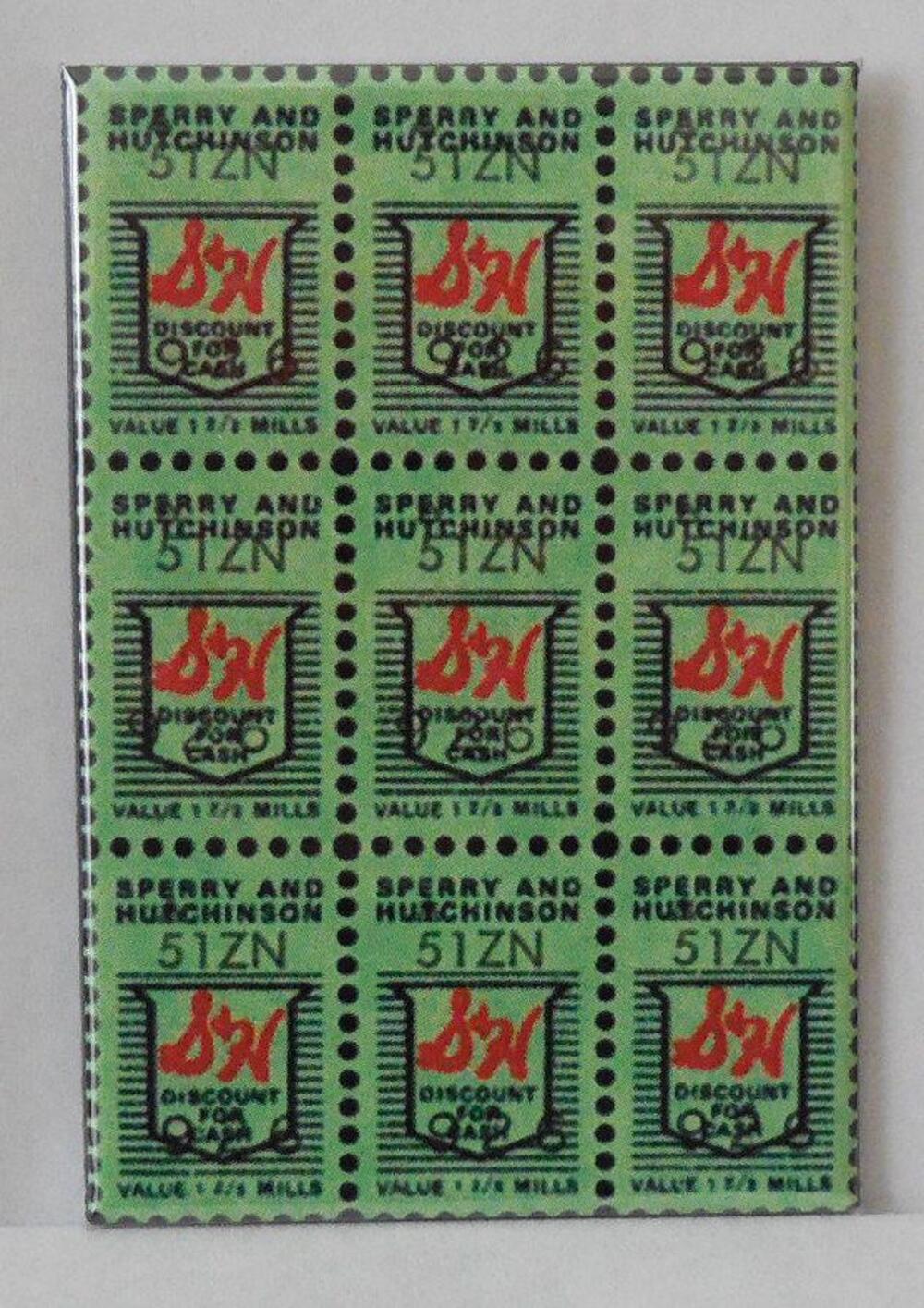
Green, blue, plaid, gold: the color in the kitchen drawer could depend entirely on where your family shopped. Gold Bond was another major name in the mid-century trading-stamp boom, competing for customers who understood that today’s grocery bill might eventually bring home tomorrow’s household item. The delayed reward made filling a book feel especially satisfying.
Trending on The Scroller
6. Free Comic Books at Shoe Stores
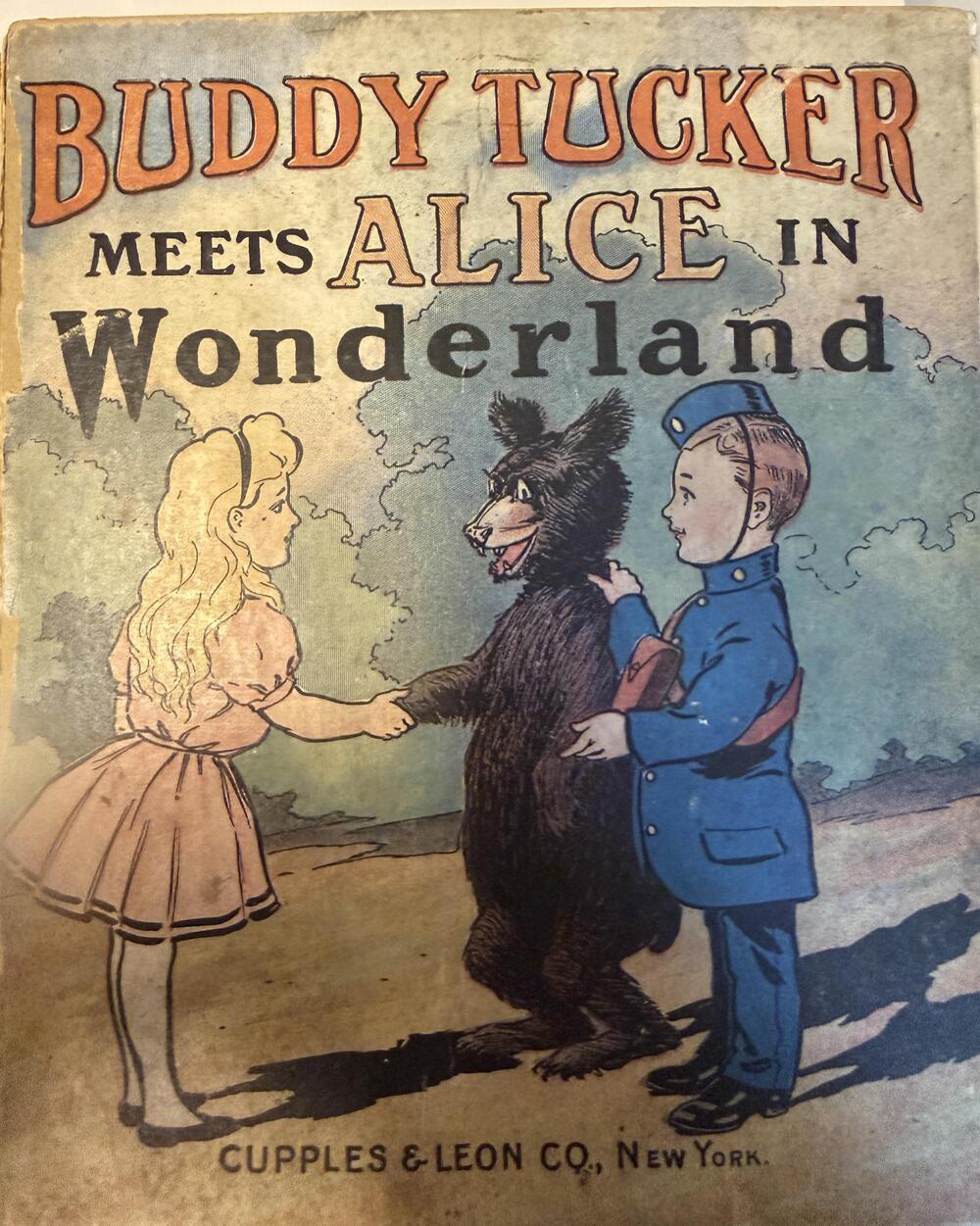
Imagine being a kid dragged along to buy shoes and discovering that the store had something waiting specifically for you. Shoe retailers used promotional comics to make visits more appealing, with Buster Brown distributing comics and other stores participating in giveaways such as March of Comics. Suddenly the boring adult errand had a payoff.
7. Free Matchbooks
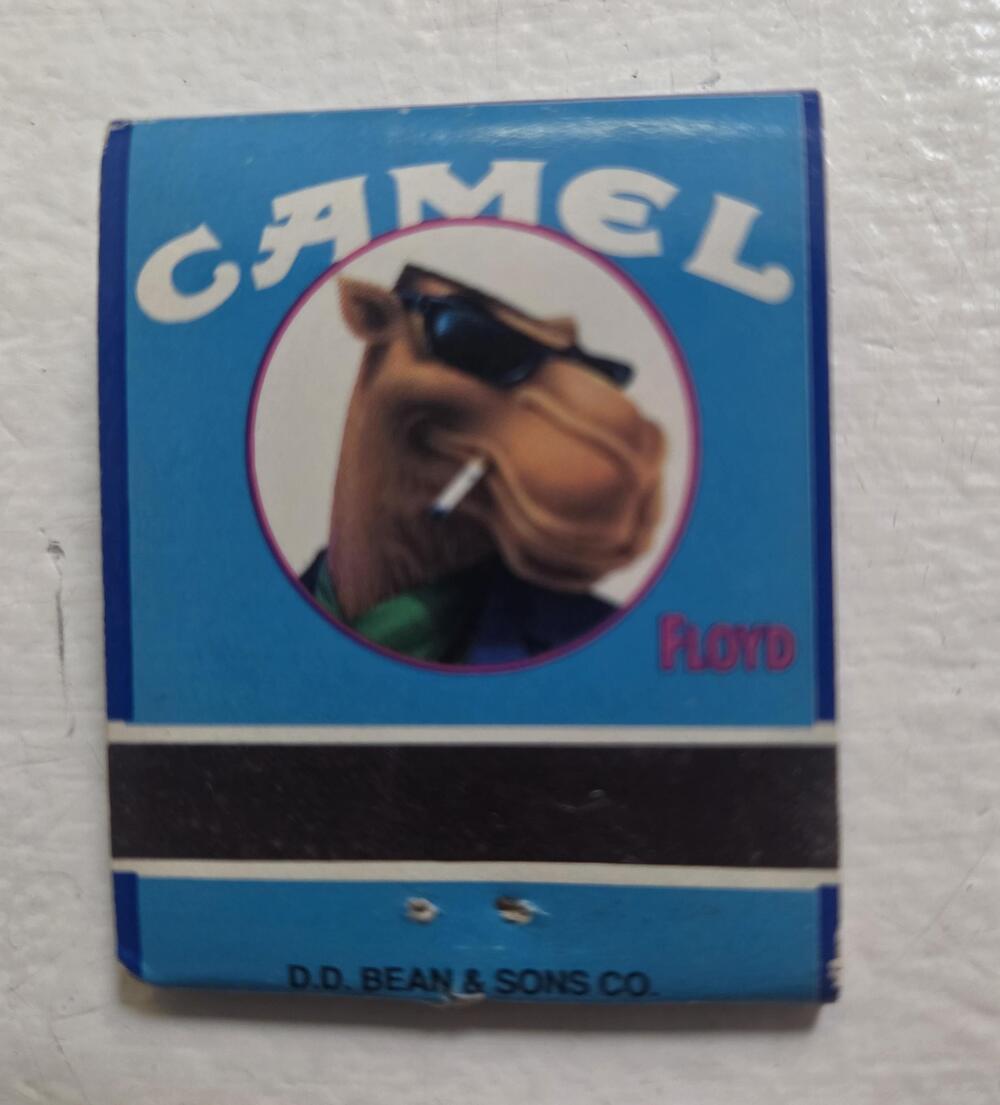
Matchbooks used to travel home from restaurants, hotels, bars, and stores almost without anyone noticing. They sat beside ashtrays, accumulated in drawers, and occasionally survived for decades as reminders of places people had visited. Each carried a miniature advertisement, but years later that advertisement became a pocket-sized piece of a place that may no longer exist.
8. Free Coffee Samples
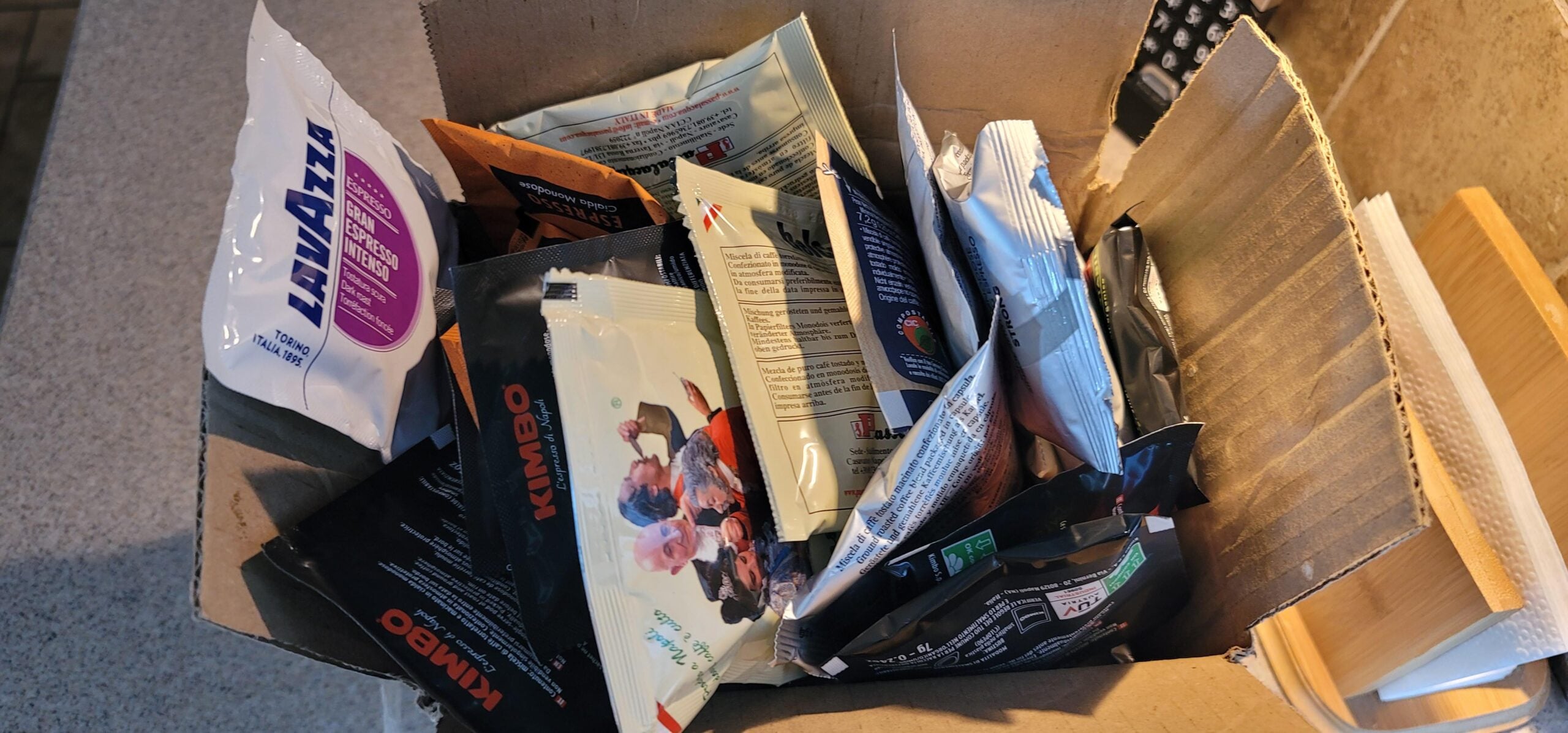
Sometimes you could smell the freebie before you saw it. Coffee companies and retailers used sampling to introduce shoppers to products, and Hills Bros. even operated promotional vehicles that distributed coffee samples in communities. Someone put the product in your hand and let the aroma do the advertising, a very different experience from an online banner.
Sign up for our newsletter
9. Free Perfume Samples at the Beauty Counter
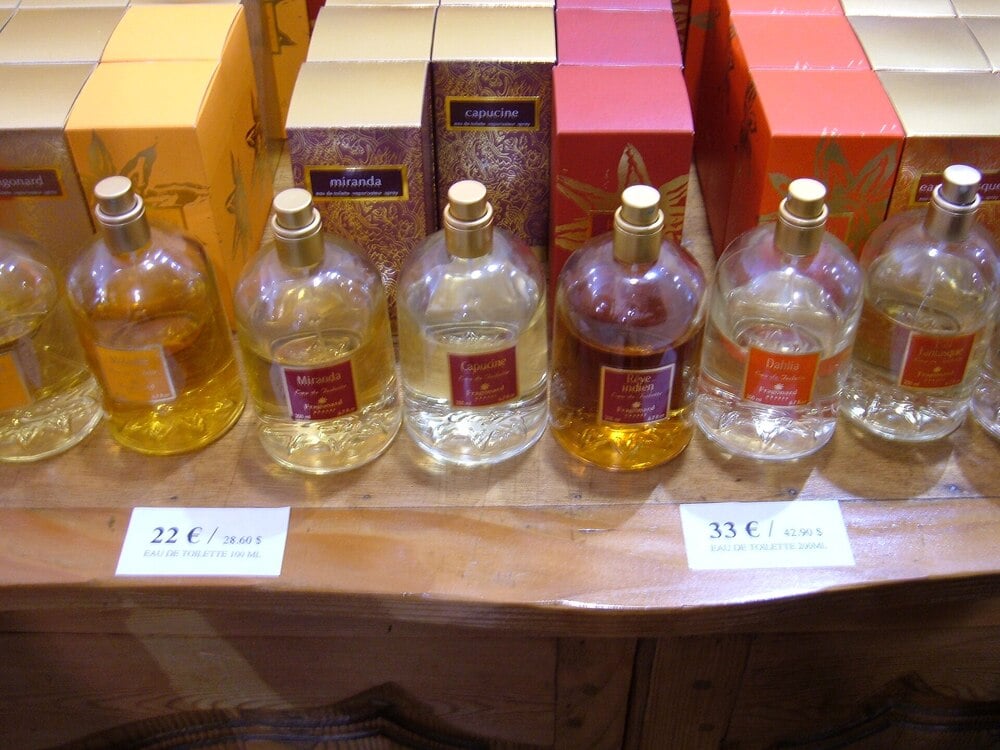
The department-store beauty counter had its own miniature treasures: tiny fragrance vials and cosmetic samples that let shoppers take a scent home before committing to the full bottle. They felt oddly luxurious despite their size. A sample might live in a purse for weeks or wait on a dresser for a special occasion.
10. Free Food Samples at the Grocery Store
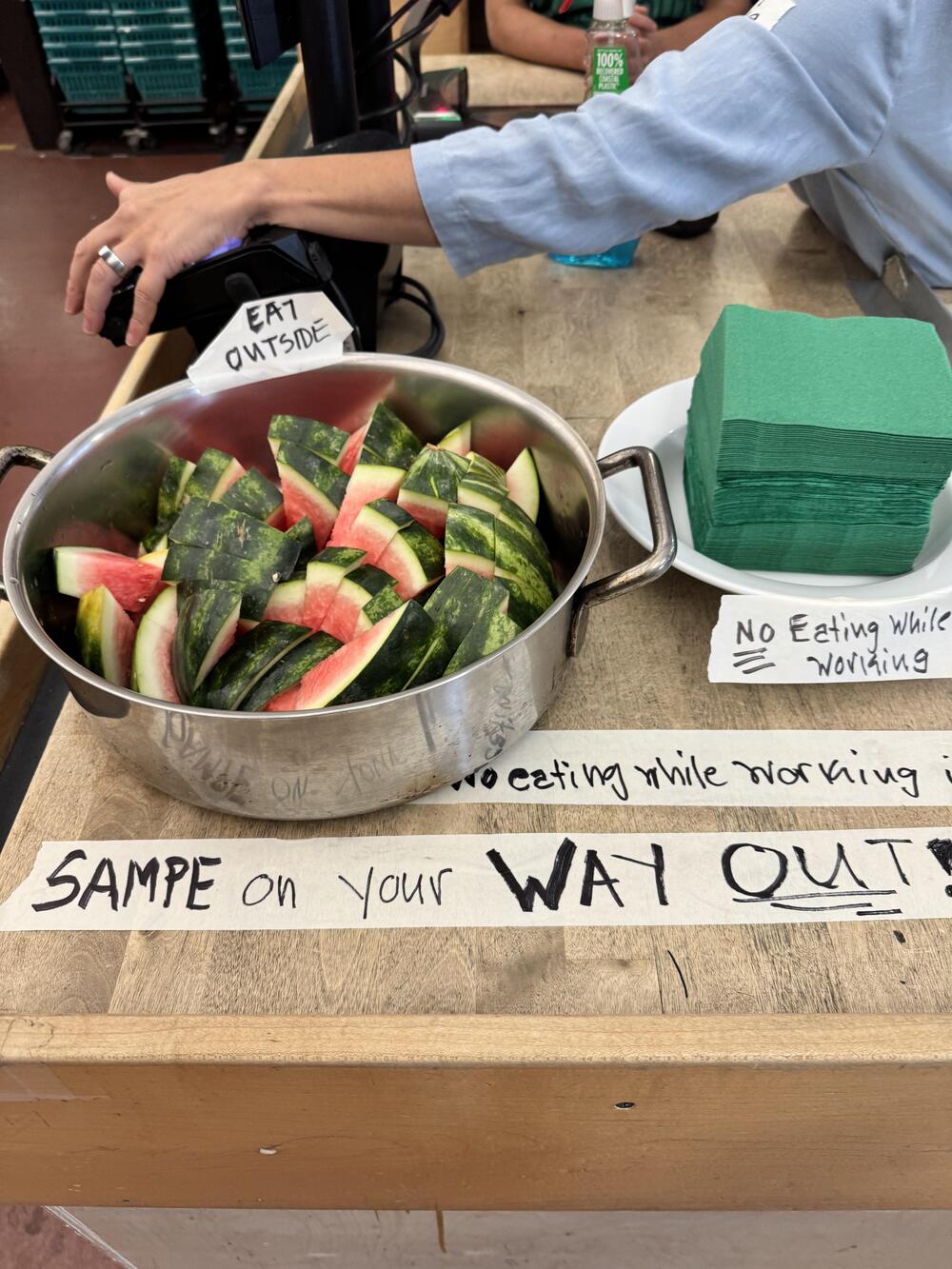
Turning the corner of a grocery aisle and spotting a sample table ahead felt like luck. A cube of cheese, a slice of sausage, a cracker, or a sip of something new could briefly transform shopping into an event. For a kid, discovering the sample station was basically the grocery-store equivalent of finding treasure.
11. Free Gift Wrapping
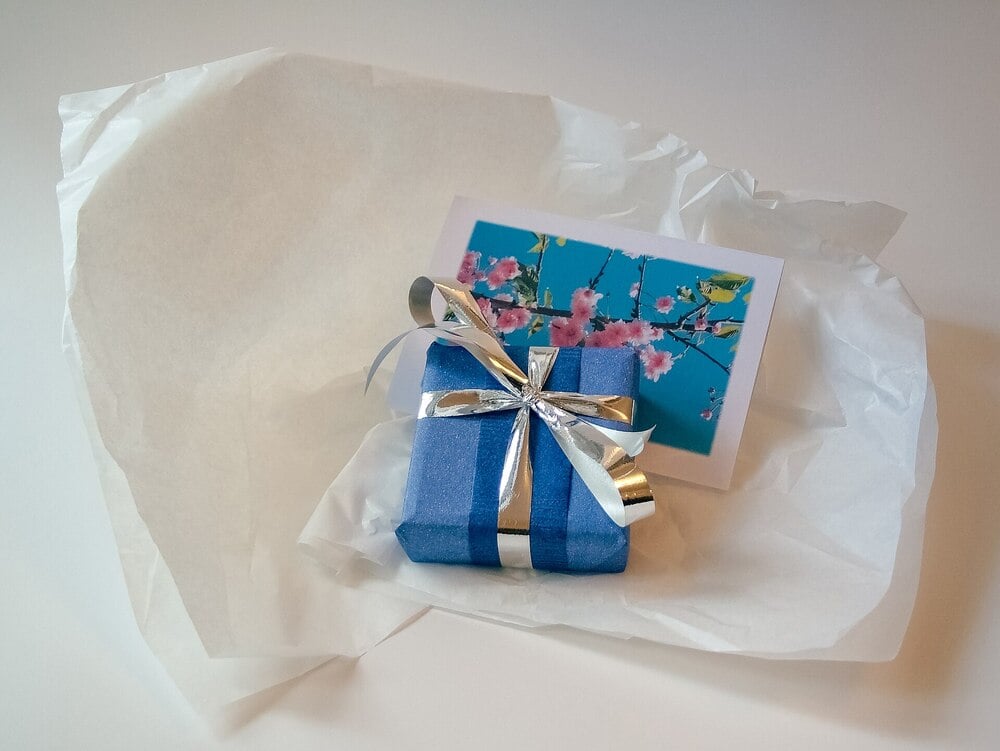
Buying a present could also mean leaving the store with it completely ready to give. Department stores commonly offered gift-wrapping services, sometimes as a complimentary perk. Crisp paper, ribbon, and a store box made even a modest purchase feel more special, and you arrived home with one less chore waiting.
12. Free Home Delivery From Local Stores
Long before an app showed a tiny car moving across a map, neighborhood stores were already bringing purchases directly to customers. Grocers, pharmacies, and other local businesses commonly offered delivery, sometimes without an extra charge. Families often knew the store and even the driver, making shopping feel remarkably personal.
13. Free Air for Your Tires
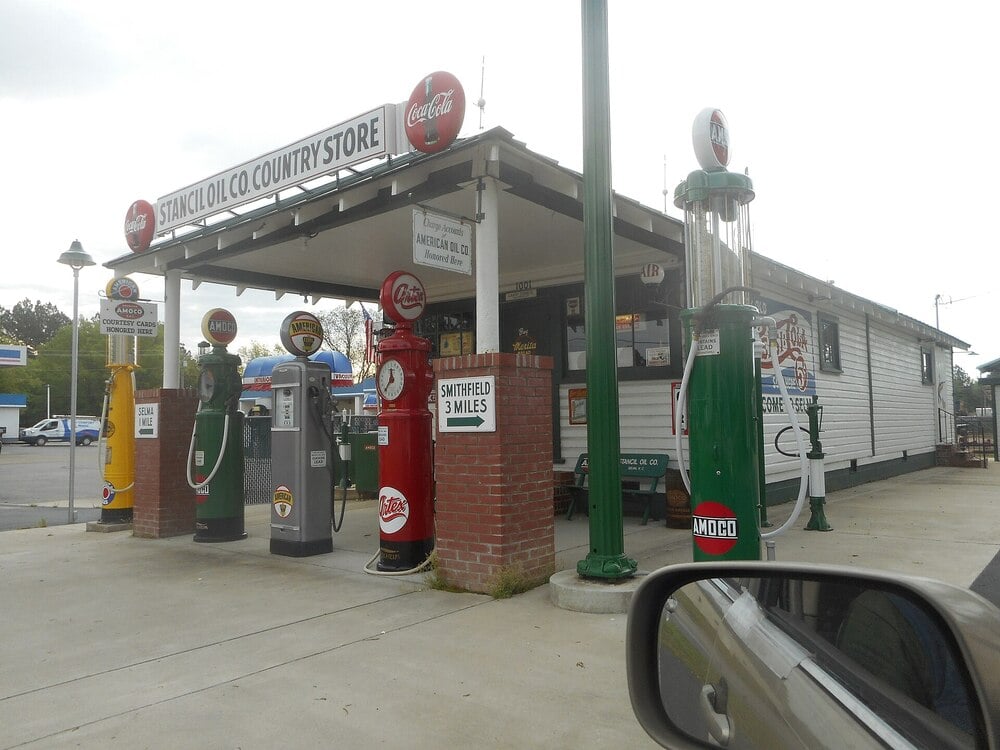
Pulling into a gas station used to involve more than feeding a pump. Service stations built their reputation around actual service, and checking tires or providing air could simply be part of the stop. There was no screen asking for a card before the compressor started; helping keep the car on the road was part of the relationship.
14. Free Windshield Cleaning
Remember when stopping for gas could mean barely leaving the driver’s seat? At full-service stations, attendants might pump fuel, check under the hood, and give the windshield a quick cleaning while they were at it. A dirty windshield went in, a clean one came out, and nobody treated the extra minute as a premium upgrade.
15. Free Oil and Fluid Checks
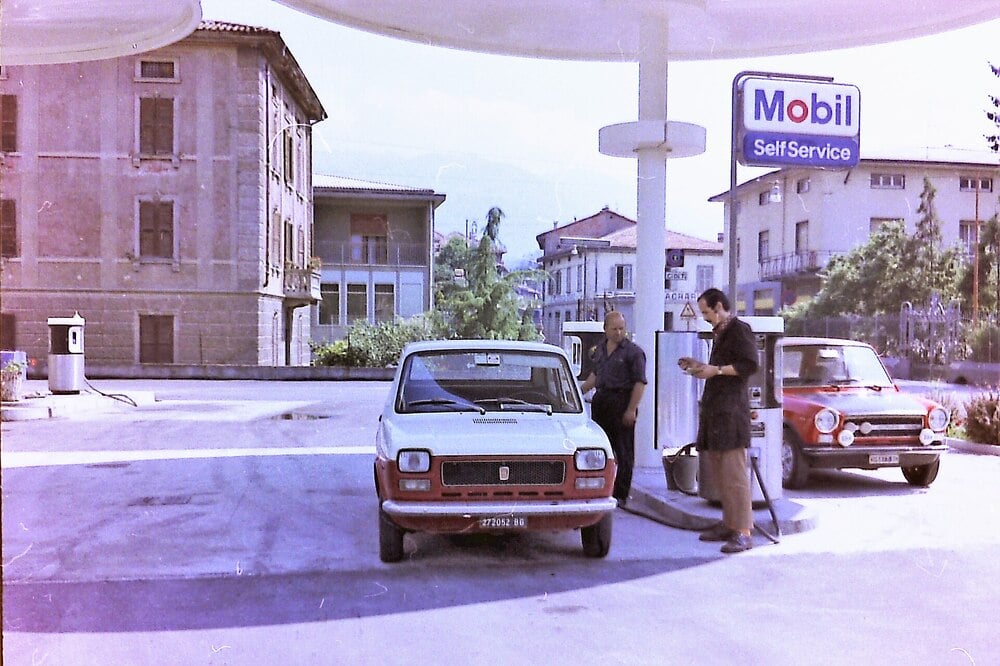
The hood popping open at a gas station was not necessarily a sign that something had gone wrong. Service-station attendants routinely offered basic checks while customers fueled up, looking at oil or other fluids as part of the broader full-service experience. The station was not just where the car got fuel; it helped keep an eye on the car.
16. Free Paper Bags
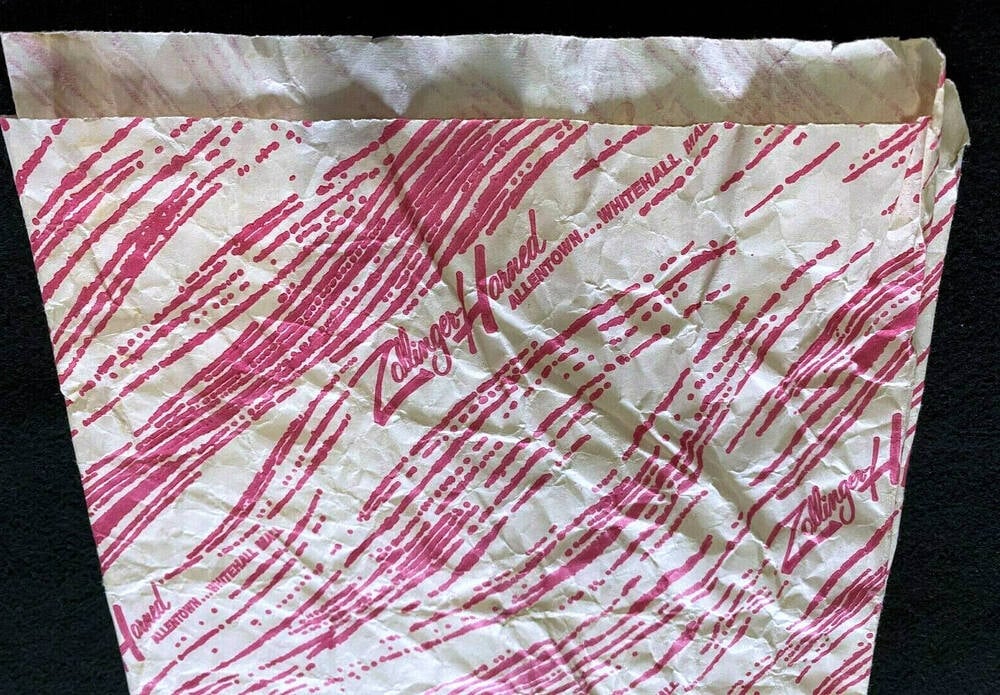
Before reusable totes lived in trunks and plastic bags became the default, groceries often left the checkout counter packed into sturdy paper bags. Nobody saw the bag as a perk because it was simply part of buying something. Yet it rarely had one use: it became a book cover, storage, craft material, or a container for whatever needed carrying next.
17. Free Catalogs
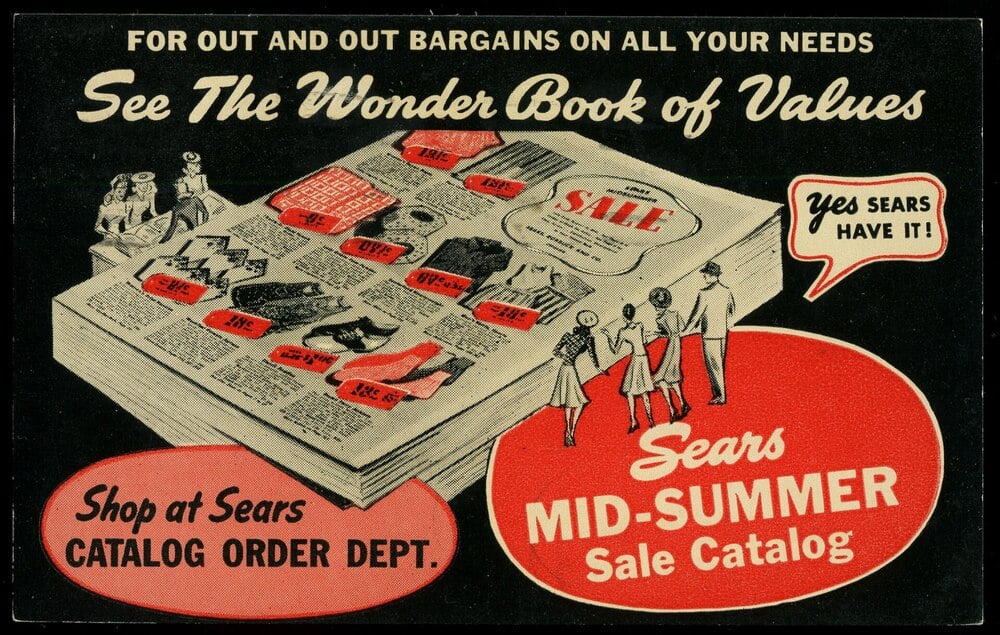
For many families, a thick store catalog arriving at home was entertainment in itself. Sears and other retailers packed page after page with clothing, appliances, toys, furniture, and things you had not known you wanted. Kids lingered over toy sections while adults folded corners or imagined future purchases. Before endless scrolling, there were several hundred pages in your lap.
18. Free Calendars
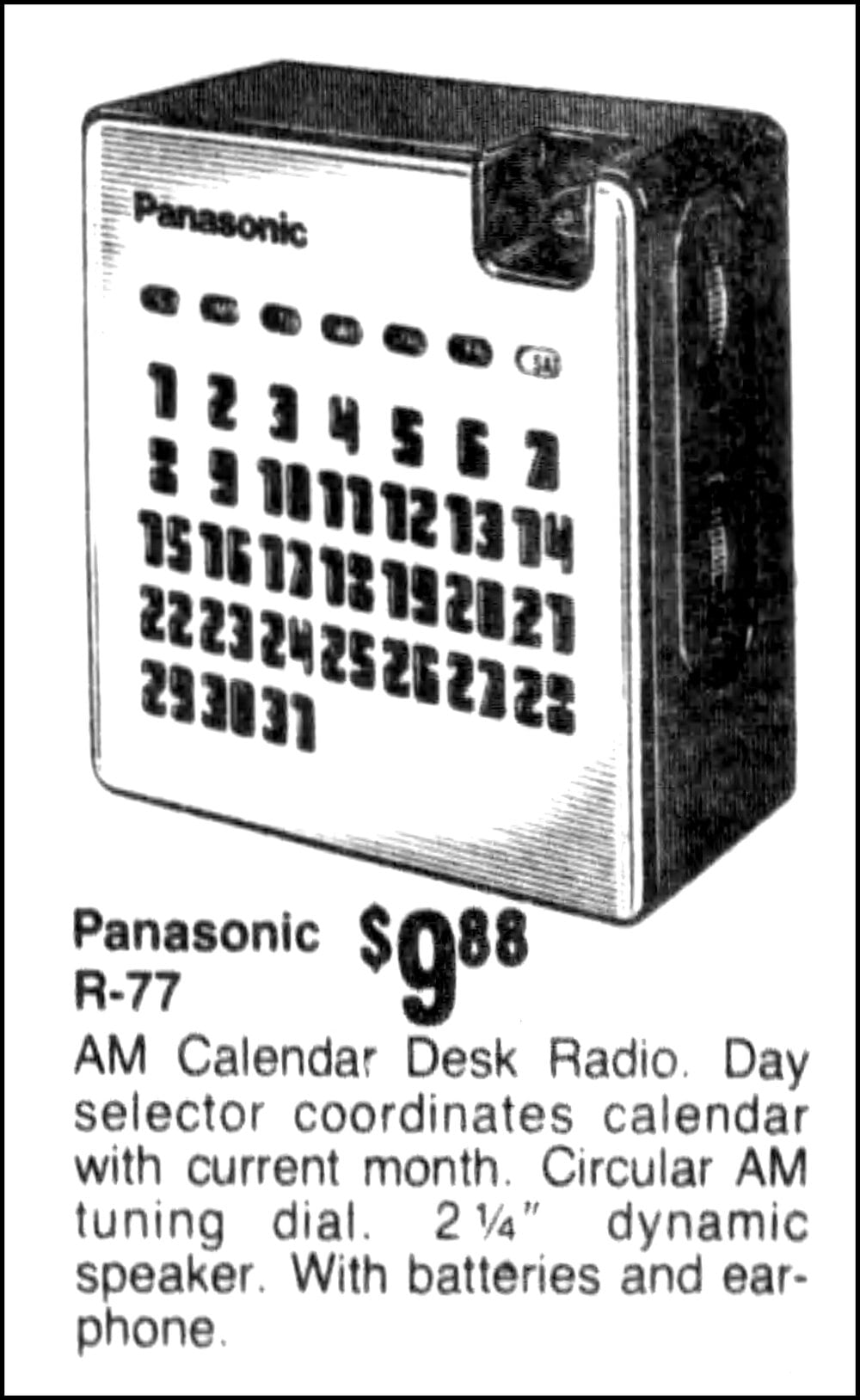
A store giving away a calendar might sound ordinary now, but that little promotional gift could remain on a kitchen wall or desk for an entire year. Businesses distributed branded calendars because they were useful, keeping their name visible long after the visit. By December, advertising had become a handwritten record of birthdays, appointments, and school events.
19. Free Kids’ Entertainment
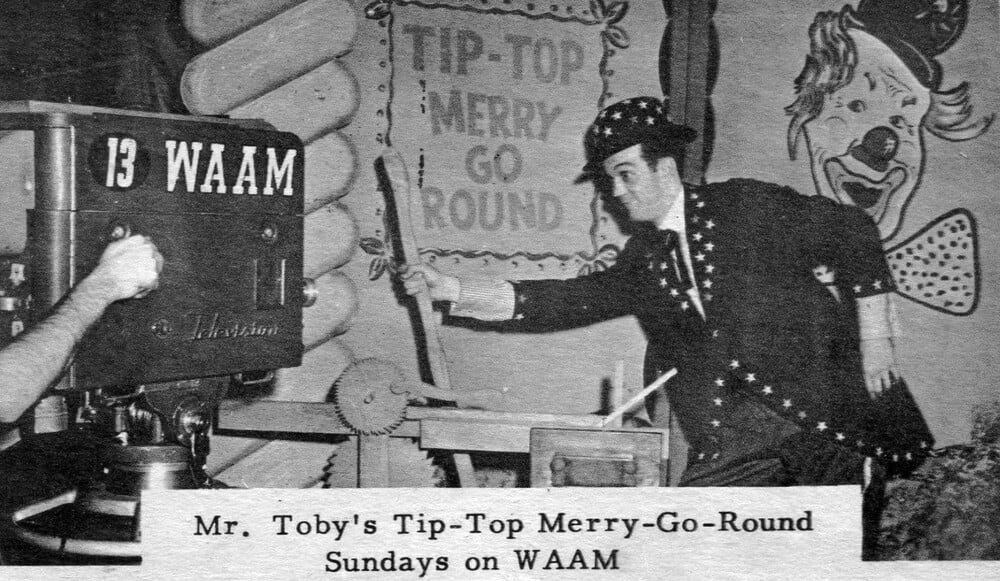
Shopping was not always designed exclusively around getting customers through the building as quickly as possible. Some stores and local businesses used children’s entertainment, promotional shows, characters, contests, or special events to turn a routine outing into something kids actually anticipated. For an afternoon, the store could become the destination.
20. Free Extras Just for Being a Customer
Maybe this is the part people miss most. It was not one particular map, stamp book, sample, calendar, or windshield cleaning, but the feeling that businesses occasionally gave customers something without turning every tiny extra into another charge. Together, those gestures made shopping feel a little more human and a little less transactional.
Keep Exploring The Scroller
Looking back at the freebies stores used to give away is really looking back at the small rituals that surrounded everyday shopping. Most of these extras were not valuable on their own. What made them memorable was the feeling attached to them: sometimes you could walk into a store for one thing and leave with a tiny story you had not planned on bringing home. Which of these freebies do you remember getting, and which one would you bring back today? Keep exploring The Scroller for more forgotten pieces of everyday life:
14 Vintage Finds That Turn Up in Thrift Stores Again and Again
14 Shopping Habits That Middle-Class Families Had Before Online Stores
Throwback Aisles: A Nostalgic Look at 1960s and 1970s Grocery Stores