Parenting advice, child-rearing guidelines, and medical theories surrounding childhood safety have undergone radical transformations over the past century. Before modern pediatric research, safety regulations, and evidence-based medicine existed, parents relied on a mixture of moral warnings, outdated medical assumptions, and stern societal rules to guide their children. Many of these historical warnings were passed down as absolute truths, driving everyday decisions in domestic life and shaping how families raised their kids.
These vintage parenting rules are a captivating glimpse into the anxieties of past generations. What was once considered an essential safeguard for a child’s health or character often sounds bizarre, overly cautious, or downright comical to modern ears. From fears about left-handedness altering brain development to warnings against reading in low light or playing violent outdoor games, exploring these obsolete warnings highlights how dynamically our understanding of childhood wellness continues to evolve. Here are fourteen classic warnings about children that sound completely strange today.
1. Left-handedness must be corrected to prevent bad character
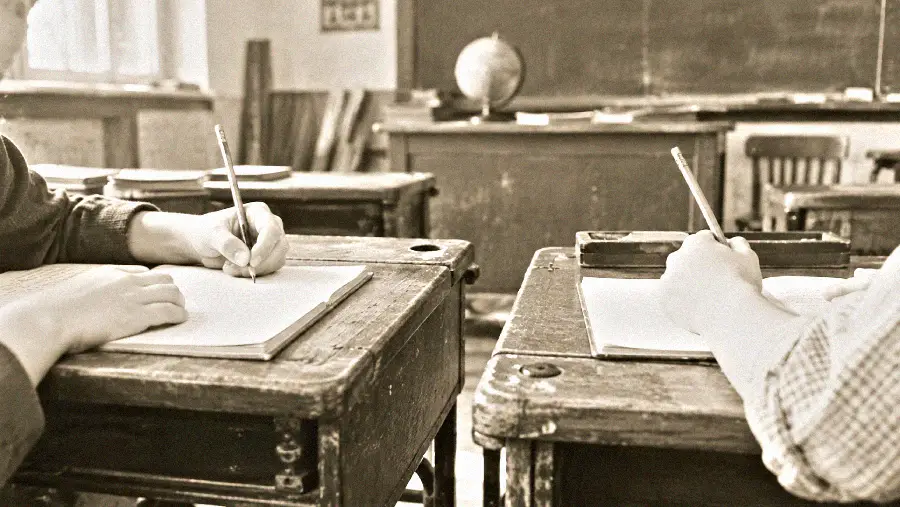
For generations, parents and teachers forcefully corrected left-handed children, forcing them to write and eat exclusively with their right hands. It was widely believed that left-handedness was a sign of stubbornness, developmental delay, or poor moral character, leading schools to tie children’s left hands behind their chairs to enforce compliance.
2. Reading books in the dark destroys eyesight permanently
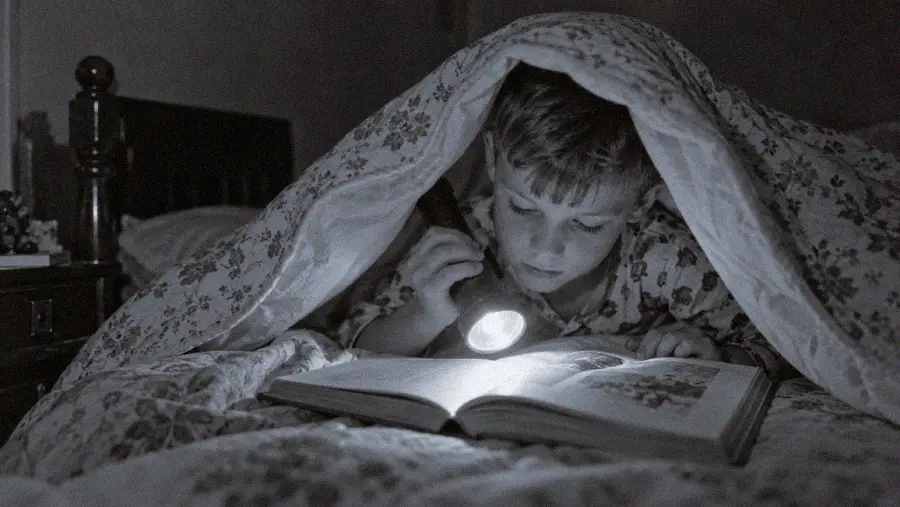
Children caught reading under bedsheets with flashlights were severely warned that dim lighting would permanently damage their optic nerves. Modern ophthalmology has proven that reading in low light merely causes temporary eye strain and fatigue, with zero long-term impact on vision structure.
3. Playing too many sports will give children an enlarged “athlete’s heart”
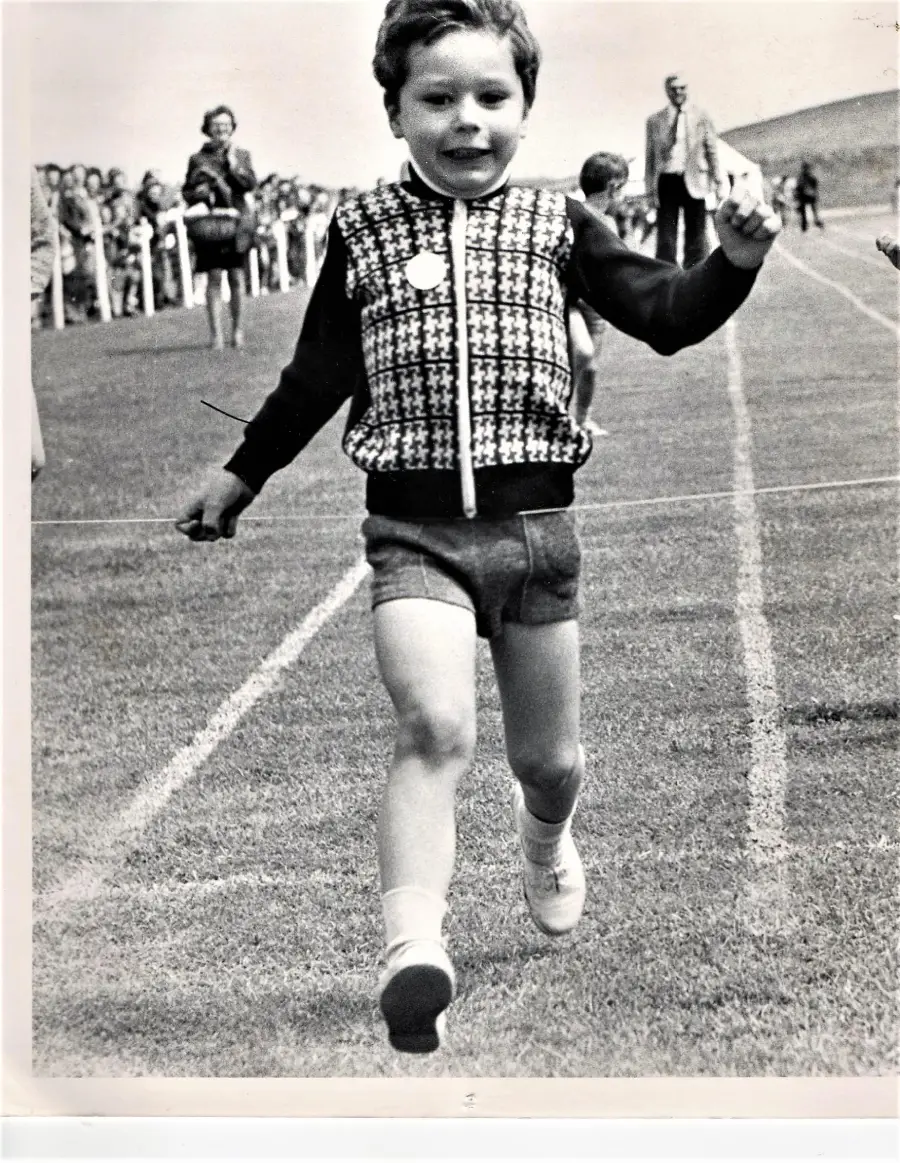
In the early twentieth century, doctors cautioned that excessive physical exercise and intense sports competition could permanently stretch and strain a child’s growing heart. This led many schools to restrict strenuous athletic activities, especially for young girls, out of fear of causing irreversible cardiovascular damage.
4. Listening to jazz and rock music causes delinquency and brain damage
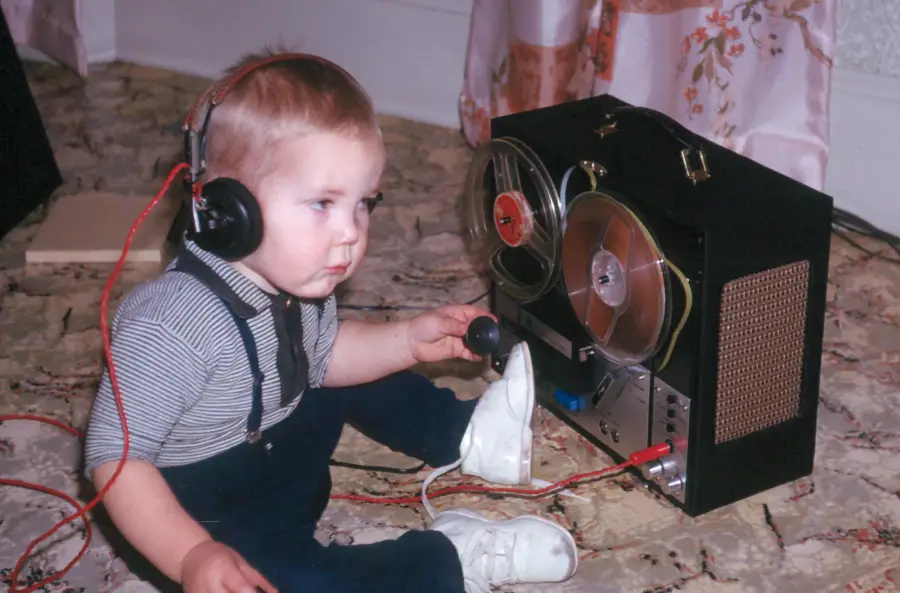
The arrival of new musical genres consistently sparked widespread moral panics among health experts and parents alike. In the 1920s and 1950s, critics argued that the heavy rhythms of jazz and rock-and-roll overwhelmed a young person’s nervous system, directly inciting rebellion and mental decline.
5. Sleeping in the same room as houseplants deprives children of oxygen
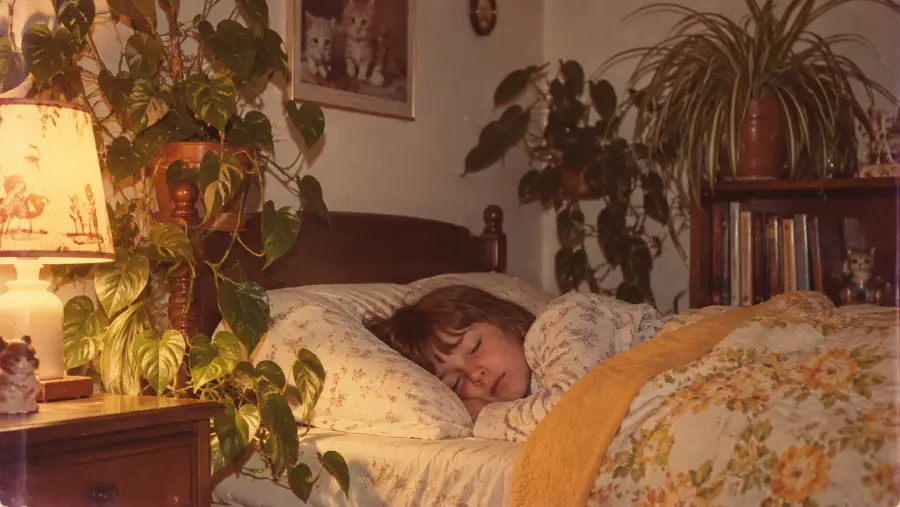
Families were routinely cautioned never to leave potted plants in a child’s bedroom overnight. The popular belief held that plants absorbed so much oxygen during their nighttime respiratory cycle that sleeping children could suffer from severe suffocation or morning lethargy.
Trending on The Scroller

6. Eating crusts of bread will make straight hair curly
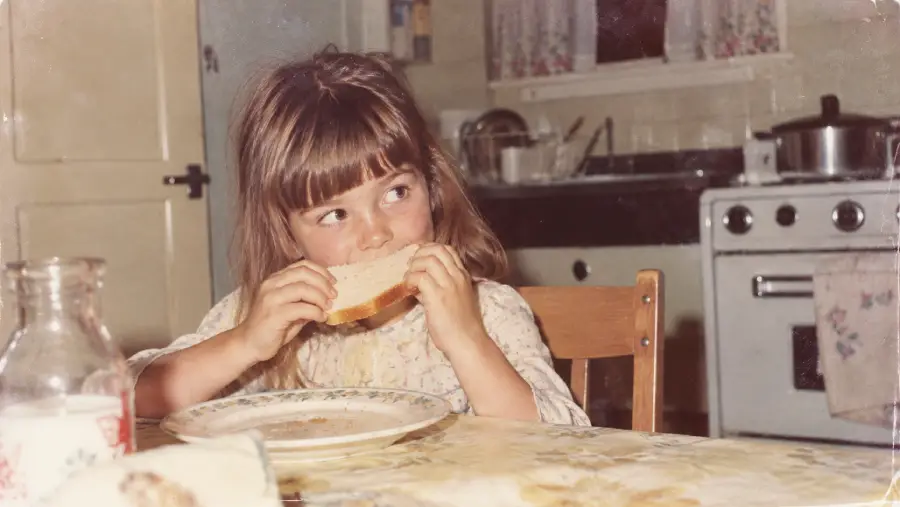
Parents routinely used this culinary myth to persuade picky eaters to clean their plates and eat every part of their sandwich. While the crust contains slightly higher concentrations of antioxidants created during baking, it possesses absolutely no biological power to alter hair follicle structure.
7. Swimming less than an hour after eating causes fatal stomach cramps

Beachgoers and pool owners strictly enforced a mandatory 60-minute waiting period after meals before children could re-enter the water. The theory claimed that digestive blood diversion left limb muscles susceptible to sudden, severe cramping that could lead to immediate drowning.
8. Sitting cross-legged causes permanent spinal deformities
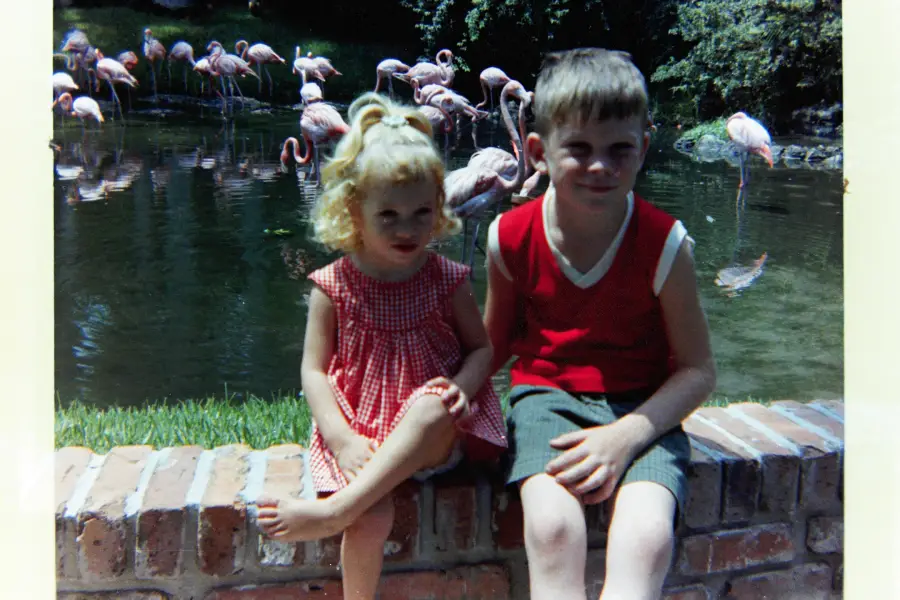
Schoolteachers and parents frequently reprimanded children for sitting on the floor with their legs crossed, insisting it would misalign their growing spines. Physical therapists now recognize that varied sitting positions promote hip flexibility and core stability in developing toddlers.
Sign up for our newsletter
9. Tickling a baby’s feet will cause a permanent stutter
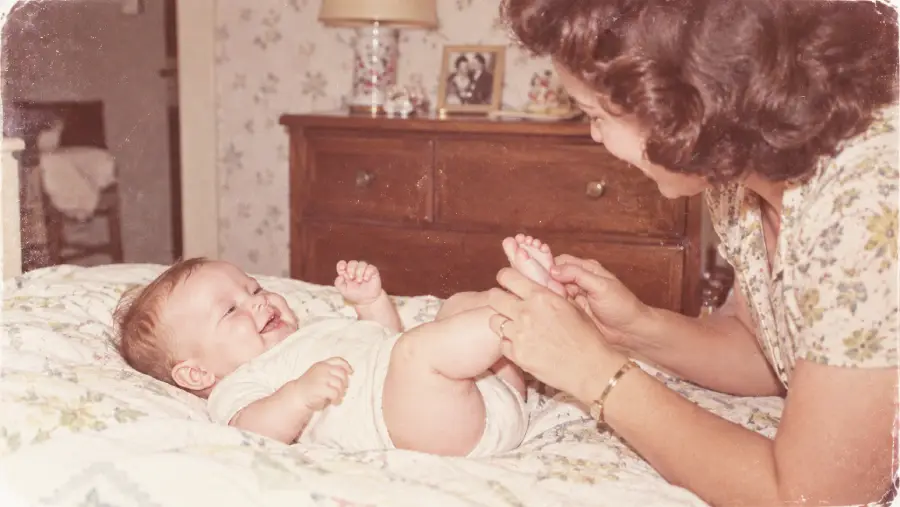
An old domestic warning insisted that tickling the soles of an infant’s feet or making them laugh excessively would disrupt their nervous system and induce a lifelong speech impediment. Medical research has long since confirmed that stutters stem from complex neurological and genetic factors rather than innocent physical play.
10. Allowing babies to look in mirrors before teething brings bad luck and illness
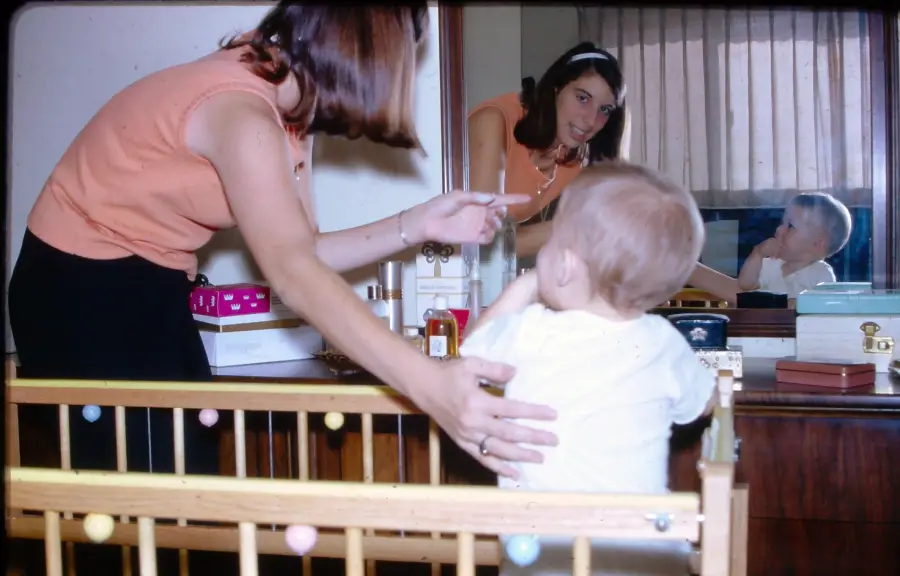
A widespread nineteenth-century belief warned mothers never to allow an infant to catch a glimpse of their own reflection before their first tooth erupted. Superstitious households believed looking in a mirror would cause painful teething, stuttering, or even a sudden decline in the infant’s health.
11. Rocking an empty cradle will make the baby sick
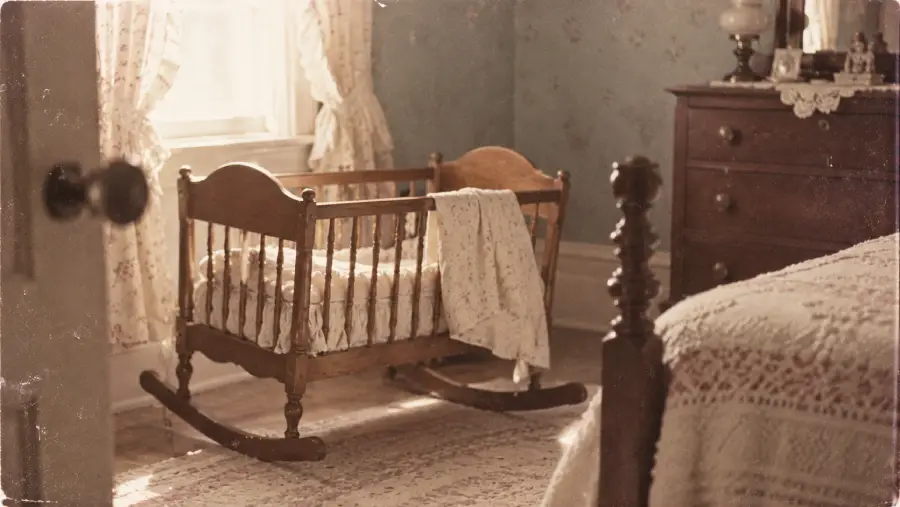
Caregivers were strictly forbidden from idly rocking an empty wooden cradle or stroller while the child was away. According to popular superstition, rocking an empty bed summoned evil spirits or guaranteed that the sleeping infant would fall ill with a sudden fever.
12. Exposure to cold night air causes sudden blindness and pneumonia
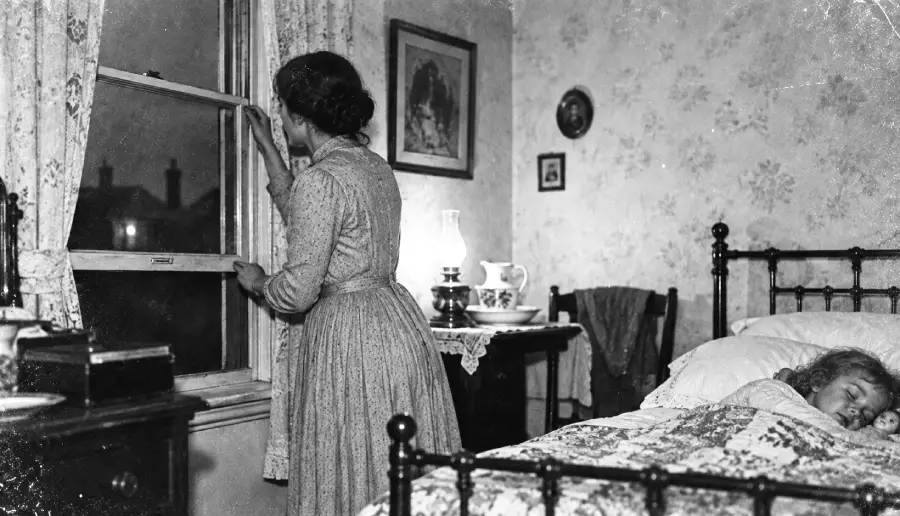
Victorian-era families carefully sealed windows at sunset, believing that “miasma” or damp night air was inherently poisonous to young children. This fear often deprived infants of fresh indoor ventilation, ironically creating unhygienic environments where respiratory bacteria thrived.
13. Jumping off high structures will dislocate internal organs
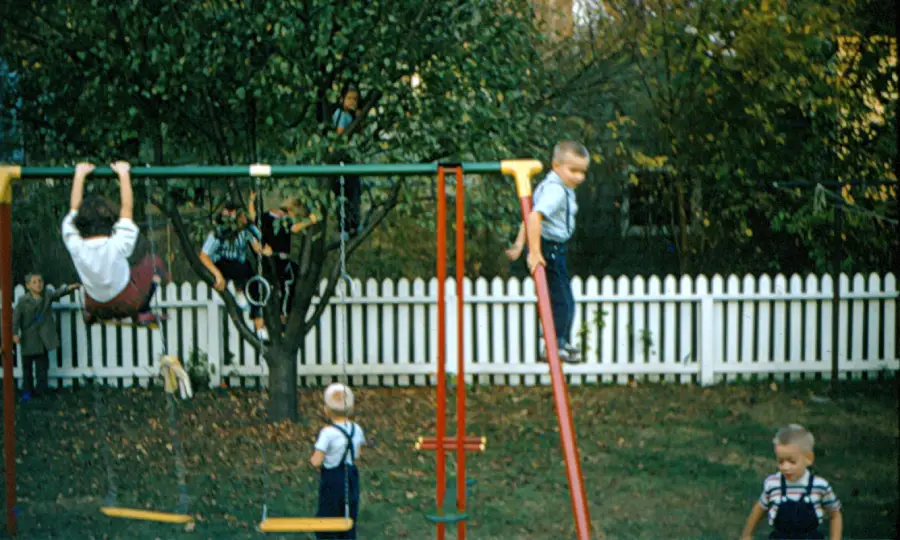
Children who loved leaping from barn lofts, fences, or porch railings were warned that the hard landing impact would detach or drop their internal organs. While sprained ankles and broken bones were genuine risks, the human body’s anatomical structure easily protects internal organs from everyday impacts.
14. Reading too many comic books causes intellectual stagnation
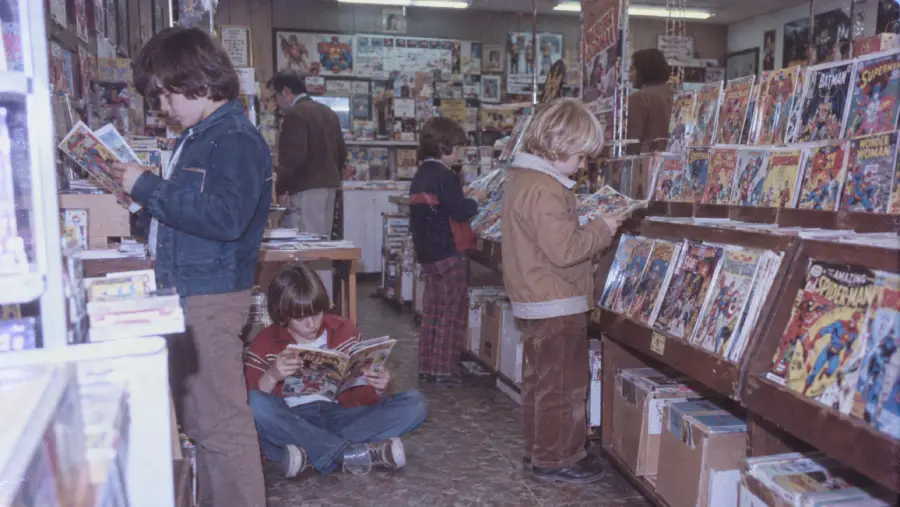
During the mid-twentieth century, moral crusaders and educators claimed that graphic comic books ruined a child’s brain development and reduced their capacity for complex thought. Modern literacy research shows that graphic novels and comics actually expand vocabulary, enhance visual literacy, and foster a lifelong love of reading.
Explore more interesting old wives’ tales and parenting stories:
Reflecting on these outdated parenting fears and historical misconceptions offers an entertaining look at how societal standards and medical advice shift across generations. The fascinating mix of moral panics, old wives’ tales, and early medical anxiety proves that what seems like common sense today may sound equally strange to future generations. If you enjoy exploring retro lifestyle history, nostalgic family archives, and scientific deep dives into past eras, be sure to check out these 14 Old Wives’ Tales Everyone Believed in the 1960s, or these 20 Things We Stopped Teaching Kids Without Realizing It. You may also like these 16 Everyday Household Chores Kids Had to Do in the 90s.