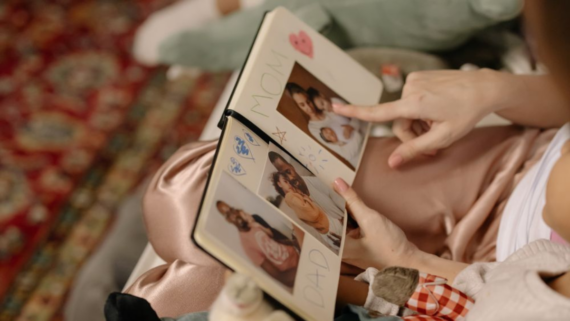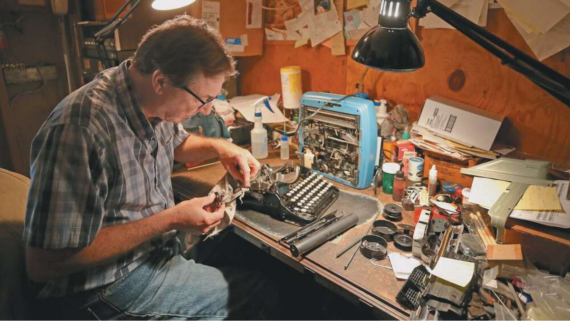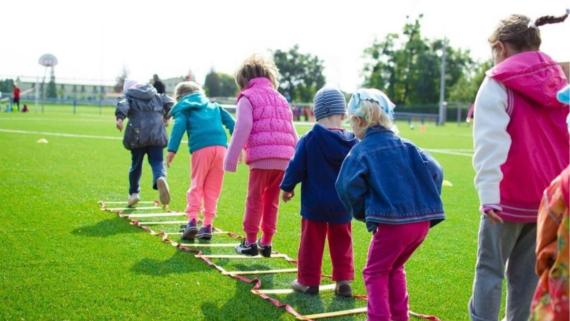
Things we stopped teaching kids are not necessarily forgotten because anyone decided they were useless. Many simply became less visible as technology, schools, homes, and everyday routines changed around them. Digital clocks replaced clock faces, GPS replaced folded maps, smartphones remembered phone numbers, and a torn shirt became easier to replace than repair. Plenty of children still learn these skills, of course, but others can now reach adulthood without ever needing them. The interesting question is not whether life was somehow “better” when everyone knew how to balance a checkbook. It is what happens when a skill disappears because the problem it once solved disappears first.
1. Reading an Analog Clock Became Surprisingly Optional

For generations, learning that the short hand shows the hour and the long hand shows the minutes was basic childhood knowledge. Then digital displays quietly invaded phones, computers, appliances, cars, and classrooms. An analog clock now asks children to translate positions and fractions of a circle into time when another screen can simply say 3:47. Schools and families still teach the skill in many places, but daily life provides fewer opportunities to practice it. The clock did not become harder. The world simply stopped forcing everyone to decode it.
2. Writing a Letter Used to Be an Entire Skill Set

A proper letter involved more than putting words on paper. Children could learn where to place the date, how to open the message, how to close it, how formal the language should be, and eventually how to prepare the envelope. Email, texting, and messaging apps removed most of that structure from everyday communication. When was the last time a child urgently needed to know whether “Sincerely” belonged above or below a handwritten signature? Letter writing still matters in certain settings, but it is no longer the everyday communication survival skill it once was.
3. Paper Maps Required People to Know Where They Were
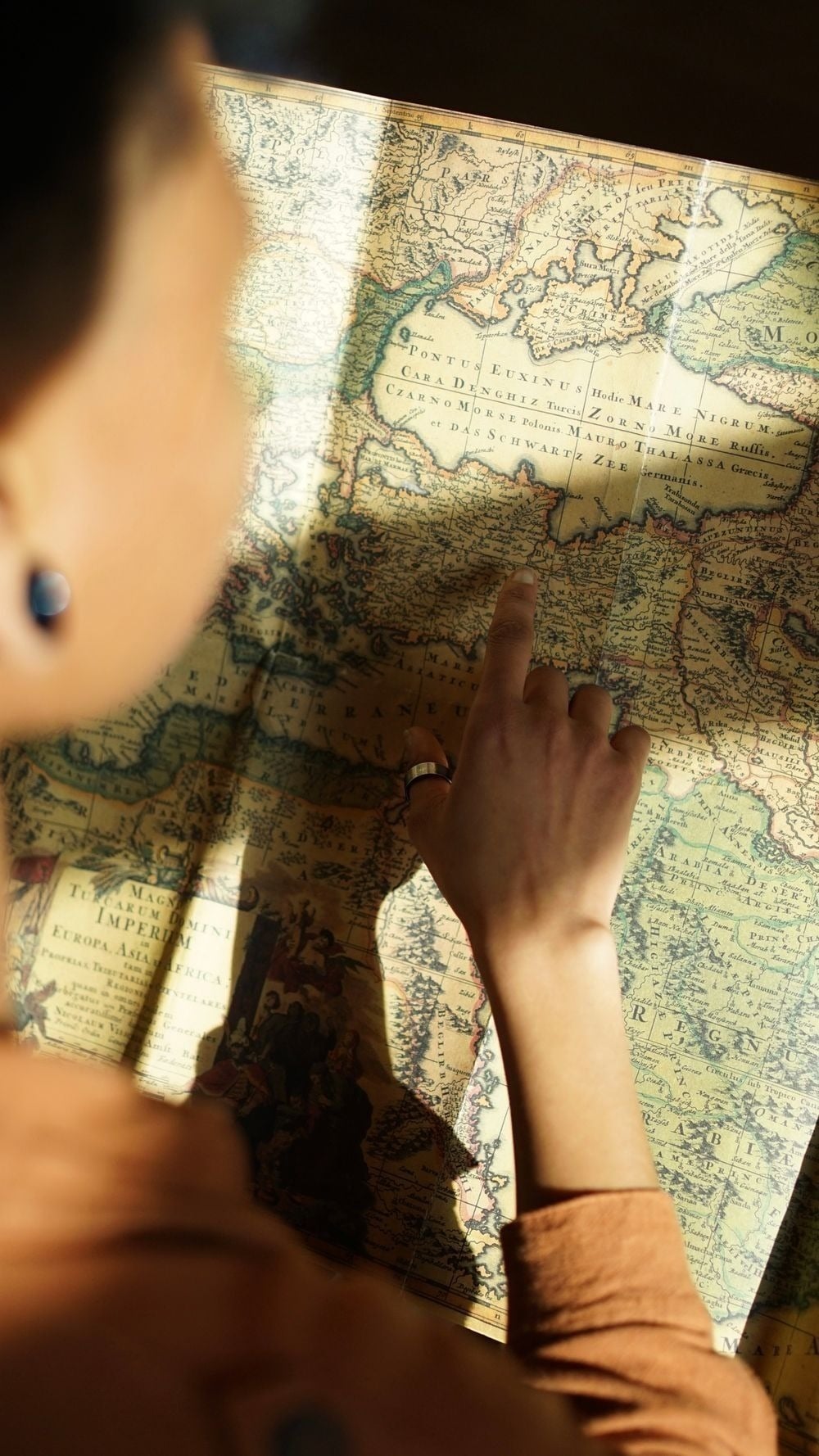
A paper map never announced, “Turn left in 500 feet.” It presented roads, symbols, directions, and scale, then expected the person holding it to figure out the rest. Learning to orient a map, locate a position, identify north, and plan a route developed a very different relationship with geography than following a moving dot on a phone. GPS is dramatically more convenient, but it also does much of the thinking automatically. Give someone an old road atlas today and the first challenge may not be finding the destination. It may be figuring out which page contains the beginning.
4. Balancing a Checkbook Made Spending Physically Visible

Writing a check meant recording the payment, subtracting it from the available balance, tracking deposits, and eventually comparing those records with a bank statement. It was tedious, but the process forced people to watch money move line by line. Banking apps now update balances and transactions automatically, while checks themselves have become far less central to everyday spending. The underlying lesson, knowing what came in, what went out, and what remains, still matters enormously. The little paper register that once taught it, however, increasingly looks like financial archaeology.
5. Sewing on a Button Could Save an Entire Shirt
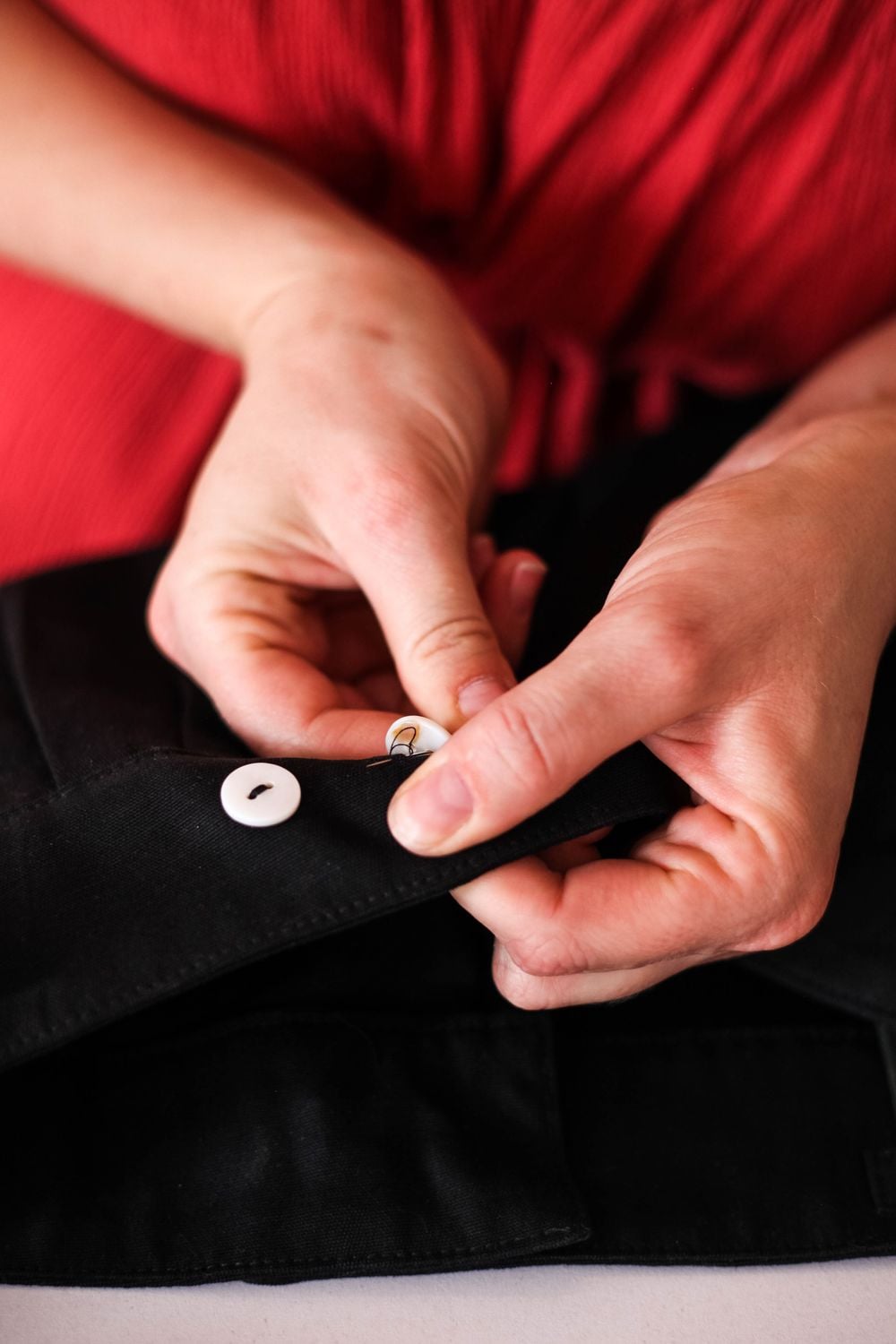
A missing button once presented a tiny problem with a tiny solution: thread a needle, anchor the thread, pass it through the button holes several times, tie it off, and keep wearing the shirt. Basic sewing skills made small clothing failures repairable instead of terminal. Some children still learn them at home, in school, or through hobbies, but inexpensive clothing and easy replacement have made the skill less unavoidable. The funny part is that sewing on a button takes only a few minutes. Without knowing how, though, four holes and a needle can suddenly look like advanced engineering.
Trending on The Scroller

6. Making a Phone Call Became Weirdly Intimidating

Using a phone once meant actually calling people. Children learned how to introduce themselves, ask for the person they wanted, leave a message, and navigate the awkward moment when someone else answered. Texting removed much of that improvisation by allowing every sentence to be considered before it is sent. Phone calls obviously have not disappeared, but many younger people can avoid them surprisingly well. Then comes the inevitable appointment that can only be booked by phone, and suddenly saying “Hello, I’m calling about…” feels like public speaking.
7. Library Catalogs Once Required a Search Strategy
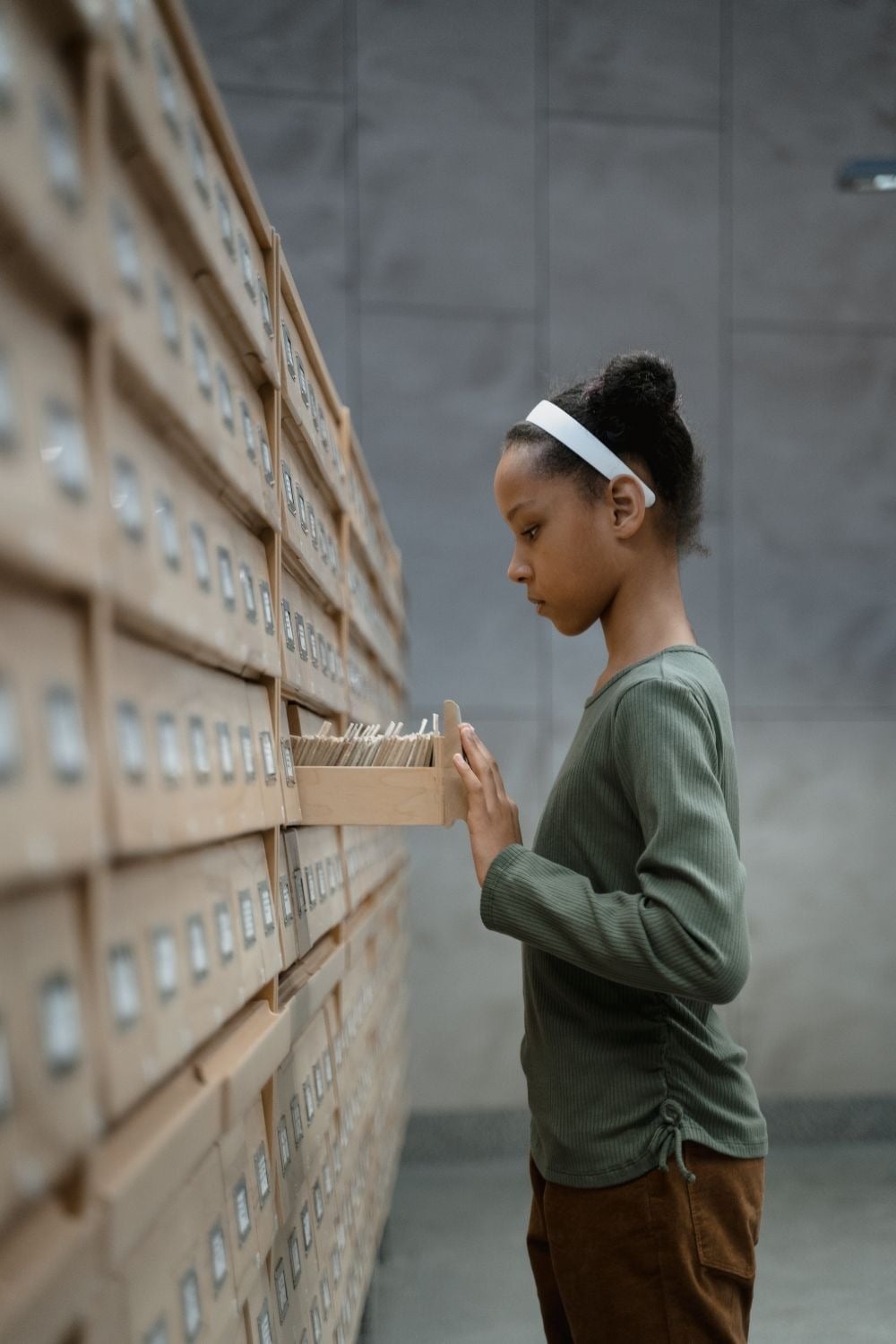
Finding a book used to involve more than typing a few words into a search box. Card catalogs and early library systems required readers to understand authors, titles, subjects, call numbers, and the classification system that physically organized the shelves. Modern digital catalogs make searching dramatically faster, but they also hide much of that machinery. Libraries still teach research and catalog skills, yet the old process demanded something useful: knowing how information was organized before trying to find it.
8. Changing a Tire Was Once Considered Basic Road Knowledge
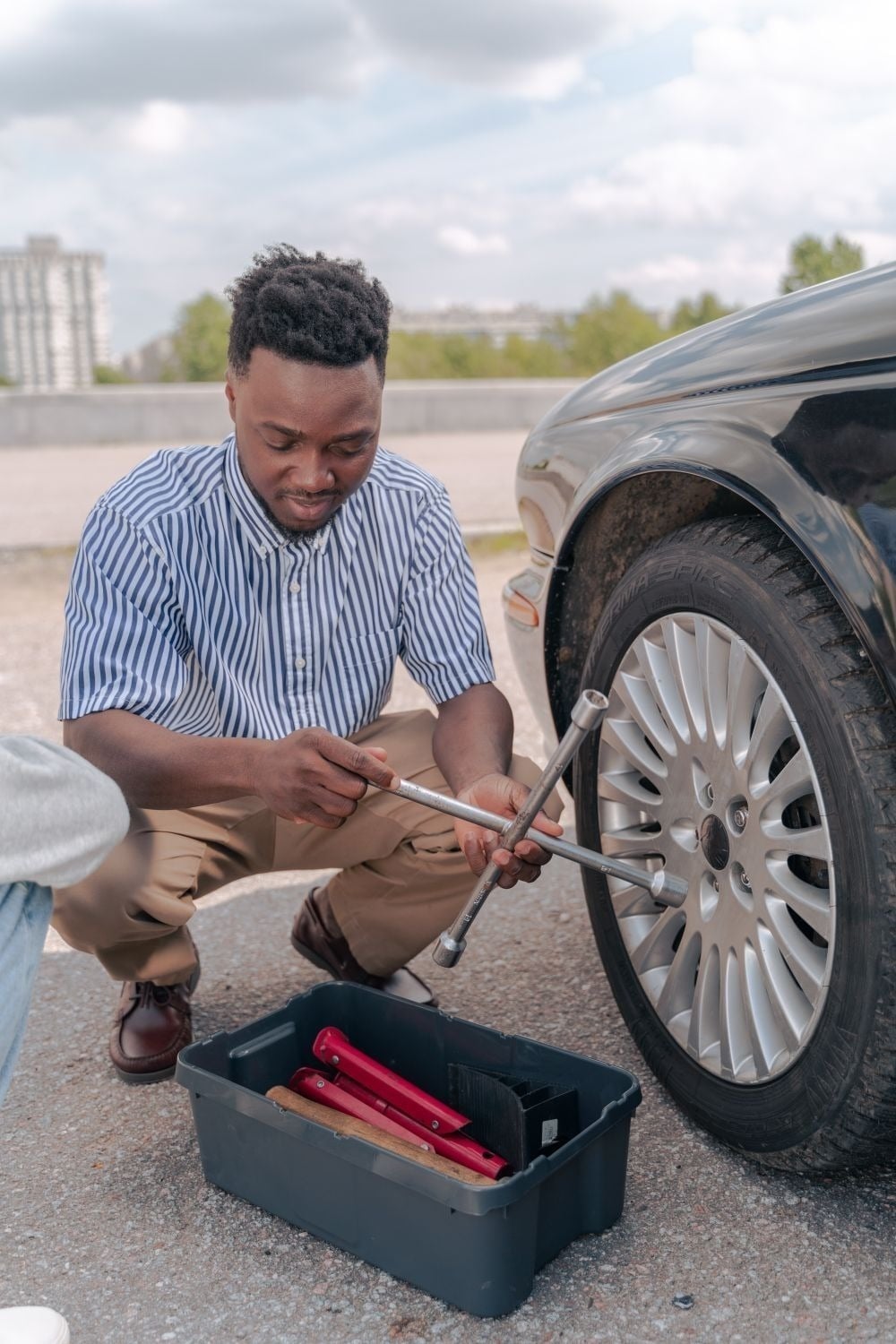
A flat tire could mean pulling over, locating the spare, positioning the jack correctly, loosening the lug nuts, lifting the vehicle, and replacing the wheel without accidentally creating a second problem. Some families still teach the process, but roadside assistance, improved tires, and cars that do not even include a traditional spare have made hands-on practice less common. Would knowing how still be useful? Absolutely. Unfortunately, the worst possible moment to discover what a jack does is while staring at one on the shoulder of a highway.
Sign up for our newsletter
9. Cooking a Basic Meal Was a Form of Independence

Cooking did not mean mastering souffles or producing restaurant-quality dinners. It meant knowing how to boil pasta, cook eggs, prepare vegetables, handle raw ingredients safely, and turn whatever was available into something edible. Those skills are still taught in countless homes, but convenience foods, delivery apps, and changing family schedules can reduce how often children participate in everyday meal preparation. Knowing how to feed oneself remains remarkably practical. The standard is not “future chef.” Sometimes success is simply reaching adulthood without believing dinner requires an app.
10. Growing Something Used to Be an Ordinary Lesson
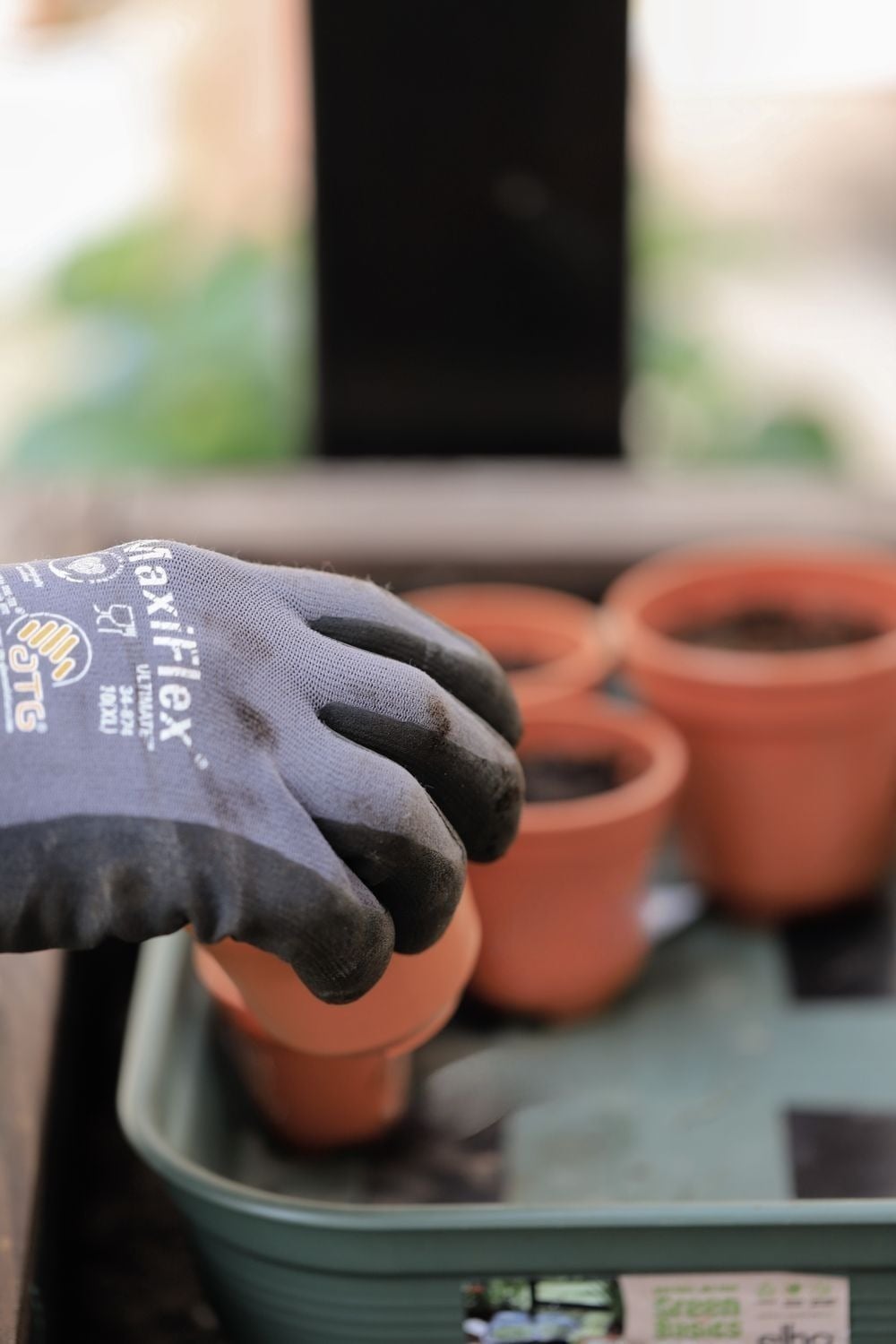
Things we stopped teaching kids often disappeared because daily life no longer required them, and gardening is a perfect example. Children who helped with gardens learned that food begins long before the grocery store: soil has to be prepared, seeds need the right depth, plants require water and light, and tomatoes stubbornly refuse to appear five minutes after planting. Gardening remains common in many families and schools, but urban living and limited outdoor space can make the experience less accessible. Few lessons in patience are quite as effective as discovering that a seed does not care about anyone’s preferred delivery time.
11. Basic Tools Once Came With Childhood Observation
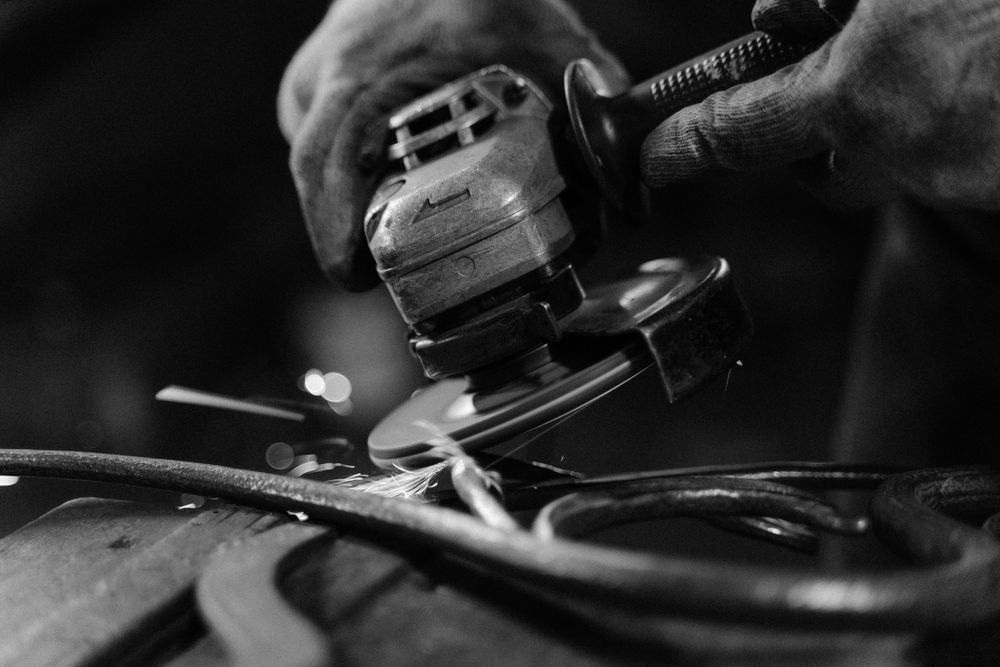
A hammer, screwdriver, wrench, tape measure, and pair of pliers are simple objects until someone has never been shown what to do with them. Basic tool skills were often picked up by watching adults repair furniture, hang shelves, tighten loose screws, or tackle small household jobs. As products became cheaper to replace and professional services easier to find, those little lessons became less automatic in some homes. The result can be strangely humbling: assembling a bookshelf should not feel like an engineering internship, yet one mysterious Allen key can bring an entire afternoon to a halt.
12. Mending Clothes Used to Come Before Replacing Them

A small tear, loose seam, or worn patch did not automatically mean a garment had reached the end of its life. Basic mending could keep clothing usable for months or even years, and children sometimes learned those repairs simply because they were useful household skills. Fast fashion changed the economics of that decision. When another shirt can cost less than lunch, repairing the old one can feel unnecessary. But there is something practical hidden inside the old habit: recognizing that “damaged” and “useless” are not always the same thing.
13. Cursive Was Once the Default Way to Write Quickly

For generations of students, cursive was practiced through rows of loops, slants, connections, and carefully repeated letters. Its importance has declined as keyboards and touchscreens became central to schoolwork and communication, although cursive instruction certainly has not vanished everywhere. The interesting consequence goes beyond handwriting. Someone who never becomes comfortable reading cursive can find older letters, family documents, or handwritten historical records surprisingly difficult to decipher. Imagine inheriting a box of letters from a grandparent and discovering that the first obstacle is not understanding the story. It is understanding the alphabet.
14. Phone Numbers Used to Live Inside People’s Heads
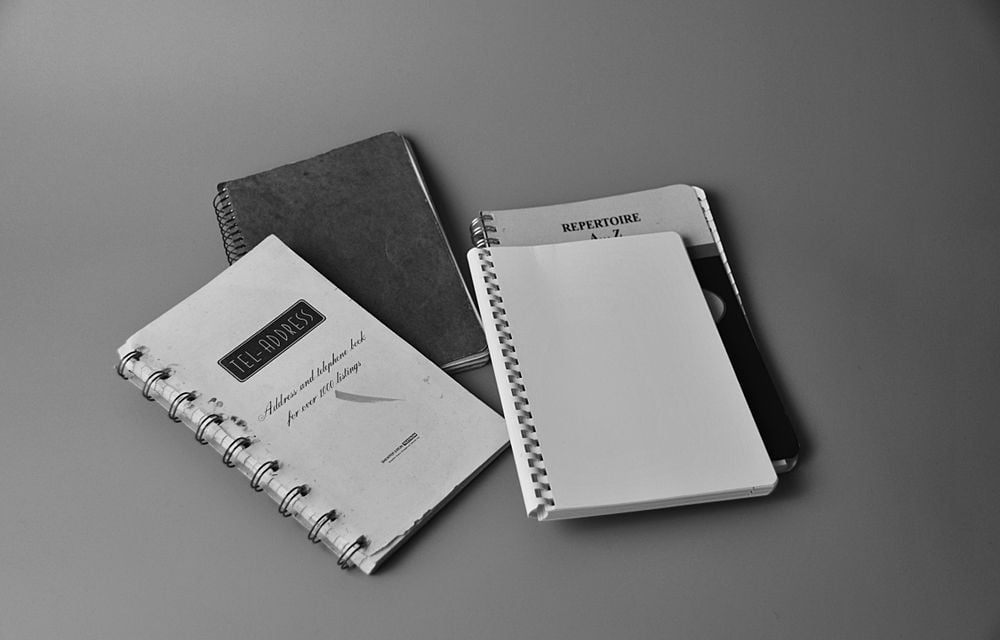
Ask someone who grew up before smartphones for a childhood phone number, and there is a decent chance it still emerges from some indestructible corner of memory. People memorized home numbers, relatives’ numbers, friends’ numbers, and sometimes emergency contacts because there was no pocket-sized database carrying all of them around. Contact lists removed most of that necessity. Why memorize ten digits when a name does the job? The system works beautifully until the phone dies and someone realizes the only number they can confidently recall belongs to a house they moved out of twenty years ago.
15. Dictionaries Made Looking Up One Word an Actual Journey

Finding an unfamiliar word once meant knowing approximately how it was spelled, understanding alphabetical order, locating it among hundreds of pages, and reading the definition carefully enough to determine which meaning fit the sentence. Search engines and digital dictionaries can now complete that process almost instantly. The old method was slower, but it had an accidental bonus: while hunting for one word, readers frequently encountered several others along the way. A paper dictionary could turn a thirty-second question into five minutes of completely unnecessary linguistic wandering, which was occasionally the best part.
16. Addressing an Envelope Was Once Common Knowledge

Writing the letter was only half the job. Someone still had to know where the recipient’s name and address belonged, where the return address went, which corner needed the stamp, and how much information the postal service actually required. Email made that little diagram of postal etiquette far less relevant to everyday communication. The skill still matters whenever something physical needs mailing, of course. That is usually when a perfectly competent adult finds themselves holding an envelope and thinking, “Wait… which address goes in the middle?”
17. Following a Recipe Meant Following Instructions

Before cooking videos could demonstrate every chop, fold, and simmer, a recipe expected readers to turn written directions into dinner. That required measuring ingredients, understanding terms like “saute” or “simmer,” completing steps in the correct order, and occasionally realizing halfway through that “preheat the oven” really did belong at the beginning. Video tutorials have made cooking wonderfully visual, but traditional recipes teach a broader skill: reading a sequence carefully and executing it independently. Skip step four while assembling furniture and the shelf wobbles. Skip step four while baking and dessert becomes chemistry with consequences.
18. Household Chores Were Also Lessons in Cooperation

Sharing chores was never only about producing a clean kitchen. Setting the table, washing dishes, folding laundry, sweeping floors, or taking out the trash taught children that maintaining a home requires repeated work and that everyone living there can contribute. Families still divide responsibilities in countless ways, so this is hardly a vanished tradition. What has changed in some households is how easily certain tasks can be outsourced, automated, or squeezed out by busy schedules. A dishwasher may handle the plates, but it cannot teach the surprisingly important lesson that socks do not magically return to drawers.
19. Boredom Used to Require an Exit Strategy

There was once a dangerous sentence every child eventually uttered: “I’m bored.” The solution might be drawing, building something, reading, wandering outside, inventing a game, bothering a sibling, or staring at the ceiling until imagination finally produced a better offer. Smartphones and streaming can now fill almost every empty minute before boredom fully arrives. That convenience is difficult to resist, but unstructured downtime can also encourage children to create their own entertainment. What happens when nothing is immediately available to watch, tap, or scroll? Sometimes, eventually, something gets invented.
20. Playing Outside Did Not Need a Screen or a Schedule
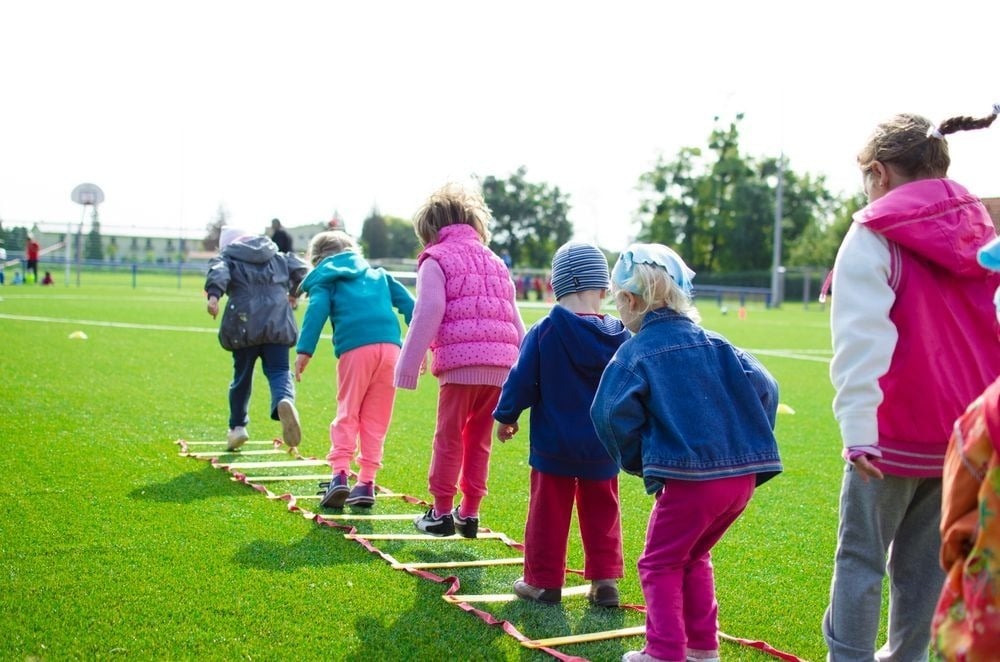
Outdoor play could once begin with almost nothing: a bicycle, a ball, some chalk, a patch of pavement, a backyard, or simply other children nearby. The activity often developed as it happened, with rules invented, disputed, rewritten, and occasionally abandoned before dinner. Children absolutely still play outside, but screens, organized activities, traffic concerns, neighborhood design, and changing family routines can reduce opportunities for completely unstructured outdoor time. Perhaps the disappearing skill is not playing outside itself. It is knowing what to do when nobody has planned the next two hours.
Things we stopped teaching kids are often better understood as things modern life stopped requiring quite so frequently. Some skills became technologically outdated, others moved from necessities to hobbies, and many are still taught but no longer reinforced through everyday repetition. That does not mean childhood needs to be rewound to an earlier era. It simply makes these fading skills worth noticing, because even when the original problem disappears, the patience, independence, practical thinking, or creativity behind the solution can still be useful.
Keep Exploring The Scroller
Every generation quietly drops a few everyday skills while picking up entirely new ones. Keep exploring The Scroller for more forgotten habits, disappearing routines, and ordinary pieces of life that changed before most people noticed:
16 Household Chores Kids Were Assigned in the 1990s
16 Things 1970s Parents Let Kids Do That Would Shock People Today