Before smartphones, waiting came with a strange requirement: finding something to do with yourself. There was no automatic reach for a glowing rectangle, no endless feed waiting to swallow 17 minutes, and no group chat to announce that the train was, once again, late.
Instead, people read whatever was nearby, talked to strangers, studied walls, watched clocks, made phone calls, ate very slowly, or occasionally did something almost radical by modern standards: absolutely nothing. These photos capture the little rituals that once filled all that empty time.
1. Reading a Newspaper at an Airport Gate
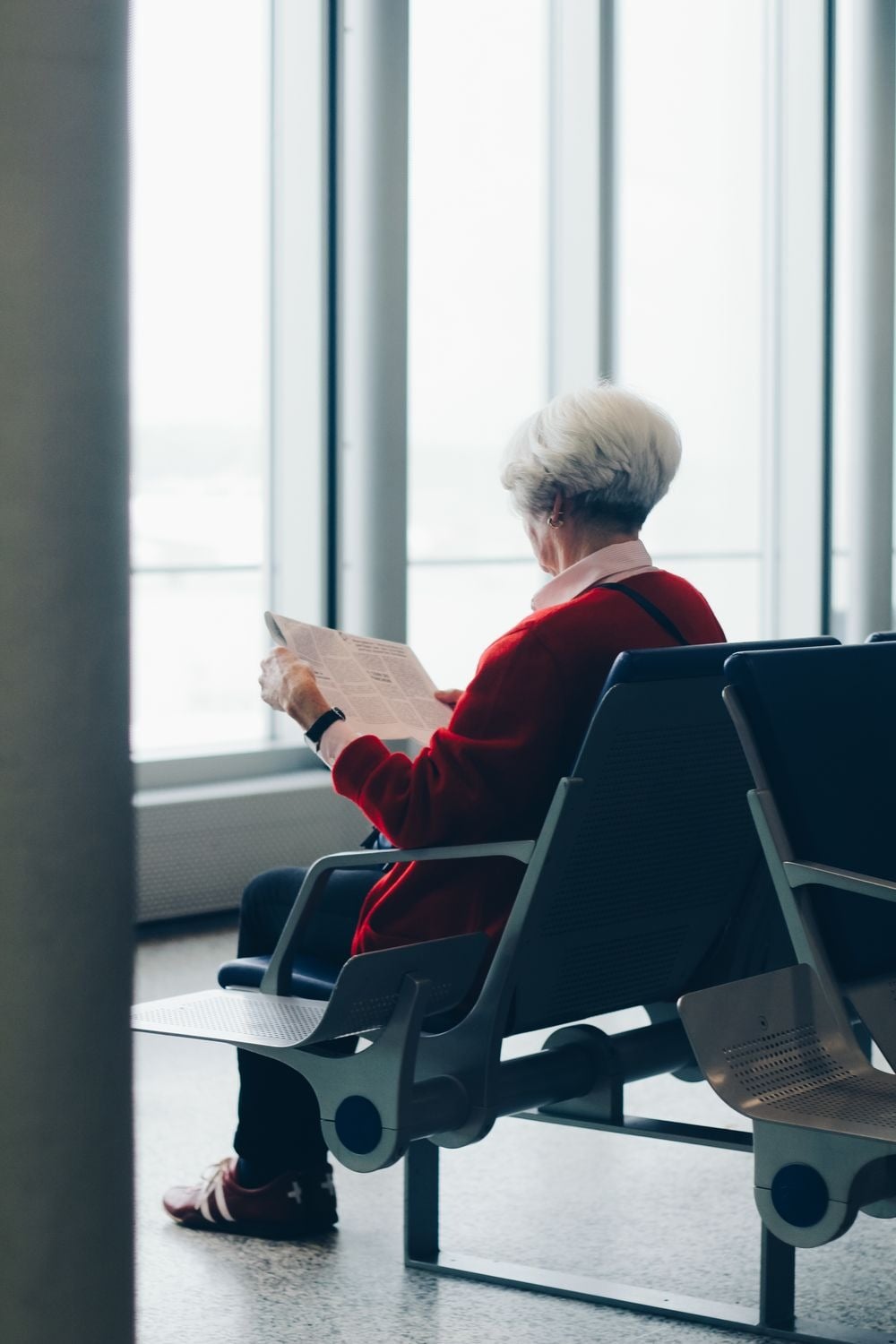
A newspaper was basically an analog entertainment center that unfolded to the approximate size of a bedsheet. Travelers could disappear into headlines, sports scores, comics, and classifieds while waiting for boarding. Better yet, one paper could last an entire delay, assuming the person beside you didn’t mind surrendering half their personal space.
2. Talking to Whoever Was Sitting Nearby
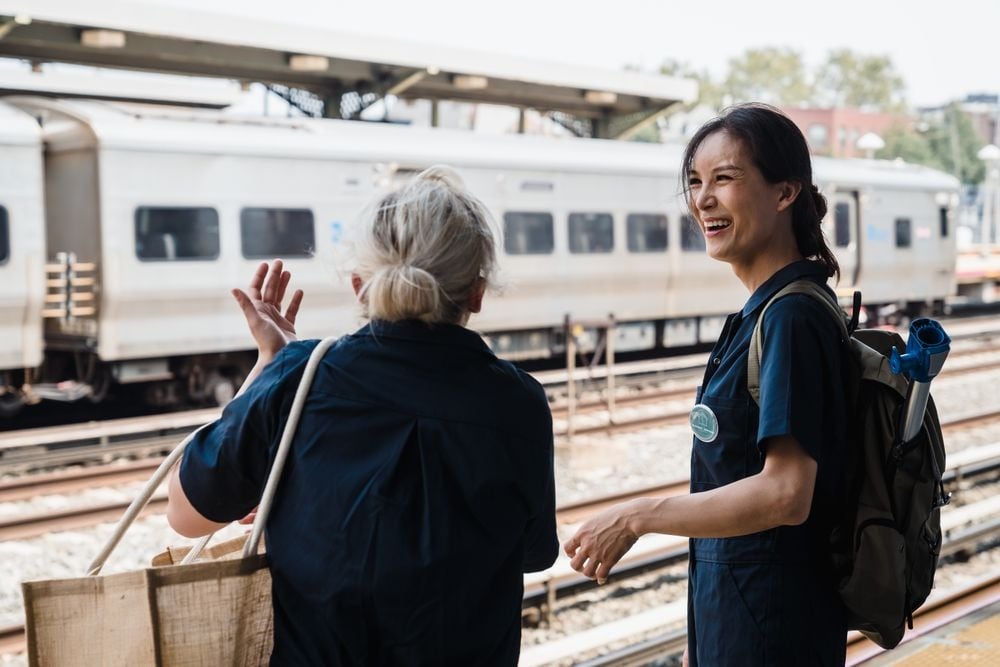
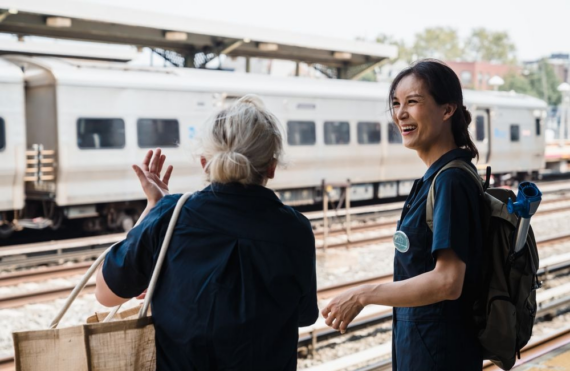
Sometimes the entertainment was simply… another person. A delayed train or crowded waiting room could turn complete strangers into temporary conversational partners, exchanging complaints, travel stories, or observations about whatever was happening around them. There was no profile to inspect first and no mutual follow required. The conversation existed because two people happened to be standing there.
3. Flipping Through Old Magazines at the Doctor’s Office

Waiting-room magazines were practically part of the furniture. Patients picked through communal stacks of dog-eared issues, often discovering celebrity news, recipes, or home-decor trends that weren’t exactly fresh off the press. The real challenge wasn’t finding something interesting. It was finding the magazine whose crossword hadn’t already been attacked by someone with a pen.
4. Watching Arrivals and Departures Through the Window
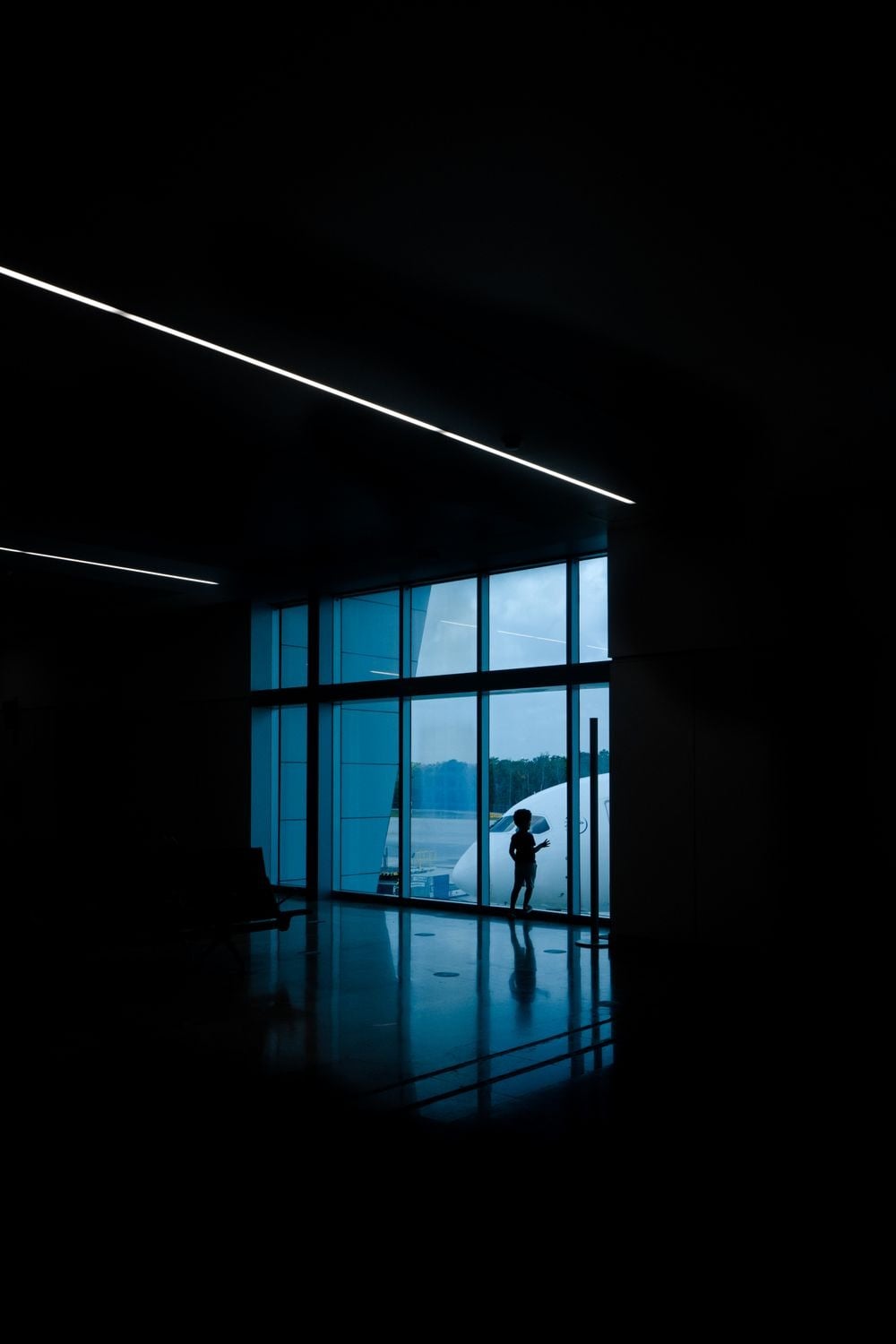
What did people look at when there wasn’t a screen directly in front of them? Sometimes, remarkably enough, they looked outside. Airport windows and train platforms offered their own slow-moving show as planes taxied, trains arrived, workers moved luggage, and passengers came and went. Nothing needed to happen quickly because watching was the activity.
5. Doing a Crossword or Puzzle on Paper
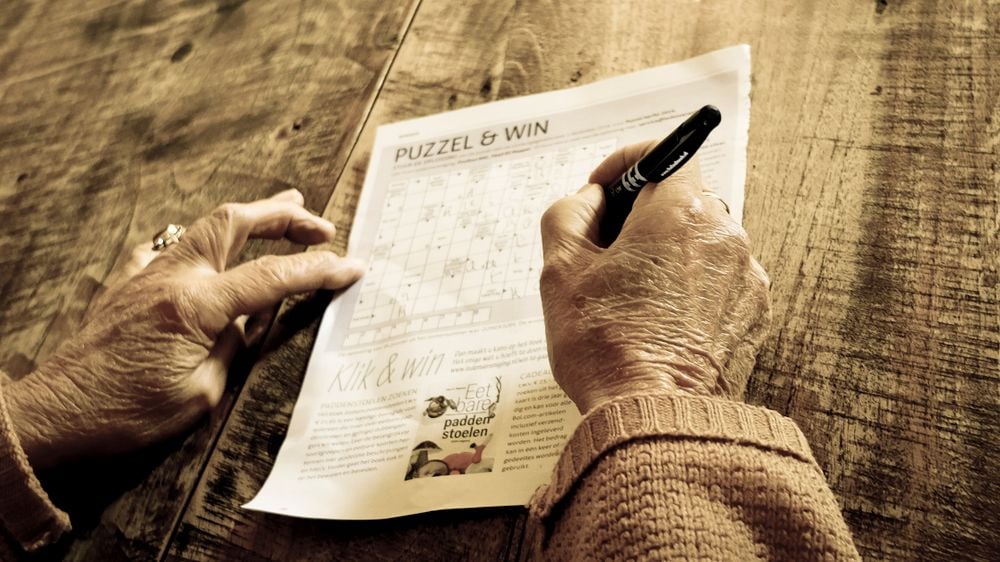
A pencil and a crossword could turn twenty empty minutes into a tiny personal battle. Newspapers and puzzle books traveled easily, required no batteries, and had the unusual ability to make one stubborn six-letter answer feel more urgent than the delayed bus. And unlike today’s games, there was no helpful little button offering to rescue you after three failed attempts.
Trending on The Scroller


6. Standing in Line With Nothing to Do
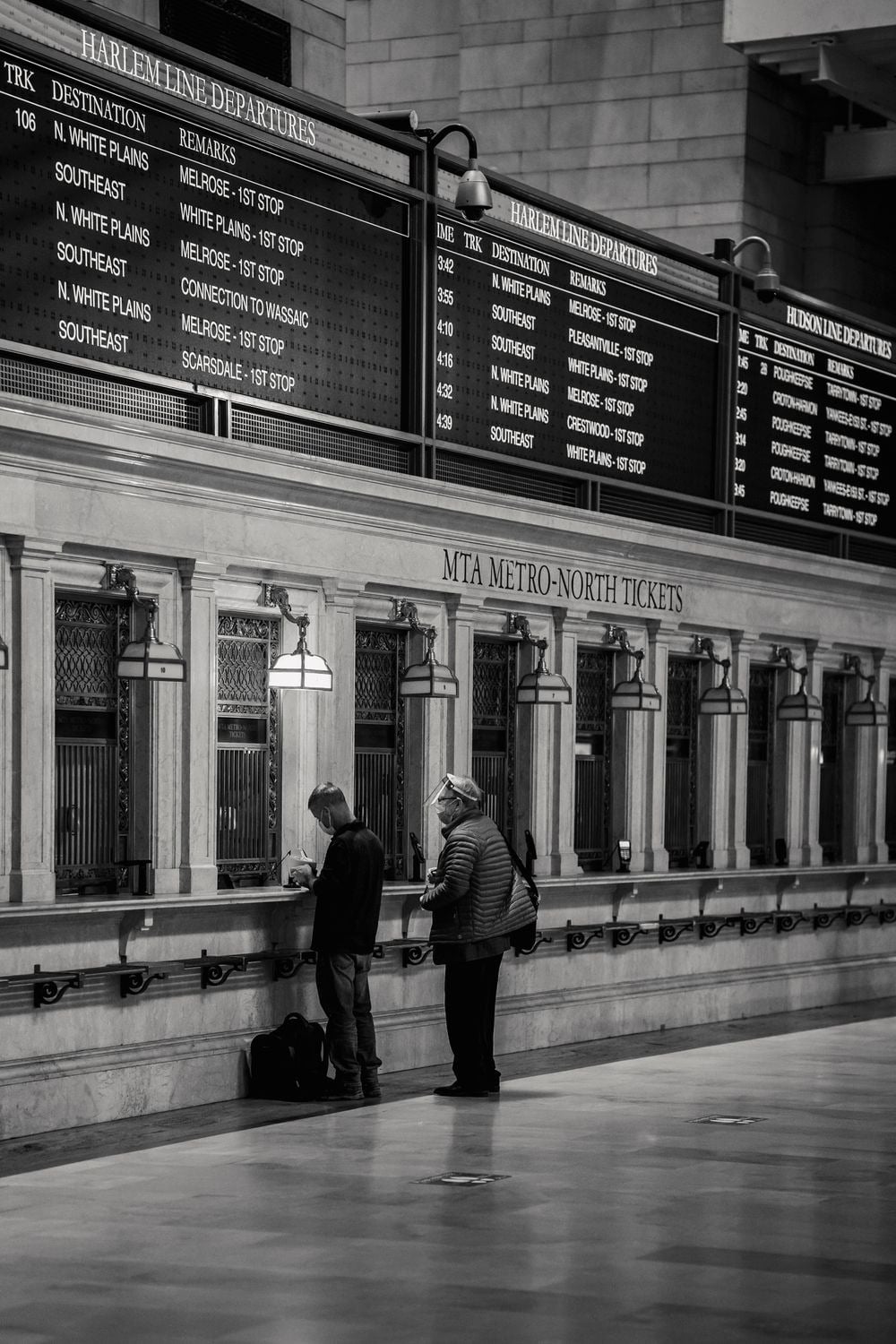
This one may be the hardest to imagine: people sometimes just stood there. No scrolling. No earbuds. No checking the same three apps in rotation. A line meant shifting from one foot to the other, watching the people ahead, wondering why nothing was moving, and developing an extremely detailed awareness of how many people still stood between you and freedom.
7. Calling Someone From a Pay Phone
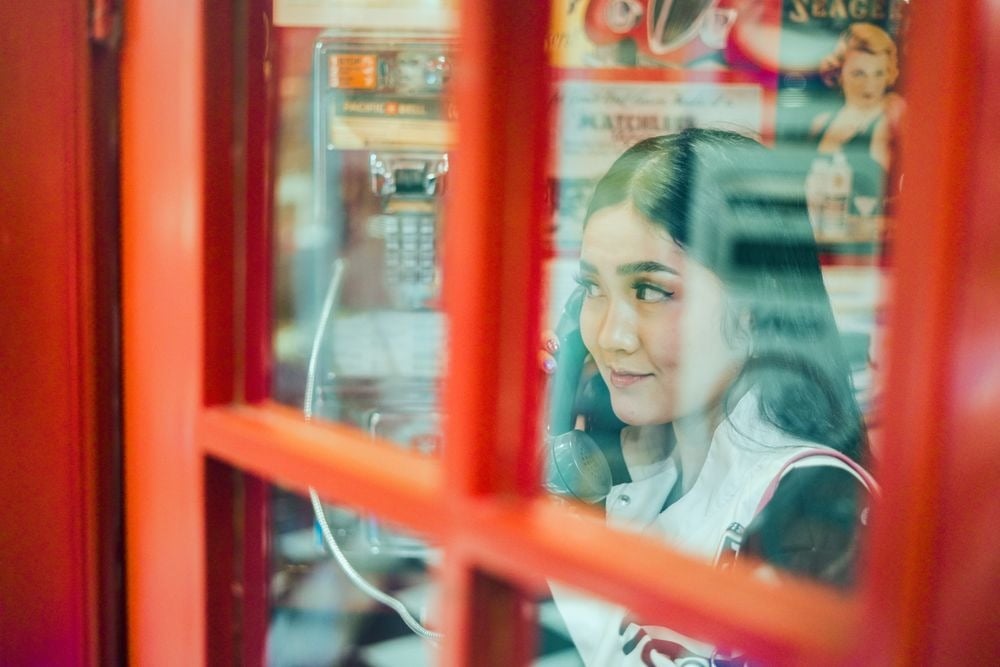
A long delay could send travelers searching for something that has nearly vanished from public spaces: a telephone attached to a place. Pay phones let people update family, confirm rides, or explain that they were running late. The catch was that whoever you wanted to reach needed to actually be near another phone. Somehow, entire generations coordinated pickups this way.
8. People-Watching From a Bench
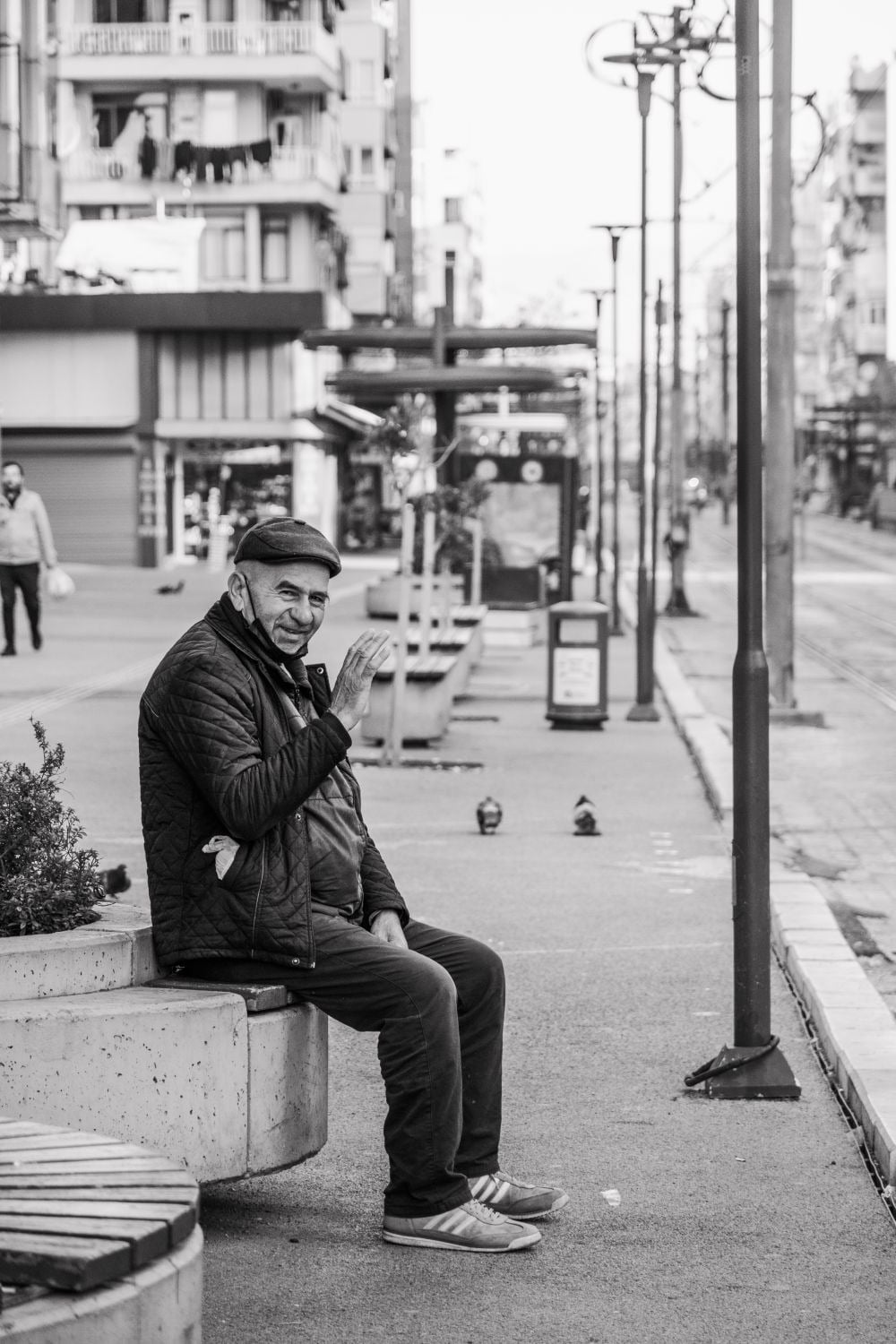
Benches came with free programming. Sit long enough in a station, terminal, or busy public space and an entire parade of humanity passed by: hurried commuters, confused travelers, reunions, arguments, enormous suitcases, questionable outfits. Was it technically entertainment? Nobody needed to call it that. Looking around was simply what happened when there wasn’t something more compelling demanding your eyes.
Sign up for our newsletter
9. Reading a Paperback They Carried Everywhere
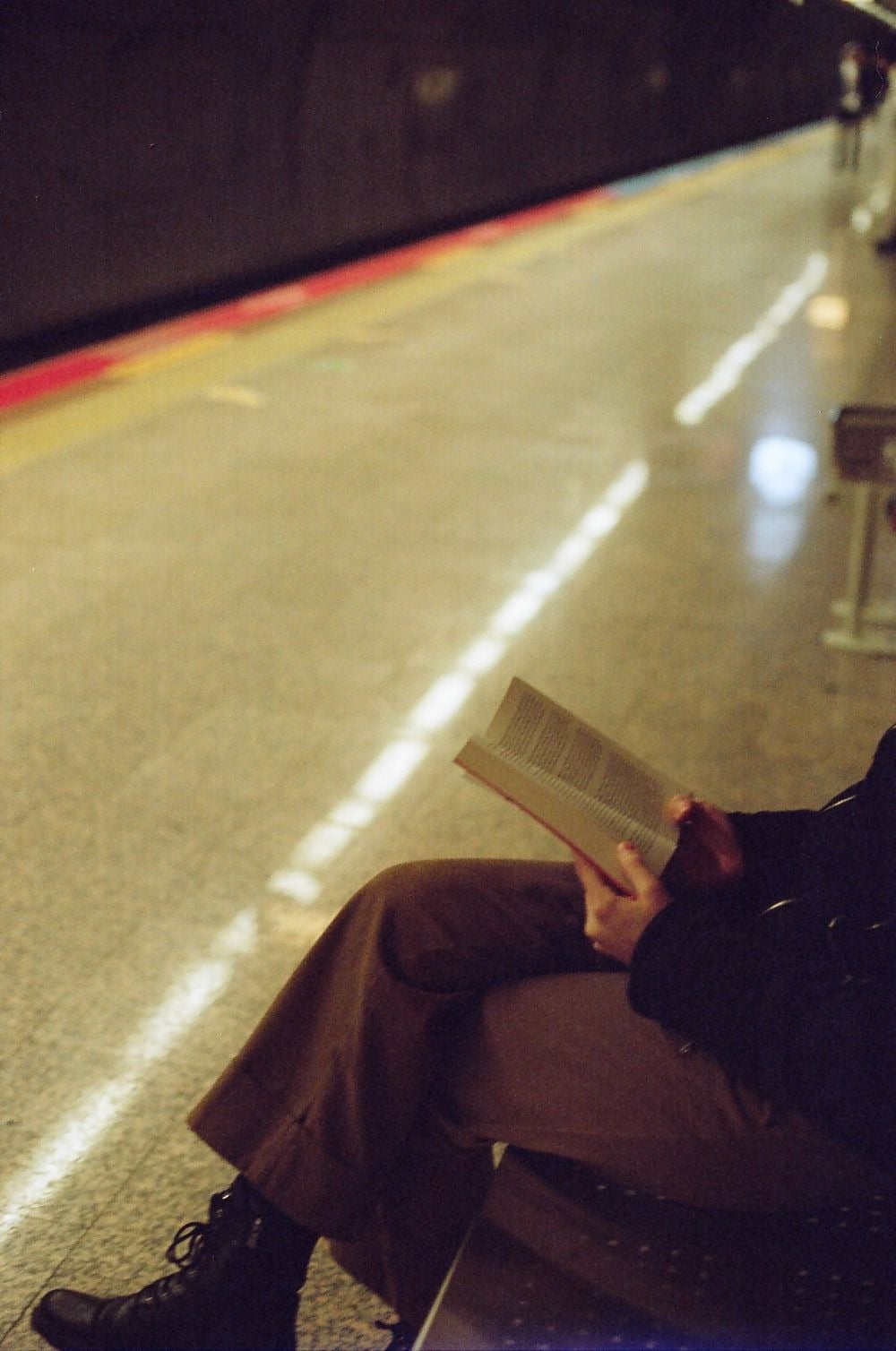
Some books spent weeks living inside purses, coat pockets, and carry-ons, emerging whenever life produced ten spare minutes. A paperback could turn a station bench into another world, then disappear again the moment the bus arrived. There was something wonderfully practical about entertainment that remembered exactly where you stopped without needing a charger.
10. Smoking Through the Wait
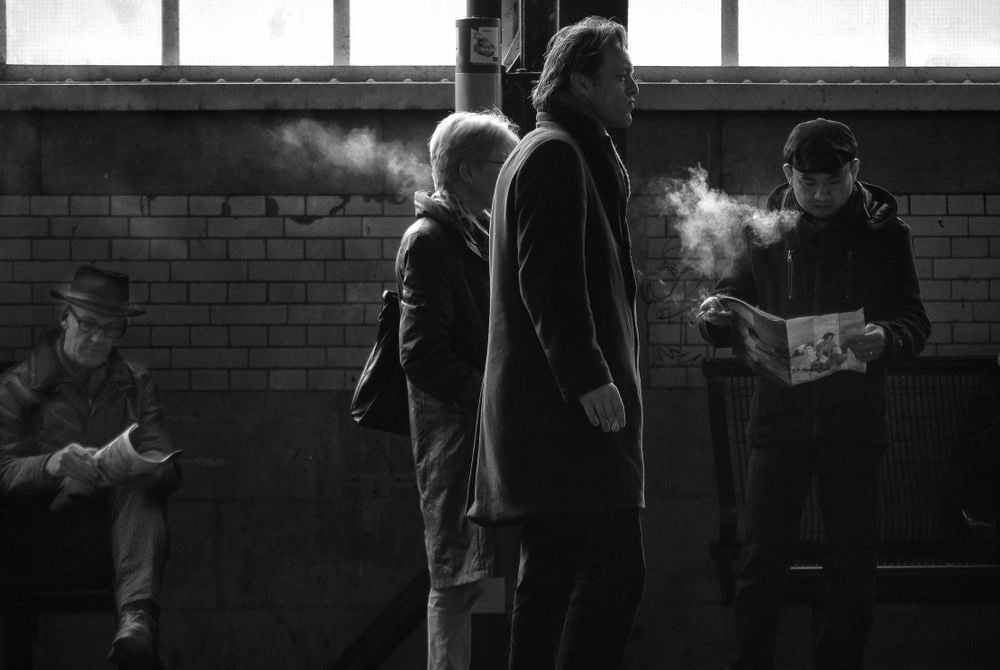
Before smartphones, smoking was another common sight in many terminals, waiting rooms, and transportation spaces during much of the 20th century. Cigarettes occupied hands and punctuated stretches of waiting in places where smoking would be unthinkable today. Old photographs can make the practice look startlingly casual, especially when smoke appears beside people reading, talking, or simply waiting for their ride.
11. Studying the Big Schedule Board
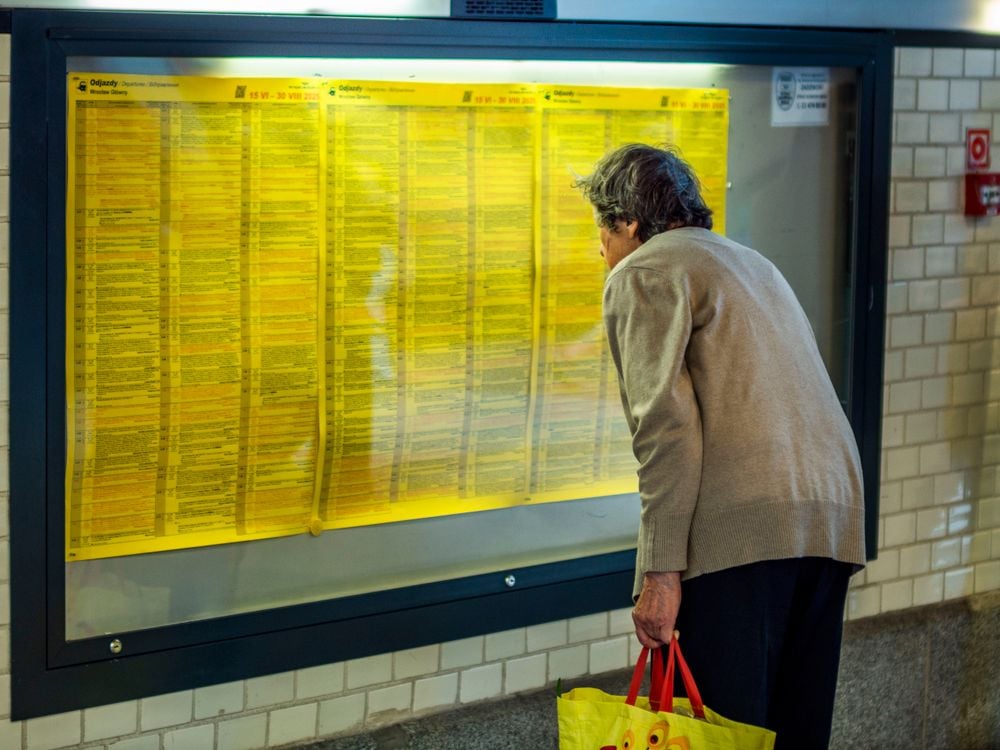
Before an app could quietly announce a gate change, travelers had to look up. Big departure boards, posted timetables, and station information became magnets for anyone trying to figure out what was happening next. A crowd staring toward the same board was practically the travel equivalent of refreshing a page, except everyone was refreshing together.
12. Knitting or Doing Handwork
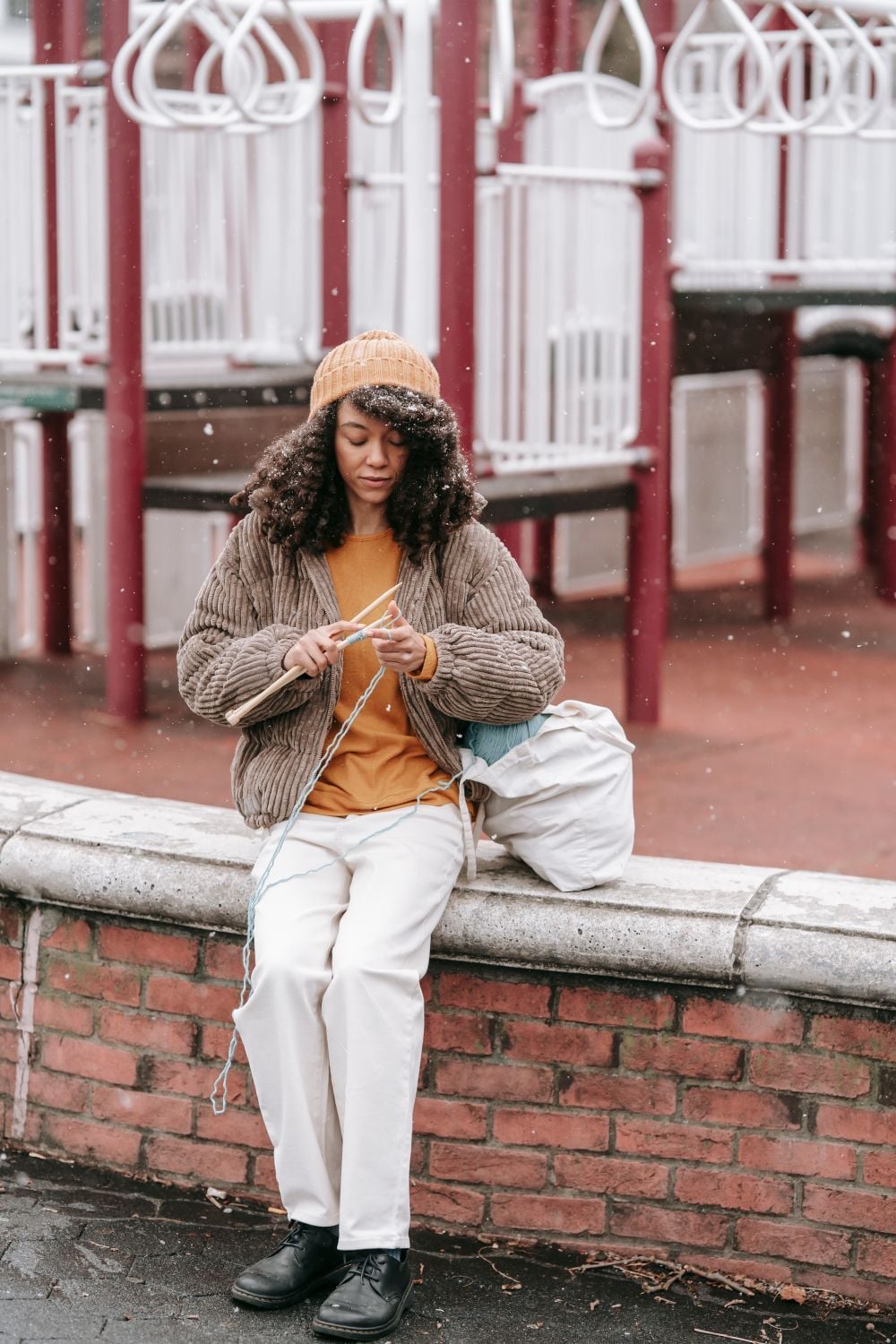
For some travelers, waiting wasn’t wasted time at all. Knitting, sewing, and other portable handwork could turn an uneventful hour into something productive, with the added advantage that the finished result actually existed afterward. Imagine reaching your destination with several inches of a scarf instead of the vague realization that you somehow watched 43 short videos.
13. Watching Television in a Shared Waiting Room
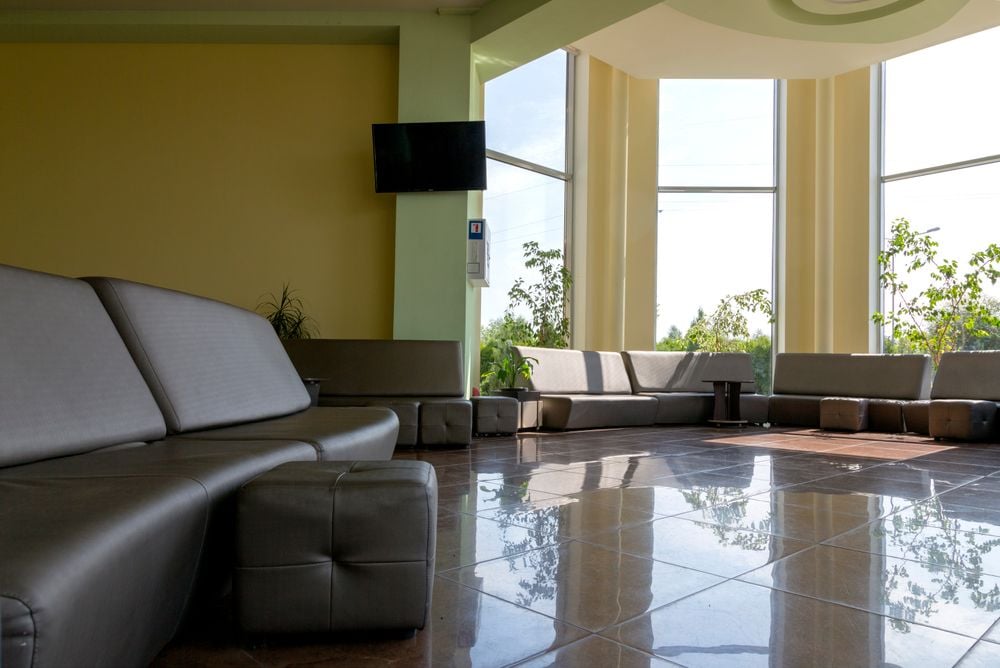
The waiting-room television offered choice in the loosest possible sense of the word. Clinics, terminals, and lounges sometimes installed communal sets, meaning everyone watched whatever happened to be playing. Like the program? Great. Hate it? Also great. You were watching it anyway. Personal entertainment had not yet conquered every idle minute, so sometimes strangers simply shared the same screen.
14. Writing Letters, Notes, or Postcards
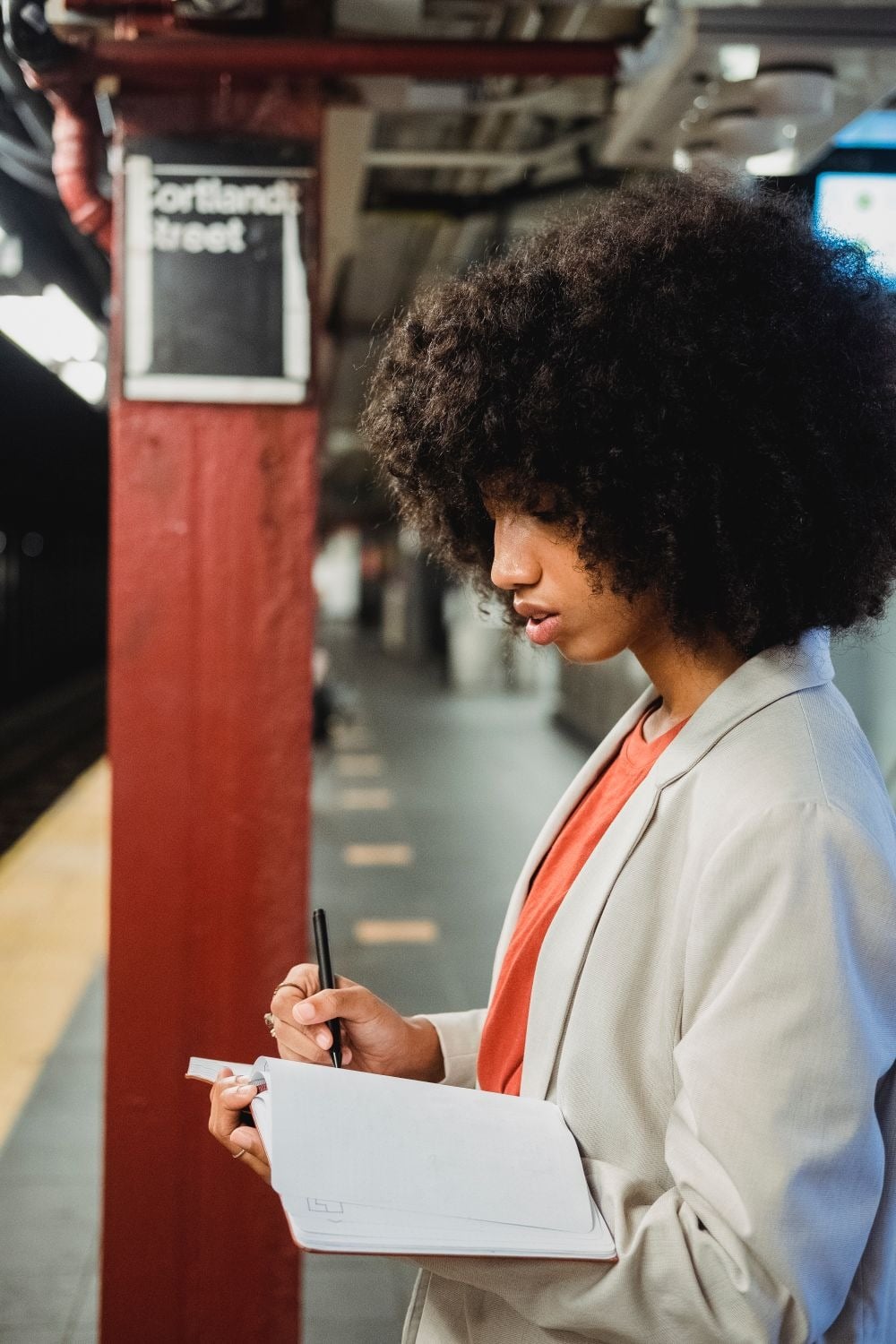
Could a delayed train actually make someone more productive? With a pen, paper, and nowhere else to be, travelers sometimes used waiting time to write letters, jot down notes, or send postcards. The setting hardly needed to resemble an office. A bench, suitcase, or lap could become a temporary desk until transportation finally arrived.
15. Kids Inventing Games With Whatever Was Around
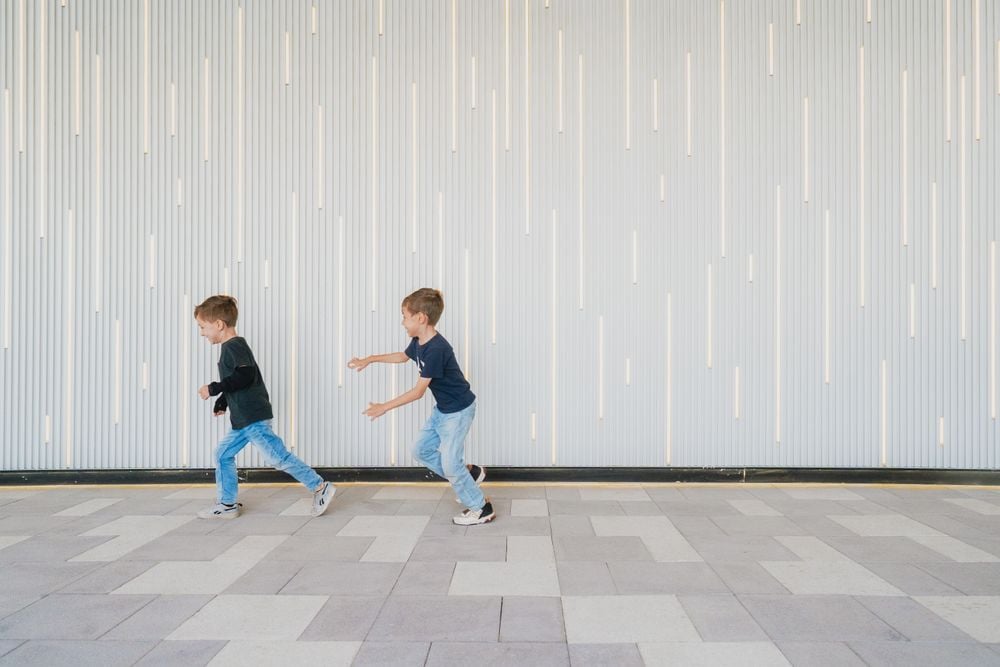
Children didn’t suddenly become patient just because smartphones hadn’t been invented. They improvised. Floor tiles became patterns to follow, luggage became scenery, railings became fascinating for reasons understood only by children, and siblings became either playmates or adversaries. Parents still had to survive the waiting. They simply couldn’t hand over a screen and buy twenty minutes of peace.
16. Eating a Snack Slowly

A snack could become a full waiting strategy if approached with sufficient commitment. Coffee, soda, sandwiches, or vending-machine treats gave people something to do while time crawled forward. The trick was pacing. Finish too quickly and there you were again, holding an empty wrapper with another 35 minutes to somehow account for.
17. Reading the Posters, Signs, and Ads
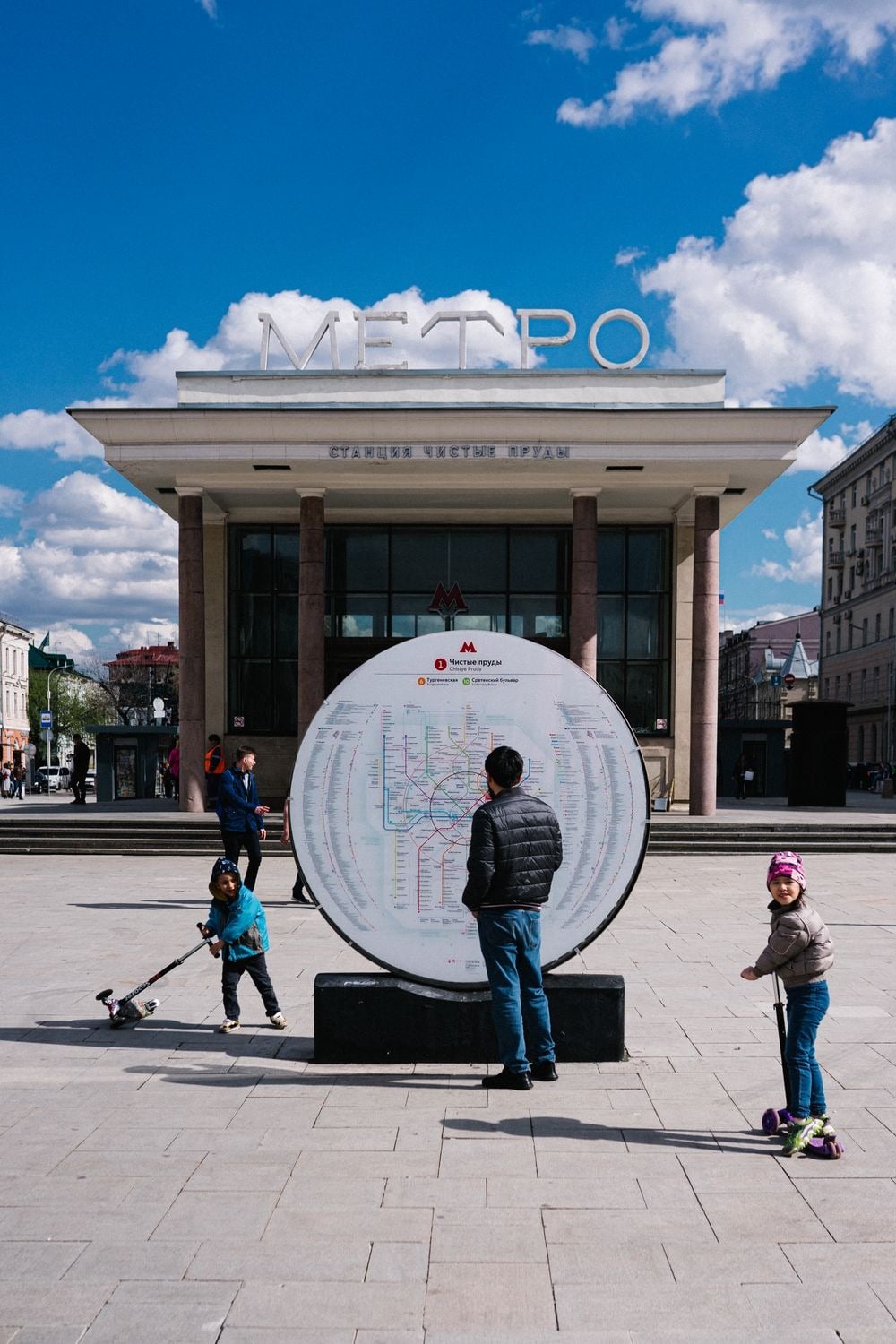
Eventually, boredom could make almost anything interesting. A transit map? Fascinating. An advertisement you’ve already seen four times? Worth another look. A public notice containing information that has absolutely nothing to do with you? Suddenly essential reading. Waiting transformed walls into content long before anyone used that word for entertainment.
18. Watching the Clock
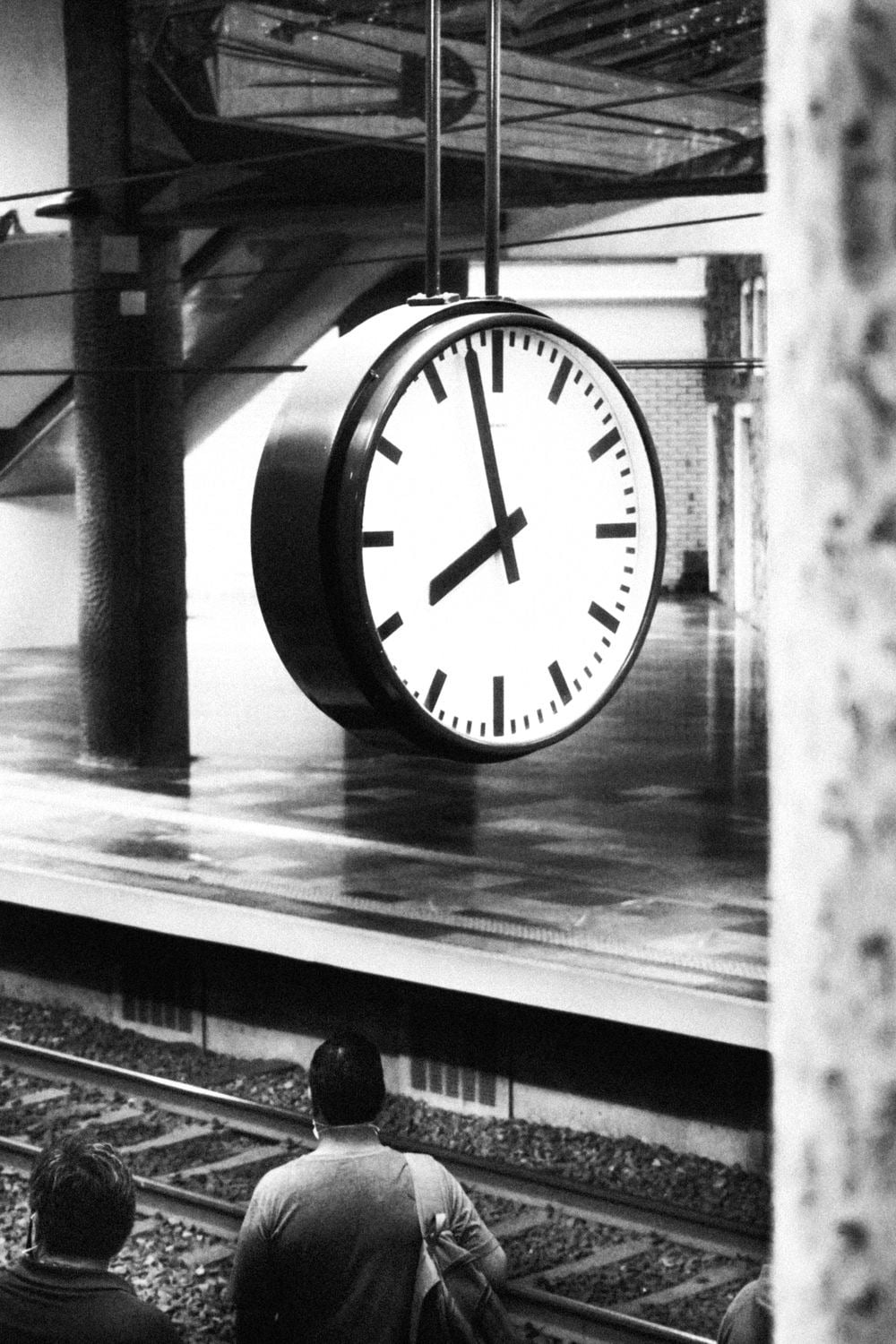
Public clocks carried considerably more emotional weight when the time wasn’t permanently available in everyone’s pocket. People waiting for trains, buses, appointments, or other people could look up again and again, apparently hoping the minute hand might respond to sustained psychological pressure. Did checking it every thirty seconds make time move faster? No. Did that stop anyone? Probably not.
19. Napping in the Chair
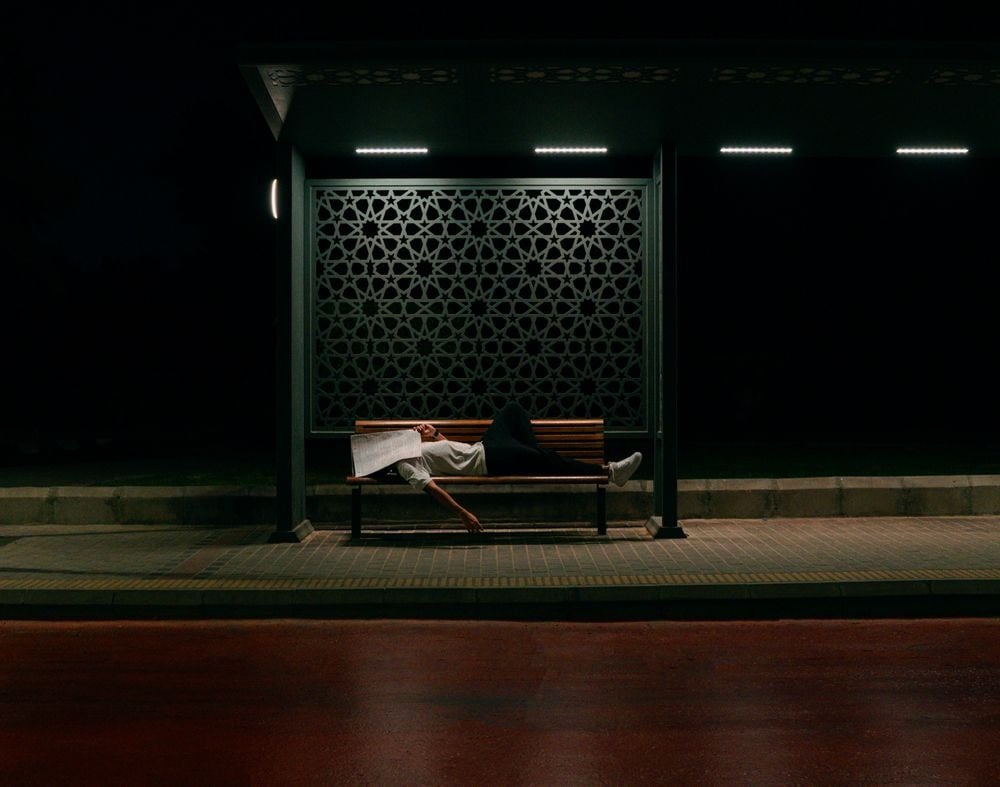
When the delay became long enough, boredom sometimes surrendered to sleep. Airport seats, terminal benches, and waiting-room chairs became improvised beds for tired travelers, particularly during long journeys and overnight waits. No entertainment system required, although achieving a comfortable sleeping position across public seating probably deserved its own engineering award.
20. Simply Sitting With Their Own Thoughts
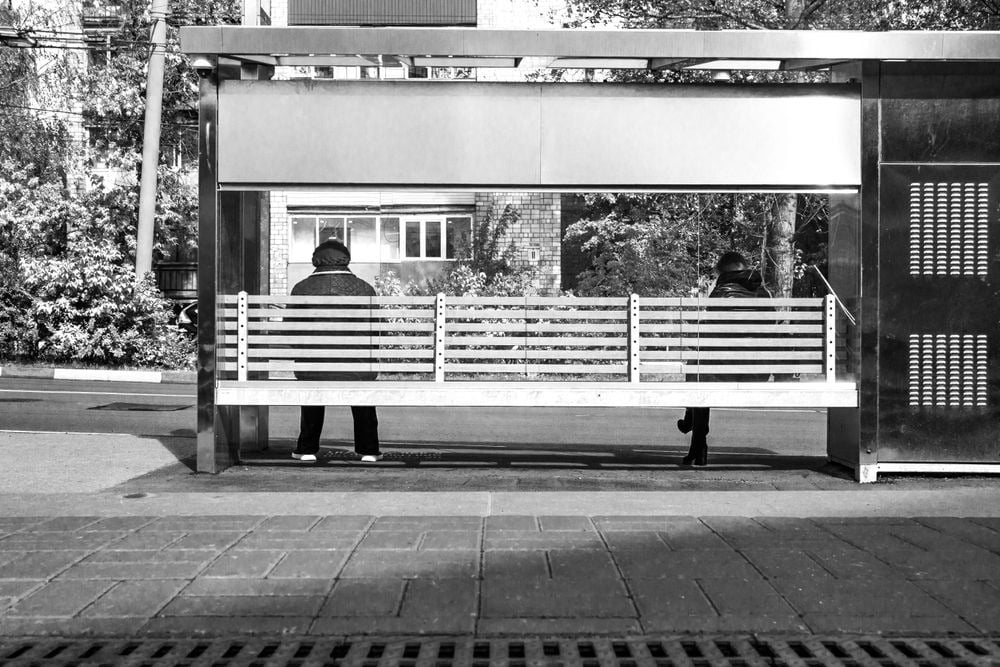
And then there was the activity that barely looks like an activity anymore: sitting. No book, conversation, snack, puzzle, or glowing distraction. Someone might stare through a window, watch the room, daydream, think about dinner, replay an argument, or think about absolutely nothing memorable. What happened inside all those quiet minutes? That’s precisely why this final image feels so different now. There is nothing obvious competing for the person’s attention.
Waiting before smartphones wasn’t necessarily better, deeper, or more peaceful. Sometimes it was simply boring. What changed was how people filled those gaps. The world itself supplied more of the entertainment: whoever sat nearby, whatever was printed on the wall, the activity outside a window, or whatever happened to wander through the mind while there was nothing else to do.
Keep Exploring The Scroller
Before every spare minute came with an endless scroll, everyday life had plenty of strange little rituals of its own. Keep exploring The Scroller for more vintage photos, forgotten habits, disappearing objects, and wonderfully ordinary moments that make the recent past feel much farther away than it really is:
20 Ways People Met Before Dating Apps (Before Swiping Took Over)
16 Things Every Early 2000s Bedroom Had Before Smartphones Took Over
17 Things ’70s Students Had To Deal With Before The Internet