Unwritten social rules quietly control everything from how we greet strangers to where we sit on a nearly empty bus. Nobody hands us an instruction manual, yet somehow we all know when someone has broken one.
Some make life easier, others create spectacularly awkward moments, and a few seem designed to test our social survival skills. Here are 20 everyday habits we follow almost automatically.
1. Waiting Your Turn in Line

There´s no written contract at the grocery store, but everyone knows the deal: first come, first served. Cut in front of someone, and suddenly you´ve made enemies with sex strangers. Priority access and emergencies can change the order, but casually skipping the line? That´s practically a declaration of war.
2. Offering a Handshake
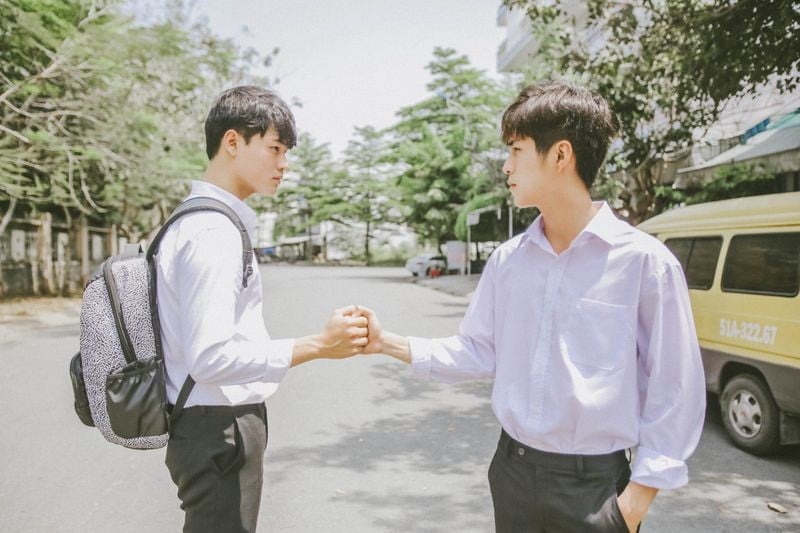
Two strangers meet, extend their right hands, shake briefly, and somehow establish that they´re friendly. Handshakes have a long social history, although the familiar story about proving you weren´t carrying a weapon isn´t a confirmed universal origin. Today, a wave or nod can do the job just as well, especially when someone would rather avoid physical contact.
3. Saying “Excuse Me” to Pass
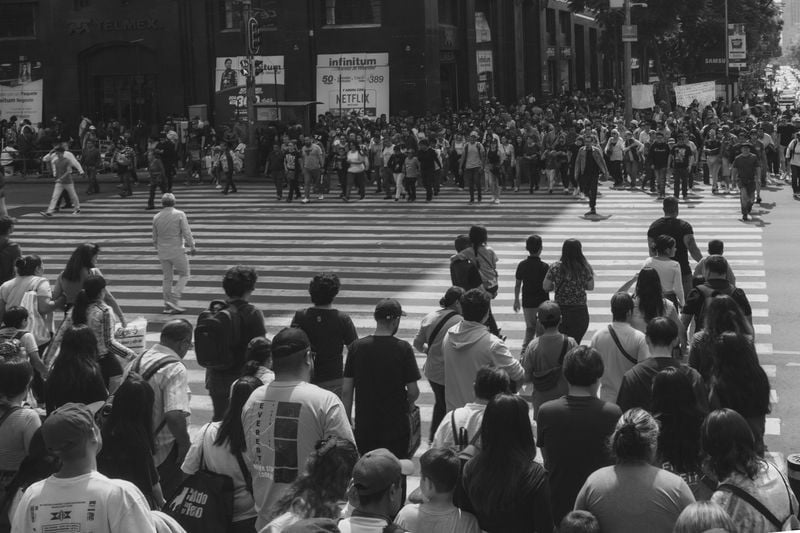
Need to squeeze past someone in a crowded supermarket aisle? Two little words magically turn an awkward invasion of personal space into an acceptable maneuver. You´re not necessarily apologizing for anything. You´re simply announcing that you need a little room before attempting to slide past their shopping cart.
4. Holding the Door for Someone Behind You
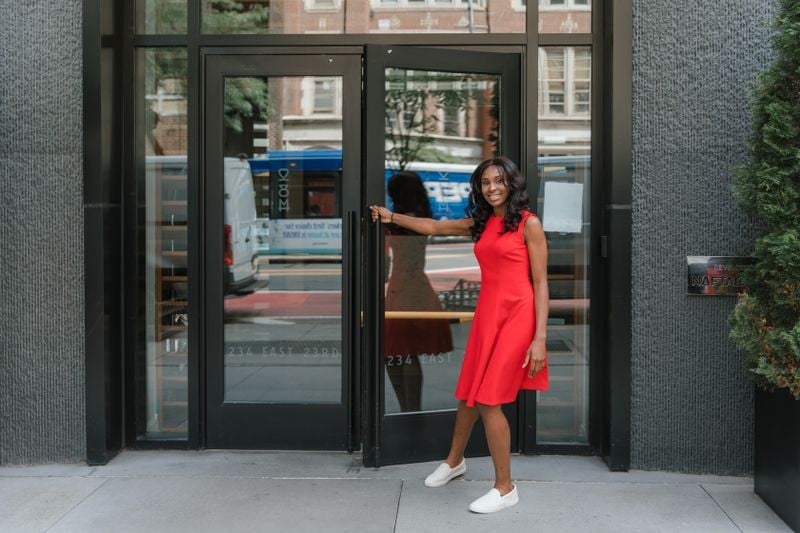
You spot someone approaching, hold the door, and immediately realize they´re much farther away than you thought. Now you´re standing there smiling while they awkwardly speed-walk toward you. What began as a polite gesture has turned into a tiny race nobody wanted to enter.
5. Letting People Exit Before Boarding
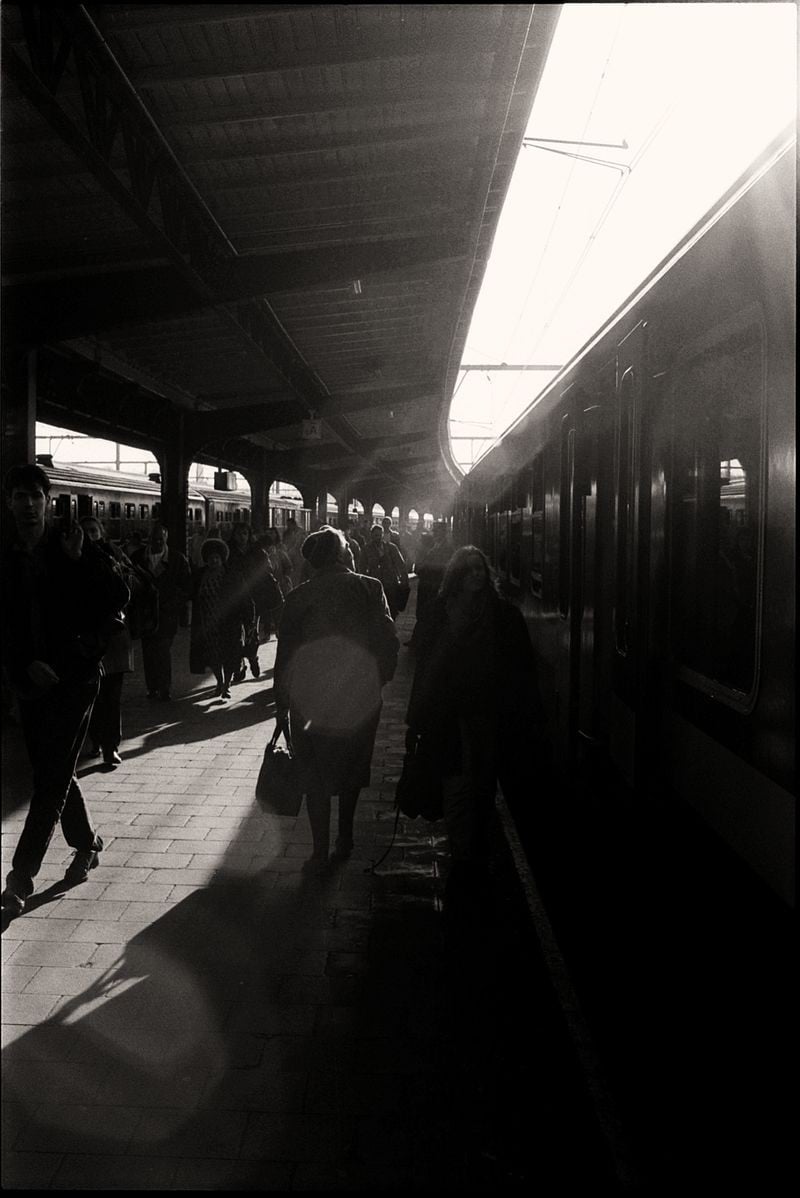
Elevators and trains work much better when people get out before others squeeze in. Yet there´s always someone determined to board while passengers are still exiting. It´s a simple shared-space rule, often reinforced by signs, but rush hour has a remarkable ability to make people basic geometry.
Trending on The Scroller


6. Making Small Talk Before Getting to the Point
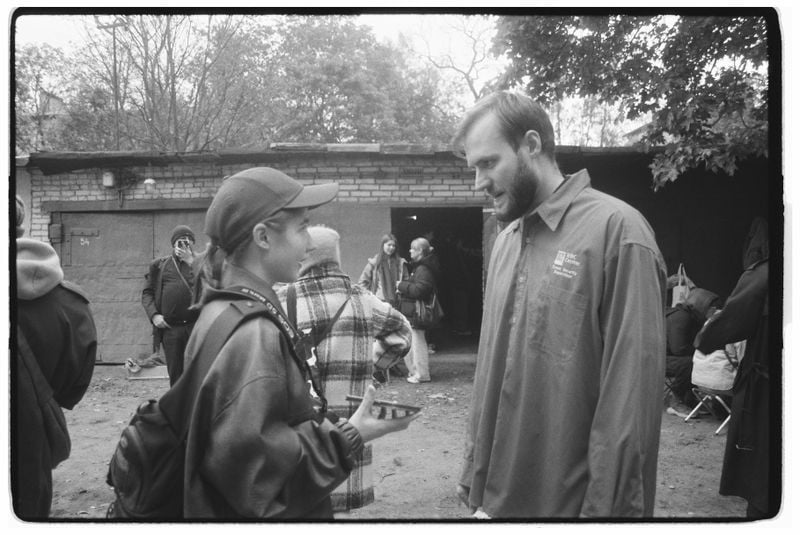
Before asking a coworker for a favor, you might spend thirty seconds discussing the weather, the weekend, or how busy things have been. It´s a way to ease into the conversation rather than launching straight into a request. Of course, not everyone enjoys small talk, especially when the real question is painfully obvious.
7. Saying “How Are You?” Without Expecting a Full Report

“How are you?” usually means hello, not “Please provide a detailed account of your physical and emotional condition.” Most people answer with some variation of “Good, thanks,” even when their morning has been a complete disaster. Give an unexpectedly detailed answer, and watch the other person´s polite smile struggle to survive.
8. Responding “You Too” to Routine Good Wishes
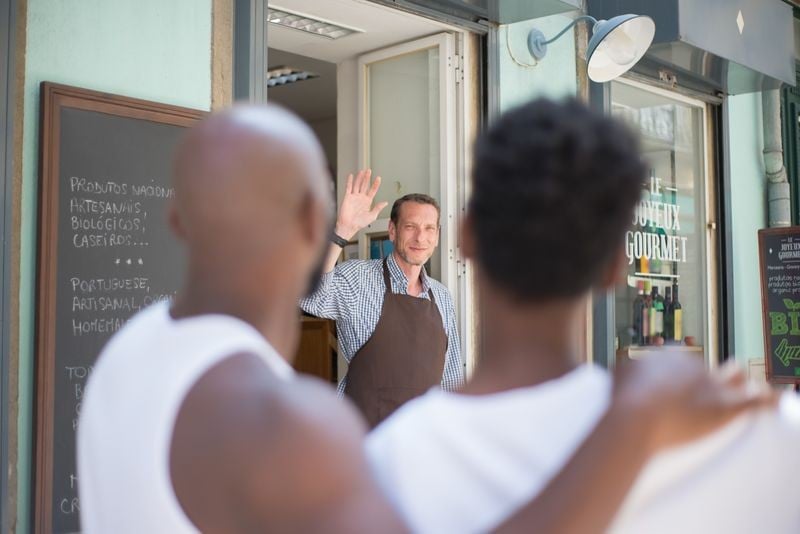
The cashier says, “Enjoy your meal,” and you confidently reply, “You too!” Congratulations, you´ve just wished someone a wonderful lunch they aren´t eating. These automatic responses are so deeply ingrained that our mouths occasionally finish the conversation before our brains arrive.
Sign up for our newsletter
9. Saying “Bless You” After a Sneeze

Someone sneezes, and another person instinctively says, “Bless you.” It´s a familiar social response with several historical explanations, though no single origin story is universally established. Some people say nothing, others use different expressions, but in many American settings, silence after a sneeze can feel strangely noticeable.
10. Clinking Glasses Before the First Sip
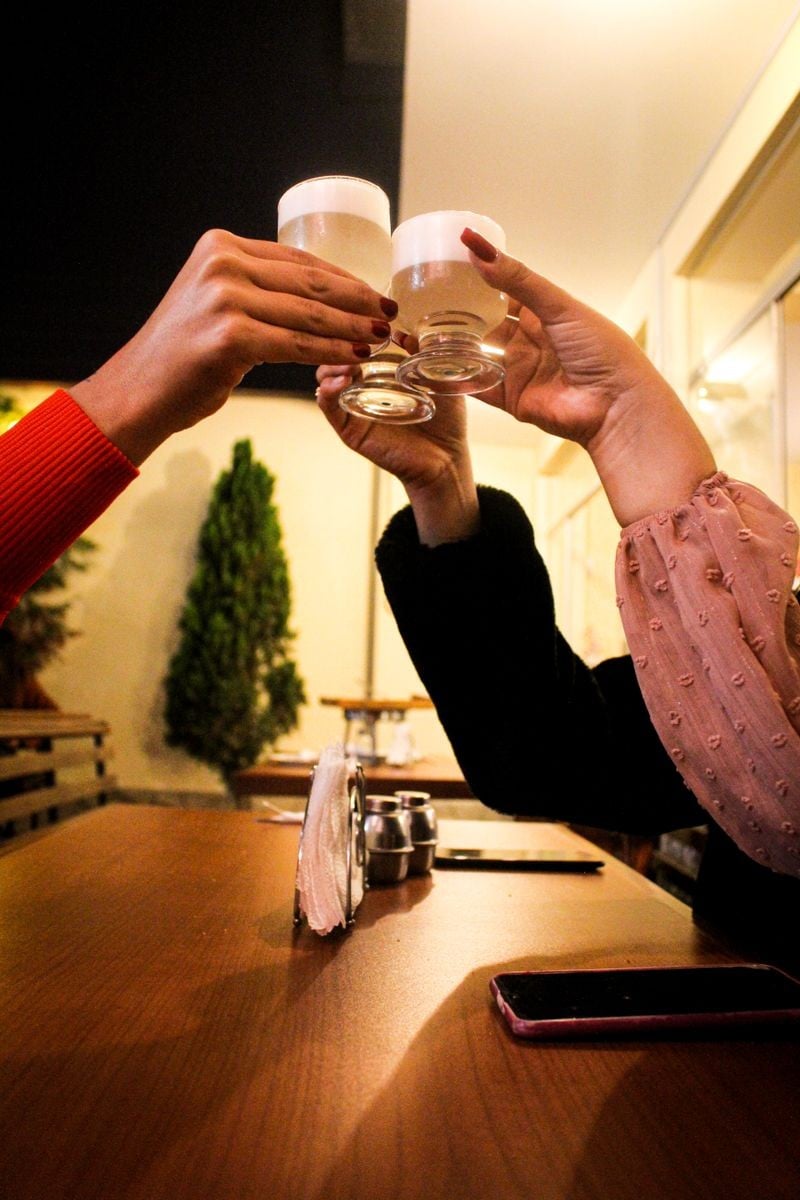
Unwritten social rules can turn something as simple as taking a drink into a coordinated group activity. Everyone raises a glass, waits for the toast, and clinks before sipping. The exact historical origins of glass-clinking remain uncertain, but its modern purpose is clear: sharing a celebratory moment. Just try reaching across a crowded dinner table without spilling anything.
11. Giving a Tip After Table Service
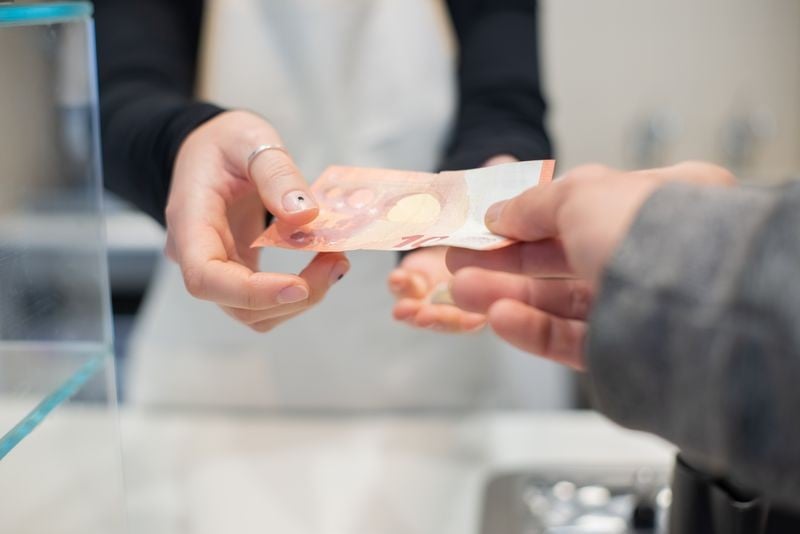
In American restaurants, leaving a tip after table service is a strong social expectation, even though the amount and circumstances vary. Tipping has a complicated, contested history in the United States, and practices differ significantly elsewhere. Few things make a dinner conversation more uncomfortable than someone announcing they´re leaving absolutely nothing.
12. Saying “Thank You” for Routine Service
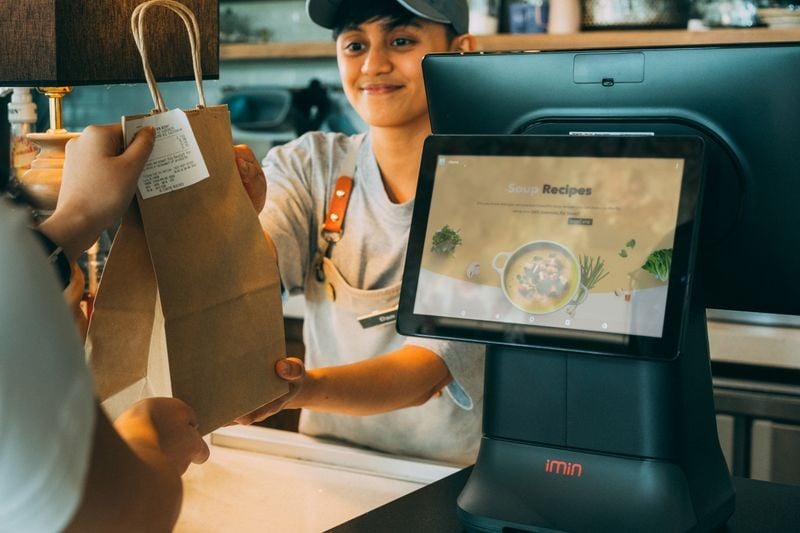
You pay for coffee, the barista hands it over, and you say, “Thank you. Technically, the transaction is complete, but the words acknowledge the person behind the counter. It´s a small gesture that makes an ordinary exchange feel more human. The same applies when someone delivers a package or hands back your change.
13. Apologizing When Two People Nearly Collide
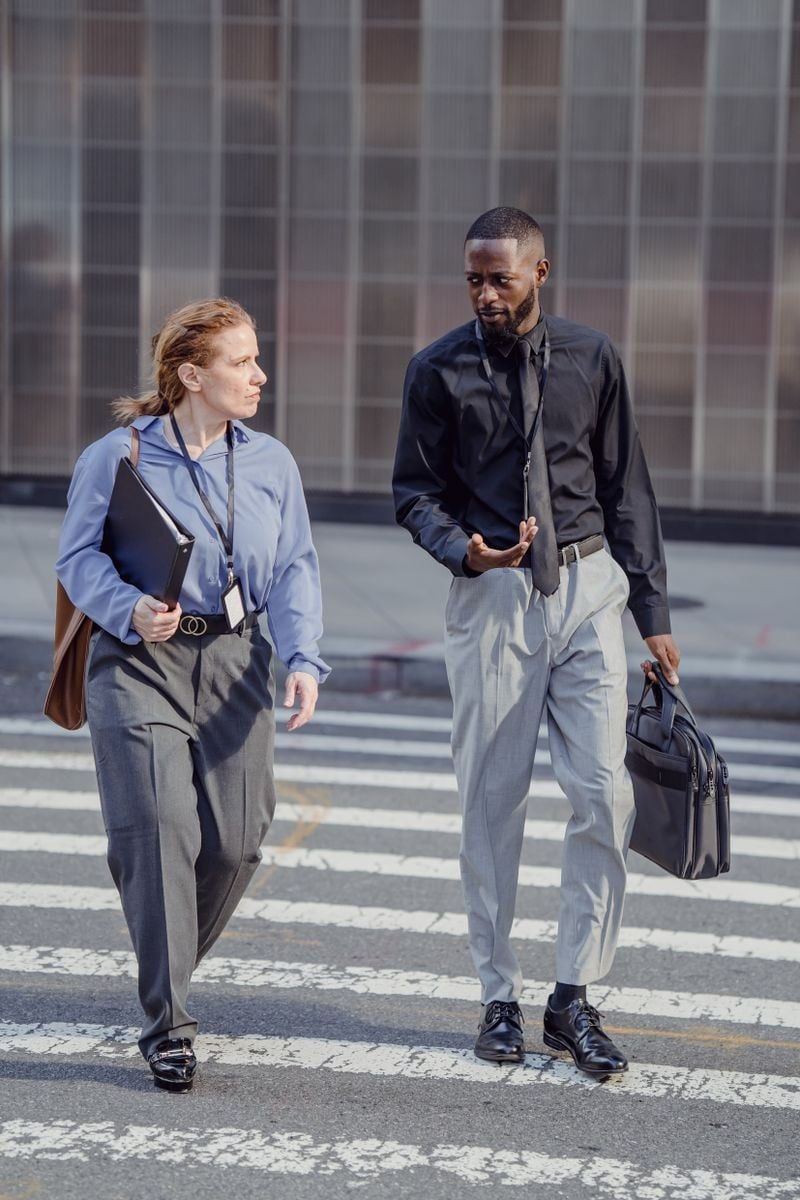
Two people step in the same direction, nearly bump into each other, and both immediately apologize. Then they move again, accidentally blocking each other a second time. Suddenly, a three-second sidewalk encounter has become an awkward little dance featuring two people who desperately want to escape.
14. Keeping an Empty Seat Between Strangers
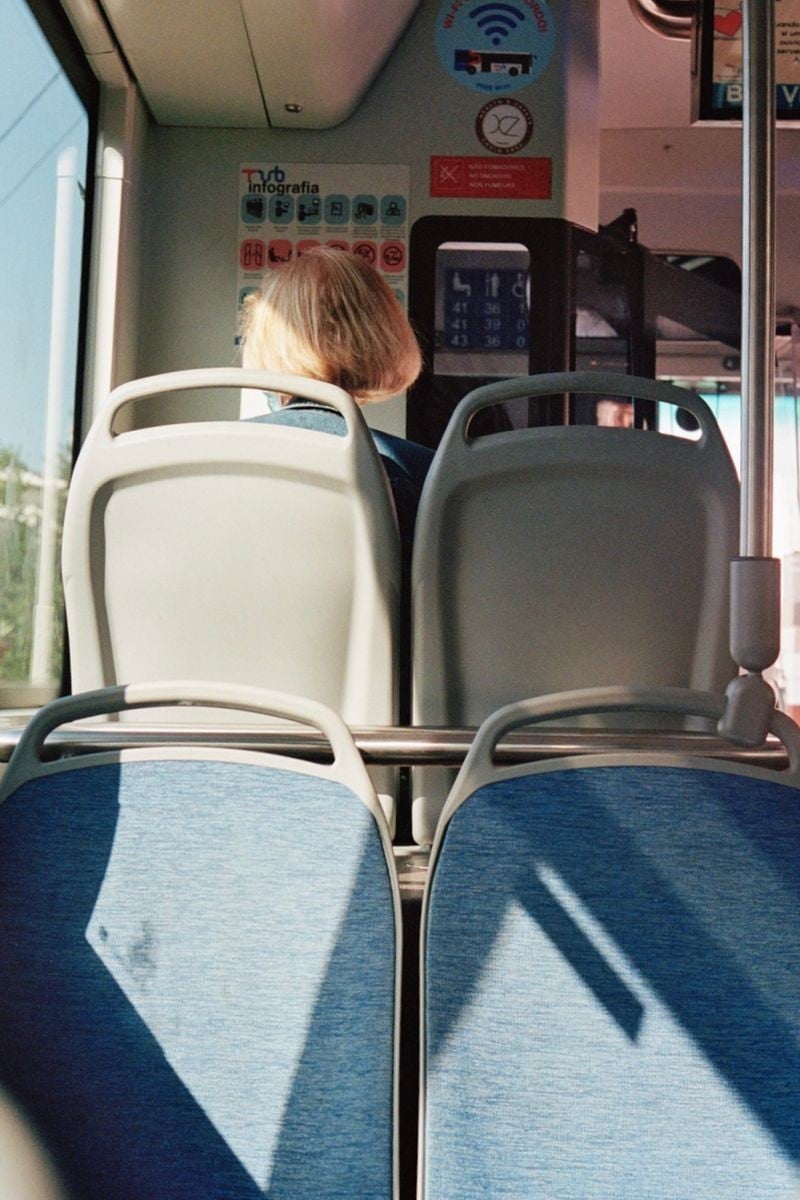
Walk into a nearly empty waiting room, and chances are you´ll choose a seat some distance from the nearest stranger. Sitting directly beside someone when ten other chairs are available can feel oddly personal. Of course, crowded spaces and accessibility need to change the situation, but that invisible buffer is a familiar part of public life.
15. Lowering Your Voice in a Library

Step into a quiet reading room, and your voice practically lowers itself. Libraries have long been associated with reading and concentration, although many modern branches also offer collaborative spaces where conversation is welcome. Still, there´s something about a silent room full of books that makes even opening a bag of chips feel criminal.
16. Standing Aside for a Group Photograph

The moment someone announces a group photo, everyone begins an elaborate choreography of moving closer, stepping aside, and making sure nobody is hidden. Then comes the familiar command to smile. Somehow, the person taking the picture always needs at least three attempts, and somebody is blinking in every single one.
17. Taking Turns Speaking in a Conversation
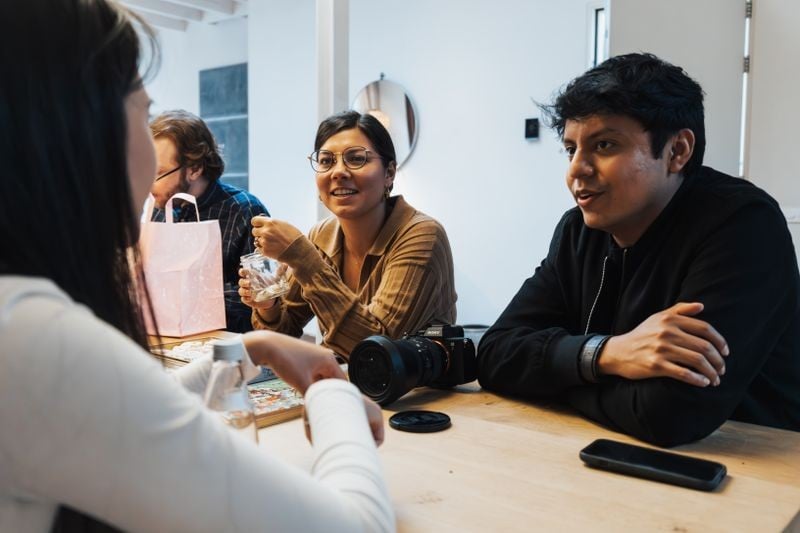
Most conversations follow an invisible rhythm: one person talks, another responds, and everyone tries to find an opening. Pauses and interruptions vary across people and cultures, but talking over someone repeatedly can quickly create tension. And then there´s the classic moment when two people start speaking together, both stop, and both insist, “No, you go ahead.”
These little social rituals may seem insignificant, but they help strangers share spaces, avoid conflict, and navigate everyday interactions. And when someone breaks one, we suddenly realize just how many invisible rules we’ve been following all along.
Keep Exploring The Scroller
Ever noticed how strange ordinary life becomes when you actually pay attention? Keep exploring The Scroller for more curious habits, unexpected social behaviors, and everyday situations that deserve a second look:
19 Lost Rituals of American Family Life in the 1970s
18 Everyday Habits Other Countries Phased Out Years Ago
16 Things That Were Perfectly Legal Until One Disaster Changed the Rules