

Usually, it´s a bad sign when a show loses its main character. Ratings drop, fans panic, and writers scramble to fill the gap. But in rare cases, the loss of a lead breathes new life into the series.
This is a list of 17 TV shows that got better after having experienced major cast departures and then notable creative or audience gains after the exit of their primary star.
1. The Office (U.S.) – Steve Carell

Steve Carell’s departure in season 7 was a major turning point. Instead of collapsing, The Office evolved into a more driven show as it focused more on the side characters and allowed more depth and space to shine in the final two seasons.
2. ER – George Clooney

George Clooney left during Season 5, but ER continued to thrive. The show could introduce compelling new characters and stayed strong for another 10 seasons after that.
3. Cheers – Sheelley Long

When Shelley Long left in Season 5, Kirstie Alley stepped in as Rebecca Howe. The show´s dynamic changed from romantic tension to workplace comedy, and Cheers became even more popular in its later seasons.
4. Buffy the Vampire Slayer – David Boreanaz

After Angel’s character exit, Buffy moved away from the romance plot and took over more complex, emotionally intense storylines. Seasons 4-6 are often cited as some of the show’s most ambitious and creative to this day.
5. The Vampire Diaries – Nina Dobrev

Nina Dobrev’s departure in Season 6 forced the show to refocus on the side characters. Bonnie, Caroline, and the Salvatore brothers took the center of the stage, and fans felt the storytelling became unpredictable, dynamic, and interesting.
Trending on The Scroller


6. Two and a Half Men – Charlie Sheen

After Charlie Sheen was fired, Ashton Kutcher took over Season 9. The tone shifted, but the show continued for four more seasons with decent ratings. This proved that they could survive without its original lead.
7. Spartacus – Andy Whitfield

After Andy Whitfield´s death, Liam McIntyre took over the lead role. The show continued to expand into political intrigue and thereby strengthening its narrative and emotional impact. The subsequent seasons were praised for the action, thematic depth, and continuity.
8. 8 Simple Rules – John Ritter

The sudden passing of John Ritter during Season 2 led the show to restructure around the family´s grief. New cast members like James Garner brought a different change of air, and the series handled the transition with honesty and emotion.
Sign up for our newsletter
9. The X-Files – David Duchovny

When Duchovny left as a regular after Season 7, the series introduced Agent John Doggett (Robert Patrick). The show maintained audience interest through a more procedural tone and changing the narrative for many fans.
10. Once Upon a Time – Jennifer Morrison

After Jennifer Morrison’s exit, Once Upon a Time embraced the idea of a soft reboot in Season 7, introducing a new cast and time jumps set years later. While it was controversial, the fresh storyline allowed for creative risks and the introduction of fairy-tale characters.
11. House of Cards – Kevin Spacey

When Kevin Spacey was removed from House of Cards, the show took a shift in its narrative, focusing on Robin Wright’s character, Claire Underwood. The shift brought a new tone to the final season with themes like power, legacy, and gender from a new perspective.
12. Lethal Weapon – Clayne Crawford

After Clayne Crawford left following Season 2, he was replaced by Seann William Scott as a new character. The show´s chemistry changed and the lighter tone and fresh energy won over the viewers.
13. Two Broke Girls – Garrett Morris
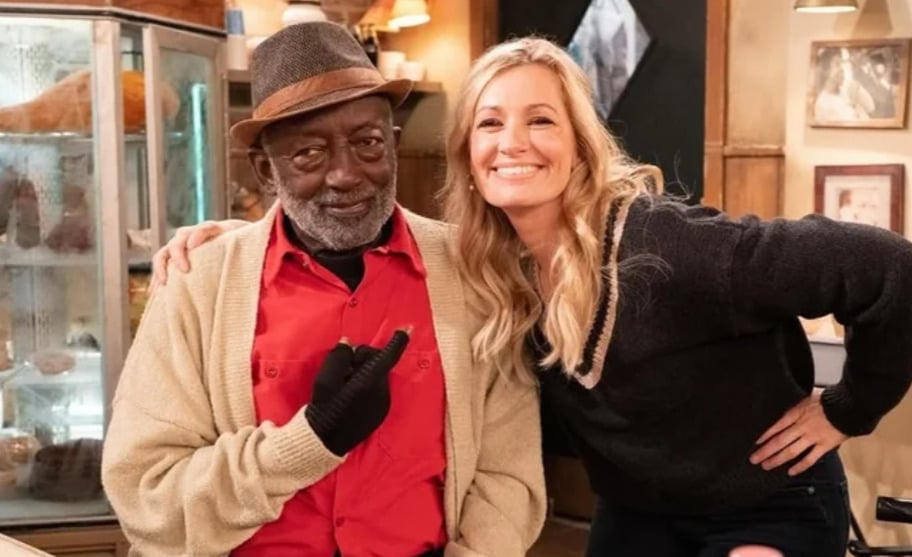
Even though Garret Morris´s character was not the main lead, the graduation of appearances on the screen shifted the focus of the viewers to the business plot and relationships, like Max and Caroline. This change was later appreciated by the fans in the following seasons.
14. Misfits – Robert Sheehan

Nathan´s departure after Season 2 led to a darker and mature shift in tone. The show could introduce new characters and themes that still worked with the main theme.
15. Skins (UK) – Frequent Cast Overhauls

Skins rotated its cast every two seasons by design. Each new generation brought fresh energy and new perspectives that allowed the show to reinvent itself repeatedly and maintain fans’ interest.
16. NCIS – Sasha Alexander

After Sasha Alexander’s character was killed off in Season 2, the introduction of Ziva David added emotional complexity and international intrigue. This change helped the show as the viewers eventually loved her character.
17. Vikings -Travis Fimmel

When Ragnar died in Season 4, the series shifted the focus to his sons. This generational transition expanded the possibilities for the show and introduced themes of legacy, conquest, and change.
Explore more vintage content:
While losing a main character is usually a creative gamble, these 17 shows prove otherwise. They proved that change can lead to growth. For more entertainment titles, check out the Best 1950s Movies (According to Rotten Tomatoes) and 17 Wildly Unrealistic Things Portrayed in Movies.