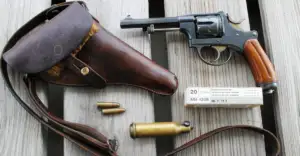
World War I saw the dawn of modern warfare, where new technologies and weapon designs changed combat forever. Yet, not every firearm was a marvel of long-range accuracy. Many soldiers found themselves armed with calibers that were lethal up close but quickly lost stopping power and accuracy beyond 100 yards. Whether due to small bullet size, low velocity, or outdated design, these weapons highlight a lesser-known reality of the Great War: sometimes, what you carried into battle was far from ideal for the fight ahead.
These 15 calibers may have played their part in the trenches, but when it came to longer distances, they simply didn’t measure up.
1. .32 ACP (7.65×17mm Browning SR)
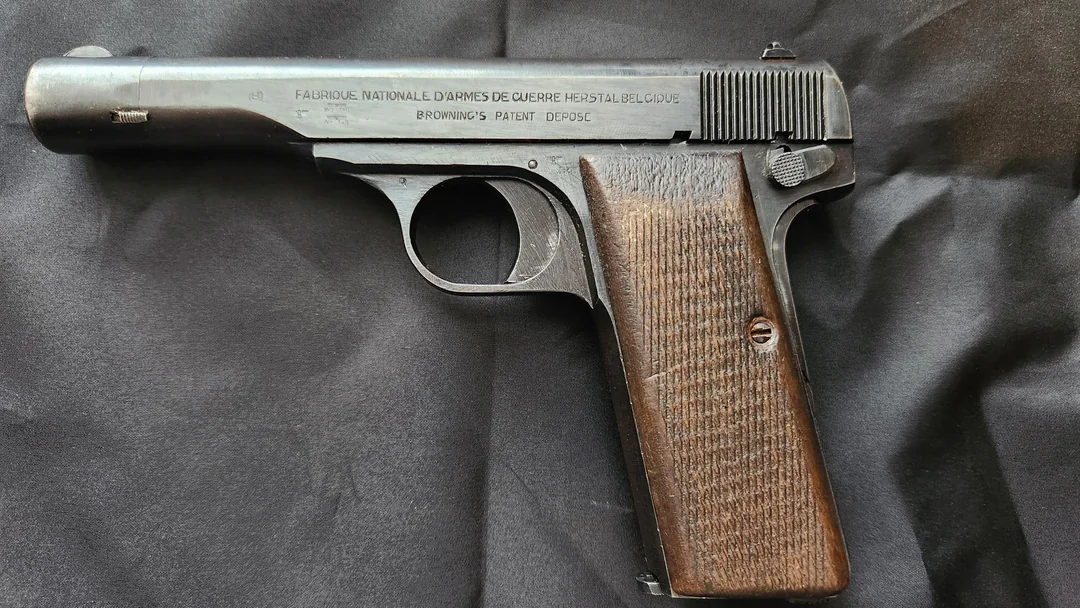
Popular among European officers as a sidearm round, the .32 ACP was easy to carry but lacked punch at longer ranges. It was mainly used for close-quarter defense in the trenches, but after 100 yards, its stopping power diminished drastically. Its low muzzle velocity made it more of a deterrent than a reliable combat caliber.
2. .25 ACP (6.35×16mmSR Browning)
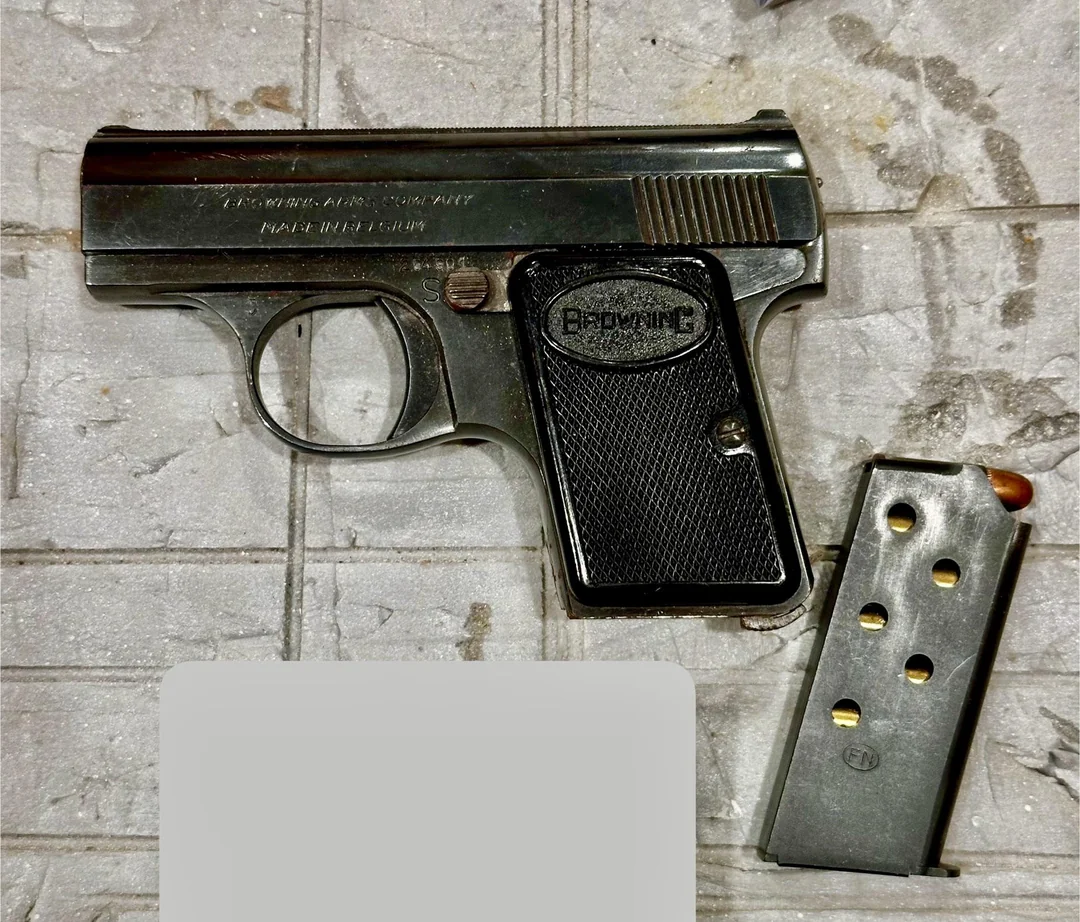
Often chambered in small pocket pistols, the .25 ACP was hardly a battlefield contender. It could injure at short distances but lost lethal effectiveness quickly. While lightweight and concealable, it was ill-suited for the harsh realities of trench warfare.
3. 8mm Lebel Revolver (8×27mmR Lebel)

Carried by French officers, this revolver round was already outdated when WWI began. At short range, it could be deadly, but beyond 100 yards, its heavy bullet and slow speed meant poor accuracy and penetration. It was a relic from the 19th century that struggled in modern combat.
4. .455 Webley Mk II

The British service revolver’s large bullet was devastating up close but dropped quickly over distance. Heavy recoil and low velocity made long-range shooting impractical. It was designed for stopping threats within a few dozen yards, not engaging at extended ranges.
5. 9×20mm Browning Long

Issued in pistols like the FN Model 1910/22, this cartridge had modest velocity and range. While serviceable for trench defense, it lacked the reach to challenge enemies in no man’s land. Its role was limited to close personal defense rather than open combat.
Trending on The Scroller


6. 7.65×21mm Parabellum

Used in early Luger pistols before Germany standardized on 9mm, this round offered mild recoil but limited range. It could still be accurate within 50 yards, but past 100, bullet drop and loss of energy were major issues.
7. 8mm Roth-Steyr

Issued to Austro-Hungarian cavalry, this unique cartridge paired with the Roth-Steyr pistol was built for mounted troops. However, its modest ballistic performance meant it wasn’t effective beyond short distances. It was more suited for personal defense than battlefield offense.
8. .380 ACP (9×17mm Browning Short)

This small pistol round was used by several Allied forces. Lightweight and easy to control, it excelled in close encounters. Unfortunately, its low muzzle velocity and energy made it ineffective at distances over 100 yards.
Sign up for our newsletter
9. .45 ACP

While iconic in American service pistols, the .45 ACP was designed for close-quarters stopping power rather than long-range precision. Its heavy, slow-moving bullet lost velocity rapidly, making it less accurate and less lethal beyond 100 yards.
10. 11mm French Ordnance (11×17mmR)

An antiquated black powder cartridge carried over from the late 1800s, this round was far from ideal in WWI. It produced significant smoke and had poor ballistic performance, making long-range hits unlikely.
11. .455 Webley Auto Mk I
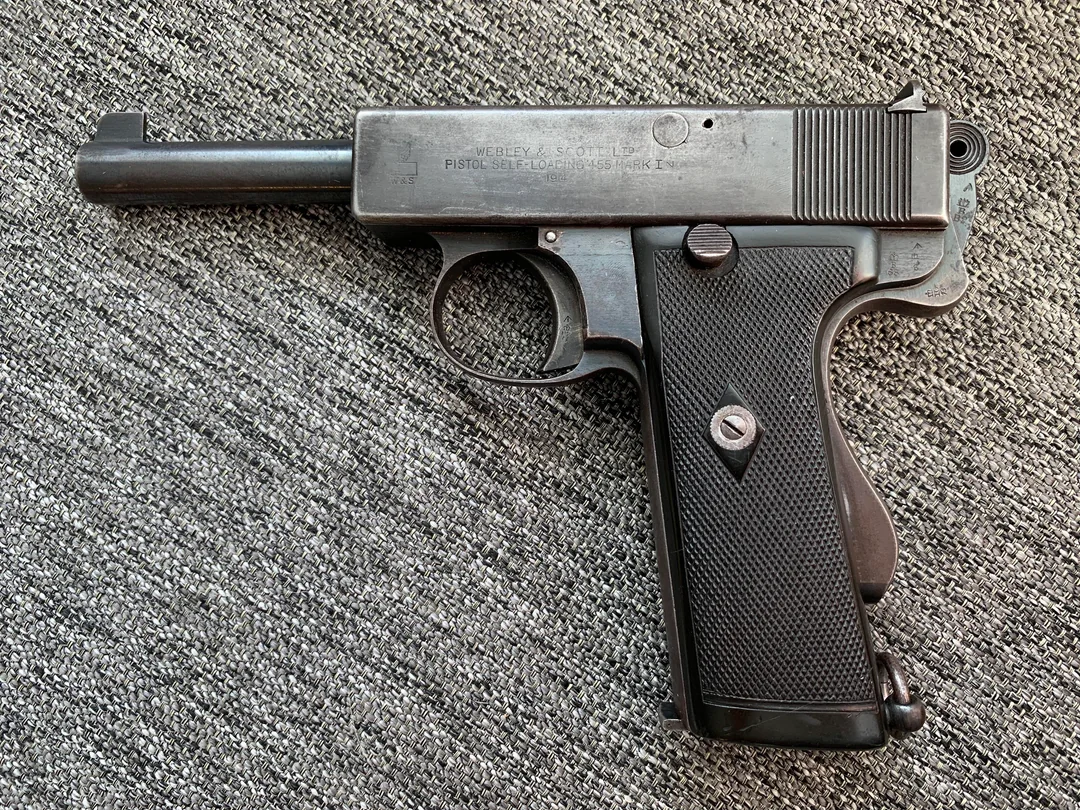
Developed for the Webley Self-Loading Pistol, this caliber had impressive stopping power up close but, like its revolver cousin, was ineffective at range. The round’s arcing trajectory beyond 50 yards made accurate fire nearly impossible at 100 yards or more.
12. 9mm Glisenti

Italy’s 9mm Glisenti looked similar to the 9×19mm Parabellum but was significantly weaker. Fired from the Glisenti Model 1910 pistol, it couldn’t maintain accuracy or power over distance, limiting it to short-range engagements.
13. 7.63×25mm Mauser at Reduced Loads

While the full-power Mauser cartridge could reach out further, wartime shortages sometimes forced reduced powder loads, especially in pistol carbines. These underpowered rounds suffered at long distances, turning a precision firearm into a short-range tool.
14. .38 S&W

Adopted by various Allied forces for revolvers, this cartridge was reliable for self-defense but never meant for battlefield ranges. Its low velocity and small case capacity left it ineffective beyond short distances.
15. 7.5mm Swiss Revolver (7.5×23mmR)

Issued in Swiss military revolvers, this cartridge was underpowered even by early 20th-century standards. While accurate at close range, it quickly lost penetration and trajectory stability after 100 yards.
Explore more historical content:
If you enjoyed this look into the small arms of the Great War, you might also like 15 Firearms That Changed Wild West History, or 19 Military Firearms That Changed History. You can also check these 15 Celebrities That Served During the Vietnam War.