When we study the grand narratives of the past, we often find that the legacies of the most influential leaders, artists, and deep thinkers were entirely defined by their friction with others. These intense personal animosities, creative jealousies, and fierce ideological clashes pushed individuals to the absolute limits of their capabilities, shaping the cultural, political, and musical landscapes of their respective eras. We frequently observe these historical chess matches unfolding over several decades, assuming that one adversary eventually outlived the other to comfortably rewrite the final chapters of the story. However, the annals of global history also preserve a series of bizarre, highly poetic coincidences where lifelong adversaries or deeply polarized contemporaries were bound together by an unyielding timeline of mortality.
In these extraordinary cases, the cosmic curtain fell on both parties in breathtakingly quick succession, with their final moments occurring within a matter of years, months, or even the same afternoon. This sudden synchronization of departures frequently marked the absolute end of an era, as the structural systems and cultural movements built around their fierce competition dissolved almost overnight. From political titans who drafted world-changing doctrines to revolutionary icons facing the exact same instruments of death, their fates remained completely intertwined until the very end. Let’s explore fifteen legendary pairs of historical figures whose lives were defined by deep conflict, ideological war, or intense creative tension, only to exit the earthly stage at virtually the same time.
1. Thomas Jefferson and John Adams – July 4, 1826
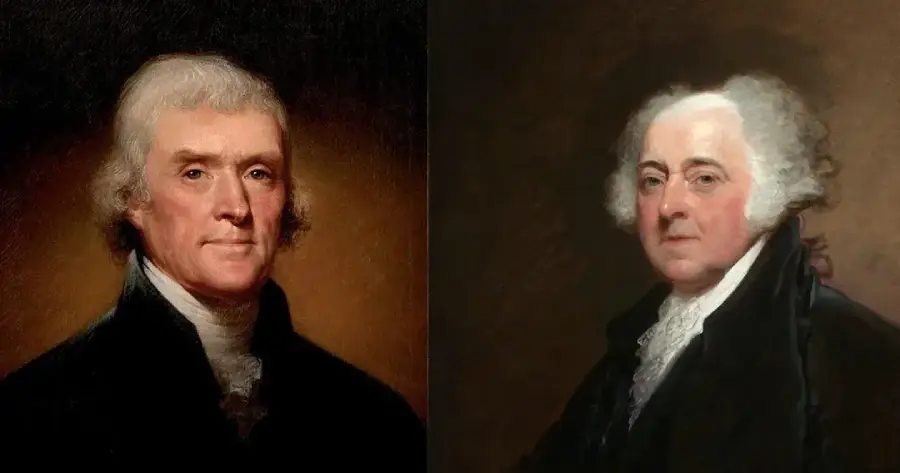
These two towering American Founding Fathers evolved from close revolutionary brothers into fierce political rivals as they battled for the ideological future of the young republic. Their bitter animosity reached a boiling point during the brutal presidential election of 1800, leading to years of absolute icy silence between them. Fortunately, they managed to completely reconcile their friendship late in life through a legendary, decades-long correspondence. In a twist of absolute poetic synchronicity that stunned the nation, both men passed away on the exact same day, which happened to be the fiftieth anniversary of the Declaration of Independence. Adams’s famous last words were “Thomas Jefferson survives,” completely unaware that his great rival had actually passed away in Virginia just five hours earlier.
2. Alexander Hamilton and Aaron Burr – July 12, 1804
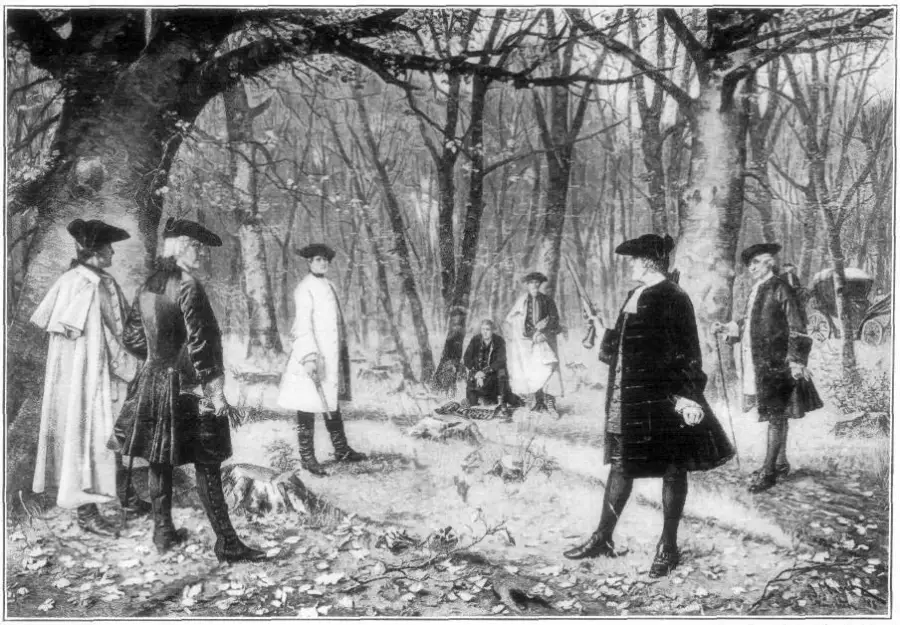
The intense political and personal feud between the former Treasury Secretary and the sitting Vice President of the United States escalated over fifteen years of public insults and thwarted ambitions. The rivalry reached its catastrophic conclusion when Burr officially challenged Hamilton to a formal duel on the rocky cliffs of Weehawken, New Jersey. On the morning of July 11, Burr fired a fatal shot that struck Hamilton in the abdomen, fracturing his ribs and causing severe internal damage. Hamilton succumbed to his painful injuries the very next day, permanently destroying Burr’s political career and forcing him into a life of exile and ruin.
3. Mary Wollstonecraft and Edmund Burke – September 10 and July 9, 1797
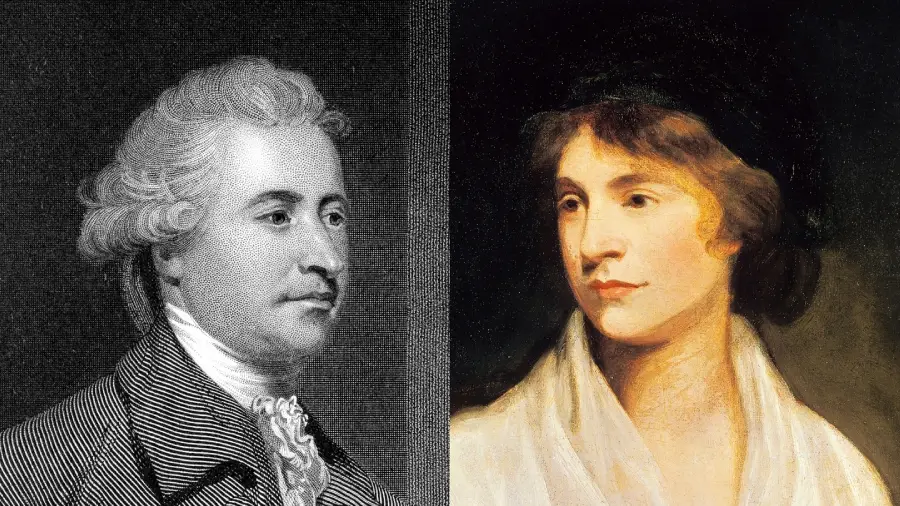
These two brilliant intellectual titans engaged in one of the most ferocious and influential ideological wars of the late 18th century. Wollstonecraft published A Vindication of the Rights of Men in 1790 as a fierce, direct rebuttal to Burke’s conservative commentary on the ongoing French Revolution, expanding her arguments two years later with her legendary feminist masterpiece regarding the rights of women. Burke viewed her radical progressive philosophy as an absolute threat to traditional societal order, leading to years of public intellectual animosity between the two authors. In a striking piece of historical synchronicity, both of these powerful minds were permanently silenced in the exact same year, with Burke passing away in July and Wollstonecraft succumbing to childbed fever just two months later in September.
4. Maximilien Robespierre and Georges Danton – July 28 and April 5, 1794
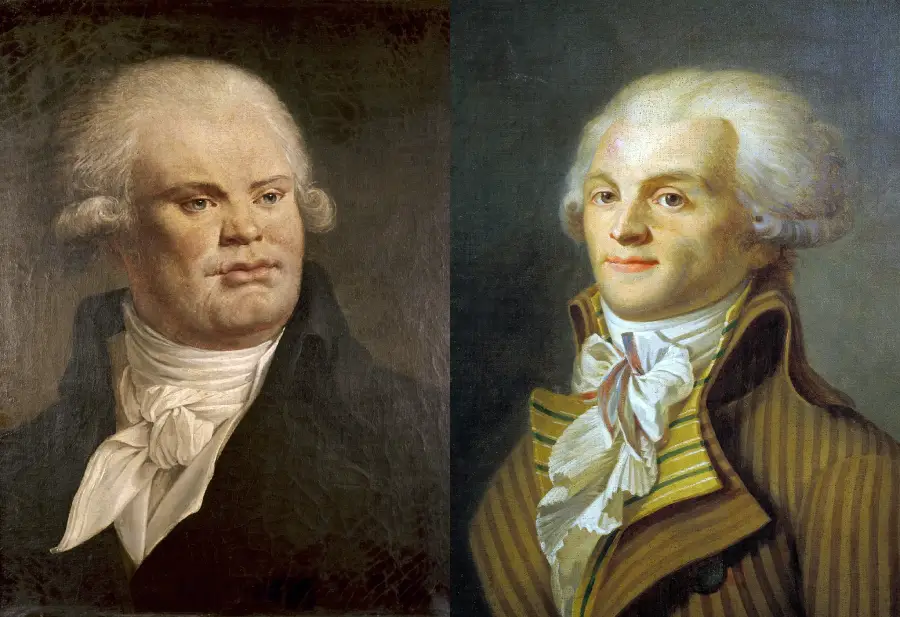
These two iconic architects of the French Revolution initially operated as close political allies before shifting into bitter, mortal adversaries as the radical movement descended into extreme paranoia. Robespierre viewed Danton’s sudden calls for moderation as an absolute betrayal of the revolutionary cause, utilizing his immense structural power to sign Danton’s death warrant. Danton was marched directly to the guillotine in April 1794, famously shouting to the executioner that his severed head would be well worth showing to the crowd. This ruthless betrayal backfired spectacularly just three months later when Robespierre was arrested by his own terrified government, meeting his own violent end on the exact same guillotine blade.
5. Martin Luther King Jr. and Robert F. Kennedy – April 4 and June 6, 1968
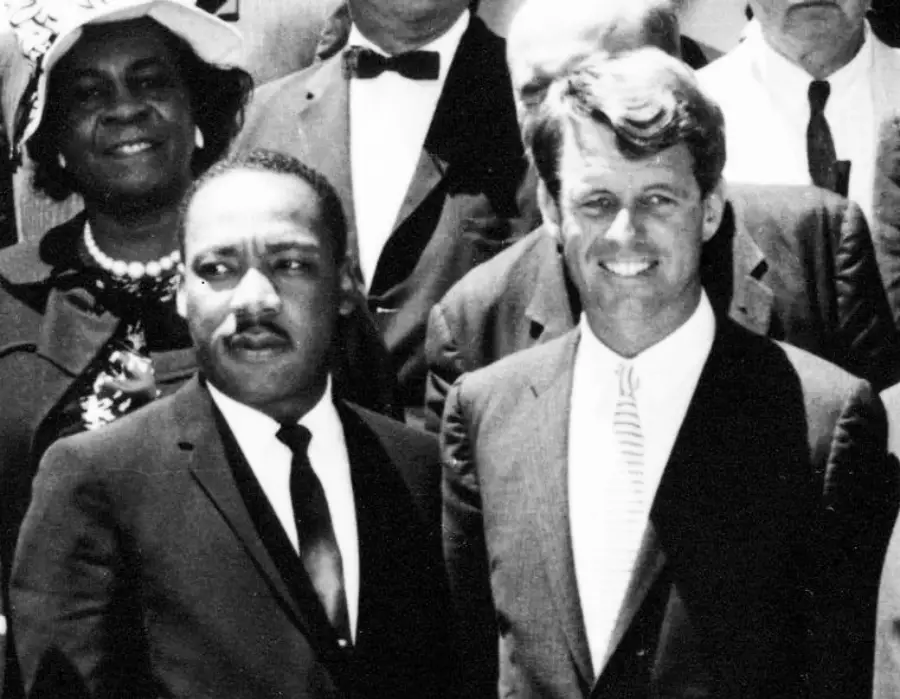
While these two towering American icons were certainly not personal enemies, they operated in a state of complex political tension regarding the strategic speed and leadership of the Civil Rights Movement. Their historical legacies became permanently intertwined on the night of April 4, 1968, when Kennedy had to deliver a spontaneous, deeply moving speech to a crowded campaign rally to break the tragic news of King’s sudden assassination. Kennedy passionately implored the grieving nation to choose love and reconciliation over division, a message that successfully prevented rioting in the city of Indianapolis that evening. In an absolute national tragedy that mirrored the original shock, Kennedy himself was mortally wounded by an assassin just two short months later, ending both of their visionary journeys within the same spring.
Trending on The Scroller

6. Joseph Stalin and Sergei Prokofiev – March 5, 1953
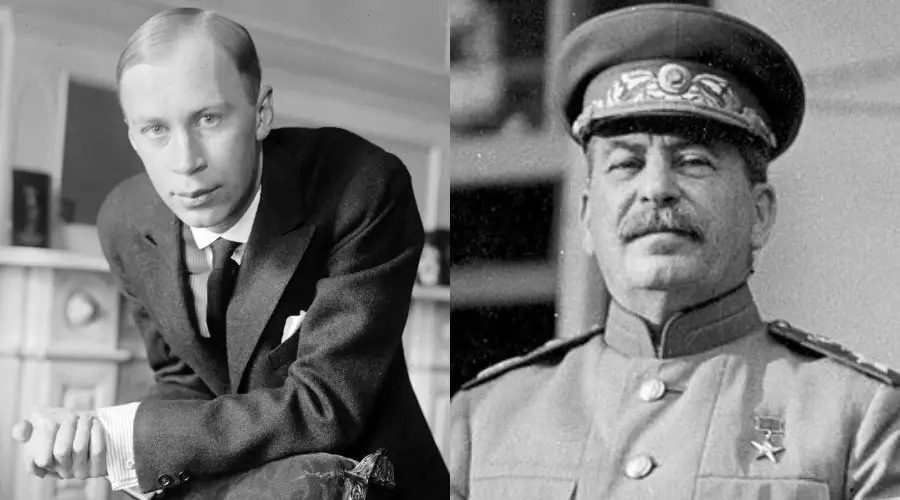
The tyrannical Soviet dictator maintained a suffocating, terrifying grip over the creative freedom of the nation’s elite artists, routinely denouncing the legendary composer Prokofiev for writing decadent music. Prokofiev lived in perpetual fear of the regime, suffering severe health declines due to the immense stress of state censorship and the sudden arrest of his first wife. In a bizarre twist of historical irony, both the oppressor and the artist suffered fatal brain hemorrhages and passed away on the same afternoon. Because the Soviet state apparatus completely monopolized all public attention and floral supplies for Stalin’s massive funeral, Prokofiev’s family had to use paper flowers and host a tiny, secret memorial service in absolute obscurity.
7. Mary, Queen of Scots and James Stewart, Earl of Moray – February 8, 1587 / January 23, 1570
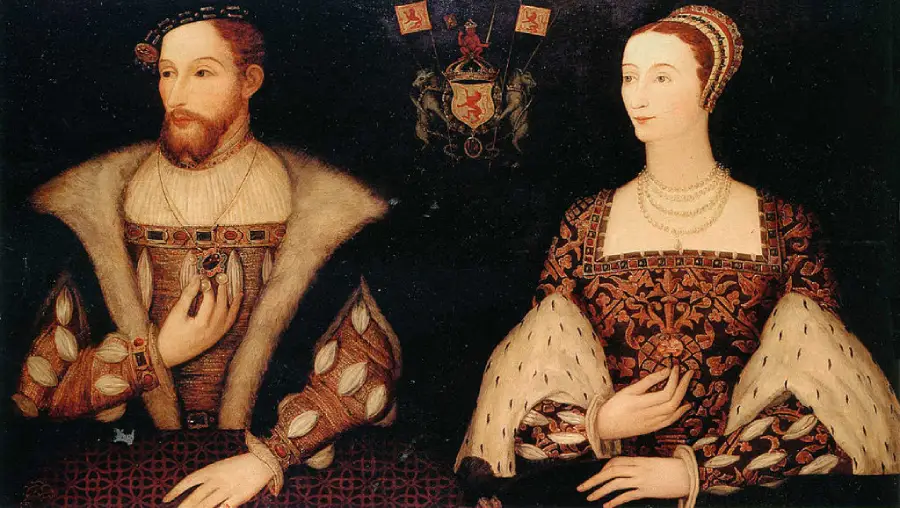
This intense sibling rivalry between the Catholic Queen of Scotland and her ambitious, Protestant illegitimate half-brother fundamentally tore the nation apart. Moray actively betrayed Mary, orchestrating a series of political plots and military rebellions that ultimately forced her to abdicate her throne and flee to England. Moray was abruptly assassinated by a firearm in 1970, an action that triggered a brutal civil war among regional factions. Mary spent the next seventeen years locked inside various English prisons until she was ultimately executed by the axe, forever linking their tragic fate to the structural religious conflicts of the era.
8. Emiliano Zapata and Venustiano Carranza – April 10, 1919 / May 21, 1920
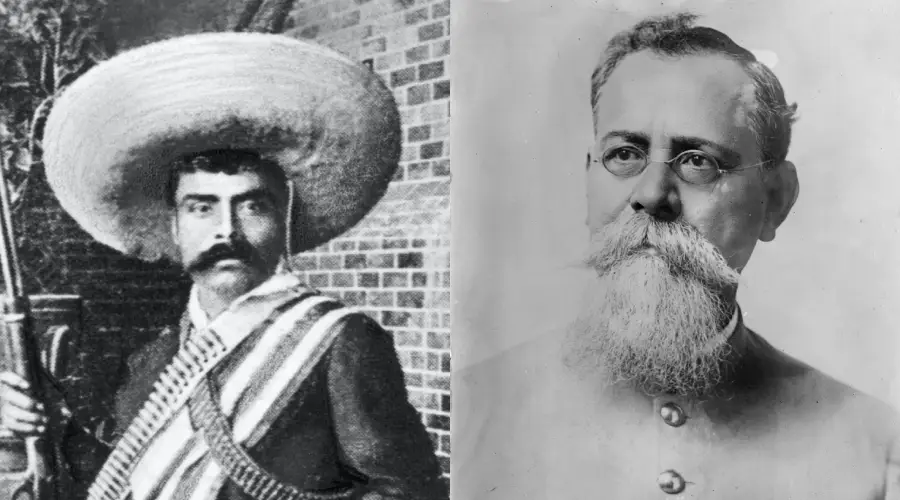
These two prominent leaders of the Mexican Revolution initially united to overthrow a military dictatorship before turning into bitter, mortal adversaries over the fundamental issue of agrarian land reform. Carranza became the President of the nation and viewed Zapata’s radical peasant army as an absolute threat to corporate state stability. Carranza’s military forces organized a deeply deceptive trap, ambushing and assassinating Zapata at a hacienda in the spring of 1919. Carranza’s triumph was incredibly short-lived, as his own generals revolted against his administration just one year later, tracking him down and assassinating him as he attempted to flee Mexico City.
Sign up for our newsletter
9. King Louis XVI and Maximilien Robespierre – January 21, 1793 / July 28, 1794
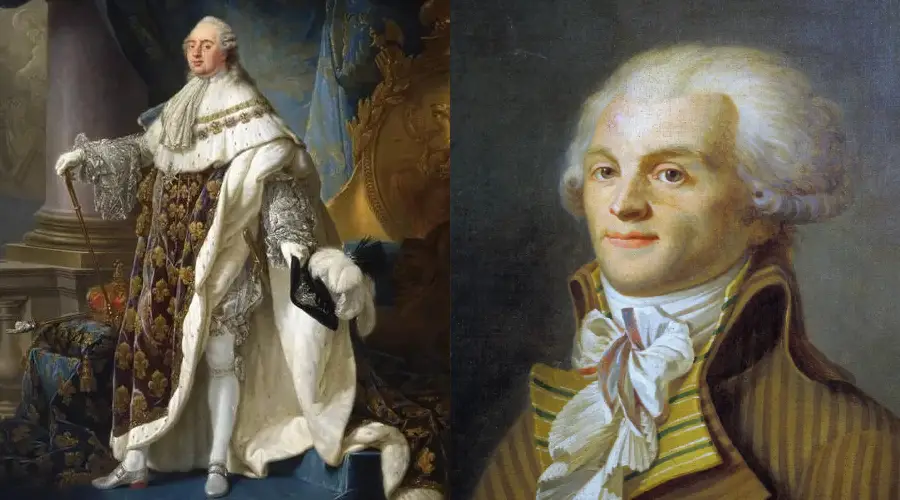
The absolute, high-stakes war for the political soul of France culminated in a deadly collision between the country’s last absolute monarch and its most radical revolutionary prosecutor. Robespierre served as the driving legal force behind the King’s controversial trial, arguing passionately that the sovereign ruler had to perish so that the newborn republic could survive. Louis XVI was executed via the newly invented guillotine in January 1793, facing his end with remarkable personal dignity in front of thousands of his former subjects. History delivered a deeply ironic, dark twist of poetic justice just eighteen months later when Robespierre failed to maintain control of the state, ending up on the exact same wooden scaffold to face the identical instrument of death.
10. Voltaire and Jean-Jacques Rousseau – May 30 and July 2, 1778
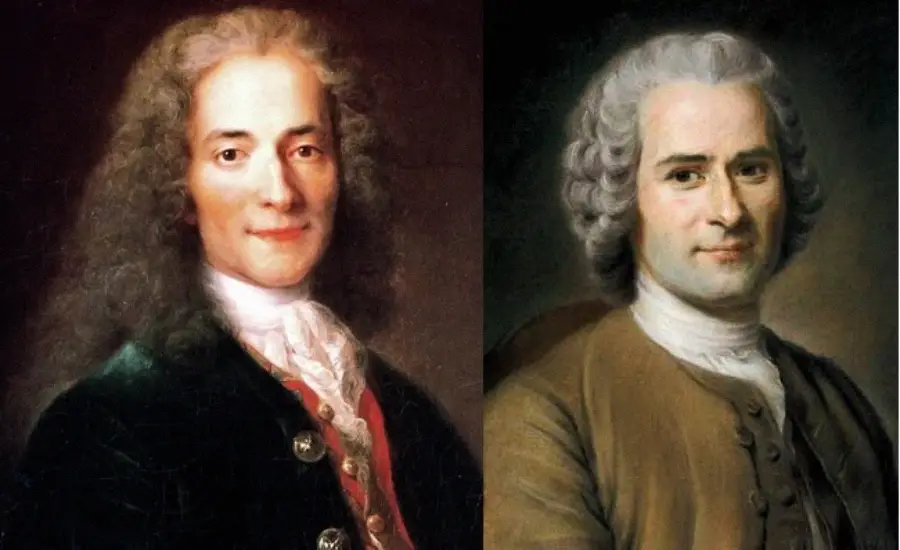
These two legendary Enlightenment philosophers maintained a furious, decades-long intellectual feud that consistently scandalized the high-society literary circles of Europe. Voltaire publicly mocked Rousseau’s educational novel Émile as an absolute piece of idiocy, while Rousseau openly accused Voltaire of orchestrating personal smear campaigns to turn local religious authorities against him. They routinely traded venomous insults through printed pamphlets, establishing a bitter personal hatred that lasted throughout their entire adult lives. Fate ultimately intervened to close their historic chapter together in 1778, as both master thinkers passed away within just six weeks of each other, remaining bitter ideological adversaries until their very last breaths.
11. Karl Marx and Charles Darwin – March 14, 1883 / April 9, 1882
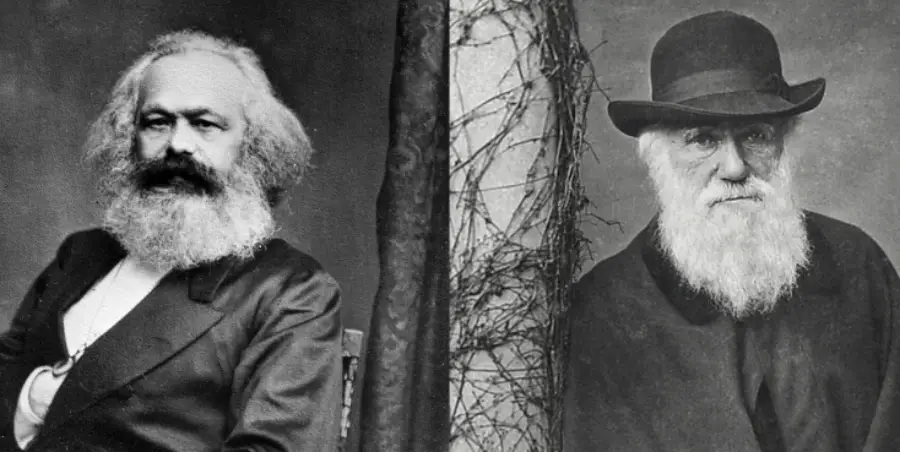
While they never engaged in a direct personal feud, these two monumental thinkers functioned as involuntary ideological antagonists whose contrasting theories permanently shaped modern human thought. Marx deeply admired Darwin’s scientific findings regarding natural selection and even mailed an autographed copy of Das Kapital directly to the scientist’s private estate in England. Darwin responded with an incredibly polite but firm letter, gracefully declining a formal dedication because he wanted to avoid being publicly associated with radical socio-political movements. They passed away just one year apart, and at Marx’s modest funeral, Friedrich Engels explicitly cemented their parallel legacies by comparing Darwin’s discovery of the laws of organic nature to Marx’s discovery of the structural laws of human history.
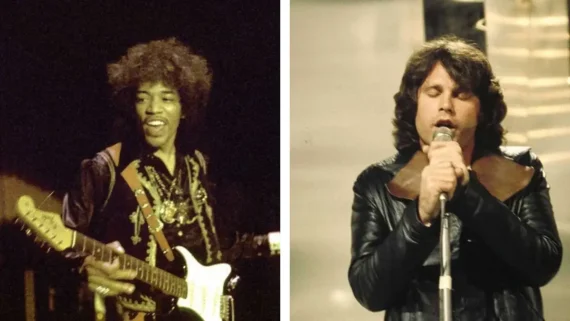
12. Jimi Hendrix and Jim Morrison – September 18, 1970 / July 3, 1971
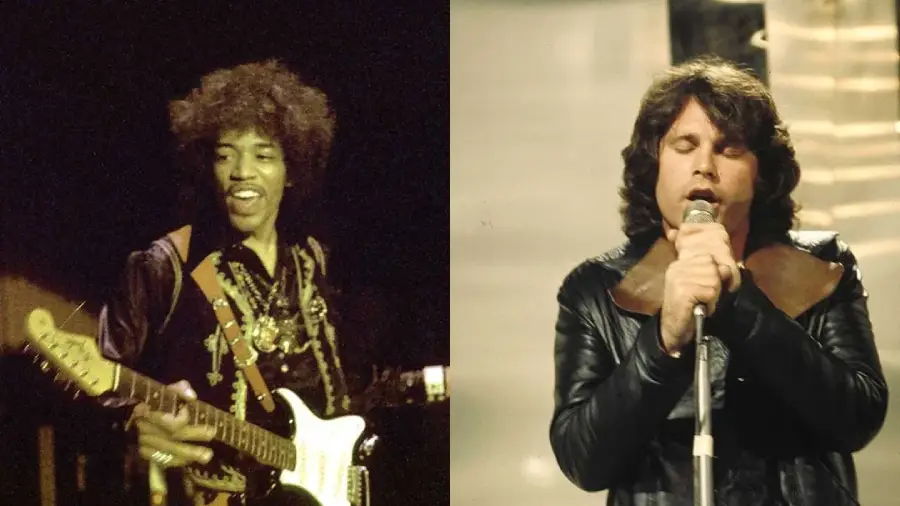
These two magnetic vocalists reigned as fierce competitors at the absolute vanguard of the late 1960s global psychedelic rock movement. They constantly battled for the exact same cultural space, festival headlining slots, and youthful record-buying audiences, leading to a highly publicized professional rivalry. Morrison reportedly made several disparaging remarks regarding Hendrix’s flamboyant performing style during casual music industry interviews, viewing himself as a more serious literary poet. This intense musical era came to a sudden, tragic conclusion when Hendrix passed away in a London apartment in September 1970, followed just ten months later by Morrison’s sudden passing in a Paris bathtub. Both iconic performers were exactly twenty-seven years old when they died abroad, cementing their tragic roles as charter members of rock history’s infamous 27 Club.
13. Tojo Hideki and Yamashita Tomoyuki – December 23, 1948 / February 23, 1946
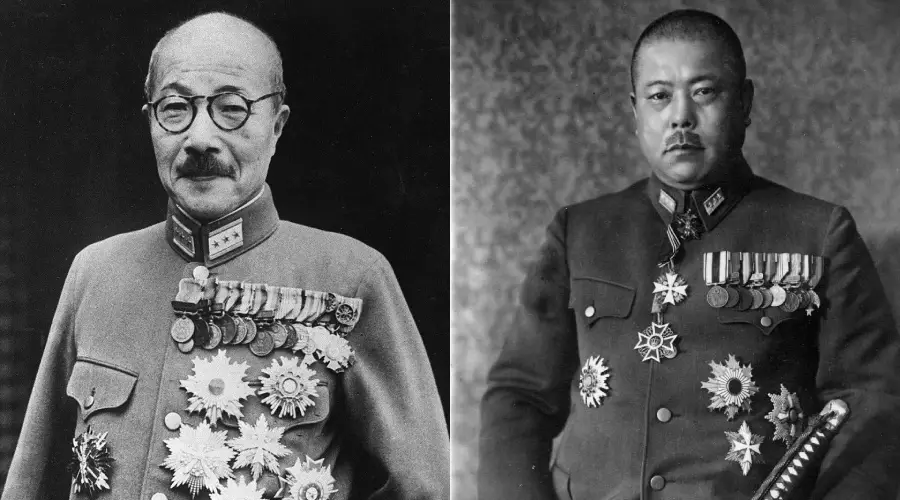
While both men served as high-level military leaders for Imperial Japan during World War II, a deep, bitter personal animosity existed between Prime Minister Tojo and General Yamashita. Tojo grew intensely envious of Yamashita’s massive public popularity following his rapid military capture of Singapore, actively manipulating military assignments to exile him to a remote post. Following the Allied victory, both commanders were arrested and put on trial by international military tribunals for severe war crimes. Yamashita was executed by hanging in early 1946, while Tojo faced the exact same fate on the gallows just two years later, after a lengthy trial.
14. Sigmund Freud and Alfred Adler – September 23, 1939 / May 28, 1937
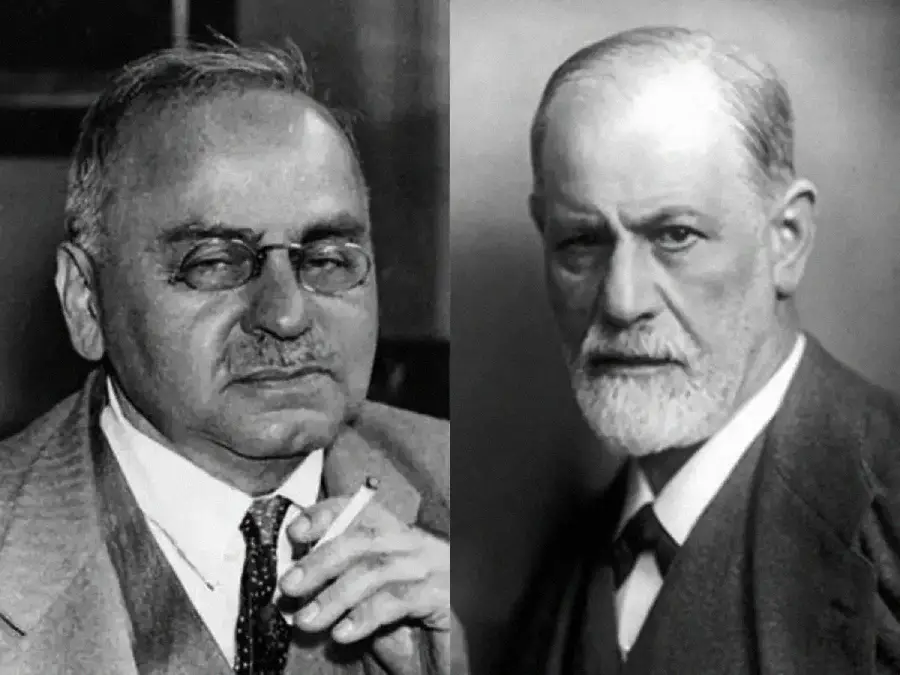
Adler initially operated as a dedicated student and close professional disciple of Freud before their radical theoretical disagreements regarding human motivation triggered a bitter academic rupture in 1911. Freud took the professional split as an absolute personal betrayal, utilizing his massive institutional authority to completely banish Adler from the Vienna Psychoanalytic Society. Adler responded by launching his own highly successful rival school of individual psychology, sparking decades of cold, clinical hostility between the two pioneers of mental health. When Adler suddenly passed away from a heart attack while traveling in 1937, Freud famously commented on the news with a chillingly cold, detached statement regarding his rival’s significance. Freud survived his former student by just over two years, passing away himself while living in political exile in London.
15. Tupac Shakur and The Notorious B.I.G. – September 13, 1996 / March 9, 1997
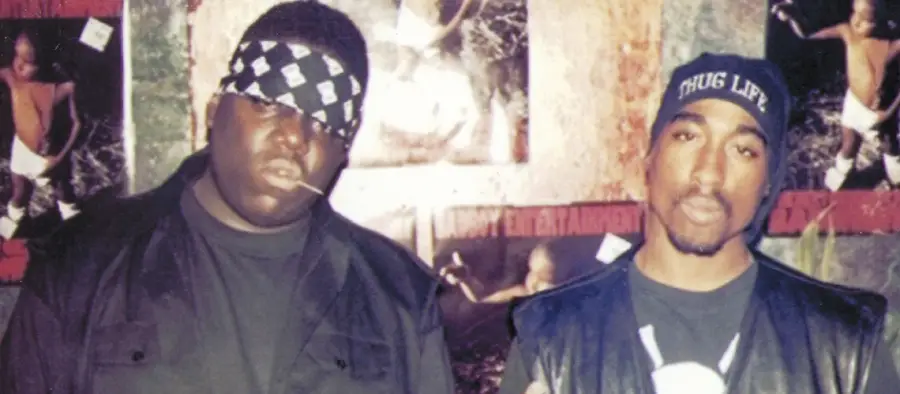
The complex relationship between these two monumental figures evolved from a close artistic friendship into the defining, high-stakes rivalry of 1990s hip-hop history. Animosity reached a fever pitch after Tupac was shot and robbed during a violent ambush inside a New York recording studio in 1994, with Shakur publicly accusing Biggie and his close associates of prior knowledge regarding the attack. The escalating rhetorical war between the East Coast and West Coast scenes dissolved into absolute tragedy when Tupac was fatally wounded during a drive-by shooting on the Las Vegas strip, passing away just days later on September 13, 1996, at age twenty-five. The global music community was stunned again just six months later when The Notorious B.I.G. was assassinated under eerily similar circumstances while leaving a professional event in Los Angeles on March 9, 1997, at age twenty-four. Both master storytellers were permanently silenced at the absolute peak of their commercial power, and despite decades of massive public scrutiny and wild conspiracy theories, both murder investigations officially remain unsolved to this day.
Discover more about the lives of historical figures:
The synchronized timelines of these historic feuds serve as a brilliant reminder that the most bitter adversaries are often bound together by the exact events that ensure their immortality. The fact that these historical figures departed the world in such quick succession highlights the intense, volatile nature of lifetimes spent in absolute opposition. If you enjoyed this illuminating journey into the lost chapters of world history, make sure to explore these 15 Famous Historical Figures Who Lived Long Lives, or 15 Incredible Times Historical Icons Actually Met. You can also check out these 20 Historical Figures Betrayed by Their Closest Allies.