When the Korean War erupted in June 1950, the United States called on citizens from every walk of life, including some of the era’s brightest athletic stars. From the baseball diamond to the gridiron, a surprising number of celebrated competitors traded jerseys for uniforms and sneakers for combat boots.
Here are 14 famous athletes whose promising sports careers intersected with military service in Korea, showing that heroism isn’t confined to the playing field.
1. Ted Williams

Hall of Fame left fielder Ted Williams was recalled from his Marine Corps Reserve duties in 1952 and served as a combat aviator during the Korean War, flying 39 missions in a Grumman F9F Panther jet before returning to the Red Sox in late 1953.
2. Jerry Coleman

Yankees second baseman and 1950 All-Star Jerry “The Colonel” Coleman flew 120 combat missions (57 in WWII and 63 in Korea) as a Marine Corps pilot, earning two Distinguished Flying Crosses before resuming his MLB career and later becoming a beloved broadcaster.
3. Don Newcombe

After bursting onto the Dodgers’ roster (56-28 record from 1949-51), Newcombe missed the 1952-53 seasons due to two years of military service in the U.S. Army during the Korean War, then rejoined Brooklyn to win Rookie of the Year, a Cy Young, and an MVP title.
4. Whitey Ford
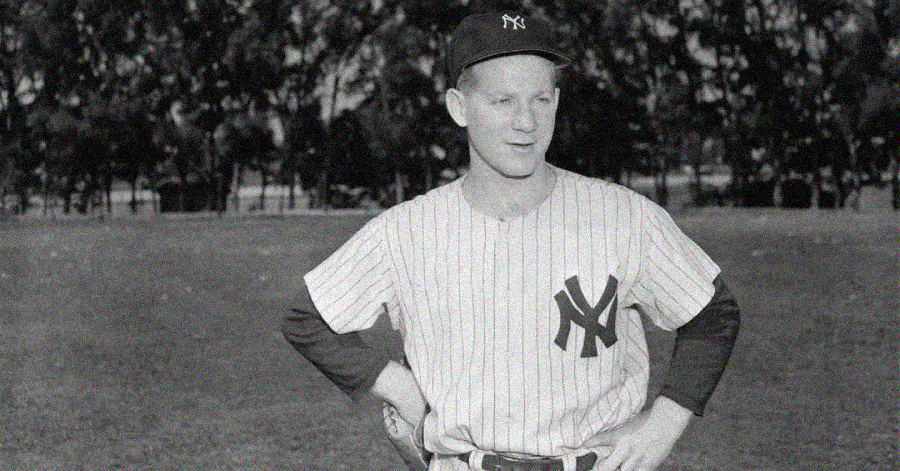
New York Yankees ace Whitey Ford paused his burgeoning career in 1951-52 to serve in the U.S. Army Signal Corps at Fort Monmouth, where he even pitched for the base’s baseball team before returning to help the Yankees win multiple World Series.
5. Ernie Banks

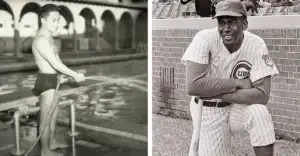
Before becoming “Mr. Cub”, Ernie Banks was drafted into the U.S. Army in 1951, serving in Germany during the Korean War with the 45th Anti-Aircraft Artillery Battalion. He used downtime playing for service teams before debuting with the Cubs in 1953.
Trending on The Scroller
6. Paul Schramka

Schramka signed with the Chicago Cubs and debuted briefly in 1953, but spent October 1950-October 1952 serving in the U.S. Army’s 4th Infantry Division in Korea. He returned to baseball after military service, later entering the University of San Francisco Sports Hall of Fame.
7. Ernie Cheatham

Defensive tackle Ernie Cheatham put his NFL aspirations on hold to serve as a U.S. Marine Corps officer in Korea. After the war, he played six games with the Steelers and Colts before embarking on a distinguished military career, ultimately retiring as a lieutenant general.
8. Don Larsen
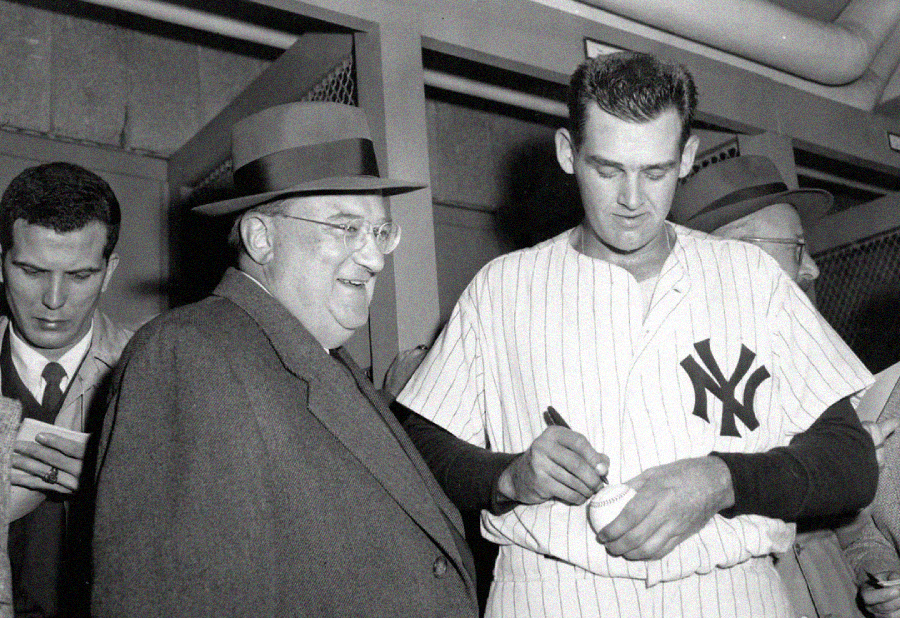
Best known for his perfect game in the 1956 World Series, Larsen was drafted in 1951 and served two non-combat years in the U.S. Army during the Korean War, returning in 1953 to the Yankees and continuing his historic career.
Sign up for our newsletter
9. Whitey Herzog
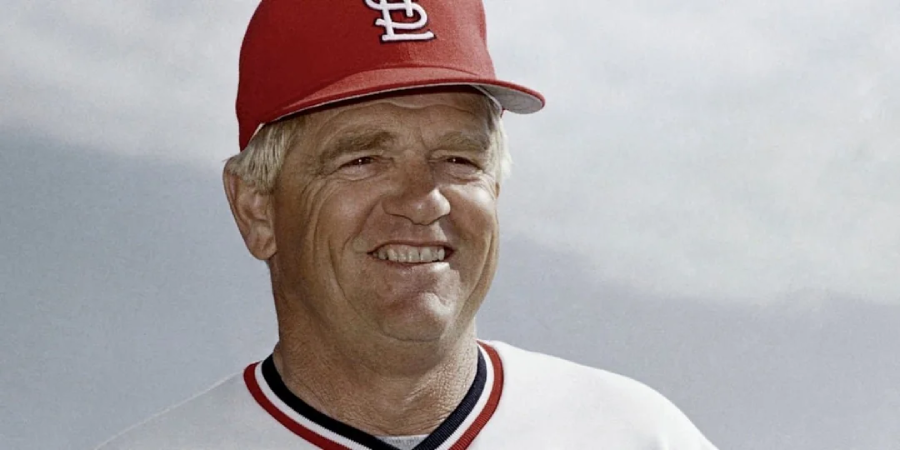
Future Hall of Fame manager Whitey Herzog served in the U.S. Army Corps of Engineers during the Korean War (stationed at Fort Leonard Wood) and managed the camp baseball team before resuming his minor-league playing career.
10. Bobby Brown
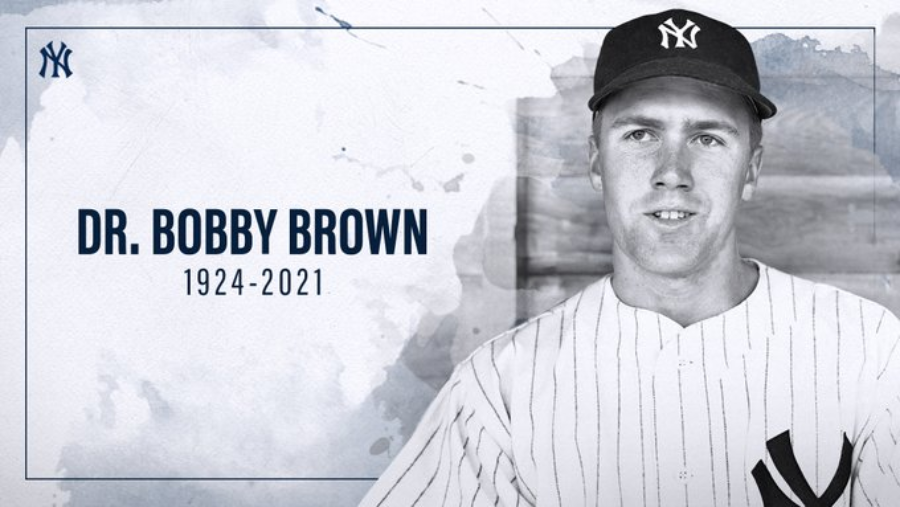
Four-time World Series champion Bobby Brown -later a noted cardiologist- served in both WWII and the Korean War as a U.S. Army officer, balancing his medical studies with baseball stints before and after his military service.
11. Johnny Antonelli
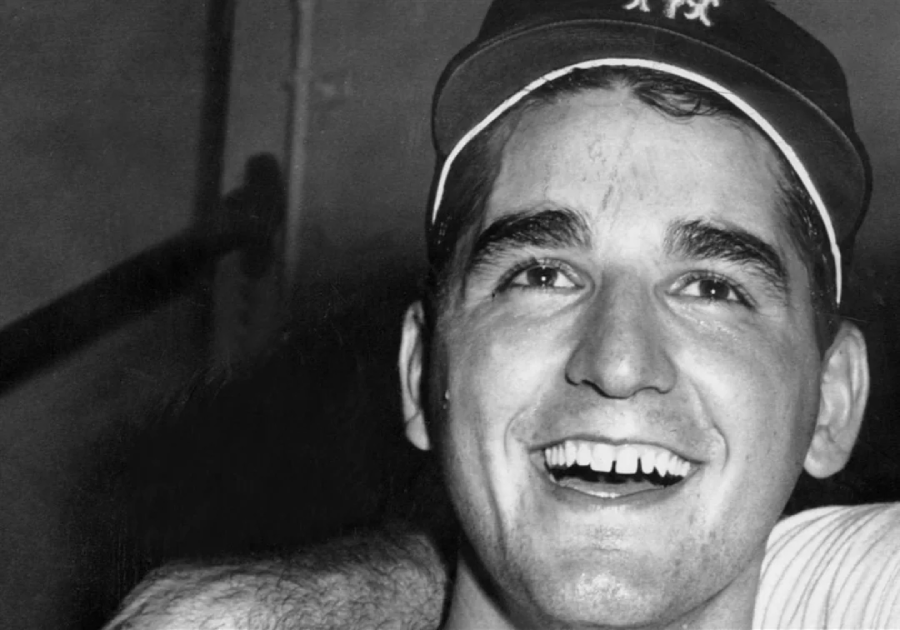
All-Star left-hander Antonelli missed the 1951-52 seasons after being drafted into the U.S. Army. Upon his discharge, he returned to post a 12-12 record in 1953 and went on to win 21 games in 1954 en route to a World Series title with the Giants.
12. Mal “Marvelous Mal” Whitfield
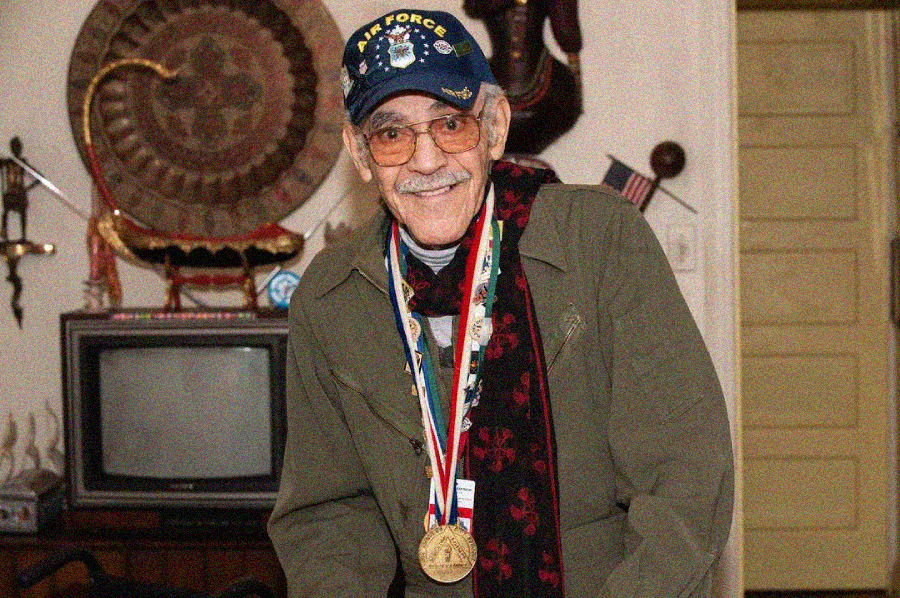
A two-time Olympic gold medalist in the 800 m (1948, 1952) and member of the Tuskegee Airmen, Mal Whitfield served as a tail gunner in the United States Air Force during the Korean War, flying 27 combat missions between 1951 and 1953. After his tour, he returned to athletics to set world-class times on the track before embarking on a 47-year career as a sports ambassador and coach in Africa under the U.S. Information Service.
13. Billy Martin
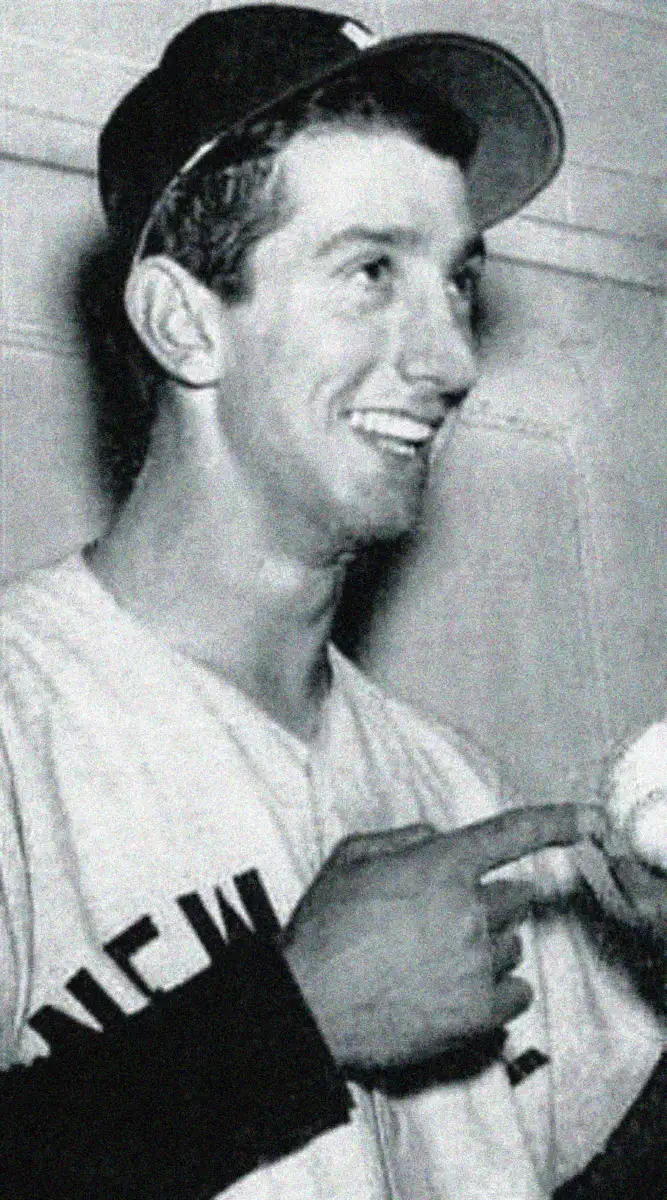
Future Yankees manager Billy Martin was drafted in early 1952, briefly served in the U.S. Army during the Korean conflict, then secured a hardship discharge and rejoined the Yankees, where he would solidify his reputation as baseball’s most combustible figure.
14. Samuel “Sammy” Lee
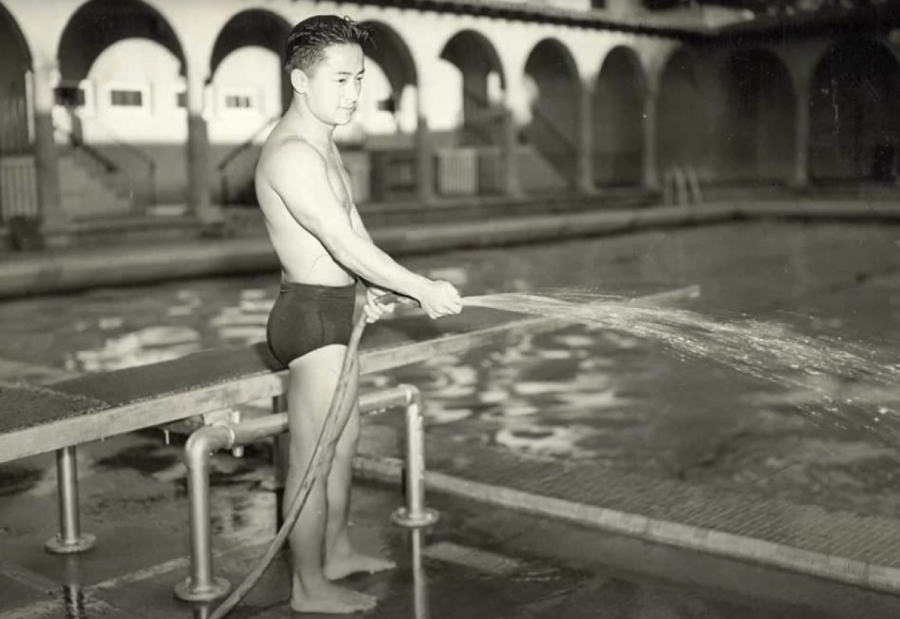
An Olympic platform-diving champion in 1948 and 1952, Dr. Sammy Lee joined the U.S. Army Medical Corps upon earning his M.D. in 1947 and served as a major and ENT specialist in South Korea from 1953 to 1955. While stationed outside Seoul, he balanced battlefield medicine with his athletic legacy, later returning to coach future Olympic champions and advocate for fair housing after facing discrimination himself.
Explore more historical content:
From combat missions to World Series triumphs, these athletes exemplified courage both on and off the field. Their stories remind us that true sportsmanship often extends far beyond the stadium lights. If you found this list compelling, check out these 15 Celebrities That Served During the Korean War, or 25 Photos of Explorers Throughout History. You can also enjoy these 15 Celebrities That Served During the Vietnam War.