
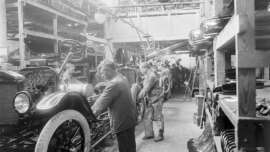
The 1930s were a time of economic struggle, industrial expansion, and strict workplace discipline. Learn about the rules 1930s factories made workers obey.
Factories ran on tight schedules and even tighter rules, with management keeping a watchful eye on every movement. While today´s workplaces offer more freedoms, these strict guidelines shaped the industrial discipline we know now.
1. No talking on the job

Idle chatter was forbidden, as it was believed to slow production and distract workers from their tasks.
2. Strict start and end times
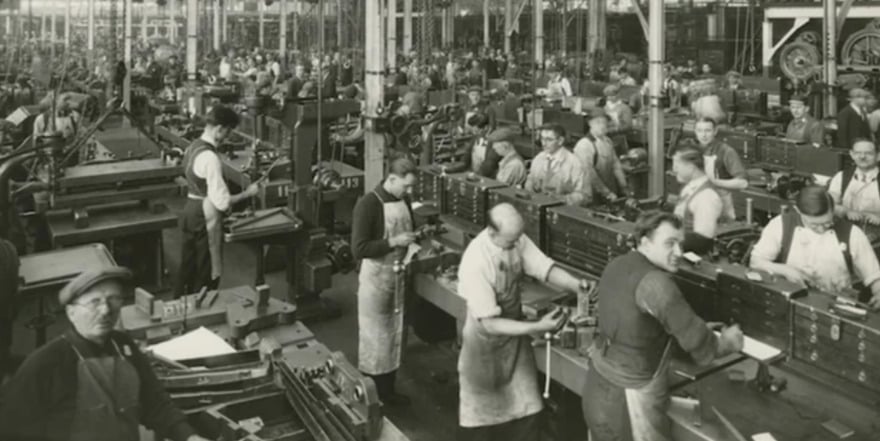
Punching in even a minute late could mean lost wages or losing your job entirely.
3. Mandatory overtime

If production demanded it, workers had no choice but to stay, sometimes for hours beyond their shift, without much notice, so wives tended to be alone almost every day and night.
4. No sitting while working

Many factories required employees to stand all day, believing it kept them alert and productive.
5. Company-issued uniforms
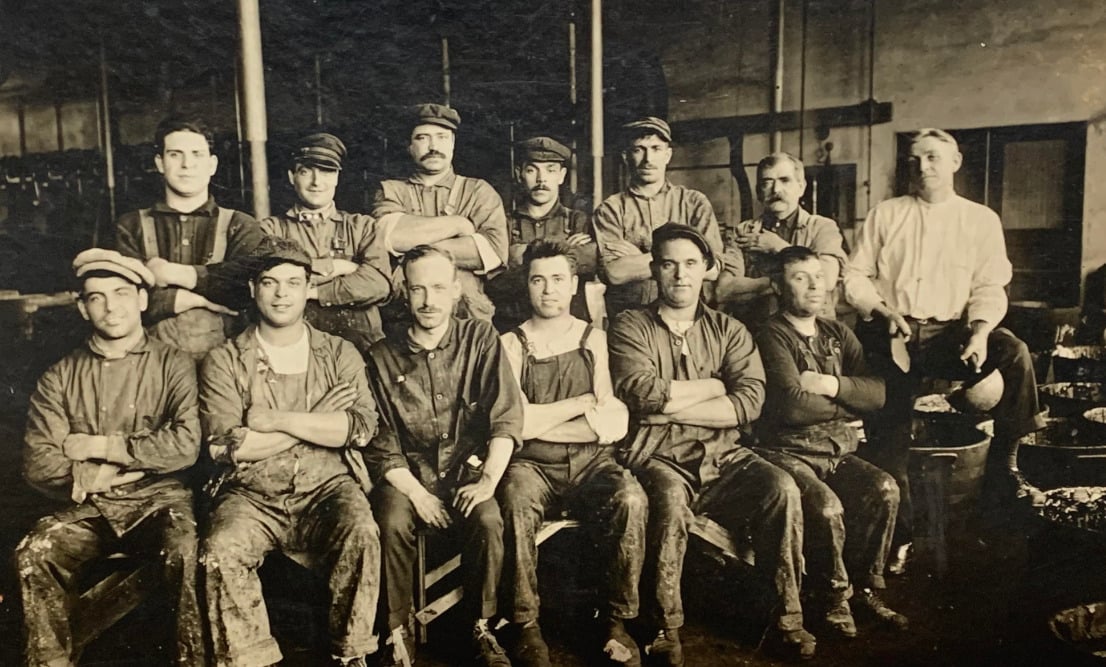
Workers were often required to wear standard-issue clothing or aprons, sometimes deducted from their pay.
Trending on The Scroller


6. No personal belongings on the floor

Lockers were often outside the work area, and personal items were banned from the production line.
7. Limited bathroom breaks

Visits to the restroom were timed and monitored, with some factories issuing tokens to control access.
8. No union activity allowed
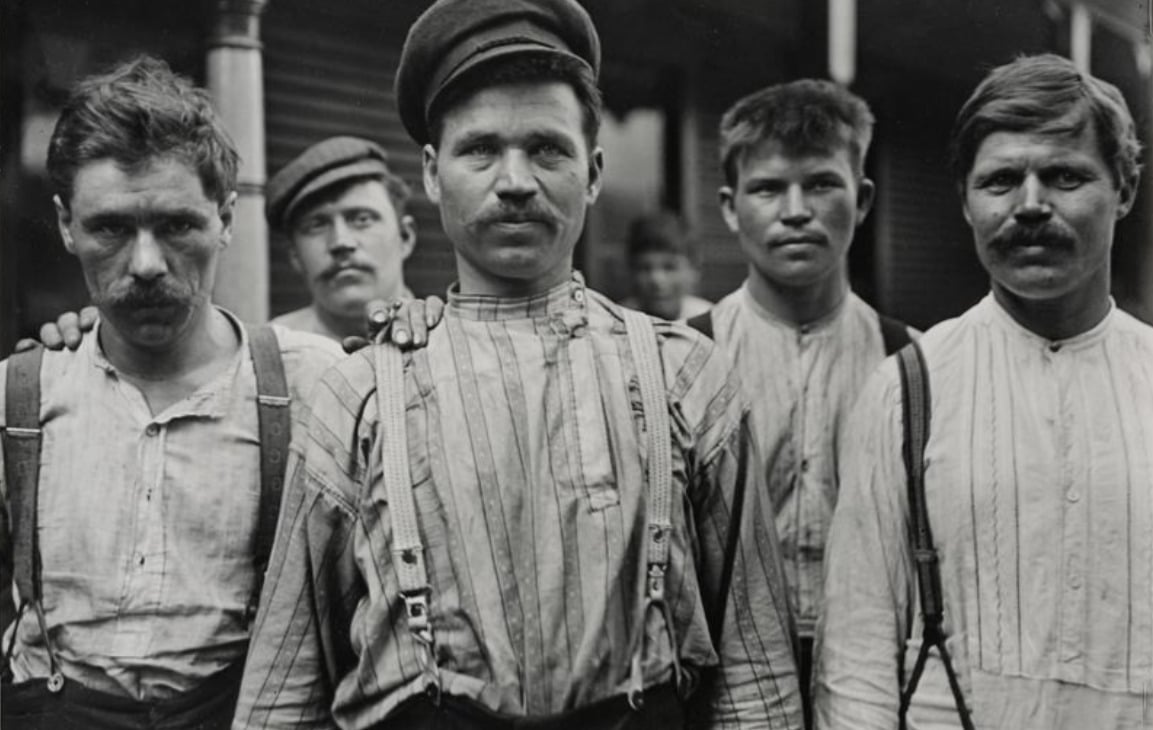
Many employers strictly prohibited discussions about unions, sometimes with threats of immediate dismissal.
Sign up for our newsletter
9. Daily inspections
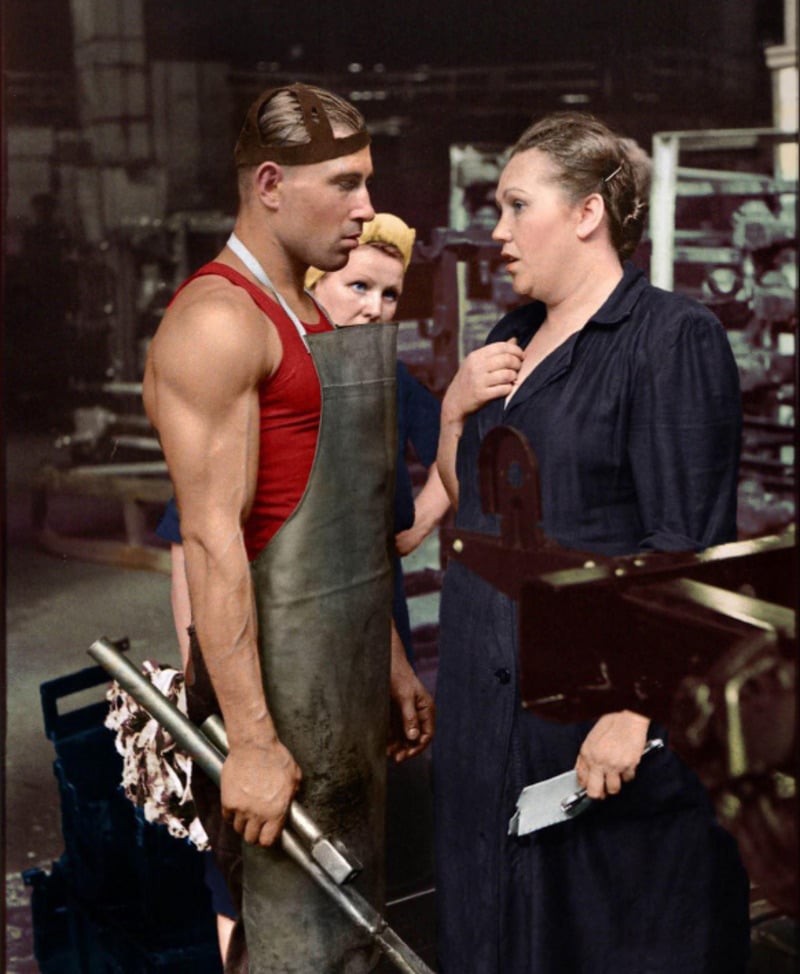
Supervisors checked workstations at the start and end of each shift to ensure cleanliness and order.
10. No entertainment
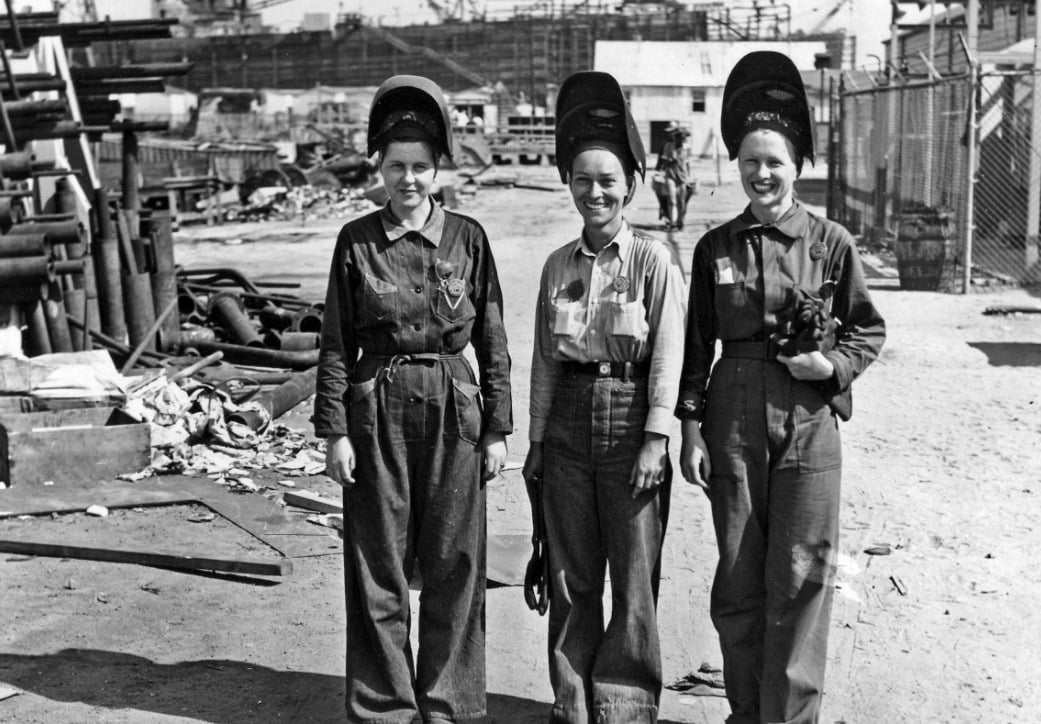
Even a humming worker could be reprimanded; silence was considered essential for efficiency.
11. Strict dress codes for women
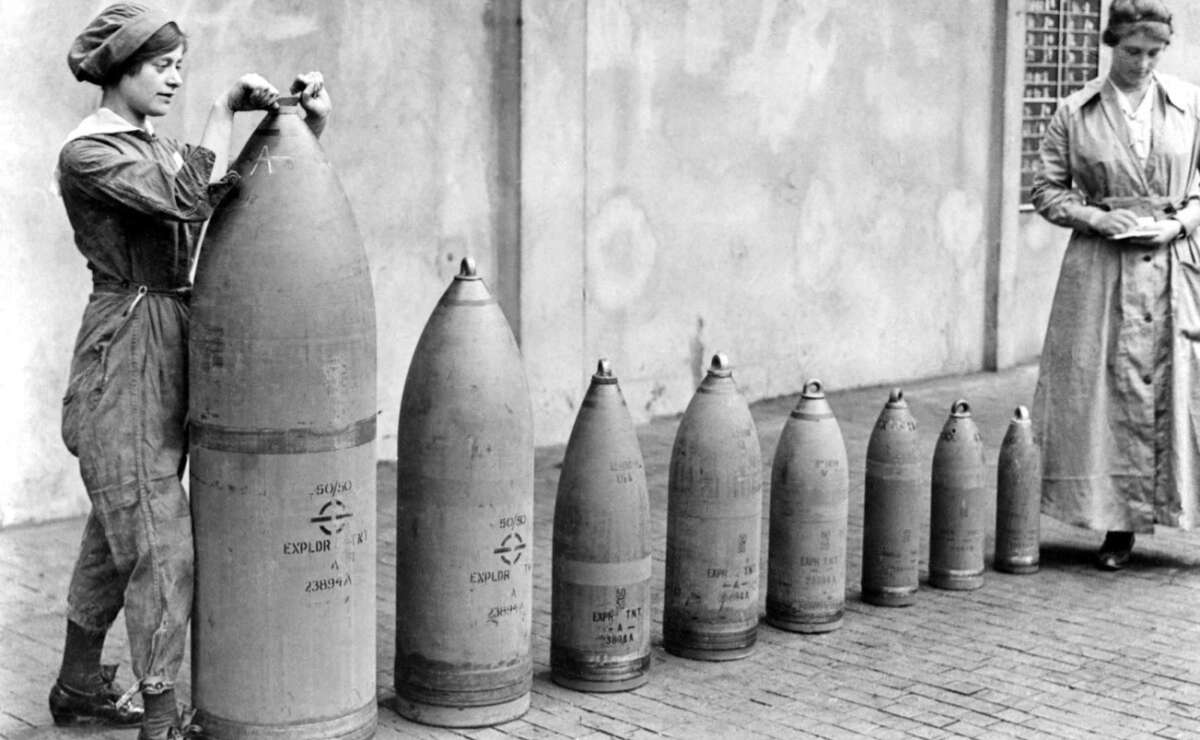
Female employees often had to wear dresses, stockings, and hairnets, even in hot, uncomfortable environments.
12. Clock-watching is forbidden

Checking the time too often was seen as a lack of dedication and could draw the attention of supervisors.
13. No eating at the workstation
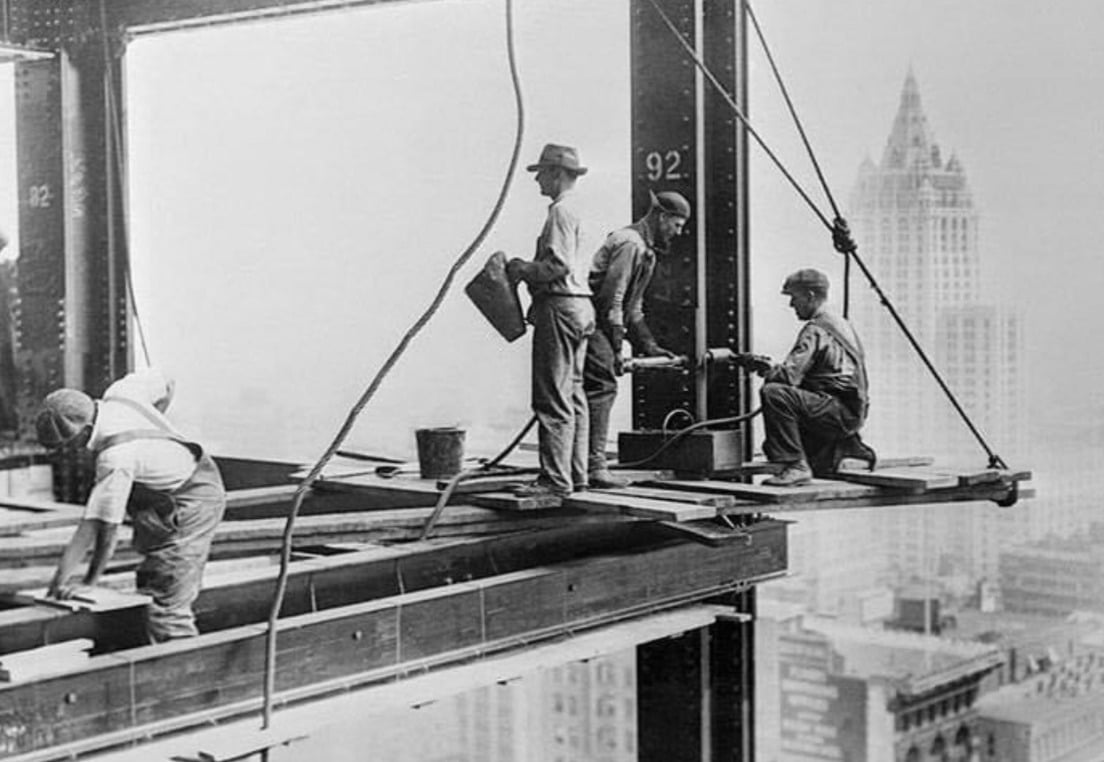
Meals were taken in designated break rooms, and snacking on the job was strictly banned.
14. Mandatory safety drills

While modern standards make these normal, in the 1930s, they were often grueling, with workers repeating procedures until perfected.
15. Obedience to supervisors at all times

Questioning orders, no matter how unreasonable, could be grounds for dismissal.
Explore more vintage content:
Factory work in the 1930s was rigid, exhausting, and often dangerous. These rules reflected a time when efficiency mattered above all else, and worker rights were only beginning to take shape.
If you enjoy exploring the past, check out and add these anchor texts to the outro: 15 Classic American Roadside Attractions That Are Still Open and 20 Oddly Terrifying Images That Fuel the Nightmare Factory, or 15 Classic American Roadside Attractions That Are Still Open.