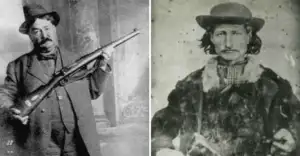
The Old West loved a legend, but order came from people who could back a badge with nerve. These gunslingers -some marshals, some Rangers, some relentless deputies- kept boomtowns, border crossings, and railheads from flying apart.
They planned more than they posed: paperwork, posses, patient stakeouts, and, when it came to it, fast hands that ended trouble before it spread.
1. “Wild Bill” Hickok
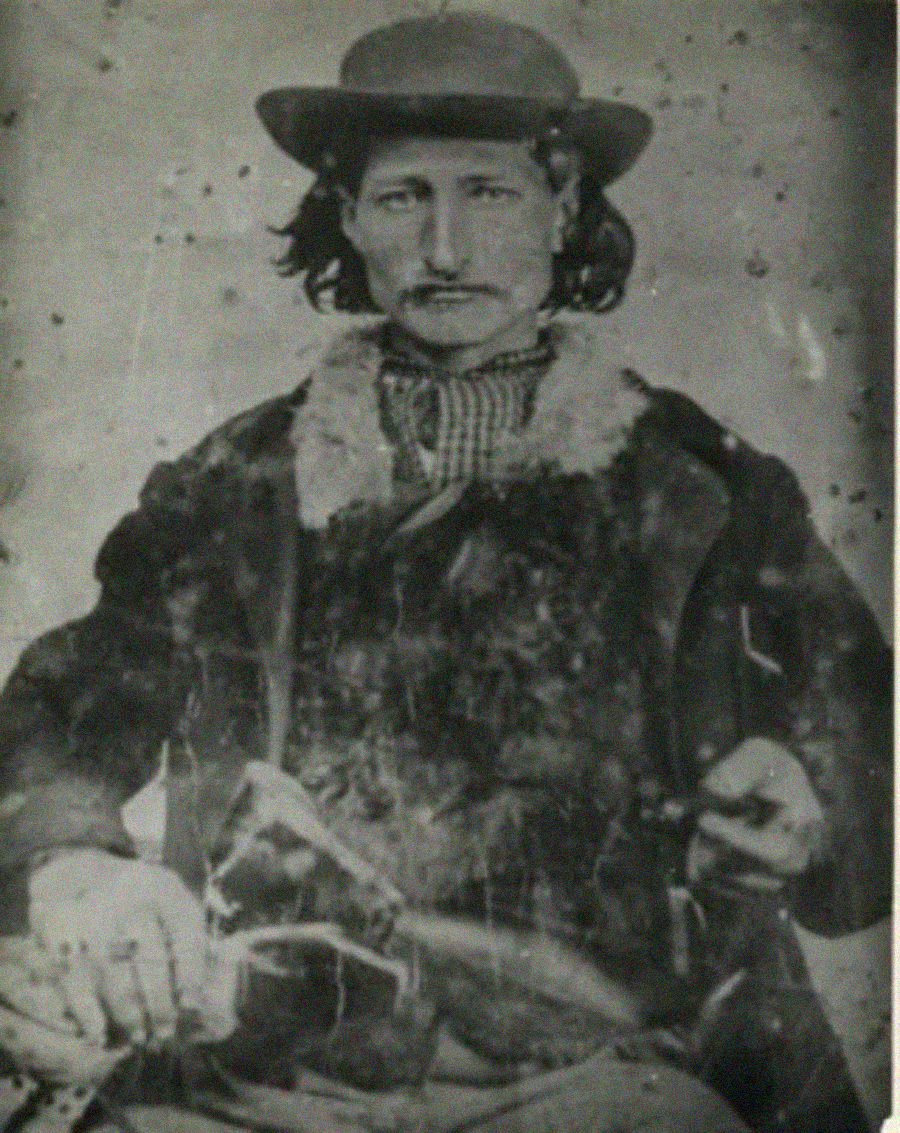
As marshal in Abilene and earlier posts, Hickok faced armed saloon men and trail-hands who mistook swagger for immunity. He settled the Davis Tutt standoff with a single long shot and later dropped gunman Phil Coe in Abilene, tragic friendly-fire in the chaos included. Calm voice first, then a fast, accurate draw when talk failed.
2. Wyatt Earp
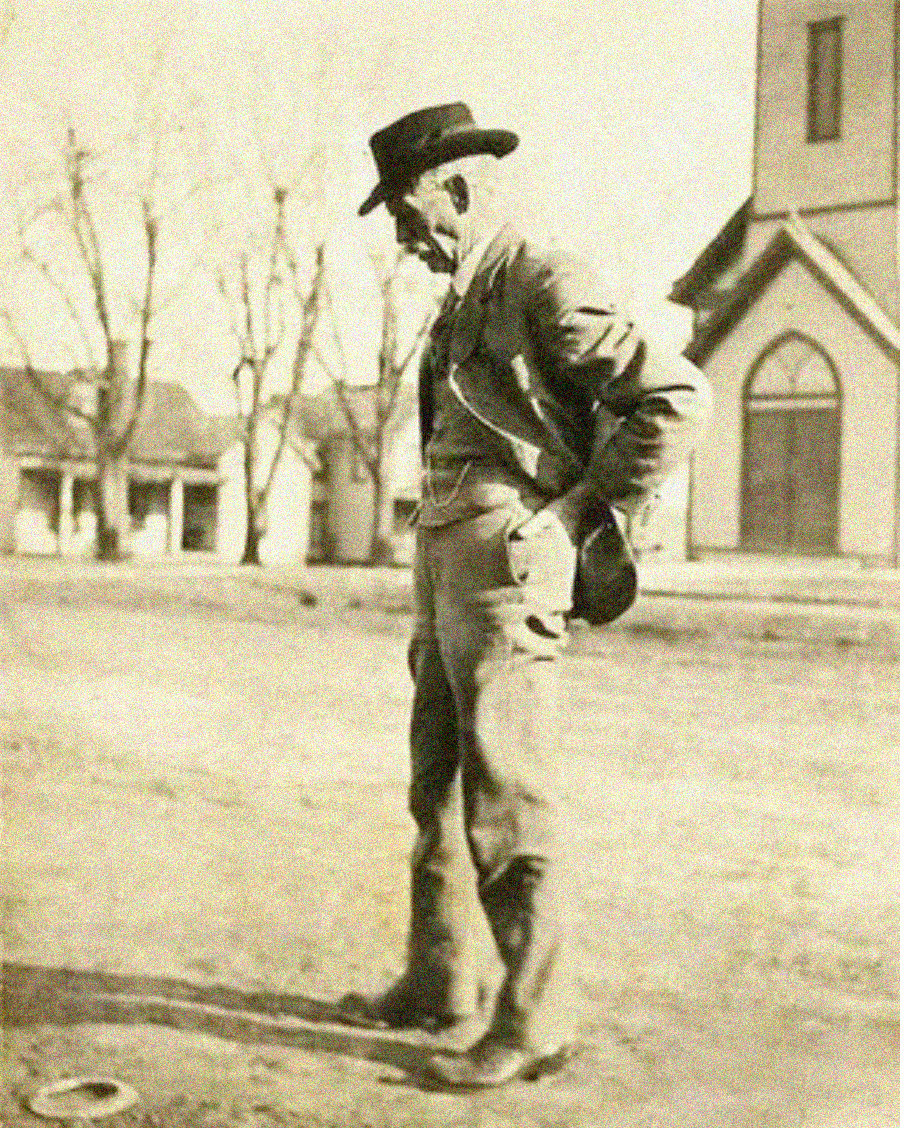
Earp preferred warrants to wild shots, but the Cowboys’ pressure in Tomstone forced his hand. He stood with his brothers and Doc Holliday against the Clantons and McLaurys, the rode a hard vendetta that put lead into men like Frank Stilwell and, by Earp’s account, Curly Bill Brocius. He kept order by shrinking outlaw options, and occasionally by firing point-blank.
3. Bat Masterson
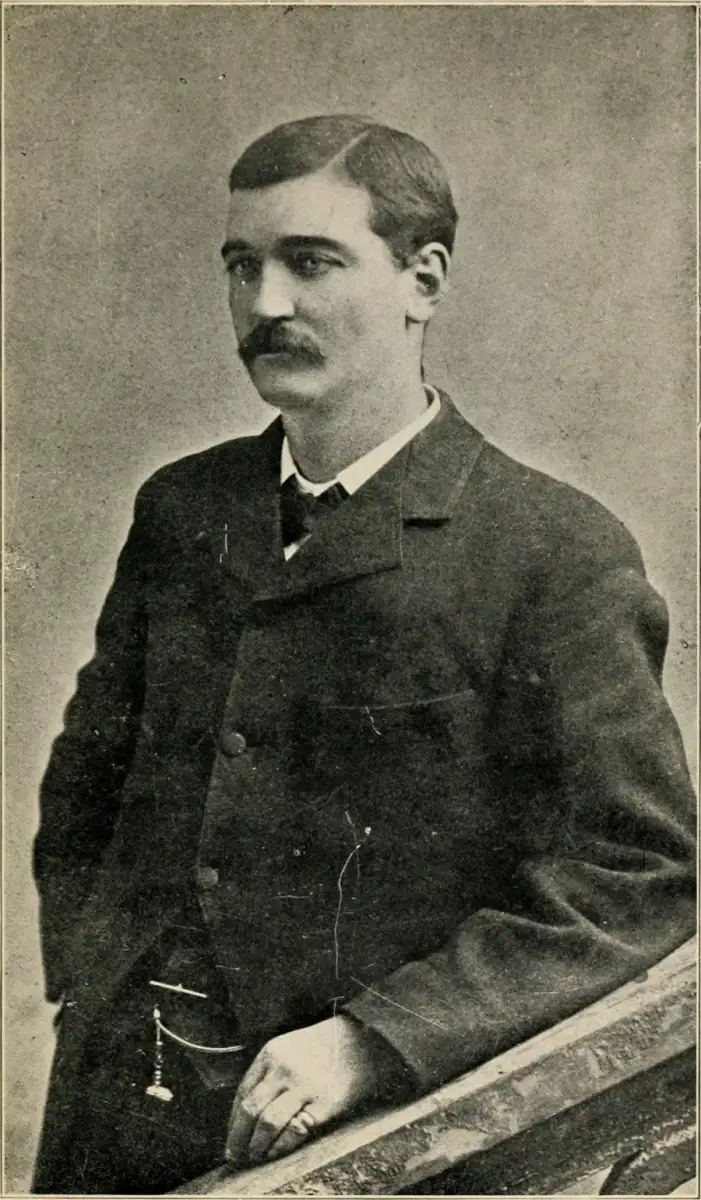
In Dodge City and beyond, Masterson broke up saloon feuds and gambler vendettas before they metastasized. When Jack Wagner came gunning, Bat answered with a clean stop and a reputation for showing up backed and steady. Most nights ended with arrests; on the rare ones that didn’t, his Colt made the closing argument.
4. Bass Reeves
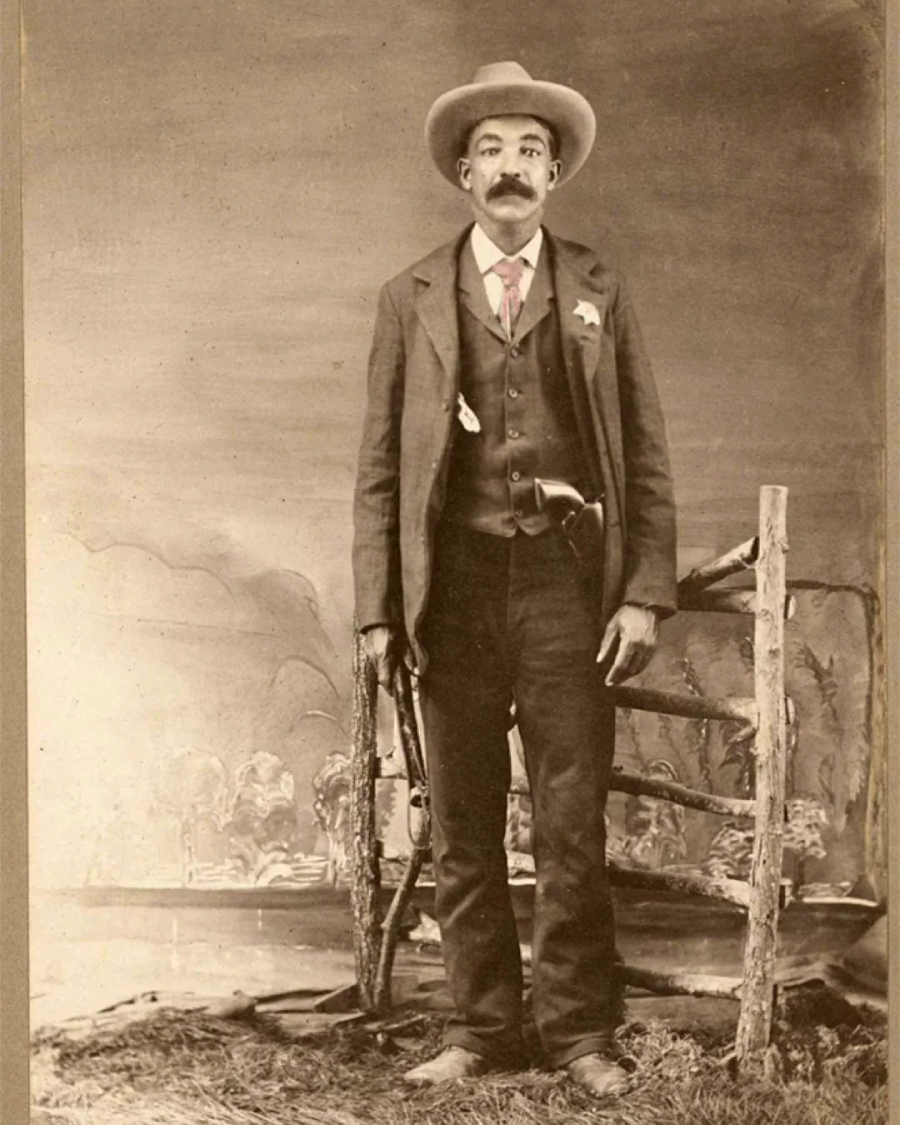
Riding in Indian Territory, Reeves hunted murderers and horse thieves who thought distance meant safety. When notorious outlaw Bob Dozier pushed a gunfight, Reeves answered and won; the rest he hauled in alive, patience and disguise. He logged thousands of arrests because he read habits, and because he could shoot straight when cornered.
5. Pat Garret

Garret mapped Billy the Kid’s routes until that became a box. Along the way, he traded shots at Forto Sumner, killed Tom O’Folliard and Charlie Bowdre during the squeeze at Stinking Springs, and ended the chase in Pete Maxwell’s dark room- Not stylish; effective.
Trending on The Scroller

6. Bill Tilghman
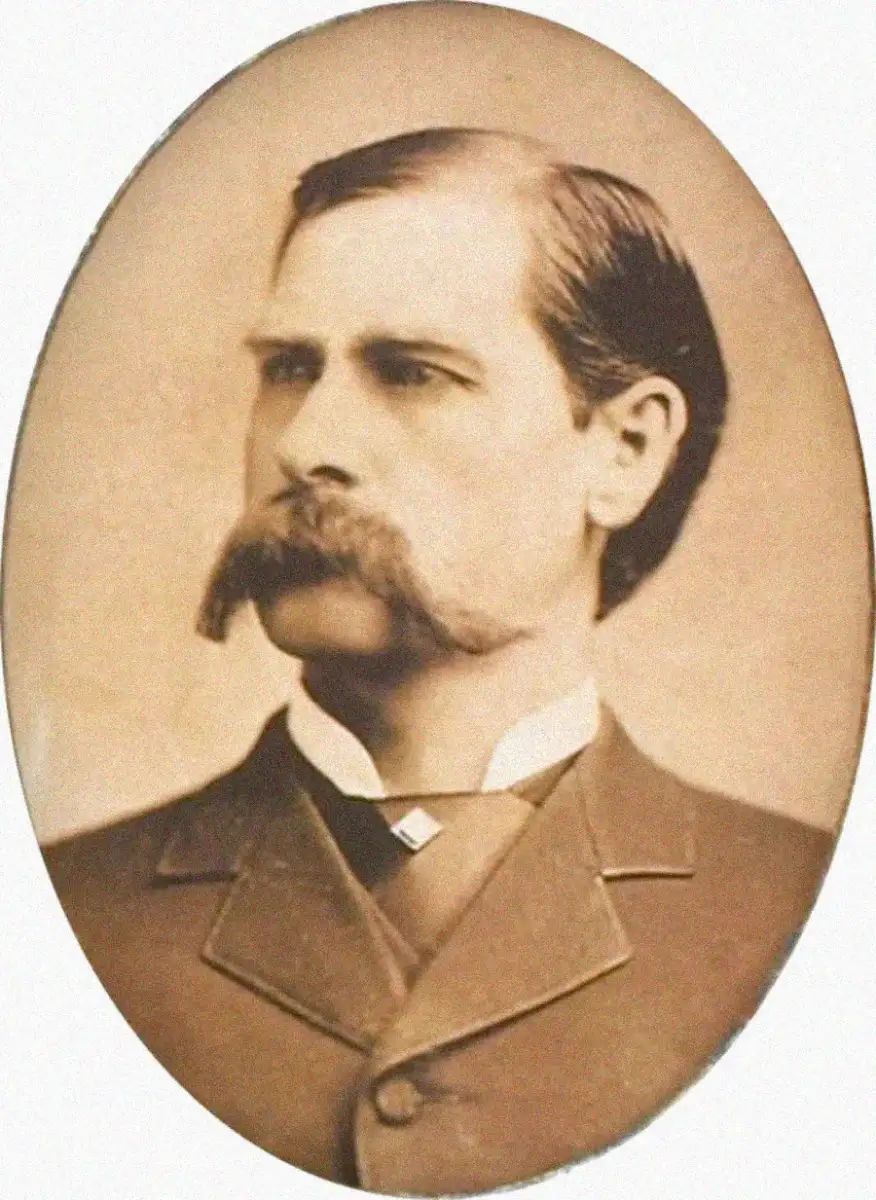
Tilghman wore out horses on the Doolin-Dalton crowd, cornering Bill Doolin himself in 1895 and helping finish off the gang’s stragglers. He favored live captures but didn’t hesitate when a draw came up hot. Case files and clean hits kept his counties quiet.
7. Seth Bullock
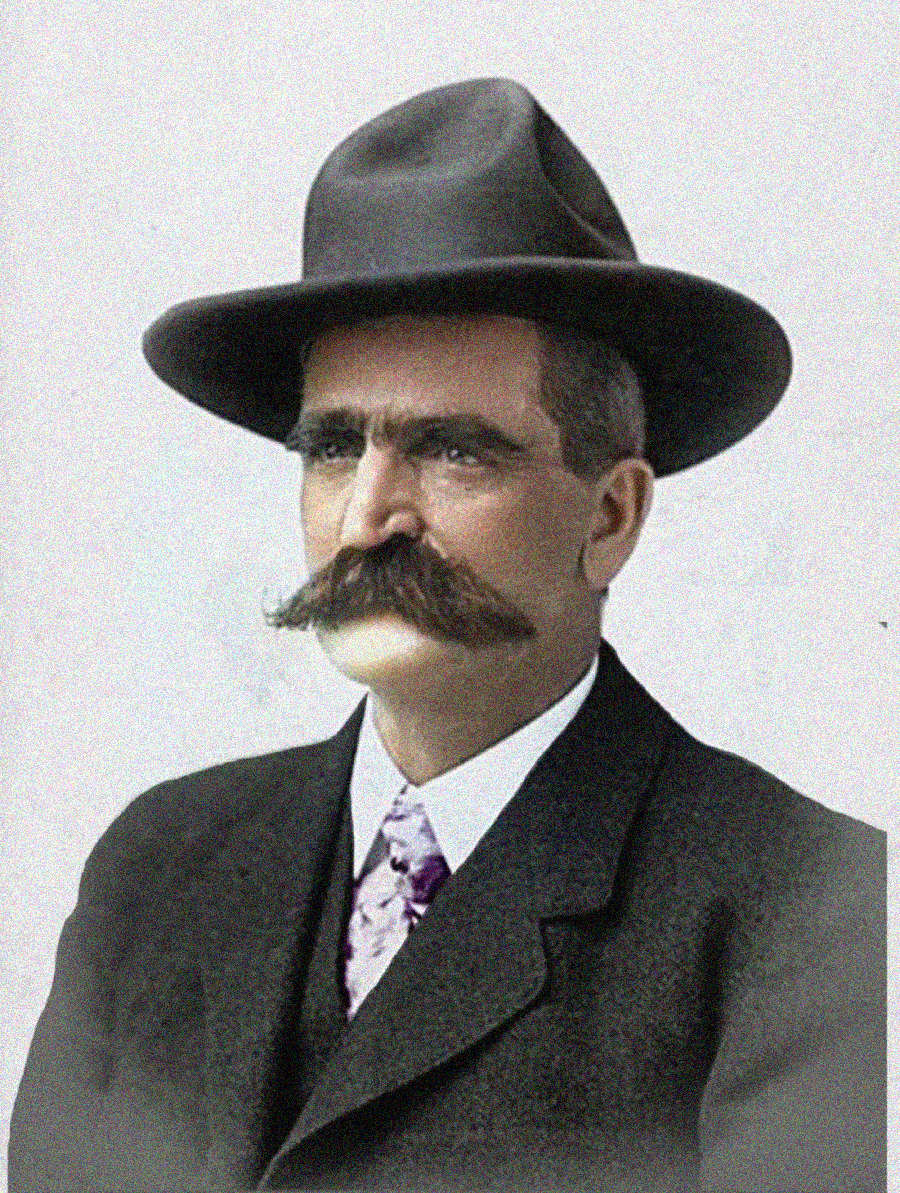
Deadwood’s sheriff leaned on presence and fast court days, not constant gun smoke. Even so, when murderers and mob tempers rose, he waded in with a revolver on his hip, and the town believed he’d use it. Order came from a steady stare backed by steel.
8. Frank Hamer
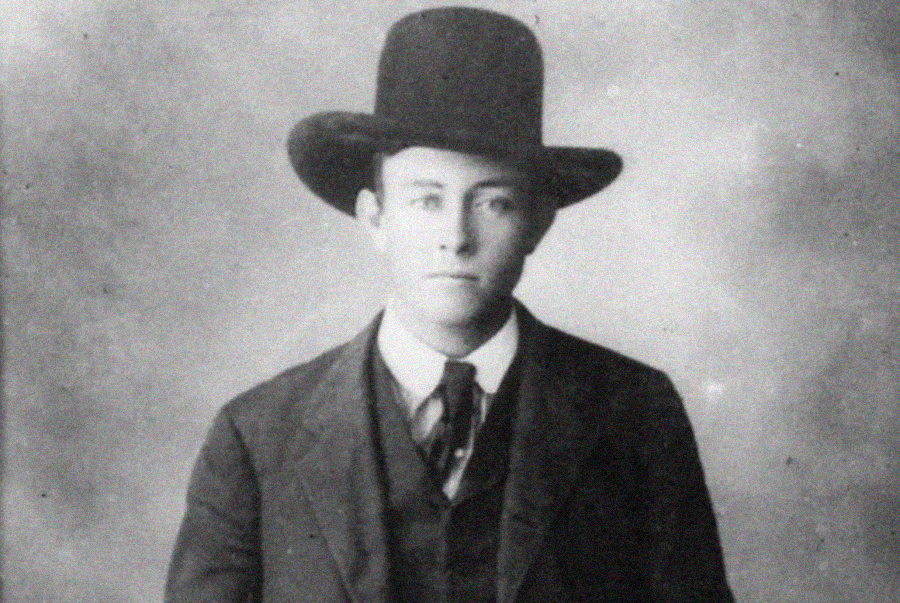
Long before the ambush that stopped Bonnie Parker and Clyde Barrow, Hamer broke bank crews and highway talent by reading patterns and terrain. When he finally met the Barrow car on a Louisiana road in 1924, it was rifles and automatic fire that ended a long chase. He spoke softly in reports; his guns spoke when math said “now”.
Sign up for our newsletter
9. Captain Bill McDonald
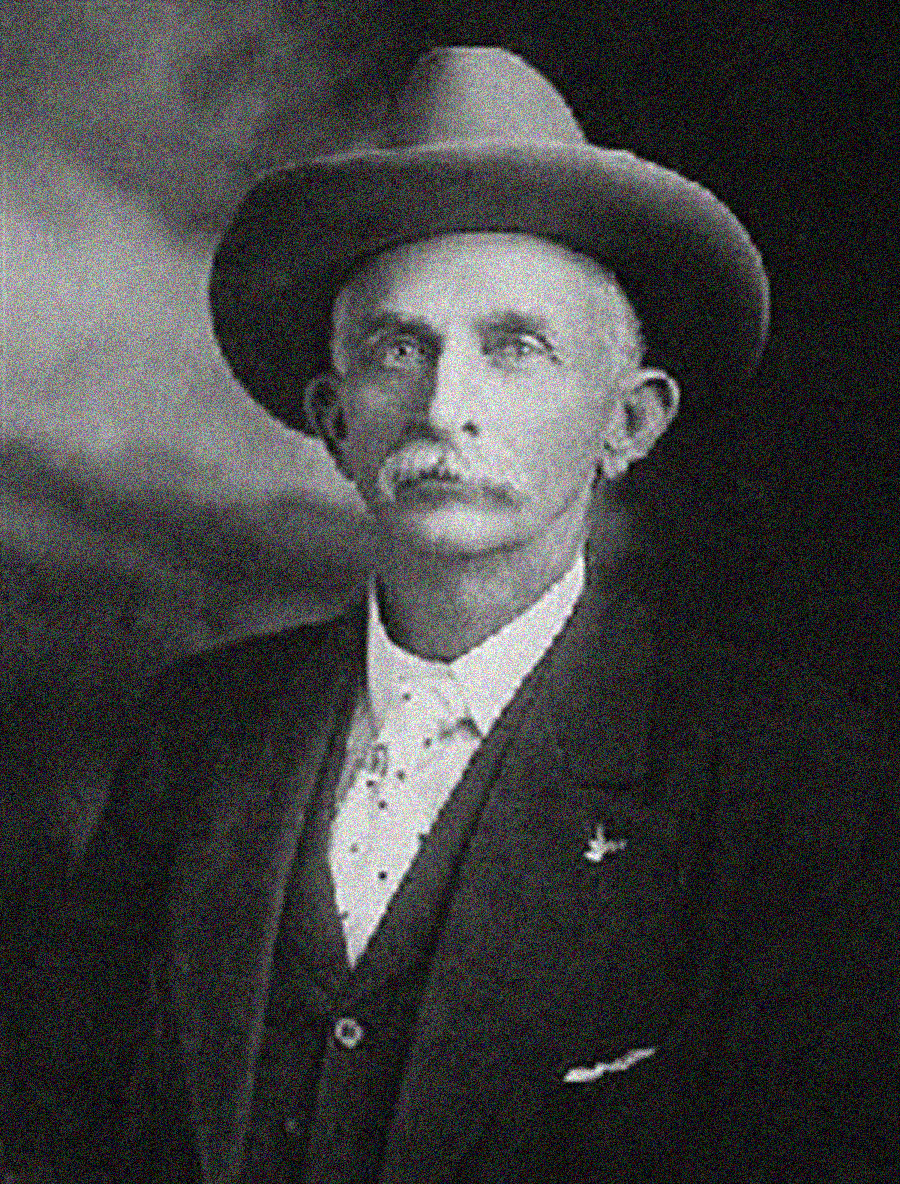
Fence-cutters, prizefight promoters, and courthouse toughs all learned the same thing: if McDonald said stand down, you stood down. On the days talk broke, he drew with surgical speed and ended the nonsense. “One riot, one Ranger” felt true because he worked like it.
10. Dallas Stoudenmire
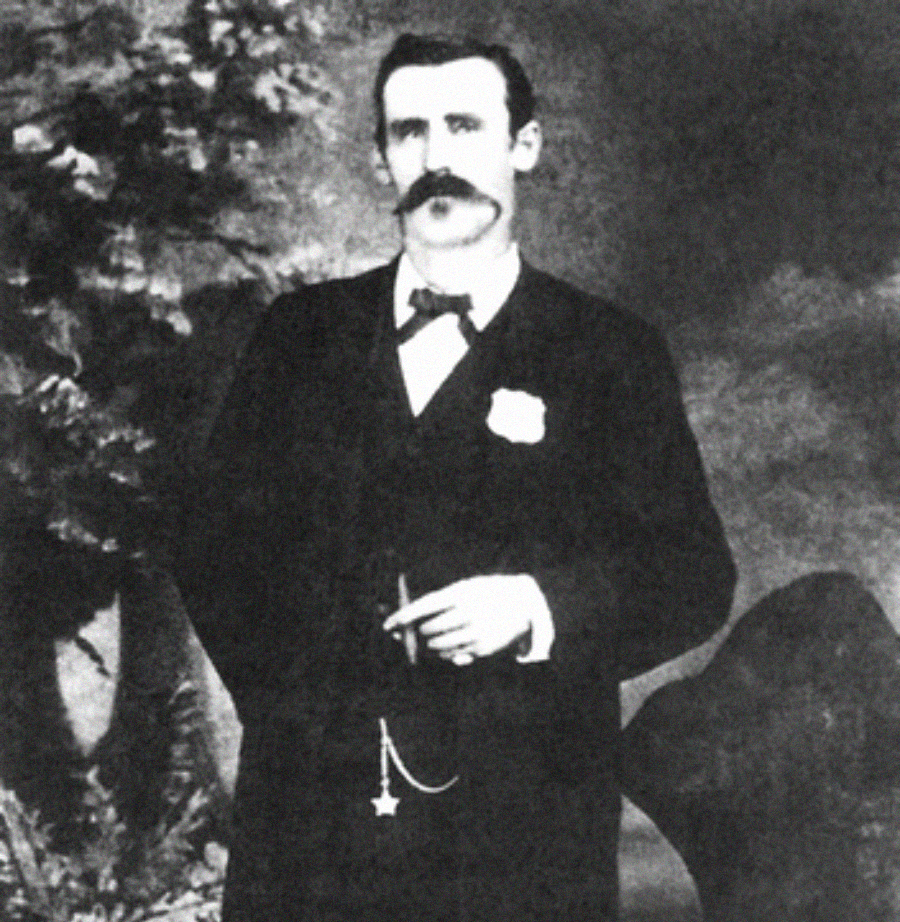
El Paso’s city marshal walked into street brawls already at a simmer. In the “Four Dead in Five Seconds” whirlwind, he dropped two armed men and restored a very public peace; later showdowns proved it wasn’t a fluke. He paired paperwork with a lethal finish when needed.
11. Elfego Baca
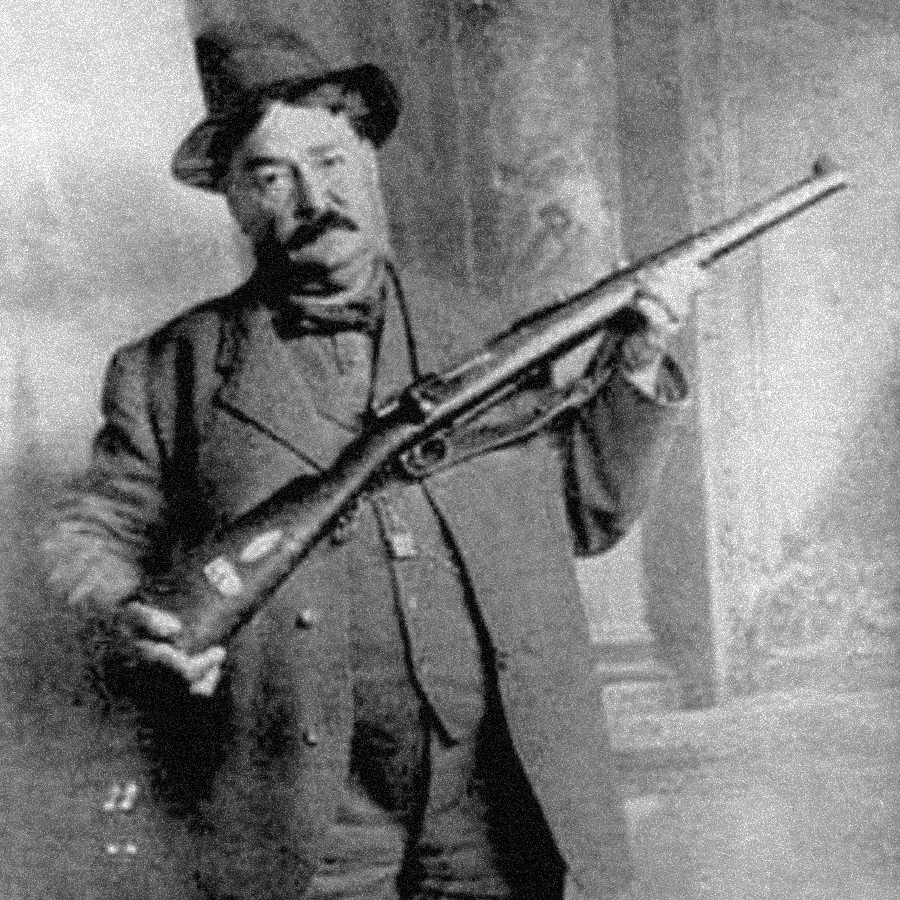
The Frisco fight began with the Texans firing wildly and ended with Baca still standing behind pockmarked walls. He used his rifle and revolver to keep a mob at a distance while the law caught up to the headlines. After the smoke, he brought the same stubbornness to court.
12. Commodore Perry Owens
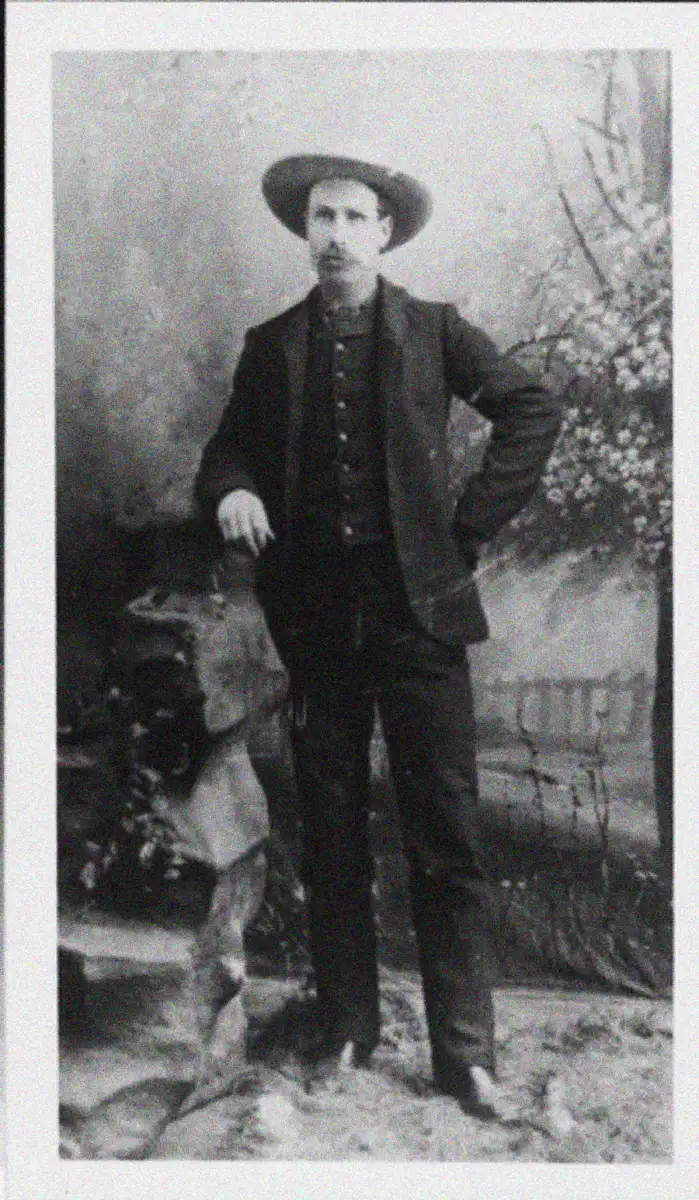
Serving a warrant at the Blevins house turned into a sudden, close-range fight where Andy “Cooper” Blevins fell, and two more followed when rifles answered from inside. Owens had planned the angles before he knocked; when the door opened, he finished fast. Word traveled: don’t test a sheriff who measures sightlines.
13. John Selman
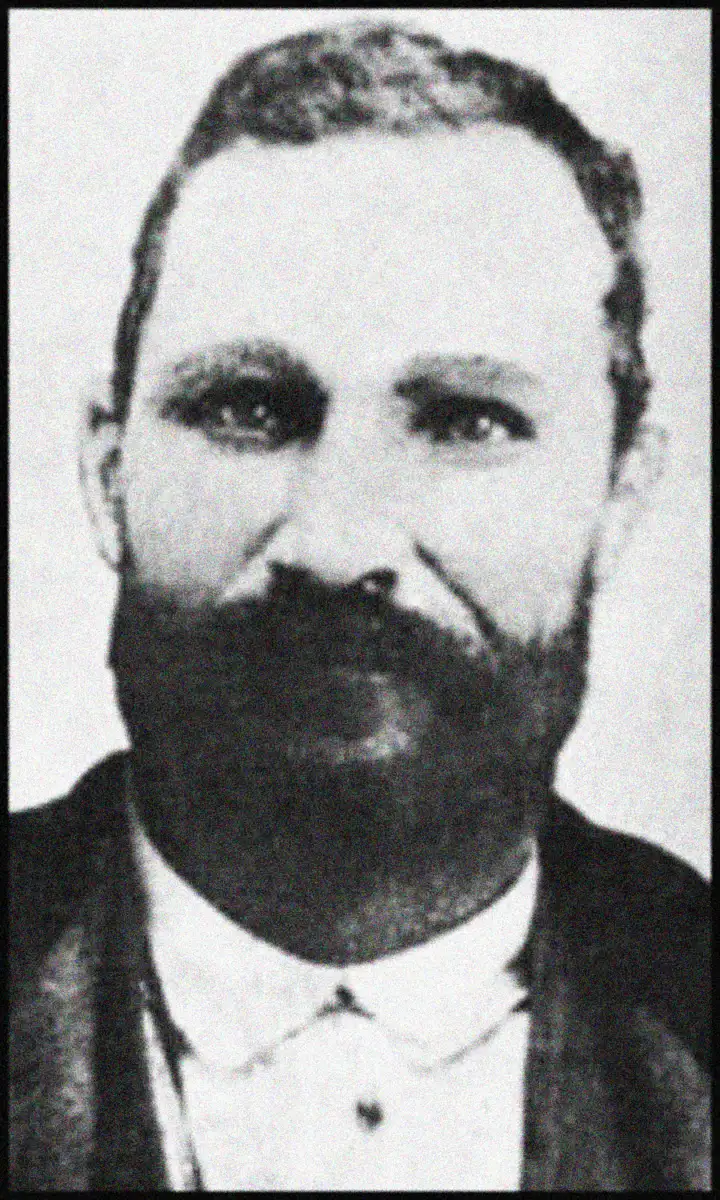
Selman studied John Wesley Hardin’s saloon routine until the minute hand gave him an opening. The shot in the Acme ended a long, noisy career with a short, quiet report. Border towns kept their myths; Selman kept the peace.
14. Ben Thompson
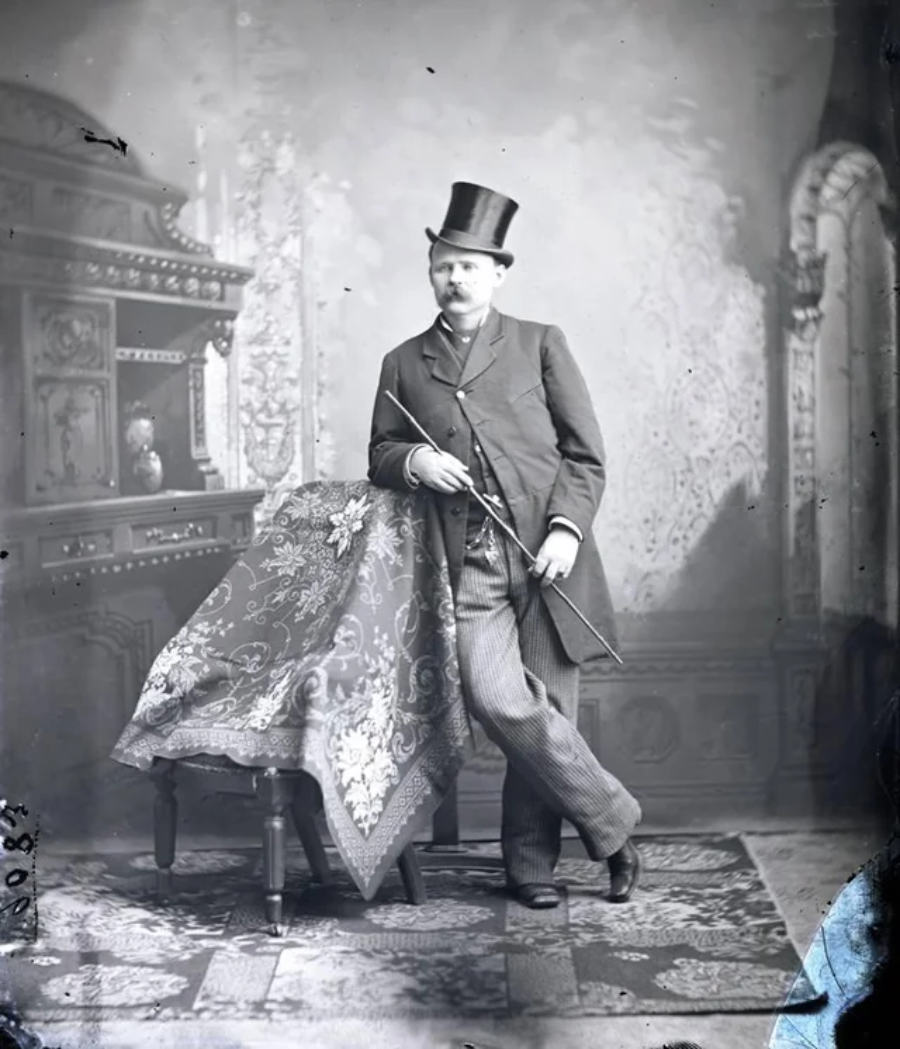
As Austin’s city marshal, Thompson fronted down hard cases nightly and still tried to talk first. When Jack Harris squared off in San Antonio, Thompson’s pistol decided the argument; later, ambush fire took his own life. He was the classic fast gun who also knew when not to squeeze.
15. Jeff Milton

Guarding the Fairbank express in 1904, Milton took a slug to the arm and still returned fire, mortally wounding “Three-Fingered Jack” Dunlop and spoiling the robbery. Along the line at Douglas and Naco, he gave smugglers and train robbers the same bad day. Paper trails by daylight, hard lead when doors blew open.
16. Tom Horn

A tracker who could read a day-old hoof like a headline, Horn confronted rustlers in the brush and occasionally left bodies to prove it. His long-range rifle work made outlaws give wide berth, but also put him on the wrong side of a murder verdict in 1901. The gray zone between badge and hireling never looked grayer.
17. Charlie Bassett

Dosge City’s first sheriff kept cattle money safe by appearing everywhere at once, and by backing deputies who could handle a draw. When saloon shooters tried testing the perimeter, Bassett’s men answered cleanly and carted them off. Most nights ended with a lock clicking; the few that didn’t ended with a muzzle flash.
18. John Coffee “Jack” Hays

Against Comanche fighters, Hays made the revolver a doctrine. At Walker’s Creek, he used rapid fire and terrain to flip a larger force, proving the new pistol wasn’t a gimmick but a plan. The frontier learned that a handful of steady men could hit like a company.
19. Heck Thomas

Thomas hunted the Doolin-Dalton network until nerves frayed and guns came out at bad moments… for the outlaws. Raids and chases ended in exchanges that emptied saddles and court calendars alike. Jurisdiction lines didn’t help fugitives; Heck’s posse crossed them on schedule.
20. Thomas “Bear River” Smith
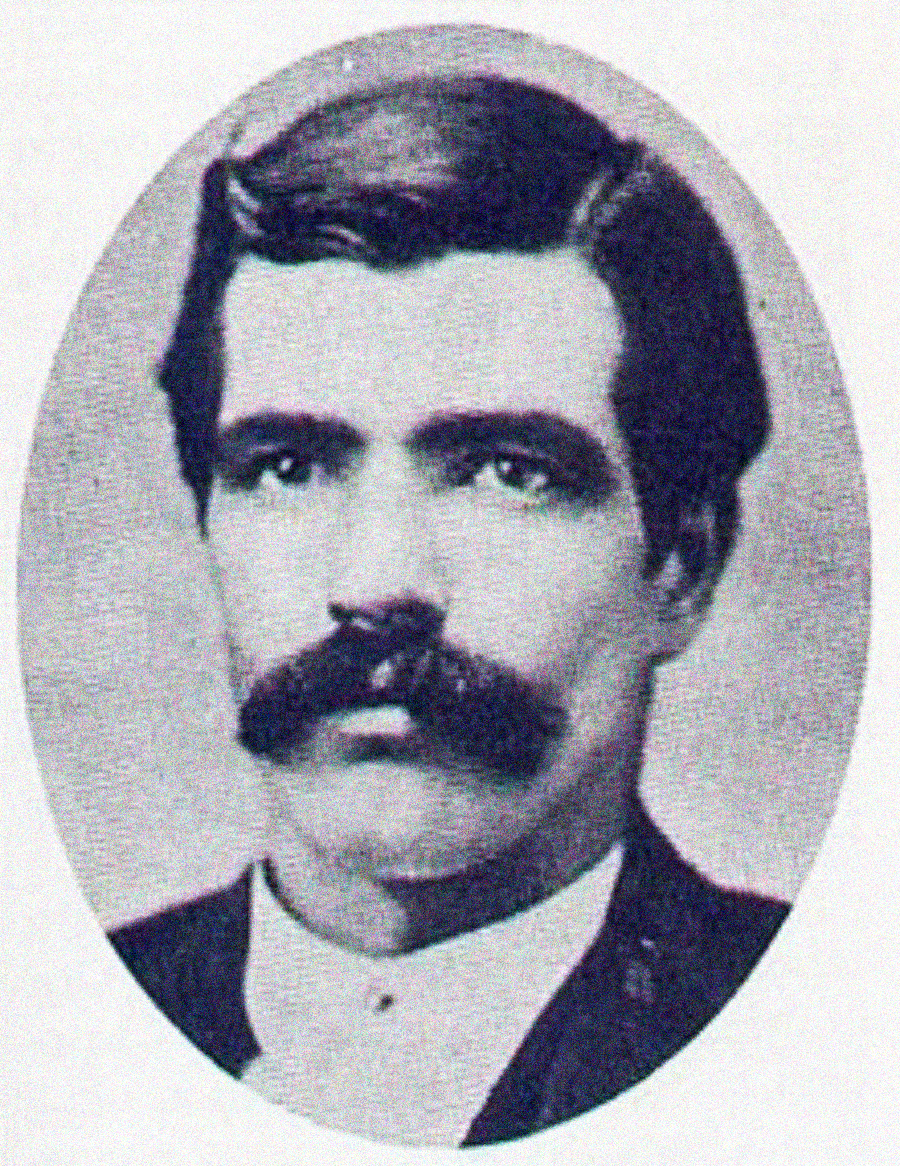
Smith’s first move was always his fists, and Abilene loved him for it. But when killers ignored the rules, he carried a revolver and a badge into rooms where both might matter. His murder proved what his methods had saved the town from: more gunfire, more often.
Explore more historical content:
The West didn’t settle down by accident; it settled because steady hands kept showing up on time. For more character-driven history, take a look at these 15 Real-Life Duels That Shaped the Old West, or these 20 Border Town Sheriffs and Their Line-in-the-Sand Stories. If you want more, check these 17 Rangers of the Texas Frontier and their Wildest Standoffs.