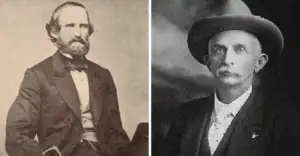
Before radios and patrol SUVs, rangers on the Texas frontier worked with grit, maps sketched in dust, and a badge that traveled on horseback. Their “wildest standoffs” weren’t always blazing gunfights; often they were hours of patience, inches of cover, and a last-second call that decided who rode home.
Here are 17 short, punchy portraits of frontier rangers facing moments that turned into legend.
1. John Coffee “Jack” Hayes turned a hilltop into a fortress

Hays made his name holding high ground against a superior number by calmly rotating men, rationing shots, and closing distance when it counted. He leaned on mobility and those new multi-shot revolvers to flip the math in close. The lesson that spread across the frontier was: pick the terrain, then let nerve do the rest.
2. Samuel H. Walker fought so close he helped redesign the pistol
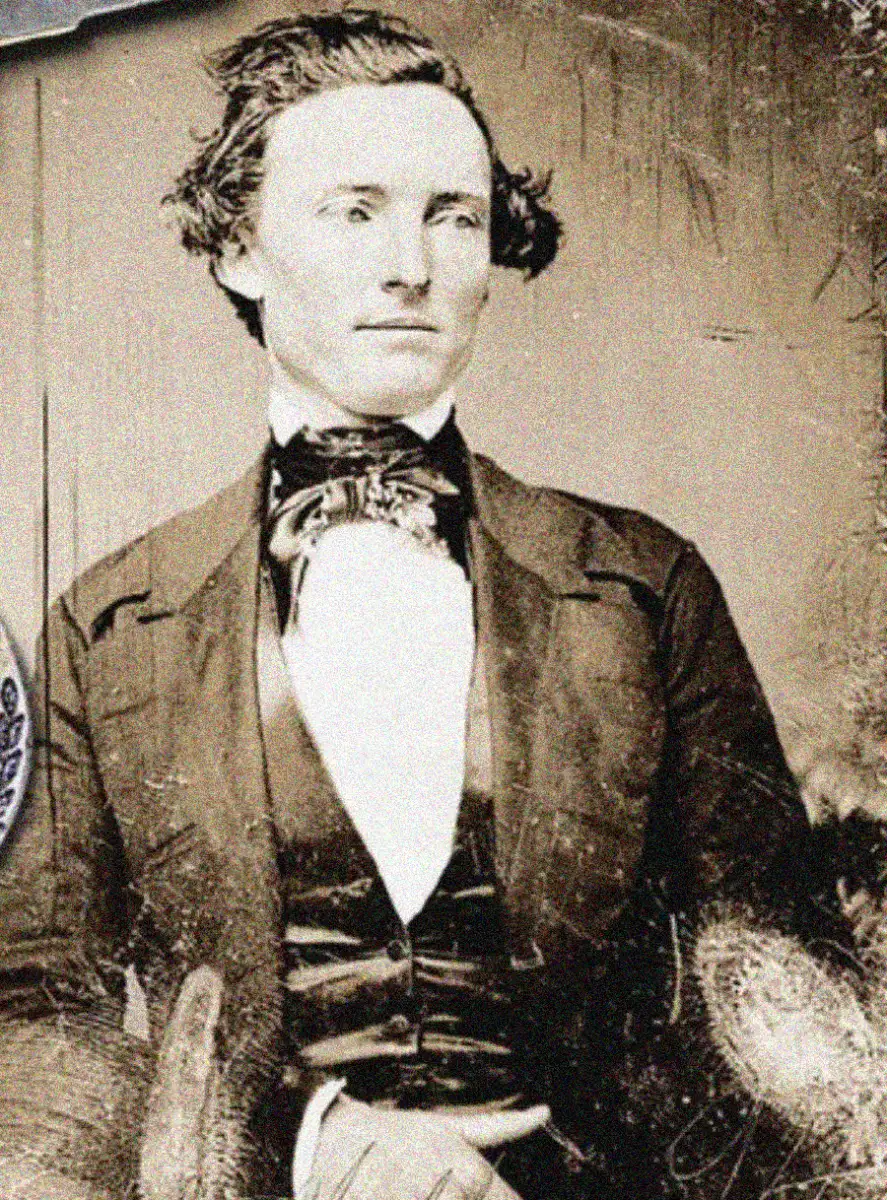
After escort missions and sudden ambushes where one shot wasn’t enough, Walker pushed for a heavier and harder-hitting revolver. The result -the Colt Walker- fit the way he and his scouts fought. His standoffs were measured in yards, not fields, and he trained men to win at that range.
3. Ben McCulloch read trails like a ledger

McCulloch’s best “last stands” started as quiet recon filled with dust plumes, hoof counts, and where a raiding party would need water next. He favored flanking attacks that turned a chase into a short and decisive clash. When the smoke cleared, his maps explained the victory as much as the marksmanship.
4. William A. A. “Bigfoot” Wallace out-stubborned ambush country

Wallace led hard marches through mesquite and arroyos, baiting would-be attackers into ground he’d already scouted. He thrived in knife-edge moments where a steady voice held his line together. The standoffs felt reckless from the outside, but up close, they were planned to the inch.
5. Leander H. McNelly crossed a river and changed the odds

Commanding the Special Force on the Nueces Strip, McNelly trusted small units and surprise more than big columns. At the Rio Grande, he pushed right to the line -sometimes over it- to confront raiders and rustlers who thought the river made them safe. His most famous face-offs were won before the first shout thanks to intel, timing, and nerve.
Trending on The Scroller
6. John B. Armstrong ended a legend on a train platform

Armstrong tracked John Wesley Hardin with old-fashioned footwork and lots of patience, then closed in when the outlaw finally slipped. The capture was fast, controlled, and shockingly quiet for such a loud reputation. It’s the model of a standoff decided by homework.
7. Captain Bill McDonald stopped fights by showing up

“One riot, one Ranger” is apocryphal, but McDonald worked like it was policy. He broke up illegal prizefights and tense showdowns by arriving early, scanning angles, and making it clear that the law wasn’t backing up. His toughest standoffs ended without a shot because everyone believed he’d fire one if needed.
8. John R. Hughes hunted until habits betrayed his quarry

After a partner was killed, Hughes spent months turning small clues into a map of a gang’s routine. He favored dawn pressure and close pursuit over grand gestures. The clashes that followed were brief because the groundwork wasn’t.
Sign up for our newsletter
9. Lawrence Sullivan “Sul” Ross turned a pursuit into a rescue

Ross led hard rides that cut deep into hostile ground and back out again, trying to break the cycle of raids. His name is tied to a famous recovery on the plains, a reminder that every standoff drew human consequences far beyond headlines. He left the field for politics, but the saddle made his reputation.
10. Ira Aten waged a quiet war on fence cutters

Aten’s frontier standoffs often happened at night, among wire spools and boot tracks. He used decoys, concealed posts, and a talent for being in the right draw at the right hour. The goal wasn’t noise; it was making saboteurs feel watched until they quit.
11. James B. Gillet turned a saloon rumor into an arrest

Gillet’s gambits started with listening to names, routes, and a horse with a bad gait; then moving fast before stories hardened. His best exchanges looked lucky to bystanders. In his memoirs, they read like a chess clock: click, step, done.
12. Manuel T. “Lone Wolf” Gonzaullas cleaned up boomtown nights

Later than the classic frontier era, Gonzaullas brought Ranger grit to oil-patch vice like gambling rooms, protection rackets, and bootleg back doors. He staged raids so tight that standoffs lasted minutes. The nickname stuck because he worked like a one-man plan.
13. George Durham helped McNelly win with small squads

Durham’s accounts of the Special Force are full of patient creeps to a riverbank and sudden commands to rush a crossing. Those scrappy, close-range standoffs looked improvised, but in truth, they were drilled. Durham showed how a handful of steady men could police a whole strip of chaos.
14. Frank Hamer believed routine was a trap, for the bad guys

Years before a famous roadside ambush ended a national crime spree, Hamer learned to read rhythms like fuel stops, safe houses, and payday habits. His standoffs feel inevitable in hindsight because he waited for the pattern to lock. When it did, he moved like he’d already been there.
15. Jesse Lee Hall kept the Special Force in motion

AMERICANFolk&countryAIMusic / via youtube.com
Taking command after McNelly, Hall favored long rides that denied rustlers and raiders any place to rest. He pressed hard at river fords and cattle crossings where standoffs would be quick and public. The message here mattered as much as the arrest: the law was back on the road.
16. John Salmon “Rip” Ford fought with a notebook and a saber

Ford’s reports read like field manuals that showed where to camp, when to strike, and what not to try twice. His toughest engagements were tight, dusty, and decided by who kept formation in the scrub. “Rest in peace” was his telegraph signature; “keep your line” was the method.
17. N. A. Jennings learned fast and wrote it down

Young and green, Jennings found himself in night rides that turned into split-second tests, with horse thieves one day, and a barricaded door the next. He survived by copying the veterans, staying quiet, picking angles, and moving together. His later book preserved the craft behind those “wild” moments.
Explore more historical content:
Strip away the tall-tale varnish and you’ll find the same core in these rangers: patient scouting, smart terrain, and a last inch of courage. Craving more bite-size frontier energy and historic showdowns? Take a look at these 15 Real-Life Sheriffs Who Inspired Big Screen Heroes, or these 18 Stories of Old West Sheriffs That Sound Too Wild to Be True. You may also like these 15 Historic Lawmen Who Inspired Hollywood Legends.