The 1980s were a golden age for rock excess. MTV turned musicians into global celebrities, image often mattered as much as sound, and a lot of careers were built on a few massive hits rather than lasting musical depth. While many artists from the era truly earned their legendary status, others rode trends, visuals, or timing to a level of acclaim that hasn’t aged quite as well.
Here are 20 male rock musicians who undeniably had their moment in the ’80s, but whose reputations may outweigh their long-term musical impact.
1. Billy Idol
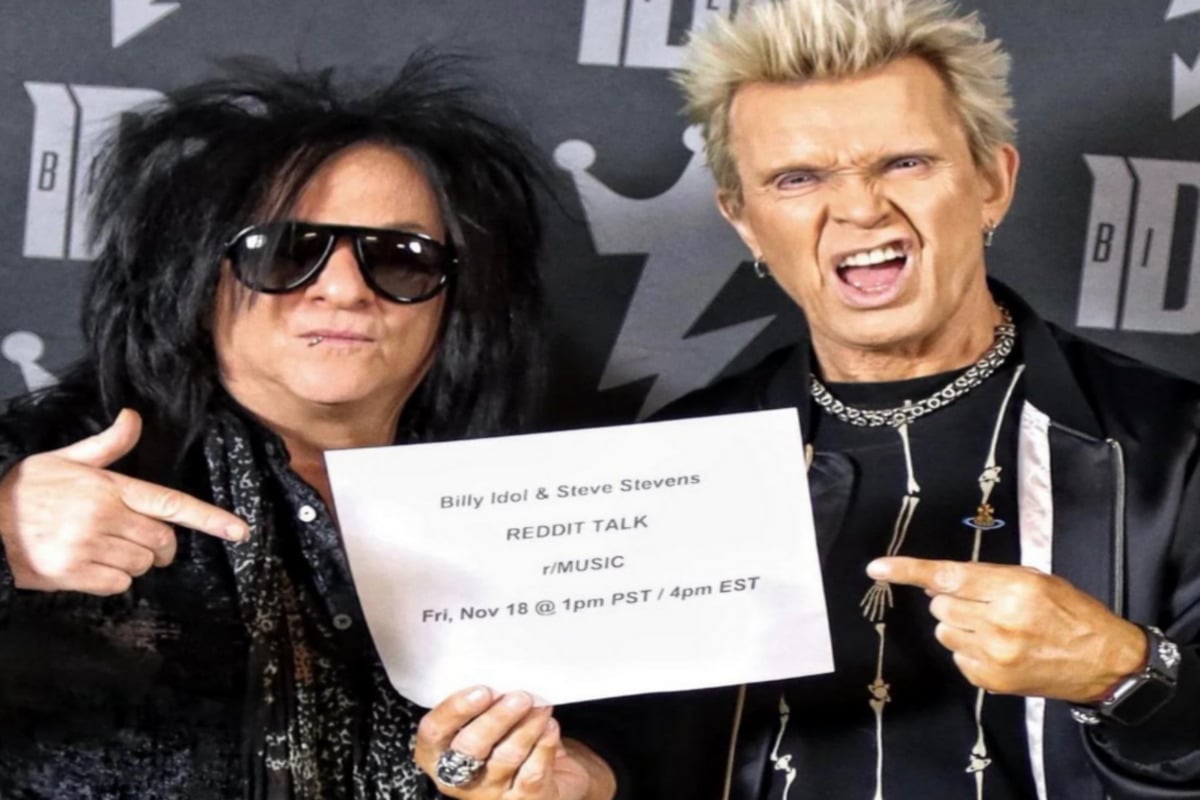
Billy Idol perfected the sneering, leather-clad rock star image for MTV, but his catalog is surprisingly thin. Beyond a handful of iconic singles, his work leaned heavily on style over substance.
2. Jon Bon Jovi
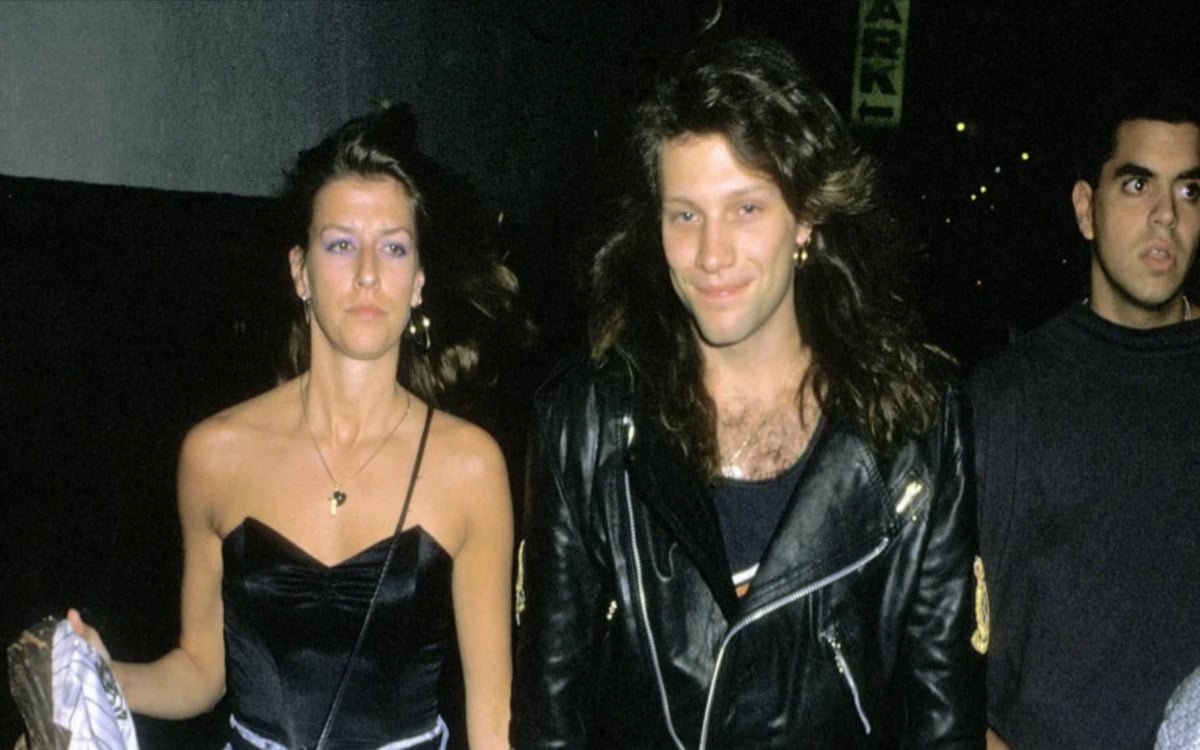
Bon Jovi mastered arena-ready hooks and power ballads, but much of the band’s success came from mass appeal rather than innovation. The music rarely pushed boundaries, even at its peak.
3. Vince Neil (Mötley Crüe)

As a frontman, Vince Neil embodied ’80s glam excess. Vocally, though, he was inconsistent, and his stage presence often overshadowed his actual musical ability.
4. David Lee Roth (solo era)
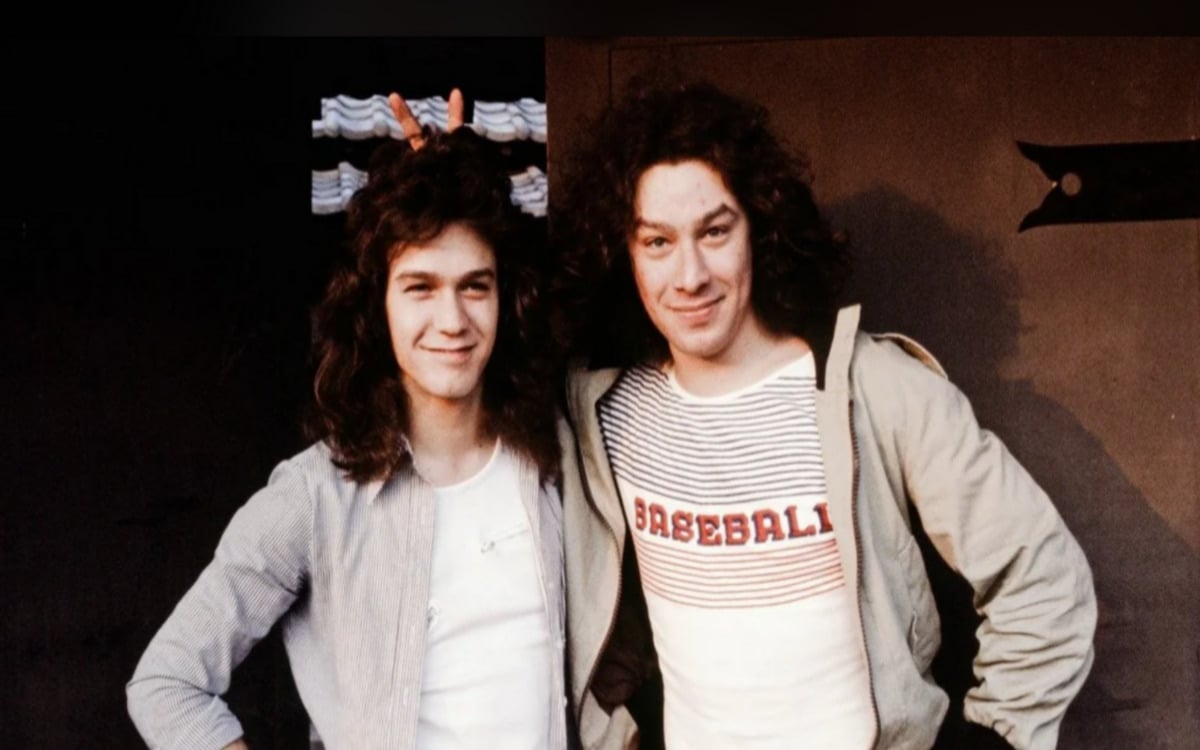
Post–Van Halen, David Lee Roth leaned hard into personality and spectacle. While entertaining, his solo output lacked the musical chemistry that made his earlier work shine.
5. Axl Rose

Axl Rose’s voice and attitude defined late-’80s hard rock, but inconsistency, ego, and prolonged absences diluted his legacy. His influence often exceeded his actual output.
Trending on The Scroller

6. Steven Tyler

Steven Tyler’s charisma is undeniable, but Aerosmith’s ’80s resurgence owed more to outside songwriters and production polish than raw artistic evolution.
7. Bret Michaels

Poison’s success was built on catchy choruses and glam aesthetics, but Bret Michaels’ songwriting rarely rose above formula, even at the height of the band’s fame.
8. Joe Elliott

Def Leppard perfected radio-friendly rock, yet Joe Elliott’s vocal style and songwriting leaned heavily on production tricks rather than emotional depth or experimentation.
Sign up for our newsletter
9. Sebastian Bach

Sebastian Bach had the pipes and presence, but Skid Row’s material often failed to match his vocal power, resulting in unrealized potential more than lasting greatness.
10. Paul Stanley

KISS thrived on branding and spectacle, and while Paul Stanley was central to that success, the band’s ’80s output leaned more toward trend-chasing than musical innovation.
11. Gene Simmons

Gene Simmons was a marketing genius, but his musical contributions in the ’80s often took a back seat to image, merchandise, and self-promotion.
12. Dee Snider

Twisted Sister became an MTV staple thanks to bold visuals and anthemic hooks, but Dee Snider’s musical range proved limited once the novelty wore off.
13. Sammy Hagar

Sammy Hagar’s tenure with Van Halen was commercially successful, but many fans felt the band’s edge softened, favoring polish over the raw intensity of earlier years.
14. Mark Knopfler

An exceptional guitarist, Knopfler’s ’80s dominance sometimes came at the expense of emotional range, with Dire Straits’ later work feeling overly restrained and repetitive.
15. Lou Gramm

Foreigner produced massive hits, but Lou Gramm’s vocals, while powerful, rarely escaped the slick, corporate-rock mold that defined much of the decade.
16. Joey Tempest

Europe’s success largely hinged on one immortal keyboard riff. Joey Tempest’s songwriting never quite matched the global hype generated by “The Final Countdown.”
17. Kevin DuBrow

Quiet Riot helped bring metal to mainstream audiences, but Kevin DuBrow’s abrasive persona and limited versatility shortened the band’s cultural shelf life.
18. Don Dokken

Dokken had technical skill and polish, but Don Dokken’s songwriting lacked the emotional resonance needed to stand out in an overcrowded glam-metal scene.
19. Rik Emmett

Triumph enjoyed solid success, yet Rik Emmett’s blend of virtuosity and melodrama often felt more impressive than impactful.
20. Ian Astbury

The Cult flirted with greatness, but Ian Astbury’s grandiosity and inconsistent direction kept the band from fully capitalizing on its early promise.
Explore more vintage content:
Being “overrated” doesn’t mean untalented; it means the praise, hype, or cultural footprint outpaced the actual body of work. The 1980s rewarded bold images and big hooks, and these musicians capitalized on the moment. While their influence is undeniable, time has a way of separating enduring artistry from era-specific fame. If you loved this content, check out 15 Wild Disguises Criminals Actually Tried to Use (1920s–1980s), or 20 People Who are Unfortunate Masters of Humblebrags.