

Do you ever find yourself lying awake, thinking about random things, like why we hiccup, what happens if you swallow gum, or why some rules of nature exist? You aren’t alone. Everyone has those odd questions that sneak into their head at the weirdest times, too strange to ask out loud, but too curious to ignore.
Curiosity is part of being human, and it often leads us to the strangest mysteries, the hidden stories, and the oddly specific “what ifs” we have all wondered about. Let’s dive into 20 weirdquestions everyone wants the answers to.
1. What happens when we swallow gum?

Remember that old rumor that it takes years to digest gum? Yeah, that isn’t true at all, and it takes about 1 to 3 days to pass gum once it’s swallowed. Your body doesn’t digest it, so it comes out mostly intact.
2. Why do we get goosebumps?

Goosebumps are a leftover trait from our ancestors. Tiny muscles at the base of hair follicles contract when we’re cold or scared, making hairs stand up. This was so our ancestors could look larger and more menacing to predators.
3. Why do we dream?

Research shows that dreams help us process emotions, memories, and experiences. The brain is still extremely active during sleep, especially in the REM stage. While we don’t fully understand dreams, we know they play a role in creativity and problem-solving.
4. What happens if you don’t sleep at all?

Lack of sleep eventually disrupts brain function, immune response, and organ health. After about three days, you begin to hallucinate worse than anyone could imagine. Cognitive abilities, memory, and emotional control decline very quickly, and prolonged sleep deprivation can be fatal.
5. Why do we hiccup?

We get hiccups from sudden, involuntary spasms of the diaphragm. These spasms could be caused by eating or drinking too fast or swallowing air.
Trending on The Scroller


6. Do plants feel pain?

Short answer: No, plants don’t feel pain because they don’t have a brain or nerves. But long answer: They do respond to stress, injury, and environmental changes through chemical signals. Some research even shows that plants “communicate” distress to other nearby plants.
7. Why is yawning contagious?

Yawning is contagious due to social mirroring, a form of empathy. Seeing or hearing someone yawn triggers your brain’s mirror neurons. Scientists think it may have evolved to synchronize group alertness.
8. Can you survive in space without a suit?

Only for a very short time, around 10-15 seconds, before losing consciousness. As gases expand and fluids vaporize, your body swells, and saliva and blood begin to boil. So long story short, you wouldn’t explode, you’d just lose consciousness in a few seconds.
Sign up for our newsletter
9. Why does your stomach growl when you’re hungry?

The growling is caused by muscular contractions called peristalsis. These contractions move gas and fluid through your intestines, which makes noise. It’s often louder when your stomach is empty because the sounds echo more, alerting the brain that you need something to eat.
10. Do dogs and other animals dream like humans?
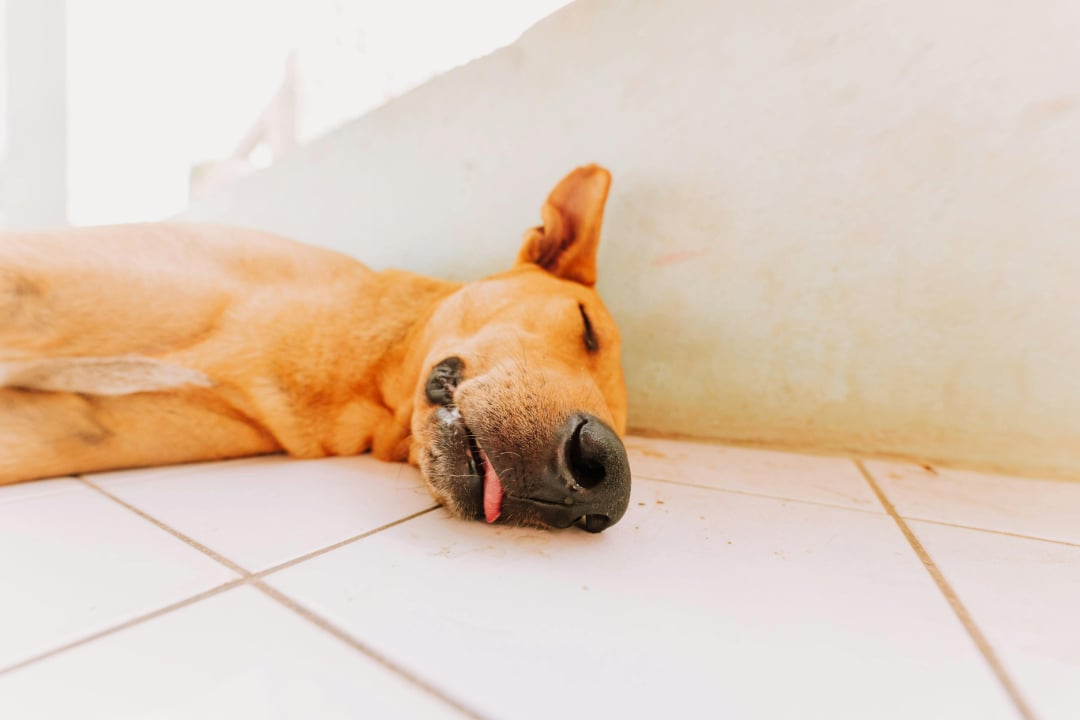
Yes, many animals experience REM sleep, suggesting they dream. Dogs, cats, and even birds show movements indicating dream activity. The context of their dreams is unknown, but it may relate to daily experiences.
11. Why do we get brain freeze?

Brain freeze happens when something cold touches the roof of our mouth. Blood vessels constrict and then rapidly dilate, triggering pain signals to the brain. It only lasts a few seconds, but it’s your brain’s way of reacting to sudden temperature changes.
12. Can humans regrow lost teeth naturally?

No, humans only get 2 sets of teeth in a lifetime: Baby teeth and permanent teeth. Unlike some animals, our adult teeth do not regenerate. Advances in regenerative medicine might change this in the future.
13. Can you sneeze with your eyes open?

It’s extremely difficult because your body reflexively closes your eyes to protect them. Opening them while sneezing could cause minor strain, but serious injury is rare. It’s basically impossible to sneeze and keep your eyes fully open.
14. Do plants sleep?

Technically, yes, many plants have a form of rest called nyctinasty. Leaves of flowers fold, droop, or change orientation to conserve energy and protect them from nighttime stress.
15. Do worms have brains?

Yes, but very simple ones. Earthworms have a nerve ring that acts like a brain to control movement and sense light or touch. Their “brains” are enough to handle survival, but not complex thought.
16. Why do our fingers prune in the water?

Pruning happens because blood vessels constrict in response to wet conditions. It improves grip on slippery surfaces.
17. Can you actually smell fear?

Yes, subtle chemical signals called pheromones get released when we’re afraid. Humans can subconsciously detect these cues. However, the effect is faint, and we still don’t fully understand it.
18. Why do we have fingerprints?

Fingerprints improve grip and sensitivity by increasing friction. They also develop uniquely in the womb, making them a personal identifier.
19. What are “Butterflies in the stomach”?

This sensation happens when your body releases adrenaline. Blood is diverted from your stomach to muscles in preparation for “fight or flight.” So that feeling of butterflies is actually just blood leaving your stomach.
20. Why does hair turn grey?

Hair turns grey as pigment-producing cells called melanocytes slow down. Genetics largely determines when this happens.
Want to see more weird content?
Check out 23 Weird Things People Found on Facebook Marketplace, or take a look at Nature is Weird: 21 Creatures That Could Be From Another Galaxy. Finally, if you want to see weird things about America, check out 19 Seriously Weird Things About America That Are Often Overlooked.