Most of us have fond memories of falling asleep to stories of magic mirrors, glass slippers, and heroic princes. These fairy tales have been the cornerstone of childhood for generations, promising that no matter how dark things get, a “happily ever after” is just around the corner. However, if you were to travel back in time and read the original versions of these stories, you would find something far more sinister than a catchy musical number. These tales weren’t originally meant for toddlers; they were brutal folk stories designed to scare children into obedience and reflect the harsh, often violent realities of medieval life.
The transition from the oral tradition to the silver screen required a massive amount of “cleaning up” to make the stories palatable for modern families. In the original manuscripts, the villains didn’t just disappear into the fog; they met ends so gruesome they would fit perfectly in a modern horror movie. From self-mutilation in the name of beauty to cannibalism and revenge, the roots of our favorite fairy tales are deeply disturbing and fascinatingly dark. Let’s pull back the curtain on the “happily ever after” and look at fifteen classic stories that started out as absolute nightmares.
1. The bloody heels of Cinderella
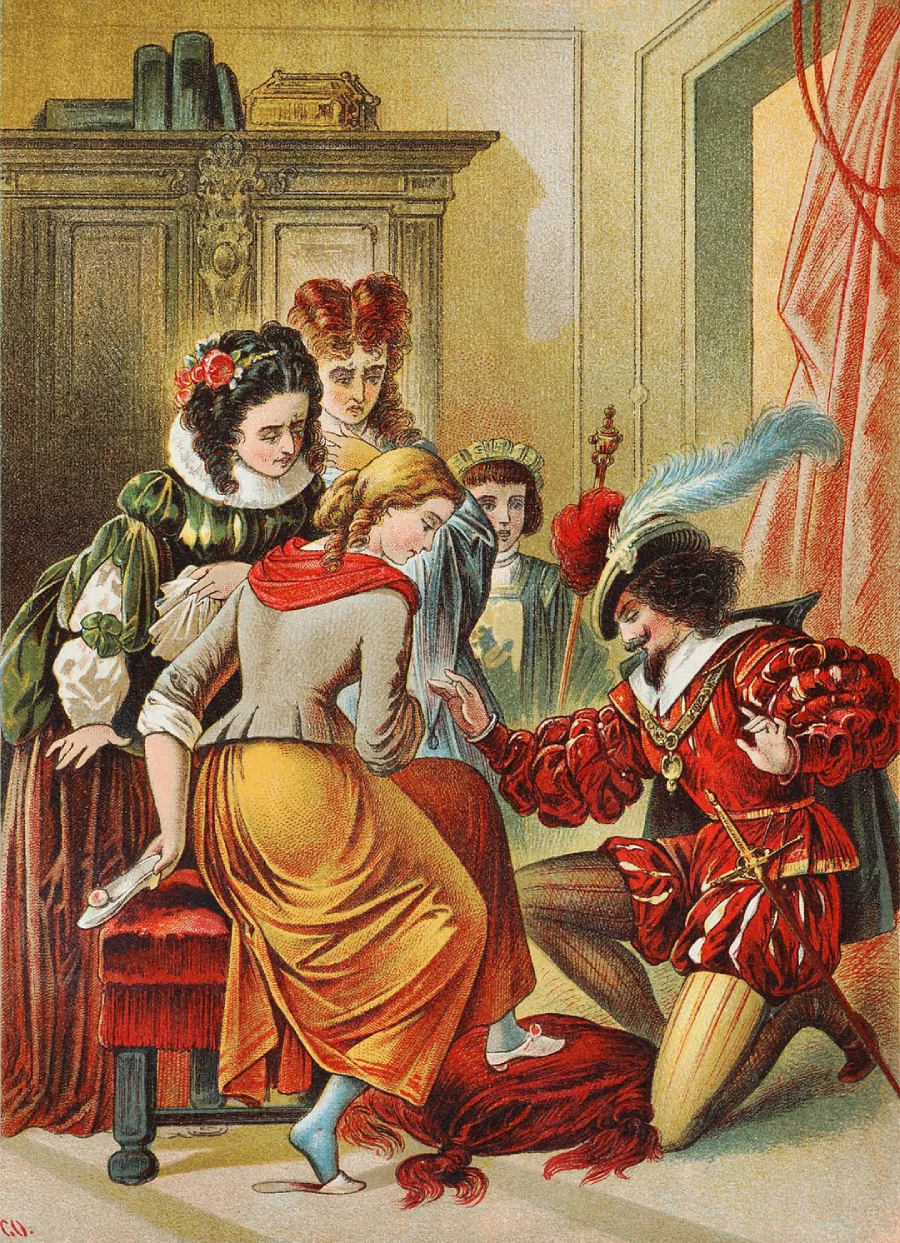
In the Brothers Grimm version of this story, the glass slipper wasn’t a perfect fit for everyone, so the wicked stepsisters took drastic measures. One sister cut off her toes and the other sliced off her heel just to make their feet fit inside the tiny shoe. The prince was only alerted to the deception by talking birds who pointed out the blood dripping from the slipper. To make matters worse, at the wedding, those same birds flew down and pecked out the stepsisters’ eyes as a final, permanent punishment.
2. The Juniper Tree’s dark rebirth

Perhaps the most “Grimm” of all tales, it begins with a stepmother who kills her stepson and tries to frame her own daughter for the deed. She then serves the boy as a stew to his unsuspecting father, but the boy’s sister buries his remains under a magical juniper tree. The boy is reborn as a bird who drops a massive millstone on the stepmother’s head, crushing her instantly. In a surreal happy ending, the bird turns back into the boy and joins his father and sister for dinner as if nothing had happened.
3. The Little Mermaid’s constant agony
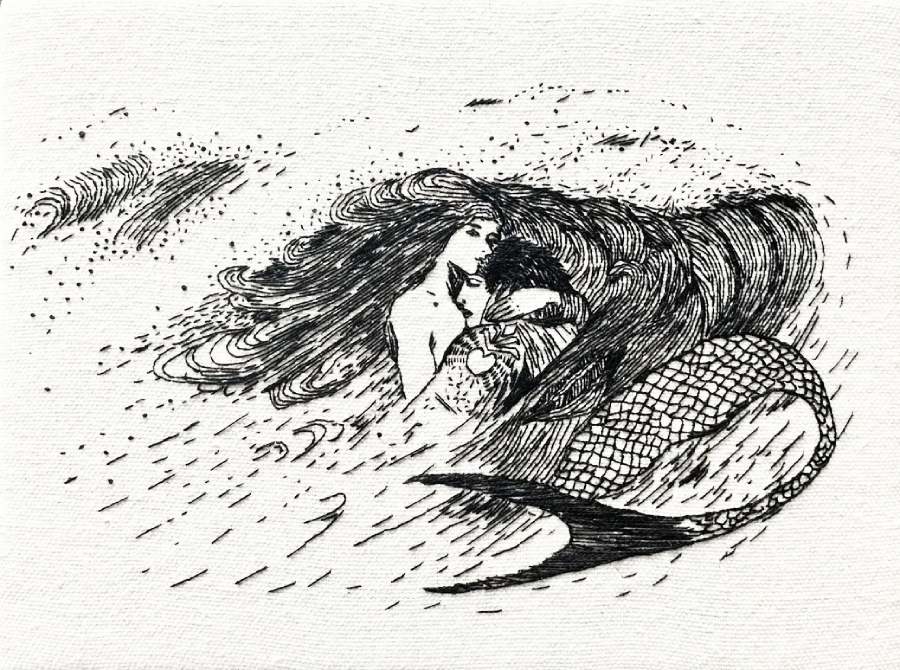
Hans Christian Andersen’s original ending is a far cry from the colorful wedding under the sea we see in movies. In the book, every step the mermaid takes on her new human legs feels like walking on sharp knives, and her tongue is literally cut out by the sea witch as payment. To gain a soul and stay alive, she is told she must kill the prince and let his blood drip onto her feet, but she chooses to dissolve into sea foam instead. It was intended as a tragic lesson about unrequited love and the heavy price of wanting what you cannot have.
4. The cannibalistic queen in Snow White

The Evil Queen in the original Grimm story wasn’t satisfied with just seeing Snow White’s heart in a box; she actually wanted to eat her organs. She specifically ordered the huntsman to bring back the girl’s lungs and liver so she could have them cooked with salt for her dinner. When the Queen is finally caught at the end of the story, she is forced to put on a pair of iron shoes that have been heated over a fire. She is then made to dance in the red-hot footwear until she falls over dead in front of the wedding guests.
5. The Pied Piper’s real revenge
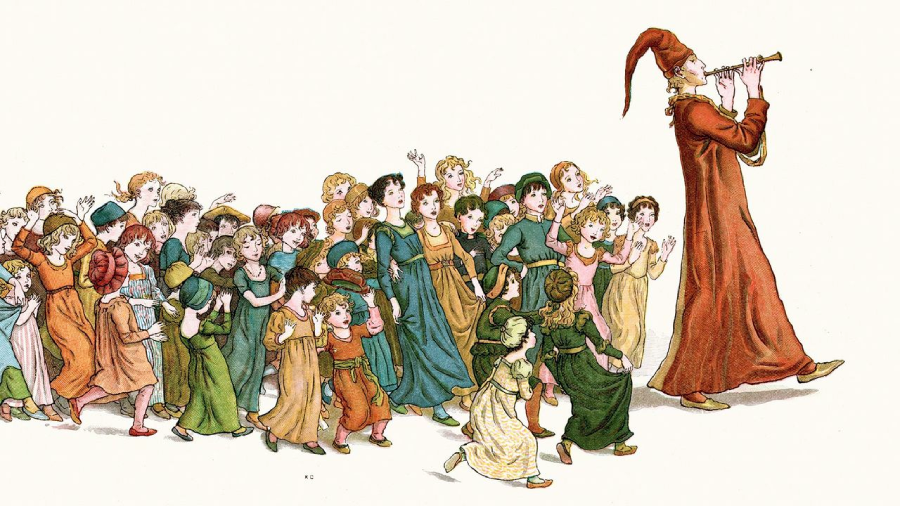
While we often remember the Pied Piper as a whimsical musician, the 13th-century legend from Hamelin is a terrifying missing-persons case. After the town refused to pay him for removing the rats, the Piper led 130 children into a cave in the side of a mountain, and they were never seen again. Historical records from the town of Hamelin actually mention this event as a real tragedy that occurred in 1284, though the “Piper” may have been a metaphor for a plague or a mass migration. There is no happy ending where the children return; they simply vanished from history forever.
Trending on The Scroller

6. Hansel and Gretel’s attempted cannibalism
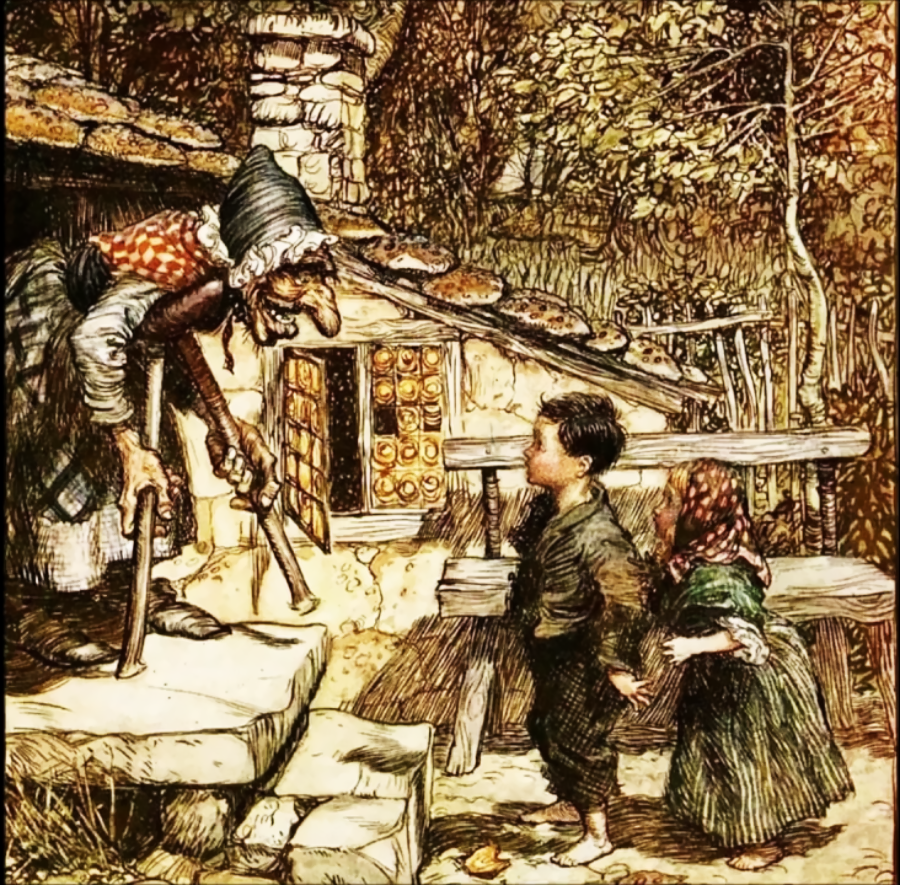
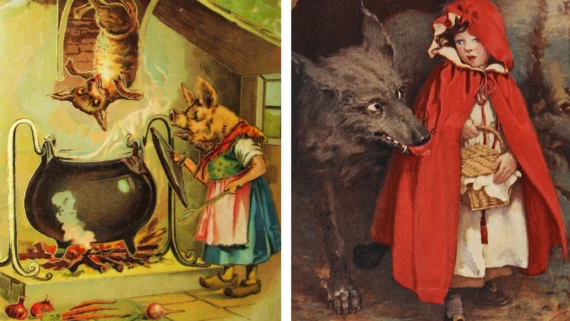
In the original folklore, the “bread crumb” trail was a desperate attempt to survive after their own mother convinced their father to abandon them in the woods to starve. The witch they encounter isn’t just a cranky old lady; she’s a predator who builds a house out of candy specifically to “fatten up” children for her oven. The climax is far from a peaceful escape, as the children have to trick the witch into leaning into the fire before slamming the door and listening to her screams. It was a dark reflection of the very real famines that plagued medieval Europe.
7. The original Red Riding Hood’s grusome end

Before the “Woodsman” was added to save the day, the story ended much more abruptly and tragically. In Charles Perrault’s early version, there is no heroic rescue; the wolf simply eats the grandmother and then waits for the girl. When Red Riding Hood arrives, she is tricked into eating a “meal” that the wolf has prepared from her own grandmother’s remains. The story concludes with the wolf devouring the girl, serving as a blunt, final warning to children about the dangers of talking to strangers in the woods.
8. The Frog Prince and the wall smash
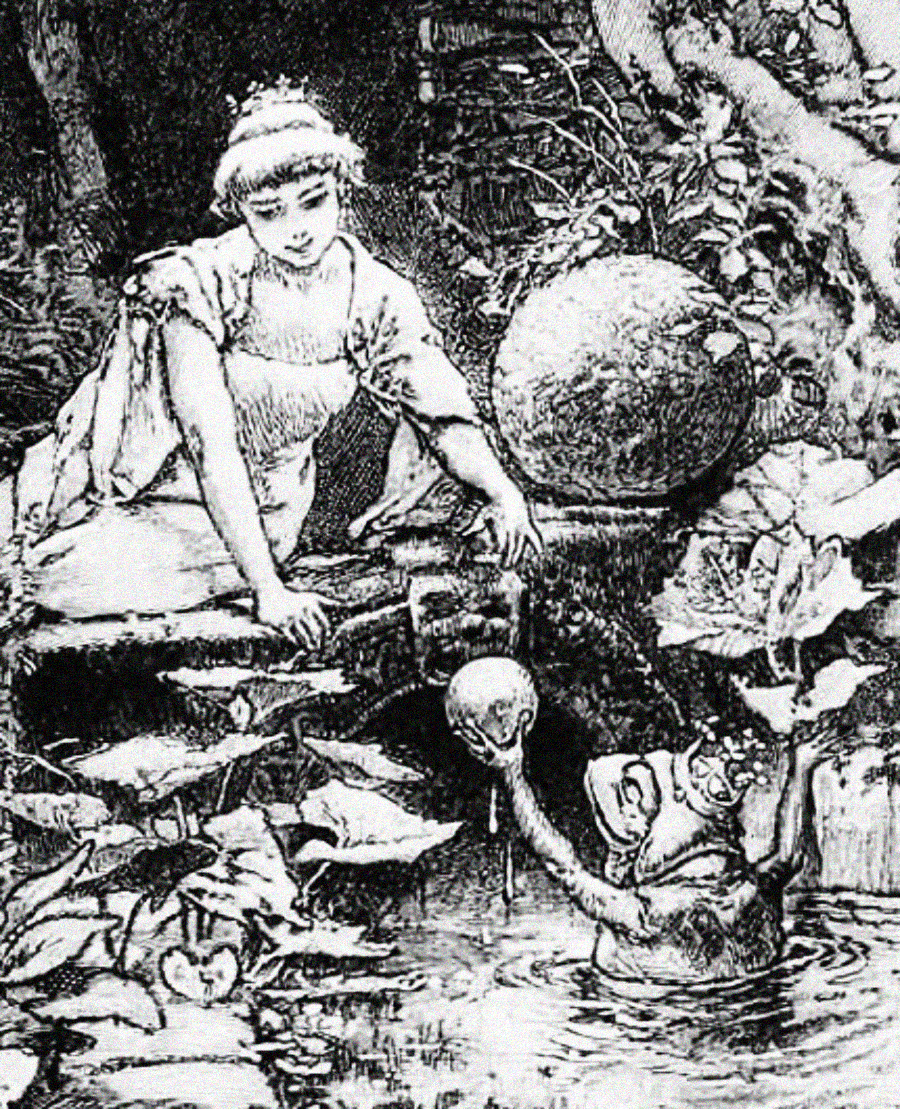
We all know the story where a kiss turns the frog into a prince, but the original Brothers Grimm version involved a much more violent transformation. The princess was actually disgusted by the frog and, after he insisted on sleeping in her bed, she became so enraged that she threw him against the wall with all her might. It was only after he hit the stone and fell to the floor that the “curse” was broken and he turned into a man. It suggests that in the 1800s, a fit of temper was considered just as magical as a romantic gesture.
Sign up for our newsletter
9. Goldilocks and the angry bear attack
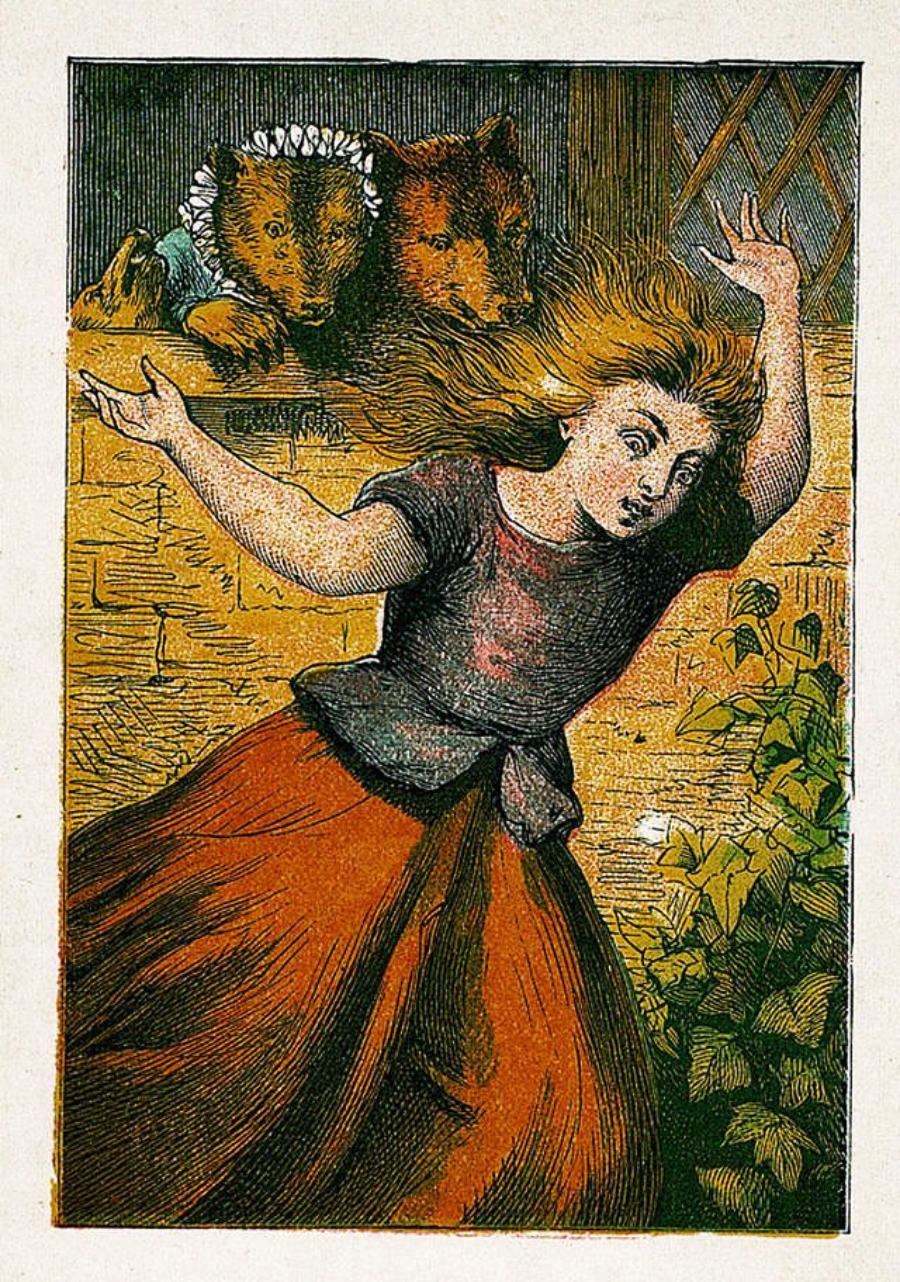
In the earliest known version from 1837, the protagonist wasn’t a cute little girl, but a “foul-mouthed” old woman who breaks into the bears’ home. When the bears discover her sleeping in the bed, they don’t just scare her away; they attempt to burn her in a fire and then try to drown her in a bowl of water. When that fails, they eventually impale her on the steeple of St. Paul’s Cathedral. The moral was less about curiosity and more about the extreme consequences of trespassing on someone else’s property.
10. Rapunzel’s desert exile and blind prince

In the Grimm version, the Prince doesn’t just climb up and rescue Rapunzel; he is caught by the witch, who tells him he will never see his beloved again. In a fit of despair, the Prince leaps from the tower and lands in a thorn bush, which tragically blinds him. He wanders the wasteland for years as a beggar until he hears Rapunzel’s voice in the distance. She had been cast out into the desert to survive on her own, and it was only her tears of joy falling on his eyes that miraculously restored his sight.
11. Pinocchio’s execution and cricket killing

The Disney version of the wooden puppet is a bit of a troublemaker, but the original book character by Carlo Collodi was borderline villainous. In the first few chapters, Pinocchio actually kills the Talking Cricket with a hammer after the insect tries to give him advice. Later in the original serialized story, Pinocchio is captured by a Fox and a Cat who hang him from a giant oak tree and leave him to perish. The author originally intended for that to be the end of the story to warn children about the fatal cost of being disobedient.
12. The Girl Without Hands

This is one of the most unsettling tales in the Grimm collection, starting with a father who accidentally sells his daughter to the devil in exchange for wealth. When the devil cannot take her because she is too pure, he forces the father to cut off her hands to make her “unclean.” The girl survives and wanders the world with silver hands gifted to her by a king who falls in love with her. It is a story filled with magical trials and long-suffering that makes a modern soap opera look like a comedy.
13. The Sleeping Beauty’s bizarre awakening

In the 1634 version by Giambattista Basile, the princess doesn’t wake up from a magical “true love’s kiss” as we’ve been told. Instead, she remains in a deep, enchanted slumber for years, during which a visiting king discovers her and eventually leaves her behind to return to his own country. While still unconscious, the princess mysteriously gives birth to two children who are cared for by forest spirits in her magical seclusion. She finally awakens only when one of the infants accidentally sucks the poisoned flax splinter out of her finger, ending the curse through a strange twist of fate rather than a romantic gesture. It’s a much more eerie and lonely version of the story that highlights the unpredictable nature of ancient folklore.
14. Peter Pan’s “thinning out” of the Lost Boys

J.M. Barrie’s original Peter Pan is much more ominous than the flying boy we see in cartoons. In the book, it is heavily implied that when the Lost Boys start to “grow up” -which is against the rules of Neverland- Peter “thins them out” to keep the population young. Peter doesn’t just forget his past; he actively hates the idea of adulthood to a violent degree. This makes the character more of a dangerous, ageless spirit than a playful child, guarding his island with a deadly sense of perfection.
15. The Three Swine and the boiled wolf

In the oldest versions of this fable, the stakes are much higher than just a house being blown down. The first two pigs are actually eaten by the wolf after their flimsy houses of straw and sticks fail them. When the wolf tries to come down the chimney of the third pig’s brick house, he falls into a large pot of boiling water that the pig had prepared. In a final, dark twist, the third pig cooks the wolf and eats him for dinner, showing that survival in the forest was a “eat or be eaten” reality.
Want more fun facts?
It’s clear that the “happily ever after” was a much later invention designed to help us all sleep a little better at night. These original fairy tales were reflections of a world that was often cruel, random, and dangerous, serving as survival guides for the young. If you’re ready to dive into more hidden stories, don’t miss these 15 Historical Facts That Make History Feel Very Recent, or these 18 Historical Facts That Sound Fake Until You Check Them. You can also check these 20 TV Homes Then vs. Now That Will Surprise You.