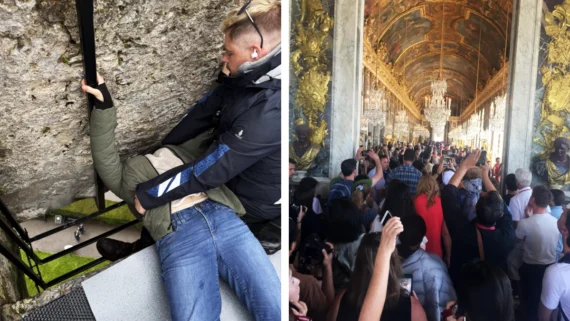
Social media has painted a glorious, often filtered, picture of the world’s most iconic travel destinations, promising breathtaking views and unforgettable moments. However, the reality of visiting many popular tourist attractions can often be a hilariously deflating experience. What looks majestic online often turns out to be tiny, overcrowded, or simply not as glamorous as the carefully curated photos suggest. It’s a classic “expectation versus reality” moment that every seasoned traveler has encountered, leaving them wondering if they just flew across the globe to see a slightly bigger-than-average rock.
The sheer volume of people, the hidden fees, or the surprising scale of a monument can quickly turn a dream vacation into a frustrating trek. These tourist attractions are not necessarily “bad”; they just fail to live up to the hype that surrounds them, often due to aggressive marketing or selective photography. From underwhelming historical sites to natural wonders that feel a bit too manufactured, these destinations remind us that sometimes, the best part of a trip is the journey itself, not the crowded endpoint. Let’s explore fifteen places that might make you think twice before booking that next bucket-list flight.
1. The Mona Lisa – Louvre Museum, Paris

After pushing through massive crowds in the Louvre, many visitors are shocked to discover that Leonardo da Vinci’s masterpiece is surprisingly small and viewed from behind a thick pane of bulletproof glass. The painting itself measures only 30 by 21 inches, making it easy to miss amidst the dozens of other, much larger works of art. The experience often involves a brief, distant glimpse over a sea of selfie sticks before being ushered along by museum guards. It’s an undeniable masterpiece of art history, but it feels less like an intimate encounter and more like queuing for a popular ride at Disneyland.
2. The Leaning Tower of Pisa – Italy

The tower is undeniably iconic, but the immediate area is a chaotic sea of people all performing the exact same “holding up the tower” pose for the camera. It’s actually much smaller than most people expect, and the surrounding Cathedral Square is often filled with overpriced cafes and trinket sellers. Once you’ve taken the mandatory photo, there isn’t much else to do unless you’ve pre-booked a very expensive ticket to climb the narrow, tilted stairs. It’s a great piece of architecture that suffers from being a one-trick pony in the world of tourism.
3. The Little Mermaid statue – Copenhagen, Denmark

Inspired by Hans Christian Andersen’s fairy tale, this bronze statue is a symbol of Copenhagen, yet it consistently disappoints visitors with its small scale. She sits on a rock by the Langelinie promenade, looking out to sea, but she’s only 4.1 feet tall, making her an easy target for vandalism and an underwhelming photo opportunity. Tourists often expect a grand, imposing figure, but instead, they find a delicate, rather sad-looking statue surrounded by camera-wielding crowds. It’s a sweet tribute, but it lacks the magical awe of the story it represents.
4. Times Square – New York City, USA

While undeniably iconic, Times Square often overwhelms first-time visitors with its sensory overload of flashing billboards, aggressive street performers, and crushing crowds. What looks glamorous and exciting in movies can feel like a claustrophobic trap in real life, with overpriced souvenir shops and a constant battle to avoid being jostled. Many tourists quickly snap a few photos of the neon lights before escaping to a quieter part of the city. It’s a place you have to see once, but few people linger for long due to the sheer intensity and commercialism.
5. Blarney Stone – Ireland

Kissing the Blarney Stone is a tradition meant to bestow the “gift of gab,” but the reality involves lying backward over a ledge, holding onto iron railings, and kissing a rather unhygienic piece of rock. Visitors have to rely on an attendant to hold them as they dangle precariously upside down, making it more of a gymnastic feat than a magical moment. The stone itself is just a block of limestone embedded in the wall of Blarney Castle, and the experience is often rushed due to long queues. It’s a fun story, but the actual act is far less romantic than the legend.
Trending on The Scroller

6. The Pyramids of Giza – Egypt

While the Pyramids themselves are ancient wonders of engineering, many travelers are shocked by how close they are to the city. You might expect a trek through a remote, silent desert, but in reality, there is a Pizza Hut and a KFC just a few hundred yards from the Sphinx. The site is often swarming with aggressive touts trying to sell camel rides or trinkets, which can distract from the majesty of the structures. It is still a bucket-list destination, but the “serene desert” vibe you see in National Geographic is mostly a clever camera angle.
7. The Hollywood Walk of Fame – Los Angeles, USA

Most people imagine a glamorous, star-studded boulevard, but the reality of Hollywood Boulevard is much grittier. The sidewalk is often covered in trash, and you’ll have to dodge people in dirty superhero costumes demanding money for photos. It’s essentially a long, crowded sidewalk surrounded by tourist trap shops and flickering neon signs that has lost much of its Golden Age charm. Unless you are looking for a specific star on the ground, the “magic of movies” feels a little hard to find among the heavy traffic and smog.
8. Niagara Falls – Canada/USA

The waterfalls themselves are a powerful and breathtaking natural force, but the area surrounding them has become a neon-lit, commercial nightmare. The Canadian side, in particular, resembles a miniature Las Vegas, packed with wax museums, haunted houses, and loud casinos that overlook the falls. It can be difficult to appreciate the raw power of nature when you are constantly bombarded by the sights and sounds of a budget theme park. Many visitors find that the industrial and commercial clutter significantly dampens the awe-inspiring experience they were expecting.
Sign up for our newsletter
9. The Palace of Versailles – France

Versailles is the pinnacle of royal opulence, but trying to see it during peak season can feel like being stuck in a luxury-themed subway during rush hour. The Hall of Mirrors is often so packed with people that you can barely see your own reflection, let alone appreciate the gold leaf and chandeliers. While the gardens are vast and beautiful, the interior of the palace requires hours of waiting in line just to be shuffled through room after room with thousands of other sweaty tourists. It is a stunning historical site that is often a victim of its own immense popularity.
10. The Berlin Wall remains – Germany
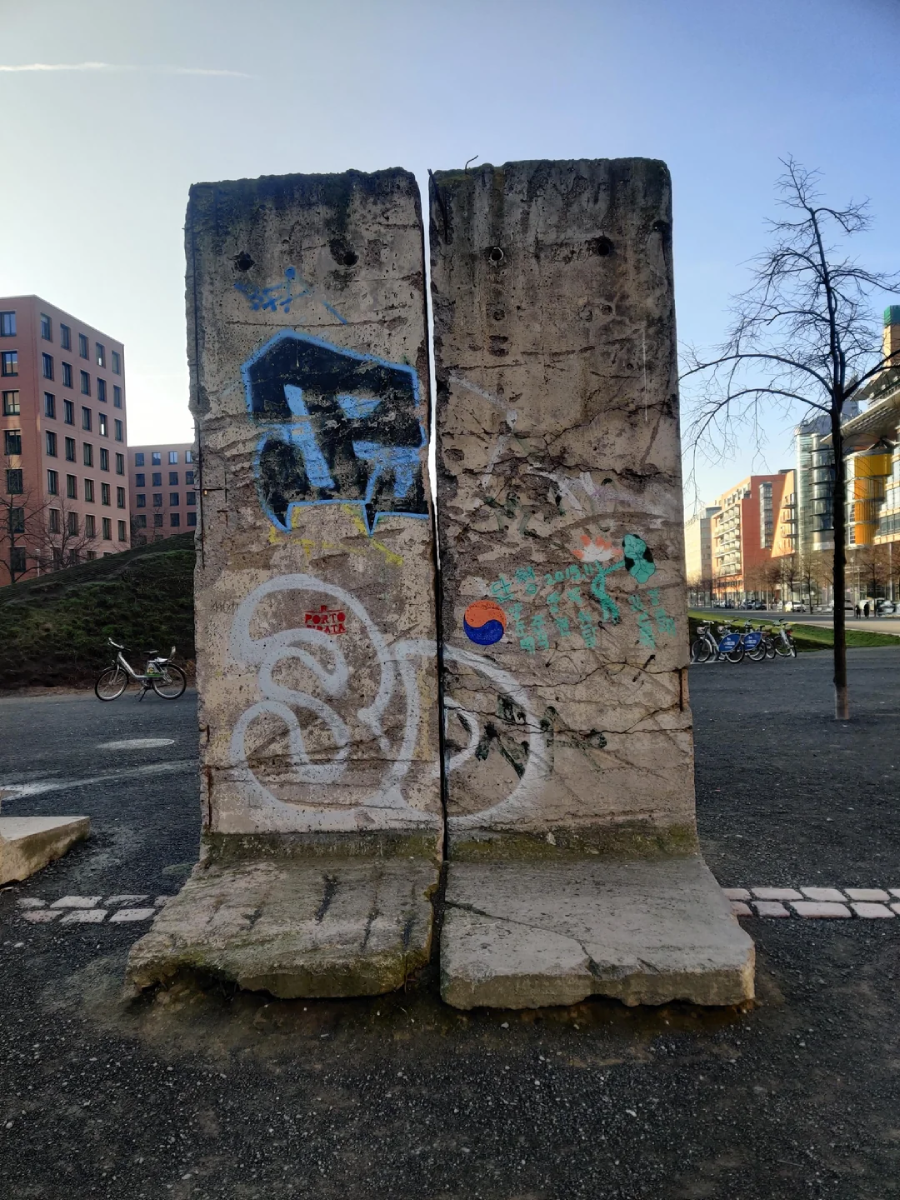
History buffs arriving in Berlin are sometimes underwhelmed to find that the “Wall” is mostly just a few isolated slabs of concrete in a modern city. The East Side Gallery features famous murals, but many other segments are just grey, graffiti-covered blocks surrounded by construction or gift shops. Because the city has rebuilt so successfully, it can be hard to visualize the terrifying barrier that once divided a nation. It is a deeply significant historical marker, but it lacks the imposing, cinematic presence that many expect to see in person.
11. The Four Corners monument – USA

The idea of standing in four states (Arizona, New Mexico, Utah, and Colorado) at once sounds like a great photo op, but the actual location is a remote, flat concrete slab. There is a small metal disc on the ground where you can place your limbs, but the surrounding area is mostly just a collection of souvenir stalls in a dusty desert landscape. Many travelers drive hours out of their way only to realize they’ve paid an entrance fee to stand on a specific coordinate for thirty seconds. It’s a geographical novelty that usually tastes better in theory than in reality.
12. Mount Rushmore – USA
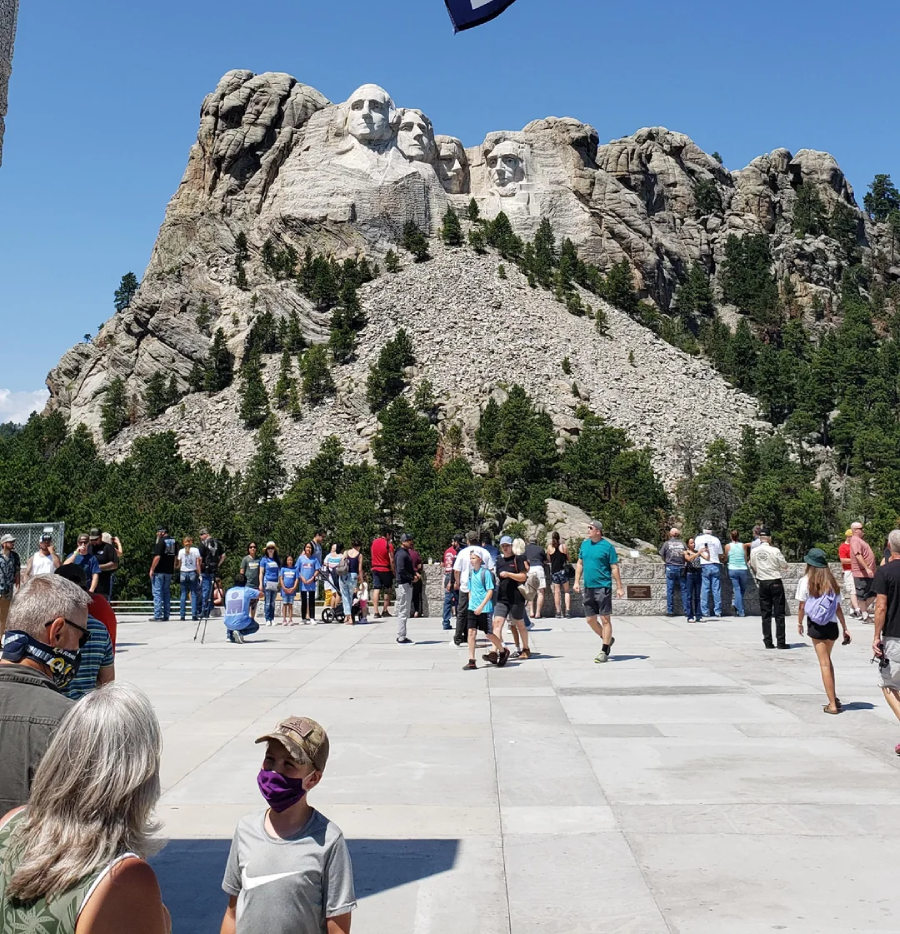
Photographs often make these presidential carvings look like they tower over the landscape, but from the official viewing platform, they appear quite small. The heads are 60 feet tall, which is impressive, but they are carved into a massive mountain that makes the scale feel diminished from a distance. Unless you pay for the binoculars or hike the Presidential Trail, you might feel like you’re looking at a very detailed rock formation from across a large parking lot. It is a monumental achievement, but it’s one of those sites that often looks “bigger” on a postcard.
13. The Spanish Steps – Italy

Immortalized in classic films, the Spanish Steps are often just a very crowded place to wait for your tour group to find you. In recent years, local laws have even banned sitting on the steps to prevent overcrowding and damage, so you can no longer recreate that “Roman Holiday” vibe. You’ll mostly find people standing around looking at their phones or vendors trying to sell you glowing toys and selfie sticks. While the architecture is beautiful, the lack of “lingering” makes it feel more like a transit hub than a romantic destination.
14. Abbey Road Crossing – UK
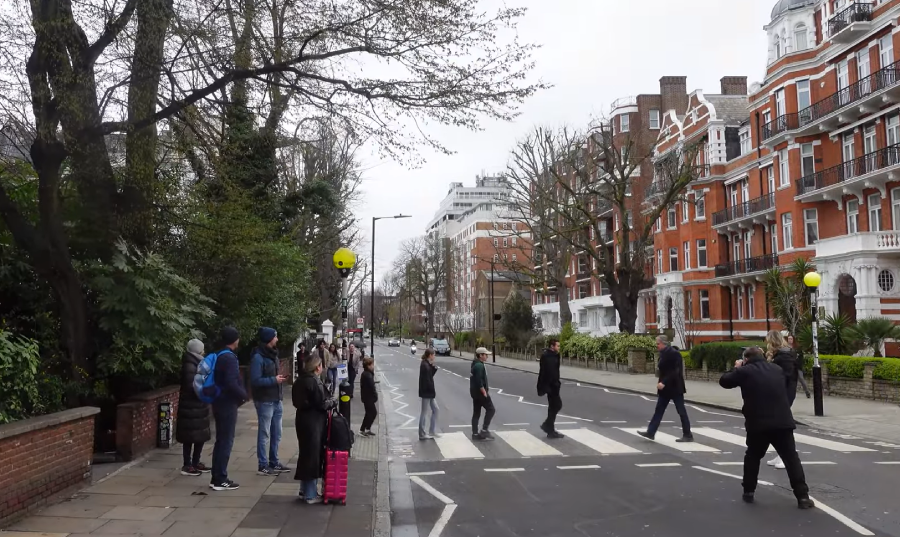
For Beatles fans, this is hallowed ground, but for London bus drivers, it’s just a busy, annoying intersection. There is no park or museum at the crossing; it is a functioning road where you have to dodge actual traffic while trying to get a photo of your friends walking across. You will likely see dozens of other tourists doing the exact same thing, often frustrating the locals who are just trying to get to work. It’s a thirty-second thrill that usually ends with a taxi honking at you to get out of the way.
15. The original Starbucks – Seattle, USA

Coffee lovers often flock to Pike Place Market to see “where it all began,” but the original Starbucks is essentially just a very small, very crowded coffee shop. The line to get inside often stretches down the block for over an hour, just to order the same latte you can get at any other location worldwide. While it has the original brown logo and some unique merchandise, the interior is cramped and there is nowhere to actually sit. Most visitors snap a photo of the sign and then head to a much more comfortable coffee shop nearby.
Explore more tourist stories:
It’s clear that sometimes, the magic of a travel brochure doesn’t quite translate to reality. These tourist attractions teach us valuable lessons about managing expectations, looking beyond the hype, and perhaps finding beauty in the less-photographed corners of the world. If you’re ready to see more interesting tourist facts, don’t miss these 15 National Parks That Are Worth The Visit, or these 20 Best Places to Visit in Your 20s. You can also enjoy these Hidden Rooms Inside Famous Landmarks You Never Get to See.