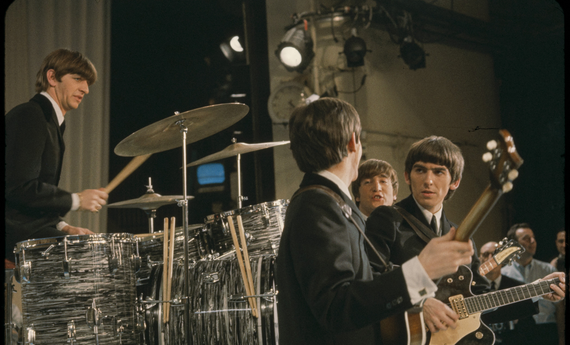
The 1970s carried the momentum of the civil rights movement, the Vietnam War’s final years, Watergate, economic turmoil, and second-wave feminism. Music did more than entertain during that decade. It offered commentary, comfort, and confrontation. Protest songs moved from folk clubs to arena stages, blending rock, soul, reggae, and disco with sharp political insight. Here are 15 songs that captured the spirit of the era.
“Imagine” – John Lennon (1971)

John Lennon’s piano ballad became one of the most recognizable calls for peace in modern music. Its lyrics picture a world without borders, religion, or possessions. The song reflected post-1960s idealism while acknowledging how distant that vision still felt.
“What’s Going On” – Marvin Gaye (1971)

Marvin Gaye responded to police brutality, poverty, and the Vietnam War with a smooth yet urgent plea for compassion. The layered vocals and mellow groove contrast with the weight of its message. The song expanded what soul music could address on mainstream radio.
“Ohio” – Crosby, Stills, Nash & Young (1970)

Written in response to the Kent State shootings, “Ohio” turned shock and anger into a stark anthem. The repeated line “Four dead in Ohio” made the tragedy impossible to ignore. The song documented a specific moment while speaking to broader distrust in government.
“War” – Edwin Starr (1970)

Few protest songs state their message as plainly as “War.” Edwin Starr’s powerful delivery drove home the refrain: “War, what is it good for?” The track became a rallying cry for anti-war demonstrations and remains one of the decade’s most direct political statements.
“The Revolution Will Not Be Televised” – Gil Scott-Heron (1971)

Gil Scott-Heron blended spoken word and jazz rhythms to critique media complacency and consumer culture. The song suggests that real change happens in the streets, not on television screens. Its influence can be heard in later hip-hop and political poetry.
Trending on The Scroller

“Get Up, Stand Up” – Bob Marley and the Wailers (1973)

Rooted in reggae, this anthem urged listeners to fight for their rights. Bob Marley’s lyrics connect spiritual conviction with political resistance. The song carried global resonance, speaking to struggles beyond Jamaica.
“American Pie” – Don McLean (1971)

On the surface, “American Pie” reflects on the loss of rock and roll innocence. Beneath that narrative sits a meditation on cultural upheaval and disillusionment. The song’s sweeping structure mirrors a country searching for meaning after the turbulence of the 1960s.
“Respect Yourself” – The Staple Singers (1971)

This soulful track ties personal dignity to social progress. The Staple Singers emphasized self-worth as a foundation for collective empowerment. The message aligned with ongoing civil rights efforts and community pride.
Sign up for our newsletter
“Fortunate Son” – Creedence Clearwater Revival (1970)

Though released at the end of the previous decade, “Fortunate Son” became a defining anti-war anthem in the early ’70s. The song criticizes class privilege and the uneven burden of military service. Its sharp guitar riff underscores its frustration.
“Mississippi Goddam” – Nina Simone (Live performances in the 1970s)

Originally written in the 1960s, Nina Simone continued performing “Mississippi Goddam” into the 1970s, keeping its protest alive for new audiences. The song confronts racism and violence with biting clarity. Simone’s performances carried urgency that transcended studio recordings.
“Inner City Blues (Make Me Wanna Holler)” – Marvin Gaye (1971)

Another standout from What’s Going On, this track focuses on economic hardship and systemic inequality. Gaye’s restrained vocals heighten the sense of exhaustion and frustration. The song paints a vivid portrait of urban struggle.
“Fight the Power (Part 1 & 2)” – The Isley Brothers (1975)

Before the phrase became synonymous with later movements, the Isley Brothers delivered a funk-driven call to challenge authority. The song channels anger into rhythm, encouraging listeners to question the status quo.
“Biko” – Peter Gabriel (1979)

Peter Gabriel’s tribute to South African activist Steve Biko brought international attention to apartheid. The song’s haunting arrangement reinforces its solemn message. It marked a growing awareness of global human rights issues in popular music.
“We’re Not Gonna Take It” – Twisted Sister (1970s live performances roots)

While the studio version arrived in the 1980s, the sentiment behind the chant-like chorus reflects the rebellious energy brewing in the late ’70s rock scene. The phrase captured a broader mood of resistance among young audiences frustrated with authority.
“London Calling” – The Clash (1979)
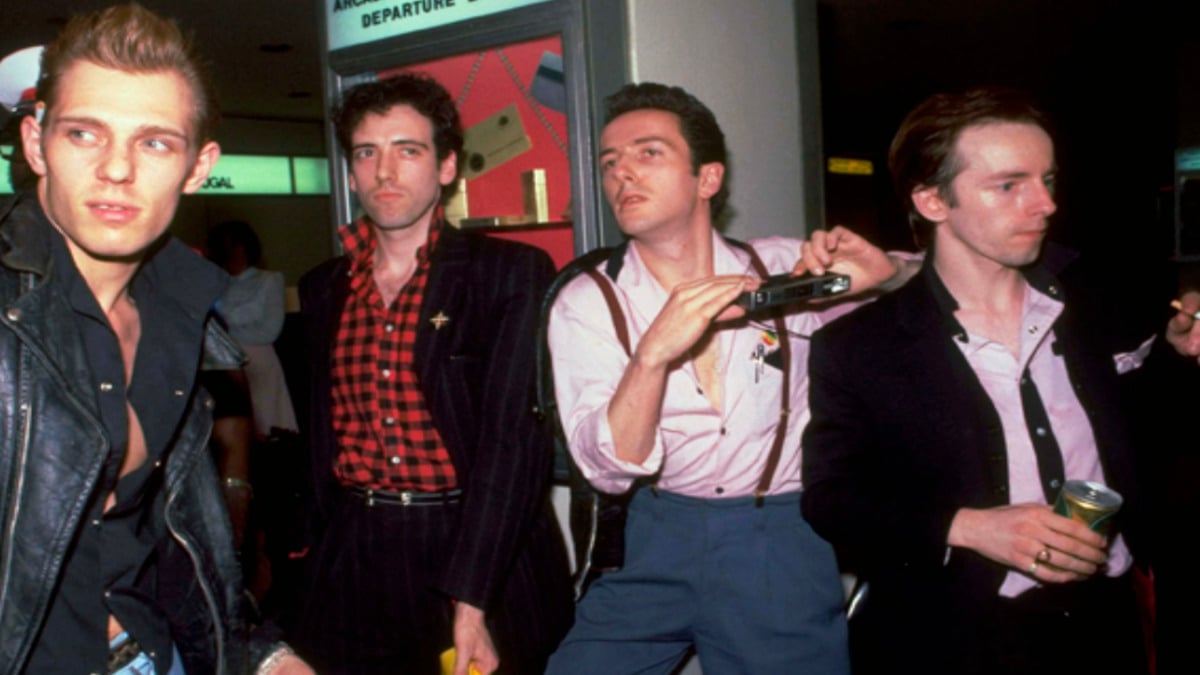
The Clash fused punk urgency with political commentary. “London Calling” references unemployment, racial tension, and environmental fears. Its raw sound and apocalyptic tone summed up the uncertainty that closed out the decade.
Want to know more about songs?
The protest songs of the 1970s did not all sound alike. Some arrived as quiet pleas, others as fiery declarations. Together, they documented a decade marked by upheaval and transformation. Their messages continue to surface in modern movements, proving that music remains a powerful vehicle for change. If you loved this content, check out 15 Plot Holes in Famous Movies That We All Just Decided to Ignore, or 15 Curiosities from Classic Christmas Movies.