
Some holiday classics feel effortless on screen, but the best ones sometimes hide great curiosities. Cast swaps, practical tricks, and a bunch of last-minute fixes shaped the movies we rewatch every year. The fun part comes when we learned how a quiet decision in prep or a chaotic day on set turned into an iconic moment.
Let’s dig deep into 15 titles across the decades, where you’ll find all the small secrets, bold stunt calls, and the clever fixes that kept the magic on track. These are the simple details that turned into big payoffs, exactly the kind of curiosities that make revisits richer.
1. It’s a Wonderful Life, 1946
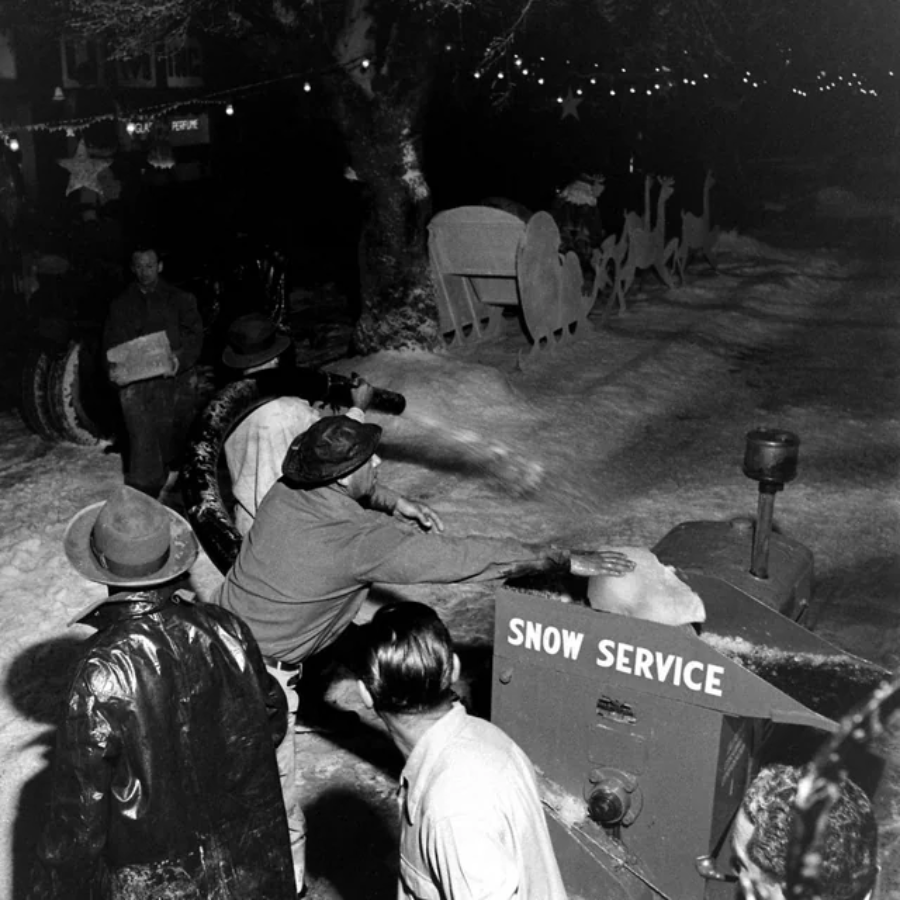
Jimmy Stewart returned from his military service with a sharper edge, and Frank Capra let that feeling live in George Bailey. Also, the snow you hear in the movie is really quiet because the team used a foam-and-soap mix instead of crunching cornflakes. As for the bank run, the extras improvised short lines to make the panic feel real. The truth is that this movie didn’t click at first, but later TV reruns turned it into a Christmas staple.
2. Miracle on 34th Street, 1947
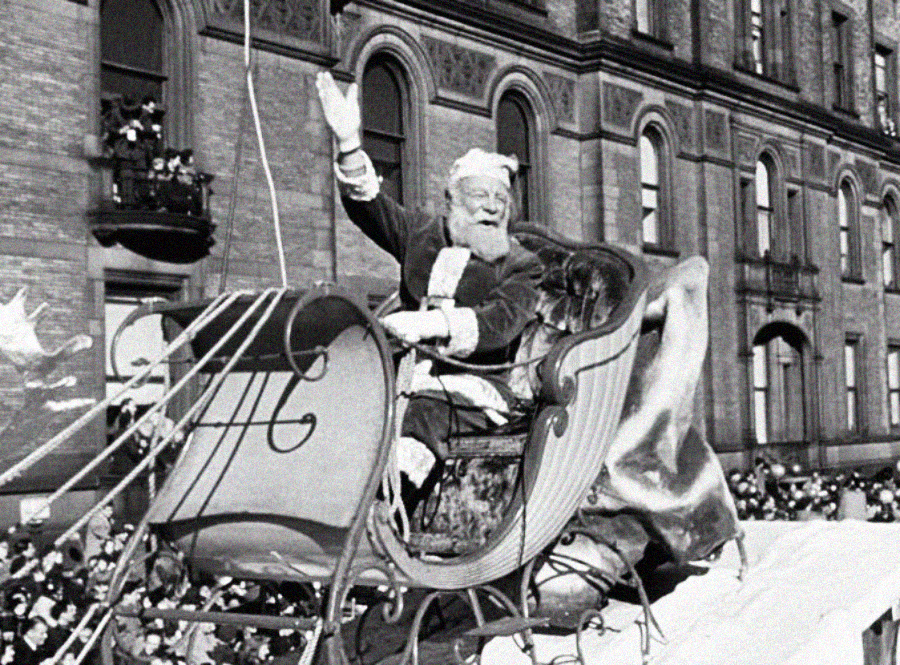
Most people don’t know that Edmund Gwenn rode as Santa in the actual Macy’s Thanksgiving Parade, so the film blends documentary with story. Macy’s also let the crew shoot after hours, which meant a lot of odd call times and quick set resets. The studio decided to release the movie in the summer and hid the Christmas angle in the early posters. Another curiosity is that Natalie Wood’s courtroom days were kept short so her energy stayed natural.
3. White Christmas, 1954
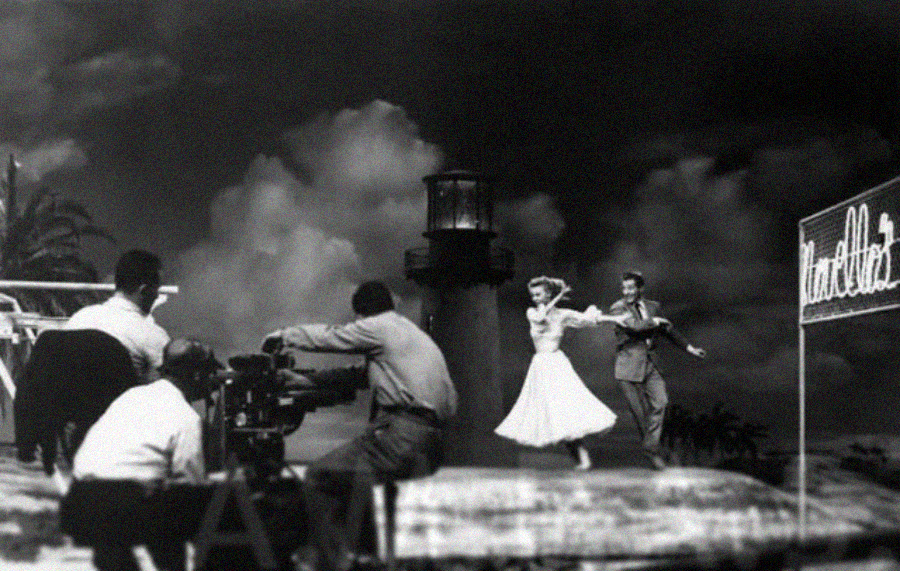
VistaVision gave the musical numbers some extra crispness, so the choreographies and sets were built wider and deeper. As for the cast, a last-minute change brought in Danny Kaye, and his timing with Bing Crosby locked the tone of the film. The song from the movie was already famous, but this film passed it to a new generation.
4. A Christmas Story, 1983
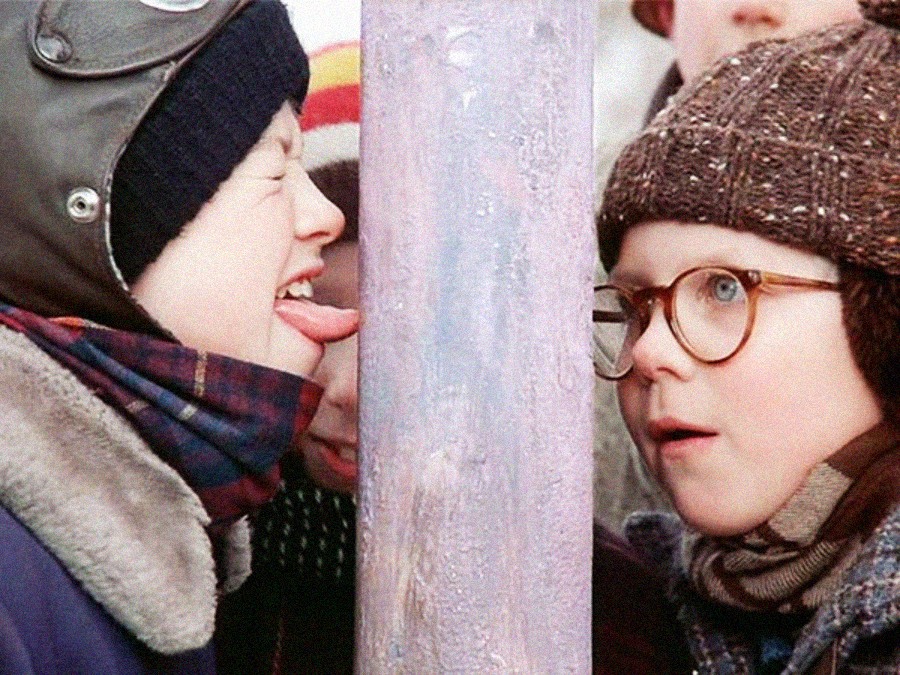
For the scene of the tongue-to-the-flagpole, the team used a tiny suction rig so the actor could “stick” and then pull away safely. If you were wondering about the famous leg lamp, yes, it was fragile. They built multiples and still kept losing them to tracks. Another fact is that they filmed the exterior shots in Cleveland, and the interior in Toronto, so that demanded careful editing to match the snow and the light.
5. National Lampoon’s Christmas Vacation, 1989
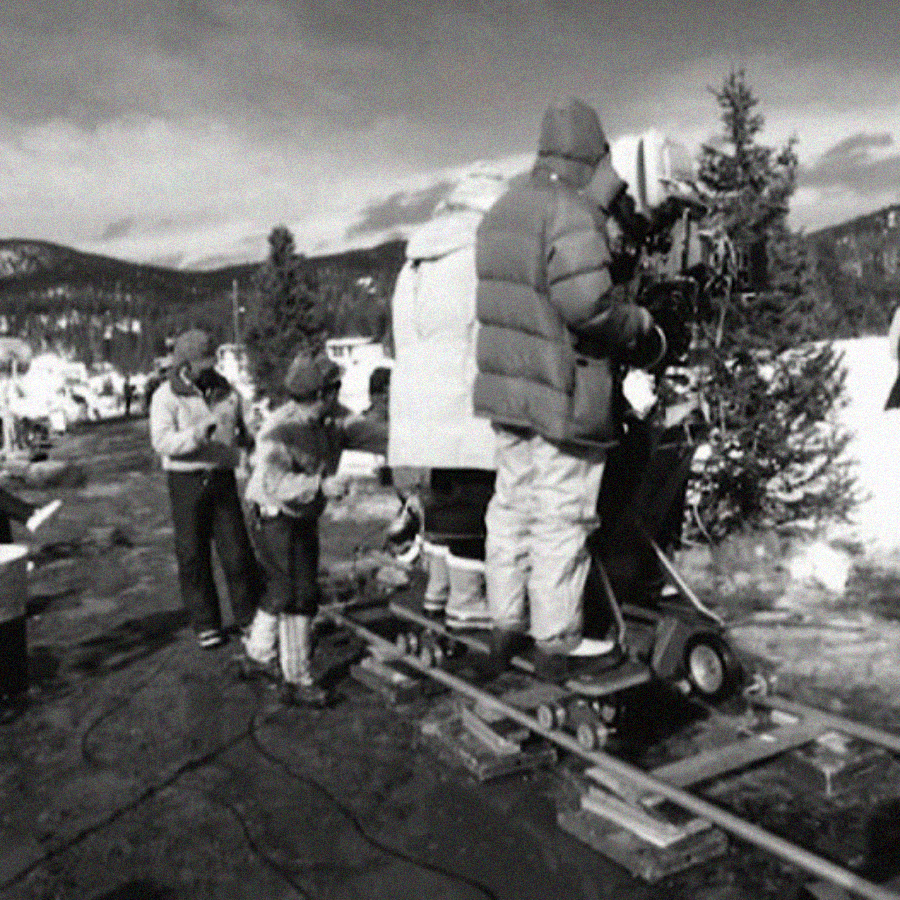
Clark Griswold’s famous rooftop pratfalls were staged with soft fall zones and breakaway pieces. For the light-up sequence, they needed a lot of resets because practical bulbs overheated between takes. Also, the trained squirrel they brought died the morning of its scene, so the crew had to use an untrained one, and that brought real chaos on camera.
Trending on The Scroller

6. Home Alone, 1990
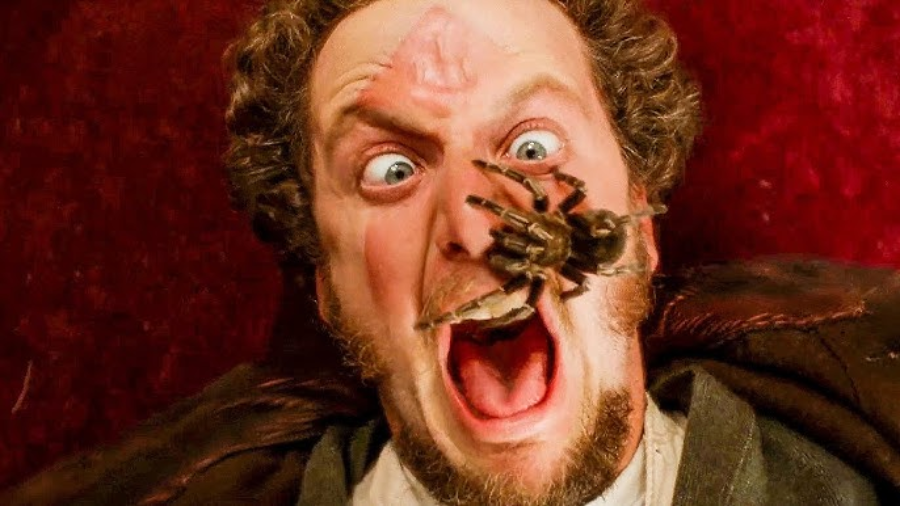
Even though John Williams joined the film late, he watched a cut, and that was enough for him to write the themes that changed the film’s feel overnight. As for the acting, John Candy shot his polka scenes in a single marathon day and improvised much of the dialogue. Daniel Stern took the tarantula moment in one take while the set stayed silent so the spider wouldn’t bolt.
7. Scrooged, 1988
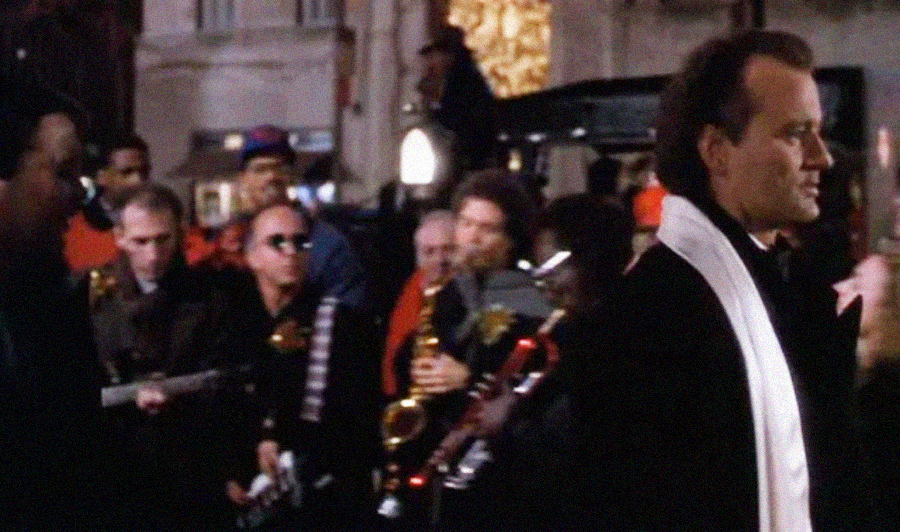
Bill Murray returned to a lead role with a script that was built to let him riff, and the crew lit the ghosts so the jokes still read through the makeup. For the big finale, they needed a real choir power and a careful miking to really land the swell. Most don’t know, but the mix of satire and sentiment of the film came together only in the last week of editing.
8. Gremlins, 1984
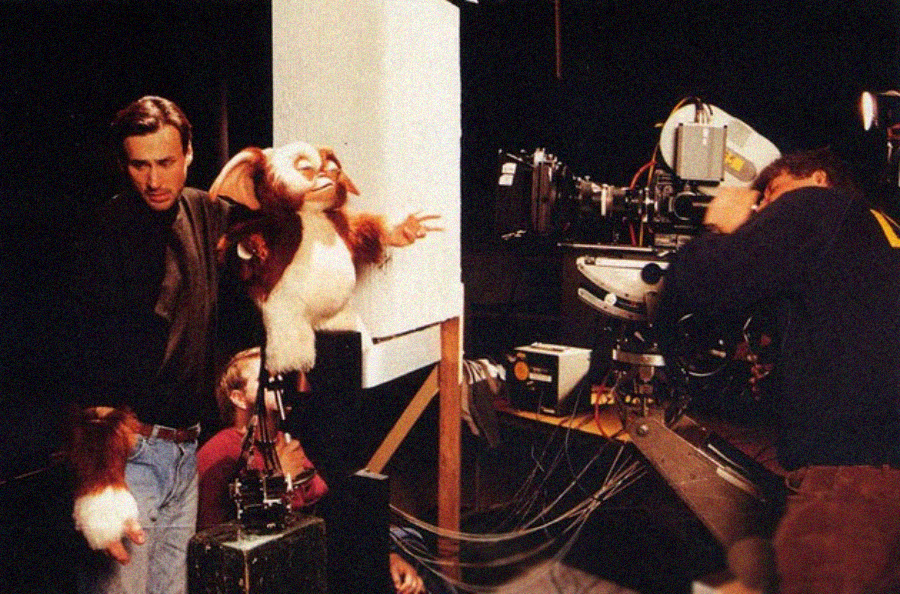
The puppets looked great, but they moved really slowly, so the team favored tighter shots and patient lighting setups. The early drafts had Gizmo change more, but a key creative call kept him cute and central. Also, most of the night shoots involved water, cables, and small motors, which meant constant tweaks.
Sign up for our newsletter
9. Die Hard, 1988
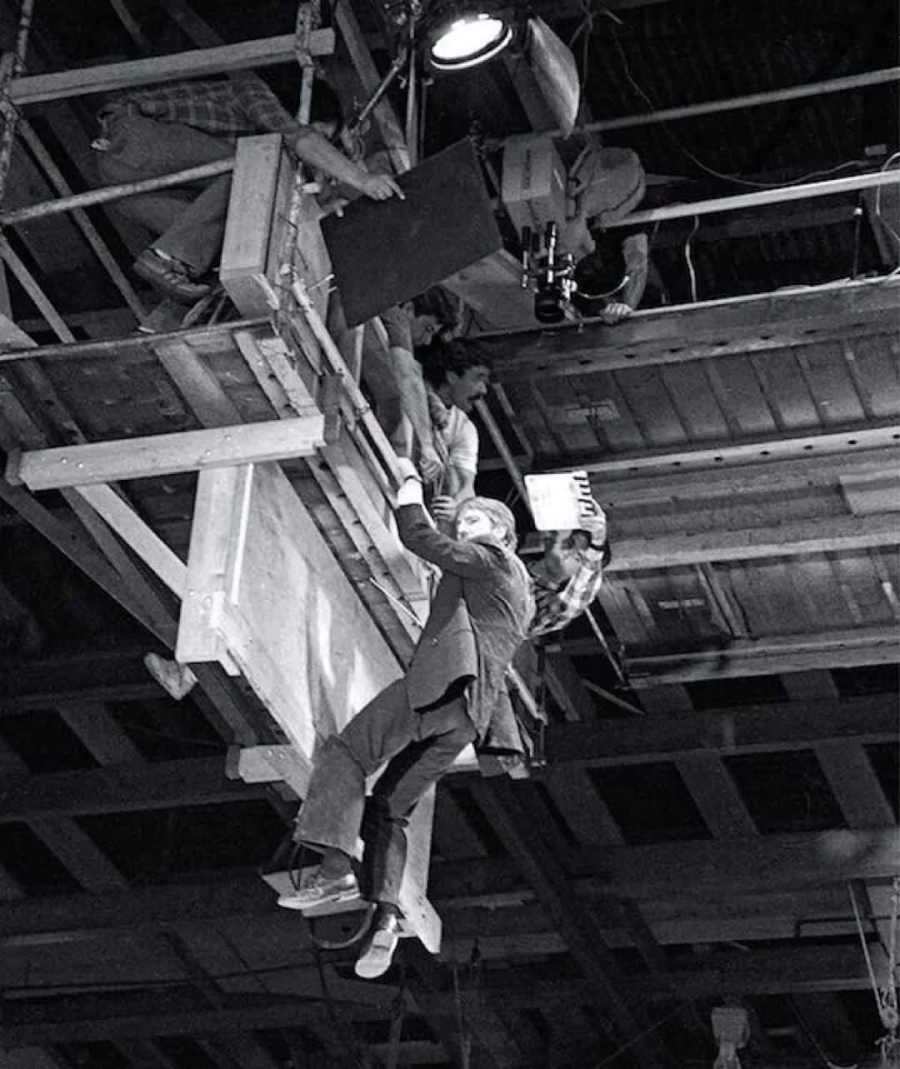
An interesting fact about this film is that Alan Rickman’s final drop was triggered a beat early, so his shock looks very honest. As for the air-duct shots, they used oversized vents and some smart framing to really sell the squeeze. The sugar glass kept the “broken glass” safe, but the barefoot look still makes the viewers wince. The decision to set the film at a holiday party let the movie clash formal wear with total chaos.
10. The Muppets Christmas Carol, 1992
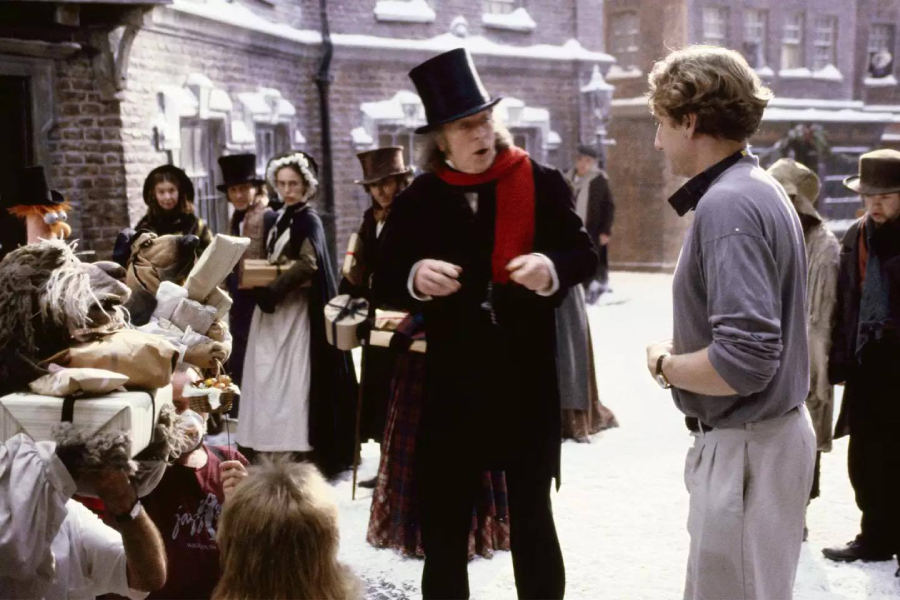
For this film, Michael Caine chose to play Scrooge completely straight, which let the Muppets be funny around him. Also, the role of Gonzo as Dickens kept the book’s voice alive without slowing the pace. An interesting thing is that the sets were built with hidden trenches and platforms so the puppeteers could move freely.
11. The Nightmare Before Christmas, 1993

We all know stop-motion films need thousands of tiny moves to shoot one scene, so for Jack, that meant months of work. Camera tracks were marked so the same shot could continue day after day without drift. The holiday doorways were practical builds, but later they were polished with optical tricks.
12. The Santa Clause, 1994
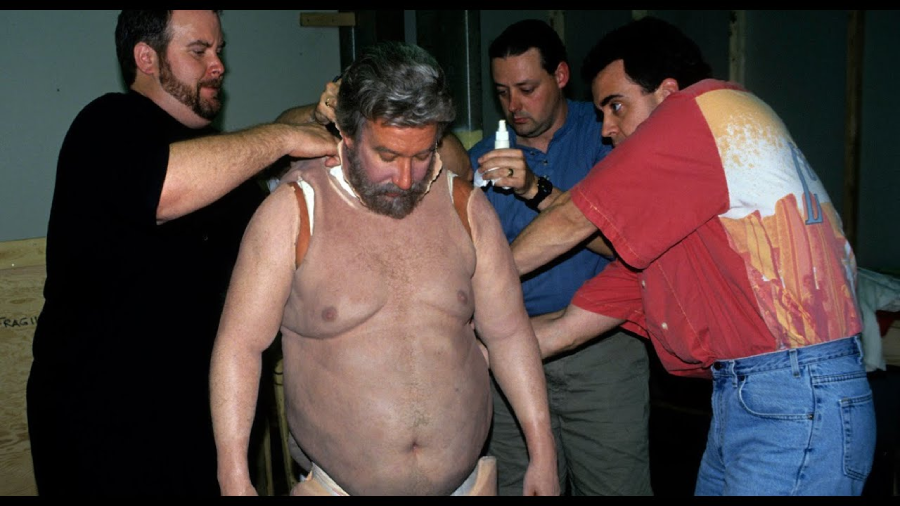
Many “snow” days in the film were actually hot, so cooling breaks went to the person inside the red suit. For the North Pole scenes, they mixed miniatures, matte shots, and busy sets to make the workshop feel alive. Tim Allen’s costume went through rounds to balance the warmth with movement.
13. Jingle All the Way, 1996
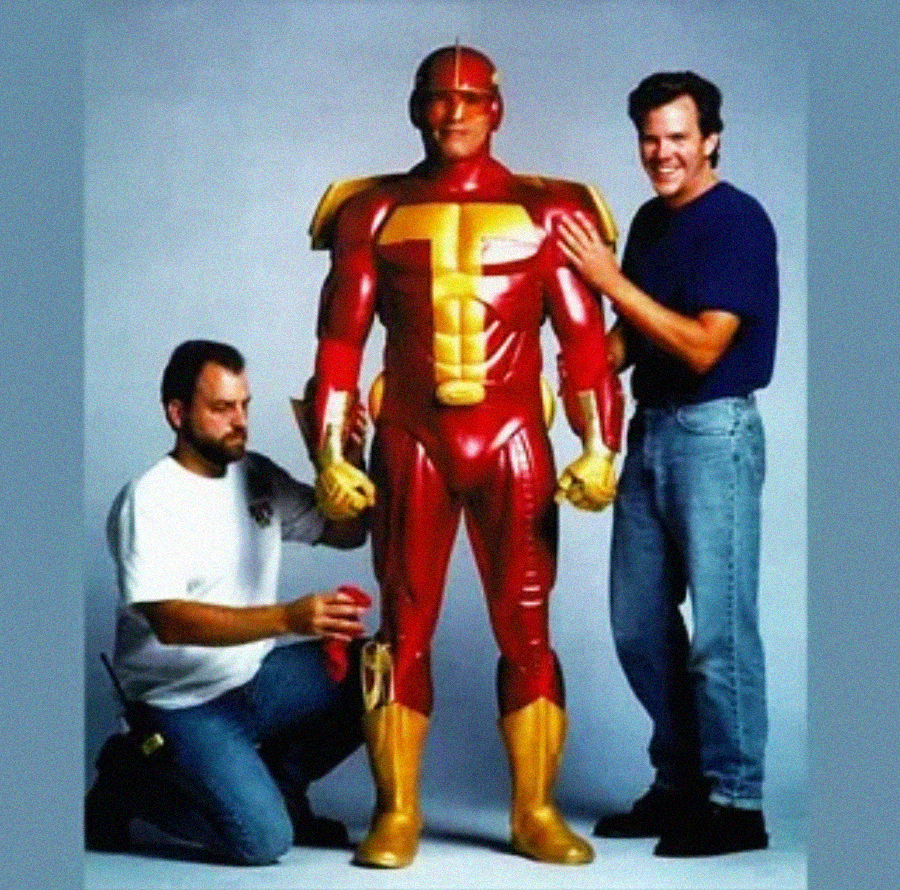
For the toy-store chaos, they needed careful extras blocking so the aisles looked packed but remained safe. For the parade scenes, they combine permitted angles with quick grab shots in real streets. As for the hero suit, they used light foam pieces so the fights and falls read clean.
14. Love Actually, 2003
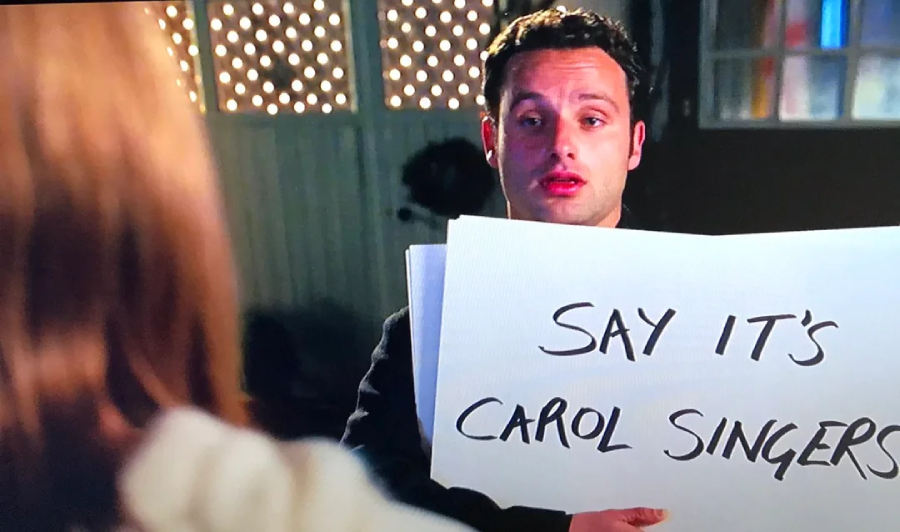
The famous cue-card scene was staged simply, with soft light and quiet pauses to keep the tenderness. For the airport material, they mixed permissions with moments caught among real arrivals. Also, a sprawling ensemble meant filming story “islands” on different schedules, then stitching them in edit. And the music clearances were handled early because the songs carry so much of the film’s feeling.
15. Elf, 2003
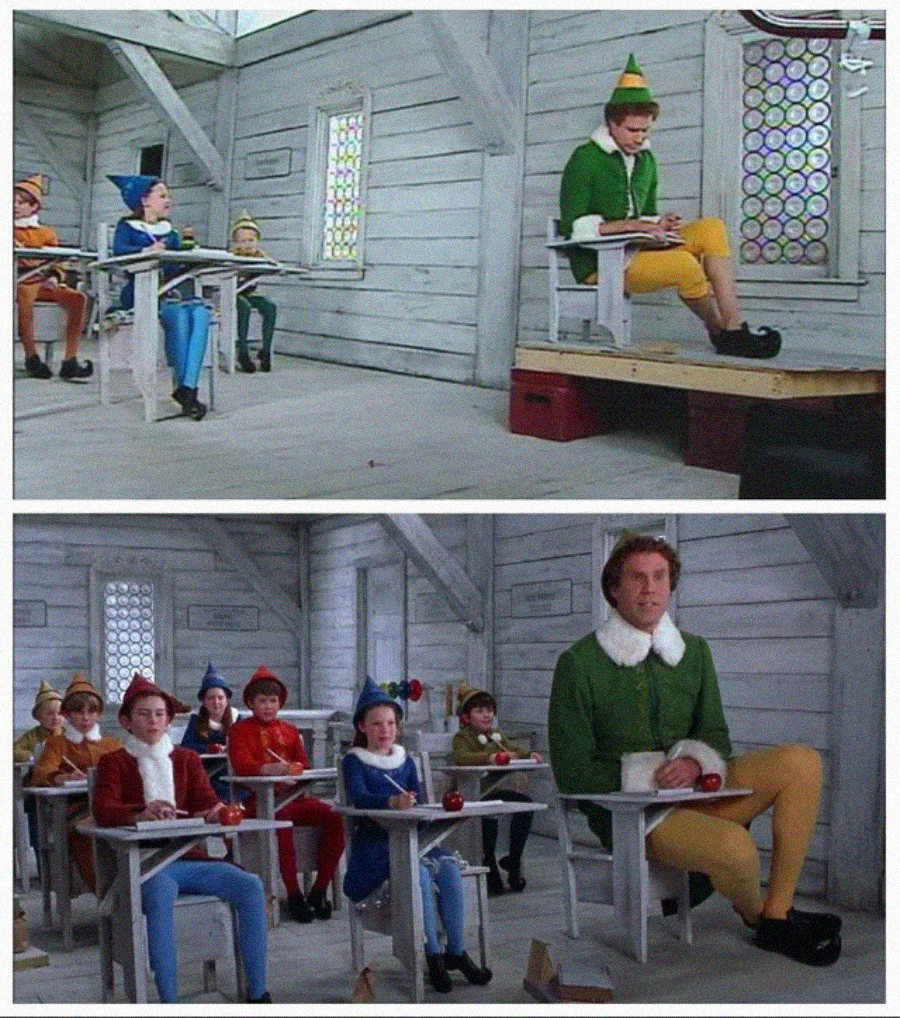
They built forced-perspective sets to make Buddy look tiny next to “giants” without having to use heavy effects. The New York exteriors were shot very fast with small crews to catch real December streets. Director Jon Favreau kept the effects practical so Buddy’s wonder felt handmade and warm.
Explore more Hollywood content:
Once you know the stories, the scenes feel warmer and sharper at the same time. If you enjoy this behind-the-scenes content, keep the mood going and check How Classic Movie Stunts Really Happened, or The People Behind Cinema’s Most Famous Creatures. You can also take a look at these 20 Actors From the 90s Who Defined a Generation.