What you see on screen isn’t always real and CGI is the reason why. From subtle background details to entire worlds that don’t exist, it has completely transformed the way we experience movies. It’s easy to forget just how much of what we’re watching is created digitally, seamlessly blended into scenes we now take for granted.
One of the most beautiful things about cinema is how it evolves over time. With just one play, we can go back and see how films looked decades ago and compare them to what we have today. Technology has changed dramatically, making possible what once seemed unthinkable. All of this is thanks to the people who took a leap of faith into the world of CGI, constantly experimenting and pushing boundaries. The movies we know wouldn’t be the same without these advancements, they would lose part of their magic. That’s why we invite you to explore this article and imagine how different these films would feel without this technology.
1. Jurassic Park
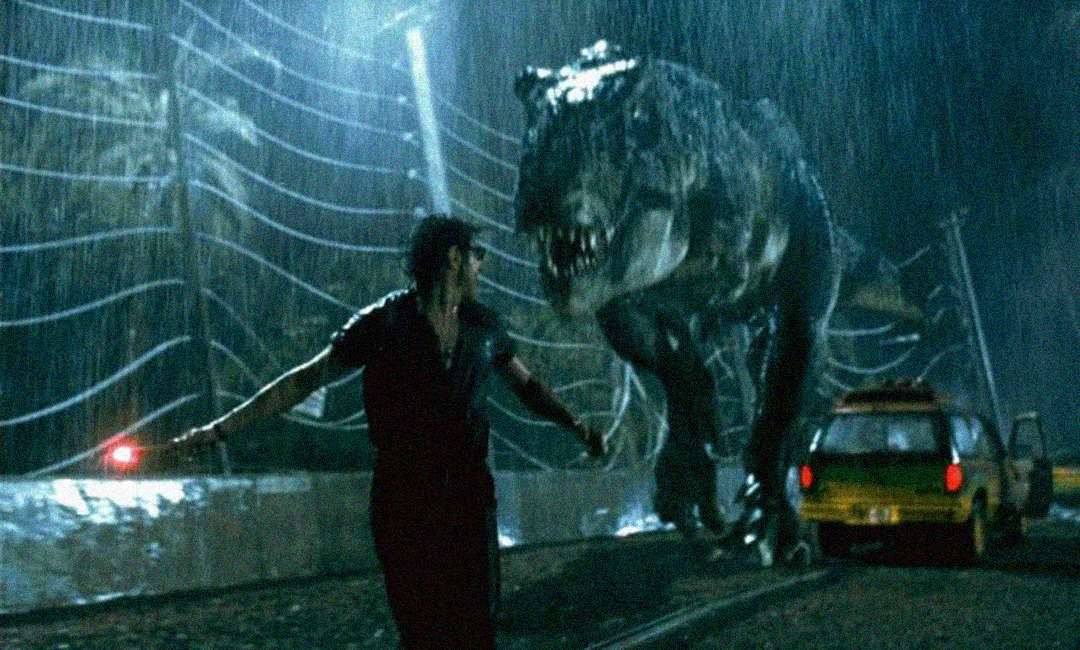
As crazy as it sounds, the dinosaurs weren’t originally meant to be fully CGI. Early plans relied heavily on animatronics, with CGI used mainly for movement and wide shots. It was groundbreaking at the time and completely changed visual effects. The moment that still stands out is the first time the characters see a dinosaur, it was massive for audiences back then.
2. Titanic
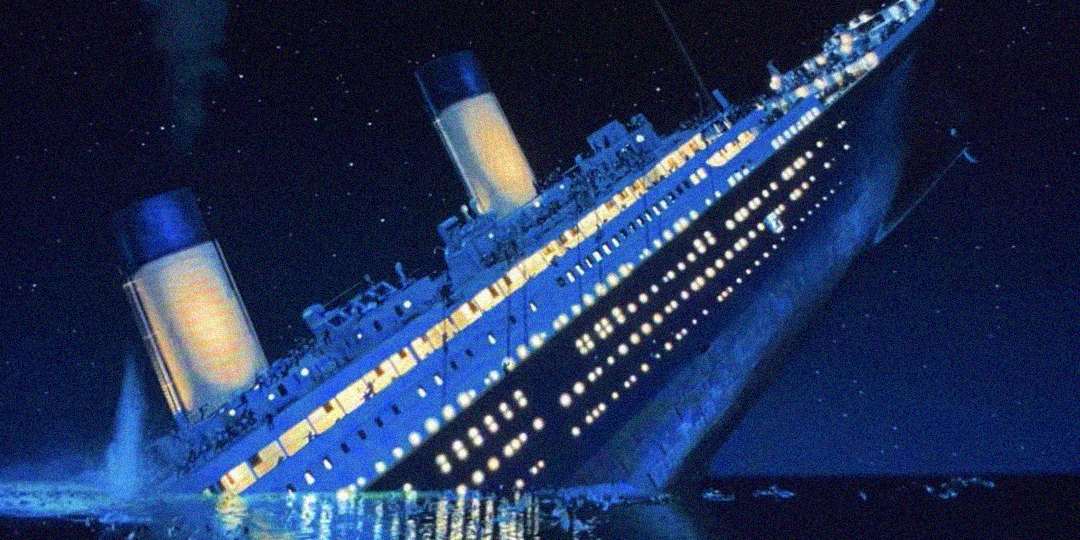
Many of the wide shots of the ship and crowds were CGI. Entire sections of the Titanic were digitally extended, making everything feel much larger than what was physically built.
3. The Matrix
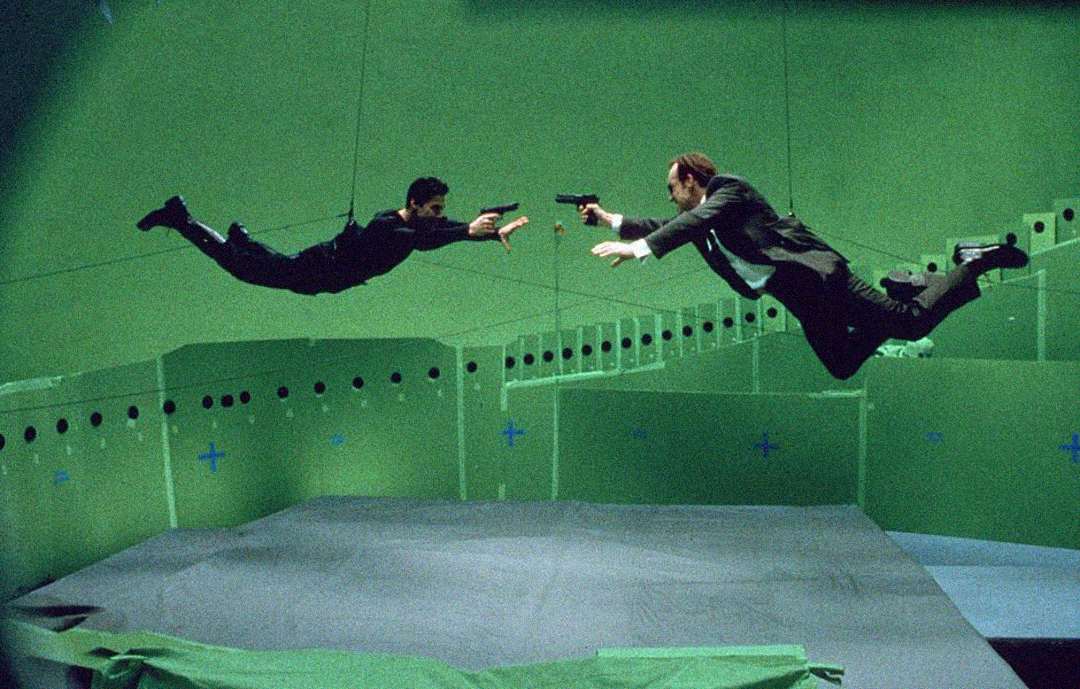
CGI played a huge role in shaping The Matrix and redefining what was possible on screen. The iconic “bullet time” effect combined real cameras with CGI interpolation. It was revolutionary and became one of the most copied visual techniques in film. Fans still consider it one of the most iconic scenes ever.
4. The Lord of the Rings: The Two Towers
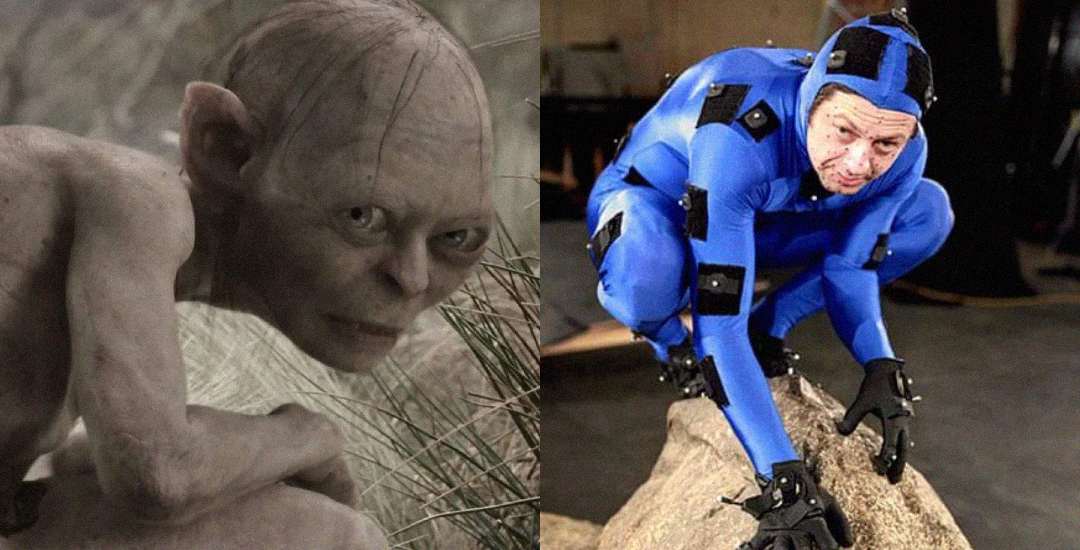
Gollum, played by Andy Serkis, was brought to life using motion capture. He wore a special suit and physically acted out every scene, which was later transformed into CGI. This pushed character animation to a whole new level.
5. Avatar
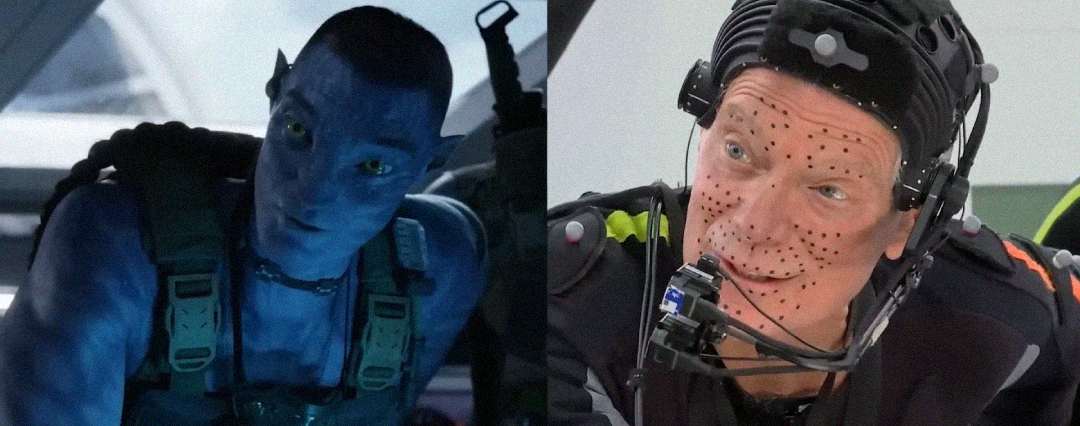
Nearly the entire world of Pandora was CGI. James Cameron developed new technology specifically for this film, making it one of the most advanced productions ever. Even years later, it still impresses audiences.
Trending on The Scroller
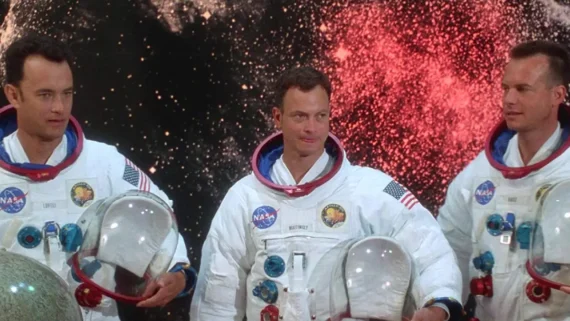
6. The Social Network

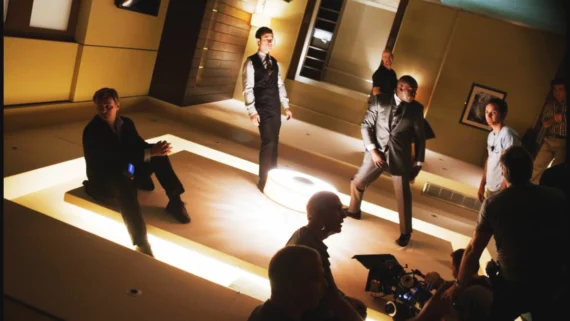
The Winklevoss twins were both played by Armie Hammer, with CGI used to duplicate his face. Most viewers didn’t even realize it and assumed they were real twins.
7. Life of Pi
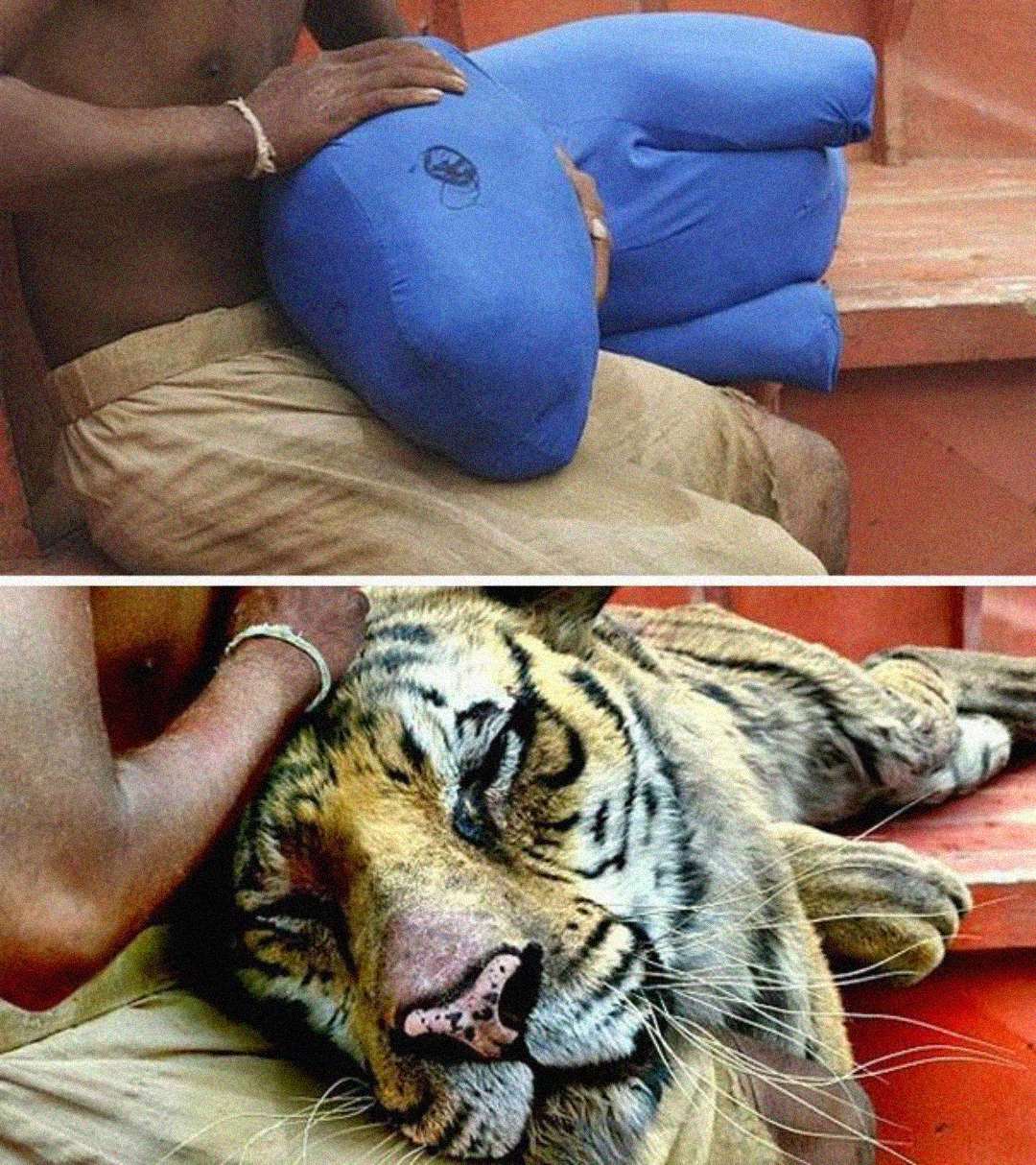
The tiger was almost entirely CGI. It was so realistic that many people believed a real animal was used, showing how advanced digital animation had become.
8. The Hobbit: An Unexpected Journey
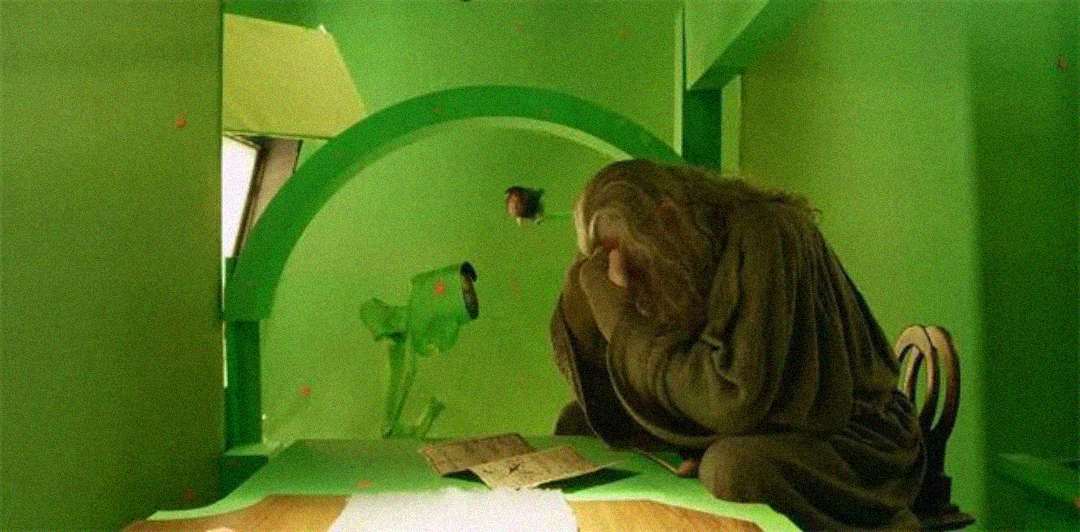
Many of the scenes with dwarves and creatures relied heavily on CGI rather than practical effects. Ian McKellen (Gandalf) famously found it frustrating to act in these environments, as he often had to perform alone, speaking to tennis balls or green screens instead of real actors.
Sign up for our newsletter
9. Mad Max: Fury Road
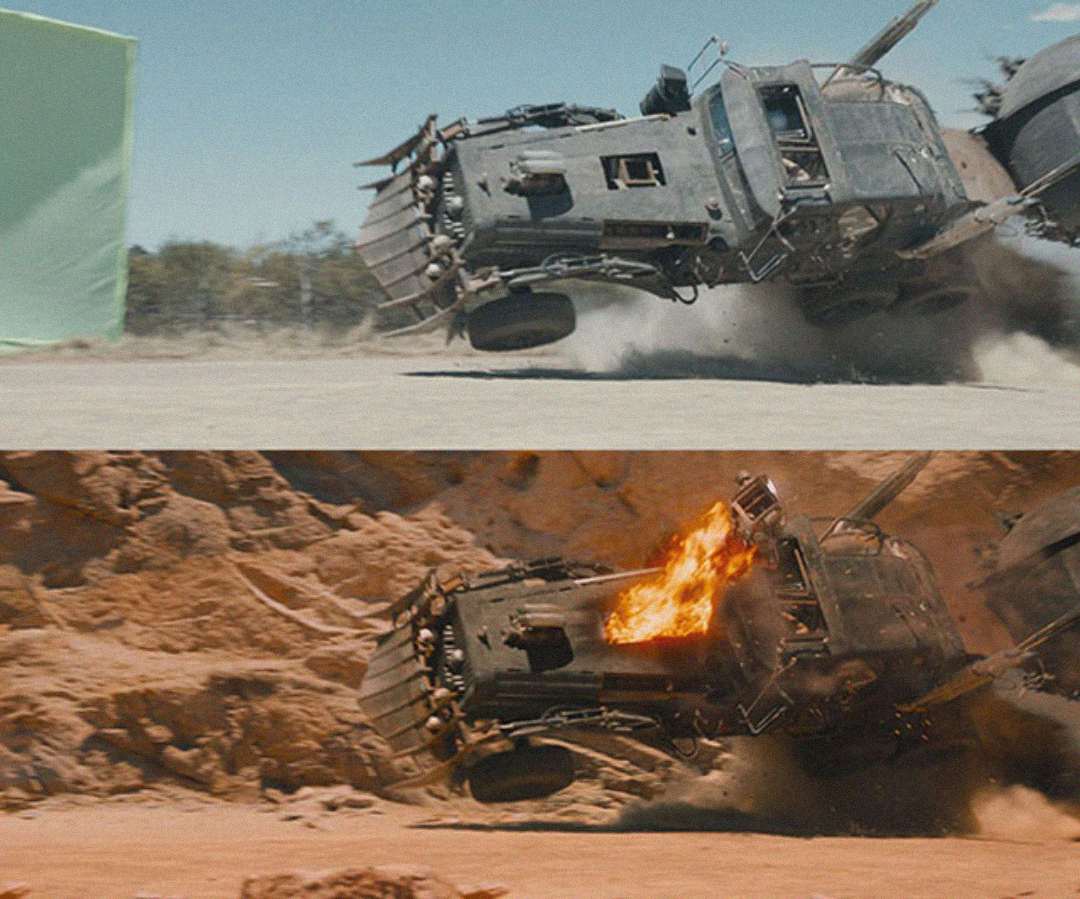
While known for its practical effects, CGI was heavily used to enhance environments, remove rigs, and intensify action scenes, often without viewers noticing.
10. Guardians of the Galaxy

Rocket and Groot were fully CGI characters, yet incredibly emotional and believable, proving that digital characters could carry major roles.
11. The Curious Case of Benjamin Button
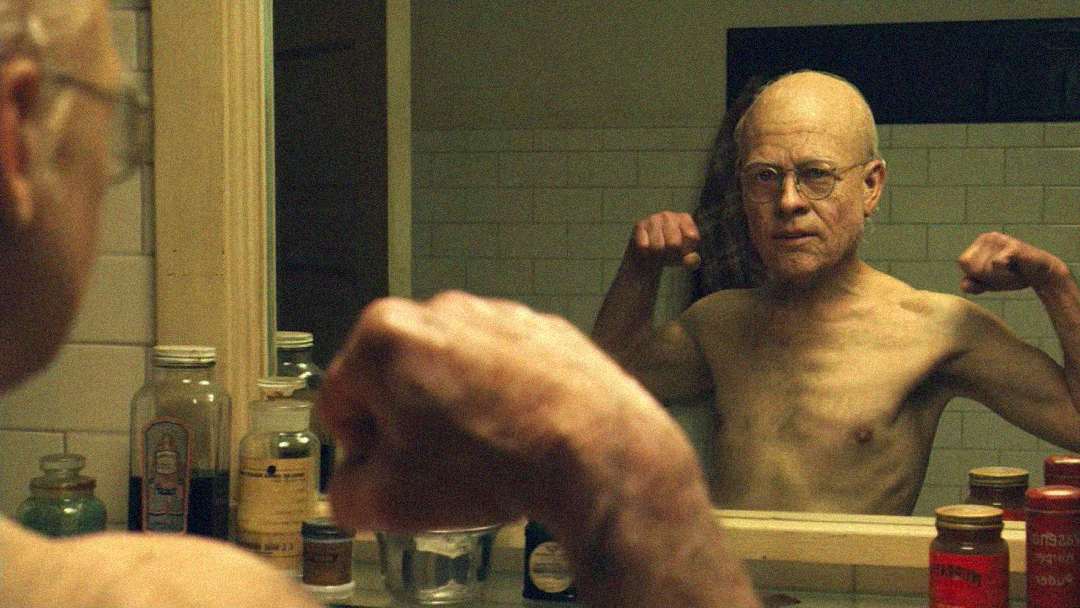
Brad Pitt’s aging and de-aging was achieved through advanced CGI, which was groundbreaking at the time and even won an Academy Award.
12. Black Panther
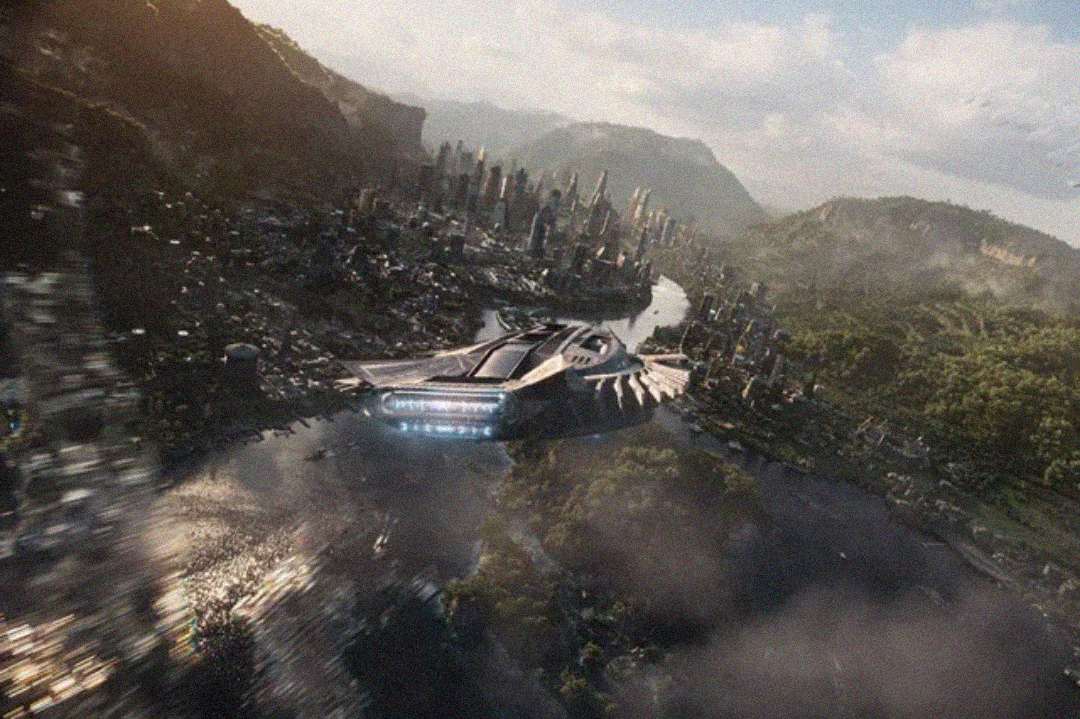
Wakanda was largely CGI, blending real locations with digital environments to create a fully immersive and futuristic world.
13. Rogue One: A Star Wars Story
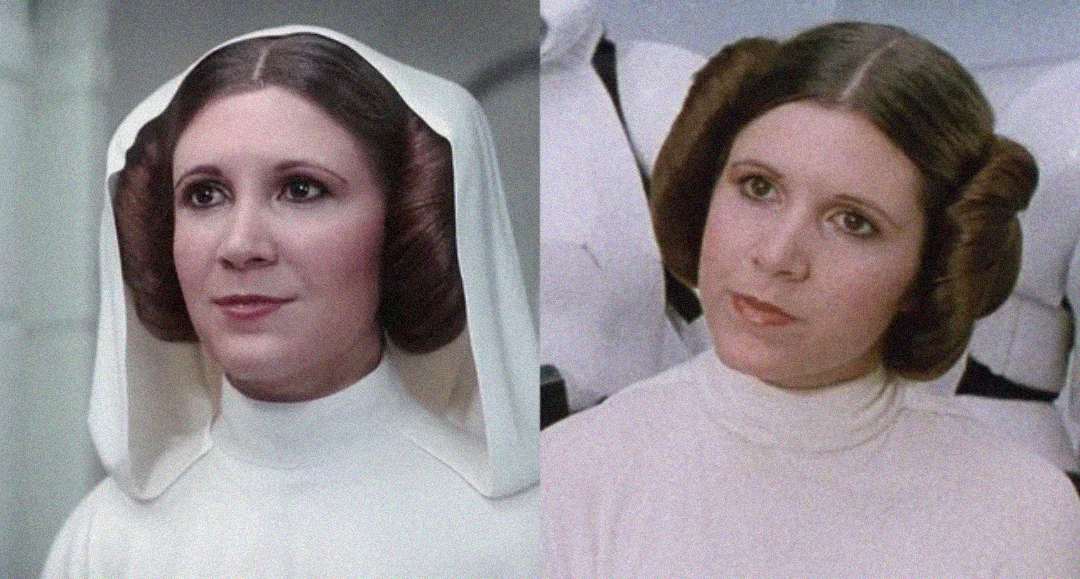
A young version of Carrie Fisher was recreated using CGI. This sparked major conversations about digital resurrection in film. Similar techniques have since been used in other movies, like Here with a de-aged Tom Hanks.
14. Forrest Gump
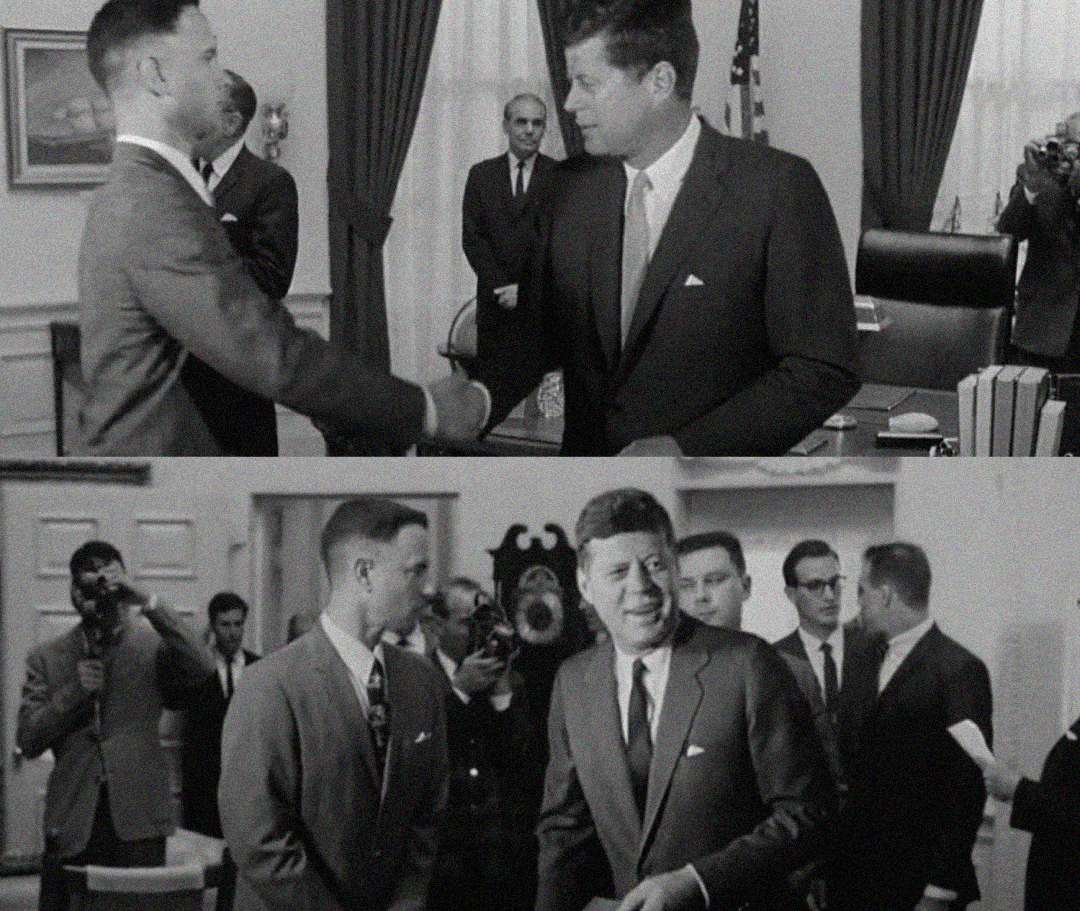
CGI was used to insert Tom Hanks into real historical footage, which was groundbreaking at the time.
15. Inception
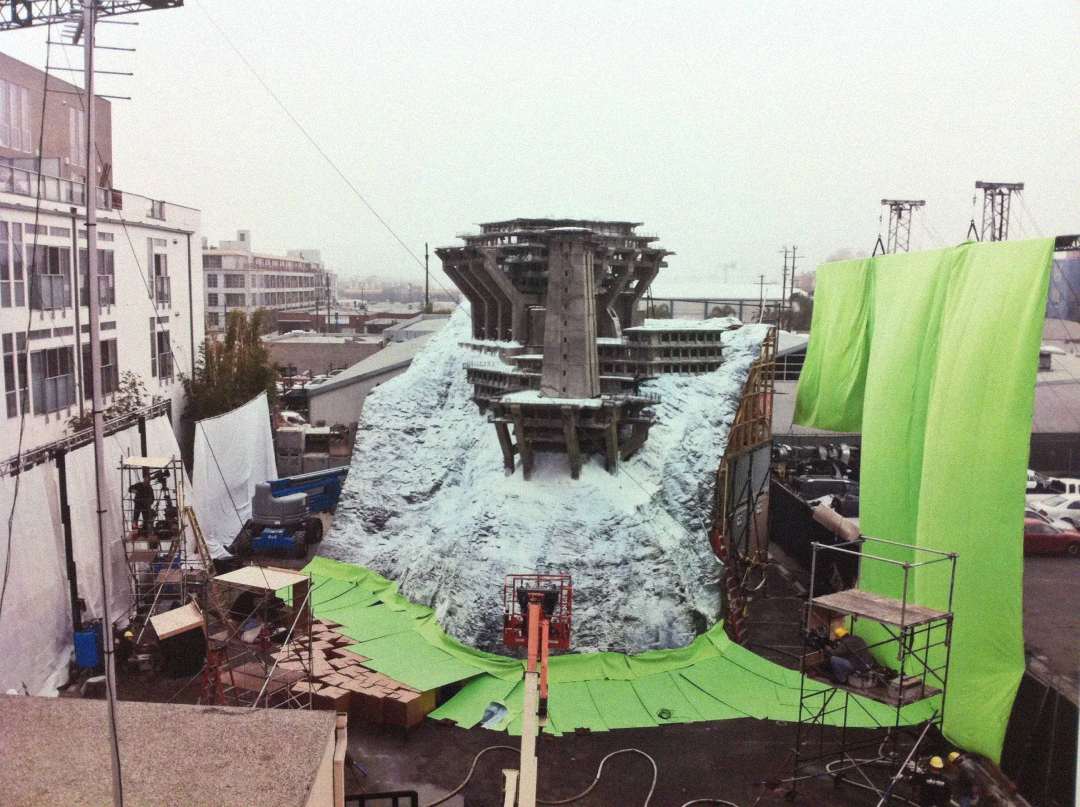
While many effects were practical, CGI helped enhance impossible visuals like folding cities, blending reality and illusion seamlessly.
16. The Avengers
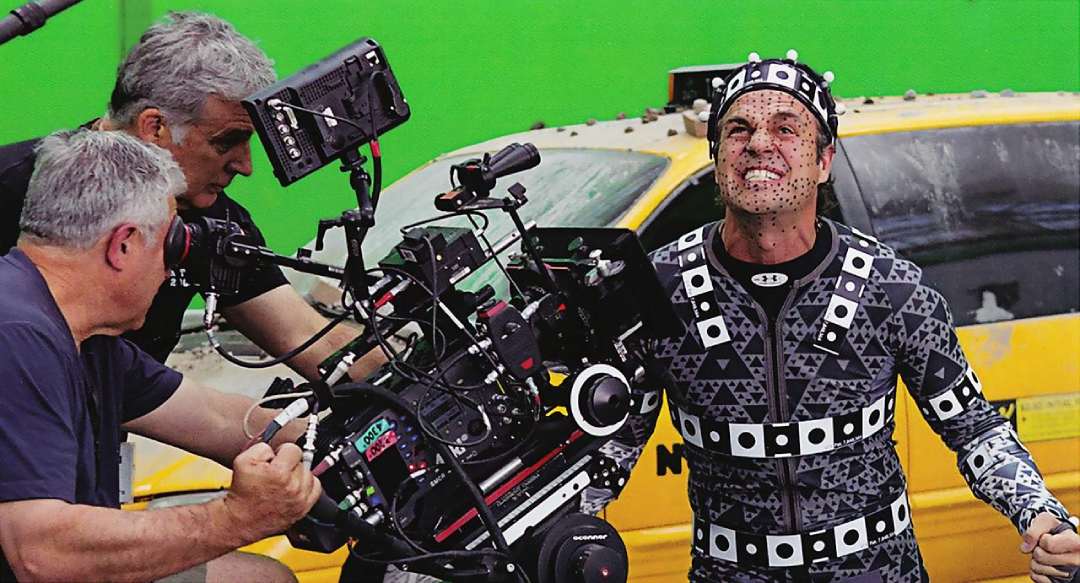
The Hulk, performed via motion capture by Mark Ruffalo, marked a major leap forward in making CGI characters feel emotionally real.
17. Harry Potter
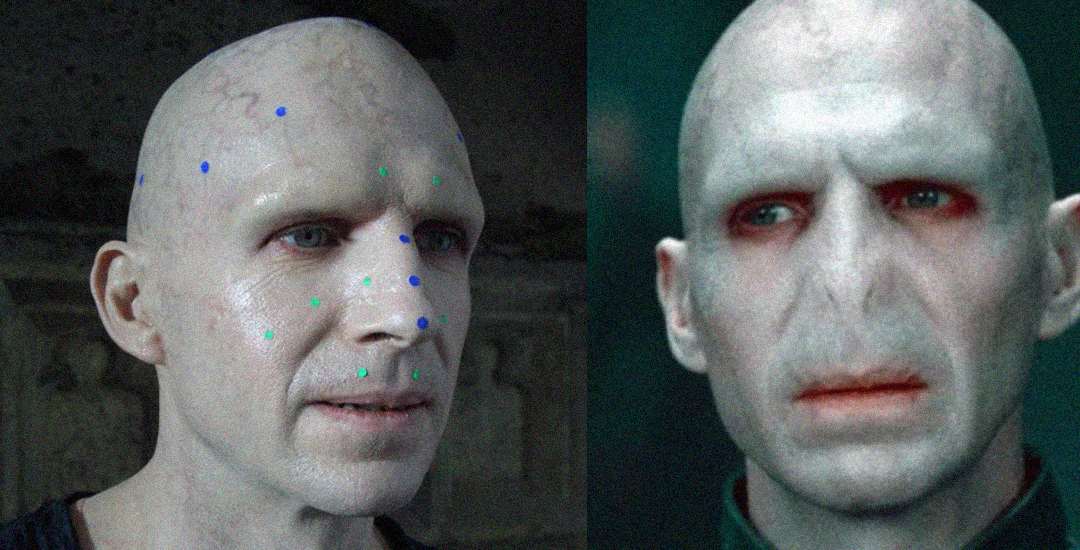
Voldemort’s missing nose was created using CGI. Ralph Fiennes performed normally, and the nose was digitally removed in post-production to create his eerie look.
18. Furious 7
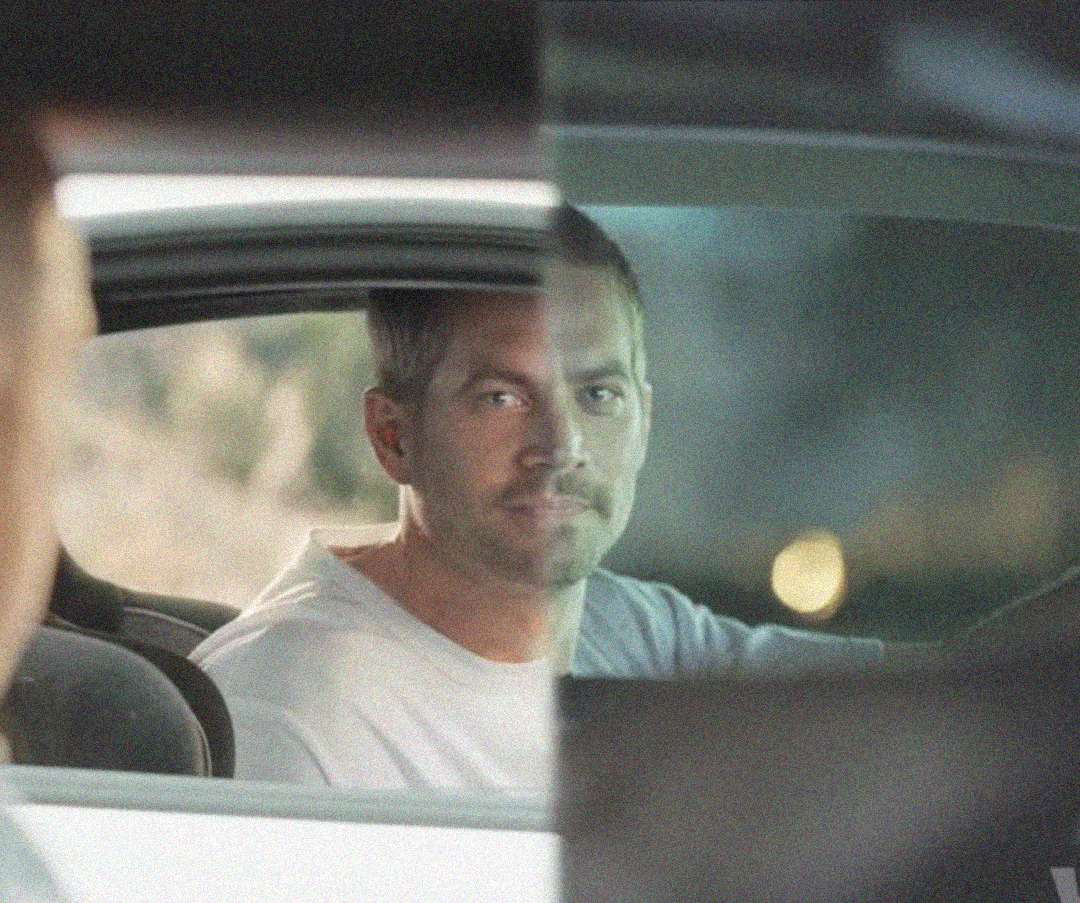
After Paul Walker passed away, CGI and body doubles (including his brothers) were used to complete his remaining scenes. The result was an emotional and seamless tribute.
19. Gravity
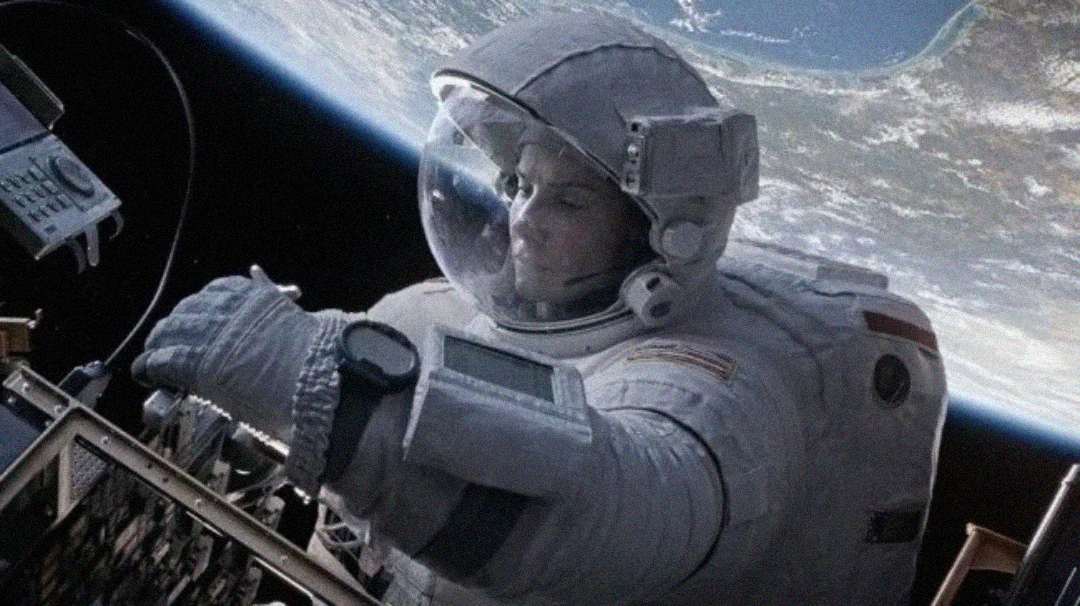
Most of the film wasn’t shot in space-like environments. Instead, CGI and advanced lighting rigs were used to simulate zero gravity, creating a highly realistic experience.
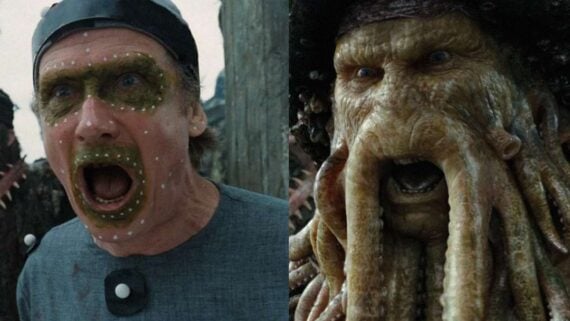
20. Pirates of the Caribbean: Dead Man’s Chest
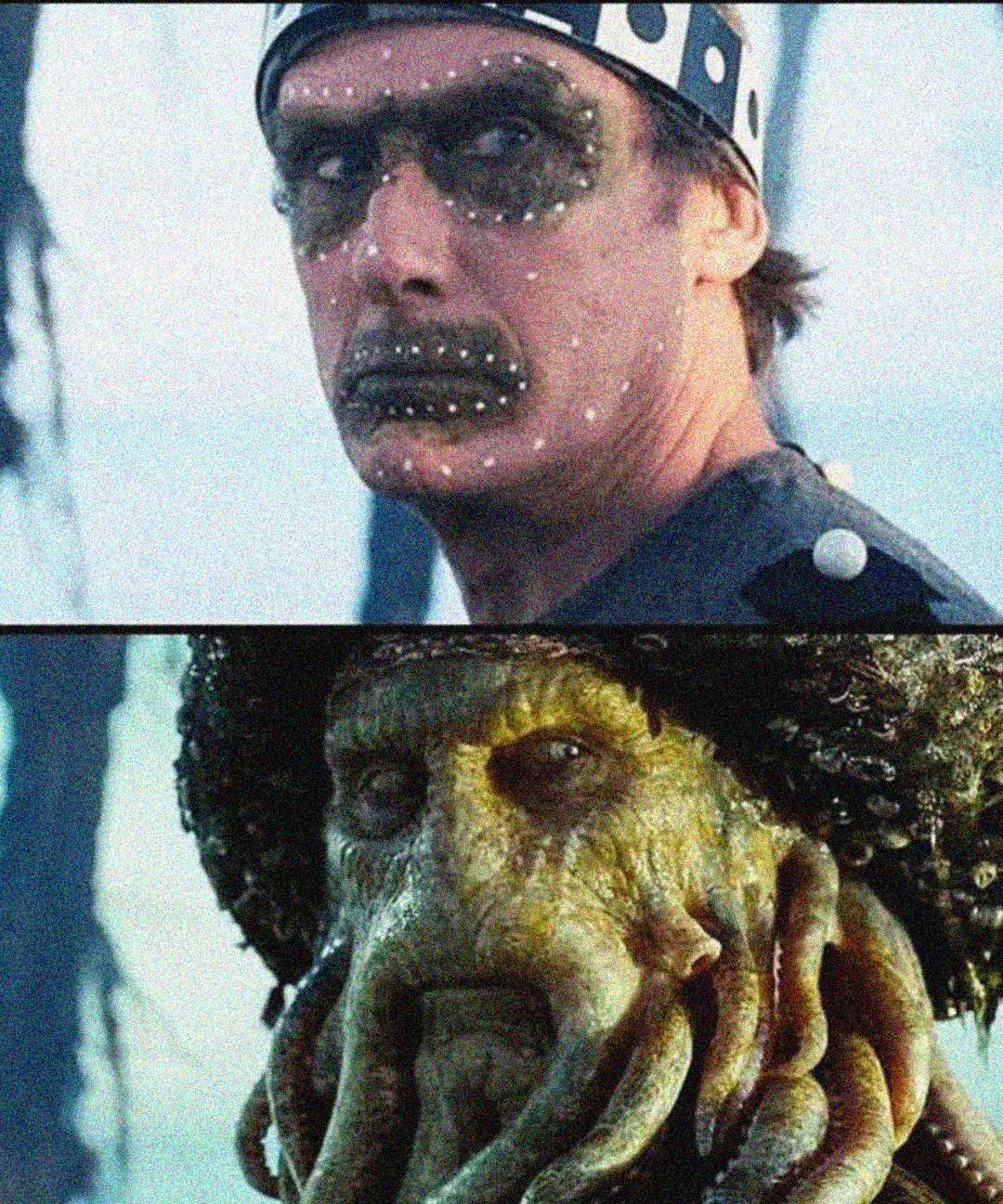
Davy Jones, played by Bill Nighy, was entirely CGI. His design and realism are still considered some of the best in film history.
If you enjoyed seeing how cinema has evolved and how CGI has shaped some of the movies we love the most, keep reading for more.
Looking back, it’s incredible to see how much has changed. These creators improved filmmaking and transformed it. Because of them, we can experience movies in entirely new ways and appreciate the details that make them feel real, immersive, and unforgettable.
If you want to keep exploring topics like this, don’t miss these amazing pieces of content: 20 Behind-the-Scenes Photos That Show How Complicated Movie Making Actually Is, 14 Times the Cast of Iconic Horror Movies Looked Hilariously Normal Between Takes, and 15 Famous Movies Where Everything That Could Go Wrong, Did.