
When we consider the intricate mechanics of human psychology, we naturally recognize common fears like a deep aversion to tight spaces, steep heights, or venomous insects. We view these standard defense mechanisms as entirely logical evolutionary developments designed to preserve our physical safety from real-world dangers. Over the generations, mainstream medical journals and popular culture have thoroughly mapped out these traditional anxieties, turning terms like claustrophobia or acrophobia into everyday vocabulary. This familiar outlook helps us categorize psychological distress, leaving the public to assume that irrational human anxiety only activates when confronting universally intimidating objects or hazardous scenarios.
However, a closer look at clinical psychological registries and linguistic etymological roots reveals an incredibly bizarre, highly specialized spectrum of human terror. The fascinating reality of clinical neurology proves that the human mind can develop intense, debilitating panic responses to the absolute smallest, most specific, and benign items imaginable. Instead of being generic fears, these conditions possess etymological titles derived from ancient Greek roots that sound entirely fictional to casual observers. Let’s head down the analytical corridors of mental science as we explore fourteen incredibly strange phobias with names so hyper-specific they sound made up but are completely real.
1. Anatidaephobia
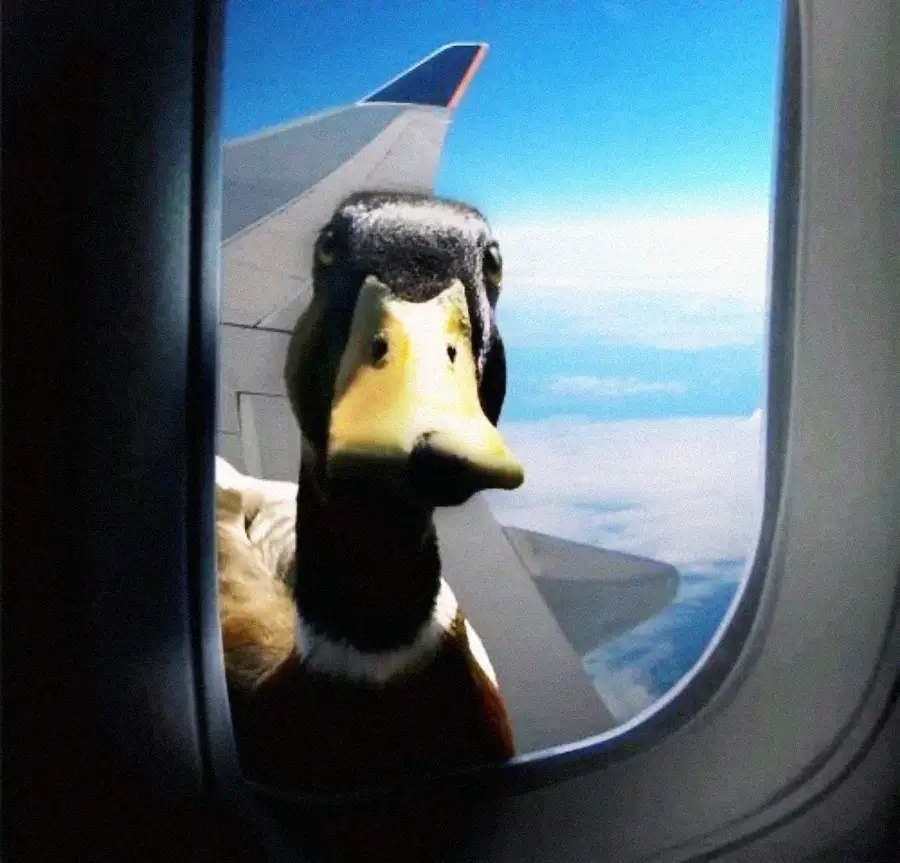
This highly peculiar psychological condition describes a pervasive, unshakeable anxiety that somewhere in the world, a duck or a goose is actively watching your every move. While the individual does not necessarily believe the waterfowl is going to physically attack them, they are completely paralyzed by the overwhelming sensation of being silently monitored by an avian presence. The condition gained massive pop culture recognition after being playfully coined in a classic Far Side comic strip by cartoonist Gary Larson, but clinical psychologists note it stems from legitimate, deep-rooted childhood trauma involving aggressive geese at public parks. Individuals dealing with this condition routinely modify their daily walking routes to avoid local retention ponds, open fields, or public botanical gardens entirely.
2. Hippopotomonstrosesquippedaliophobia
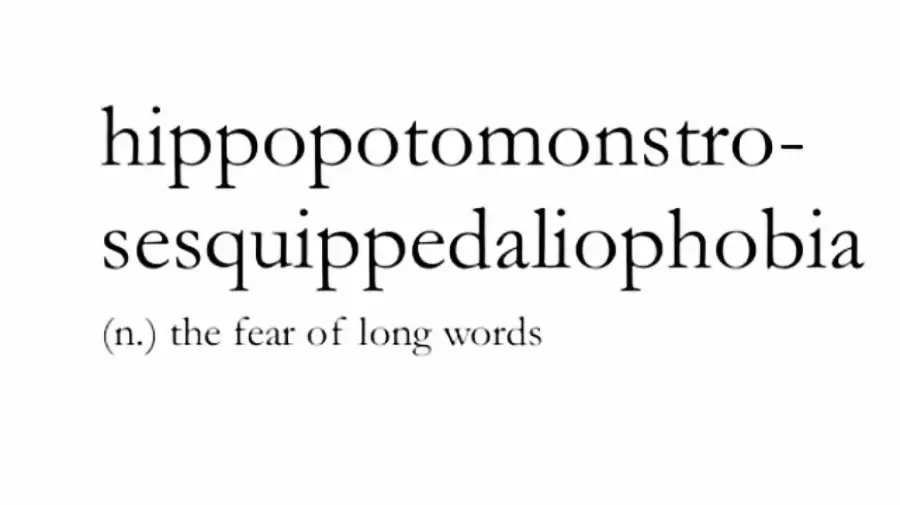
Irony reaches absolute perfection within the syllables of this specific medical term, which officially designates a severe and irrational fear of exceptionally long words. The linguistic irony is deeply frustrating for individuals dealing with the condition, as simply researching their own diagnosis can instantly trigger a severe psychological panic attack. The massive, thirty-six-letter word was deliberately constructed by etymologists using the Latin root sesquipedalian, which translates directly to a foot and a half long, mixed with comedic exaggerations to emphasize structural length. People dealing with this anxiety frequently experience intense sweating, speech stuttering, and extreme public embarrassment when navigating academic environments, professional presentations, or complex legal documents.
3. Pogonophobia
This highly specific social anxiety describes an intense, deeply rooted aversion to human facial hair, particularly large, thick beards. The psychological trigger can be so incredibly severe that individuals will actively flee social gatherings or corporate boardrooms if an individual with a prominent beard enters the space. Historical records indicate that this term was formally popularized by British researchers in the 1920s, routinely linked to subconscious childhood associations with hidden facial expressions or primitive hygiene anxieties. Today, individuals dealing with this condition frequently avoid trendy urban neighborhoods, vintage barbershops, and certain historical costume dramas to protect their psychological stability.
4. Hexakosioihexekontahexaphobia

Derived entirely from ancient Greek roots translating directly to six hundred sixty-six, this hyper-specific condition describes an absolute, debilitating fear of the number 666. The anxiety extends far beyond basic superstition, causing individuals to experience severe panic if the number appears on their store receipts, highway exit signs, or digital license plates. This condition has historically caused massive real-world infrastructure modifications, including major corporate entities and transport departments completely changing route numbers to appease panicked local populations. People managing this condition will go to extraordinary lengths to avoid booking hotel rooms on the sixth floor or completing retail transactions that total that exact numerical figure.
5. Arachibutyrophobia

This remarkably specific oral anxiety describes a severe, highly claustrophobic fear of having peanut butter stick permanently to the roof of your mouth. While it sounds like a minor kitchen inconvenience to casual consumers, for individuals dealing with the condition, the sticky texture triggers an immediate, overwhelming panic regarding potential choking or absolute vocal paralysis. Clinical researchers often trace this specific aversion back to early childhood choking incidents or general texture hypersensitivities related to swallowing mechanics. Consequently, individuals managing this condition completely ban all nut-based spreads from their domestic kitchens, avoiding traditional bakery displays and casual breakfast diners entirely.
Trending on The Scroller


6. Linonophobia

This highly unusual tactile condition manifests as a severe, irrational fear of ordinary string, industrial twine, or basic sewing thread. Individuals dealing with this condition experience intense psychological distress when encountering loose threads on their wardrobe items, tied packages, or basic craft supplies. Psychologists note that the fear is frequently connected to deep, subconscious anxieties regarding physical binding, loss of personal mobility, or systemic entrapment. People managing this condition must meticulously inspect their clothing items before purchase, actively avoiding hardware packaging departments and traditional tailoring shops to maintain peace of mind.
7. Genuphobia
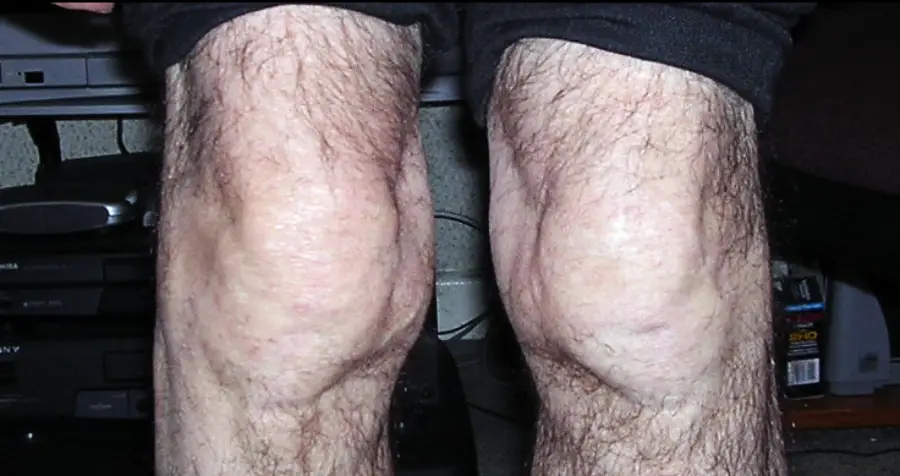
This highly specific anatomical condition describes an intense, deeply distressing fear of human knees, whether looking at their own joints or encountering exposed knees in public spaces. The anxiety can be so severe that individuals find it completely impossible to wear shorts, visit public swimming pools, or sit directly across from passengers on crowded public transit layouts. Clinical records suggest that the condition can be triggered by experiencing painful childhood joint injuries or witnessing graphic medical surgeries involving bone manipulation. To cope with the daily psychological strain, individuals typically adopt a wardrobe of long trousers and floor-length skirts to block any potential visual triggers.
8. Nomophobia

Birthed entirely by the logistics of our modern digital infrastructure, this contemporary term serves as an abbreviation for no-mobile-phone phobia. Individuals dealing with this highly prevalent modern condition experience severe physiological panic attacks when they lose cellular network coverage, run out of battery power, or misplace their smartphone devices. A comprehensive study executed by British postal researchers confirmed that over fifty percent of mobile phone users experience a profound sense of anxiety when disconnected from their digital networks. The condition highlights a deep, systemic human dependency on continuous digital validation and instant communication structures to navigate everyday social realities.
Sign up for our newsletter
9. Chaetophobia

This highly distressing condition describes a severe, irrational fear of loose or detached human and animal hair, extending occasionally to hair left on brushes or carpets. Individuals managing this anxiety feel a profound sense of biological contamination or disgust when encountering stray hairs, leading to obsessive-compulsive cleaning routines within their homes. The condition can stem from deep-seated subconscious anxieties regarding aging, physical decay, or the transmission of microscopic biological pathogens. People dealing with this fear frequently avoid visiting hair salons, operating public pet sanctuaries, or utilizing shared velvet upholstery items in public spaces.
10. Phobophobia
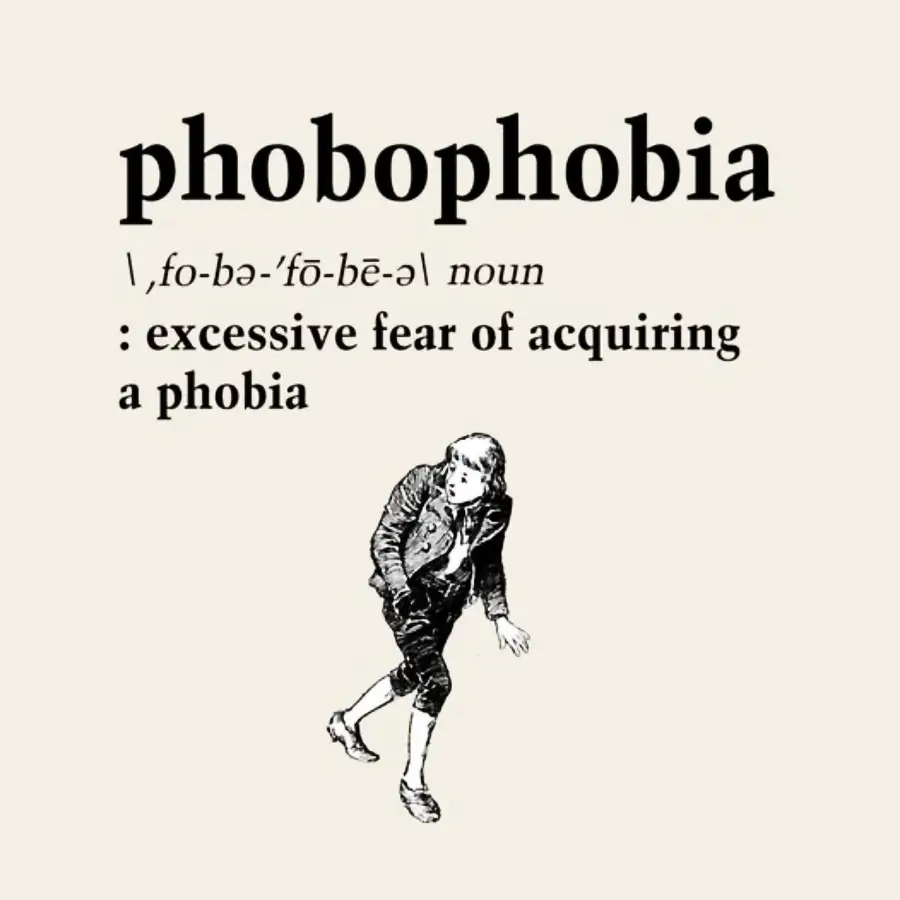
This fascinating neurological loop represents the absolute pinnacle of psychological distress, officially defining the literal fear of developing a phobia itself. The individual is trapped inside a non-stop cycle of existential anxiety, constantly monitoring their own internal heart rates and cognitive responses in terror of discovering a new psychological trigger. Psychologists classify this condition as an extreme manifestation of generalized panic disorder, where the anticipation of fear becomes significantly more destructive than any real-world object. Managing this condition requires extensive cognitive behavioral therapy to systematically deconstruct the mind’s internal habit of weaponizing its own defense mechanisms against itself.
11. Ephebiphobia

This specific sociological condition describes an intense, inaccurate, and irrational fear or deep distrust of teenagers and youth culture. The anxiety is actively fueled by sensationalized media broadcasts and local news networks that systematically paint adolescent populations as inherently violent, unpredictable, or criminally inclined. Individuals managing this condition will actively modify their daily transit schedules to avoid local high school dismissals, public skateparks, and urban shopping mall food courts during weekend hours. This protective behavior turns ordinary generational gaps into severe social barriers, completely isolating older demographics from contemporary cultural transformations.
12. Omphalophobia

This hyper-specific anatomical fear centers entirely around the human belly button, causing individuals intense distress when their navel is touched, looked at, or discussed. People dealing with this condition find it incredibly difficult to navigate routine morning shower routines or medical physical checkups because the physical area feels dangerously vulnerable to internal structural damage. The anxiety is frequently linked to subconscious psychological misconceptions regarding the umbilical cord connection and early embryonic development logistics. To preserve their internal calm, individuals will wear highly protective high-waisted undergarments and strictly forbid romantic partners from making eye contact with the midsection.
13. Papaphobia

This highly unique ideological condition describes an intense, irrational fear of the Pope, the high-level Vatican leadership hierarchy, or the Roman Catholic papal institution. The anxiety can be instantly triggered by looking at photographs of the papal garments, watching televised broadcast masses, or encountering historic religious artwork displaying papal authority symbols. Clinical researchers note that the condition is often a highly specialized manifestation of ecclesiophobia, which describes a generic fear of church structures or elite religious governance systems. Individuals managing this condition will actively avoid international travel to Rome or watching major global news broadcasts during papal transition cycles.
14. Allodoxaphobia
Concluding our clinical registry is an incredibly debilitating social condition that defines an absolute, terrifying fear of other people’s personal opinions or public feedback. The individual is completely paralyzed by the prospect of receiving any form of criticism, review, or casual judgment from their peers, colleagues, or digital networks. This condition frequently stalls professional growth and creative expression entirely, forcing the individual to live an isolated, hyper-cautious existence to avoid drawing any public focus. Psychologists note that the fear is deeply rooted in experiencing severe childhood emotional rejection, turning everyday social interactions into high-stakes psychological gauntlets.
In the mood for more interesting facts?
Delving into the hyper-specific, often unbelievable titles that govern the spectrum of human anxiety serves as a fantastic reminder that the human mind remains an incredibly complex, untamed frontier. Recognizing that ordinary everyday items like a stray hair, a long word, or a simple piece of sewing thread can trigger absolute biological panic allows us to view psychological health with genuine empathy and analytical clarity. If you enjoyed this illuminating, deeply unusual journey looking back at the hidden quirks of human neurology, make sure to explore these 20 Fascinating Facts About Humans That Defy Logic, or 15 Human Body Facts That Sound Impossible But Are Real. You may also like these 20 Ocean Facts That Might Spark Thalassophobia.